Your cat looks half-asleep on the couch, eyes closed, one ear flat against the cushion. You’d swear it hasn’t registered a single thing happening in the house for the last hour. Then your keys jingle two rooms away, and that same ‘unconscious’ cat is suddenly sitting bolt upright at the door before you’ve even grabbed your coat.
That’s not a coincidence, and it’s not psychic. Cats have quietly built a private soundtrack of your life – dozens of tiny acoustic signals that mean nothing to anyone else but mean everything to them. Some make them sprint. Some make them freeze. A few, it turns out, actually break their hearts a little. Here are 15 of them, and the surprisingly precise science behind why your cat never really misses a beat.
#1 – Your Car Pulling Into the Driveway
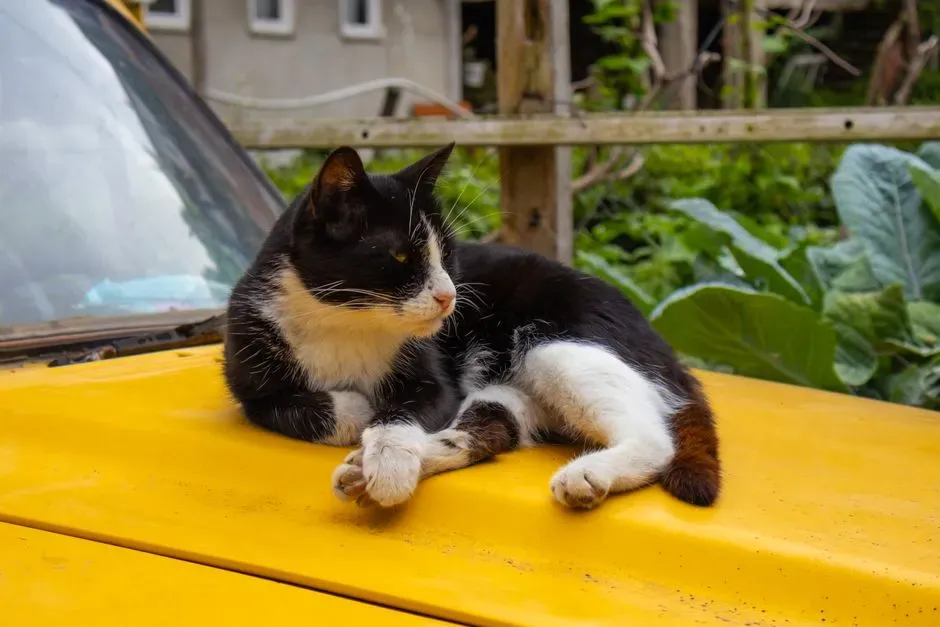
Cats aren’t just reacting to engine noise – they’re recognizing a very specific acoustic signature that belongs to you alone. Feline hearing extends into a range humans can only dream of, running from roughly 48Hz all the way up to 85,000Hz, one of the broadest hearing ranges of any mammal on the planet.
That range means your cat can detect the distinct pitch of your engine, the specific rhythm of your tires on gravel, even how hard you brake, long before the sound registers with human ears. If you’ve ever wondered how your cat knows you’re home before the door opens, that’s how. It’s associative memory built from hundreds of repetitions: your car equals food, attention, or a lap to sit on.
Fast Facts
- Cat hearing range: roughly 48Hz to 85,000Hz
- Typical human hearing range: about 20Hz to 20,000Hz
- Cat ears use around 30 muscles each, versus about 6 in humans
- Ears can rotate close to 180 degrees to pinpoint a sound source
Most owners never realize their cat has essentially fingerprinted their vehicle’s sound. That kind of acoustic memory takes real cognitive work, and it’s nothing compared to what your cat does with the sound of your footsteps.
#2 – The Specific Rhythm of Your Footsteps
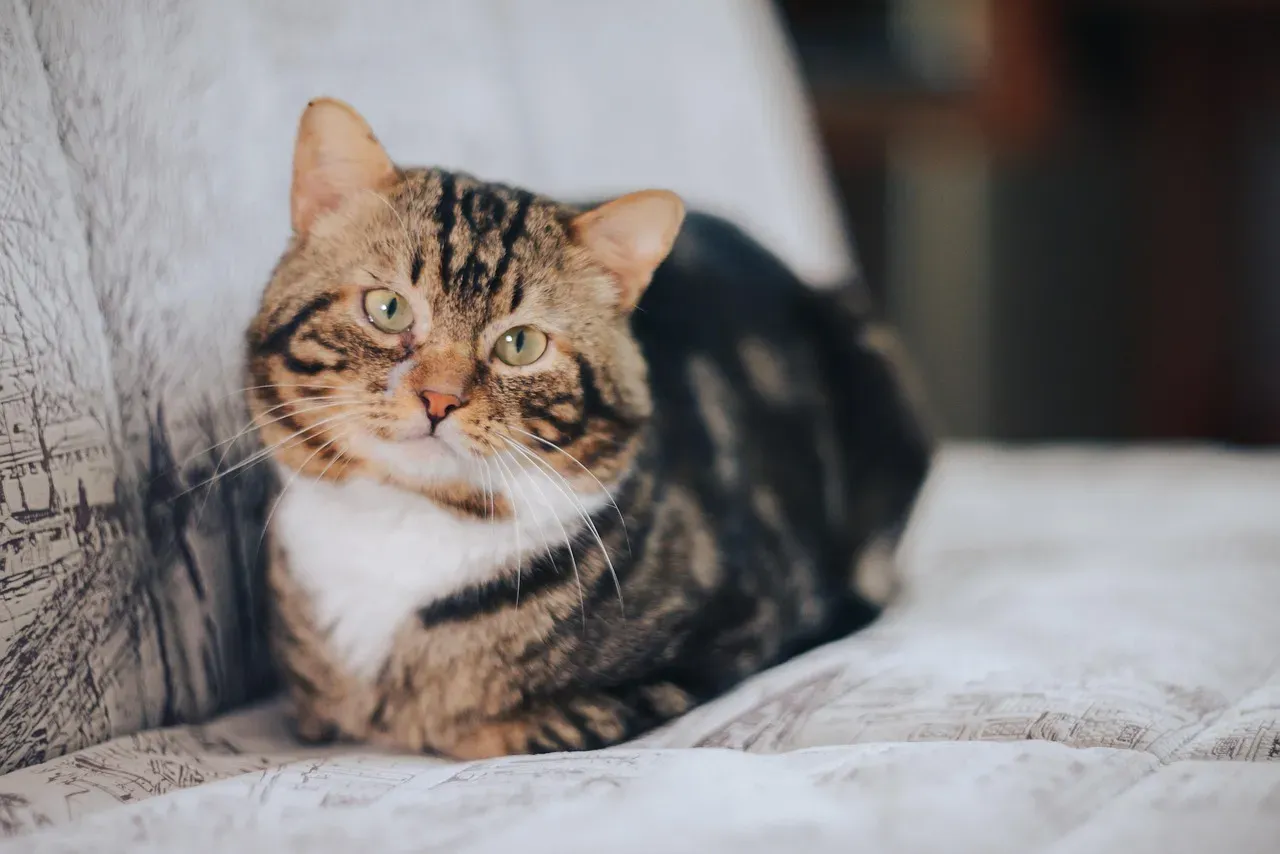
Cats don’t just hear footsteps – they decode them like a signature. A cat’s ear canal and inner ear are built for precision, letting them localize two sound sources just 3 inches apart from 3 feet away.
That kind of spatial accuracy means your gait, your weight distribution, even your favorite house slippers create a completely unique sound pattern your cat has already filed away. Their ears can swivel up to 180 degrees using roughly 30 muscles, compared to just six in humans, letting them lock onto a sound source with pinpoint precision.
That’s why your cat can tell the difference between you walking down the hallway and a roommate doing the exact same thing. Most people assume their cat is asleep and unaware – it’s actually tracking you through the wall. But footstep recognition is basic compared to what happens the second a treat bag crinkles.
#3 – The Crinkle of the Treat Bag
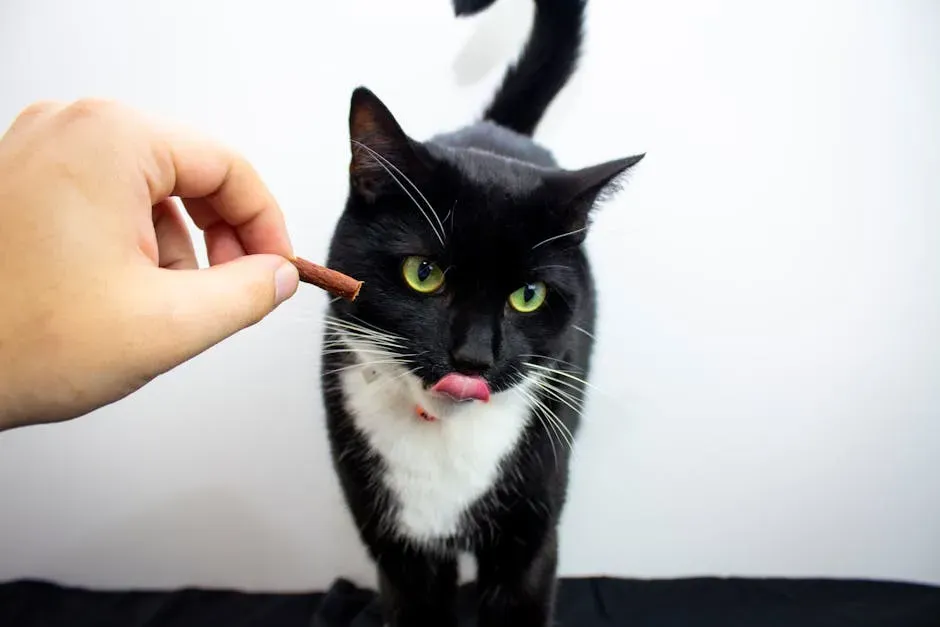
This is the sound that turns a sleeping cat into a sprinting one, and it’s not random. Humans are most sensitive to sounds around 3,000 Hz, while cats are most sensitive around 8,000 Hz.
The high-pitched crinkle of a treat bag or foil wrapper sits almost perfectly inside that sweet spot, which is why it cuts through a nap faster than a shouted name ever could. Every time that crinkle has preceded a treat, your cat’s brain has reinforced the association a little more.
The sound itself has become almost as rewarding as the treat. Some behaviorists argue this conditioning is so strong that cats will respond to the packaging noise even when the bag is empty, proof that sound, not scent, is often the real trigger. That detail is nothing compared to what your cat does with the fridge door.
#4 – The Fridge Door Opening
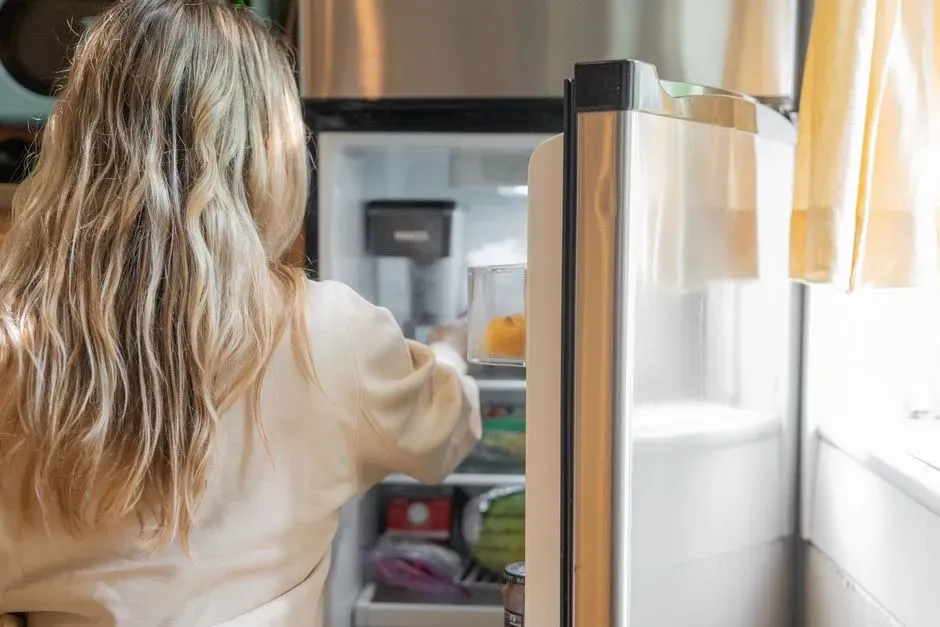
The refrigerator has a mechanical seal-and-release sound that’s almost impossible for a human to consciously notice, but your cat catches every syllable of it. That soft suction-pop when the door releases from its magnetic seal sits at a pitch most humans filter out as background noise entirely.
Cats, with hearing that stretches from about 50Hz to 80kHz, don’t filter it the same way. Layer in expectation-based learning – the fridge has meant food dozens of times before – and you get an instant Pavlovian sprint to the kitchen.
Cats aren’t reacting to hunger alone; they’re reacting to a sound they’ve mathematically linked to a reward. It’s a small mechanical noise doing enormous behavioral work. But even the fridge doesn’t compare to the emotional weight cats attach to your alarm clock.
#5 – Your Alarm Clock or Phone Alarm
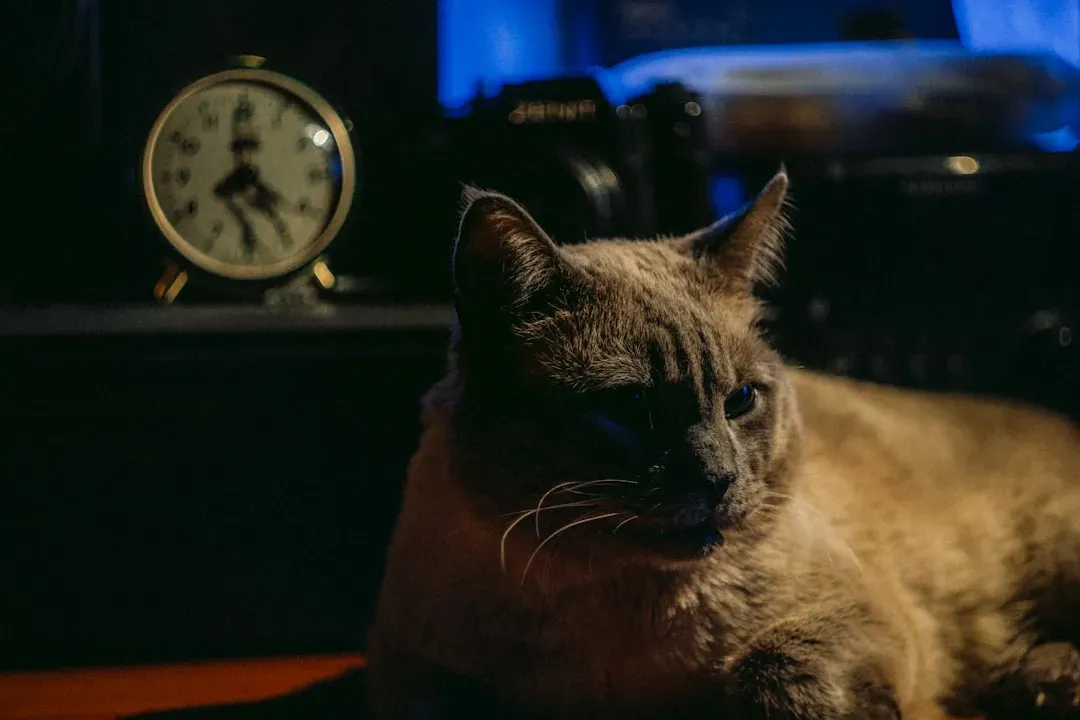
Cats have learned to treat your alarm as a starting gun, and the science behind why is surprisingly specific. A cat’s hearing is most sensitive between 500 Hz and 32 kHz, which means most digital alarm tones and phone chimes fall directly inside their most acute hearing zone.
Your cat isn’t just hearing the alarm – they’re hearing it with more clarity and urgency than you are, still groggy under the blankets. For a lot of cats, that alarm has become directly tied to feeding time or the start of household activity.
Here’s a slightly controversial idea: many behaviorists argue that owners who feed cats immediately after the alarm are unintentionally training them to treat 5 a.m. as go-time, creating the exact demanding wake-up behavior owners complain about. The alarm isn’t annoying your cat. It’s exciting them, because they’ve learned exactly what comes next. That conditioning is powerful, but nothing beats the specificity of what happens when your keys jingle.
#6 – Keys Jingling at the Door
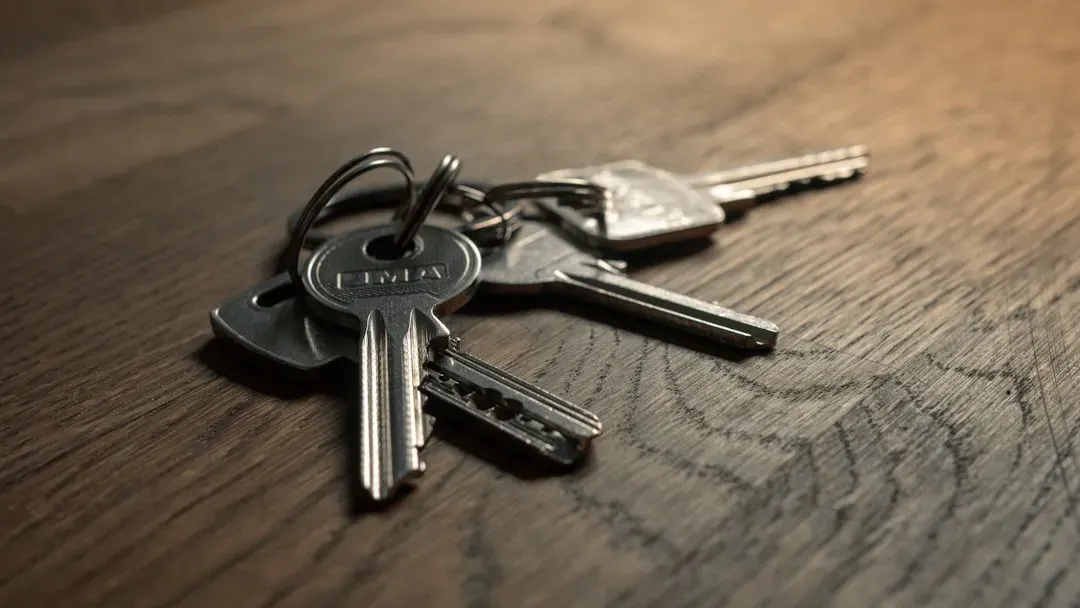
The particular metallic clatter of house keys is one of the most reliably memorized sounds in a cat’s mental catalog. Keys produce a high-frequency jingle that sits comfortably within a cat’s most sensitive hearing zone, and because that sound almost always precedes your arrival, it becomes a powerful predictive cue.
Researchers call this auditory-based social prediction – essentially guessing what happens next based on sound alone. Studies have shown cats appear to expect to see their owner’s face upon hearing their owner’s voice, and that same predictive wiring applies to keys.
The jingle means the door is about to open, which means you’re about to walk in. Cats essentially run a tiny forecasting model in their head every time they hear that sound. It’s an underrated example of feline intelligence most owners completely overlook. Still, nothing compares to how precisely cats process the sound of their own name.
#7 – You Saying Their Name
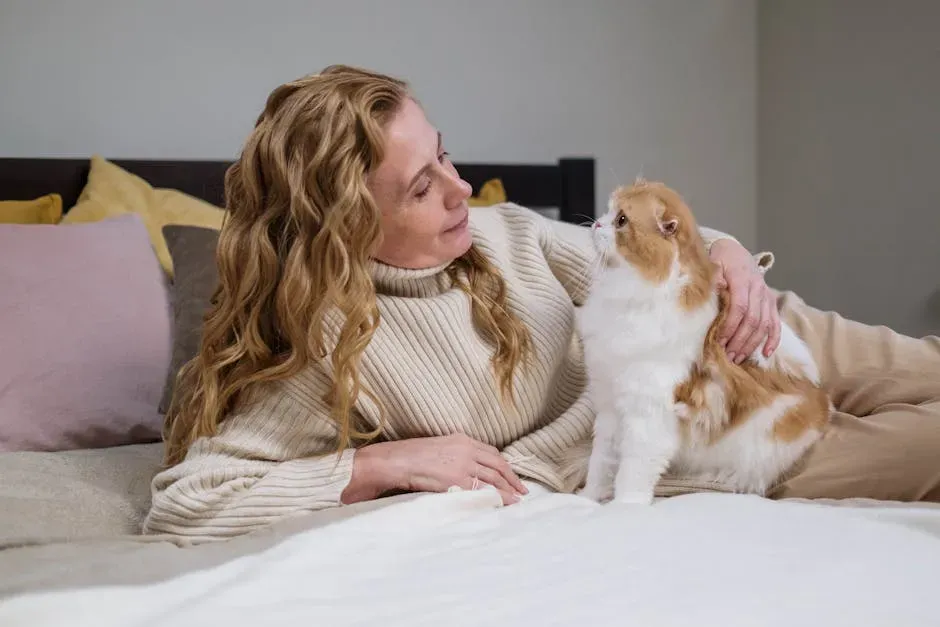
Contrary to popular belief, cats don’t ignore their name because they don’t recognize it – they ignore it because they’ve decided it’s optional. A landmark study on vocal recognition played cats recordings of three strangers’ voices, followed by their owner’s voice, then had ten naive raters score the cats’ reactions.
Of the 20 cats tested, 15 showed a lower response to repeated stranger voices but a clear rebound when their owner’s voice played, proof that cats can use vocal cues alone to tell humans apart. That response mostly showed up as orienting behavior – ear and head movement – rather than vocalizing or tail movement.
At a Glance
- 20 cats tested in the vocal recognition study
- 15 of them showed a clear rebound reaction to their owner’s voice
- Reactions were mostly ears and head turning, not meowing or tail flicks
- Recognition and willingness to respond turned out to be two separate things
Cats know exactly who’s talking. They just don’t always feel like RSVPing. That distinction between recognition and response is more sophisticated than most people give cats credit for, and it gets even more nuanced with the next sound.
#8 – The ‘Baby Talk’ Voice You Use Just for Them
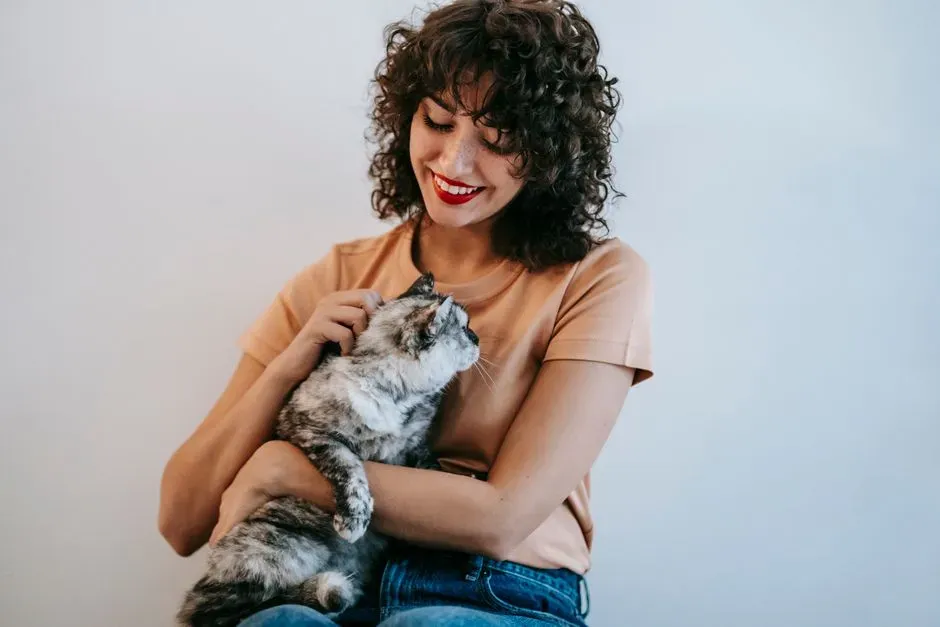
Cats can tell the difference between you talking to them and you talking near them, and the evidence is remarkably strong. In one controlled study, cats responded in subtle but distinct ways – swishing their tails, pivoting their ears, freezing mid-groom – when they heard their owners use cat-directed speech, but showed no such response to human-to-human speech.
Even more telling, they showed no reaction at all to a stranger’s voice, whether that stranger used baby talk or an adult tone. Researchers confirmed cats’ attention actually dropped when owners spoke in an adult-directed tone, but spiked when that same owner switched into a cat-directed one.
That singsong voice you think is silly is actually a recognized communication channel your cat has specifically catalogued. It’s a level of vocal discrimination most owners assume only dogs possess. But even this pales next to the sound most cats consider sacred: the can opener.
#9 – The Can Opener (or Can ‘Pop’)

Few sounds trigger a more Pavlovian full-body response than the mechanical whir or pop of a can opening. This reaction isn’t really about the can – it’s about frequency and repetition.
The can opener produces a sharp, high-pitched sound that lands squarely in a cat’s most acute hearing zone, and because it’s been paired with food thousands of times, the association becomes almost instinctual. This is textbook classical conditioning, the same mechanism behind Pavlov’s dogs, just wearing whiskers.
Here’s a mildly controversial take: some behaviorists argue manual can openers have created cats with sharper ‘food alarm’ reflexes than cats raised exclusively on pouches or kibble, simply because the sound is louder and more distinct. The can opener isn’t just a kitchen tool anymore – it’s basically a dinner bell wired directly into your cat’s nervous system. And if you think that’s dramatic, wait until you see how they react to a snack bag crinkling from another room entirely.
#10 – The Crinkle of Any Snack Bag (Not Just Theirs)

Cats have generalized their treat-bag training so aggressively that almost any crinkly wrapper can set off the same reaction. Because the trigger is frequency-based rather than product-specific, cats often can’t distinguish between the crinkle of their own treat bag and the crinkle of a chip bag, cereal box, or candy wrapper.
The sound profile is similar enough that the brain fires the same ‘food is coming’ signal regardless of what’s actually inside. This is a classic case of stimulus generalization, a well-documented concept in animal learning research.
It explains why cats mysteriously appear in the kitchen the second you open a bag of chips, even though they’ve never once been given one. Your cat isn’t smelling the food from another room – they’re responding to the sound alone, before smell even enters the equation. It’s one of the more surprising crossover behaviors in feline conditioning. But nothing rivals how specifically cats track the sound of your ringtone.
#11 – Your Specific Ringtone or Notification Sound
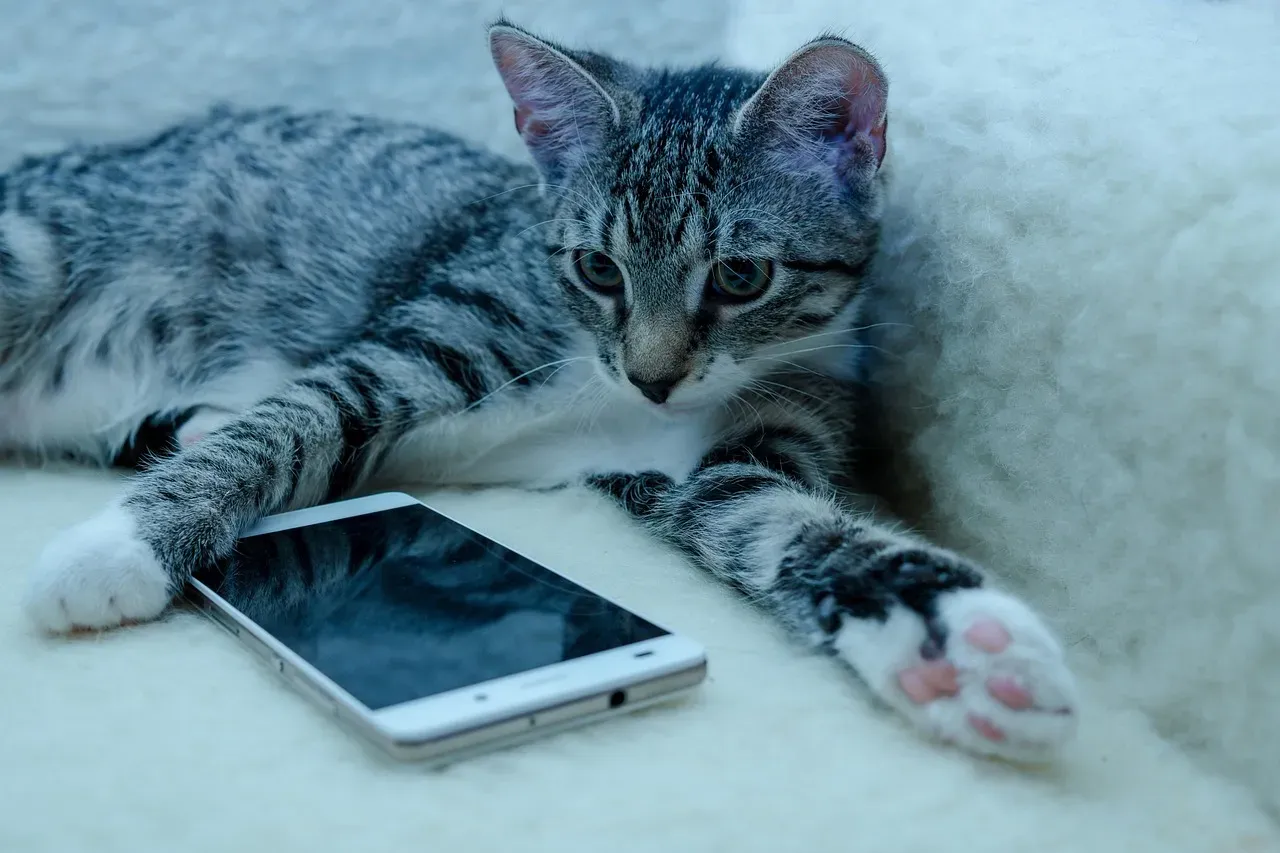
Repetitive phone sounds have become an accidental training tool, and cats have picked up on the pattern faster than most owners realize. Because a cat’s hearing is most sensitive between 500 Hz and 32 kHz, most smartphone notification tones fall directly within their most acute range, often more acute than the range used for the human voice itself.
Repeated exposure means cats start associating a specific chime with whatever behavior follows: you standing up, you leaving the room, or you settling in for a long scrolling session, which usually means uninterrupted lap time.
This is where the association gets genuinely funny: many cats have learned that a certain ringtone means ‘owner is about to sit still for twenty minutes,’ which reads as an open invitation. Cats have essentially reverse-engineered your phone habits using sound alone. Still, few sounds provoke as strong a reaction as running water.
#12 – The Bathroom Faucet Turning On
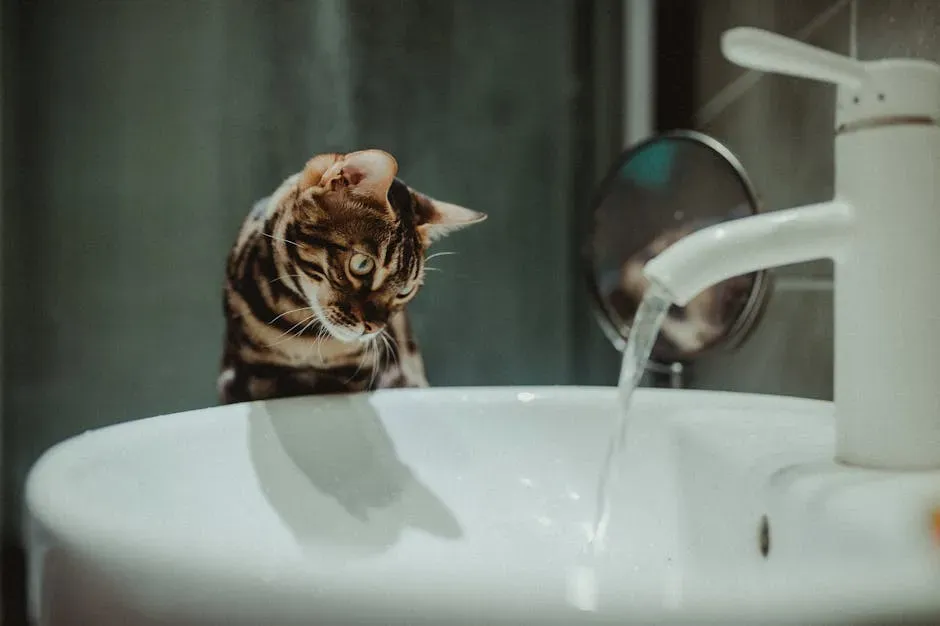
Cats have a famously complicated relationship with water, and the sound of a faucet plays a bigger role in that relationship than most owners assume. Running water produces a wide-frequency, white-noise-like sound that cats can detect with extreme precision thanks to their extended high-end hearing.
A cat’s hearing range for sounds at 70 dB SPL runs from 48 Hz to 85 kHz, one of the broadest of any mammal, and research suggests cats evolved this extended high-frequency hearing without giving up anything on the low end. That means a cat can detect the faucet from another room entirely, and many have learned to associate it with fresh drinking water, since cats often instinctively prefer moving water sources.
Worth Knowing
- Cat hearing at 70 dB SPL spans roughly 48 Hz to 85 kHz
- Running water registers as a wide-frequency, white-noise-like signal
- Many cats instinctively favor moving water over still water
- Experts are split on whether a dripping faucet is helpful or just habit
This is genuinely controversial among cat owners: some experts argue leaving a faucet dripping ‘for the cat’ is an outdated habit rooted more in folklore than biology, and that a proper fountain does the job better long-term. Your cat’s fascination with the tap isn’t thirst alone – it’s a learned sound-to-reward pathway. Even that instinct is secondary to what happens with a shower turning on or off.
#13 – The Shower Turning On or Off
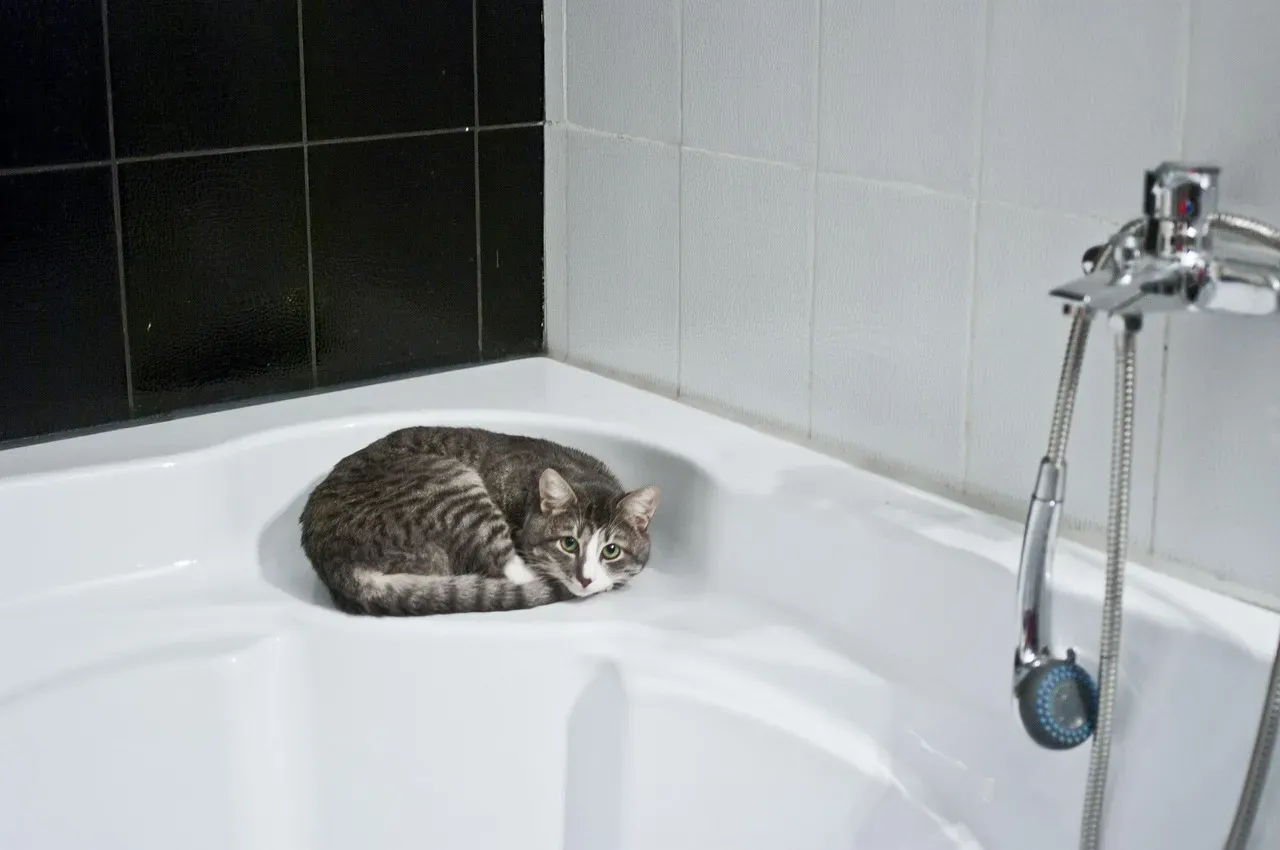
For many cats, the shower isn’t background noise – it’s a scheduling cue. The sudden shift from silence to running water is acoustically dramatic, and cats notice transitions far more than steady-state sound.
Because a cat’s ear amplifies frequencies between 2,000 and 6,000 Hertz by two to three times, the pitch shift of water hitting tile is impossible for them to miss. Many cats treat the shower turning off as a reliable signal that you’re about to reappear, dry off, and become available again.
This is why so many cats wait outside bathroom doors, not out of anxiety, but because they’ve learned the shower-off sound predicts your return with unusually high accuracy. It’s a scheduling cue as reliable as any clock, built entirely from acoustic pattern recognition. Still, nothing tops the emotional intensity cats attach to the sound of a specific cabinet or drawer.
#14 – The Specific Cabinet or Drawer Where Treats Live
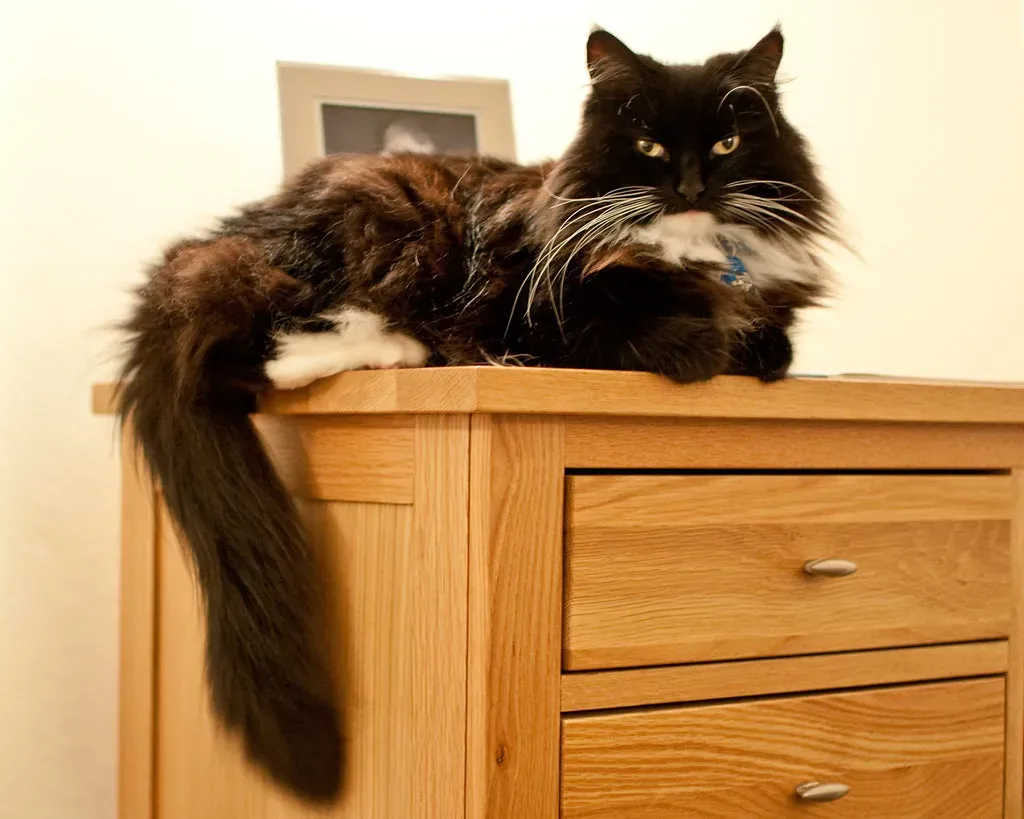
Cats don’t just recognize ‘a cabinet opening’ – they recognize the cabinet, based on sound alone. Every cabinet and drawer produces a slightly different acoustic signature depending on hinge type, wood density, and how tightly it’s packed.
Cats can detect pitch variances as small as one-tenth of a tone, a skill that in the wild helps them identify the type and size of prey producing a noise. That same precision extends effortlessly to kitchen cabinetry, which is exactly why distinguishing between drawers isn’t a stretch for them at all.
This is why a cat can be asleep across the house and still appear within seconds of the treat drawer opening, while ignoring every other cabinet in the kitchen entirely. That level of acoustic discrimination is essentially hunting instinct repurposed for snack detection. As sharp as that is, it’s nothing compared to the single sound cats seem to fear and fixate on more than any other: the suitcase zipper.
#15 – The Suitcase Zipper (And What It Really Means)
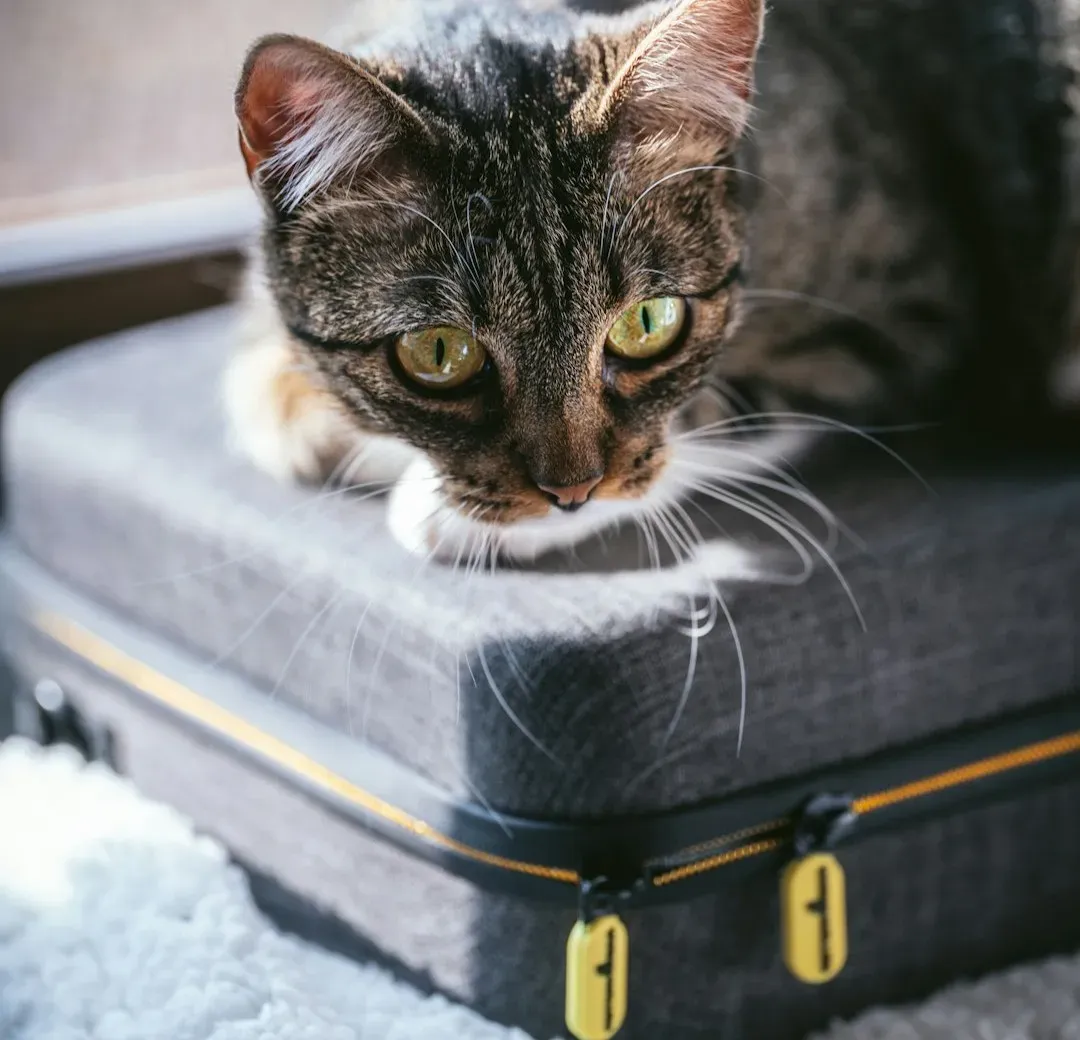
If there’s one sound that seems to hit cats harder than any other on this list, it’s the zip of a suitcase, and the reaction isn’t really about the sound itself. Cats have learned, through repetition, that the zipper predicts a chain of events: bags packed, unfamiliar smells, a disrupted routine, and often your temporary absence.
This one is less about acute hearing and more about associative memory tied to disruption. Other research has shown cats acquire social information purely through audition, discriminating between an owner’s voice and a stranger’s, and picking up emotional and predictive cues from sound alone.
Why It Stands Out
- The only sound on this list tied to your absence rather than your presence
- Often triggers clinginess, vocalizing, or hiding beforehand
- Rooted in associative memory of disrupted routine, not acute hearing
- Viewed by some behaviorists as a genuine marker of attachment
Many owners report cats becoming clingy, vocal, or even hiding the moment they hear a suitcase zipper, a reaction some behaviorists argue is a genuinely underappreciated sign of feline attachment and stress sensitivity. This is arguably the most emotionally loaded sound on the entire list, because it’s the only one tied to your absence rather than your presence. It’s a reminder that cats aren’t just tracking sounds for treats – they’re tracking sounds for you.
The Bottom Line
Cats aren’t the aloof, sound-oblivious animals people assume them to be. They’ve built an entire acoustic map of your household, memorizing everything from your car engine to your suitcase zipper, using hearing that outperforms ours in almost every measurable way.
The science backs this up plainly: cats can distinguish owner voices from strangers, recognize cat-directed speech, and use sound alone to predict what happens next in their environment. I’d argue that’s the real story here – not that cats are indifferent, but that they’re constantly listening and simply choosing, on their own terms, when a sound is worth reacting to.
What’s still unresolved is why they light up for some sounds and completely ghost others, and that’s a mystery even researchers haven’t fully cracked. Which sound does your cat react to instantly? Drop it in the comments – we’re willing to bet it’s not on this list.
Kristina is a young writer from India. An arts graduate and an avid content creator, Kristina is passionate about animals and wildlife. She enjoys exploring topics related to pet care, animal behavior, conservation, and nature, combining thorough research with engaging storytelling.