Roughly one in three cats sitting in a shelter cage tonight is black – and somehow, that same cat is still fighting a reputation problem invented by people who lived 800 years ago. Most folks assume black cats are unlucky, standoffish, or just less interesting than a flashy calico. Owners who actually live with one will tell you that’s almost comically wrong.
What they know instead is stranger and more interesting than the myth: a genetic quirk that shows up across multiple wild cat species, a possible immune advantage researchers are still investigating, and a personality profile that reads nothing like “mysterious loner.” Here’s what black cat owners actually know that everyone else keeps getting backwards.
#1 – The “Bad Luck” Myth Isn’t Even Universal
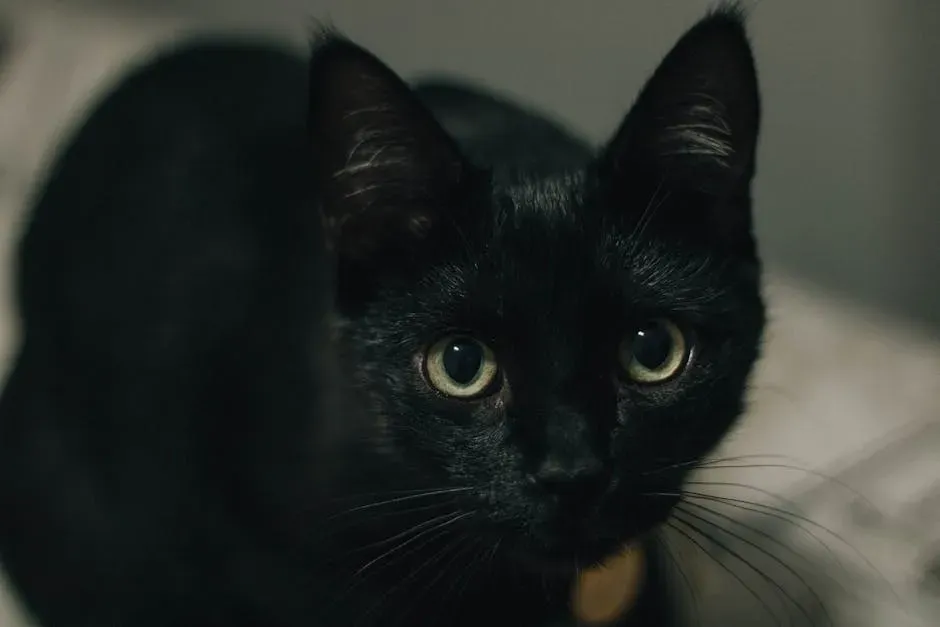
Most people treat the black cat superstition like some ancient, unanimous truth every culture agreed on. It isn’t. It’s a regional bias that happened to win the cultural argument in America and parts of Western Europe, then got exported so widely it started passing as fact.
Flip the map and the story flips too. Ancient Egyptians and Welsh folklore both treated black cats as good-luck bringers. In Britain, one crossing your path is often considered fortunate, not doomed. In Japan, black cats are historically linked to prosperity and even romantic luck for single women. The “unlucky” label isn’t a universal law – it’s one medieval European narrative wearing a costume of destiny.
#2 – Their Coat Color Isn’t Random, It’s a Specific Mutation
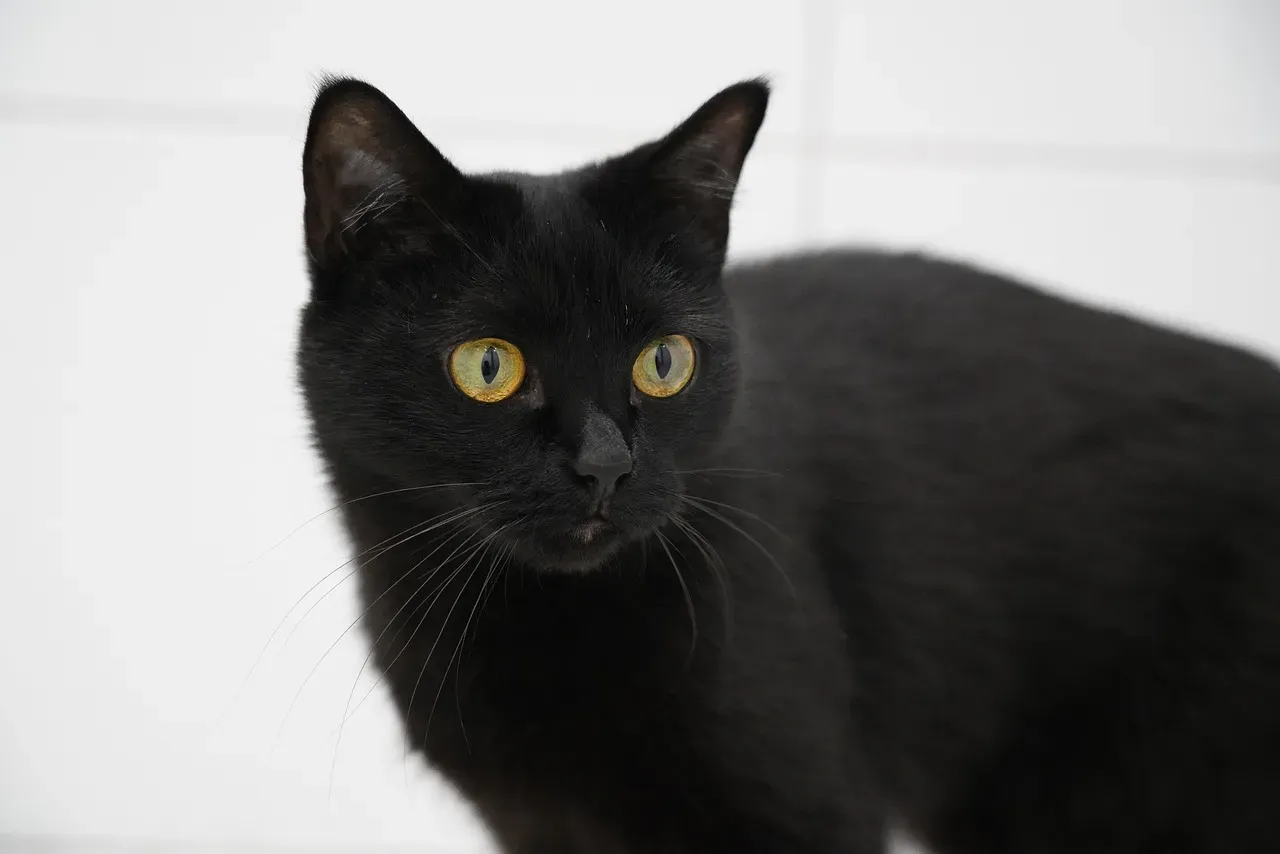
Here’s a question most cat owners never bother asking: why is the cat black in the first place? It’s not random paint-by-numbers biology. It’s a specific, identifiable genetic switch, and it’s recessive, meaning a cat needs two copies of the mutated gene to go fully black.
The mutation itself is a tiny deletion on the ASIP gene, and here’s the part that turns heads: this exact strategy for producing black fur has evolved independently, multiple separate times, across completely different cat species – jaguars, leopards, jaguarundis – each using its own distinct mutation to get there. That’s not coincidence. That’s evolution repeatedly deciding black fur was worth keeping around.
Fast Facts
- Black fur requires two copies of a recessive, mutated ASIP gene
- Jaguars, leopards, and jaguarundis each evolved black coats independently
- Every species uses its own distinct genetic mutation to get there
- Repeated independent evolution suggests melanism carries a real survival benefit
#3 – The Coat Gene May Double as a Disease Shield
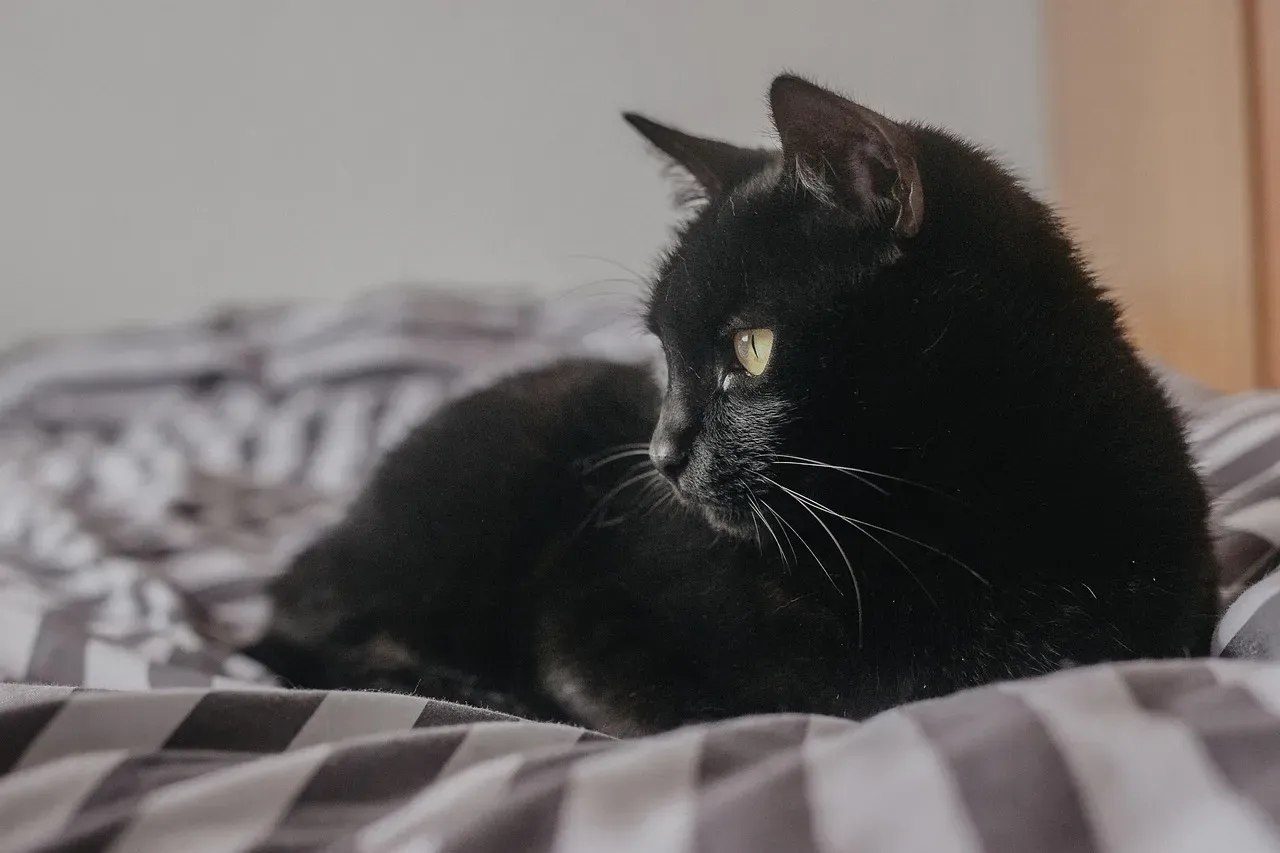
Most people assume coat color is purely cosmetic, nothing more than pigment. Researchers studying feline genetics increasingly disagree, and the reason ties black cats to one of the most studied viruses in human medicine.
A study out of the National Cancer Institute found the melanism mutations in some cat species sit inside a family of genes that code for cell-surface receptors – the same receptors humans use, and that HIV exploits to infect cells. People with mutations in those receptors are far less likely to get infected. Scientists then asked the obvious next question: could the feline version offer similar protection against FIV? Nobody serious is claiming black cats are immune to illness. But the idea that a coat color could plausibly correlate with immune resistance at all is a legitimate, still-open research question, not folklore.
#4 – The Adoption Bias Debate Is More Complicated Than Headlines Suggest
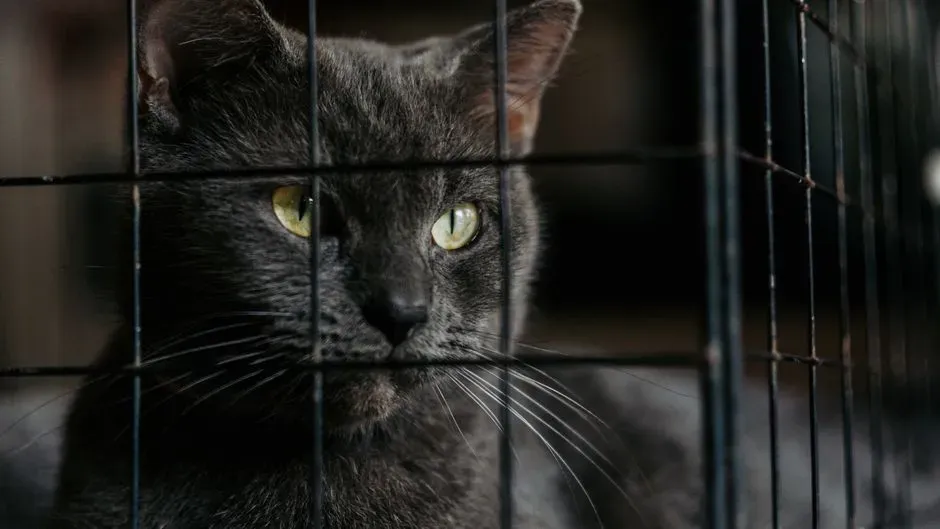
Everyone’s seen the viral claim that black cats sit in shelters longest and get euthanized most. It gets repeated so often it’s treated as settled science. The actual research is closer to a split decision.
The patterns were weak in strength.
Robert Carini, sociologist, University of Louisville
Carini and his colleagues did confirm a real “black cat bias” – coats viewed more negatively, adoptions lower, euthanasia rates higher – but flagged the effect as weak. A competing ASPCA analysis, covering 14 regions and roughly 300,000 dogs and cats, found black cats actually made up 31 percent of cat adoptions, higher than any other color. Part of the explanation may just be math: black is a dominant gene, so there are simply more black cats to begin with.
Quick Compare
- Carini study: confirms a bias, but calls the effect weak
- ASPCA analysis: 14 regions, ~300,000 animals studied
- ASPCA finding: black cats are 31% of adoptions – the highest share of any color
- Population math: black is a dominant gene, so black cats are simply more common
#5 – Cameras Are Genuinely Bad at Capturing Them
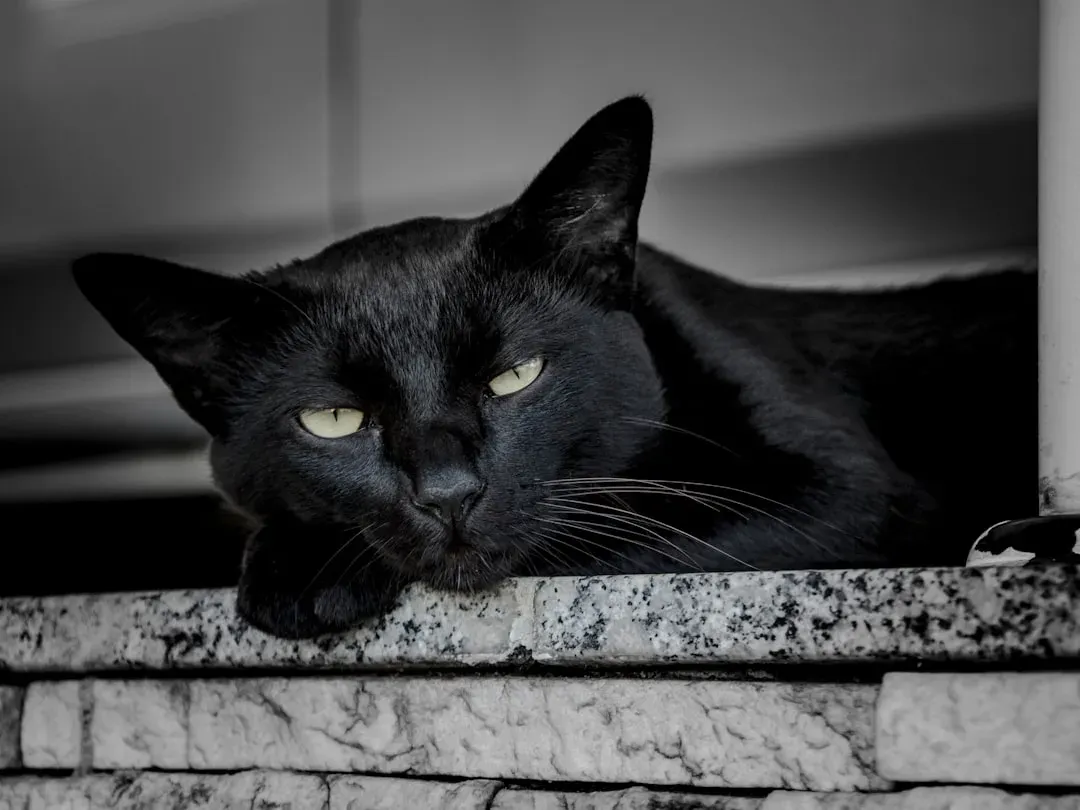
Ask any black cat owner why their cat’s Instagram photos look like a void with two glowing eyes, and they’ll sigh knowingly. This isn’t user error. It’s a documented photography problem that actively hurts adoption chances.
The lack of contrast makes it hard to capture expression or personality, so the cat looks flatter and less appealing next to lighter-coated animals in the same lineup. Some shelters have caught on and started bringing in professional photographers specifically to help black pets shine in online listings. A black cat photographed in soft, indirect light against a contrasting background looks like an entirely different animal than one lit by a harsh flash in a concrete kennel.
#6 – Halloween Isn’t the Danger Season People Think It Is
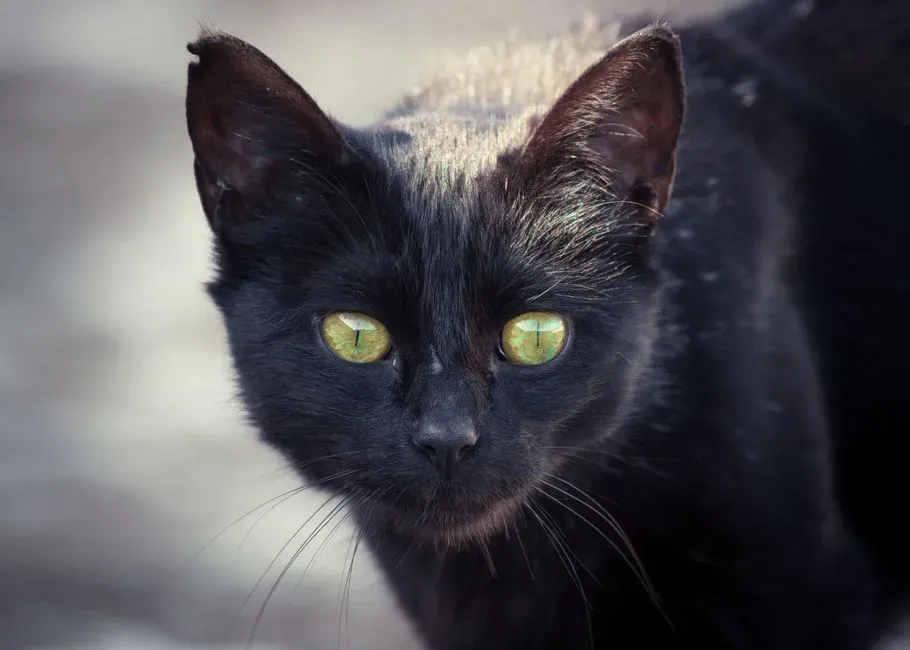
Every October, the same warning resurfaces online: shelters supposedly stop adopting out black cats before Halloween to prevent ritual harm. Most people share it without checking whether any shelter actually still does this.
Actual shelter data tells the opposite story. October is often a strong adoption month for black cats, not a dangerous one. Black Cat Appreciation Day campaigns reportedly boosted adoptions by 35 percent in 2022, and #AdoptABlackCat posts drove 22 percent more inquiries. Shelters figured out that instead of fighting the Halloween association, they could lean into it and turn a myth into a marketing engine.
#7 – Owners Consistently Describe a Different Personality Than the Stereotype
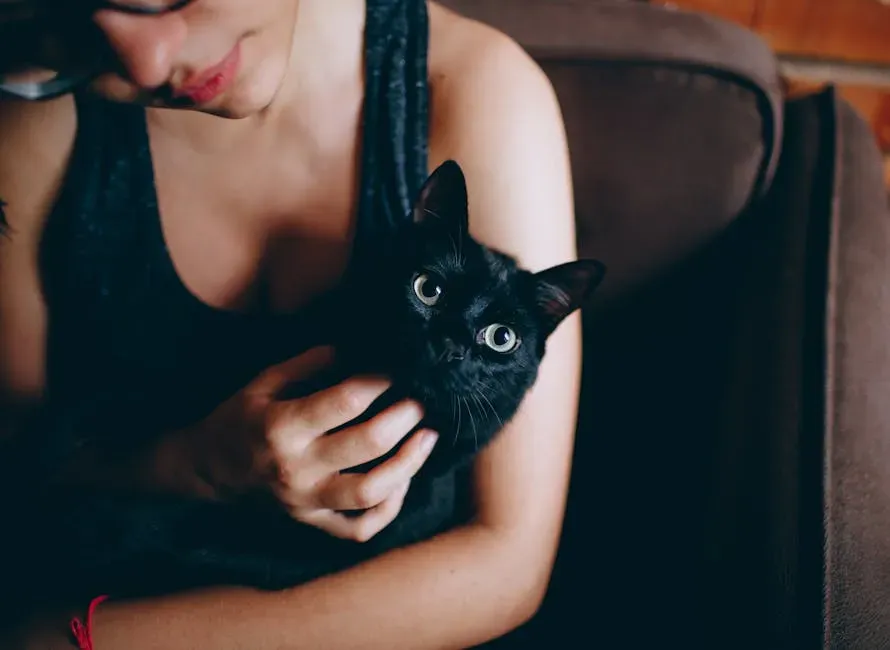
The stereotype paints black cats as aloof, mysterious, even a little sinister. Owners who actually live with one describe something closer to a clingy, chatty extrovert – and there’s a plausible biological reason why.
Commonly reported traits include high intelligence, affection, playfulness, and strong loyalty. If the disease-resistance theory from earlier holds up, there’s a logical chain worth considering: healthier cats tend to be more playful and active, so a genetic edge against certain illnesses could feed directly into that energetic, engaged personality owners keep describing. Controversial as it sounds, the “mysterious, standoffish black cat” archetype may say more about how humans project onto dark colors than it does about actual feline behavior.
Worth Knowing
- Owners frequently rank black cats as highly intelligent and quick to bond
- Affection and clinginess show up more than the “aloof” stereotype predicts
- Playfulness is a commonly reported trait, not an occasional exception
- Loyalty toward one household or person is a recurring owner observation
#8 – The Superstition Has a Very Specific, Traceable Origin
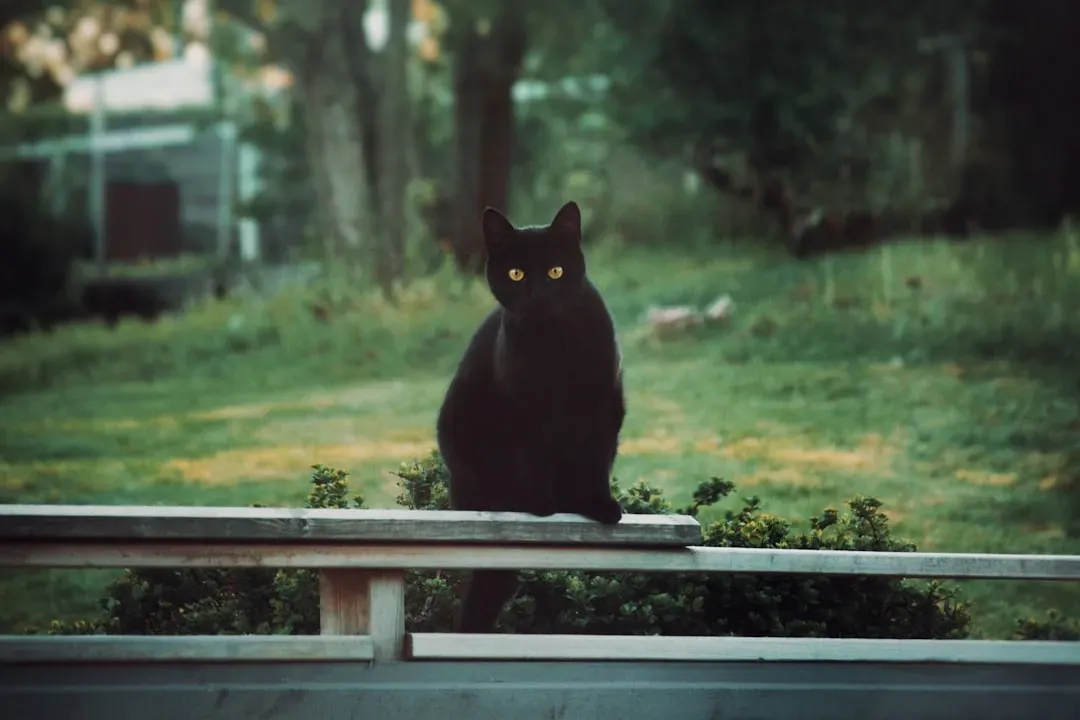
Most people assume black cat superstition is vague, ancient folklore with no clear starting point. It actually traces back to one identifiable historical moment, not a slow cultural drift.
The negative associations date back to the 13th century, starting with a Catholic Church document linking black cats to Satan. From that single decision spiraled centuries of fear – witches’ familiars, bad-luck omens, a species-color combination rebranded as dangerous almost overnight. The unsettling part isn’t the myth itself. It’s how long one medieval document has managed to follow these animals all the way into 21st-century shelter statistics.
#9 – Younger Adopters Are Actively Reversing the Bias
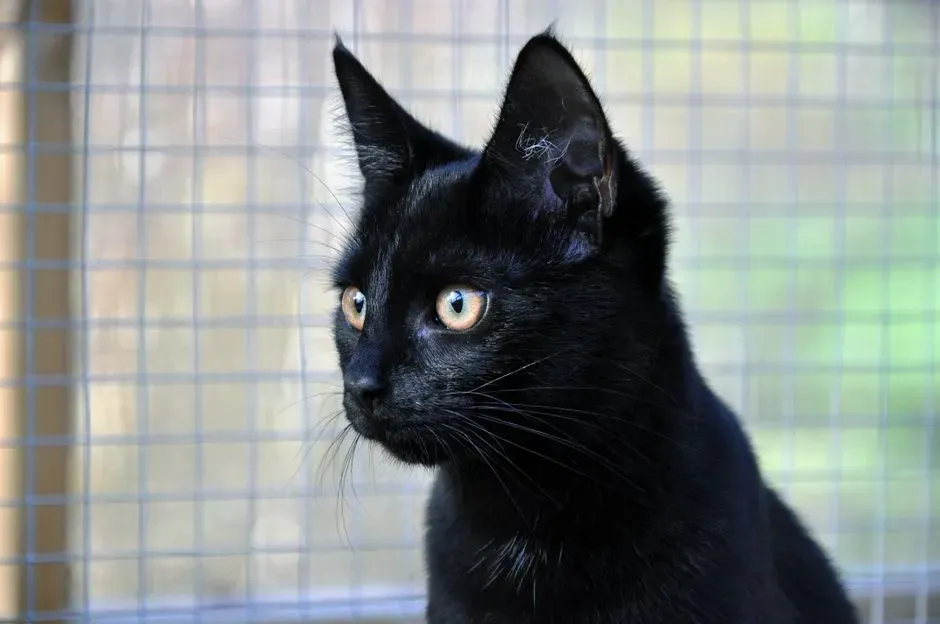
If there’s one trend that should reassure long-term black cat advocates, it’s this: the generation that grew up online, surrounded by black cat meme culture and appreciation-day hashtags, is adopting them at meaningfully higher rates than their parents did.
Millennials adopt black cats at roughly a 45 percent rate versus 30 percent for boomers, and urban adopters favor them at twice the rate of rural adopters. Regional data backs up the shift – Northeast adoption rates run about 15 percent higher than in the South, suggesting the old stigma still has stronger pockets in some regions than others. Here’s the opinion worth sitting with: this narrative isn’t fading because attitudes evolved naturally on their own. It’s fading because a whole generation decided old superstitions weren’t worth the emotional weight, and social media gave them a place to say so loudly.
At a Glance
- Millennials: ~45% adoption rate for black cats
- Boomers: ~30% adoption rate for black cats
- Urban adopters: choose black cats at roughly 2x the rural rate
- Northeast adoption rates run ~15% higher than in the South
The Bottom Line
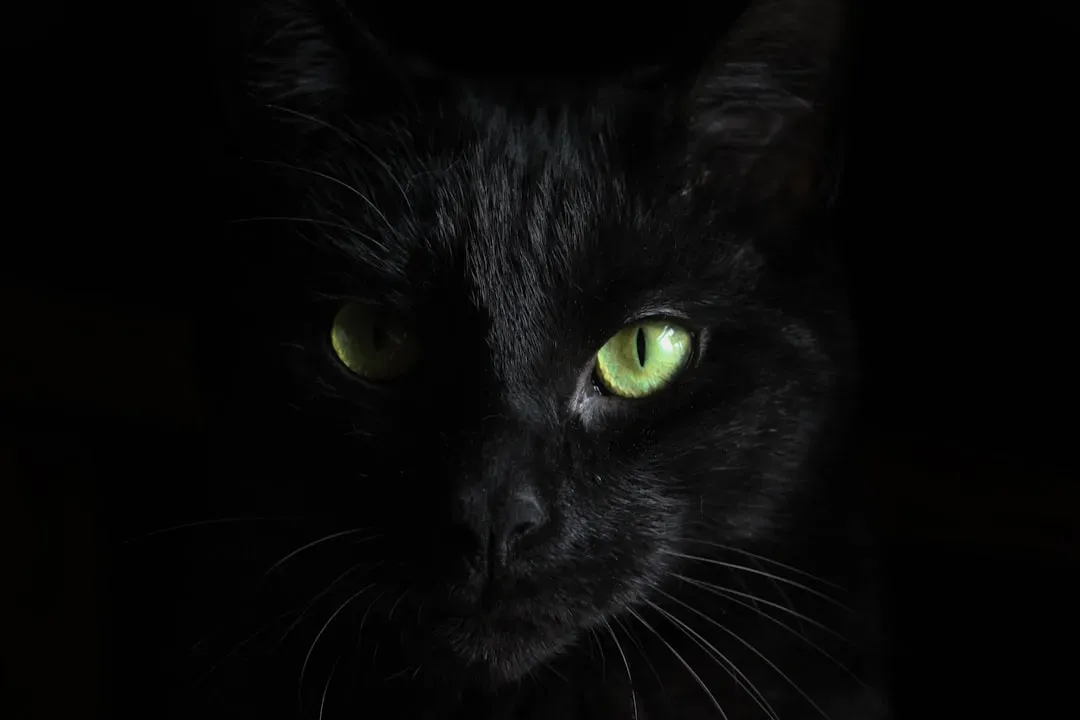
Strip away the superstition and what’s left is a cat with a specific, traceable genetic mutation, a possible disease-resistance advantage worth real scientific attention, and owner-reported traits – affectionate, loyal, playful – that contradict the stereotype almost entirely. The “unlucky” label traces to one 13th-century document, not biology, and the adoption-rate panic is far more contested than viral posts suggest.
If anything, black cats are winning back their reputation through younger adopters and smarter shelter marketing, not through any change in the cats themselves. The stigma was never really about the animal. It was about us, and it took eight centuries for enough people to notice the difference.
Kristina is a young writer from India. An arts graduate and an avid content creator, Kristina is passionate about animals and wildlife. She enjoys exploring topics related to pet care, animal behavior, conservation, and nature, combining thorough research with engaging storytelling.