The planet is home to roughly 40 recognized species of wild cats, and many of them are quietly disappearing. More than 40% of wild cat species are classified as endangered or threatened, facing enormous pressures including habitat loss due to human activities and illegal hunting for their fur, bones, and claws. These aren’t abstract statistics – they represent some of the most spectacular, intelligent, and ecologically vital creatures on Earth.
What makes their plight especially urgent is how little most people actually know about them. Beyond the famous lions and tigers, you’ll find ghost cats prowling mountain ridges above the clouds, mystery cats nobody has ever studied up close, and species so rare that fewer individuals remain than the capacity of a small cinema. Here are 15 facts that bring their world into sharp focus.
1. The Amur Leopard Is the Most Endangered Big Cat on Earth
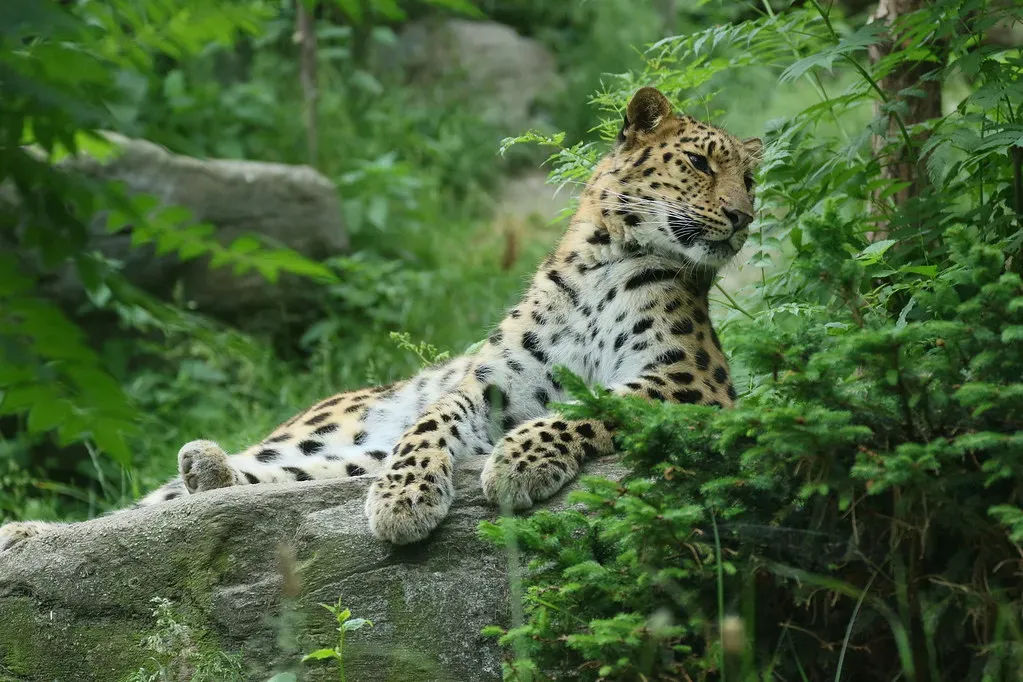
You might be surprised to learn that the world’s rarest big cat isn’t a tiger or a lion – it’s a leopard found in the frozen forests of Russia and northeastern China. The Amur Leopard is the most endangered big cat in the world, and in 2015 it was estimated that there were fewer than 60 individuals remaining in the wild. Since then, conservation work has nudged those numbers slightly upward, but the species remains in critical danger.
One of eight subspecies of leopard, the Amur leopard has been brought to the brink of extinction by habitat loss, declining prey numbers, and the illegal wildlife trade – and it’s easy to see why it might be particularly prized by poachers, given its beautiful spotted fur coat, with its bones also highly valued for use in traditional Asian medicine. A national park called the Land of the Leopard National Park was created in 2012, covering 2,630 square kilometers, which has helped increase their numbers slowly, though there’s still a long way to go.
2. Over 40% of All Wild Cat Species Are Currently Threatened
You may think of wild cats as resilient, apex predators fully capable of holding their own against nature – but you’d be thinking of a world that no longer exists for many of them. Wild cats face a number of human-driven threats, such as habitat loss and fragmentation, loss of prey species, and persecution by people as a result of real or perceived risks to human livelihoods, and as a result, 25 species of wild cats are currently threatened with extinction.
The International Union for Conservation of Nature (IUCN), a worldwide organization founded in 1948, maintains and publishes the IUCN Red List of Threatened Species – a detailed list of the conservation status of thousands of biological species on the planet, including wild cats. The categories on that list range from “Vulnerable” all the way to “Critically Endangered,” and far too many species are moving in the wrong direction along that spectrum.
3. The Asiatic Cheetah Has Fewer Than 30 Wild Individuals Left
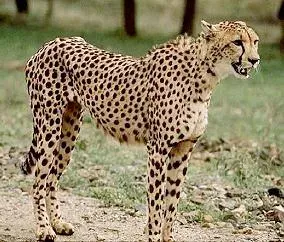
If you think the African cheetah’s situation is precarious, consider its Asian cousin. The Asiatic cheetah once roamed from the Arabian Peninsula to India, but today is found only in Iran, and fewer than 30 remain – and with the country embroiled in conflict, the future of this subspecies is deeply uncertain. Its situation is arguably the most dire of any cat subspecies alive today.
Complex geopolitics have hampered conservation efforts, and sweeping Western sanctions have prevented donor funding from reaching local conservation groups; while poaching and human-wildlife conflict are relatively rare, depleted prey stocks, fragmented habitats, dangerous roads, and low genetic diversity threaten their fragile existence. In September 2025, Iran’s Department of Environment restarted its plan to preserve the cheetah after a hiatus of six years – a sign of cautious hope, though the window for action is narrowing fast.
4. Tigers Have Lost Over 90% of Their Historic Range
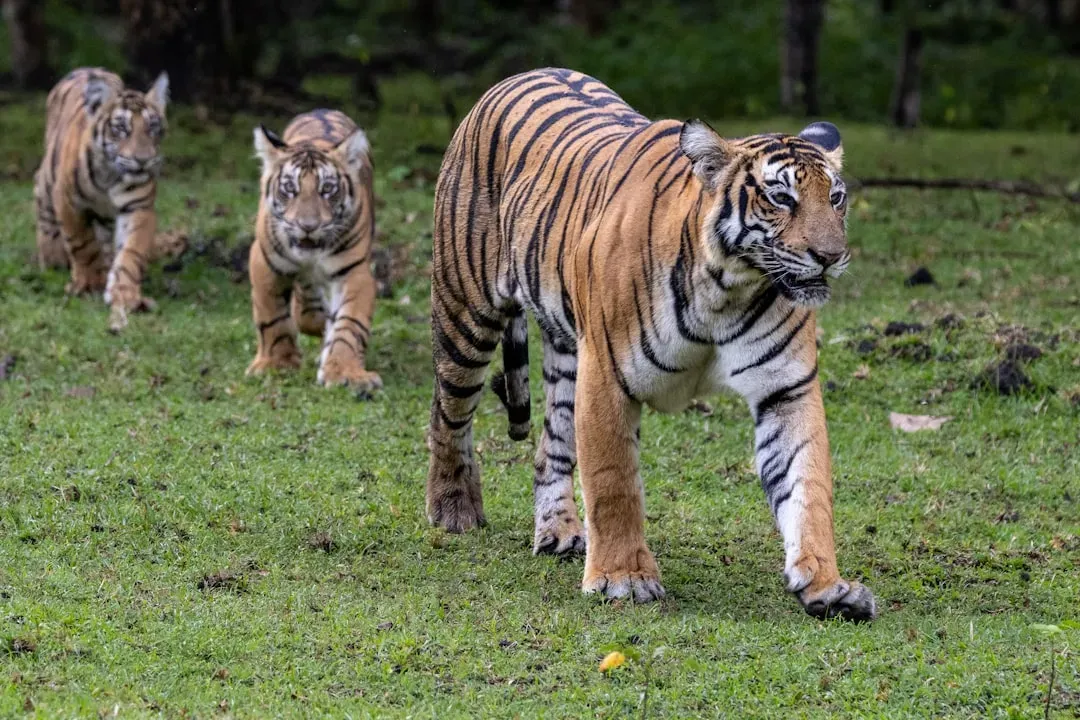
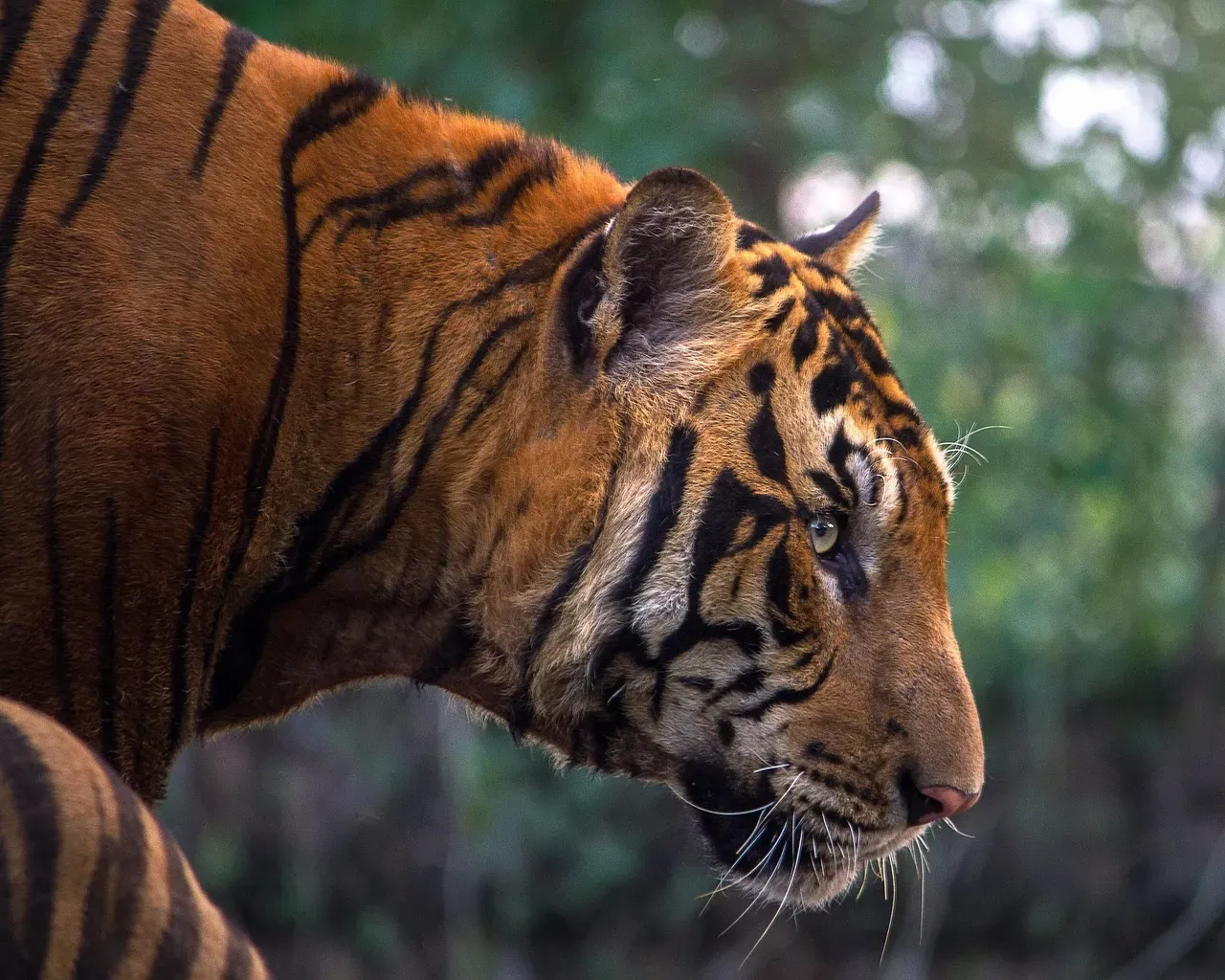
You’ve likely heard that tigers are endangered, but the scale of their disappearance is staggering when you see the actual numbers. Tigers are the largest cat species in the world; while they used to live throughout much of Asia, they have lost over 93% of their historic range, with their current range extremely fragmented and covering parts of India, China, Southeast Asia, and Siberia. What once spanned a continent is now a patchwork of isolated pockets.
Tigers are most endangered in Southeast Asia, including Thailand, Malaysia, Myanmar, and Indonesia (Sumatra), where forests are being cleared and suitable habitats are becoming empty because of wildlife poaching. Four of the six extant subspecies of tigers are listed as Endangered, one subspecies is Critically Endangered, and one subspecies – the South China tiger – is actually Extinct in the Wild. That last detail is particularly sobering.
5. The Iberian Lynx Is Conservation’s Greatest Comeback Story
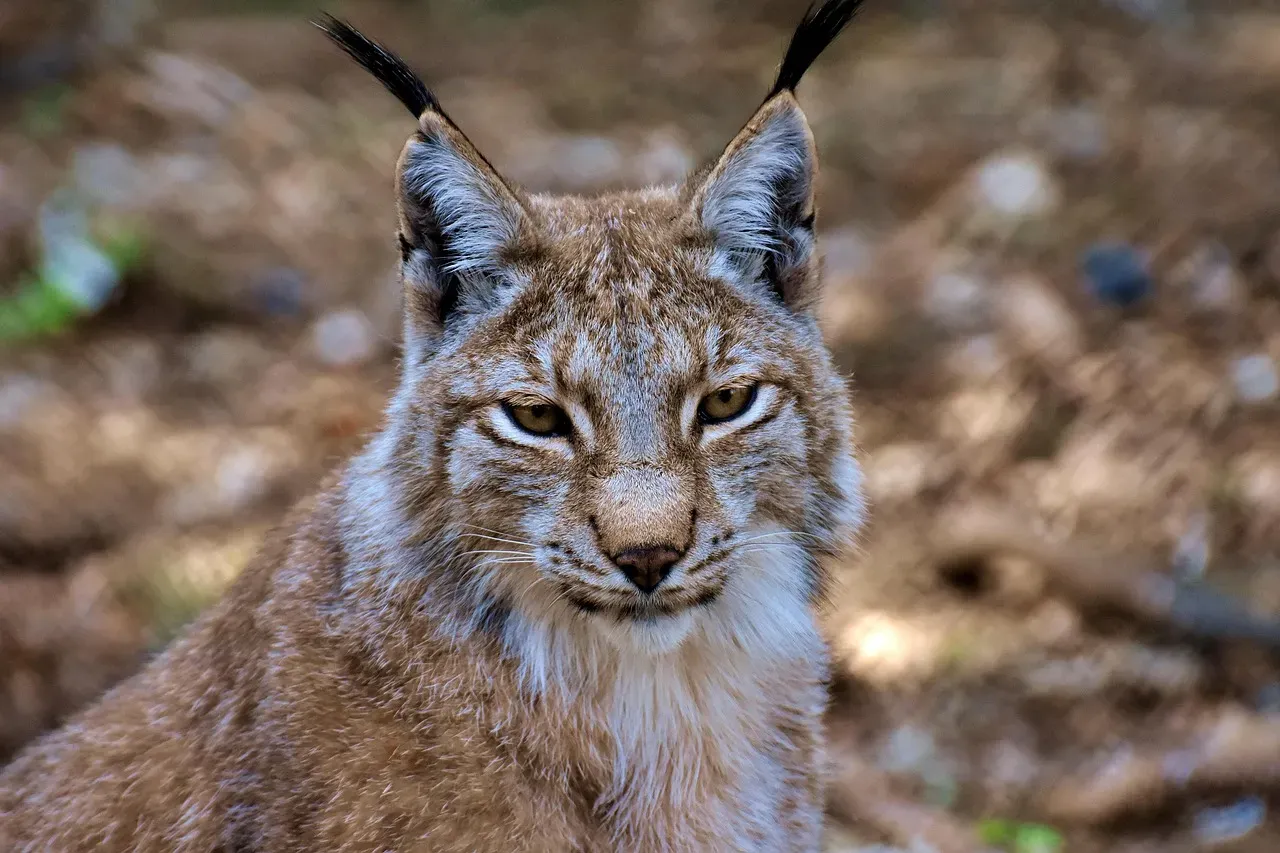
You might need a piece of genuinely good news at this point, and the Iberian lynx delivers it. Once on the brink of extinction, the Iberian lynx had fewer than 100 individuals remaining in the wild in 2002, confined to two small populations in southern Spain. Few conservation scientists thought a full recovery was possible at that stage.
In 2024, the Iberian lynx population surpassed 2,000 individuals, marking one of the most successful wild cat recoveries in history, and as a result, the IUCN officially upgraded its status from Endangered to Vulnerable. Intensive breeding programs, habitat restoration, and rabbit population recovery drove the rebound – because road mortality, the loss of Mediterranean scrub habitat, and the decline of rabbit populations remain ongoing threats.
6. The Snow Leopard Cannot Roar – and Spans 12 Countries
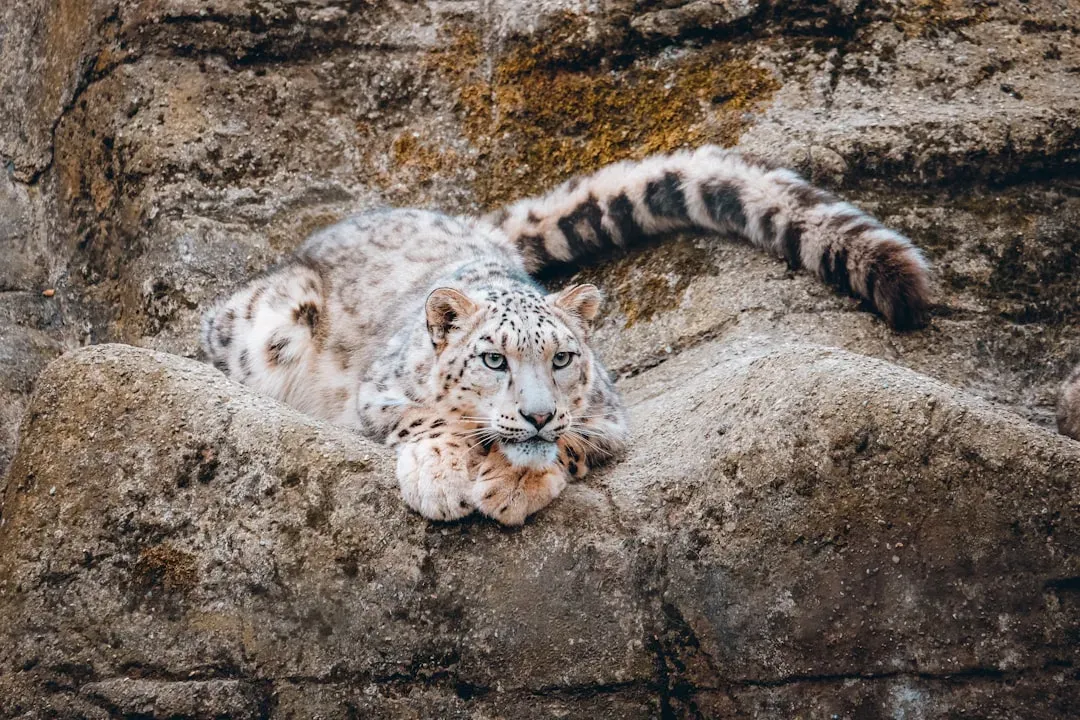
You probably picture the snow leopard as a solitary ghost drifting across frozen mountain slopes, and that image isn’t far off. The range of the snow leopard covers 2,000,000 square kilometers, 60% of which is in China, and in total their habitat extends across 12 countries, including Afghanistan, Bhutan, China, India, Kazakhstan, Mongolia, Nepal, Pakistan, Russia, Tajikistan, and Uzbekistan.
What sets this cat apart behaviorally is something most people don’t know. Snow leopards have unique vocal characteristics that set them apart from other big cats – unlike lions or tigers, they cannot roar due to the absence of a specific ligament in their larynx, but they have a diverse range of vocalizations including prusten (a breathy, puffing sound also known as chuffing), hissing, growling, screaming, yowling, and mewing. Their silence in the wild contributes to their ghostly reputation.
7. The Andean Mountain Cat Is the Americas’ Only Endangered Cat
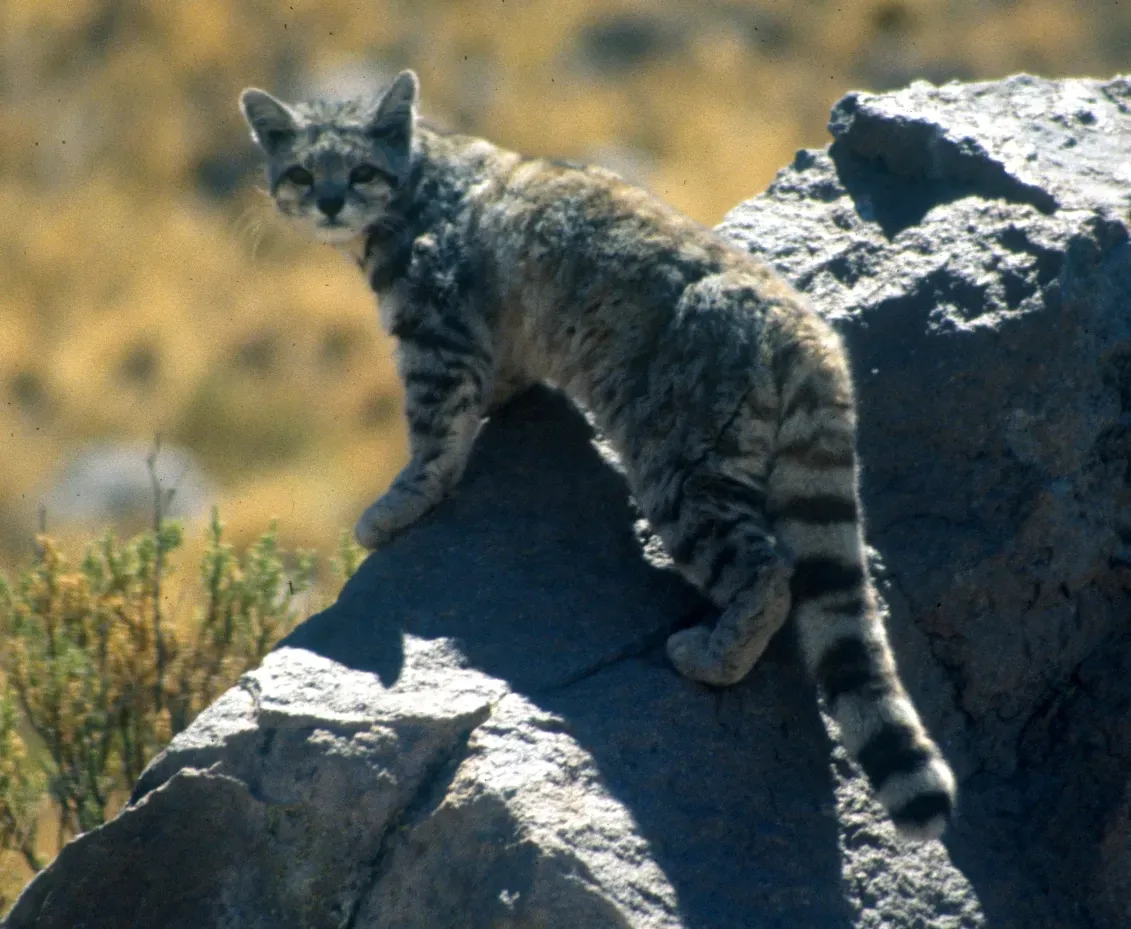
You won’t find the Andean mountain cat in most wildlife documentaries, and that obscurity is part of its problem. The Americas’ only Endangered cat species is a little-known felid with gray fur, a long furry tail, and splotchy spots with an elusive range, and scientists are still working to understand more about these small wild cats’ lives.
Due to human-cat conflict, poaching, habitat loss from mining operations, and the looming threat of climate change, the last population estimate found there were less than an estimated 1,400 mature individuals remaining. Compounding the challenge, the Andean cat is considered a sacred animal by some indigenous peoples, particularly in Bolivia, Peru, and northern Chile – but this does not provide protection; quite the opposite, dried and stuffed specimens are prized for use in harvest festivals, and hunting for these reasons is one of the major threats to the species.
8. The Borneo Bay Cat Is So Elusive It Was “Lost to Science” for Decades
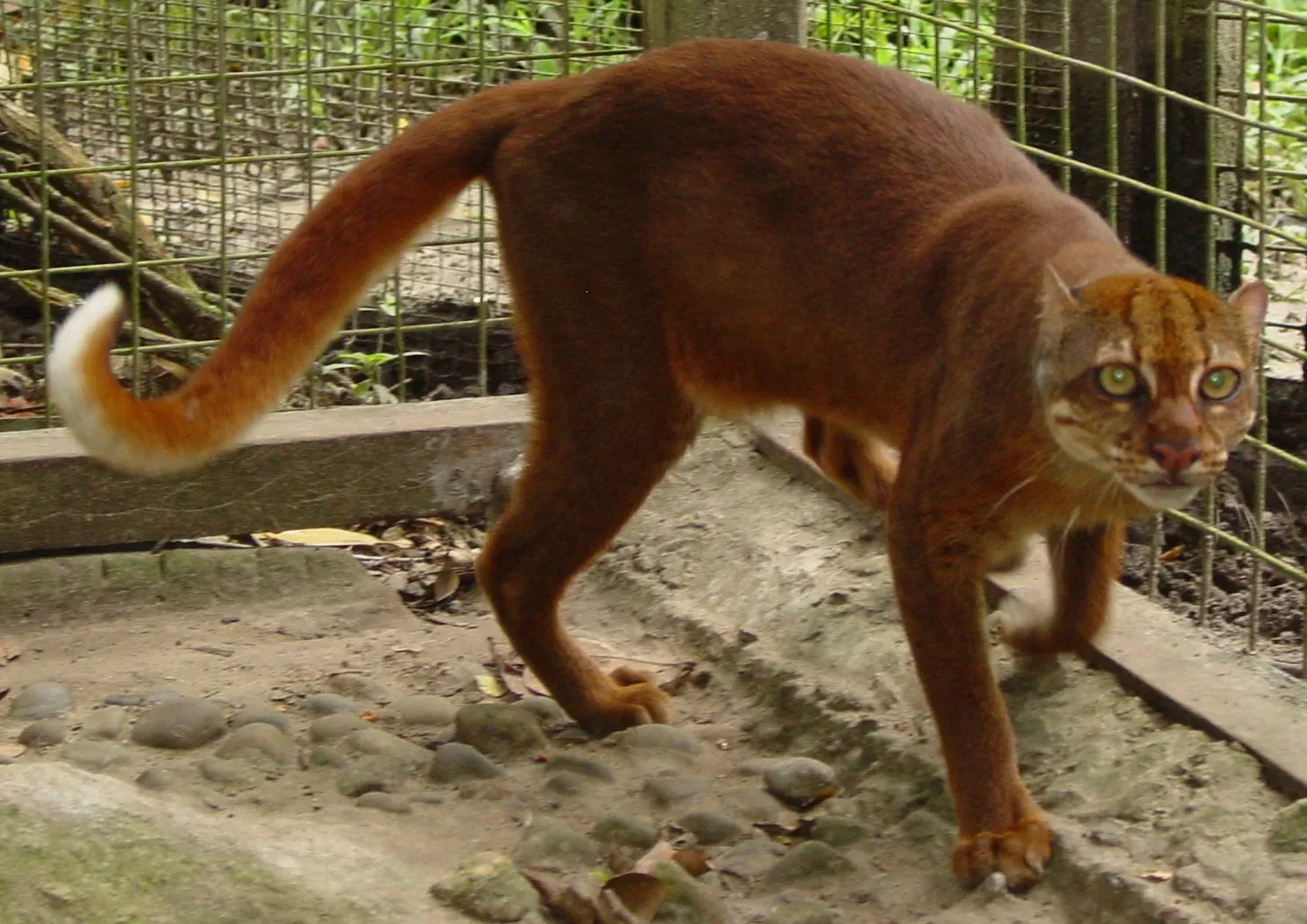
If you’ve never heard of the Borneo Bay cat, you’re not alone – even field researchers rarely encounter one. The endangered Borneo Bay cat is the holy grail of the wild cat world; it occurs only on the island of Borneo, and it is as mysterious to science as when it was first described in 1874, with these cats so secretive that virtually nothing is known about them and they are almost never seen in the wild.
It is in fact so elusive that after its discovery it was lost to science for more than 60 years. The main threats it faces include poaching for the skin and pet markets, and habitat loss due to commercial logging and oil palm plantation plantings – and while Borneo Bay cats are fully protected under Indonesian law, they remain one of the least studied wild cats in the world. Protecting something you can barely find requires an enormous leap of faith.
9. The Arabian Leopard Is the Smallest Leopard Subspecies and One of the Rarest
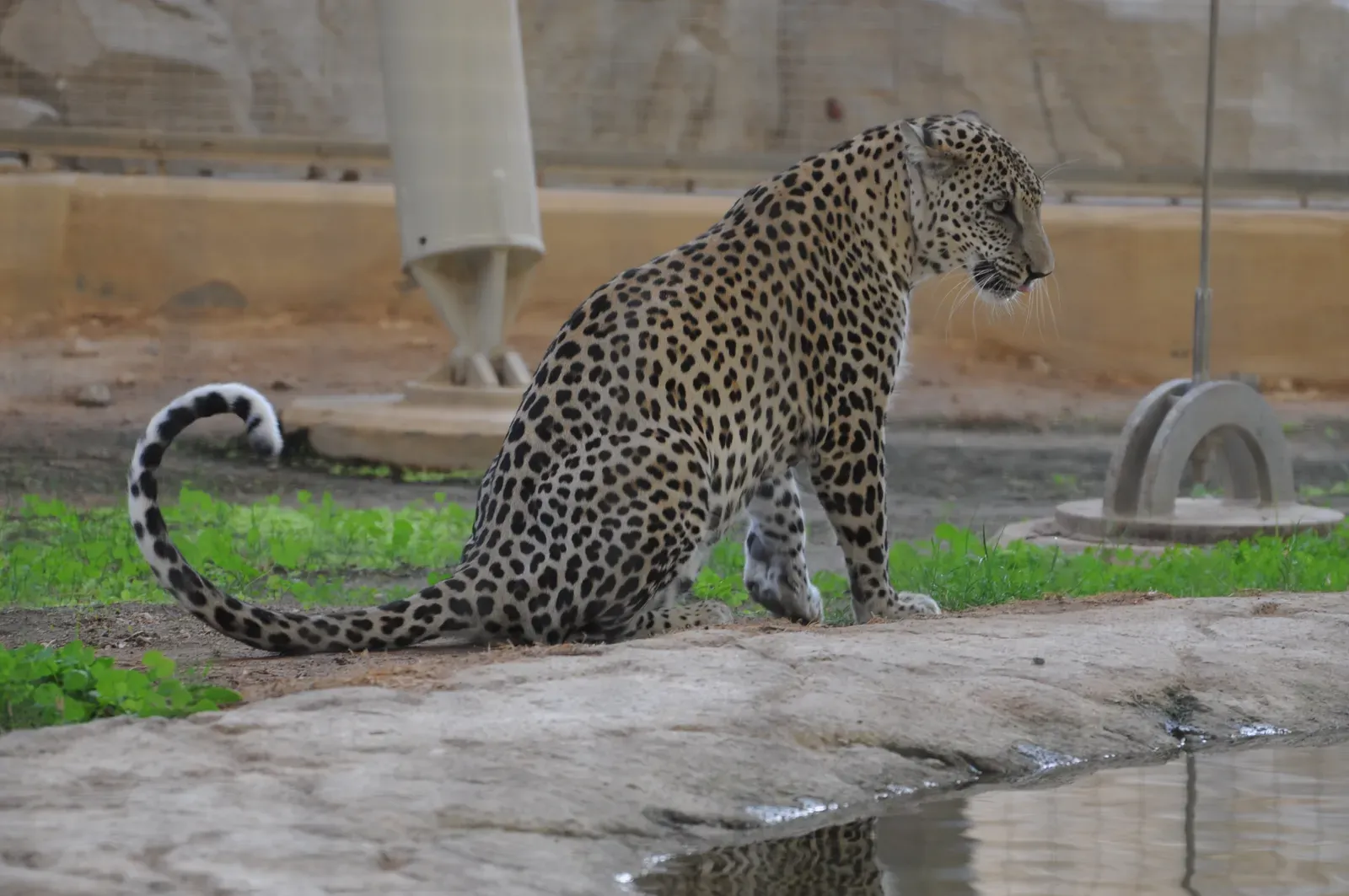
You may not immediately think of the Arabian Peninsula when picturing leopards, but one of the world’s most endangered subspecies calls that region home. The Arabian leopard is a subspecies of leopard clinging to survival, with the IUCN believing only 100 to 120 individuals remain in the wild, edging dangerously close to vanishing entirely.
Scientifically known as Panthera pardus nimr, the Arabian leopard is a smaller subspecies compared to its African cousins, endemic to the Arabian Peninsula and found in countries such as Yemen, Oman, Israel, and UAE, inhabiting mountainous uplands and hilly steppes while rarely venturing into open plains and deserts. Their restricted habitat and small population size mean that even modest losses can push this subspecies closer to the edge.
10. Habitat Loss Is the Single Greatest Threat to Wild Cats Globally
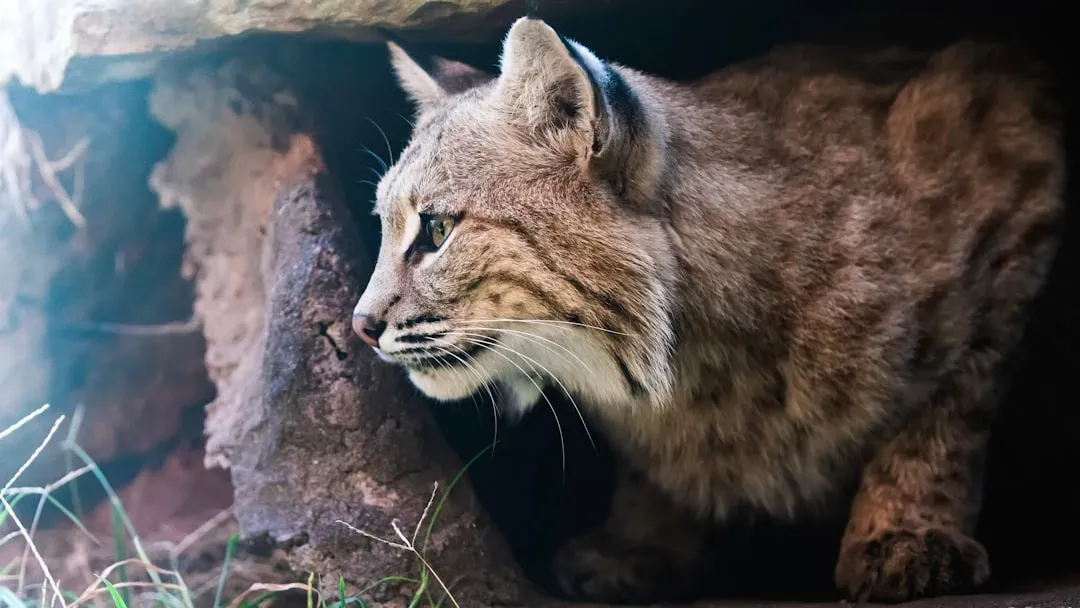
You might assume poaching is the number-one killer of wild cats, but the quieter, more pervasive threat is the destruction of the places they call home. Habitat loss is a primary driver of wild cat endangerment; when forests, grasslands, and other natural habitats are destroyed or fragmented, wild cats lose access to prey, shelter, and mates, which leads to reduced populations, increased competition, and greater vulnerability to other threats.
Wild cat habitat is rapidly decreasing across the planet, with some species losing as much as 90% of their former range, and habitat loss and fragmentation, illegal hunting and trade, loss of prey, and human conflict are all critical factors in declining wild cat populations. Conservation solutions include more effective legislation to protect wild cats, building and maintaining wildlife corridors, and increasing protected areas. Without connected landscapes, even protected cats struggle to find mates and recover.
11. The Sumatran Tiger Has a Population of Only Around 600 Individuals
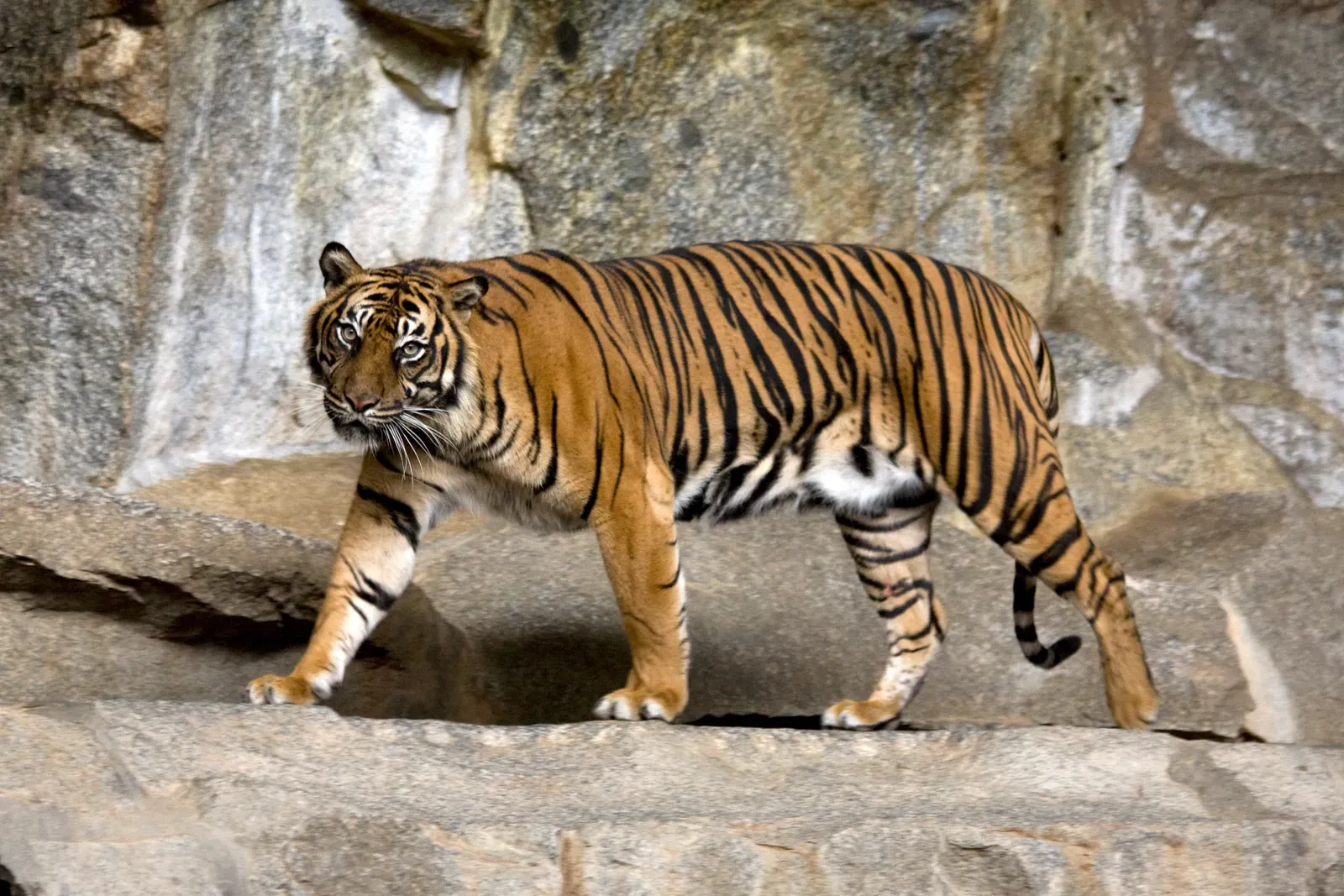
You’d expect an island the size of Sumatra to hold more than a sliver of the world’s most recognizable big cat, but the numbers tell a different story. The Sumatran tiger is now found only in the Sunda Islands, Indonesia, with an estimated population of around 600 individuals. That fragmented group represents one of the tiger’s last truly viable island populations.
Besides illegal trade, the Sumatran tiger is also threatened by prey-base depletion and clearance of habitat for acacia and palm oil plantations. According to estimates made in 2008, the Sumatran tiger had a population of 441 to 679 individuals – and the two other tiger subspecies, the Bali and the Javan tigers that also lived on the Sunda Islands, are already extinct. Their extinction serves as a clear warning of what can happen without effective intervention.
12. The Flat-Headed Cat Is a Fishing Specialist Found in Shrinking Wetlands
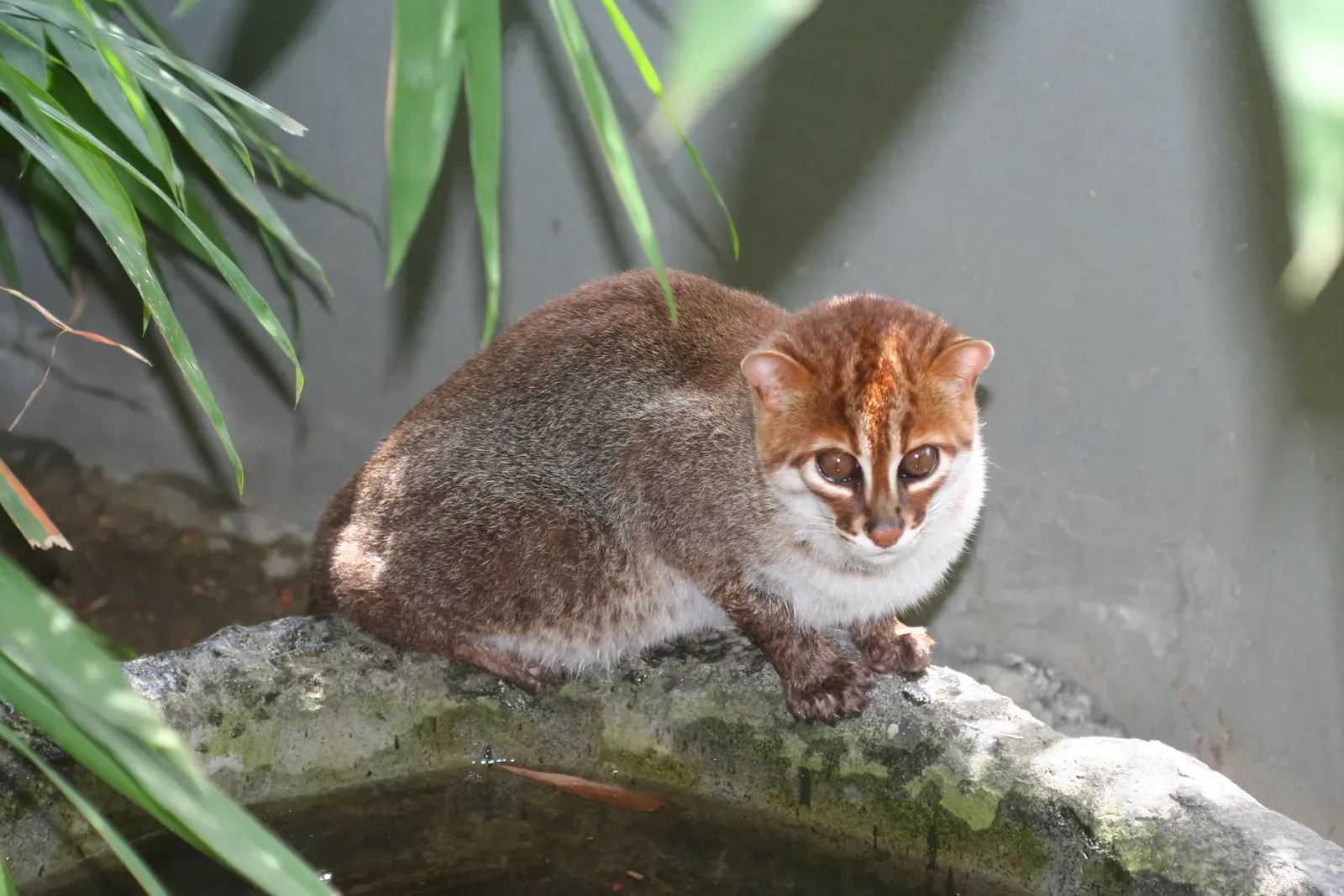
You won’t come across the flat-headed cat in any safari brochure, and its unusual appearance alone makes it one of the most distinctive wild cats alive. It’s an Endangered species found in Southeast Asian wetlands, a rare fishing specialist adapted for life near rivers and swamps, with wetland destruction, water pollution, and agricultural expansion among its primary threats – and it serves as an important indicator of freshwater ecosystem health.
The flat-headed cat has a mature population of around 2,500 individuals, inhabiting mainly wetland areas and coastal lowland areas throughout tropical Asia, particularly mangrove forests, with the main threats including destruction and degradation of wetland and lowland areas. Despite being fully protected under national legislation in Indonesia, Malaysia, and Thailand, it remains Endangered with a decreasing population of mature individuals.
13. The Balkan Lynx Has Fewer Than 50 Individuals Remaining
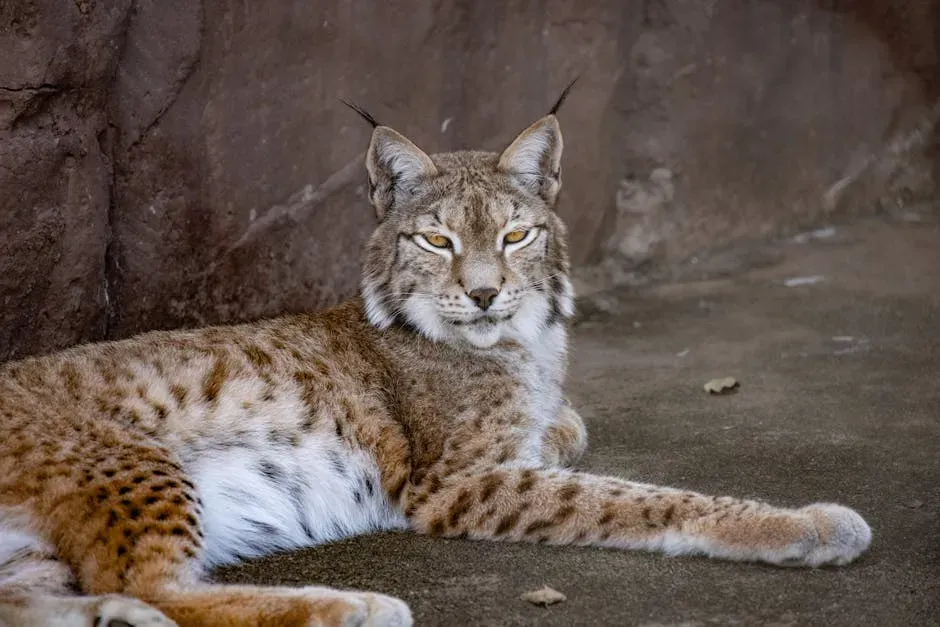
You might not expect to find one of the world’s rarest cats quietly existing in the forests of southeastern Europe, but the Balkan lynx has been hanging on there for centuries. A subspecies of the Eurasian lynx, it is mostly found in the southwestern Balkans, with a current population estimated at fewer than 50 individuals. Its range is extremely restricted, and that isolation makes it enormously vulnerable.
The subspecies is native to North Macedonia, eastern Albania, and the southwest Balkans, with populations also believed to exist in Greece, Montenegro, and Kosovo, inhabiting bush habitats and deciduous, evergreen mixed forests. Genetic isolation is now a serious concern for this subspecies, since such a small and fragmented population has very limited capacity to adapt to new pressures like climate change or disease outbreaks.
14. Snow Leopards Are Vital Indicators of Mountain Ecosystem Health
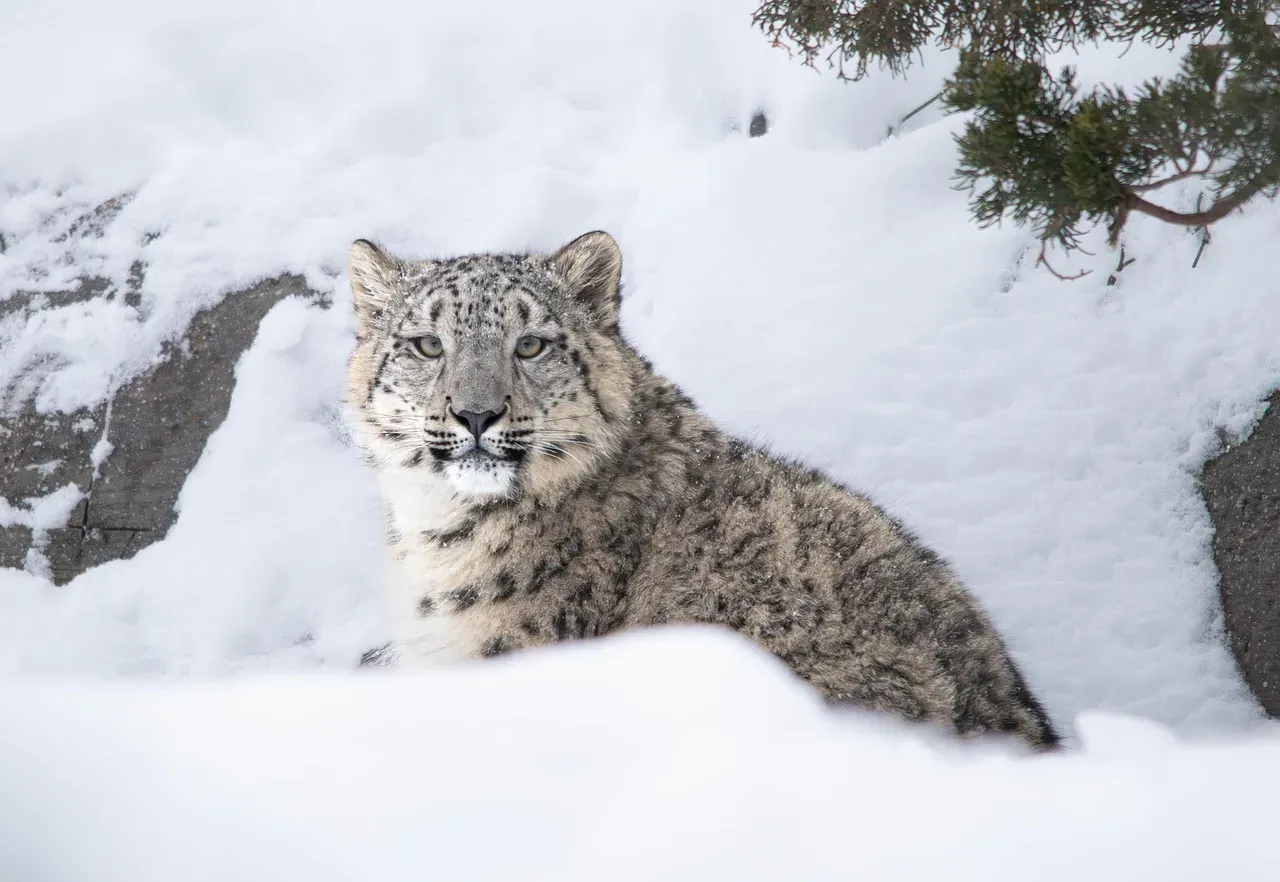
You might think of the snow leopard purely as a rare and beautiful predator, but its ecological role goes well beyond that. As apex predators, snow leopards are an important indicator species for their habitats – their presence signals the existence of other members of their food chain, and they help measure the impact of climate change in cold, delicate mountain environments where even slight temperature changes can cause cascading effects throughout the ecosystem.
Climate change poses perhaps the greatest long-term threat to snow leopards, and its impacts could result in a loss of up to 30% of the snow leopard habitat in the Himalayas alone. In Bhutan, a second national snow leopard survey revealed a 39.5% population increase since 2016, suggesting that Bhutan’s conservation initiatives are succeeding and establishing the country as a stronghold and source population for neighboring range countries. That’s exactly the kind of targeted progress the species needs more of.
15. Captive Breeding and Community Programs Are Proving They Can Work
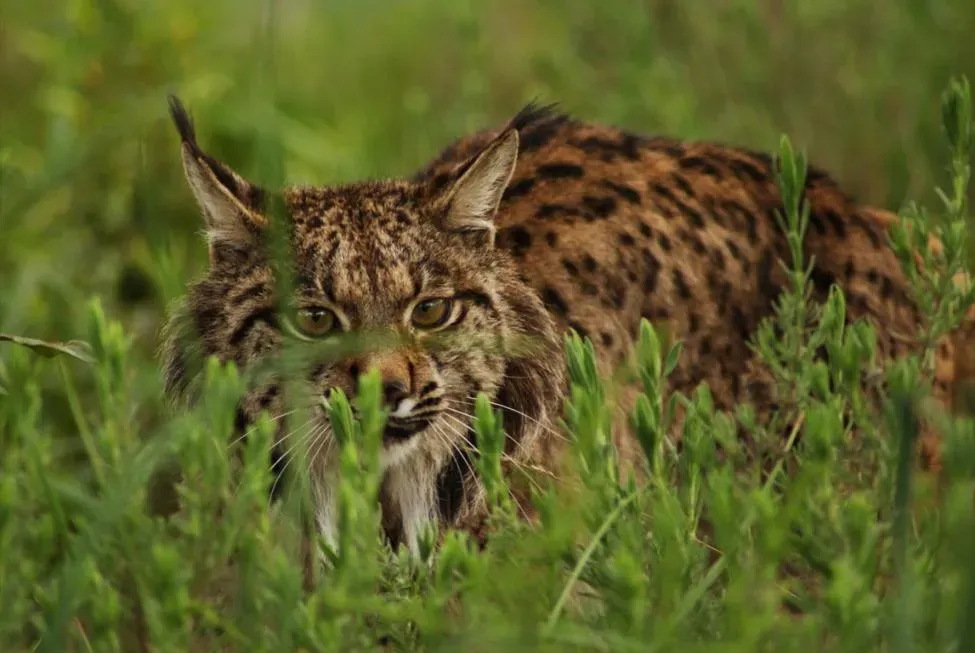
You might wonder whether conservation efforts actually make a meaningful difference, or whether they’re just delaying the inevitable. The evidence says they can work – when they’re well-funded, community-driven, and sustained over the long term. Success stories include the recovery of the Iberian lynx population in Spain and Portugal, thanks to intensive conservation efforts including habitat restoration, prey enhancement, and reintroduction programs.
Captive breeding programs can help increase the populations of critically endangered species and provide animals for reintroduction into the wild. Captive-breeding campaigns led by the European Union and the Spanish government brought the Iberian lynx back from the brink, though there are still estimated to be only around 400 individuals remaining in the wild due to the persistent threats of habitat loss and hunting. The updated 2024 figures showing over 2,000 individuals prove that recovery can accelerate when the right conditions align.
Conclusion
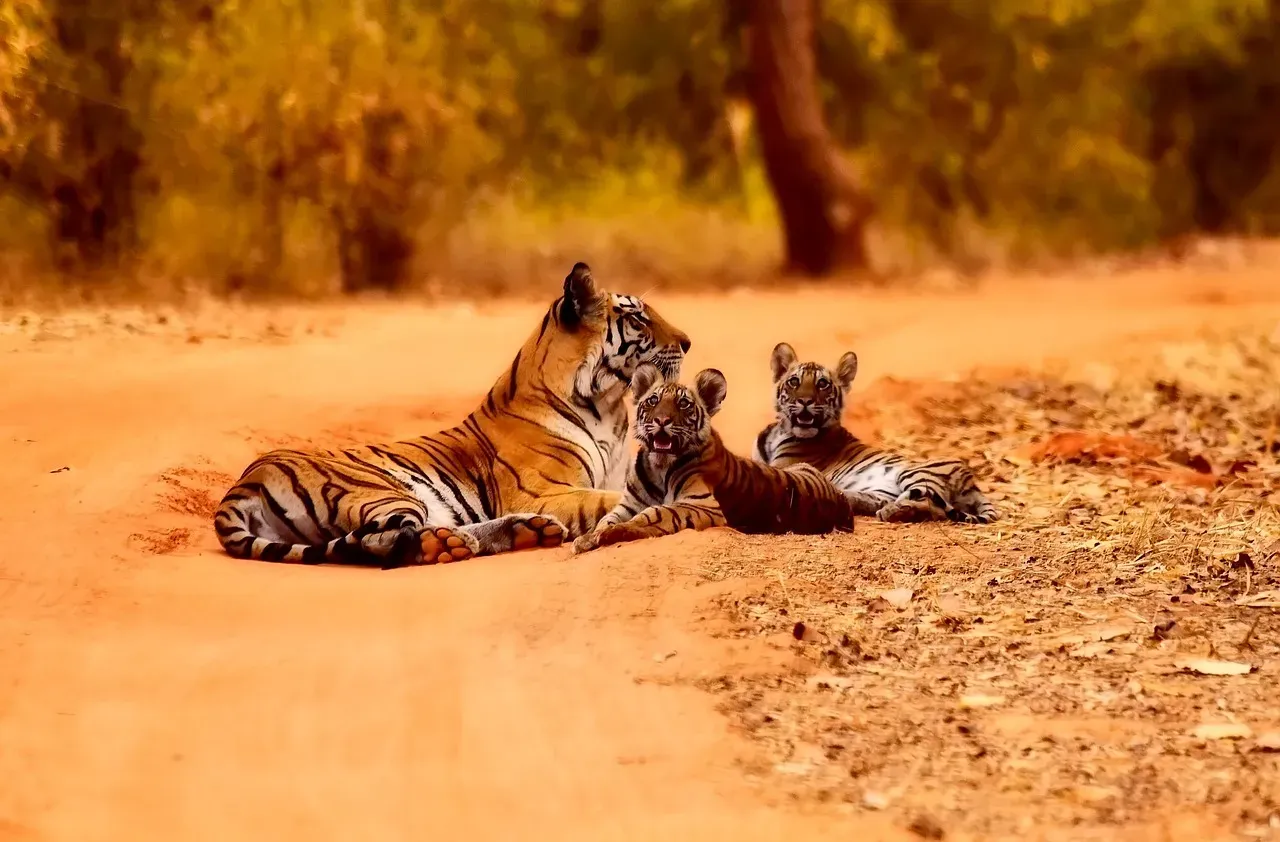
Wild cats have spent millions of years adapting to some of the most extreme environments on Earth – freezing mountain peaks, dense tropical forests, remote desert plateaus. What they weren’t built to withstand is the speed and scale of human disruption. The facts laid out here aren’t meant to overwhelm you. They’re meant to replace vague concern with specific understanding, because knowing the difference between 30 remaining Asiatic cheetahs and 2,000 recovering Iberian lynxes matters enormously when it comes to how resources and attention get directed.
The story of endangered wild cats isn’t one story. It’s dozens of separate battles being fought in landscapes most people will never visit, by scientists, rangers, and local communities who often work with very little. Fortunately, many conservation groups and locals in the countries of vulnerable species are working tirelessly to protect them, and many have even lost their lives to this cause – and awareness of these beautiful feline species at risk is the first step in making a difference. Every species that makes it back from the edge proves the same quiet truth: recovery is possible, but it requires someone choosing to act before it’s too late.
Kristina is a young writer from India. An arts graduate and an avid content creator, Kristina is passionate about animals and wildlife. She enjoys exploring topics related to pet care, animal behavior, conservation, and nature, combining thorough research with engaging storytelling.