Most people assume all cats are aloof, jumpy, or prone to 3 a.m. zoomies across the living room. Then they meet a Ragdoll that goes limp with contentment in their arms, or a Persian that hasn’t raised its voice in years, and the whole stereotype quietly falls apart.
A small group of cats have been shaped, sometimes over centuries, to be calm, undemanding, and deeply affectionate. Vets and breed experts don’t recommend them casually; they point to real, observable behavior patterns that make these breeds a genuine match for peaceful homes and older hands. Here’s what breed history, veterinary insight, and longtime owners actually reveal about the gentlest cats you can bring home.
Elderly individuals or people with limited mobility might also prefer calm cat breeds as they require less interaction and stimulation.
Dr. Nicole Savageau, DVM
#1 – Norwegian Forest Cat
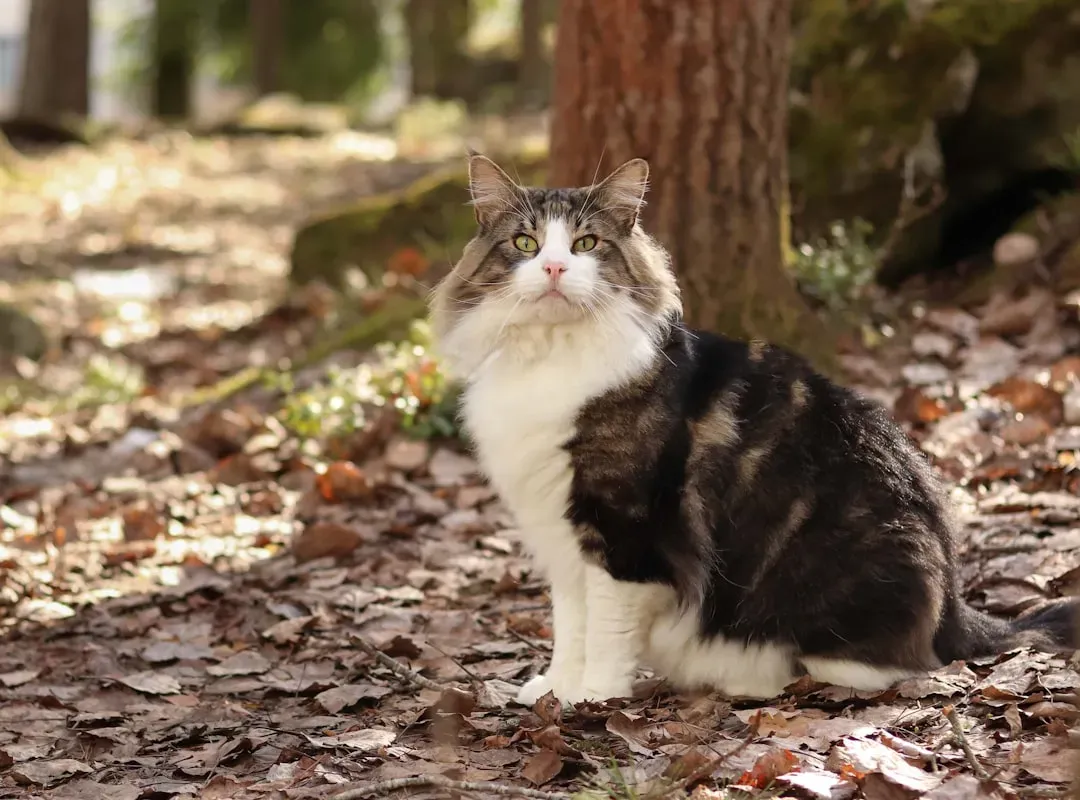
The “Wegie” looks like it belongs in a Viking saga, but its personality is almost shockingly mellow for its size.
This breed spent centuries surviving harsh Scandinavian winters, which shaped a cat that is confident, patient, and rarely rattled by chaos. It’s a gentle, friendly breed that loves being around people, and its calm temperament makes it a good choice for families with children and other pets. The most surprising part is how quiet they are – according to PDSA, Norwegian Forest cats are usually silent unless they want your attention.
Fast Facts
- Origin: Norway; its Norwegian name, “Skogkatt,” literally means “forest cat”
- Coat: dense, water-resistant double coat built for freezing climates
- Size: adult males often reach 12 to 16 pounds
- Voice: low-vocal and reserved, speaking up mainly when it wants attention
Unlike lap-obsessed breeds, Wegies prefer proximity over physical contact, which actually suits older owners who don’t want a cat glued to their knees all day. Confident but not clingy, they combine intelligence and playfulness with a steady, easygoing temperament. That balance of independence and warmth is rare, and it’s exactly why this breed opens the list.
#2 – American Wirehair
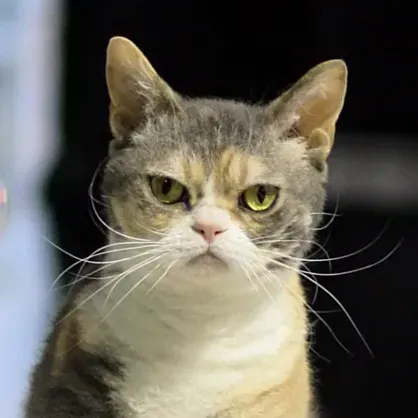
This breed barely gets talked about, which is a shame, because it might be one of the most underrated quiet companions in America.
The American Wirehair looks almost identical to its shorthair cousin except for one genetic quirk: a springy, coarse coat that feels like sheep’s wool. This uncommon coat is visibly rough, but luckily not so rough that you’d want to avoid petting it. Most people don’t realize this breed doesn’t actually demand attention – it simply enjoys it when offered.
That distinction matters enormously for quiet households. The American Wirehair is affectionate and deserving of cuddles, devoted to family and moderately active, sociable but calm, enjoying attention without feeling the need to beg for it. For a senior who wants companionship without constant interruption, that’s a rare and welcome trait.
#3 – Selkirk Rex
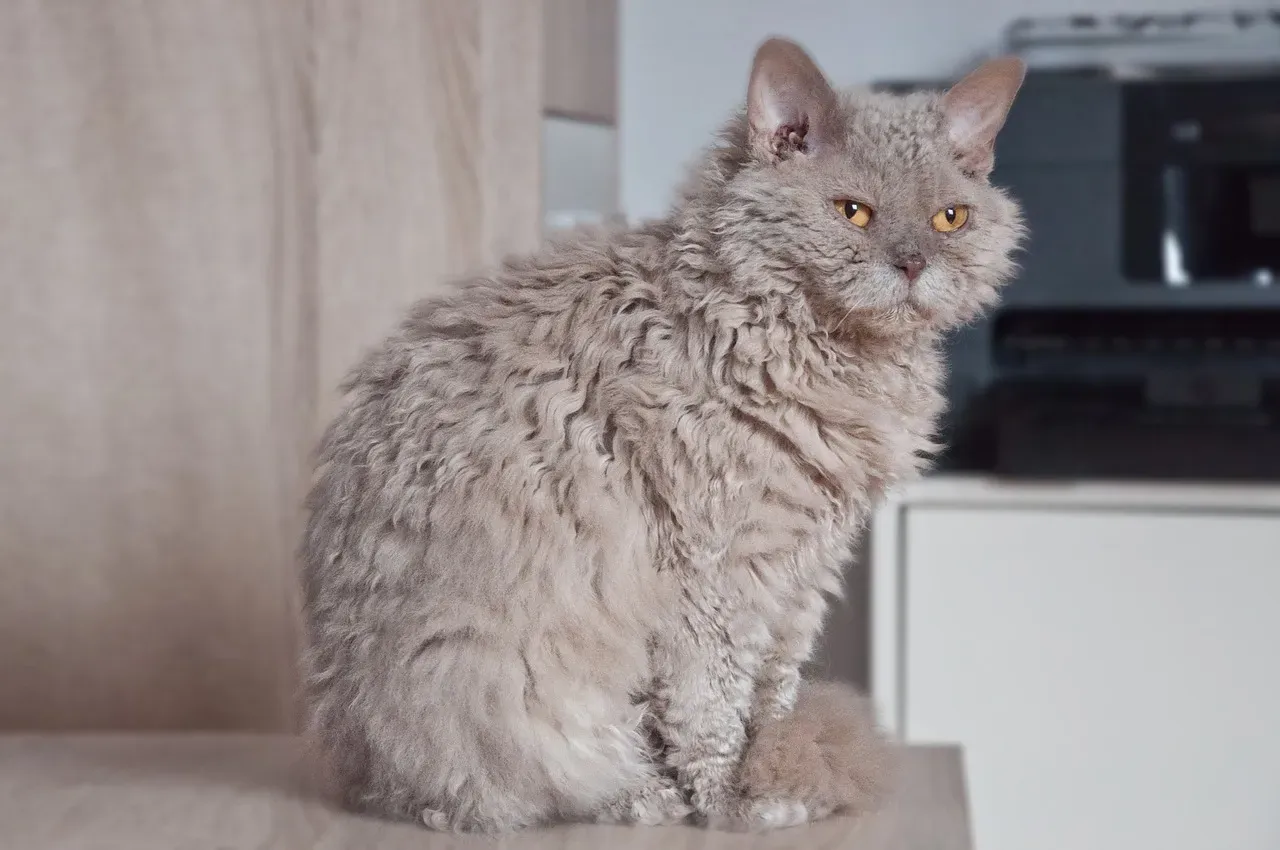
Nicknamed “the cat in sheep’s clothing,” the Selkirk Rex looks like a curly teddy bear, and its personality matches the toy-like appearance.
Breed clubs describe it as sweet-natured almost to a fault. Selkirks tend to be more interactive than active – their focus is on you, and their idea of kitty heaven is a warm lap. While not particularly vocal, they are very responsive to their owners. Here’s the surprising twist: despite its plush coat, grooming is minimal. Simply use your fingers in a gentle scratching motion to fluff up the curls, since these cats don’t mat easily.
Longtime owners go further, calling it one of the calmest cats they’ve ever met. Gentle personalities paired with low-shedding coats make Selkirks great companions for anyone craving a loving, relaxed pet. They rarely startle, rarely yowl, and rarely demand anything beyond a warm lap and a little fuss.
#4 – Chartreux
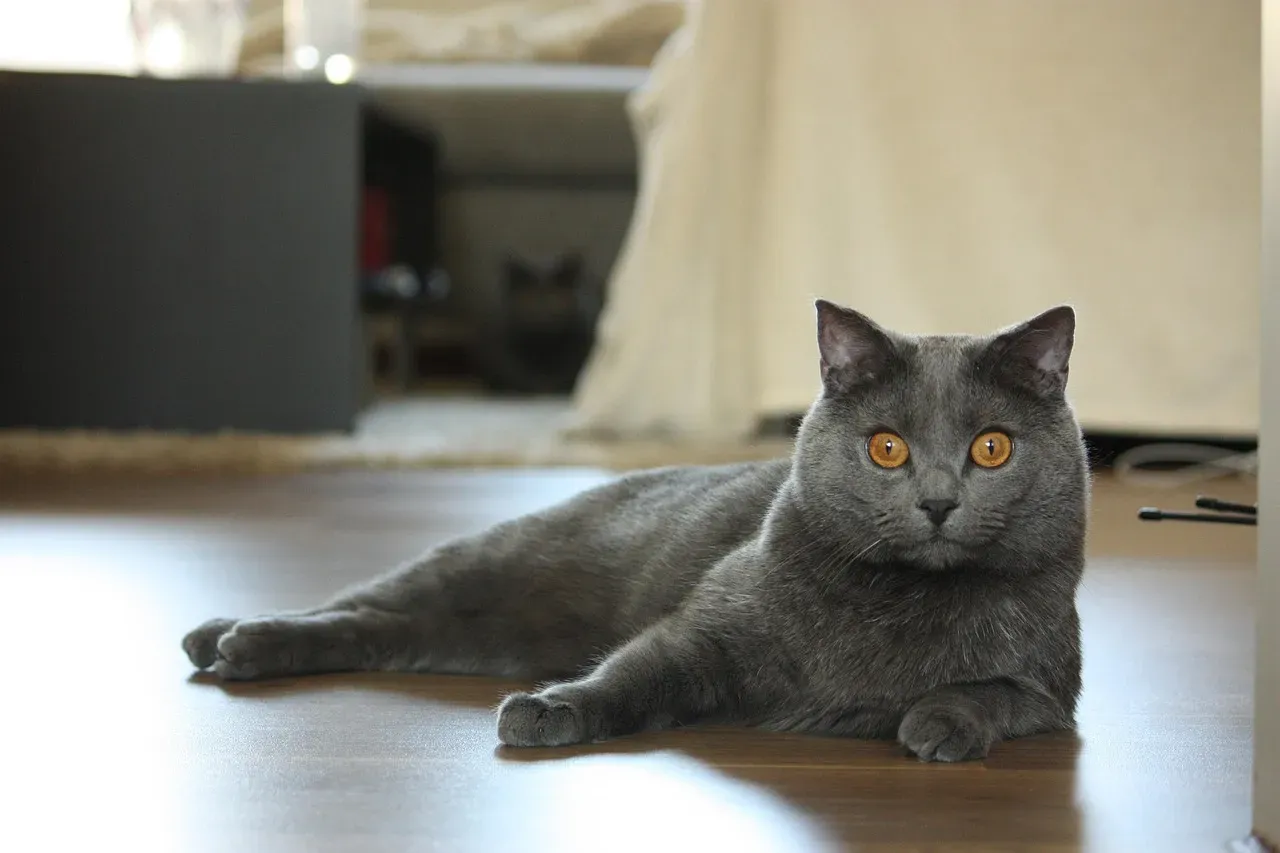
France’s national treasure cat is famous for one thing above all: an expression that looks permanently, almost eerily, content.
The Chartreux carries a muscular build and a signature blue coat, but its calling card is its temperament. It’s admired for its gentle personality and famously sweet “smiling” expression, known for being quiet, loving, and deeply attached to its family. Most owners are surprised by how dog-like this breed behaves.
Despite the calm reputation, this isn’t a couch potato – it’s a companion that follows you room to room without ever becoming a nuisance. Though relaxed and easygoing, Chartreux cats still enjoy playful moments and interactive games, which is why many owners call them “dog-cats.” That combination of loyalty and low drama is exactly what quiet households need.
#5 – Ragamuffin
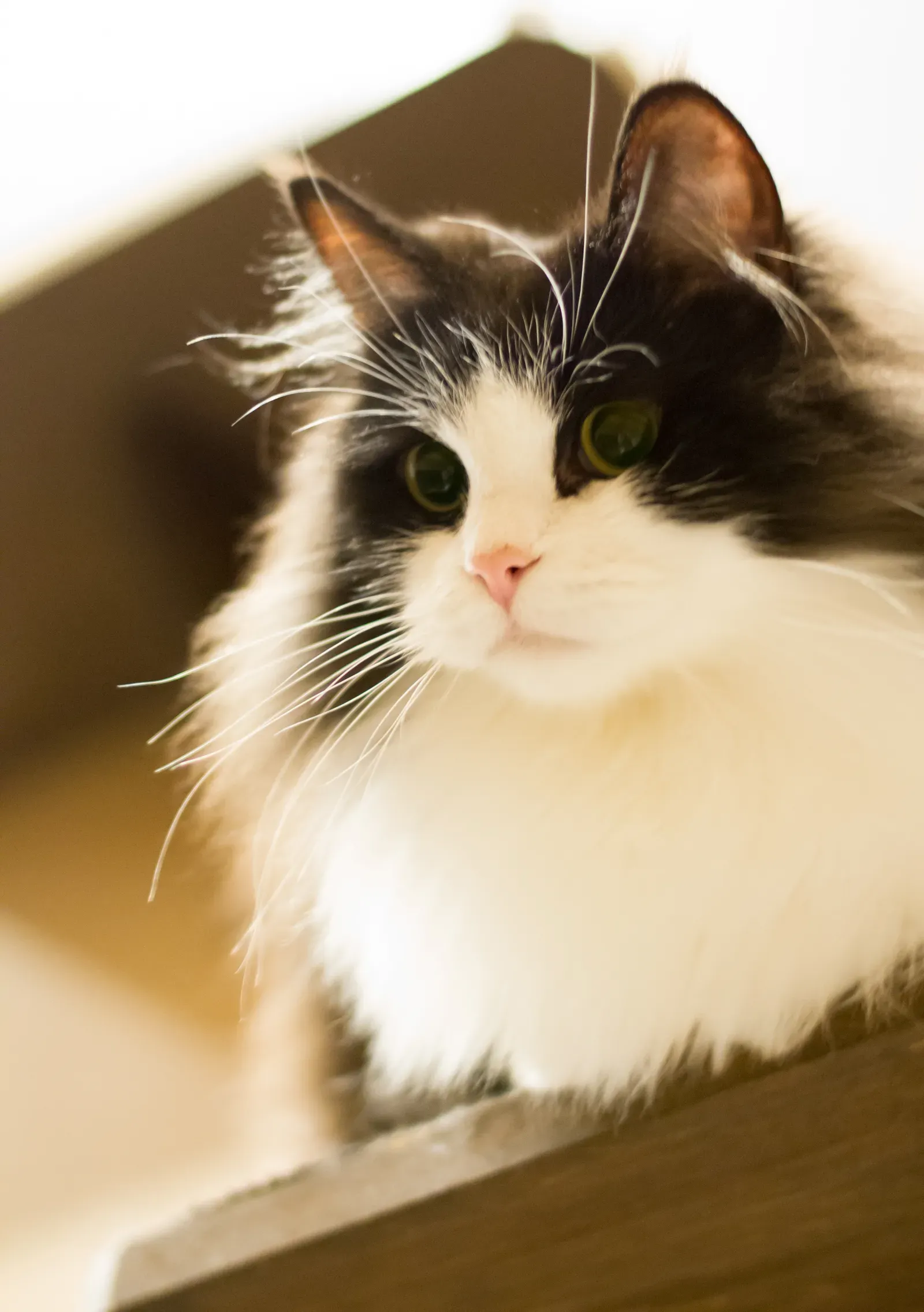
If the Ragdoll is famous, the Ragamuffin is its lesser-known, arguably more relaxed sibling – and some breed fans argue it’s actually the better choice for seniors.
Genetically related to the Ragdoll, the Ragamuffin shares the same “go limp when held” instinct but comes in a wider range of colors and patterns. This highly affectionate cat loves to be held like a baby and is often thought of as a living teddy bear. The controversial opinion here: many longtime cat people think the Ragamuffin is criminally overlooked simply because it lacks the Ragdoll’s marketing history.
Quick Compare
- Colors and patterns: Ragdolls are limited to pointed patterns, while Ragamuffins come in nearly every color and pattern
- Breed history: the Ragdoll was established in the 1960s; the Ragamuffin split off as its own recognized breed in 1994
- Temperament: both breeds go limp when held, though Ragamuffins are often described as slightly more food-motivated and outgoing
This breed thrives in multi-pet or multi-generational households precisely because it rarely reacts negatively to noise, handling, or new faces. It settles into laps, stays there for hours, and rarely vocalizes unless truly hungry. For quiet homes, that predictability is priceless.
#6 – American Shorthair
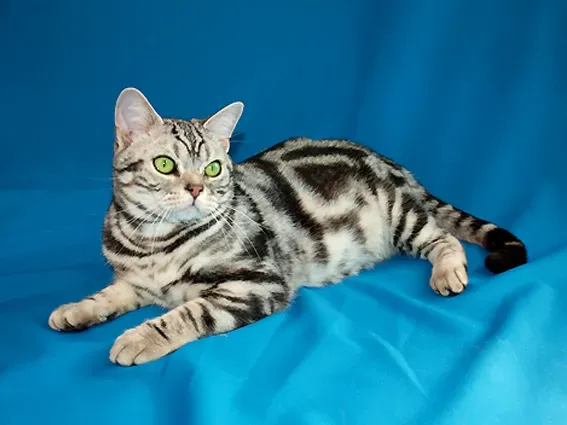
Don’t mistake “shorthair” for boring – this breed is often called the Goldilocks of cats for a reason.
It strikes a rare balance: playful enough to stay engaged, calm enough to never overwhelm a quiet household. Most people assume shorthair breeds are more high-strung than long-haired ones, but this breed proves that wrong entirely.
Its temperament was shaped by a long working history rather than show-ring breeding, which may explain its steady, unbothered nature. It forms solid bonds without being demanding, often content just sitting nearby or observing the room. Fact: American Shorthairs were originally brought on ships to protect food supplies from rodents, a working history that built a cat able to adapt to any pace of life.
#7 – Russian Blue
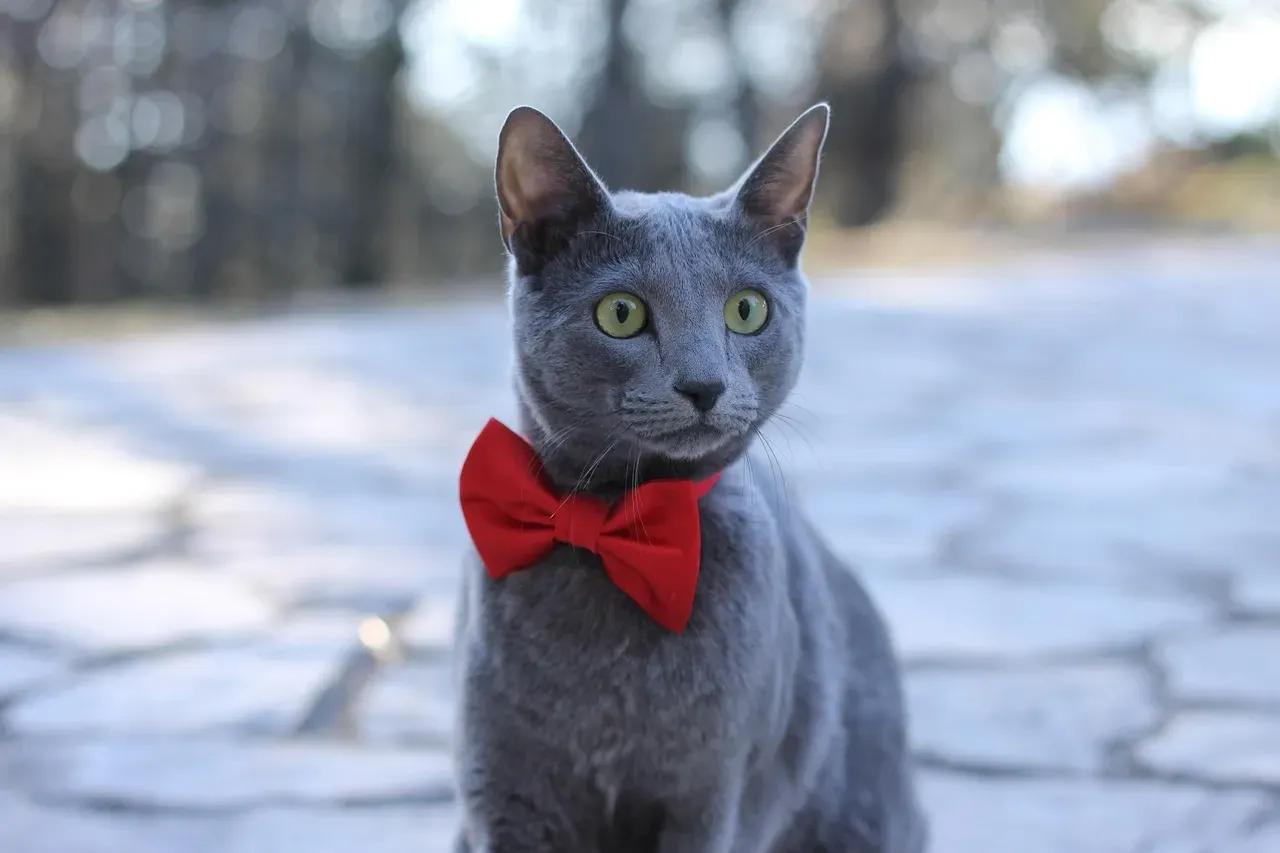
Often called “the reserved aristocrat,” the Russian Blue is proof that quiet doesn’t mean cold.
This breed’s shimmering blue-gray coat gets all the attention, but its temperament is what makes it ideal for older owners specifically. Affectionate, adaptable, and easy to live with, Russian Blues are known for gentle personalities and a quiet nature that fits naturally into peaceful homes. The most surprising fact: Russian Blues are perfectly happy being left alone for stretches at a time, which sets them apart from clingier breeds.
While they form deep connections with their people, they aren’t overly needy and can comfortably spend time on their own – a real plus for seniors who travel or keep busy schedules. They’re also low-maintenance in the grooming department, with brushing needed only once or twice a week to keep that velvety coat looking its best.
#8 – Himalayan
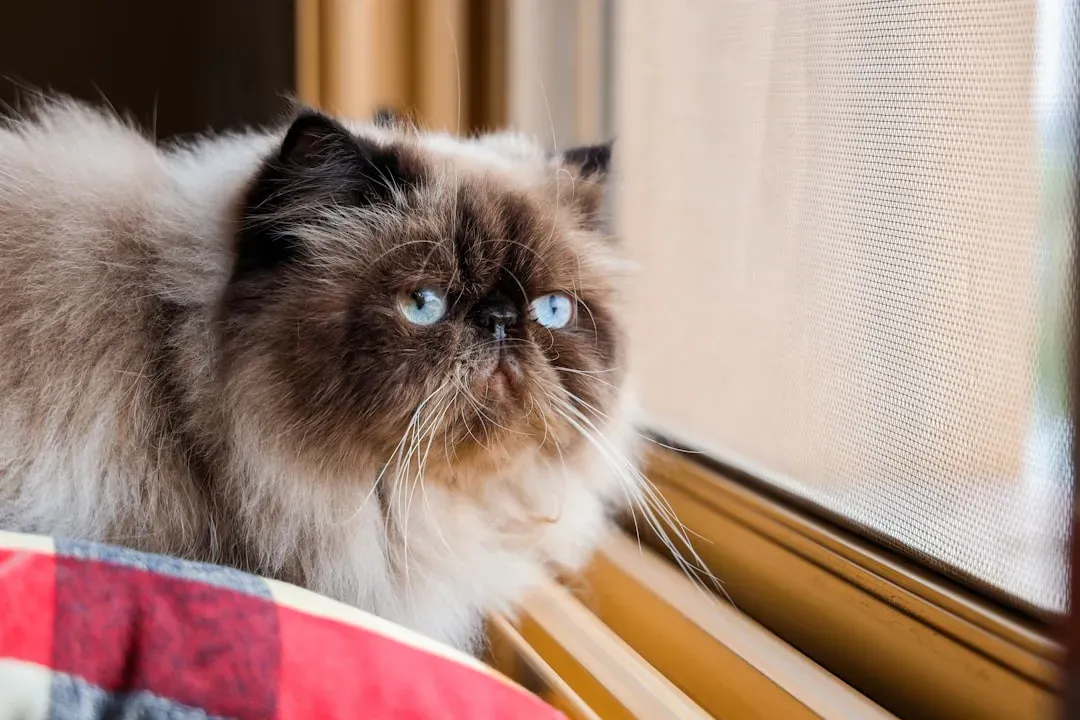
The Himalayan is essentially a Persian in a Siamese costume – and the personality split leans heavily toward the Persian side.
This cross-breed inherited the Persian’s laid-back nature and the Siamese’s love of human company, creating a cat that’s both calm and deeply devoted. In temperament and coat length, Himalayans behave more like Persians: docile and quiet, yet loving and cheerful. Here’s what most owners don’t expect: despite the Siamese ancestry, Himalayans rarely inherit that breed’s famous vocal demands.
Instead, they crave closeness in a much gentler way. If you like sleeping in on Sunday mornings and watching late-night TV, the Himalayan will gladly curl up beside you or find a sunspot nearby. This breed is very people-oriented, feeling most at home when its family is around.
#9 – Exotic Shorthair
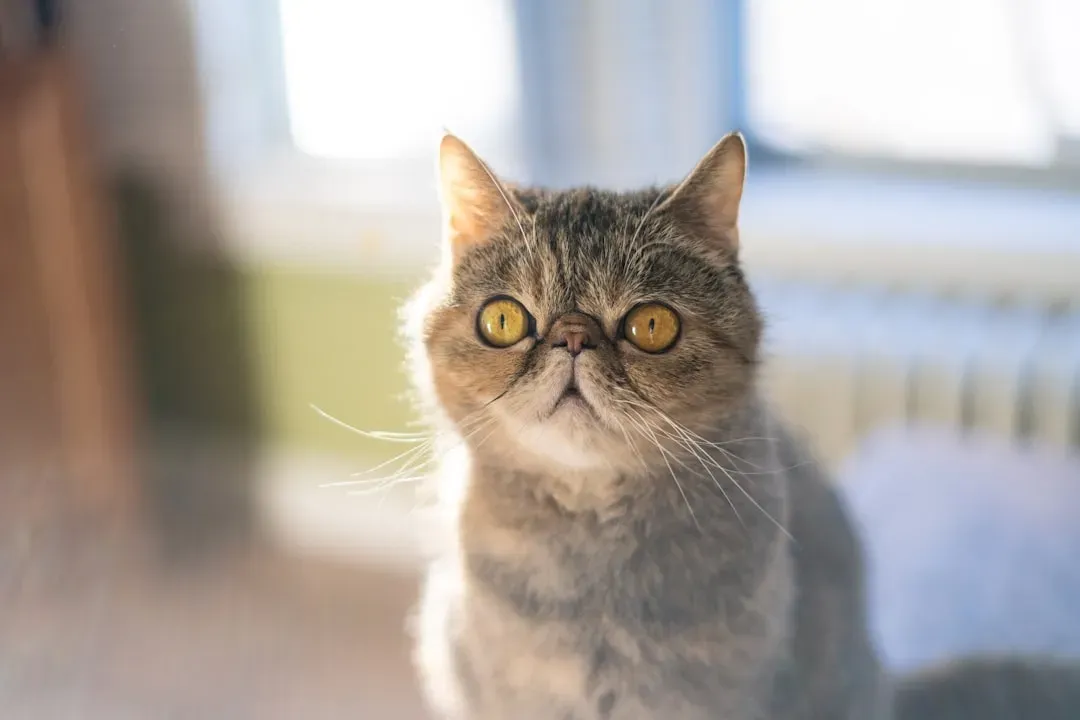
Sometimes nicknamed the “lazy man’s Persian,” this breed swaps a high-maintenance coat for a nearly identical temperament.
The Exotic Shorthair carries almost every calm trait of the Persian but with a plush, short coat that’s dramatically easier to manage. Like its placid cousin, Exotics are calm, quiet, gentle, and undemanding, while still being very loving and cuddly. The most controversial opinion in this list: some breed experts now argue the Exotic Shorthair is actually a smarter choice for seniors than the Persian, purely because of the grooming difference.
With a short, dense coat, regular brushing is all it takes to keep them comfortable – no complex routines required. What makes them especially suitable for seniors is their easygoing rhythm: short bursts of play followed by long stretches of rest that mirror exactly what a quieter household needs.
#10 – Maine Coon
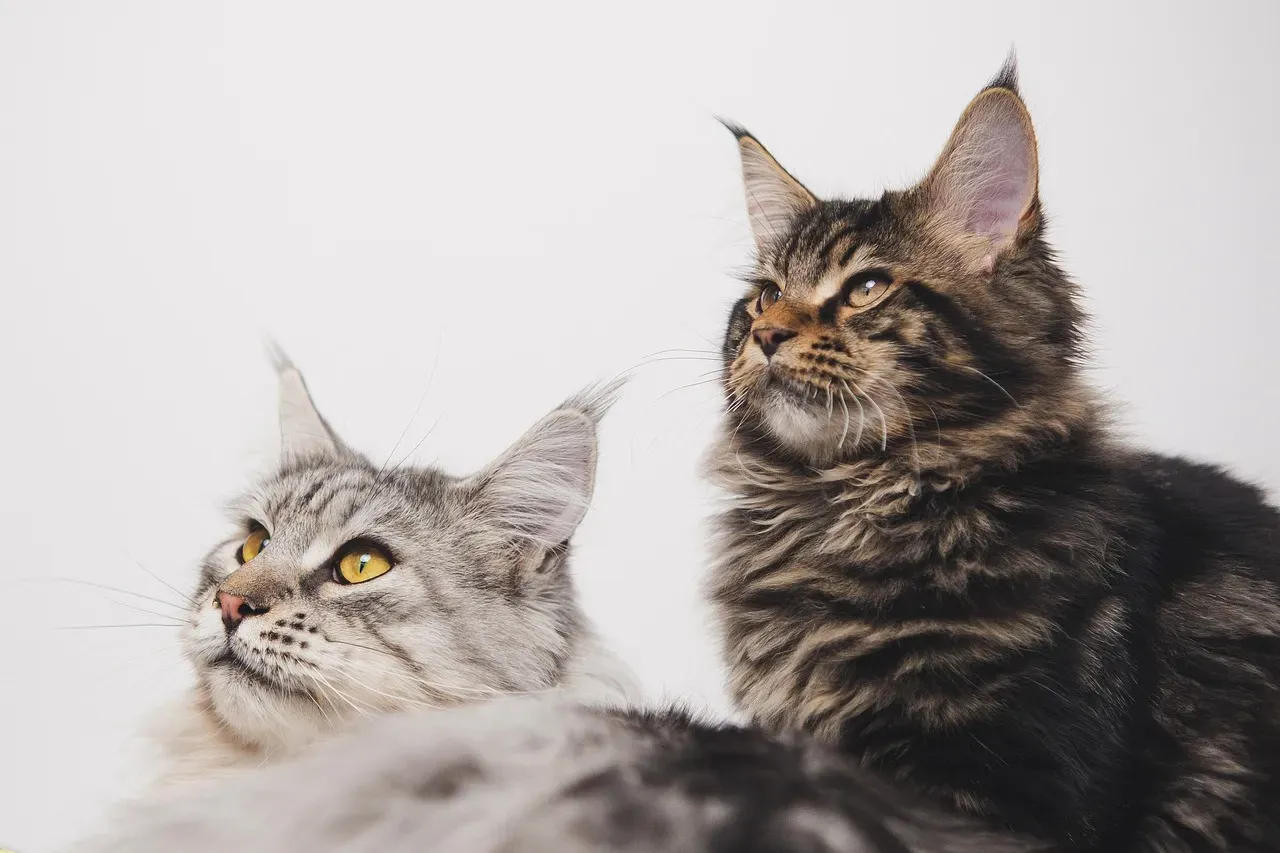
Don’t let the size fool you – this “gentle giant” is one of the calmest cats on this entire list, despite weighing as much as a small dog.
Maine Coons carry a reputation for sociability without neediness, which makes them ideal for owners who want companionship without constant demands. Despite its impressive size, this breed is known for a sociable nature and calm presence in the home. Most people are shocked to learn Maine Coons rarely meow loudly at all.
Worth Knowing
- Maine Coons are among the largest domesticated cat breeds, with males often weighing 13 to 18 pounds
- The breed is the official state cat of Maine
- Their thick, water-resistant coat helped them endure brutal New England winters
- They communicate mostly through soft chirps and trills rather than loud meows
Instead, they communicate with soft chirps and trills. They also handle disruption remarkably well, which matters for households with visiting nurses, grandchildren, or shifting routines. Rather than demanding constant attention, they prefer staying close to their people in a quiet, reassuring way.
#11 – Scottish Fold
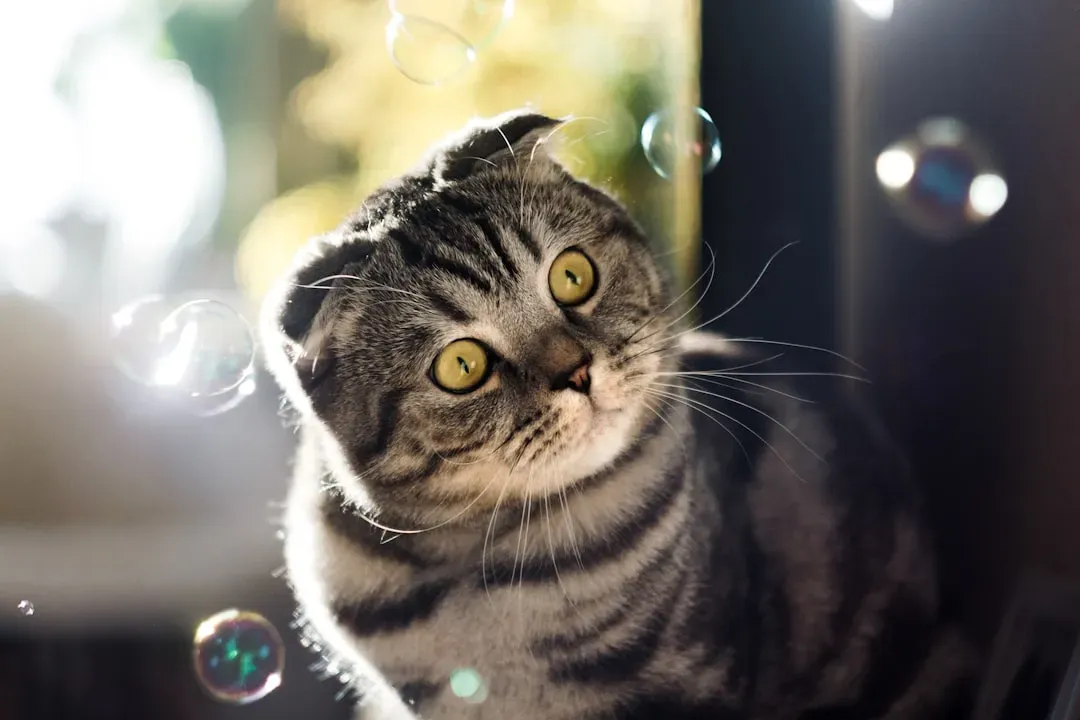
Those forward-folded ears make the Scottish Fold instantly recognizable, but its temperament is arguably its best feature.
This breed has built a reputation as one of the quietest cats in existence, both in personality and in literal volume. Gentle, easy-going, and famously soft-spoken, Scottish Folds are a natural fit for calm households. The single most surprising fact: they’re known for their soft voices and rarely wake owners with loud nighttime yowling.
They’re affectionate without being clingy, a balance that seniors and quiet-home owners consistently praise. Though they love human company, Scottish Folds are perfectly content lounging beside you, curling up in sunbeams, or watching the household unfold with serene curiosity.
#12 – British Shorthair
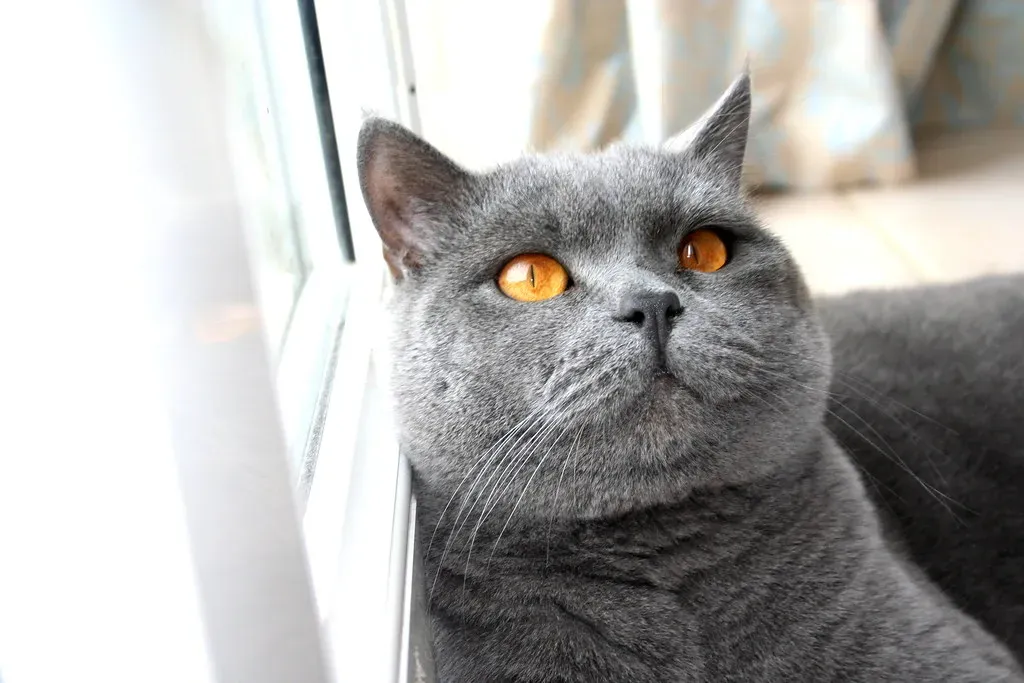
Round-faced, sturdy, and famously unbothered, the British Shorthair is often described as the introvert of the cat world – in the best possible way.
This breed prefers quiet observation over constant interaction, which some might see as aloof but which is actually a huge asset in a peaceful home. Smart, attentive, and low-key, it can be reluctant around strangers but warms quickly to familiar faces. A slightly controversial take: many owners insist British Shorthairs are actually too independent for people craving constant affection.
That said, for a senior who values a calm presence rather than a lap-hog, this trait is a feature, not a flaw. British Shorthairs enjoy time near their humans while also being perfectly comfortable entertaining themselves or relaxing quietly in another room.
#13 – Birman
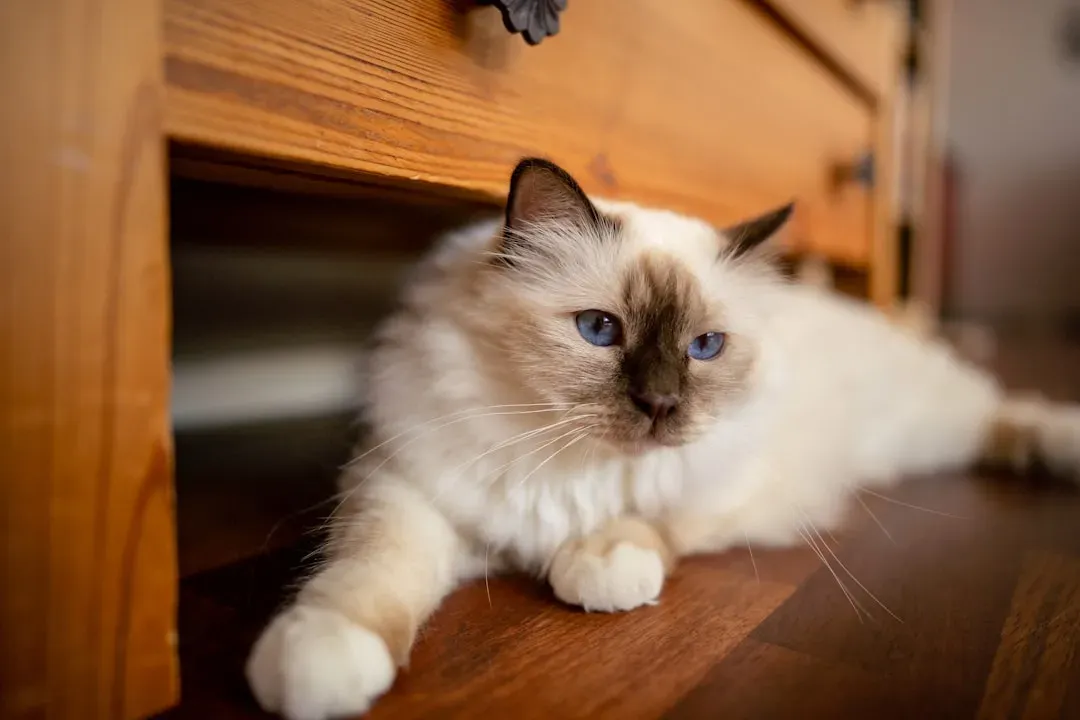
Legend says this breed once lived alongside temple priests in Burma, and its temperament still carries that same monk-like serenity.
The Birman is instantly recognizable by its deep blue eyes and four white “gloved” paws, but its personality is the real draw. It’s easy to picture the calm and peaceful Birman quietly meditating, and these cats are just as serene at home, offering gentle snuggles and zen-like purrs. A surprising nickname you may not know: experts describe it as the ultimate “Velcro cat.”
That intense affection for its owner, paired with strong loyalty, makes it perfect for active seniors who are home most of the time. Its grooming is also easier than expected – the single-layer fur stays relatively smooth with light care, manageable even for owners who prefer a low-maintenance routine.
#14 – Persian
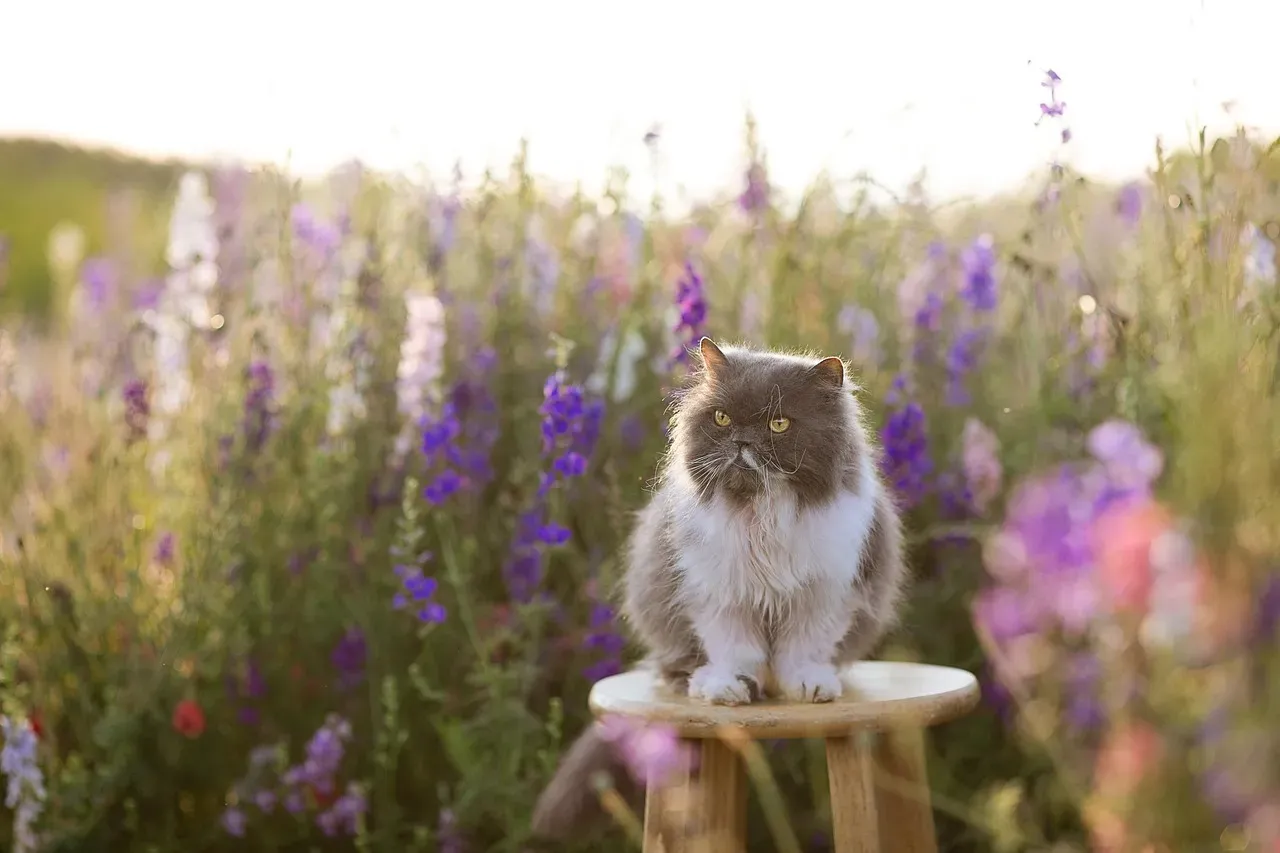
The Persian is the breed most people picture when they imagine a “calm cat” – and for once, the stereotype is completely accurate.
This ancient breed has been prized for centuries for its serene, unbothered nature, rarely reacting to stress the way other cats do. Persians prefer to walk away from stress rather than show aggression, and though sometimes reserved, they’re affectionate and loyal once bonded, thriving in quiet, predictable homes. The most shocking detail: Persians barely vocalize at all.
At a Glance
- Origin: Persia (modern-day Iran), one of the oldest known cat breeds
- Coat: long and dense, requiring daily brushing to prevent mats
- Face type: ranges from the traditional “doll-face” to the flatter modern show style
- Temperament: quiet, affectionate, and famously unbothered by household chaos
Unlike more vocal breeds, Persians rarely meow loudly or demand attention, relying instead on gentle purrs or subtle chirps when they want affection. The trade-off is grooming – this is not a low-maintenance coat, and it requires regular care to stay soft and tangle-free. For an owner willing to brush daily, the emotional payoff is enormous.
#15 – Ragdoll
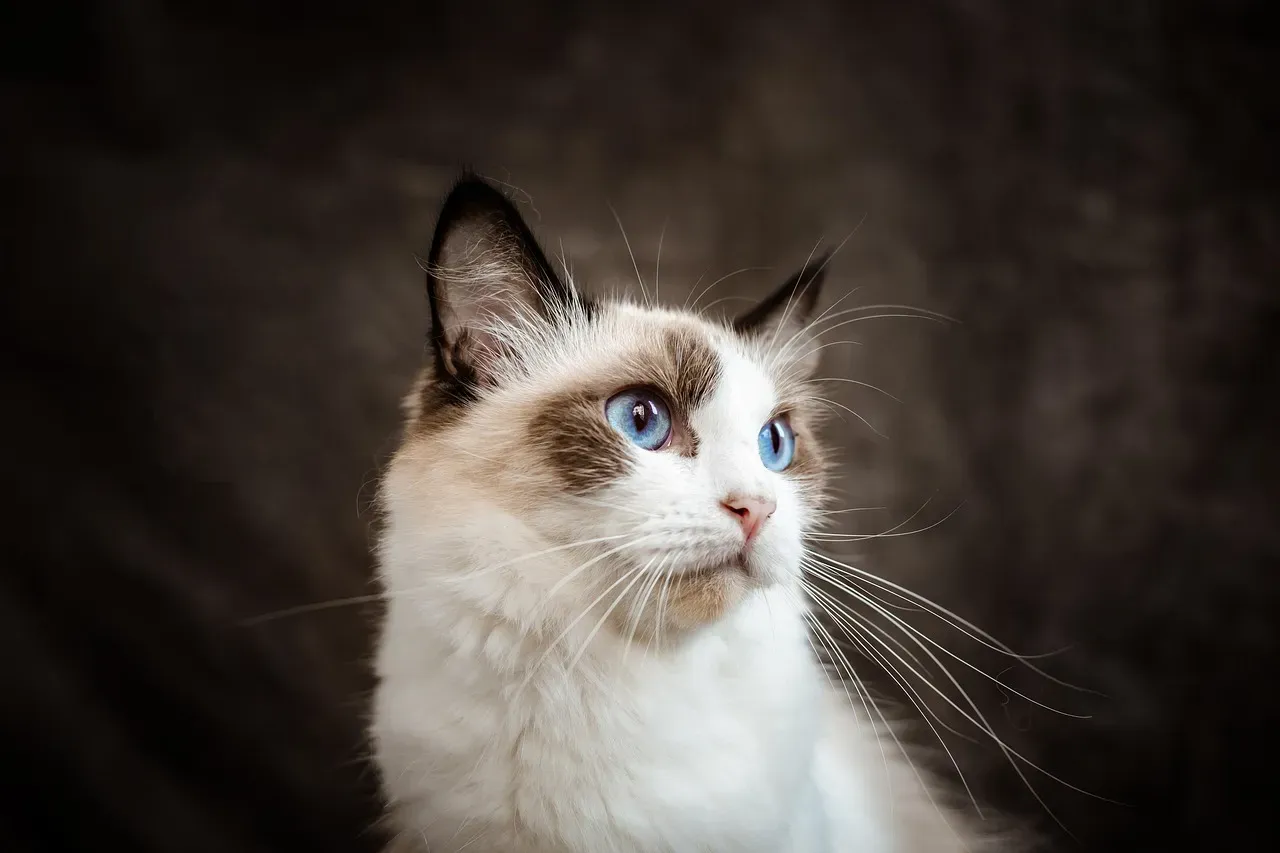
If one breed defines “gentle cat” more than any other, it’s this one – and the story behind its temperament is genuinely fascinating.
The Ragdoll was deliberately bred in the 1960s for one trait above all others: extreme docility. American breeder Ann Baker developed the Ragdoll, best known for its docile, placid temperament and affectionate nature, with the name coming from its tendency to go limp and relaxed when picked up. The single most surprising fact on this entire list: Ragdolls are so people-oriented they’re frequently compared to dogs rather than cats.
They’re sociable with humans, dogs, and other cats, adaptable to changes in routine, and playful but mellow, with a moderate energy level that isn’t overly demanding. One caveat worth noting: Ragdolls dislike solitude and can develop separation anxiety if left alone too long. For a senior who’s home most of the day, that’s not a drawback – it’s exactly the companionship they’re looking for.
The Bottom Line
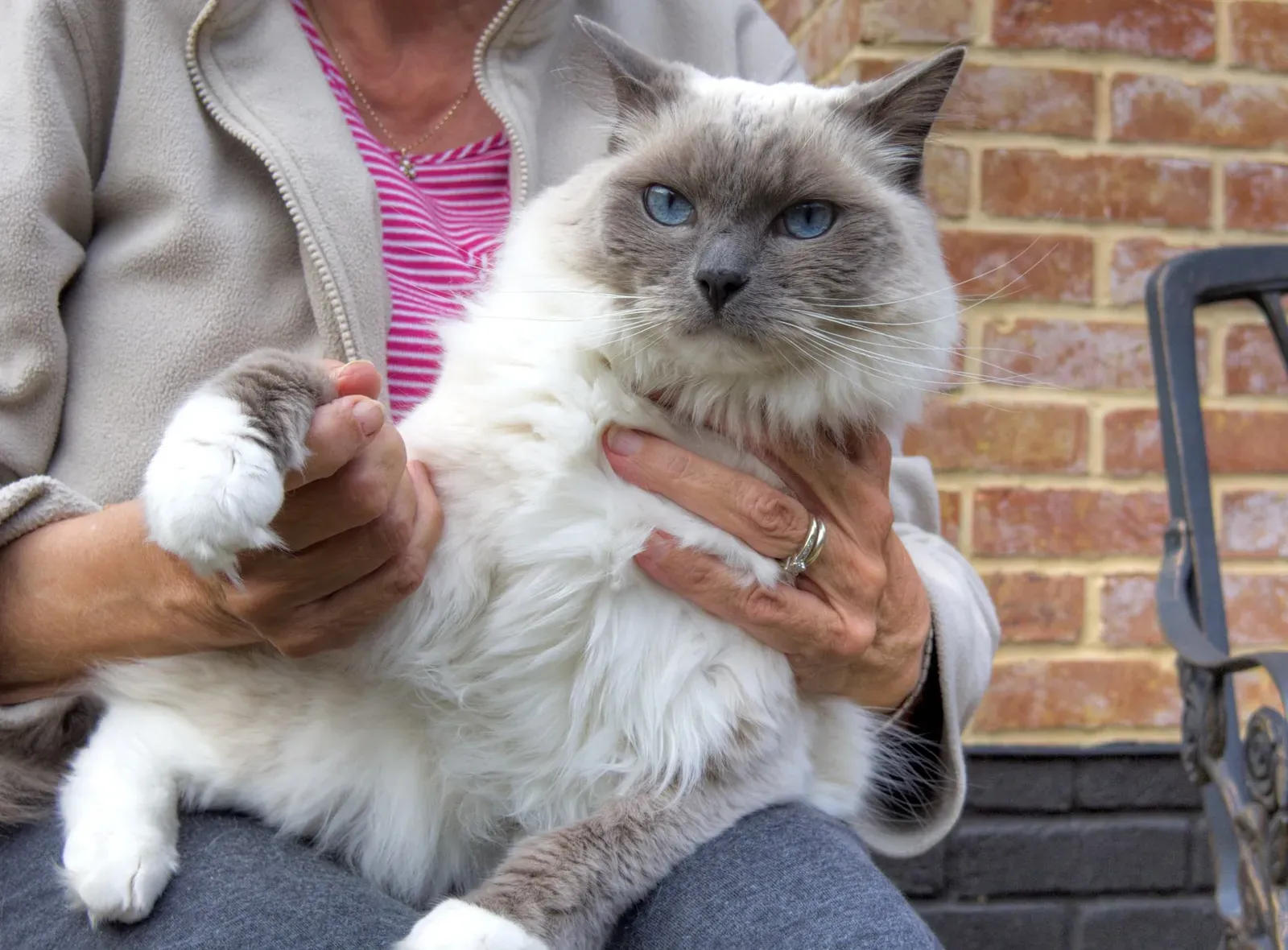
Across all 15 breeds, one pattern stands out: the calmest cats weren’t accidents. They were shaped by centuries of temple life, ship duty, harsh winters, or deliberate breeding for docility. The most surprising takeaway is how many of these breeds barely vocalize at all – Persians, Scottish Folds, and Maine Coons communicate in soft chirps rather than demanding meows, which matters enormously for anyone craving a quiet home.
Our honest opinion? The Ragdoll and Birman edge out the rest for true seniors, purely because their attachment to humans matches the companionship older owners actually need. A calm cat isn’t just a quieter pet – it’s a steadier one, and steadiness is worth more than novelty when you’re building a life around peace. Which breed matches your household best? Drop it in the comments.
Kristina is a young writer from India. An arts graduate and an avid content creator, Kristina is passionate about animals and wildlife. She enjoys exploring topics related to pet care, animal behavior, conservation, and nature, combining thorough research with engaging storytelling.