Most cat owners walk right past the moment their old cat says thank you. It doesn’t look like gratitude. It looks like a slow blink, a turned back, a quiet nap on the end of the couch – the kind of thing you’d normally scroll past without a second thought.
But veterinary behaviorists say that’s exactly the problem. Older cats don’t stop showing love as they age – they just trade the loud, obvious stuff for a quieter dialect most humans never bother to learn. Once you know what to look for, you’ll never look at your old cat’s “boring” habits the same way again.
#1 – The Slow Blink That Isn’t Just Sleepiness
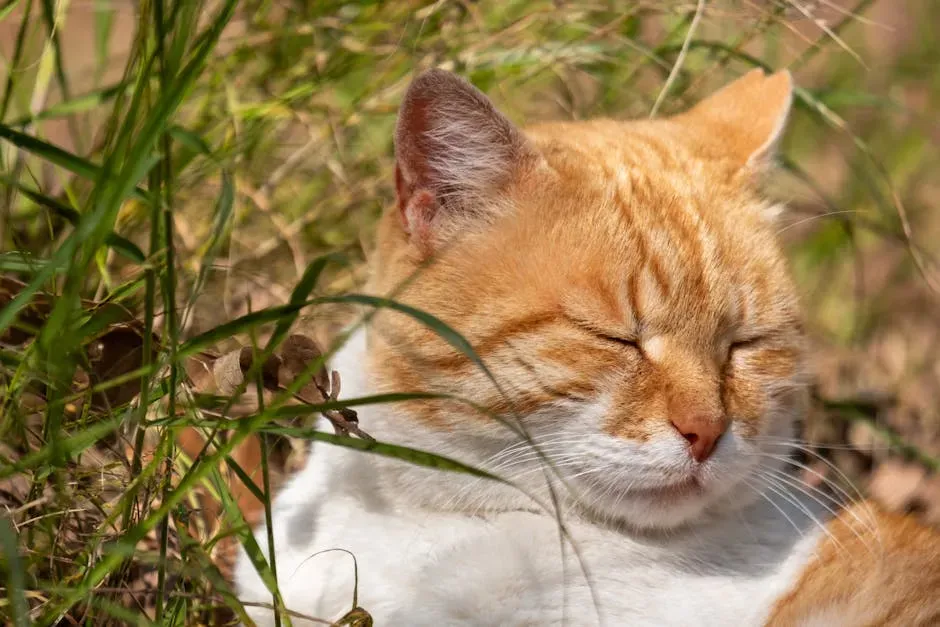
That heavy-lidded, half-closed stare your old cat gives you across the room isn’t drowsiness – it’s one of the clearest love signals in the feline repertoire. Behaviorists often call this the “cat smile,” and it’s a deliberate act of vulnerability. Cats never close their eyes around something they perceive as a threat, so a slow blink is essentially your cat saying, “I trust you completely.”
Older cats do this more deliberately and more often than kittens, largely because their bond with you has had years to deepen. Watch closely and you’ll notice it happens most after you’ve fed them, cuddled them, or simply sat nearby. It’s slower, more exaggerated, and sometimes paired with a soft exhale through the nose. Most owners miss it entirely because they’re waiting for something louder, but that quiet blink is worth more than a hundred meows.
Fast Facts
- Also nicknamed the “cat smile” by behaviorists
- Cats rarely close their eyes near anything they perceive as a threat
- Often paired with a soft exhale through the nose
- Grows slower and more deliberate as the bond deepens with age
#2 – The Silent Slow Walk to Greet You
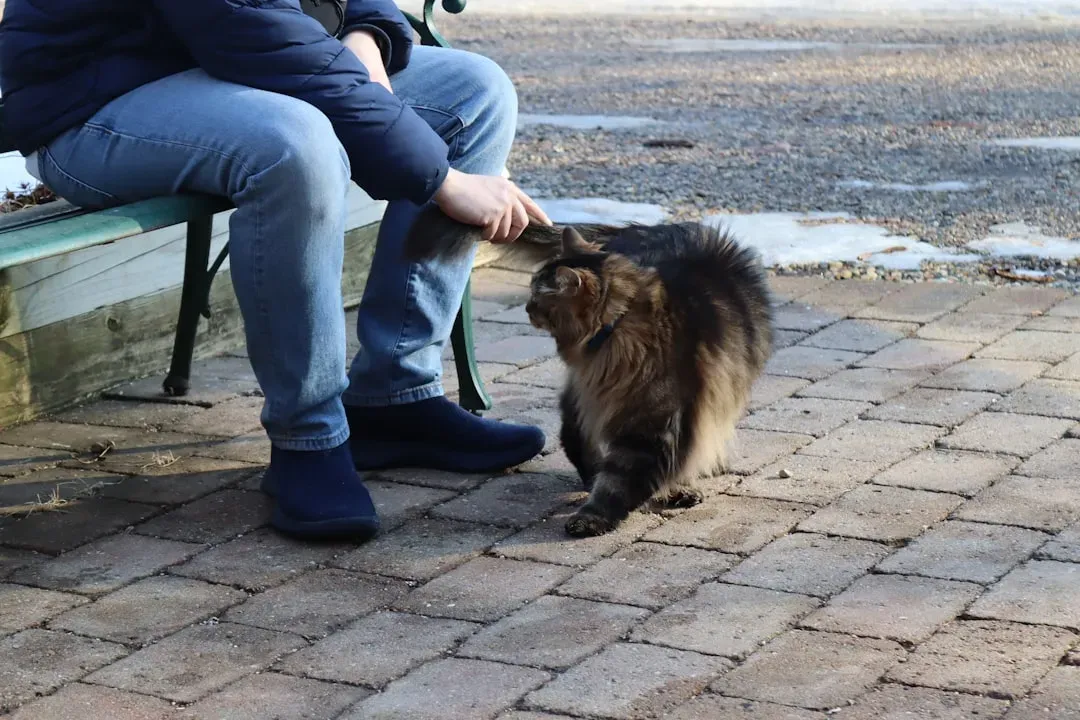
A young cat sprints to the door when you come home. An old cat often takes a slower, more deliberate stroll – and that’s not a decline in affection, it’s a mark of comfort. Senior cats have learned that you’re not going anywhere, so there’s no urgency in their greeting anymore. The slow walk is confidence, not indifference.
Watch the tail during this walk. If it’s upright with a gentle curve or slight quiver at the tip, that’s a happy, secure cat acknowledging your return. Many owners assume their aging pet has simply “stopped caring” when greetings slow down, but the opposite is usually true. That unhurried little walk is actually a bigger compliment than a full sprint ever was. It says, “I know you’re here for me, so I don’t need to rush.”
#3 – Sitting With Their Back Turned to You
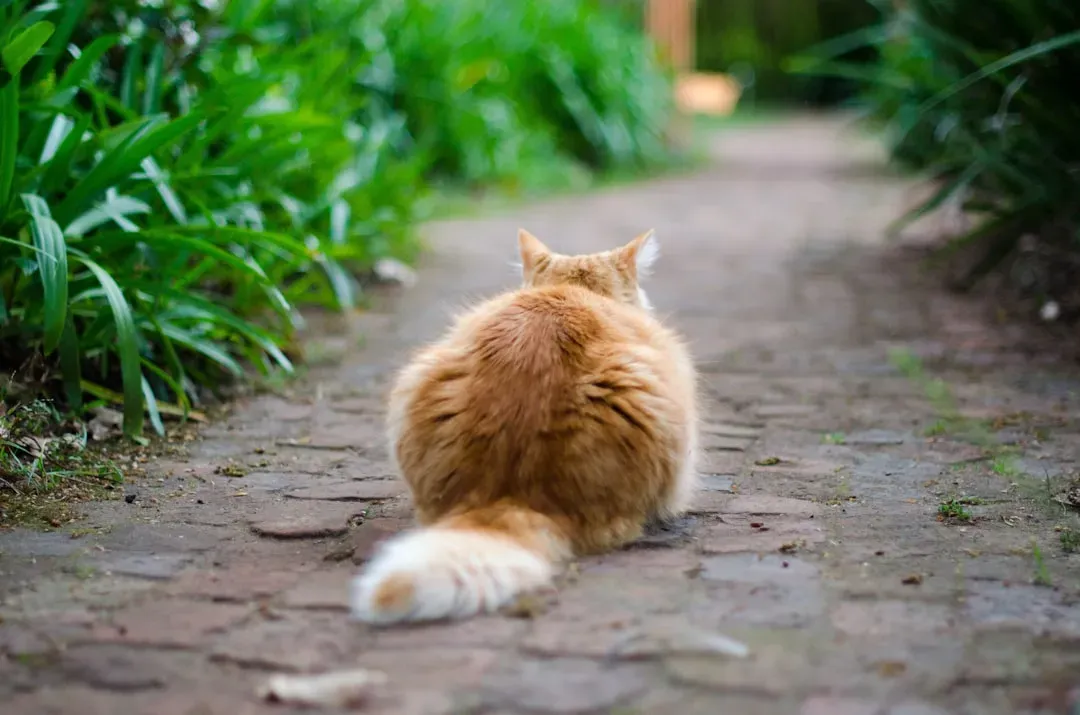
It sounds like the opposite of affection, but a cat that turns its back to you while sitting nearby is performing one of the highest trust displays in the animal kingdom. In the wild, exposing your rear and spine to another creature is a massive vulnerability. Cats only do this around beings they feel completely safe with.
Older cats do this constantly, especially during quiet evening hours when they’ve settled into a routine with their humans. It’s not rejection – it’s the feline version of falling asleep on your shoulder. Many people misread this posture as their cat being “done” with attention, when actually it’s the calmest, safest position a cat can choose. If your senior cat regularly parks itself with its back to you, take it as one of the sincerest compliments in their emotional vocabulary.
#4 – The Gentle, Almost Silent Purr
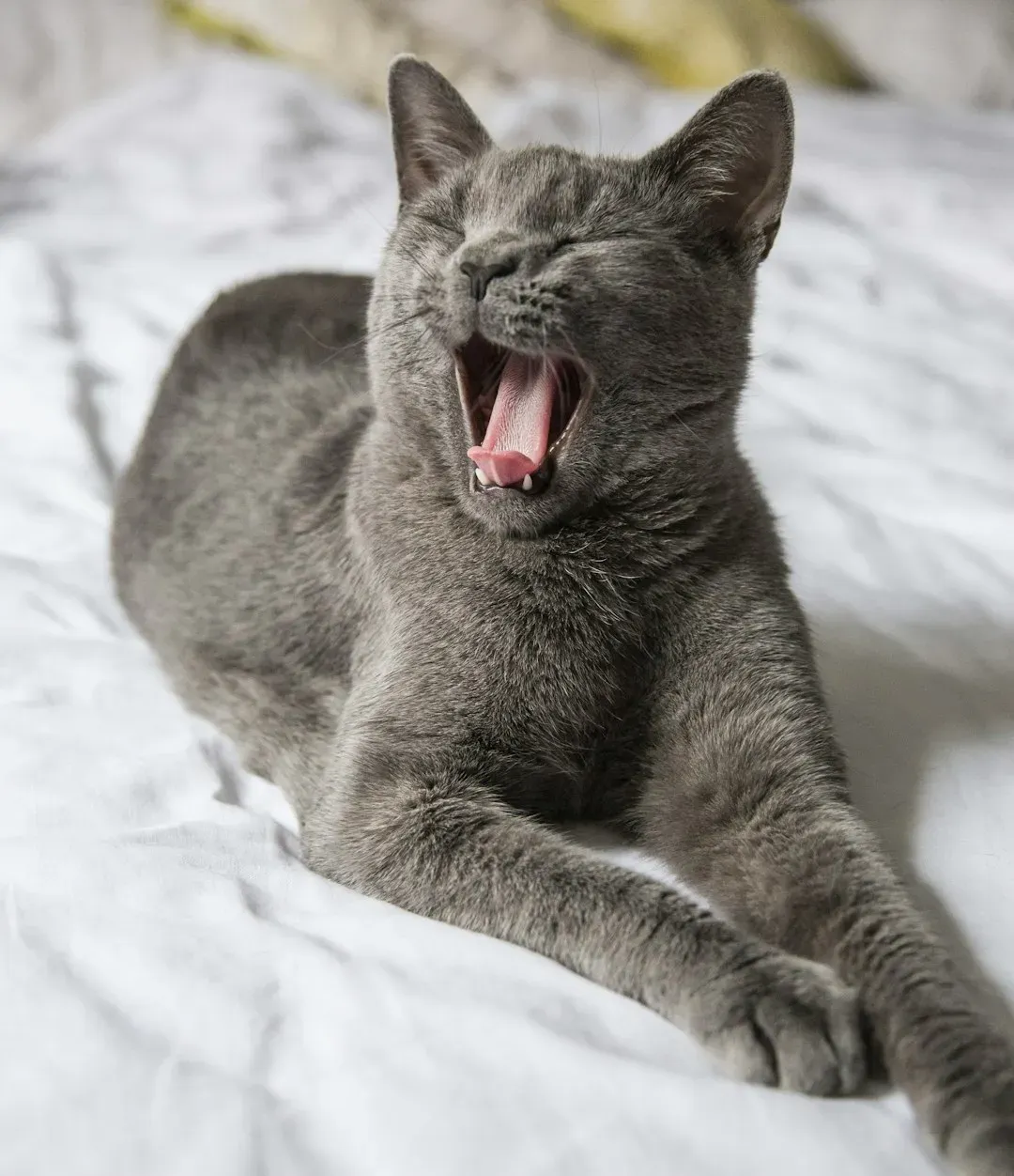
Kittens and younger cats purr loud and often, sometimes to demand food or attention. Older cats tend to purr softer, quieter, and more sporadically – but experts say this quieter purr is frequently more emotionally loaded, not less. It shows up during calm bonding moments rather than as a request.
This shift happens partly because senior cats’ vocal patterns change with age, but also because their communication becomes more intentional. A nearly silent purr while you’re petting them is a deliberate, low-effort “thank you” rather than an attention-seeking tactic. Many owners worry that a fading purr means their cat is losing interest or feeling unwell, but a soft, contented purr during quiet moments is usually just maturity. It’s a private signal, meant only for you.
#5 – Kneading Without the Claws
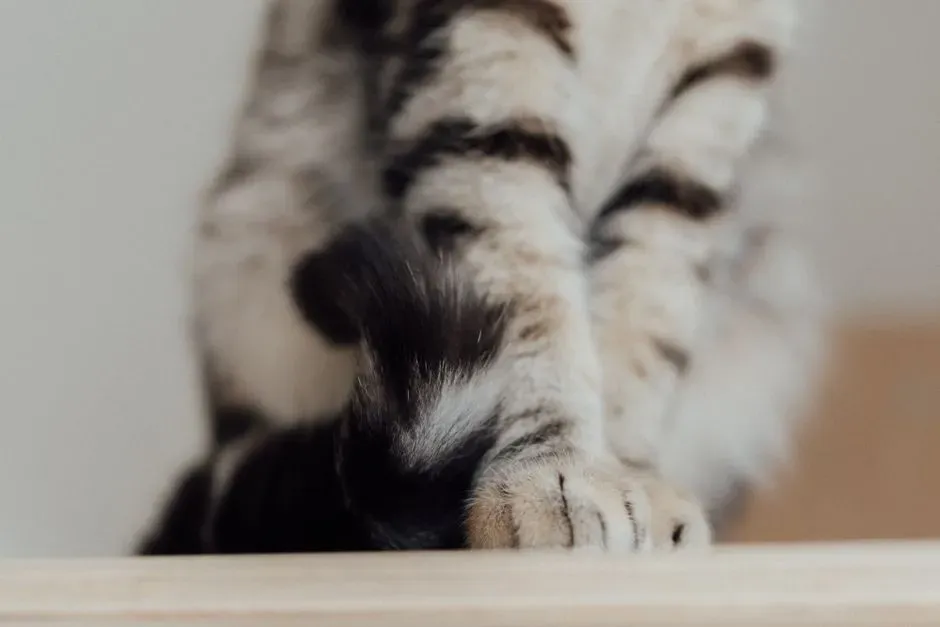
That classic kitten behavior of pawing rhythmically on a blanket or your lap doesn’t disappear with age – it just gets softer. Older cats often knead more gently, sometimes without extending their claws at all, as their bodies adjust and their trust deepens. It’s a leftover nursing instinct from kittenhood, repurposed into a comfort ritual.
When a senior cat kneads you specifically, rather than a blanket or cushion, that’s a targeted expression of security and affection. It usually means they associate you directly with the safety they felt as a kitten nursing from their mother. Vets note that arthritis and joint stiffness can make kneading less frequent in older cats, so when it does happen, it carries extra weight. If your old cat still kneads, gently and without complaint, cherish it – it’s an increasingly rare gesture.
#6 – Following You From Room to Room (Quietly)
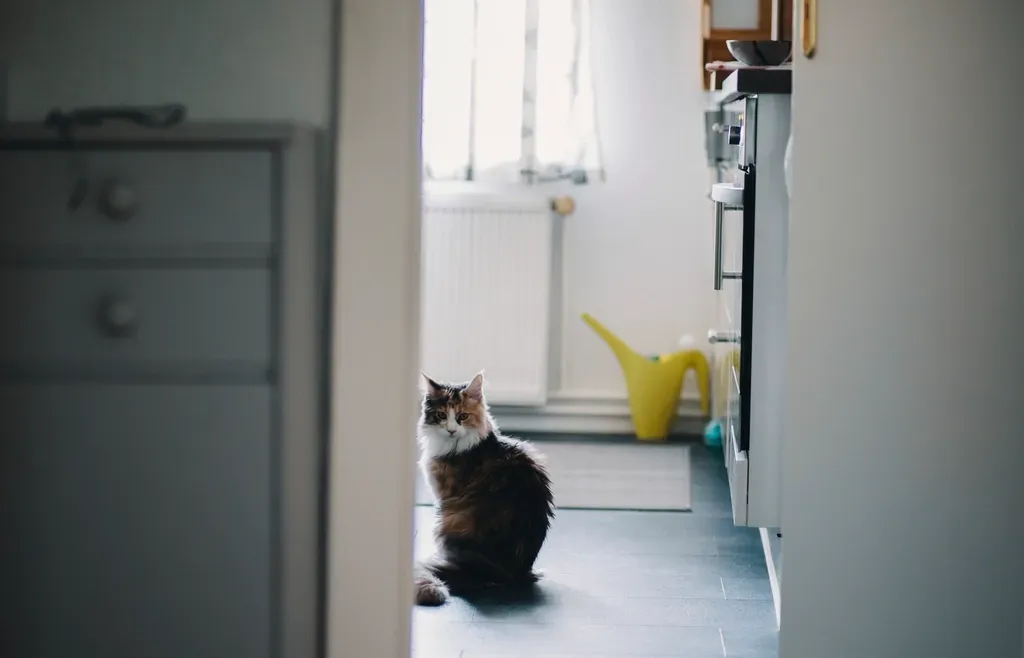
Younger cats often trail their owners with vocal chatter or demanding energy. Senior cats tend to do the same thing, but in near-total silence, padding a few steps behind or settling in whatever room you’re in without making a fuss. This “silent shadowing” is a subtle but powerful loyalty signal.
It’s not about needing something from you – it’s about wanting proximity simply because your presence is comforting. Cats are territorial by nature, so choosing to leave a comfortable spot just to be near you is a real sacrifice in their world. Many owners don’t notice this pattern until their cat is gone from a room and they realize how often they’d been quietly followed. The quieter and less demanding the follow, the deeper the bond usually is.
#7 – Head Resting Against You, Not on You
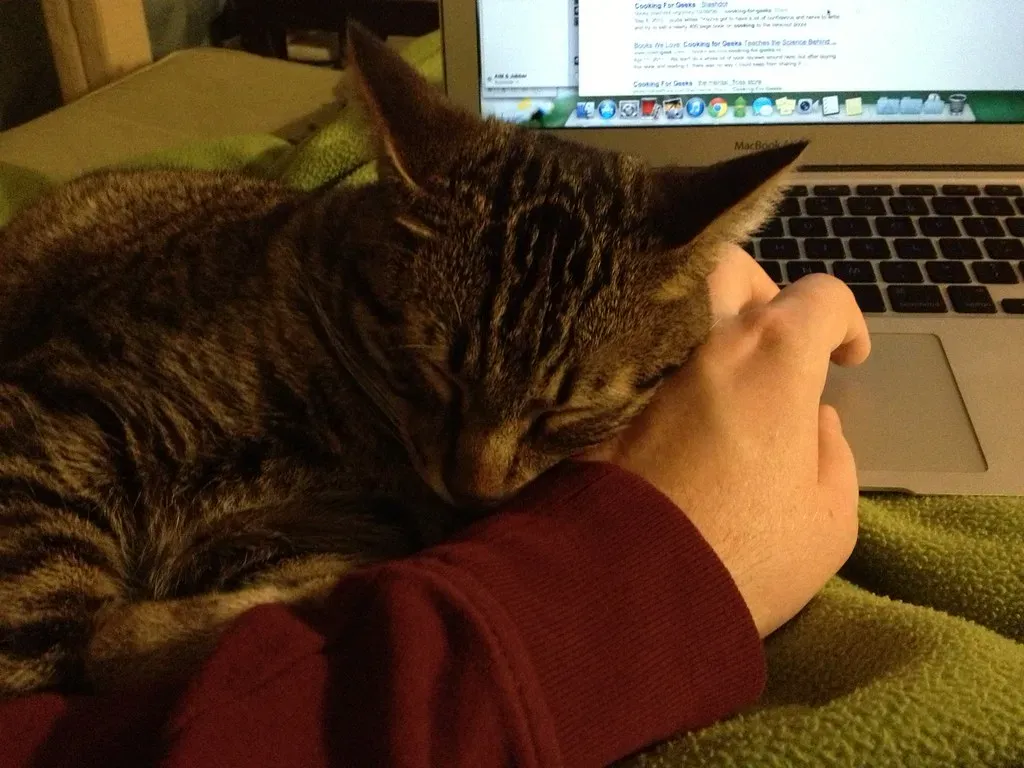
There’s a difference between a cat plopping its head onto your lap for comfort and a cat deliberately leaning its head against your hand, arm, or side. The latter, more common in older cats, is a scent-marking behavior combined with physical trust. Cats have scent glands around their face, and resting their head against you is a subtle way of “claiming” you as part of their safe territory.
This gesture tends to increase with age because senior cats rely more heavily on scent-based bonding as their other senses, like hearing and vision, begin to decline. It’s a quiet, almost ceremonial act, often done in silence with eyes half-closed. Many owners interpret this as simple tiredness, but it’s closer to a cat saying, “You’re mine, and I’m safe with you.”
Worth Knowing
- Cats carry scent glands around the cheeks, chin, and forehead
- Hearing and vision naturally soften with age, shifting reliance to scent and touch
- Head-resting is slow and quiet, unlike a quick head-butt greeting
- The gesture works as a way of marking you as safe, familiar territory
#8 – Bringing You to Their Favorite Sleeping Spot
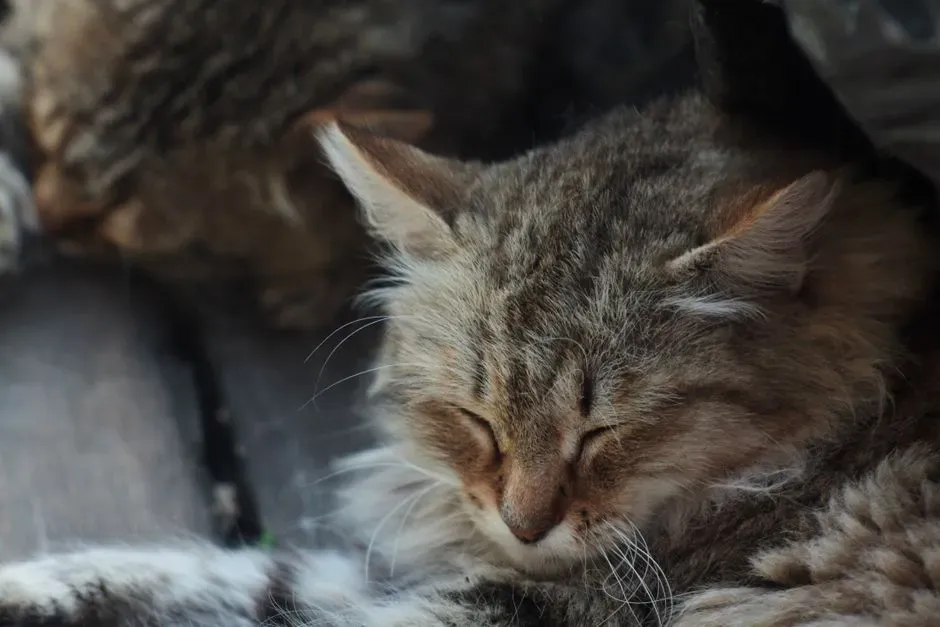
It sounds backwards, but some older cats will nudge, meow softly, or physically walk toward their favorite resting place specifically when you’re nearby, almost inviting you to join or witness it. This isn’t random. Cats are deeply territorial about their sleeping spots, and choosing to share that space with you is a rare invitation into their most vulnerable moment: sleep.
Senior cats especially value predictable, safe sleeping rituals, and involving their favorite human in that ritual is a sign of deep comfort. If your old cat has started sleeping closer to you, or specifically waits for you to sit down before settling into “their” spot nearby, that’s not coincidence. It’s one of the most overlooked “thank you” gestures because it looks like ordinary napping.
#9 – Soft, Short Meows Reserved Only for You
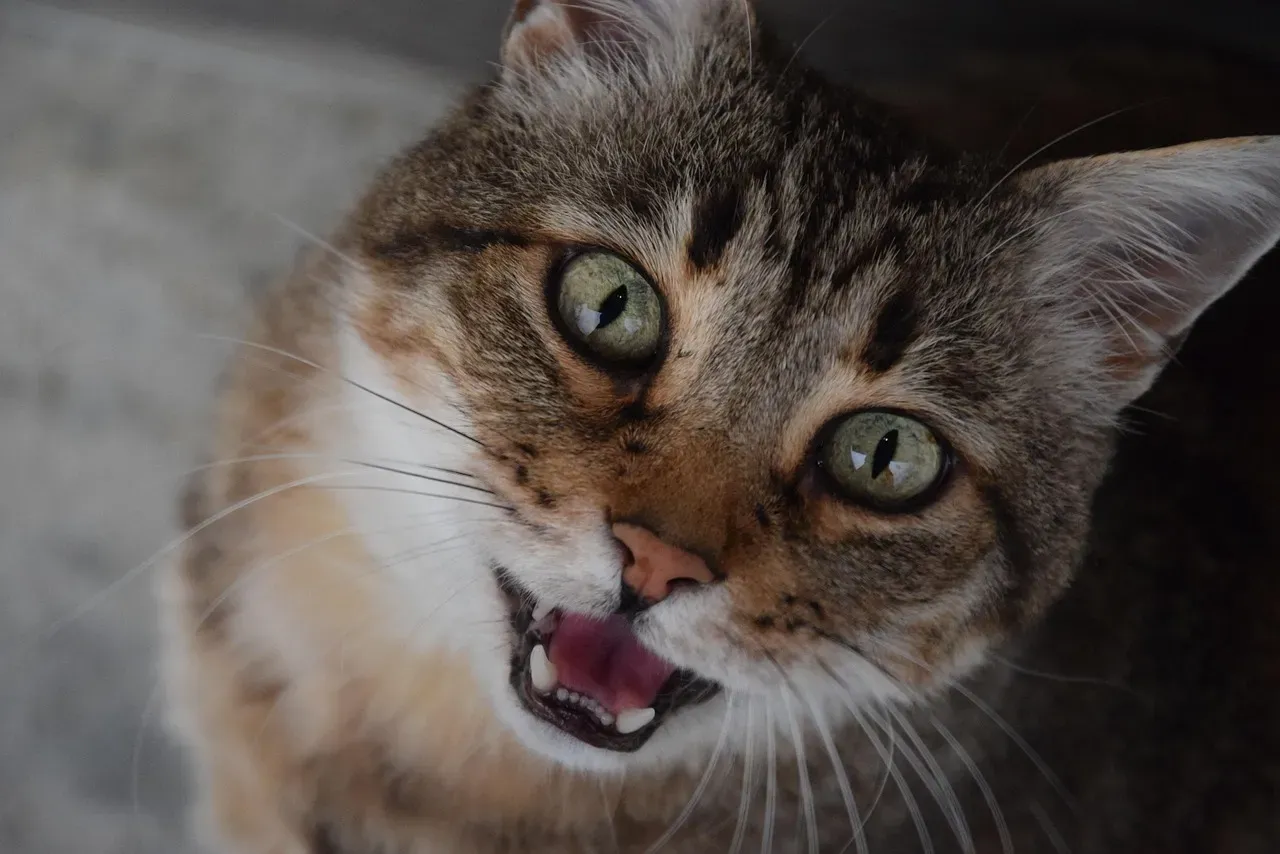
Cats develop unique vocal patterns for different people and situations, and older cats often narrow this range significantly. Instead of the urgent, repeated meowing of younger cats, senior cats tend to use short, quiet, almost conversational meows – and frequently, these are reserved specifically for their favorite person.
This vocal economy isn’t laziness; it’s precision. After years together, your cat has learned it doesn’t need to shout to get your attention, so the softer meow becomes a private, efficient form of communication. Some experts argue this narrowing of vocal range is actually a sign of a healthier, more secure relationship, not a diminished one. If your old cat greets only you with a specific soft chirp or meow, consider that vocabulary a personal gift.
#10 – Sitting Just Slightly Too Close
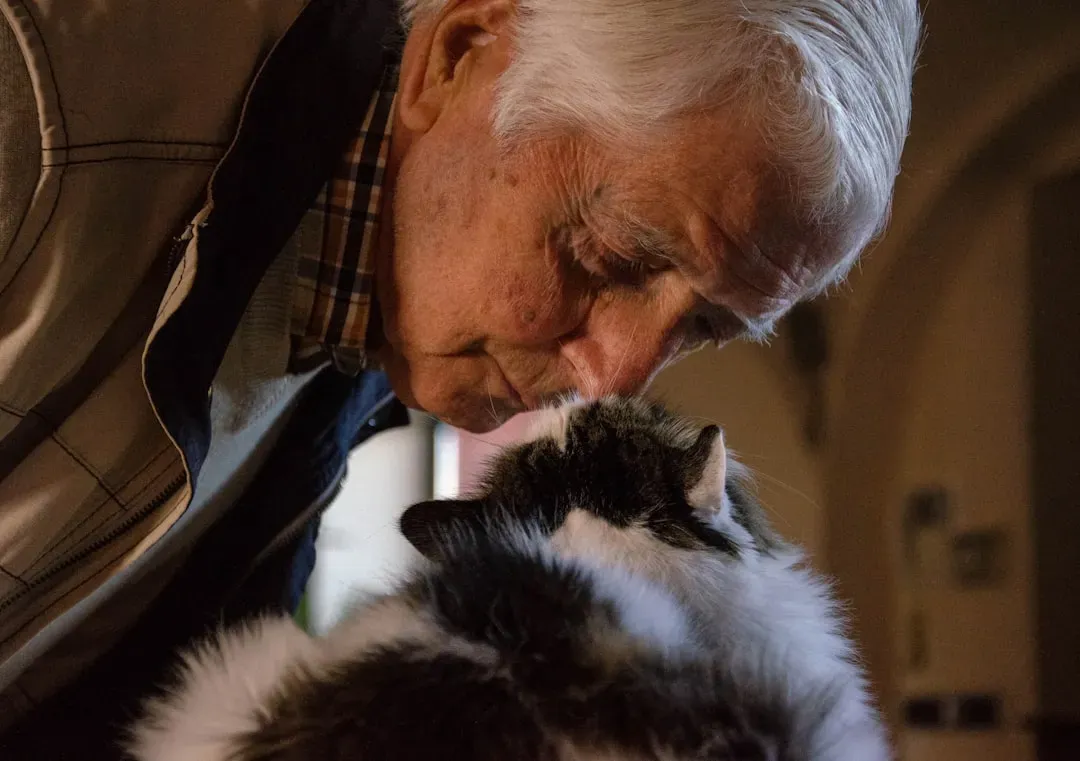
Older cats often abandon the polite distance they may have kept as adults and start sitting shoulder-to-shoulder, hip-to-hip, or practically on top of you. This isn’t about warmth-seeking alone, though that’s part of it. It’s a physical closeness that mirrors how cats sleep in a colony with trusted companions.
This behavior tends to intensify with age as cats become less independent and more reliant on their humans for comfort and security. The closer an old cat physically positions itself, the more it’s signaling total reliance on you as its safety net. Many owners assume this closeness is just about warmth, but veterinary behaviorists note it’s more often about emotional security than temperature. If your senior cat has started pressing into your side rather than curling up nearby, that’s an upgrade in trust.
#11 – Gentle, Repeated Grooming of Your Hand or Arm
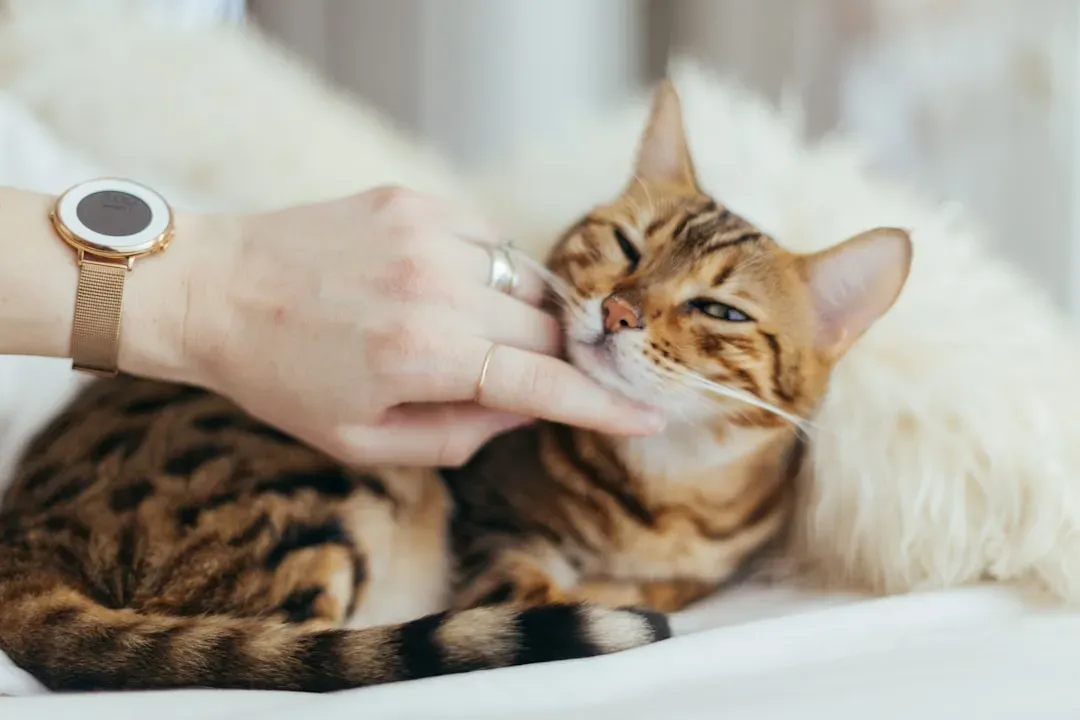
Allogrooming, or social grooming between cats, is reserved for the closest bonds in feline social structures. When an older cat licks your hand, wrist, or arm – gently and repeatedly – it’s treating you the way it would treat a trusted companion in its own species. This is not a common behavior toward strangers or unfamiliar humans.
Senior cats who groom their owners are essentially saying you’re part of their inner circle, on the same social level as another cat they trust. This behavior can decrease with age simply due to lower energy, so when it does happen, it’s worth noticing. Some owners find the sensation uncomfortable and pull away, unintentionally cutting the moment short. Understanding it as a rare compliment, rather than an odd habit, changes the whole interaction.
#12 – Choosing You Over a Sunny Window
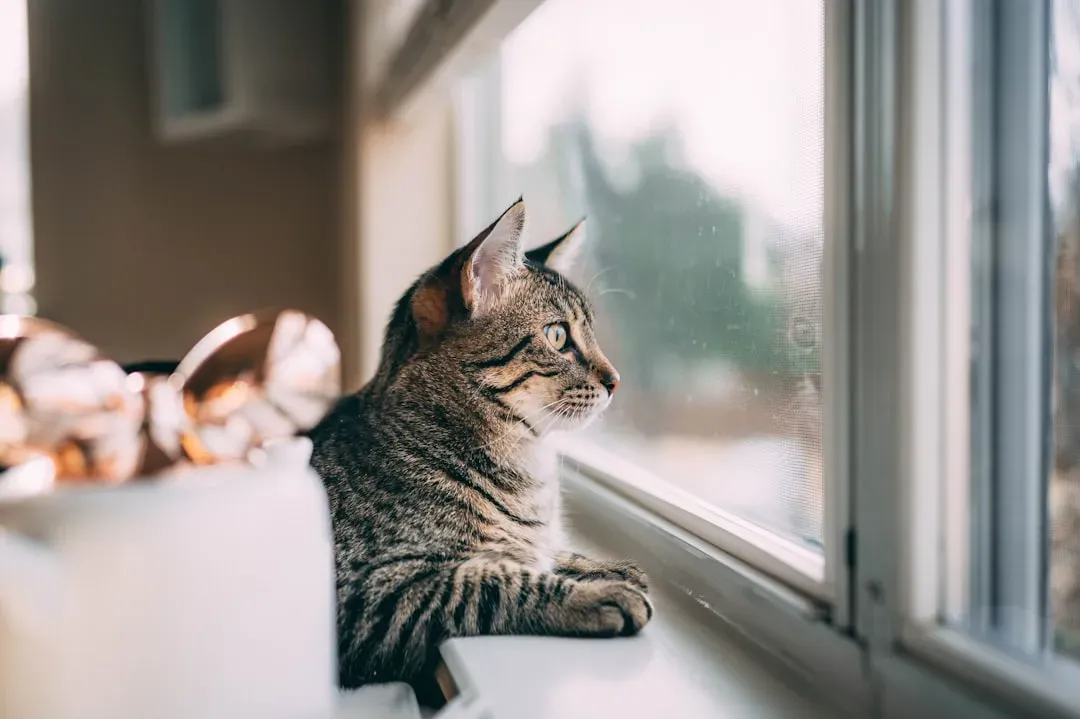
Cats are famously drawn to warm, sunlit spots, and an old cat’s preference for sunbathing often intensifies with age due to joint stiffness and a general love of comfort. So when a senior cat abandons a warm windowsill to sit with you instead, that’s a meaningful trade-off, not a coincidence.
This choice reflects a prioritization of emotional comfort over physical comfort, something cats don’t do carelessly. It suggests your presence provides a sense of security that even sunlight can’t match. Many owners overlook this gesture because it looks like simple restlessness, but it’s actually a quiet ranking system playing out in real time. When your cat picks you over its favorite sunny spot, you’ve essentially won a competition it takes seriously.
Why It Stands Out
- Sunbathing is one of a senior cat’s favorite comforts, especially with stiffer joints
- Choosing you means emotional comfort outranked physical comfort
- This trade-off rarely happens by accident
- It reflects a quiet, ongoing “ranking system” cats keep for people and places
#13 – Watching You From a Distance Without Approaching
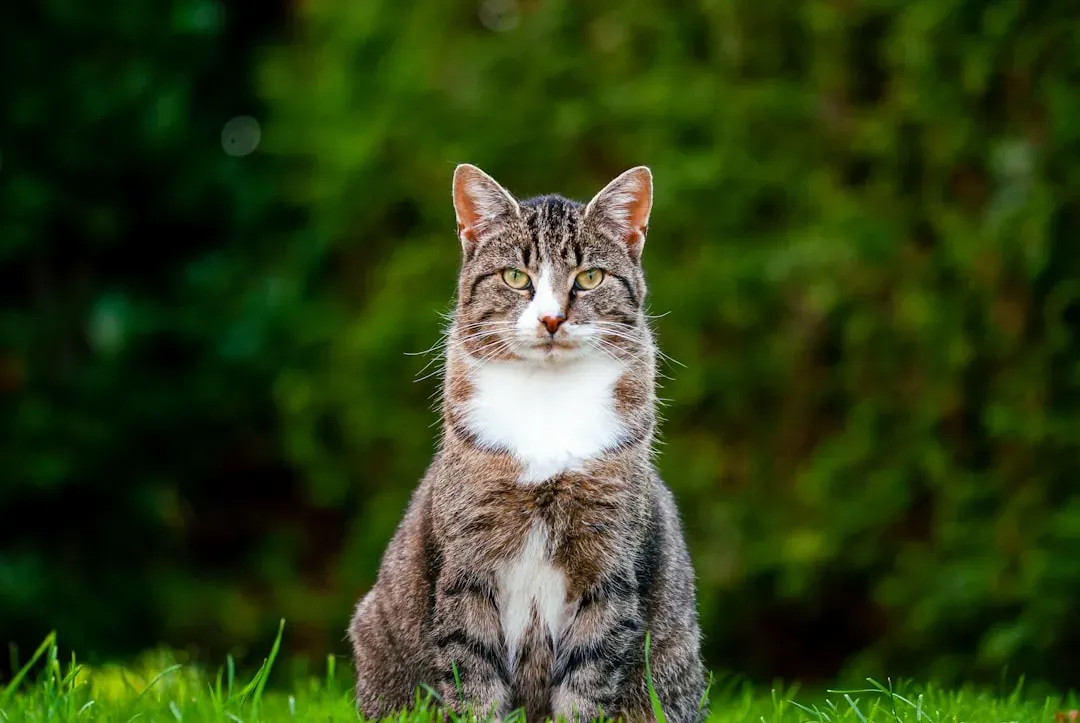
Not every affectionate gesture involves physical contact. Older cats often develop a habit of simply observing their favorite person from across the room, without necessarily approaching. This behavior is sometimes mistaken for disinterest, but it’s frequently the opposite: a form of passive companionship that requires less energy but still signals attachment.
Senior cats, especially those dealing with mobility issues or lower energy levels, may substitute active affection with this quieter form of “keeping tabs.” It’s their way of staying connected without the physical demands of following, kneading, or climbing into a lap. If you catch your old cat watching you contentedly rather than sleeping, that’s a subtle but genuine acknowledgment of your presence in its world.
#14 – Bunting You With Just the Cheek
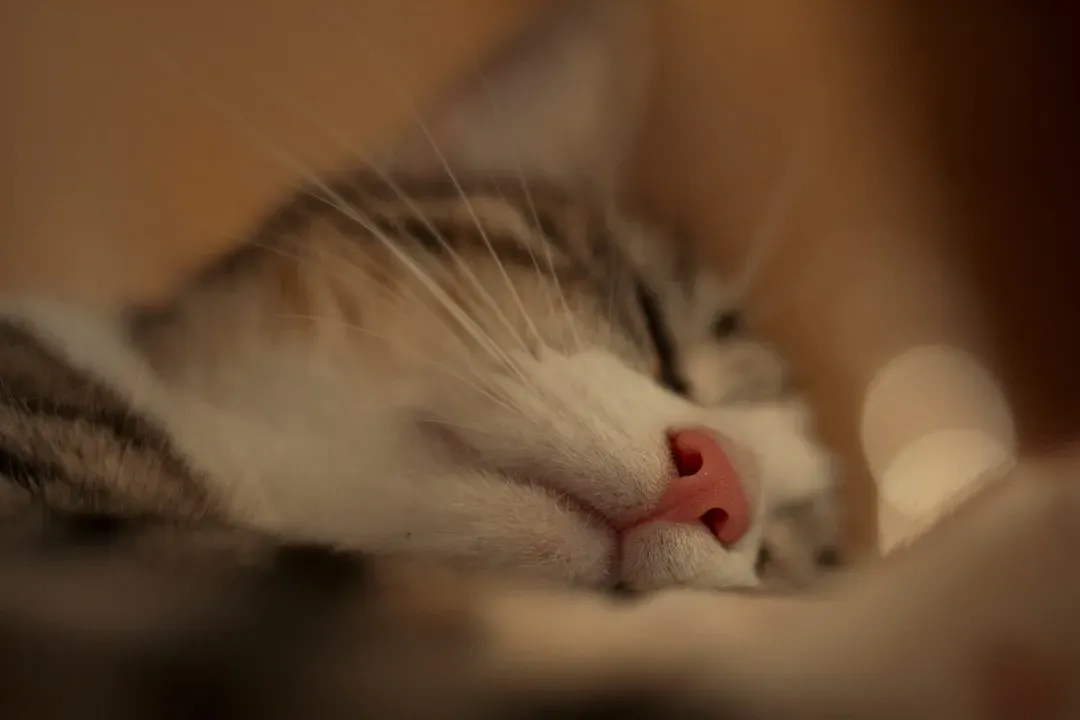
Bunting – rubbing the cheek against a person or object – is a scent-marking behavior cats use to claim territory and express affection simultaneously. Older cats often perform a softer, more restrained version of this than younger cats, using just the cheek rather than a full-body rub.
This more minimal version isn’t a weaker gesture; it’s actually a more efficient one. Cats have concentrated scent glands on their cheeks, so even a brief touch delivers a strong social message. Senior cats, conserving energy as they age, often streamline their affectionate behaviors into these smaller, more deliberate actions. A quick cheek bunt from an old cat carries the same emotional weight as a much bigger display from a younger one – it’s just been refined with age and experience.
#15 – The Deep, Uninterrupted Sleep Near You
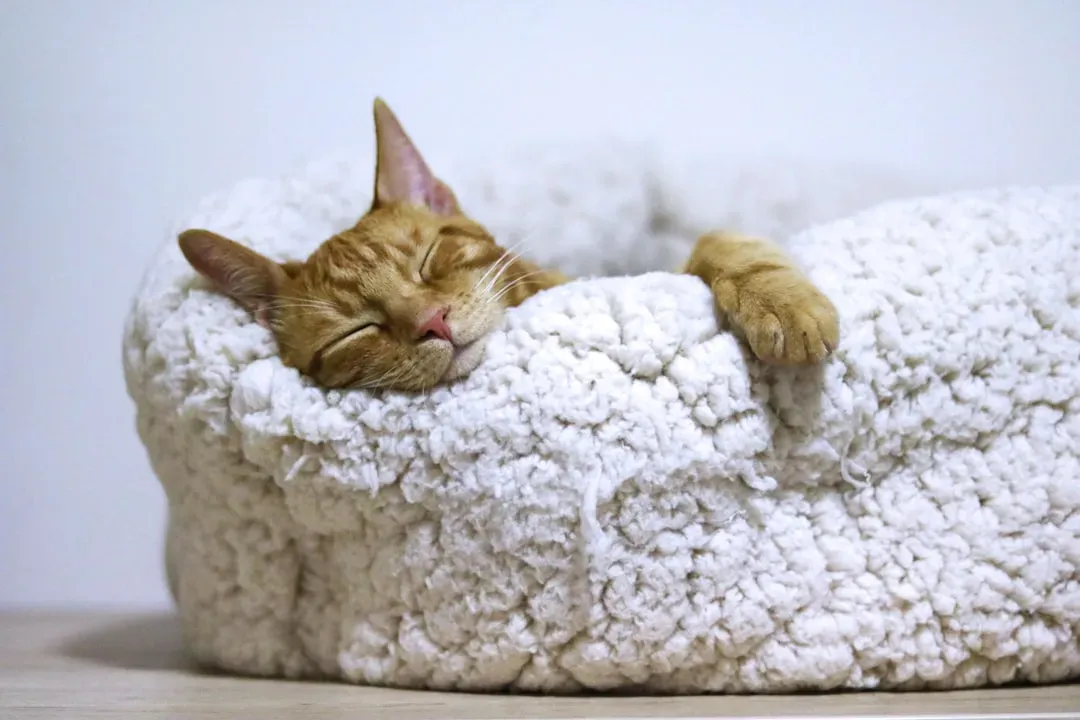
The single quietest, most overlooked “thank you” an old cat gives is falling into deep, vulnerable sleep in your presence. Cats are prey animals by instinct, and deep sleep represents total defenselessness. Choosing to enter that state near a specific person is one of the highest trust signals in their entire behavioral range.
Senior cats sleep considerably more than younger ones, sometimes up to eighteen or more hours a day, so where and near whom they choose to do that sleeping matters more than ever. If your old cat regularly falls into a deep, twitching, fully relaxed sleep beside you rather than alone in another room, that’s the ultimate compliment. It means, after years together, you’ve become the safest place they know. Nothing louder could say “thank you” more sincerely than that silence.
At a Glance: Quiet Signals Worth Watching For
- Slow blinks and soft exhales during calm moments
- Unhurried greetings instead of frantic sprints
- Backs turned toward you while resting nearby
- Deep, twitching sleep close to your side
- Short, private meows used only around you
The Bottom Line
Most people wait for the dramatic gestures – the loud purring, the frantic greetings, the constant lap-sitting – to feel appreciated by their cat. But the truth is that older cats communicate love in whispers, not shouts, and dismissing those quiet signals means missing most of what your cat is actually saying.
Slow blinks, silent shadowing, and vulnerable sleep aren’t signs of a fading bond; they’re signs of one that’s matured past the need for noise. If anything, we’d argue senior cats show more genuine affection than kittens ever do – it’s just been refined into a language most owners never bothered to learn. Did your old cat show you a “thank you” we didn’t mention? Drop it in the comments below.
Kristina is a young writer from India. An arts graduate and an avid content creator, Kristina is passionate about animals and wildlife. She enjoys exploring topics related to pet care, animal behavior, conservation, and nature, combining thorough research with engaging storytelling.