Most people can rattle off Persian, Siamese, and Maine Coon without blinking, but fewer than 1% of pet cats worldwide belong to a truly rare breed, and most owners have never even laid eyes on one. Some of these felines only exist because of a single farm-cat mutation. Others survive in numbers so small that breeders track every individual by name. A few are so rare that international cat registries have quietly stopped registering them altogether.
This isn’t a list of “exotic” marketing fluff – it’s a rundown of the cats that even seasoned breeders consider unicorns. Some of these stories involve lethal genes, centuries-old royal secrets, and one very confused barn kitten. Here’s what feline geneticists and breed historians actually say.
#1 – The Arabian Mau: The Desert Survivor Nobody Bred on Purpose
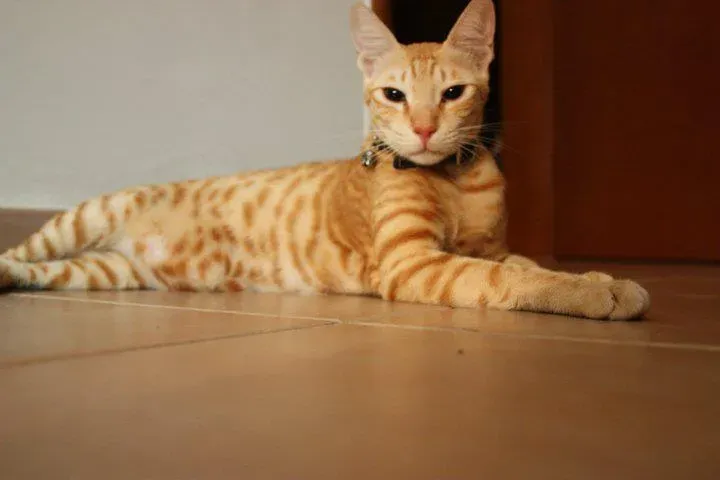
Unlike most rare breeds engineered in a cattery, this one was shaped entirely by the desert itself. A rare natural breed from the Middle East, the Arabian Mau is an athletic, independent cat. That’s the whole origin story – no designer breeding program, no lab-coordinated mutation.
The breed simply survived centuries of brutal desert heat and sparse resources on its own, which is why it developed a lean, muscular body built for endurance rather than looks. Because it was never bred for a show-ring standard, the Arabian Mau varies wildly in coat pattern and color from cat to cat. That inconsistency is exactly why Western registries have been slow to formalize it, keeping it virtually unknown outside the Gulf region. Most Western vets have never treated one in their entire career.
#2 – The Minskin: A Corgi Trapped in a Cat’s Body
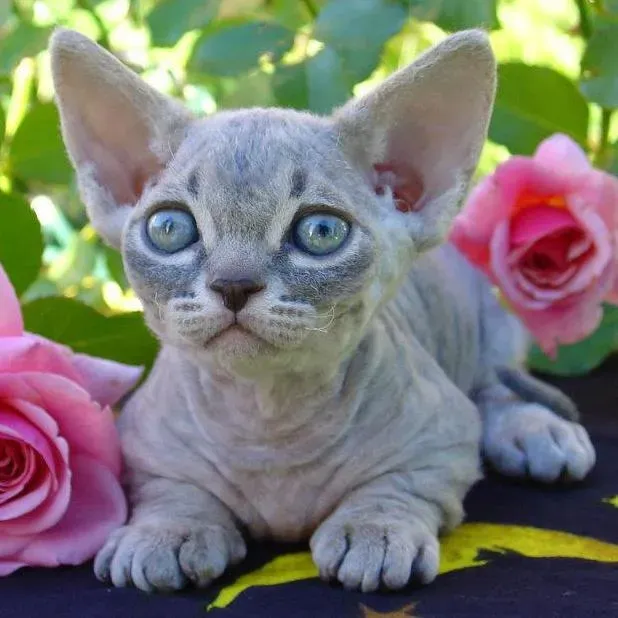
This breed didn’t exist before 1998, and there still aren’t many of them. This mix between a Munchkin and a Sphynx has a very distinct look, with a body that sits low to the ground, large ears, and big, round eyes. It got its start in Boston, and the combination of dwarfism genetics from the Munchkin and near-hairlessness from the Sphynx produces a cat that looks like nothing else in the feline world.
The Minskin is playful and smart and resembles the Corgi of the canine world. Most people assume it’s a Photoshopped novelty cat the first time they see a picture. It isn’t. Breeders deliberately stabilized the short legs and sparse coat over multiple generations, and the result is a genuinely new breed still working toward wider recognition.
#3 – The Kurilian Bobtail: A Lynx Tail on a House Cat
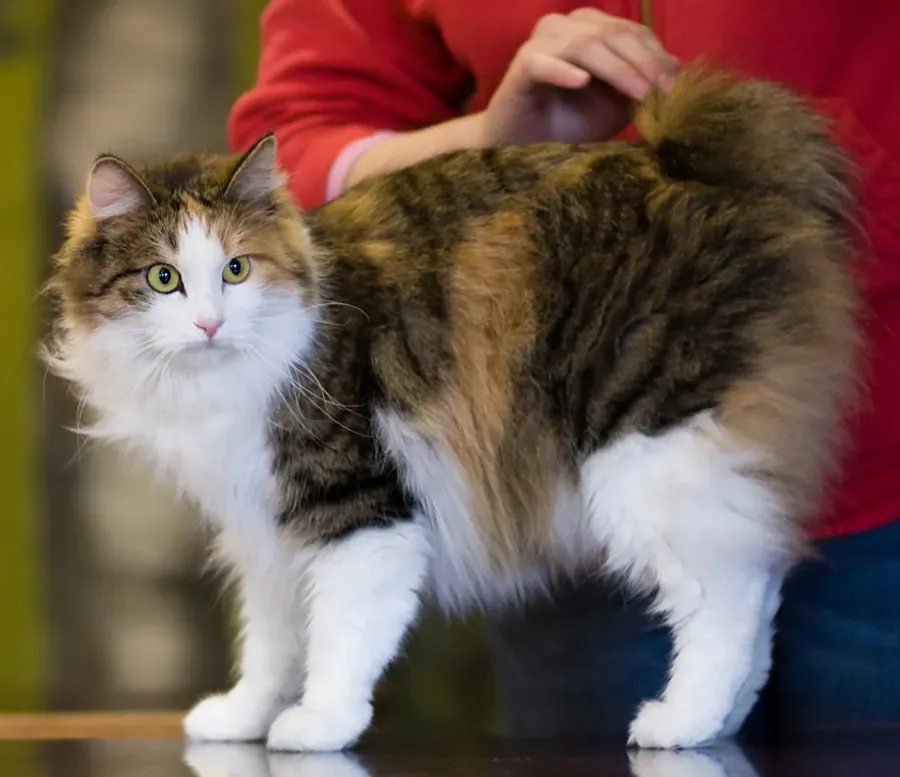
Most cats have long, swishing tails. This one looks like it borrowed its tail from a wild lynx. The Kurilian Bobtail has a super-short tail, and the breed originated on the remote Kuril Islands between Russia and Japan, an isolated volcanic chain where the bobtail trait developed naturally over generations without any human intervention.
Its tail is unique to every single cat, more like a fingerprint than a standardized feature, which makes breeding to a strict show standard notoriously tricky. This isolation is exactly why the breed stayed a secret for so long – there simply wasn’t a large population of humans around to notice or export the cats. Fishermen reportedly valued them for their hunting instincts around the harbor. Even today, most Kurilian Bobtails live in Russia, and finding one outside Eastern Europe requires serious networking.
#4 – The Donskoy: Russia’s Hairless Cat With Wrinkled Skin
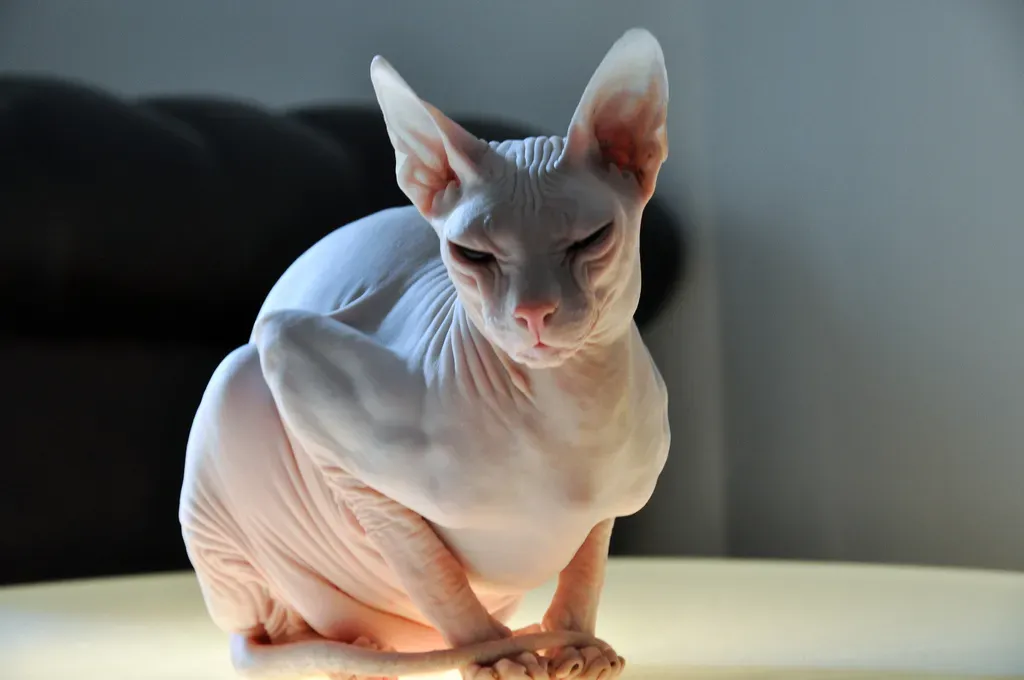
Everyone knows the Sphynx. Almost nobody knows its Russian cousin. The Donskoy is a hairless cat breed that originated in Russia, and unlike the Sphynx, which lost its hair through a recessive gene, the Donskoy’s hairlessness comes from a dominant gene, meaning the two breeds aren’t genetically related despite looking similar at a glance.
That genetic difference is a huge deal for breeders, since it changes how the trait gets passed down and complicates any attempt to crossbreed the two lines. These affectionate cats have a wrinkled, soft skin texture, most pronounced around the neck, shoulders, and legs, giving the breed an almost sculptural appearance. Because the Donskoy only emerged in the 1980s, it’s still building a reputation outside Russia, and most Western breeders consider it a genuine curiosity rather than an established pet option.
Fast Facts
- Origin: Russia, first appearing in the 1980s
- Hairlessness trigger: a dominant gene, not the Sphynx’s recessive one
- Signature trait: wrinkled skin concentrated at the neck, shoulders, and legs
- Global status: still considered a rarity outside Russia
#5 – The American Wirehair: A Rodent-Hunter With Springy Fur
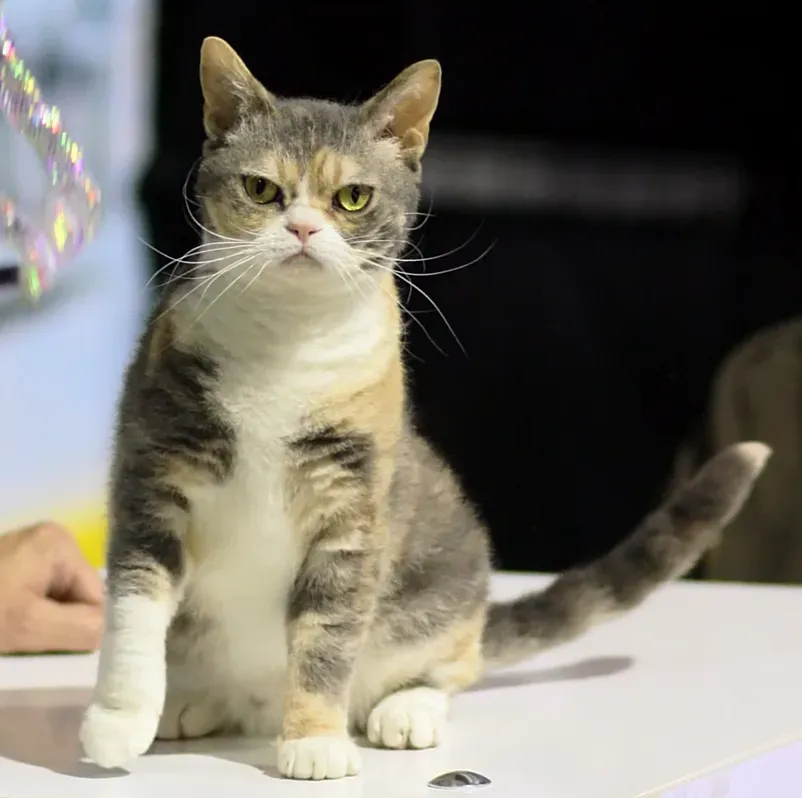
This cat exists purely because of a barn accident in New York. This short-haired, even-tempered kitty has a springy coat and resulted from a spontaneous mutation in a litter of farm cats in 1966, developed originally to hunt mice and rats. Nobody engineered this cat in a lab – one random kitten changed everything.
Rather than the soft coat of breeds like the Shorthair, it has a wiry coat that feels almost like steel wool to the touch, a texture no other breed naturally replicates. These rare cats are becoming more popular, but they remain unusual, especially outside the US. Most breeders outside North America have never handled one, and even within the US, litters are small and infrequent.
#6 – The Highlander: Curled Ears Meet a Bobbed Tail
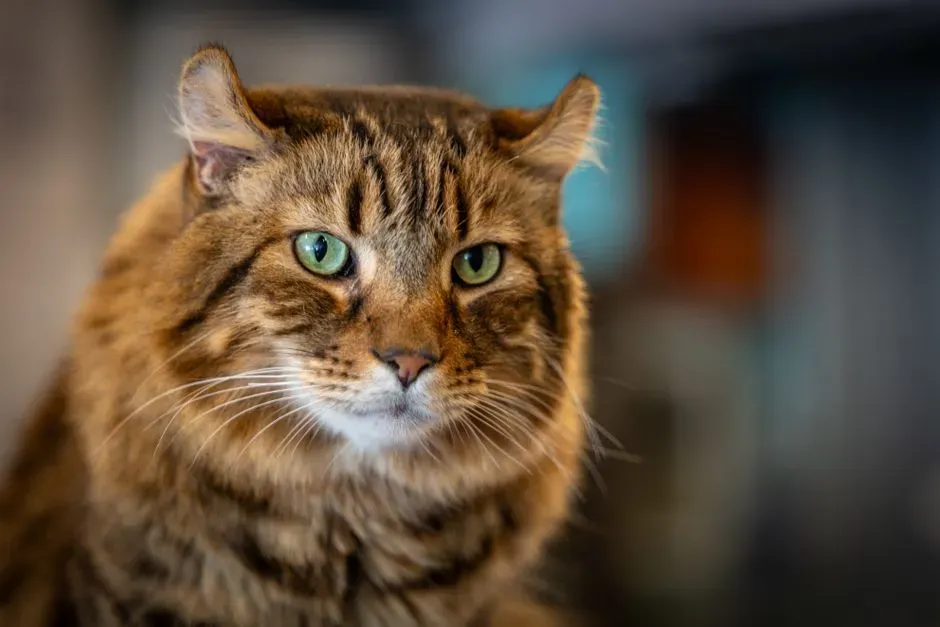
This breed stacks two rare mutations onto a single cat, and the result looks almost feral. The Highlander is an unusual breed with curled ears and a bobtail, giving it a unique appearance. Combining curled ears with a bobtail in one animal is genetically unusual enough that most breeders wouldn’t even attempt it deliberately – it developed as breeders worked to stabilize both traits simultaneously, a process that takes many careful generations to lock in reliably.
Because the breed is so new, standards are still evolving, and registries disagree on exactly how pronounced the ear curl or tail length should be to qualify. That inconsistency keeps litter numbers low and breeder waitlists long. Most cat owners couldn’t pick a Highlander out of a lineup, let alone explain where the name comes from.
#7 – The Serengeti: A Serval Look-Alike Bred in a California Garage
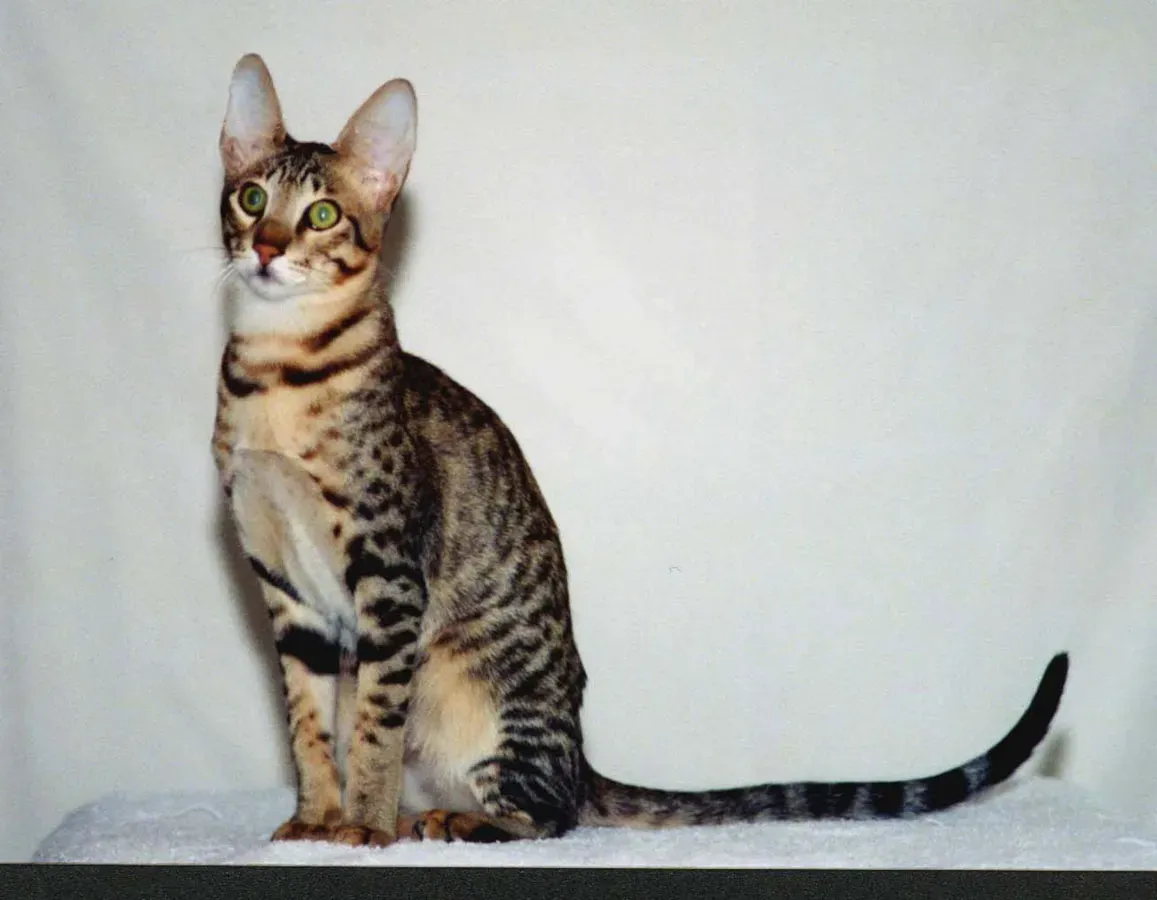
This cat was designed to look wild without a drop of wildcat blood in it. Bred to resemble the Serval, an African wildcat, the Serengeti cat was developed in California in 1994 by crossing a Bengal and Oriental Shorthair. That’s the twist most people miss – despite the exotic appearance, there’s zero wild DNA involved.
Every long leg and spotted coat came from purely domestic ancestors, carefully selected for their similarity to the Serval’s silhouette. These active, spotted cats are full of energy and love to climb. Because the breed skips the legal gray area that comes with actual wildcat hybrids, it’s an easier and legal way to own something that looks exotic, but the breeding program remains young and deliberately selective, so litters stay small and hard to find outside specialty catteries.
Quick Compare
- Look inspiration: the African Serval, a genuine wildcat
- Actual parent breeds: Bengal and Oriental Shorthair – both fully domestic
- Wild DNA: zero, despite the wild appearance
- Legal status: no wildlife permits needed, unlike true hybrid breeds
#8 – The LaPerm: A Barn Cat’s Accidental Perm
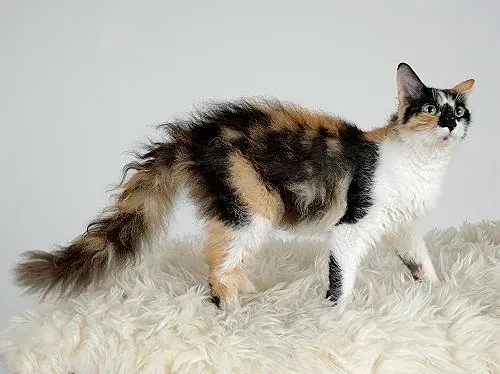
Nobody bred this coat on purpose – a single Oregon barn kitten did it first. The basis for this breed was a kitten in a litter of barn cats in Oregon in 1982, born with no hair at all, before curly, soft fur grew in about eight weeks later. A cat that goes bald and then regrows a curly coat sounds like fiction, but it’s the documented origin of an entire recognized breed.
Eventually, cats with these mutations were bred together to create the LaPerm, which means “wavy” or “rippled.” The curl shows up differently on every individual – some get tight ringlets, others a loose wave – which makes show judging genuinely difficult. Because the mutation is spontaneous rather than engineered, breeders still can’t fully predict which kittens in a litter will inherit the signature curl.
#9 – The Burmilla: An “Accidental” Silver Beauty
![#9 - The Burmilla: An "Accidental" Silver Beauty (By David Johnson [1], CC BY-SA 3.0)](https://nvmwebsites-budwg5g9avh3epea.z03.azurefd.net/felinefam/e771ed91339864192525c5bafd71272d.webp)
This breed exists because of an open bedroom door, not a breeding plan. The Burmilla was originally bred in the UK in 1981, as a cross between the Burmese and a Chinchilla Persian cat. The pairing was completely unintentional – the two cats simply got together when they weren’t supposed to. What should have been an oops litter turned into one of the most sought-after silver coats in the cat fancy world.
Of the parent breeds, the Burmese is confident but demanding while the Persian is more laid back, and the resulting Burmilla is affectionate but not too demanding of your time and attention – it still retains a little independence. Because fixing the silver shading takes multiple careful generations, true Burmillas remain genuinely uncommon, especially outside the UK and parts of Europe.
#10 – The Lykoi: The “Werewolf Cat” That’s Still Brand New
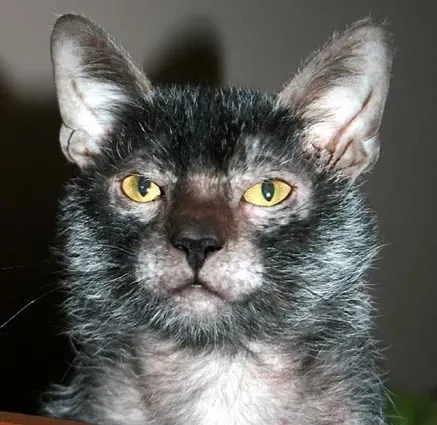
This breed looks like it wandered out of a horror movie, and it’s barely a decade old. Often called the “werewolf cat,” the Lykoi has a partially hairless body and a wild, scruffy appearance. The patchy coat isn’t a health problem or a skin condition – it’s the defining genetic trait of the breed itself, caused by a natural mutation discovered in ordinary domestic shorthair litters.
Because the Lykoi only began formal development in the 2010s, most veterinarians outside the breeding community have never examined one, and there’s still ongoing research into exactly how the coat pattern is inherited across generations. Some breeders argue the “werewolf” branding undersells how genuinely affectionate these cats are – a controversial take, but one worth considering before you write them off as a gimmick.
#11 – The Chausie: A Jungle Cat’s Domestic Descendant
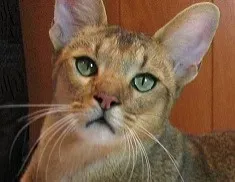
This is the closest thing to legally owning a wildcat, and its family tree proves it. The Chausie is a hybrid breed developed by crossing wild jungle cats (Felis chaus) with domestic cats (Felis catus). In 1995, it was officially recognised and pedigreed by The International Cat Association under the “non-domestic hybrid source breed” category. Because of its wild ancestry, several countries have outright banned owning one.
Weighing in at up to 30 pounds in some lines, the Chausie is genuinely one of the largest domesticated cats in existence, built with the long legs and athletic frame of its jungle cat ancestor. Reputable breeders only sell cats that are several generations removed from that wild bloodline, which keeps supply tight and prices high.
Worth Knowing
- Wild ancestor: the jungle cat, Felis chaus
- Recognition: pedigreed by TICA in 1995 as a “non-domestic hybrid source breed”
- Size: some lines reach up to 30 pounds
- Legal status: ownership is banned outright in several countries
#12 – The Ojos Azules: A Genetic Mutation Almost No One Can Breed Safely
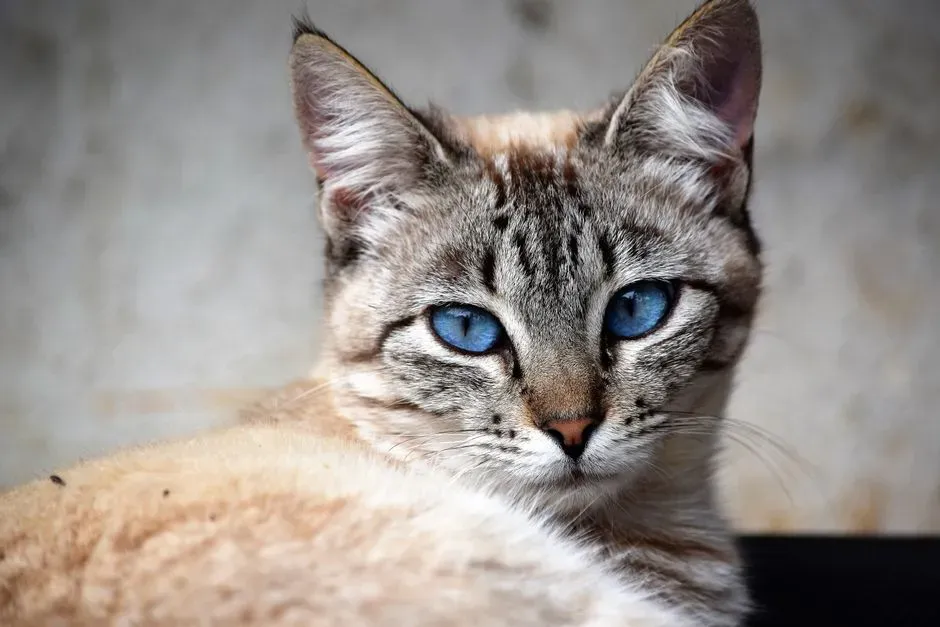
This breed’s entire existence traces back to one tortoiseshell cat found in a New Mexico feral colony. In the 1980s, cats with dark blue eyes were discovered among feral cat populations there, and the first, in 1984, was a tortoiseshell named Cornflower. Here’s the controversial part: breeding two blue-eyed Ojos Azules together can be lethal to kittens.
Genetic investigation revealed that the gene is lethal when homozygous, causing cranial deformities, white fur, a small curled tail, and stillbirth. Because of that risk, ethical breeders must always pair a blue-eyed cat with a non-blue-eyed one, which caps how many true Ojos Azules can ever exist at once. TICA recognized the breed in 1991, but there were only 10 known individuals by 1992, and that number has barely grown since.
#13 – The Korat: Thailand’s “Good Luck” Cat That Was Never Sold
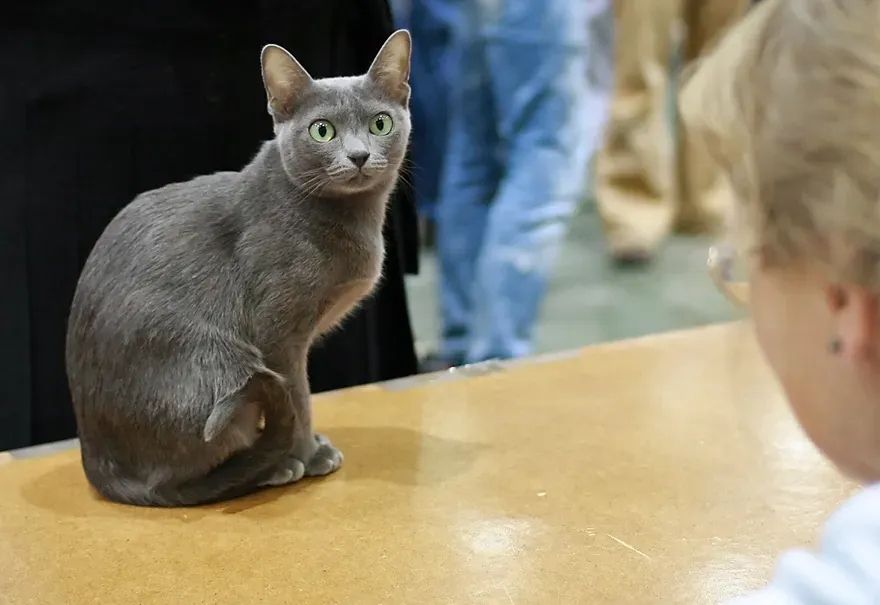
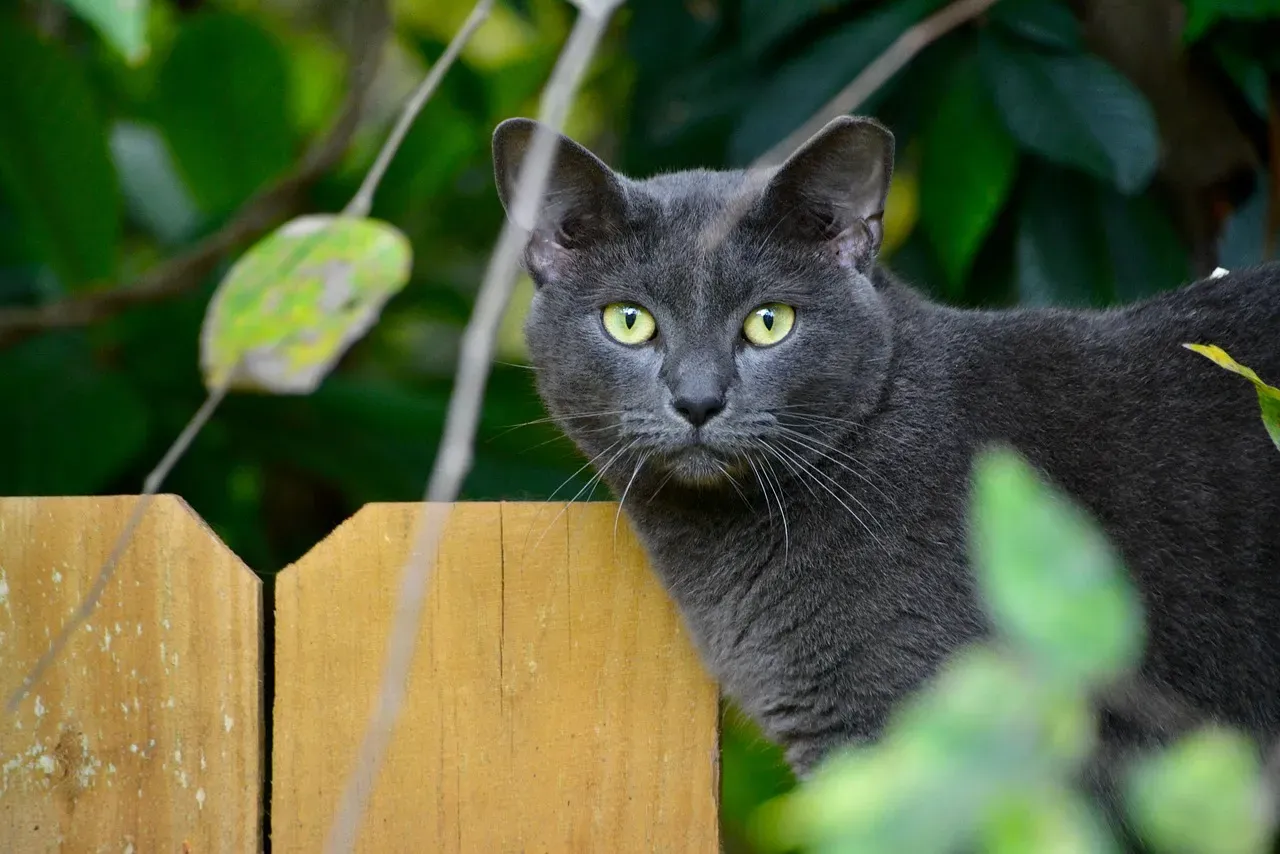
For centuries, this cat wasn’t available at any price – it was only ever gifted. Korats are among the oldest and rarest cats in the world, and back in the 14th century they were given only to members of the Thai government, while others lived quietly in monasteries in Siam. That’s a genuinely wild fact: this breed spent centuries as a diplomatic gift rather than a commodity.
The Korat is sometimes called the Si-Sawat and is thought to bring good luck. Even today, Thailand places limits on the cat’s breeding, making it a rarity outside the country. Its heart-shaped face and silvery-blue coat make it instantly recognizable to anyone who’s actually seen one, but most cat owners in the West never will. Some experts argue this cultural protectiveness is exactly why the breed has stayed so genetically pure.
The Korat is a symbol of good fortune in Thailand, traditionally given in pairs to bring prosperity to newlyweds.
Traditional Thai folklore
#14 – The Khao Manee: Thailand’s Diamond-Eyed Cat
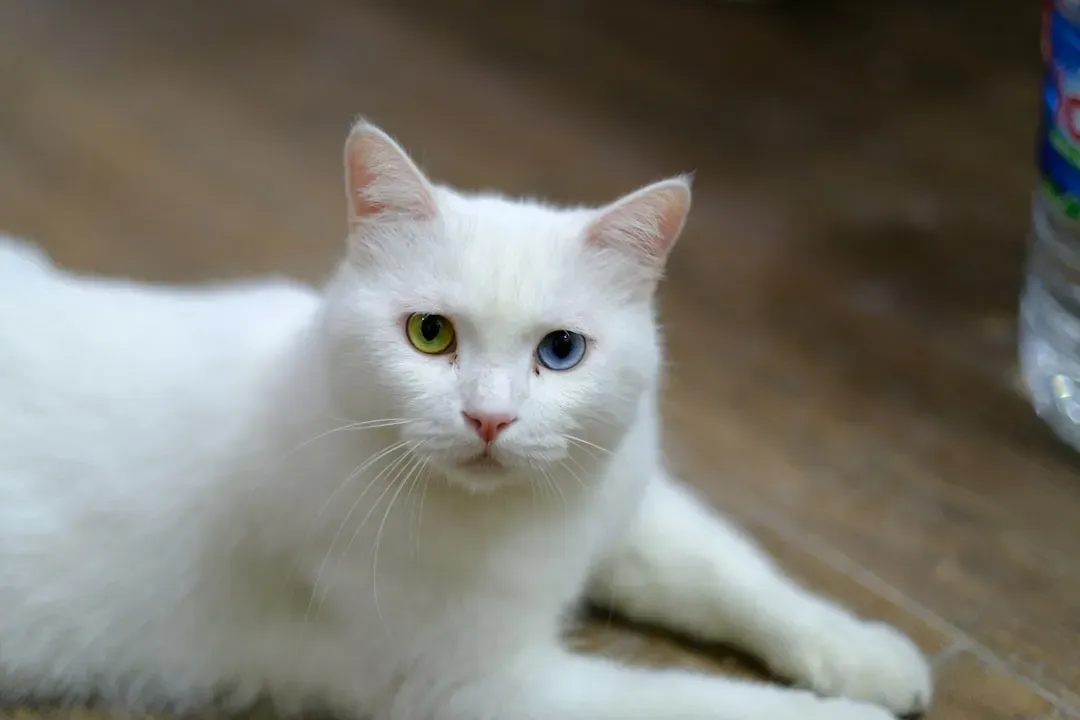
This breed’s nickname alone should tell you how rare it is: the “Diamond Eye Cat.” The Khao Manee has either blue or gold eyes, sometimes a combination of the two, and it’s one of the rarest cat breeds in the world. Odd-eyed cats exist in other breeds, but the Khao Manee was specifically prized in Thai royal courts for this exact trait long before Western registries even knew it existed.
This rare breed is known for its striking white coat and dazzling eyes, and it’s rarer outside its native country, with a long history of being revered as a symbol of good luck. Khao Manee cats are curious, intelligent, and genuinely love a good game of fetch. It didn’t arrive in the West until relatively recently, which is exactly why almost nobody outside Thailand recognizes the name.
#15 – The Sokoke: The Rarest Cat Breed on Earth
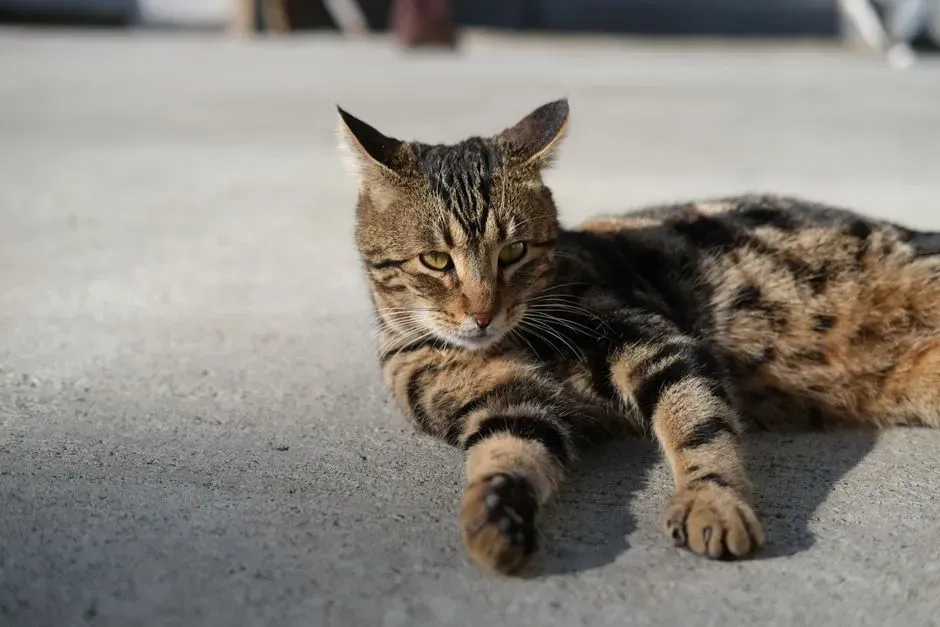
If there’s one cat that deserves the title of rarest breed alive, it’s this one. The Sokoke hails from the coast of Kenya, where it developed as a feral breed with no human help at all. Fewer than 100 pure Sokoke cats were estimated to exist worldwide as of a widely cited 2016 count, and even in Kenya, where the breed naturally arose, it’s steadily being outbred with other cats.
Its “wood-grain” tabby coat is unlike any other breed’s marking, blending directly into the forest floor of the Arabuko-Sokoke reserve it’s named after. Despite descending from feral stock, these cats form remarkably close bonds with their humans, following them from room to room like a dog. With numbers this low, most breeders will tell you honestly: you’ll probably never meet one in person.
At a Glance
- Home region: coastal Kenya, near the Arabuko-Sokoke forest
- Estimated population: fewer than 100 pure individuals as of a 2016 count
- Coat: a one-of-a-kind “wood-grain” tabby pattern
- Temperament: unusually dog-like, often following owners room to room
The Bottom Line
Fifteen breeds, and the common thread is obvious: rarity almost always comes down to a single accident, a strict homeland export ban, or a genetic mutation too risky to breed carelessly. The Sokoke survives in the double digits worldwide. The Ojos Azules exists because of a lethal gene breeders had to learn to work around. The Korat and Khao Manee stayed hidden for centuries simply because Thailand refused to treat them as commodities.
Honestly, the most surprising takeaway isn’t how these cats look – it’s how fragile and deliberate their existence actually is. We think the Sokoke deserves way more recognition than it gets, and the Chausie legal bans feel overly cautious for a breed this many generations removed from its wild roots. Did we miss a rare breed you’ve actually seen in person? Drop it in the comments – we want to know.
Kristina is a young writer from India. An arts graduate and an avid content creator, Kristina is passionate about animals and wildlife. She enjoys exploring topics related to pet care, animal behavior, conservation, and nature, combining thorough research with engaging storytelling.