Ever notice how your cat just *knows* the exact right spot to nap, or stares at you with slow, sleepy eyes for no obvious reason? Most owners assume affection is something they have to actively build through toys, treats, and cuddles. But researchers who study feline behavior say the opposite is true: cats are constantly reading tiny, unconscious signals from their humans to decide whether their world is safe.
You’re likely sending dozens of these signals every single day without realizing it – some so small you’d never think to count them as “bonding” at all. Here’s what feline behaviorists actually say is going on behind those unblinking eyes, and why the most boring habits in your daily routine might be doing more than any toy ever could.
#1 – You Never Force Physical Contact
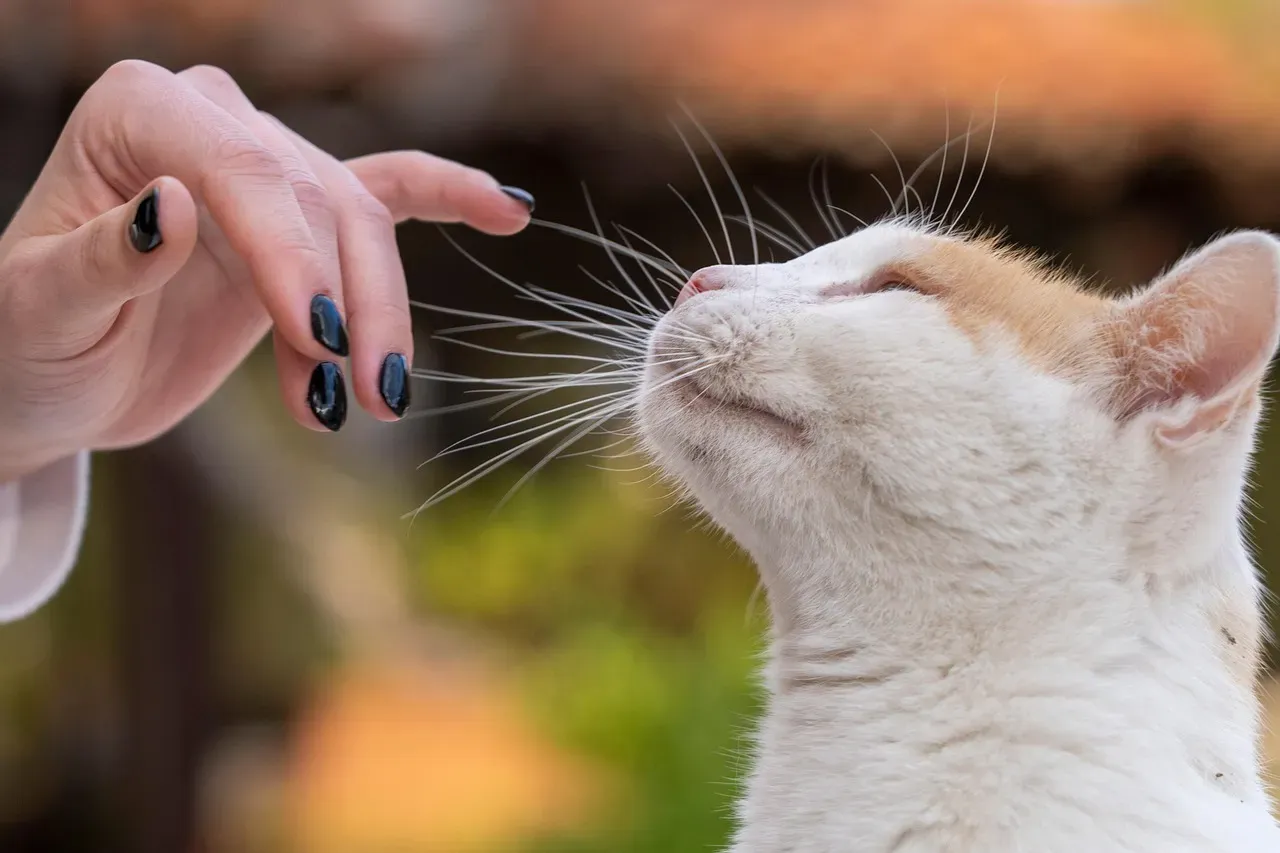
Letting your cat walk away mid-pet isn’t rejection – it’s the single biggest trust-builder there is.
Cats are not obligate cuddlers the way dogs often are, and forcing contact when they’re not asking for it can quietly erode trust over time. Behavior consultants note that a cat who feels safe with you doesn’t need to be physically attached to you at all times. Some cats simply don’t like being touched, but given the option, a cat who feels safe with someone will usually choose to at least stay in the same room rather than retreat.
The surprising part: cats that are allowed to opt out of contact often opt back in more often. When a cat is never grabbed, restrained, or scooped up against its will, it learns that your hands predict good things, not danger. This is why “let them come to you” isn’t just polite advice – it’s a core safety signal in feline psychology.
#2 – You Return Their Slow Blinks
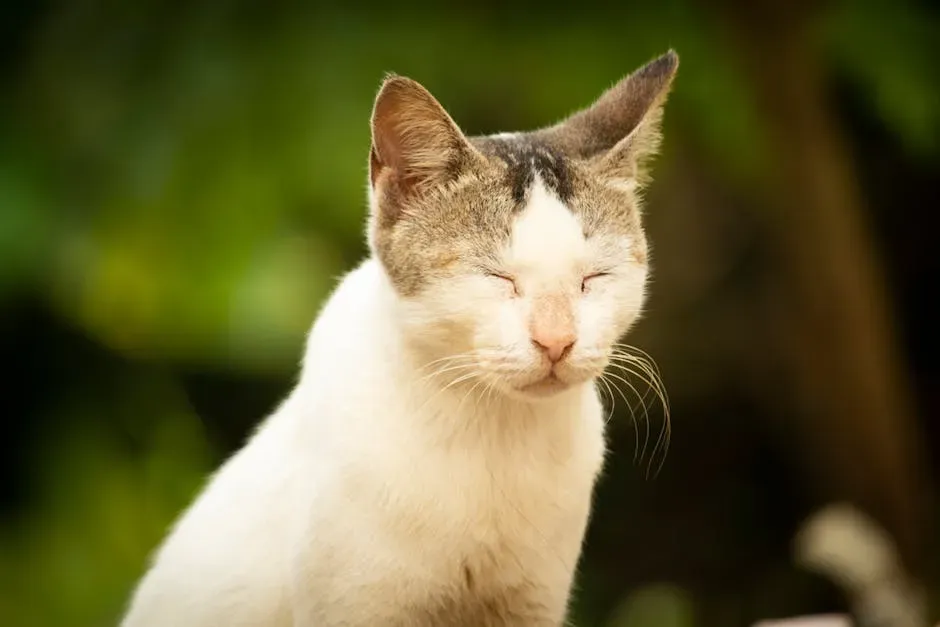
A slow blink from your cat is scientifically closer to a smile than a yawn.
In 2020, researchers at the University of Sussex ran the first real experiment on this behavior, and the study showed that slow blink interactions appear to be a positive experience for cats, and may be an indicator of positive emotions. It’s not sleepiness. When your cat narrows their eyes around you, they’re signaling vulnerability – closed eyes mean “I don’t need to watch you for threats.”
Here’s the part most owners don’t realize: you can trigger this response yourself. The Sussex team found that cat half-blinks and eye narrowing occurred more frequently in response to owners’ slow blink stimuli, and cats had a higher propensity to approach an experimenter after a slow blink interaction than after a neutral expression. Cats were even significantly more likely to approach a previously unfamiliar human after a slow blink, compared to a neutral face. Every time you soften your eyes at your cat, you’re speaking fluent feline.
Fast Facts
- University of Sussex researchers ran the first formal study on cat slow blinking in 2020.
- Cats narrowed their eyes more often after their owner slow-blinked at them first.
- Slow-blinked cats were more likely to approach a person afterward than after a neutral expression.
- The effect worked even with unfamiliar humans, not just a cat’s own owner.
#3 – You Keep a Predictable Daily Routine
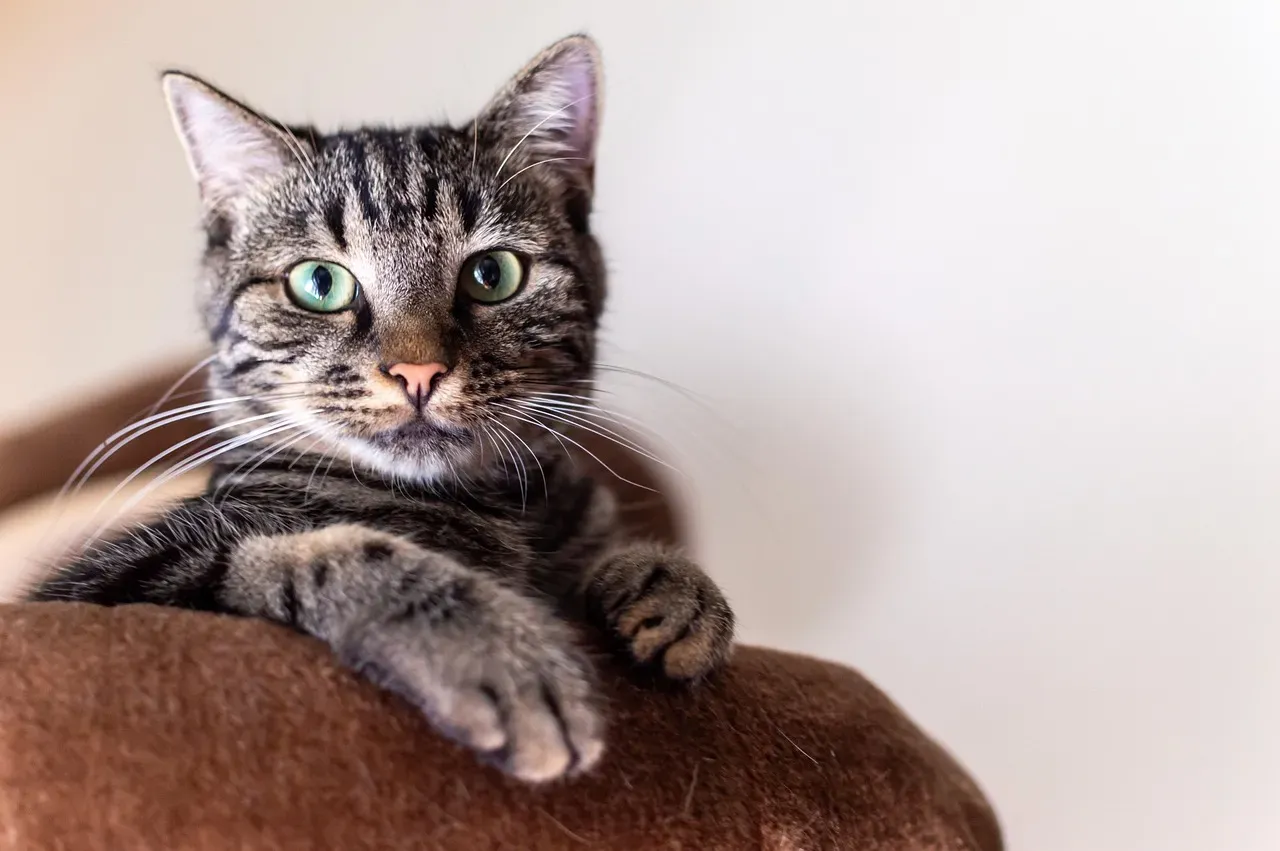
Your boring, repetitive schedule is doing more for your cat’s nervous system than any toy ever could.
Cats thrive on knowing what happens next, and researchers have found this isn’t just a preference – it’s a physiological need. Play time, feeding schedules, and the rhythm of owner interactions should be predictable, which reduces the chronic stress associated with unpredictability. The same feeding time, the same wake-up routine, and the same evening wind-down aren’t just habits – they’re safety signals your cat is quietly logging every day.
Lab-based research backs this up at a hormonal level. Predictability and control seem to be key determinants of coping ability in cats, and predictability can be achieved through a consistent daily schedule, while control comes from giving a cat access to a hiding space to withdraw to if a threat is perceived. The surprising fact: a chaotic schedule can produce measurable stress hormone spikes, even if nothing “bad” ever actually happens to the cat.
#4 – You Let Them Nap in Vulnerable Positions
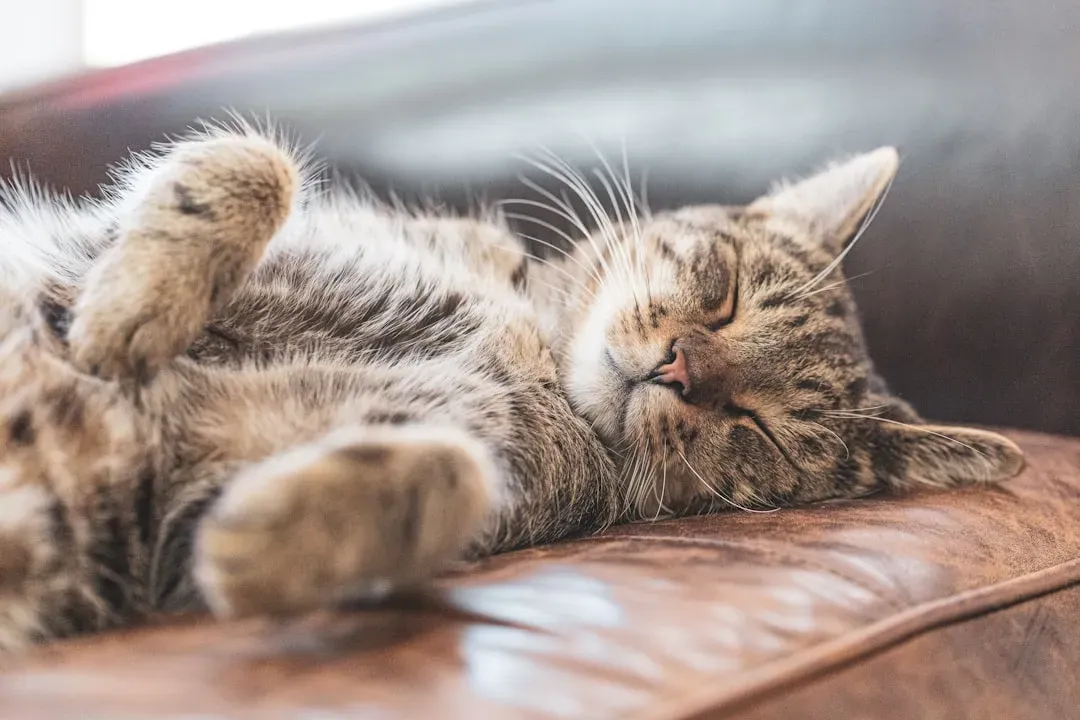
A cat sprawled belly-up in the middle of your living room floor is making a bigger statement than you think.
In the wild, exposing the stomach is one of the riskiest things a prey-sized predator can do, since it removes every defensive advantage in an instant. Cats that are nervous or afraid of predators often hide or seek out secure spots at sleep time, while a cat that feels genuinely safe in its home will confidently sprawl out in the open, belly fully exposed.
Owners who gently allow this – rather than immediately going in for a belly rub – are reinforcing the behavior without even trying. When a cat rolls over and exposes its belly, it’s showing a great deal of trust, because the belly is a vulnerable area, and by exposing it, your cat is indicating that it feels safe and comfortable with you. The controversial truth: most belly-rub attempts actually backfire, since the exposure is a trust display, not an invitation to touch.
#5 – You Soften Your Gaze Instead of Staring
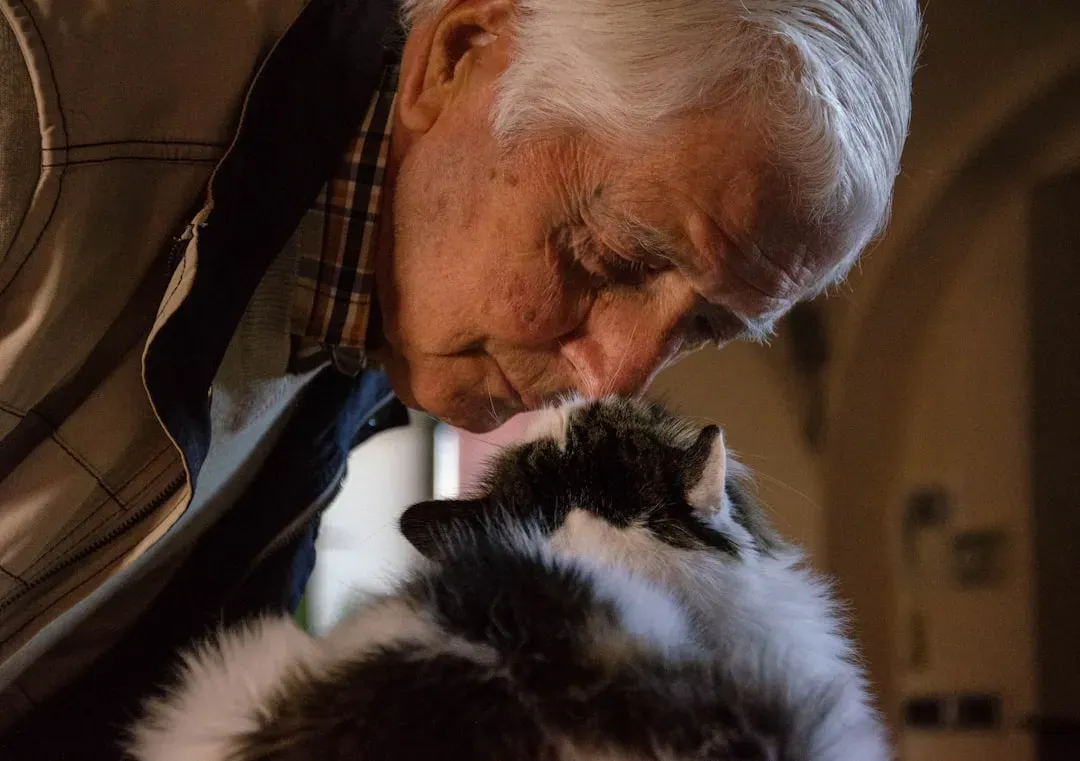
Direct, unbroken eye contact is one of the most common ways well-meaning owners accidentally scare their own cats.
In the animal world, prolonged staring reads as a threat display, not affection. So when a cat slowly closes an eye or narrows its gaze at you, it’s doing the opposite of confrontation. Veterinary behaviorists who work with fearful cats deliberately use this to their advantage during exams and shelter visits.
The surprising fact: professionals treat “soft eyes” as a clinical tool, not just a cute trick. When working with fearful cats or cats who don’t know them, behaviorists use the slow blink method to signal that they aren’t a threat, since cats with big, staring eyes are often reading fear or aggression into the room. If you’ve ever unconsciously locked eyes with your cat across the room and softened your gaze without thinking, congratulations – you’ve been fluent in cat body language this whole time.
#6 – You Let Their Scent Stay on You
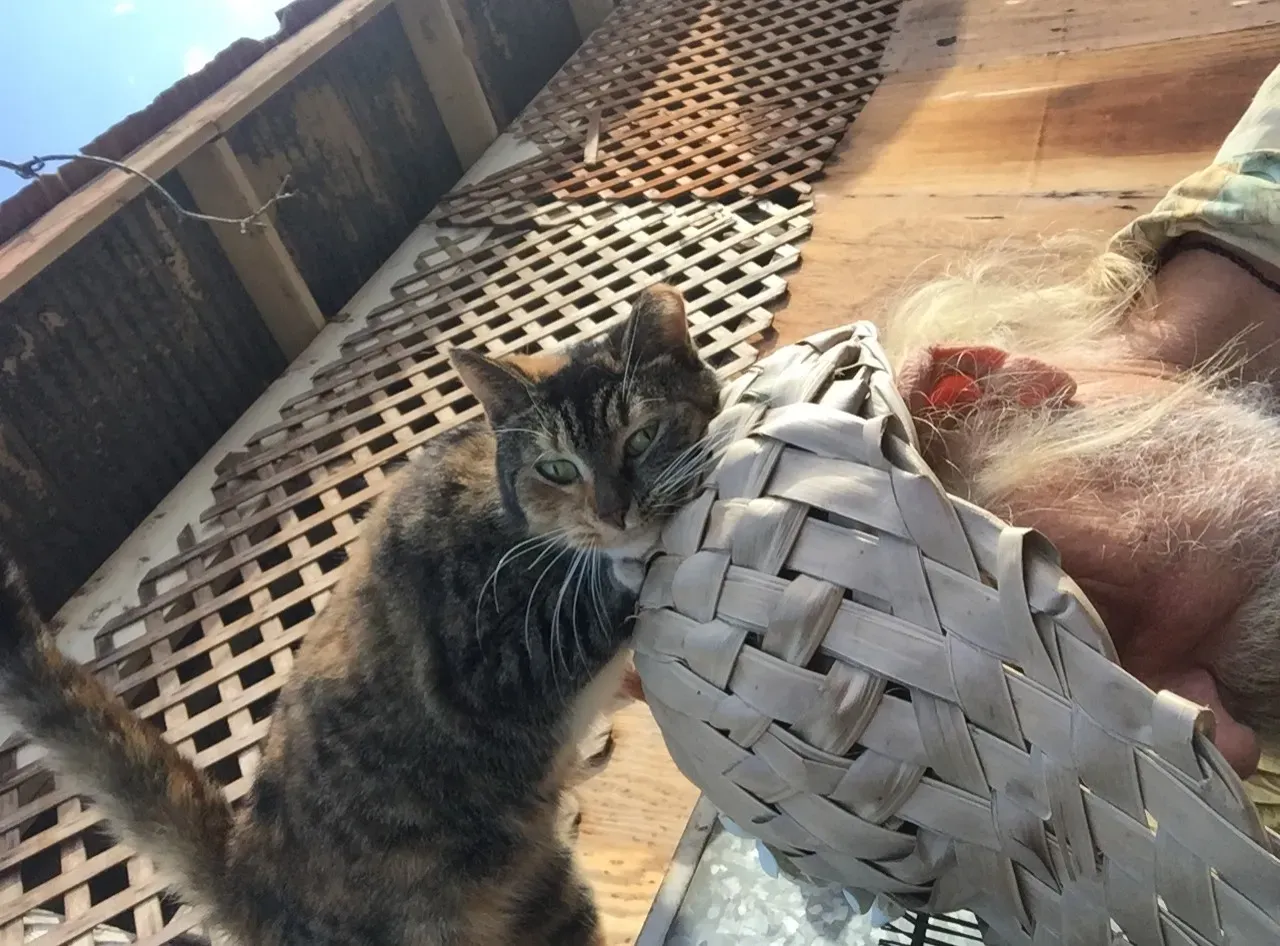
That head-bump your cat gives you every morning is a chemical signature, not just a greeting.
Cats have scent glands located on their cheeks, chin, forehead, lips, and the base of the tail, and rubbing against you deposits pheromones that are undetectable to humans but hugely meaningful to cats. Bunting, as it’s known, is a natural behavior tied to territory and safety – your cat is quite literally filing you under “mine.”
This is why washing your hands or changing clothes right after a bunting session can feel, to your cat, like an odd reset. Feline facial pheromones are thought to help emotionally soothe the cat, so being closer to that scent may increase a sense of security and belonging while reducing anxiety. The surprising part: your cat isn’t just marking you as “theirs” – the act of marking is also self-soothing, calming their own nervous system in the process.
#7 – You Give Them High Ground to Retreat To
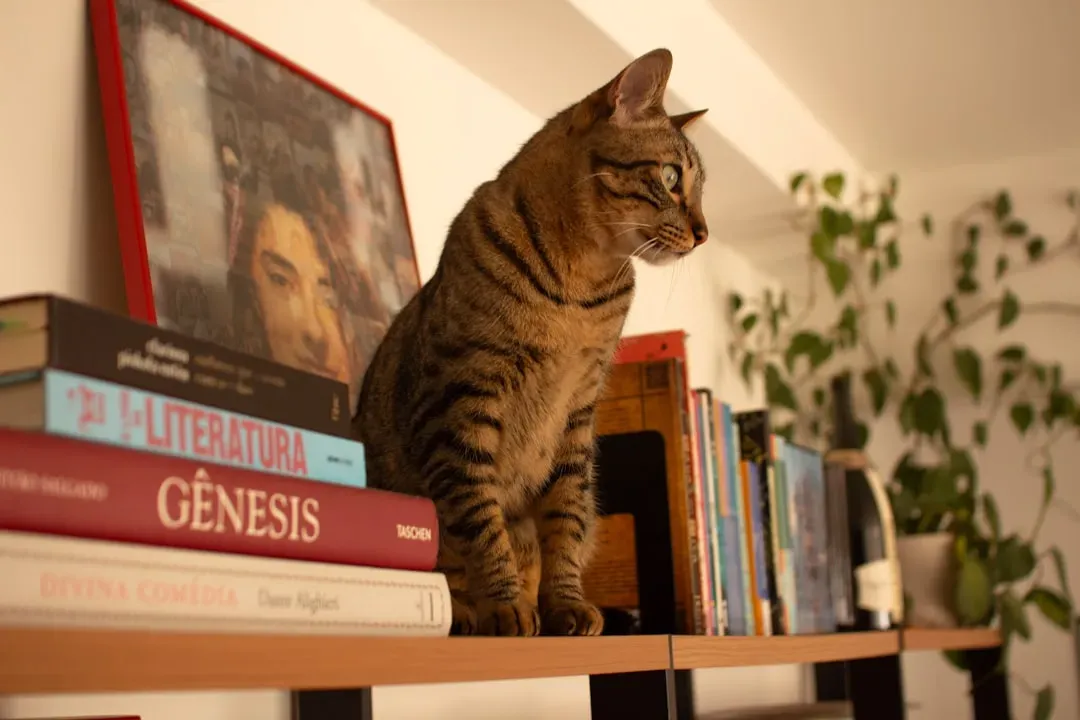
A cat parked on top of the bookshelf isn’t being aloof – it’s doing exactly what its instincts evolved to do.
Height equals safety in the feline brain, dating back to their evolutionary need to escape ground-level predators and survey territory from above. Giving cats access to cat trees, window perches, or tall furniture isn’t just enrichment – it’s a direct safety accommodation, giving your cat its own recognized “territory” within your shared space.
Many vets now push back on the idea that a strictly floor-level, “tidy” home with no vertical clutter is actually better for a cat’s wellbeing. The surprising fact: a cat that voluntarily chooses a high perch near you, rather than a hidden one far away, is showing that it considers your shared space its safe territory, not just yours.
Worth Knowing
- Height once meant survival, letting cats spot predators and prey from above.
- Cat trees, shelves, and window perches all satisfy this instinct indoors.
- A cat that perches near you, rather than far away, is treating your space as safe territory.
- Vertical space also reduces tension between cats in multi-cat households.
#8 – You Talk to Them in a Low, Calm Voice
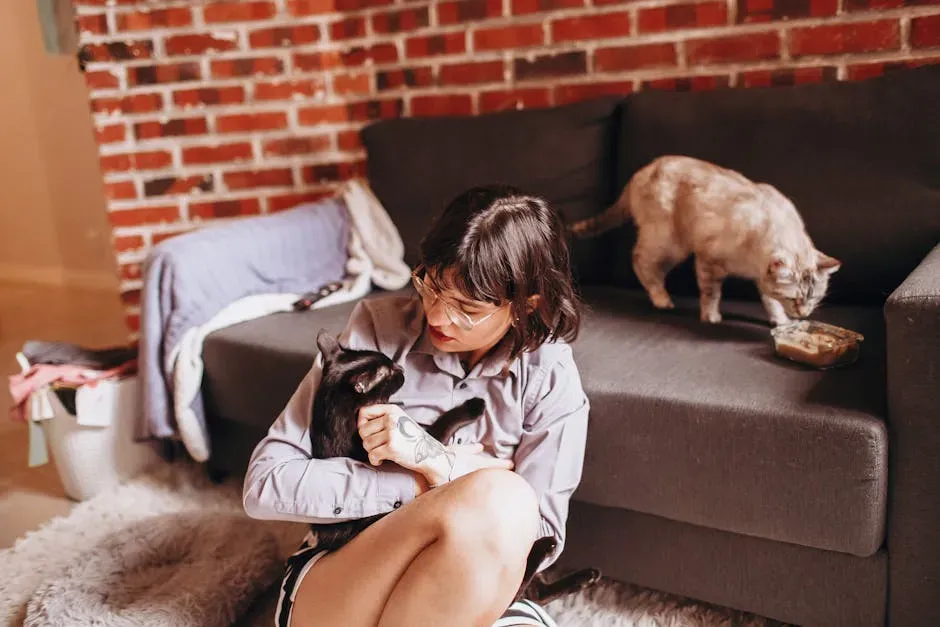
Your goofy baby-voice with the cat might be doing more scientific heavy lifting than you’d ever guess.
Cats are extremely sensitive to tone, pitch, and volume, and a soft, slow-paced voice mimics the same calm signals cats give each other during safe, low-arousal interactions. Loud, sharp, or sudden vocal tones, on the other hand, can register as alarm calls – which is exactly why shelter workers and vets are trained to speak in hushed, even tones around anxious cats.
The surprising fact: cats appear to have evolved certain vocal behaviors specifically for communicating with humans rather than each other. Meows, chirps, and trills are a form of social interaction, and cats don’t do that with everyone. A cat that only “talks” to you is signaling that you’re inside its trusted social circle – and your gentle tone back is confirming the relationship is mutual.
#9 – You Follow Them to Their Favorite Spots
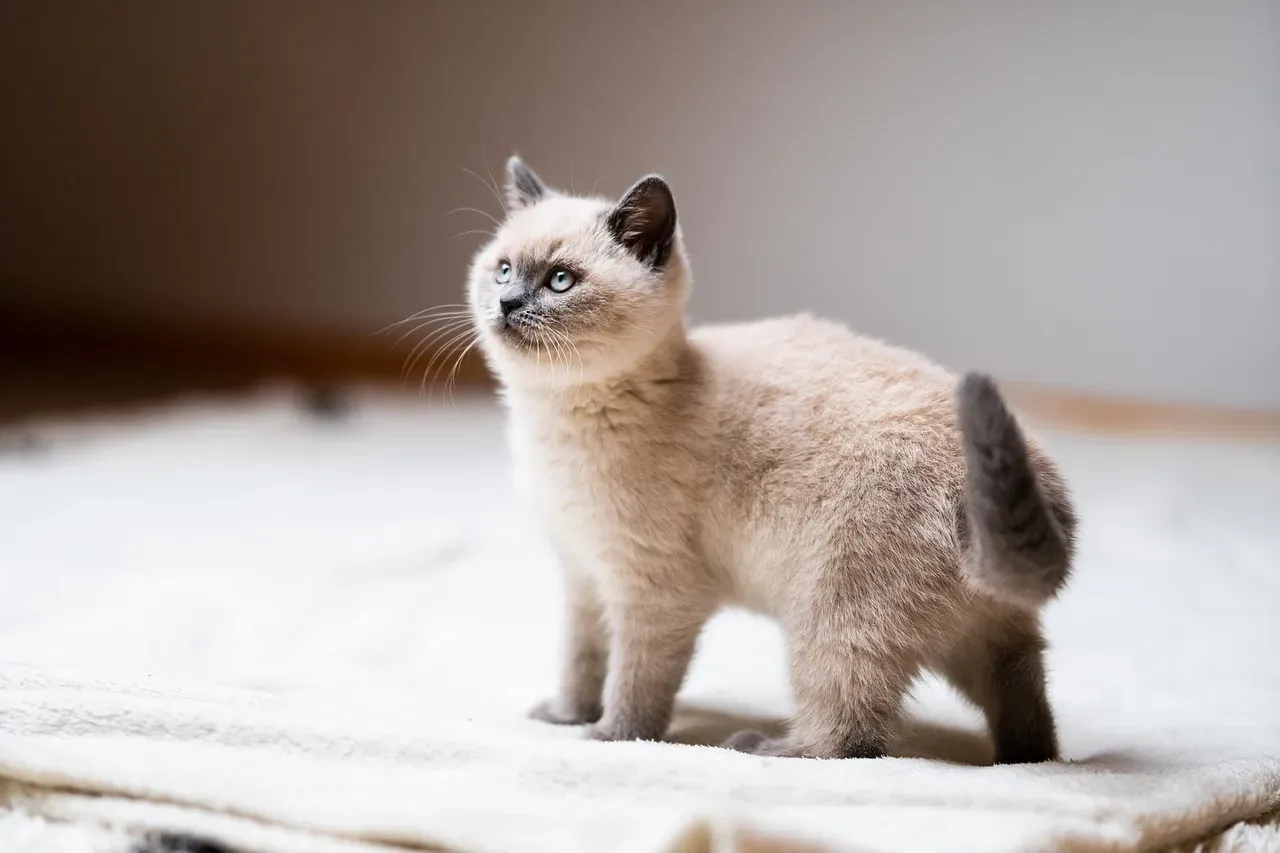
When your cat leads you somewhere and then glances back, it’s issuing an actual invitation.
This behavior is more deliberate than most owners assume. Some cats will lead you into a room, hop onto a perch, or settle into their favorite spot and then glance back as if encouraging you to follow – and they appear noticeably at ease there once you arrive, a behavior that signals emotional security and a strong cat-human bond.
The surprising fact: cats have their own hierarchy of “high-value” locations in the home, and choosing to reveal one to you is treated by behaviorists as a genuine act of trust, not coincidence. Ignoring the invitation – say, by staying on the couch scrolling your phone – is a subtle miss most owners don’t even clock. Following along and letting them settle in confirms to your cat that its instincts about the space, and about you, were correct.
At a Glance
- Leading you to a spot and glancing back is a deliberate invitation, not coincidence.
- Cats rank their favorite locations, and sharing one is a trust signal.
- Following along confirms the space, and you, feel safe.
- Ignoring the invitation is an easy-to-miss, but real, opportunity lost.
#10 – You Respond to Their Quiet Vocalizations
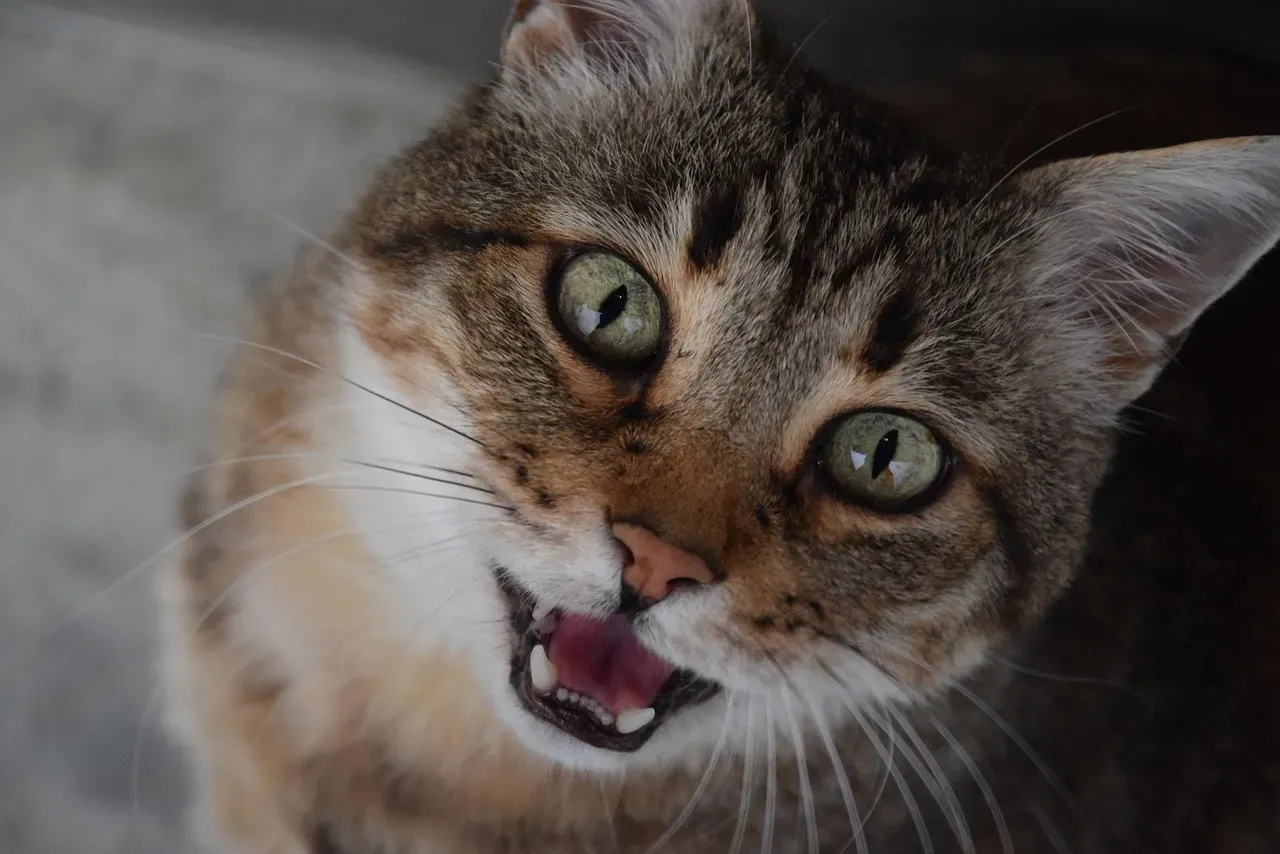
That barely-audible chirp your cat makes when you walk in the door isn’t random noise – it’s a direct message meant only for you.
Adult cats rarely meow at other cats in the wild; most of that vocal repertoire is reserved specifically for humans. When you respond – even with a simple “hey buddy” – you’re reinforcing a two-way communication loop that cats notice and repeat.
The surprising fact: cats that feel unsafe or unbonded tend to go quiet, not loud – silence is often the real red flag, not excessive meowing. Owners who consistently acknowledge these small vocal check-ins, rather than tuning them out, are unknowingly reinforcing one of the clearest bonding signals in the feline repertoire. It’s a small habit that costs nothing and pays off enormously in trust.
#11 – You Always Leave Them an Escape Route
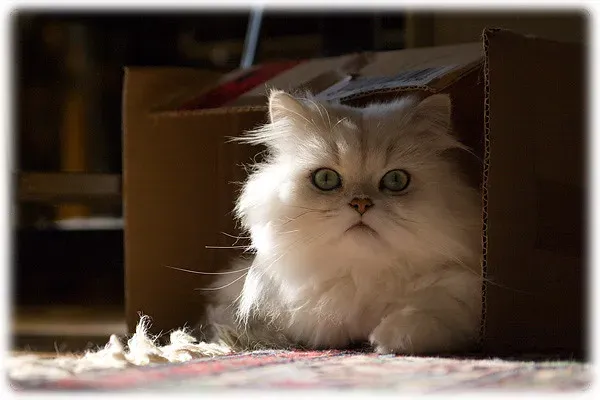
A cat that never feels cornered is a cat that never has to decide between fighting and hiding.
This one sounds obvious, but most owners violate it constantly without noticing – blocking a doorway during play, cornering a cat for medication, or closing them into a small room during guests. Controlled studies on feline stress consistently point to one variable above almost all others: control over the environment. Cats given access to a hiding box showed statistically significant reductions in stress scores, especially the more anxious ones.
Predictability and control seem to be key determinants of coping ability.
Feline stress research, Journal of Feline Medicine and Surgery
The controversial opinion: many popular “socializing” techniques that involve holding a scared cat still to calm it down are doing the opposite of what the science supports. A cat that can retreat, observe, and choose to re-approach on its own terms builds far more lasting trust than one that’s forced to endure.
#12 – You Don’t Punish Them for “Gifts” or Mistakes
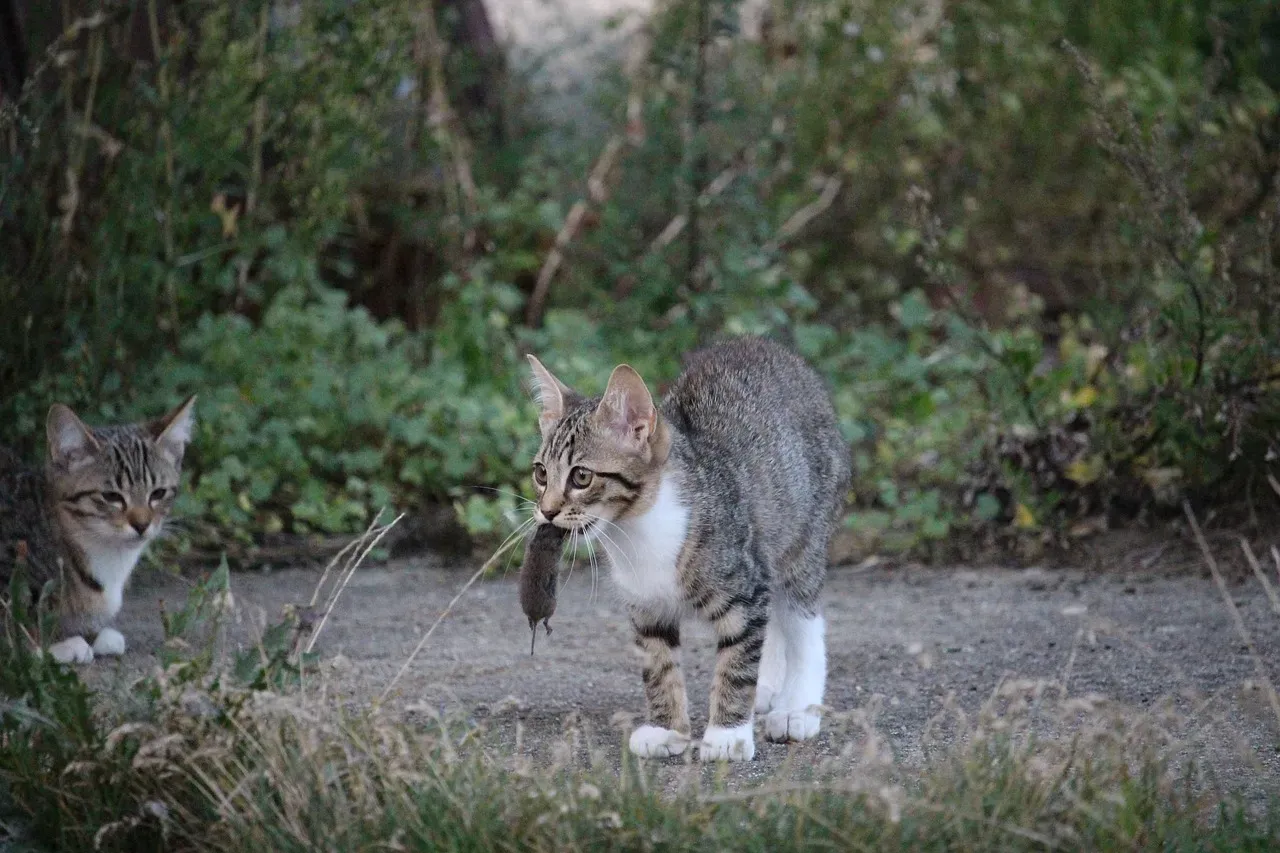
That dead bug on your pillow is, biologically speaking, an act of loyalty – not sabotage.
While it might be unpleasant to find a dead mouse or bird at your doorstep, this behavior is a sign of love and trust from your cat, since in the wild, cats bring prey to their families. Reacting with disgust or scolding sends a confusing signal to a cat that just performed what it considers a generous, protective act.
This applies more broadly too. Veterinary behavior researchers are blunt about this one: punishment by owners should be completely avoided, since it undoes the predictability cats depend on to feel calm. The surprising fact: cats don’t process delayed punishment the way dogs sometimes appear to – yelling at a cat minutes after an accident doesn’t teach a lesson, it just teaches the cat that you’re occasionally, randomly frightening.
#13 – You Keep Their Resources in the Same Place
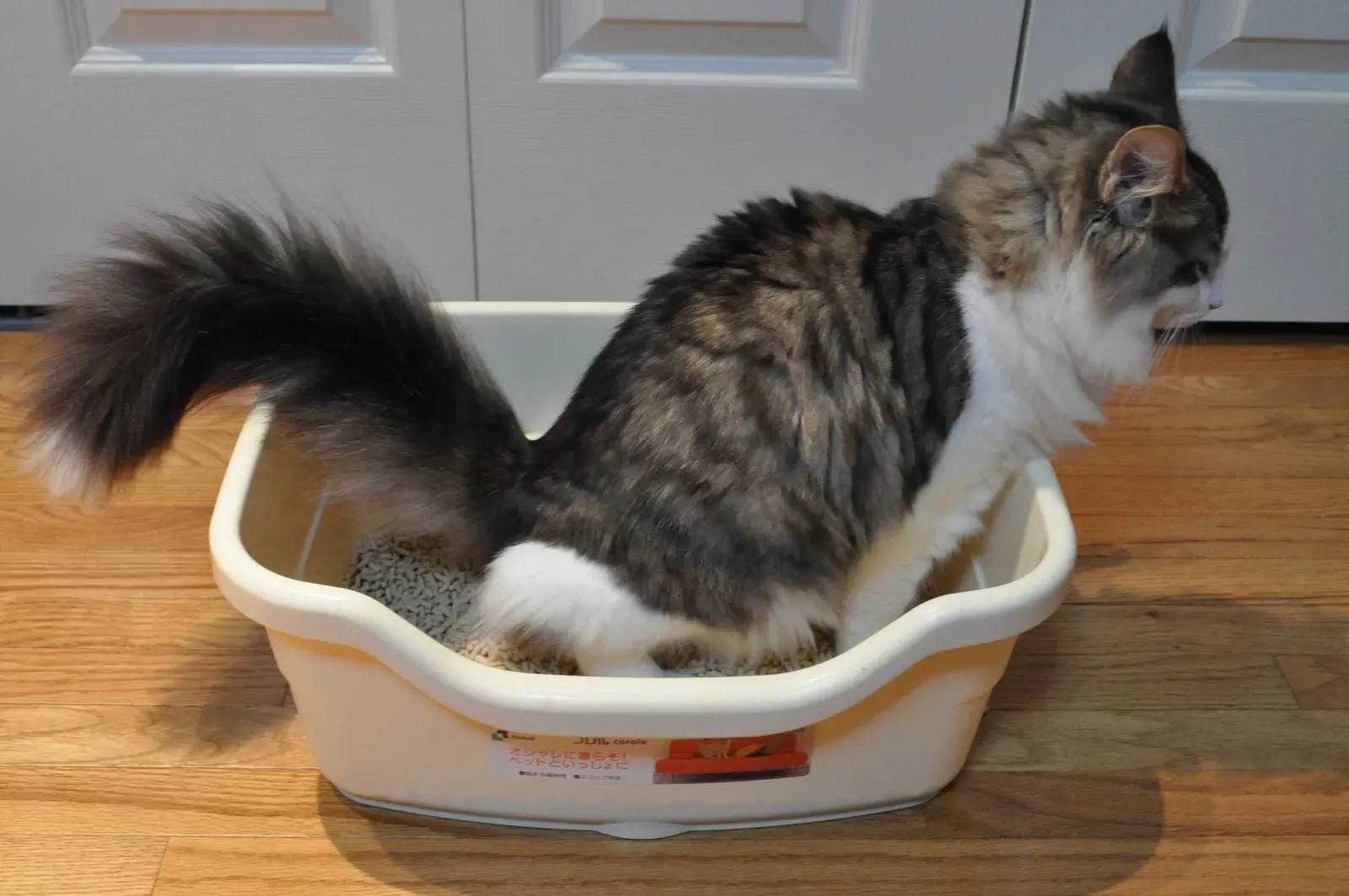
Moving the litter box “just this once” can undo weeks of built-up feline confidence.
Cats build an internal map of safety around fixed points – food bowl, litter box, scratching post, favorite bed – and consistency in these locations does real, measurable work. Keeping resources in the same location promotes stability, and consistent routines around meals and rest are essential for emotional and physical health.
Shelter research shows just how much environmental stability matters at a hormonal level. Cats from a more enriched, stable environment had almost half the cortisol level in their hair compared to cats with fewer, less stable resources. The surprising fact: this stress reduction shows up in hair samples months later, meaning the safety – or instability – of a cat’s environment leaves a literal, measurable biological trace.
Quick Compare
- Stable resource locations: lower measured cortisol, steadier confidence.
- Frequently moved resources: higher stress markers, more hesitant behavior.
- Consistent litter box/food bowl placement: reinforces a cat’s internal safety map.
#14 – You Let Them Groom You Back
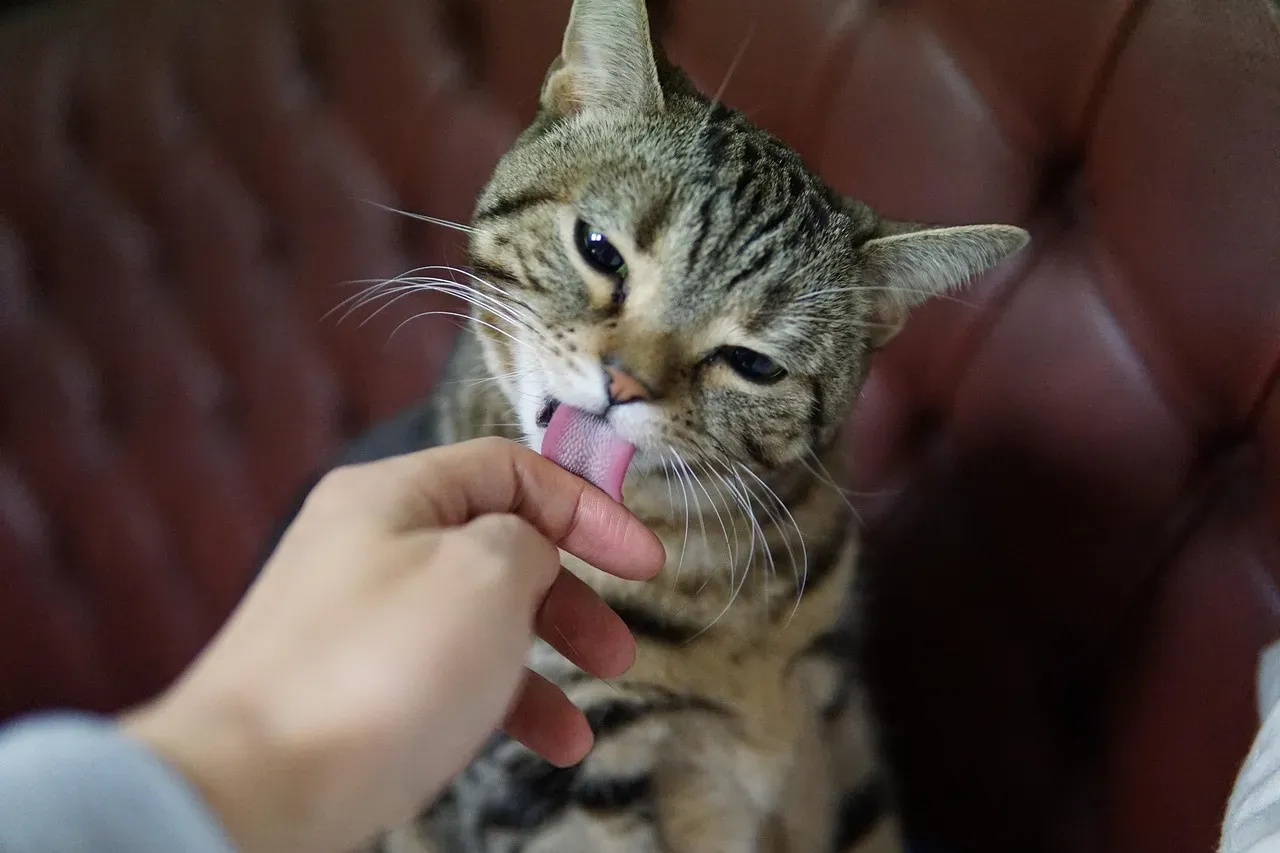
Getting your hair licked by your cat at 6 a.m. is uncomfortable – and also one of the deepest compliments a cat can give.
Grooming between cats is reserved almost exclusively for close social bonds, and it functions as both a hygiene ritual and a trust exercise. In multi-cat households, cats groom each other to establish social bonds and share scent – and licking your hand or hair is a sign of including you in that same circle.
Letting this happen, rather than pulling away immediately, matters more than most owners assume. The surprising fact: this behavior mirrors “allogrooming” seen in bonded cat colonies, meaning your cat has mentally filed you as a fellow colony member – not a separate species it happens to live with.
#15 – You Give Them Control Over When Interactions End
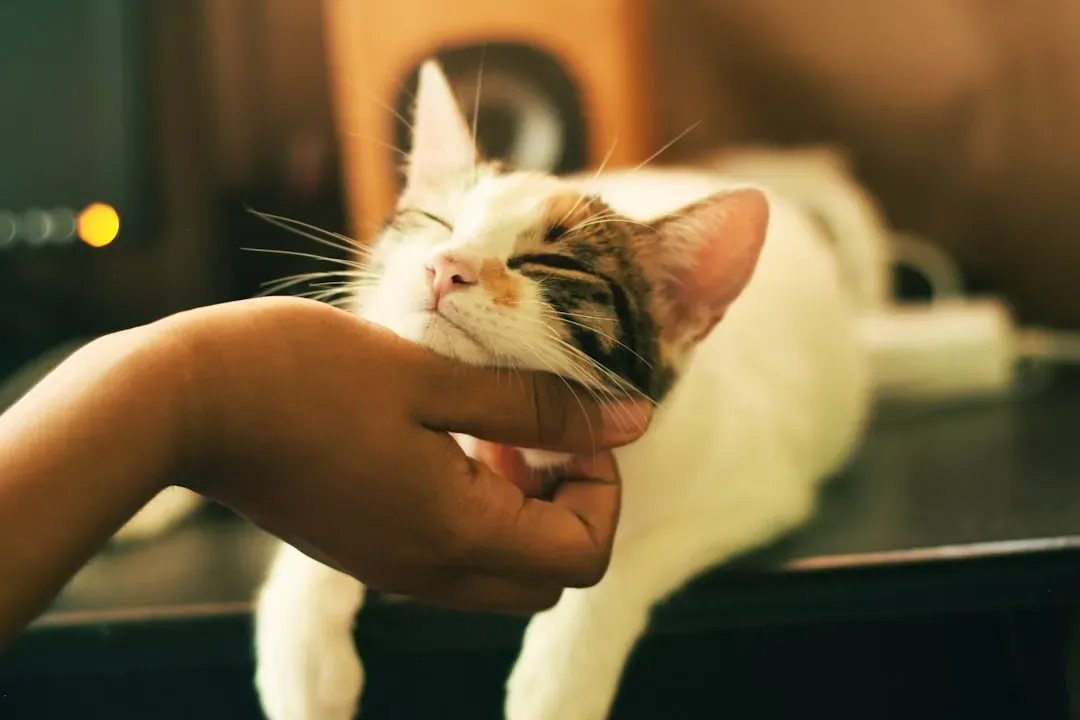
The single biggest safety signal you send your cat has nothing to do with affection at all – it’s about power.
Every time you let your cat walk away mid-pet, decline a pickup, or end a play session on its own terms, you’re proving something crucial: your cat’s choices are respected, not overridden. Behavior researchers consistently flag “predictability and control” as the two biggest levers in reducing chronic feline stress, more influential than treats, toys, or even how much attention a cat receives.
The most surprising fact of all: cats who are regularly allowed to opt out of interactions tend to initiate contact more, not less, over time. Autonomy, it turns out, is the ultimate trust-builder – the quiet, invisible signal underneath every other one on this list. A cat that knows it can leave is, paradoxically, the cat most likely to stay.
The Bottom Line
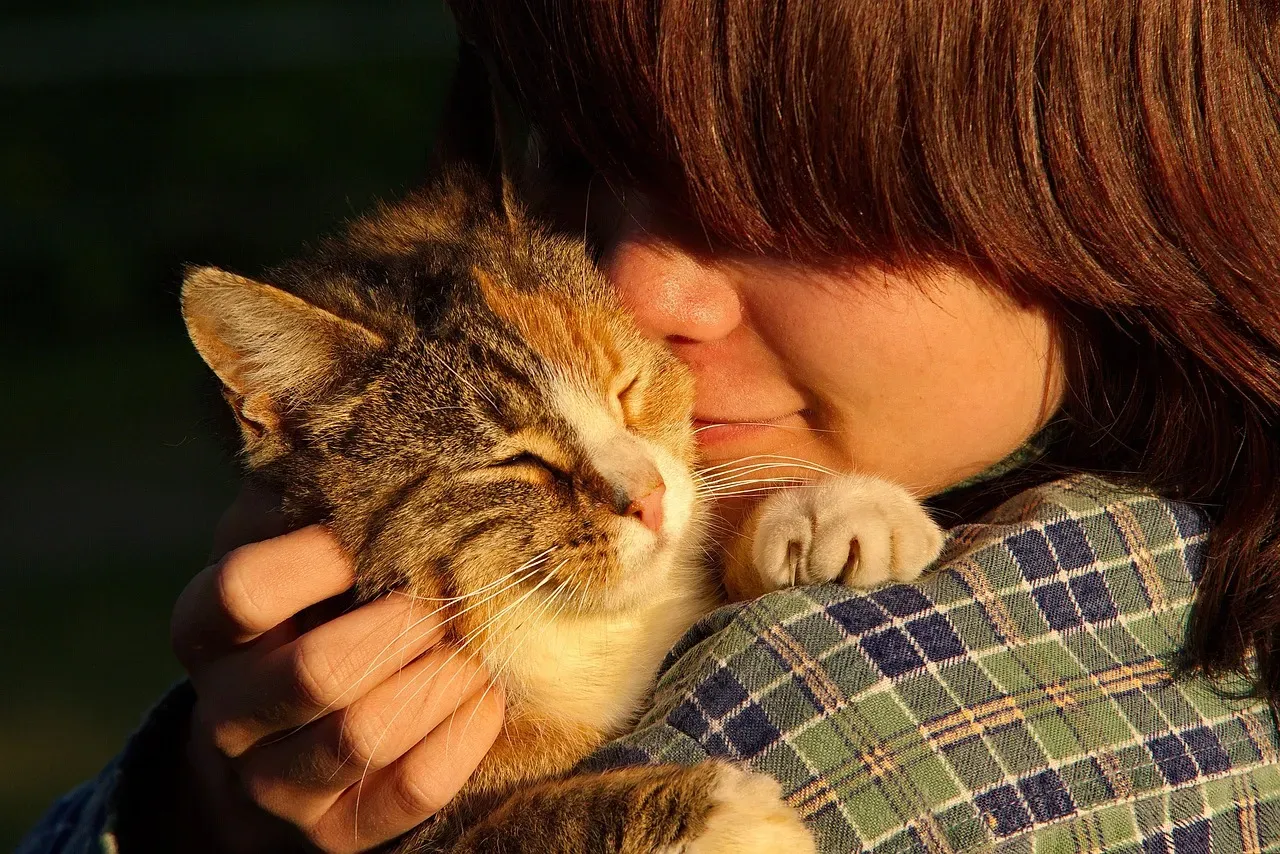
Most people think earning a cat’s trust requires grand gestures – treats, toys, expensive furniture. The science says otherwise. Slow blinks, predictable routines, respected personal space, and a calm voice do more for feline security than almost anything you can buy.
Cats are reading dozens of tiny signals from you daily, and the ones that matter most cost nothing and take seconds. If you’re doing even half of these already, your cat probably feels safer with you than you ever realized – and honestly, that says more about you than any amount of money spent on cat trees ever could.
Which one surprised you the most? Drop it in the comments – and tell us if your cat has a trust habit we missed.
Kristina is a young writer from India. An arts graduate and an avid content creator, Kristina is passionate about animals and wildlife. She enjoys exploring topics related to pet care, animal behavior, conservation, and nature, combining thorough research with engaging storytelling.