16 Health Checks Vets Wish Every Cat Owner Would Schedule Twice a Year
Most cat owners think a vet visit only matters when something looks obviously wrong. That instinct is quietly costing cats years of their lives.
Cats age faster than humans, so one annual exam is roughly like a person seeing a doctor only once every four or five years. Skip a single visit, and you've left a dangerous gap in your cat's health story - one vets say gets filled with diseases that were catchable, if only someone had looked sooner.
Here are the 16 checks vets wish every owner scheduled twice a year, starting with the one most people wrongly assume is already thorough enough.
#16 - Full-Body Physical Exam
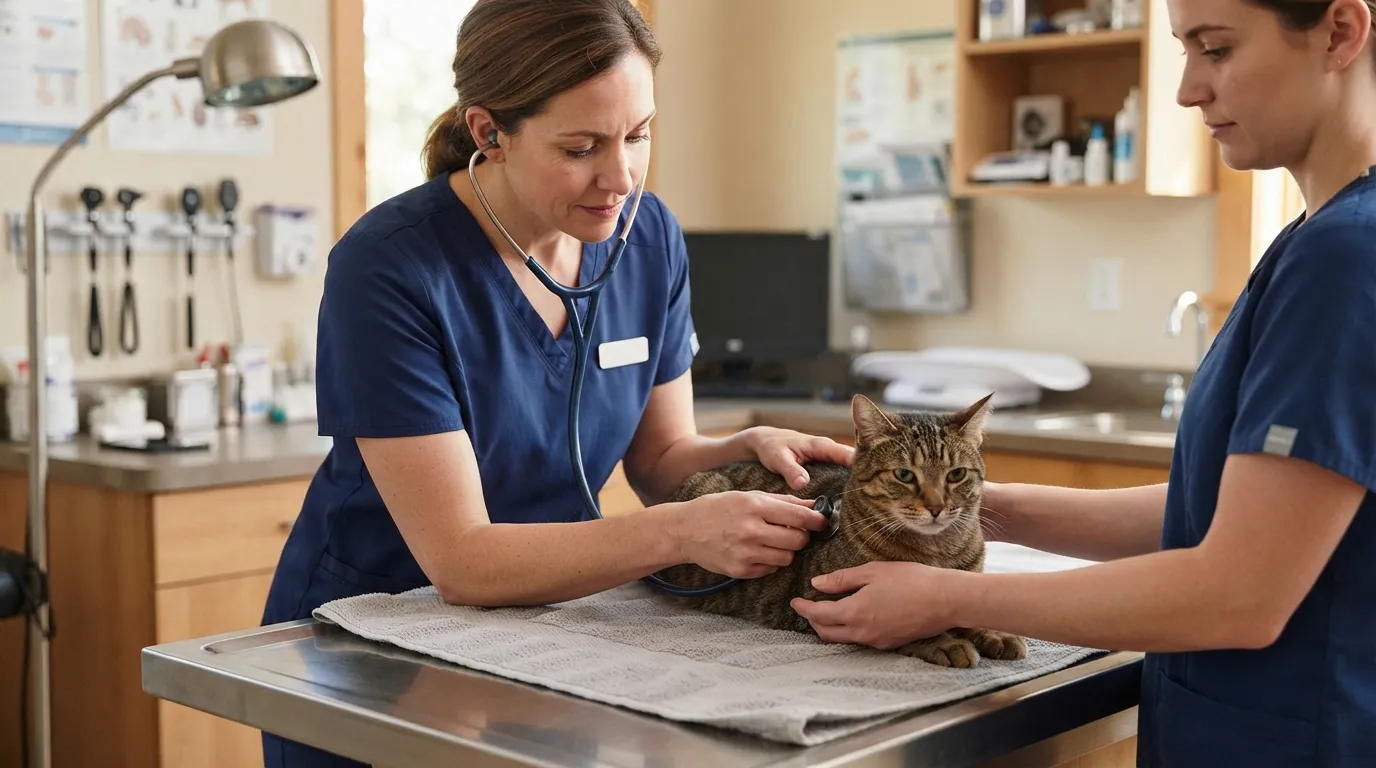
Most owners assume a casual "look-over" catches everything. It doesn't - not even close.
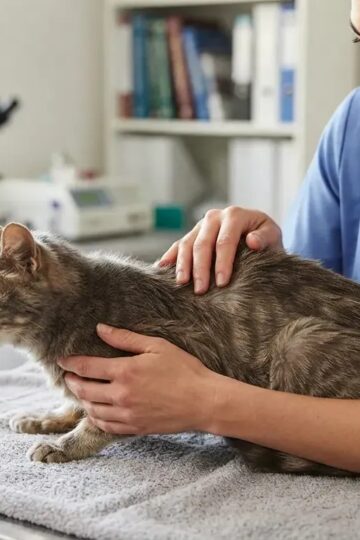
A proper physical exam means listening to your cat's chest with a stethoscope and feeling specific areas of the body by hand. Vets are trained to spot what owners simply can't.
These exams can catch enlarged lymph nodes, skin tumors, heart murmurs, and abdominal masses. They can also reveal kidneys, a liver, or a spleen that has quietly changed size - a red flag for systemic disease.
These findings are often impossible to detect at home. Done twice a year, the exam builds a health baseline so even the smallest change gets caught early - and that baseline is exactly what makes the next check so powerful.
#15 - Blood Pressure Measurement
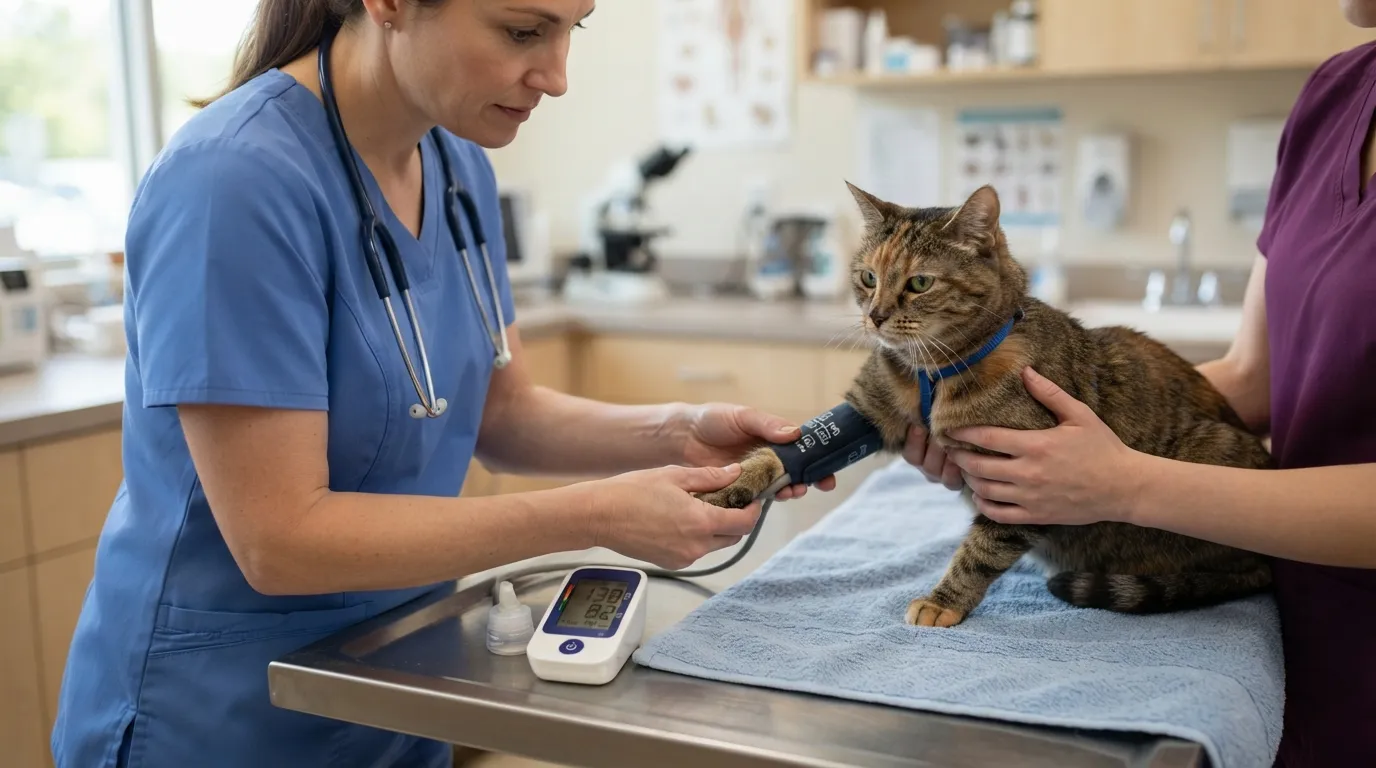
Here's what shocks most owners: cats get high blood pressure too, and it can wreck organs before a single symptom shows up.
The most common form in cats is secondary hypertension, usually tied to an underlying disease. That underlying disease, more often than not, is chronic kidney disease.
At least 60% of cats diagnosed with hypertension also show signs of chronic kidney disease. Left unchecked, high blood pressure quietly damages the kidneys, eyes, heart, and brain.
A twice-yearly blood pressure reading gives vets a chance to intervene before that damage sets in. For senior cats, this single check could genuinely add years to their life - which is exactly why the next one matters just as much.
#14 - Thyroid Screening
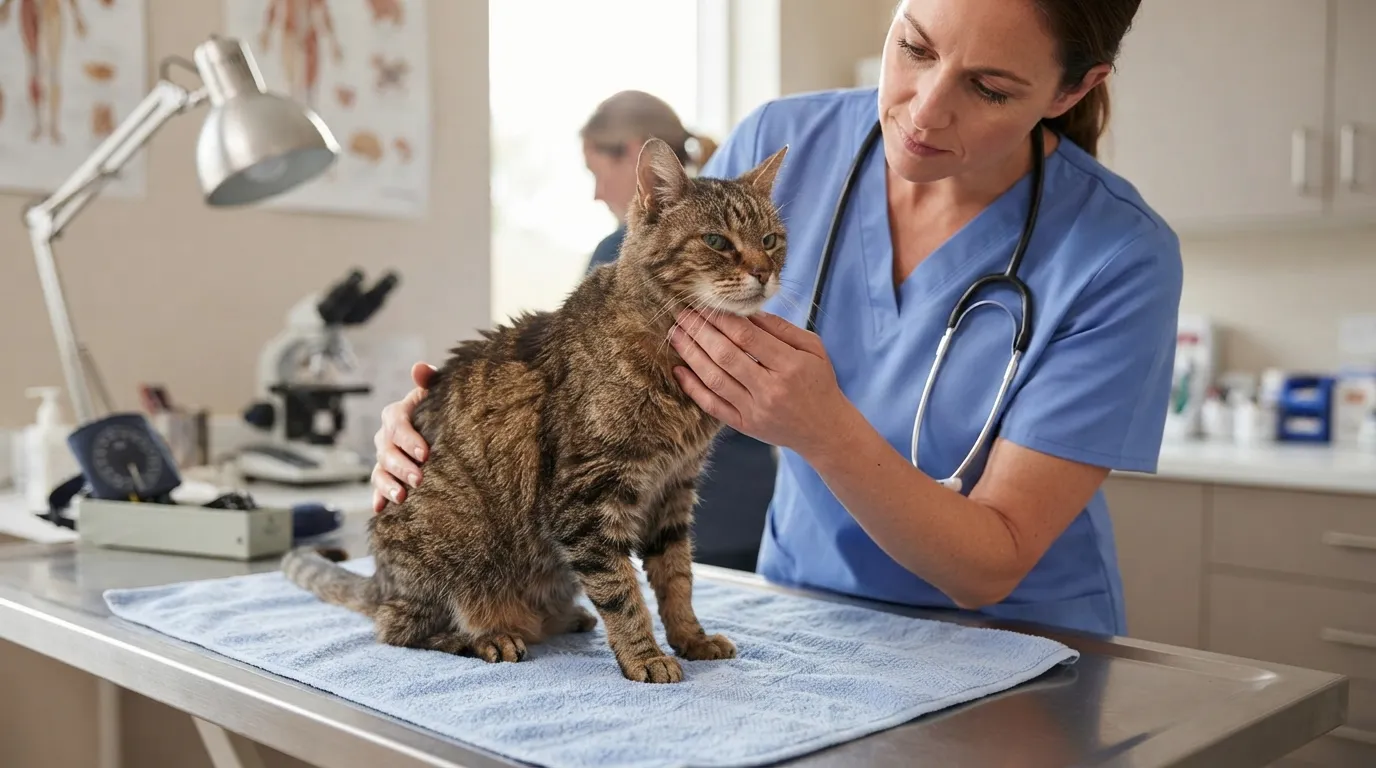
Hyperthyroidism is one of the most common diseases in older cats - and one of the most frequently missed until it's advanced.
It affects roughly 10% of cats over the age of 10. The cruel part is that cats are experts at hiding illness, so early hyperthyroidism can just look like normal aging.
Fast Facts
- Hyperthyroidism is the most common endocrine disorder diagnosed in middle-aged and older cats.
- Prevalence runs about 10% of U.S. cats older than 10 years of age.
- The average age at diagnosis is approximately 12 years old.
- Weight loss with a normal or increased appetite is the most commonly reported early sign.
Weight loss - often despite a normal or increased appetite - is the biggest tell. Vets may also feel an enlarged thyroid or notice a fast heart rate during exam.
Thyroid screening is one of the four pillars of wellness testing, alongside a CBC, biochemistry profile, and urinalysis. Cats over ten benefit most from testing twice a year instead of once.
#13 - Complete Blood Count (CBC)
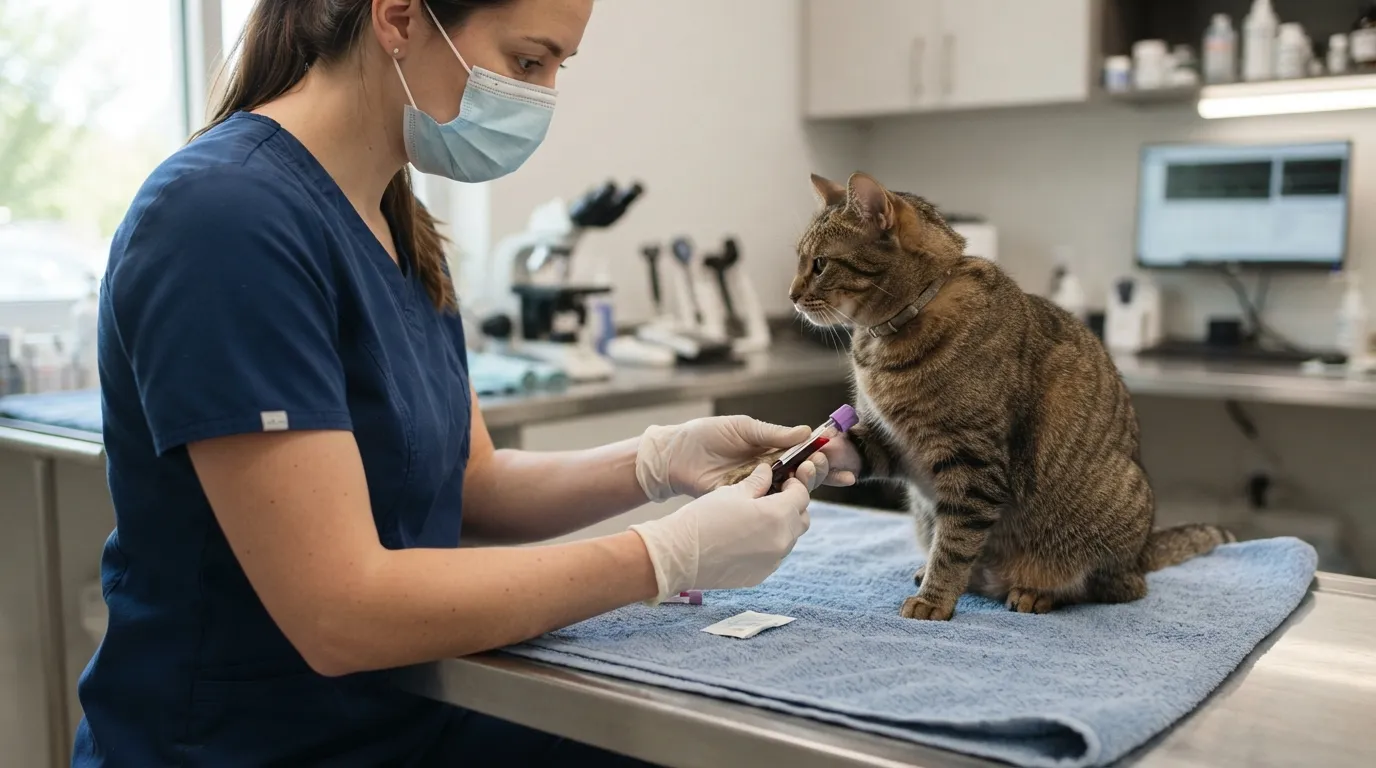
Your cat can be hiding a serious internal problem and still purr contentedly on your lap. The CBC is how vets see through that disguise.
It checks red blood cells, white blood cells, and platelets - flagging anemia, infection, and immune disorders long before they become visible.
A cat with declining red blood cell counts can look outwardly normal for months. By the time fatigue or weight loss becomes obvious, the disease already has a head start.
For middle-aged and senior cats especially, this panel is non-negotiable. No symptoms does not mean no problem - and the next test digs even deeper.
#12 - Blood Chemistry Panel
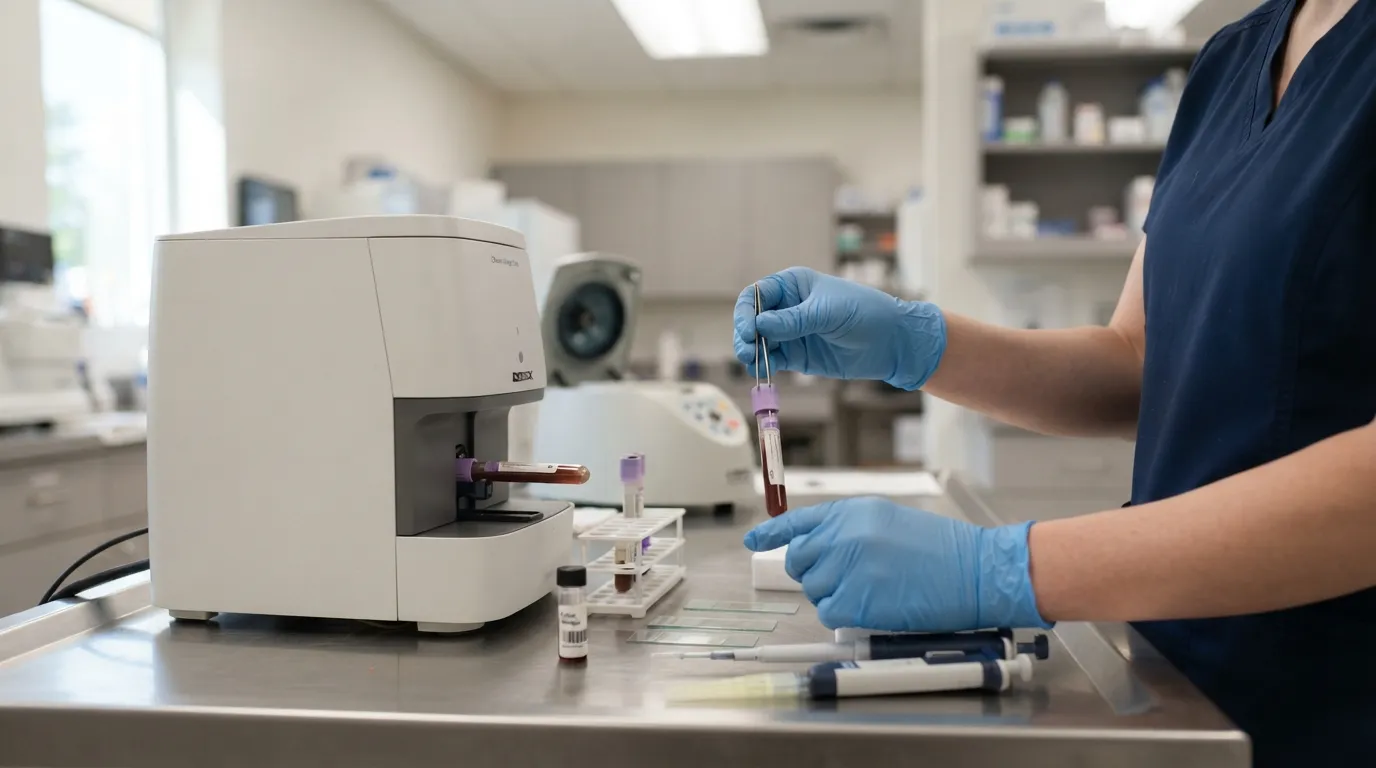
If the CBC is the overview, the chemistry panel is the deep dive - and what it reveals can be genuinely alarming.
It checks organ-specific markers: liver enzymes, kidney values, blood glucose, and electrolytes. Together, these numbers can expose kidney disease, liver disease, diabetes, and heart abnormalities.
Early-stage kidney disease may only show up on blood chemistry - not in behavior, coat, or appetite. Catching it at stage one instead of stage three is the difference between simple management and full-blown crisis.
Run twice a year, this panel builds a trend line that makes early warning signs unmistakable.
#11 - Urinalysis
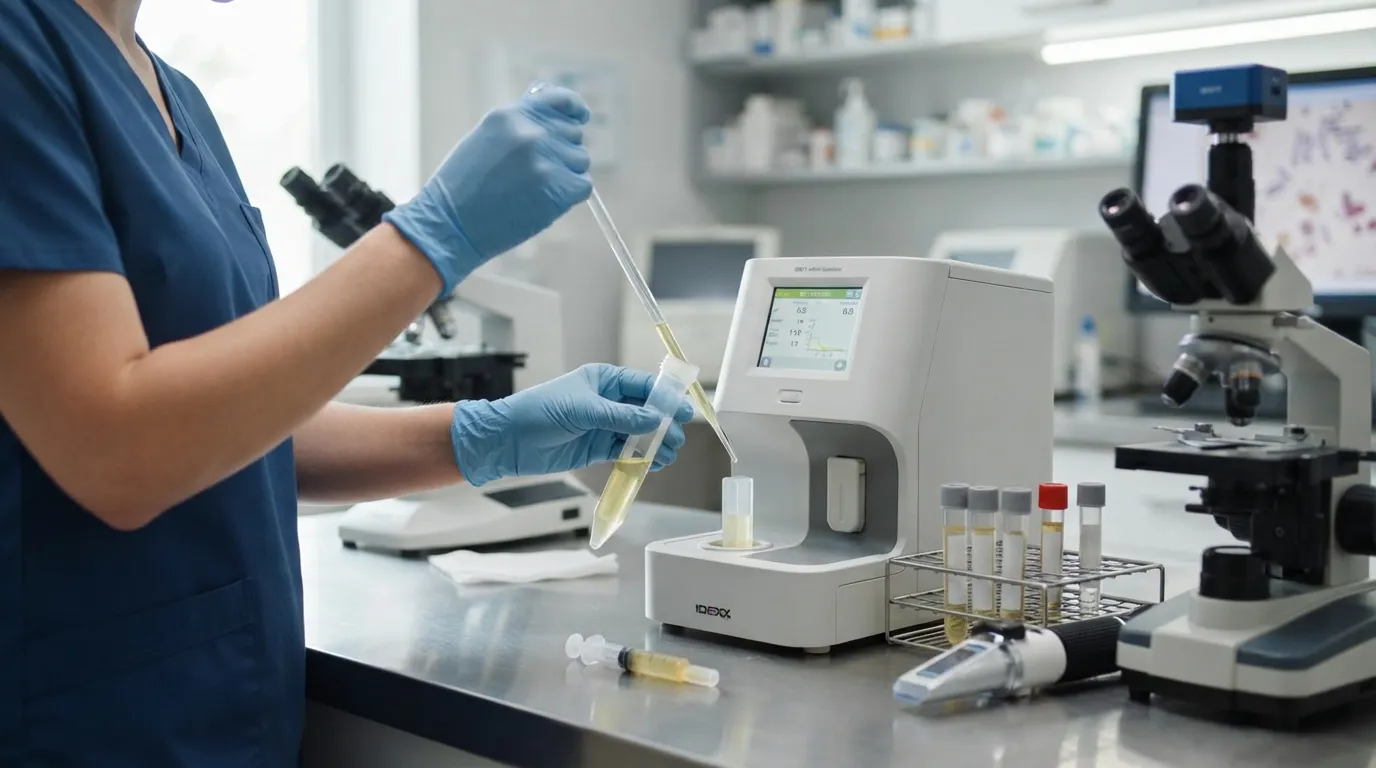
Most owners don't think about their cat's urine until something goes obviously wrong. By then, damage is often already done.
A urinalysis checks concentration, protein, pH, glucose, and the presence of bacteria or crystals - all long before symptoms appear.
Dilute urine is one of the earliest warning signs of kidney disease in cats, and it can show up before blood values even shift. It also reveals hydration levels and overall kidney function.
Paired with a blood chemistry panel twice a year, urinalysis gives vets a near-complete picture of kidney health over time - which is exactly the kind of trend data that catches disease early.
#10 - Dental and Oral Exam
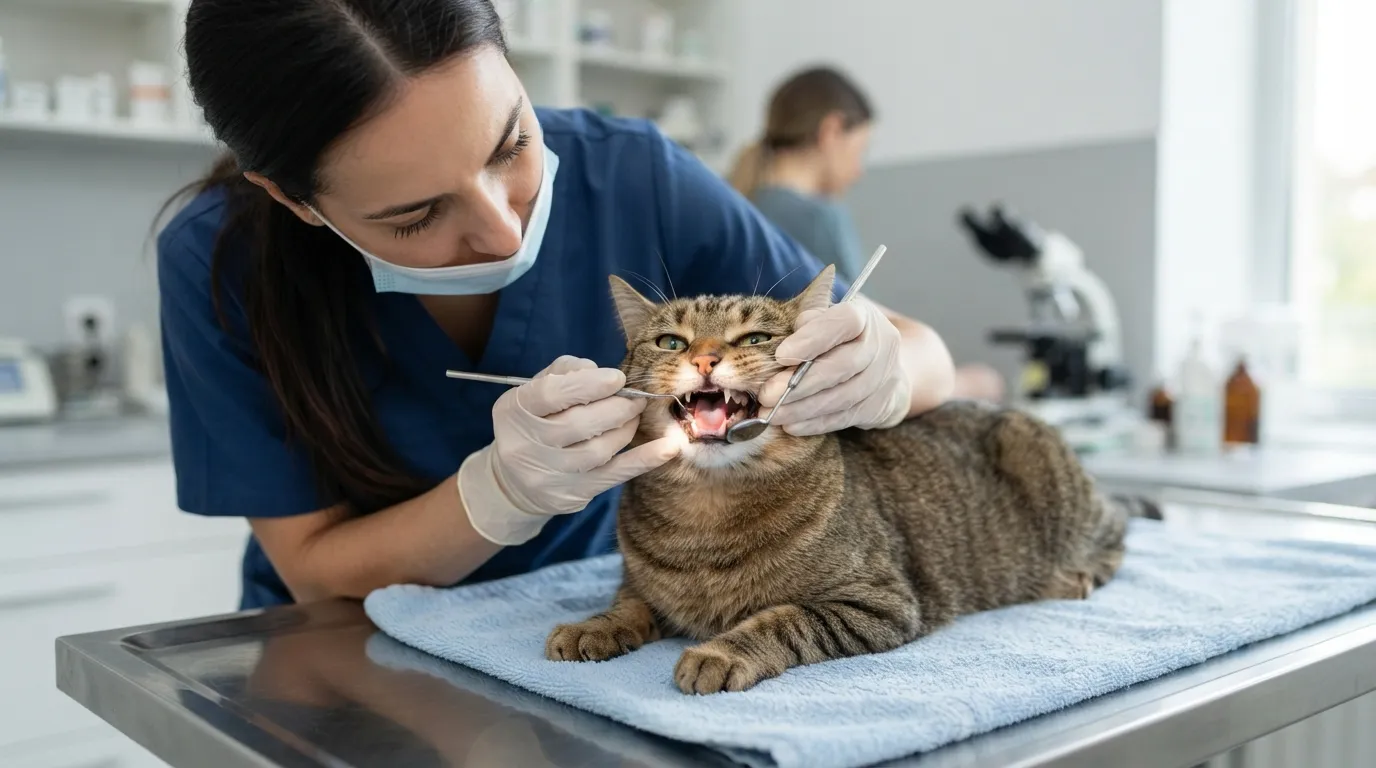
Here's the stat that stops owners cold: the vast majority of cats over three years old have some degree of dental disease, and most show no obvious signs.
Vets check for tartar build-up, gum disease, retained baby teeth, broken teeth, and mouth ulcers. Left untreated, this doesn't stay in the mouth.
Worth Knowing
- Cornell University's Feline Health Center reports 50-90% of cats over age four already show some form of dental disease.
- Cats aged 9 to 12 are 6.7 times more likely to have periodontal disease than cats under age 3.
- Gum disease can progress silently for years before an owner notices anything wrong.
- Bacteria from infected gums can travel through the bloodstream to the heart, kidneys, and liver.
Bacteria from infected gums can enter the bloodstream and reach the heart, kidneys, and liver. Dental disease is one of the most underdiagnosed, undertreated conditions in domestic cats.
A twice-yearly oral exam is the only consistent way to stay ahead of it before it becomes a systemic threat - and the next check is just as easy to overlook.
#9 - Eye Examination
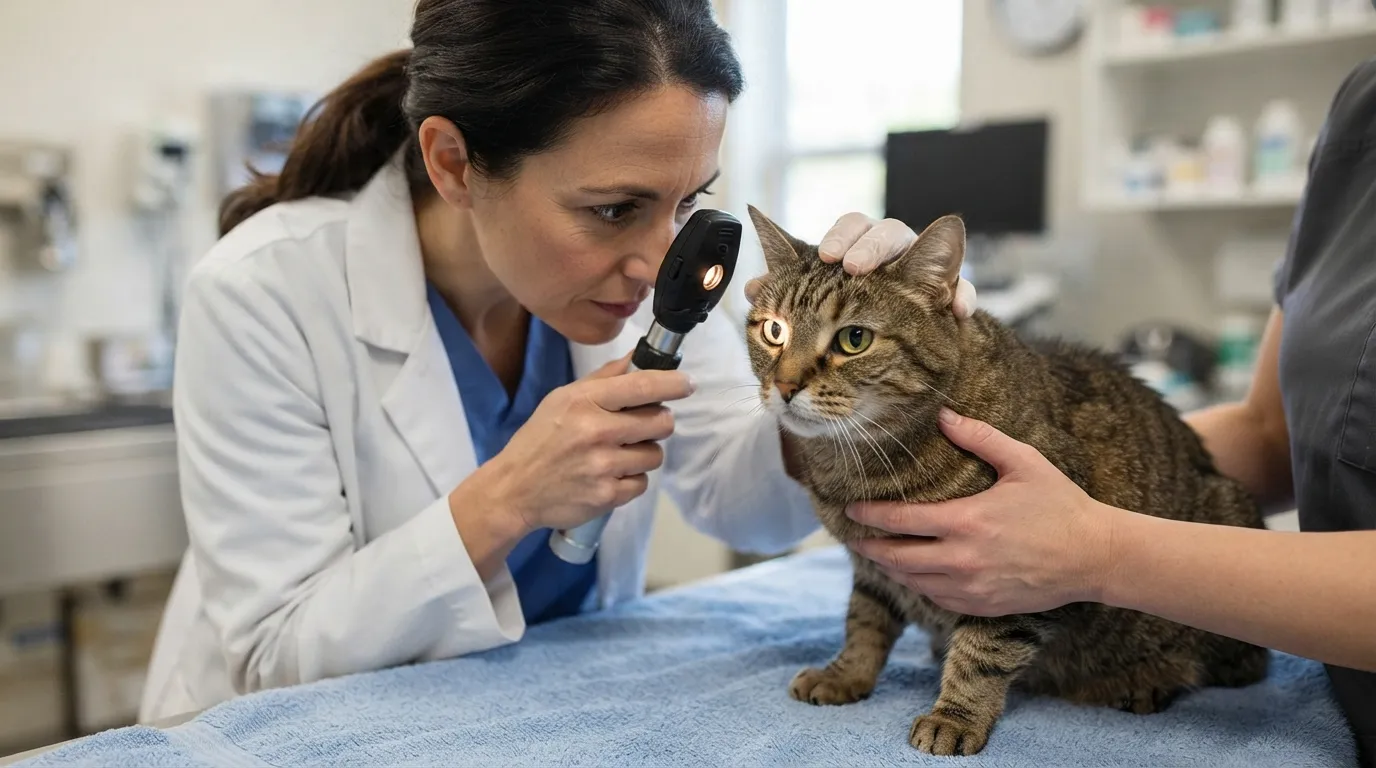
Your cat's eyes aren't just windows to their soul. They're a direct line into cardiovascular and neurological health.
Vets use a specialized ophthalmoscope to look for retinal hemorrhages, detachments, and pressure changes - signs of serious systemic disease. Any cat at risk of hypertension should get this check.
Sudden blindness in cats is often caused by undetected hypertension, and it can happen overnight. The retina simply detaches, and vision is gone.
Twice-yearly eye exams, especially past age eight, can catch the vascular changes that come before that catastrophic moment.
#8 - Lymph Node Palpation
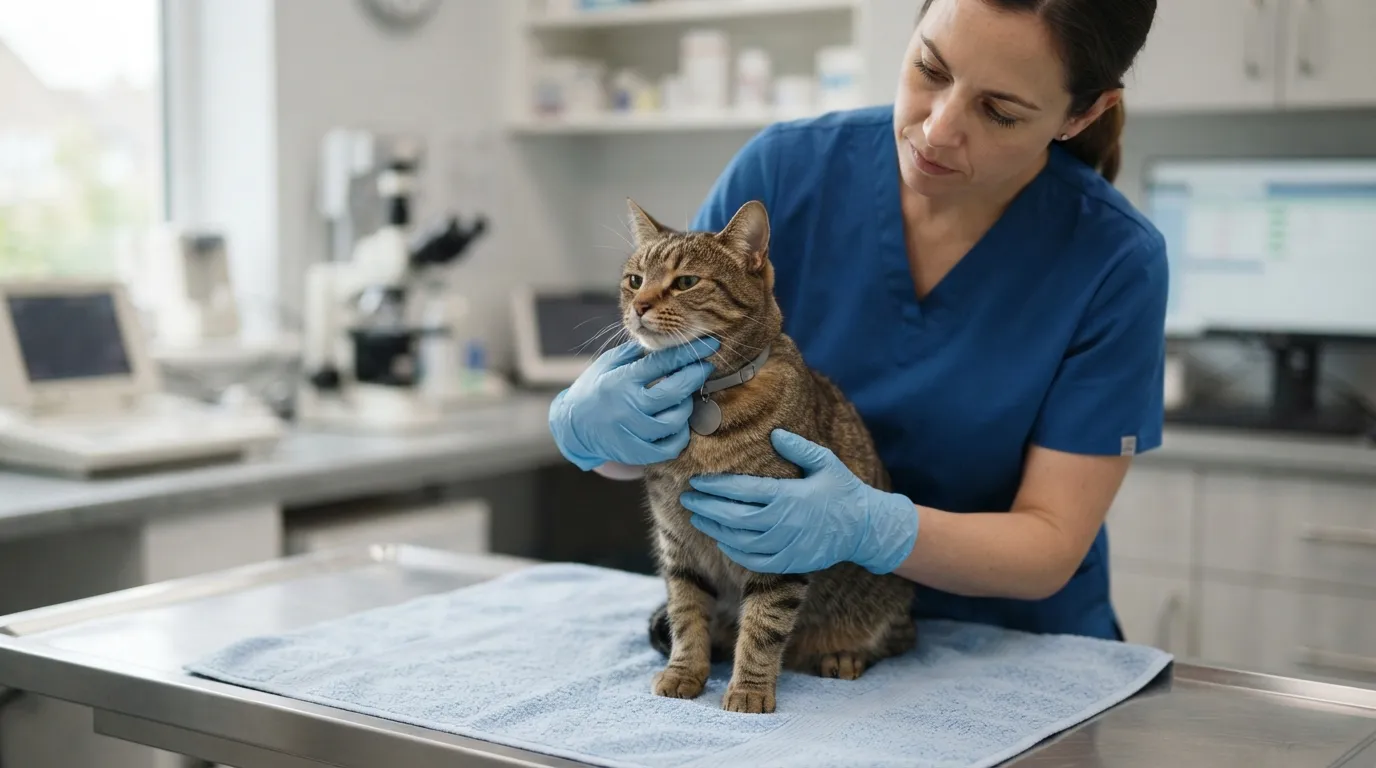
It takes a vet about 30 seconds - and it can uncover one of the most serious diagnoses in feline medicine.
Vets check lymph nodes around the head, neck, and hind legs for swelling or pain. Enlarged nodes are a classic early sign of lymphoma, one of the most common cancers in cats.
Lymphoma accounts for a significant share of all feline cancers, and early detection dramatically improves outcomes. Swollen nodes rarely hurt, so most cats never react - and most owners never notice.
Twice-yearly palpation means no window of growth goes unchecked for more than six months.
#7 - Heart and Lung Auscultation
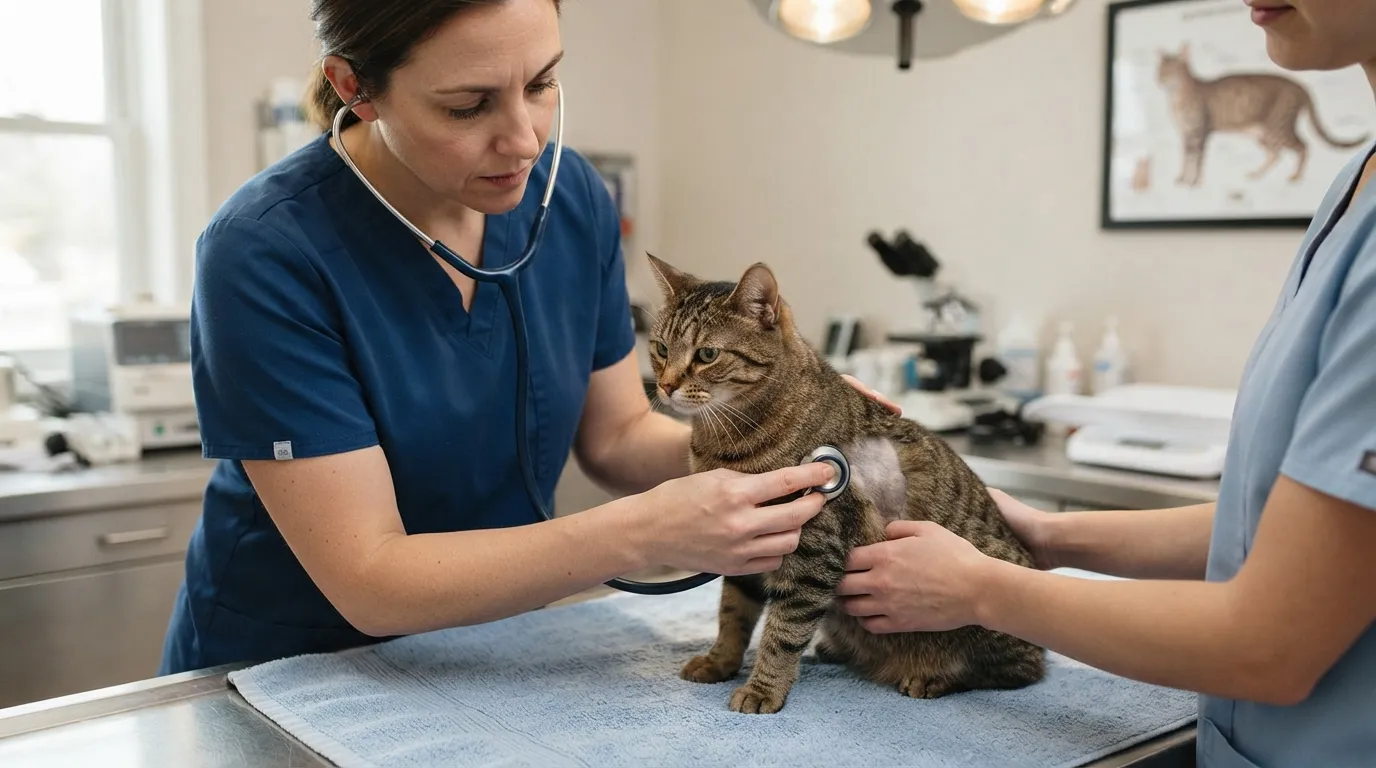
Cats can live with heart disease for years before showing a single visible symptom. That's what makes this check so critical.
The vet listens to both sides of the heart and lungs in multiple spots, checking for murmurs, arrhythmia, or abnormal sounds like crackles.
At a Glance
- Hypertrophic cardiomyopathy (HCM) is the most frequently diagnosed heart condition in cats.
- Research puts its prevalence at roughly 1 in 7 cats overall.
- The condition becomes more common as cats age.
- Many affected cats show zero outward symptoms until the disease is advanced.
Heart murmurs in cats are often silent discoveries, found only during a routine listen with a stethoscope. Hypertrophic cardiomyopathy, the most common feline heart disease, can hide for years before causing breathing trouble or collapse.
Twice a year, this 60-second listen can be the earliest warning that a cat's heart is under stress - long before a crisis hits.
#6 - Abdominal Palpation
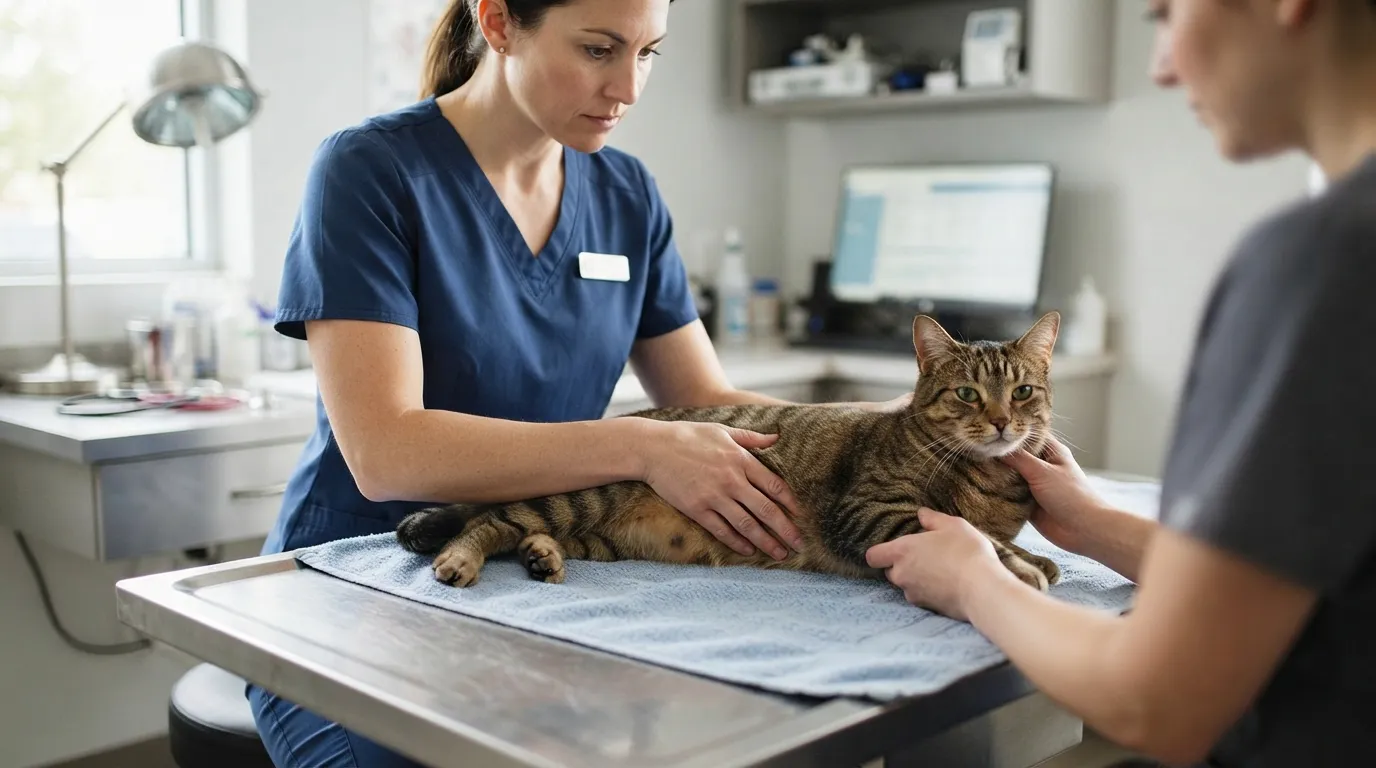
Vets can feel things inside your cat's abdomen that no amount of home observation will ever reveal.
By gently pressing the abdomen, they can assess the kidneys, stomach, intestines, spleen, and bladder for masses or pain.
An enlarged spleen, firm kidneys, or a palpable mass are things your cat will never communicate - but experienced hands can find them. This is also how vets establish what's "normal" for your specific cat.
Done twice a year, abdominal palpation builds a tactile history, so any change in organ size gets flagged early instead of after symptoms show up.
#5 - Fecal Parasite Exam
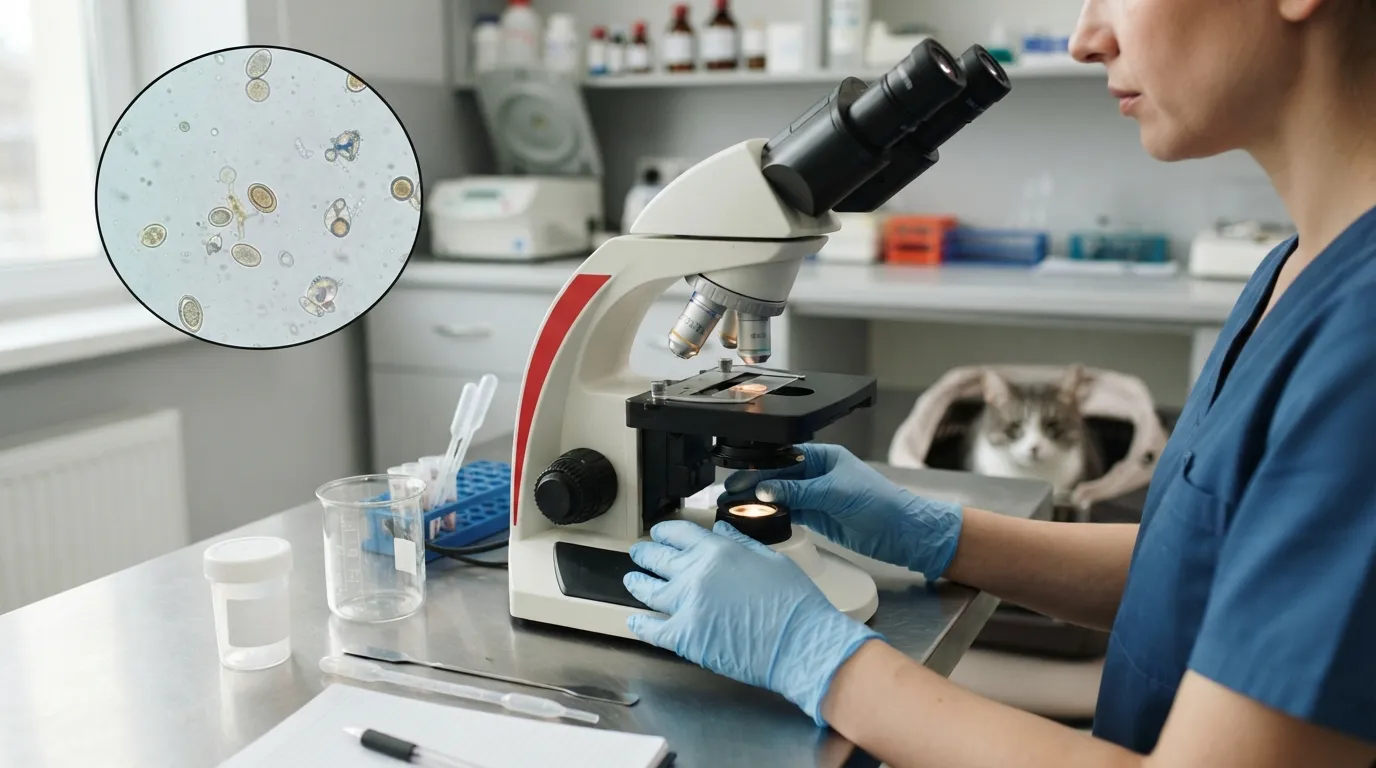
Here's something that surprises most owners: intestinal parasites can live in your cat's gut even when the stool looks completely normal.
Roundworms, hookworms, giardia, and coccidia don't always cause visible diarrhea, especially in adult cats with a strong immune system. A stool sample should be checked at least once a year, and ideally twice.
Some of these parasites are zoonotic, meaning they can transfer from your cat to you or your children. This makes the fecal exam a household health issue, not just a cat one.
Don't assume an indoor cat is automatically safe - parasites can hitch a ride in on tracked-in soil.
#4 - Body Weight and Condition Score
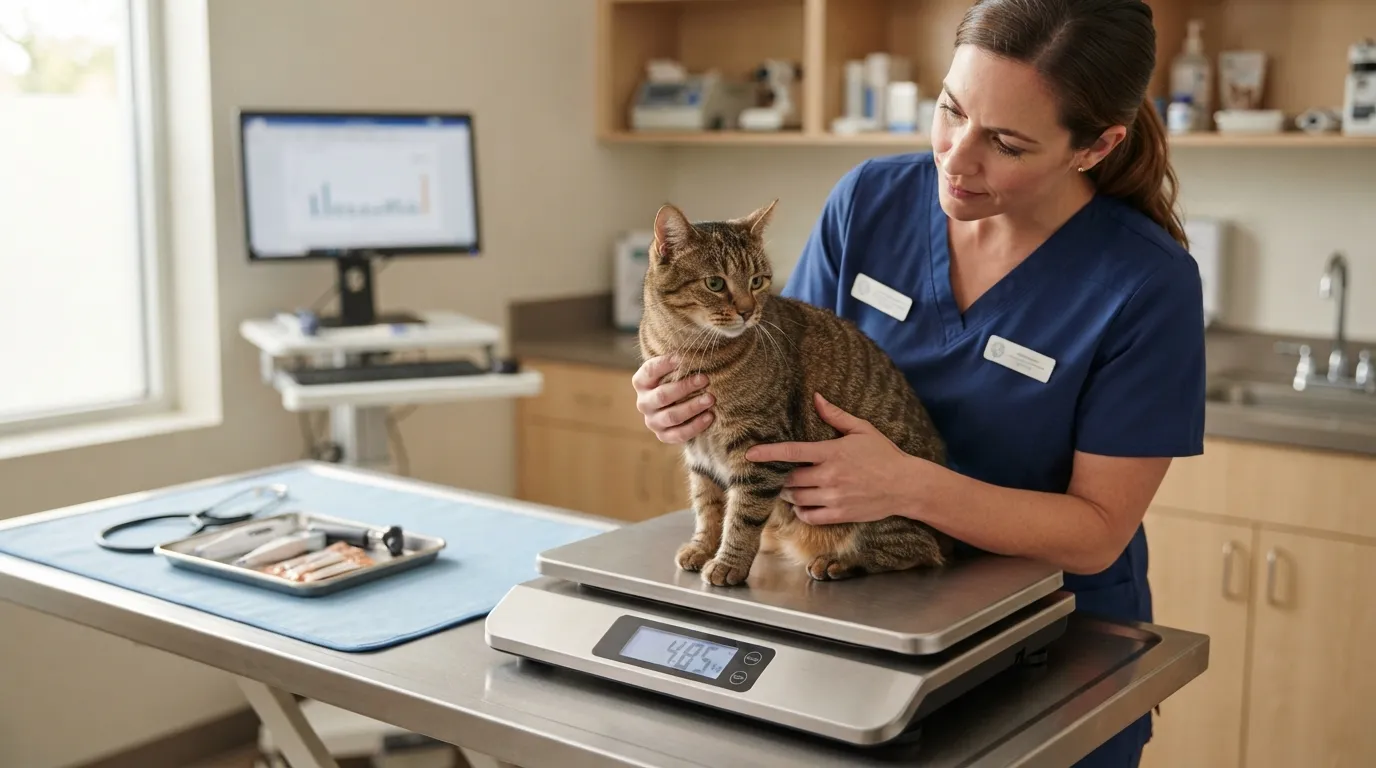
A cat gaining a pound sounds harmless. Losing half a pound sounds trivial. Vets know both can signal serious disease.
Every wellness visit should track body weight, but the real value comes from the trend data built over twice-yearly visits. A cat losing weight while eating normally is a classic red flag for hyperthyroidism, diabetes, or cancer.
Obesity in cats significantly raises the risk of diabetes, arthritis, and liver disease. Most owners never notice their cat is overweight, because the change happens so gradually.
A body condition score tracked every six months catches the creep before it becomes a crisis - and unexpected weight loss is far easier to act on at six months than at eighteen.
#3 - Ear, Skin, and Coat Examination
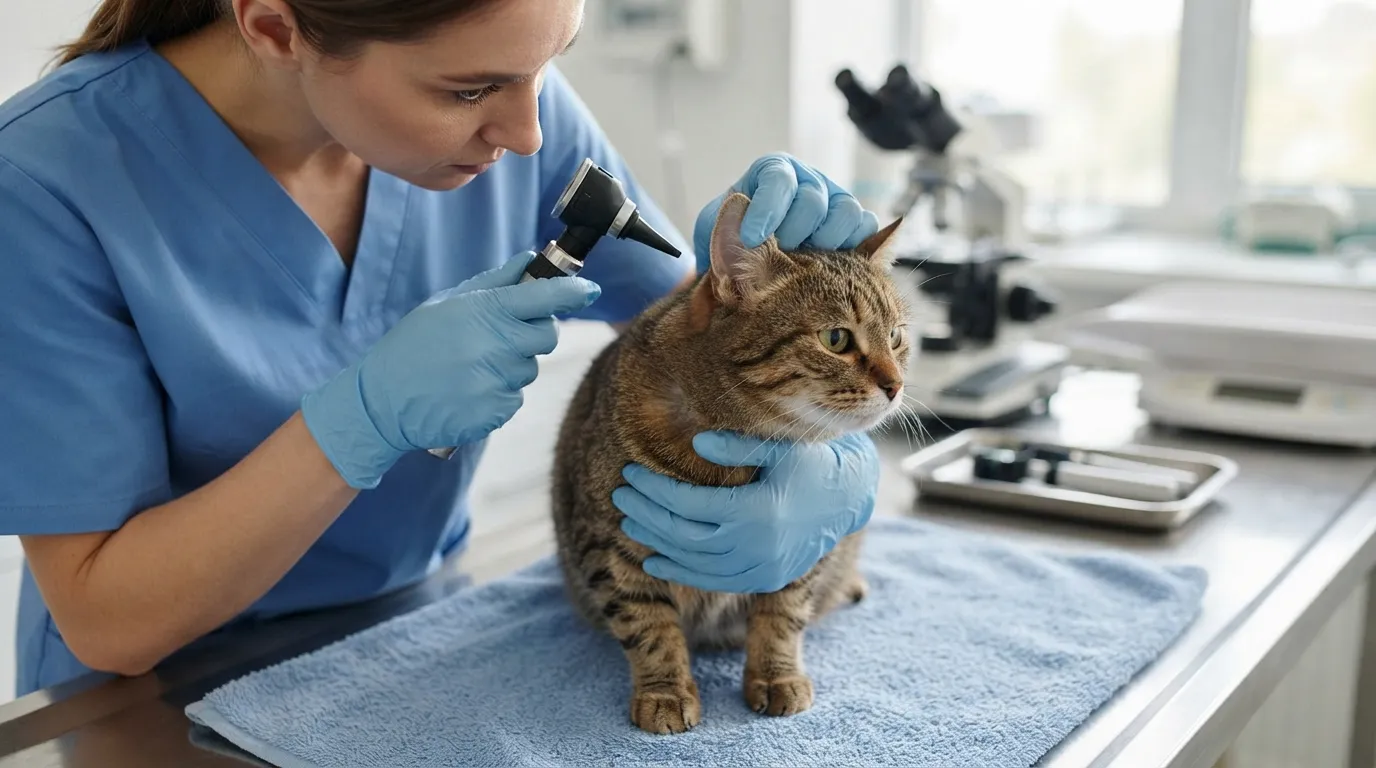
Your cat's skin and coat are like a health report card - and most owners only ever glance at it.
Vets check for fleas, dandruff, and mats, plus paw pads and the spaces between toes. Chronic skin issues can point to allergies, hormonal imbalance, or immune disorders, while untreated ear infections can spread inward and affect balance and hearing.
A dull, unkempt coat in a cat that used to groom well is often one of the first visible signs of pain, illness, or depression. Vets know exactly what a healthy coat looks like for your cat - and exactly what changed.
Twice-yearly checks make deviations from your cat's personal baseline impossible to miss.
#2 - Behavioral and Lifestyle Review

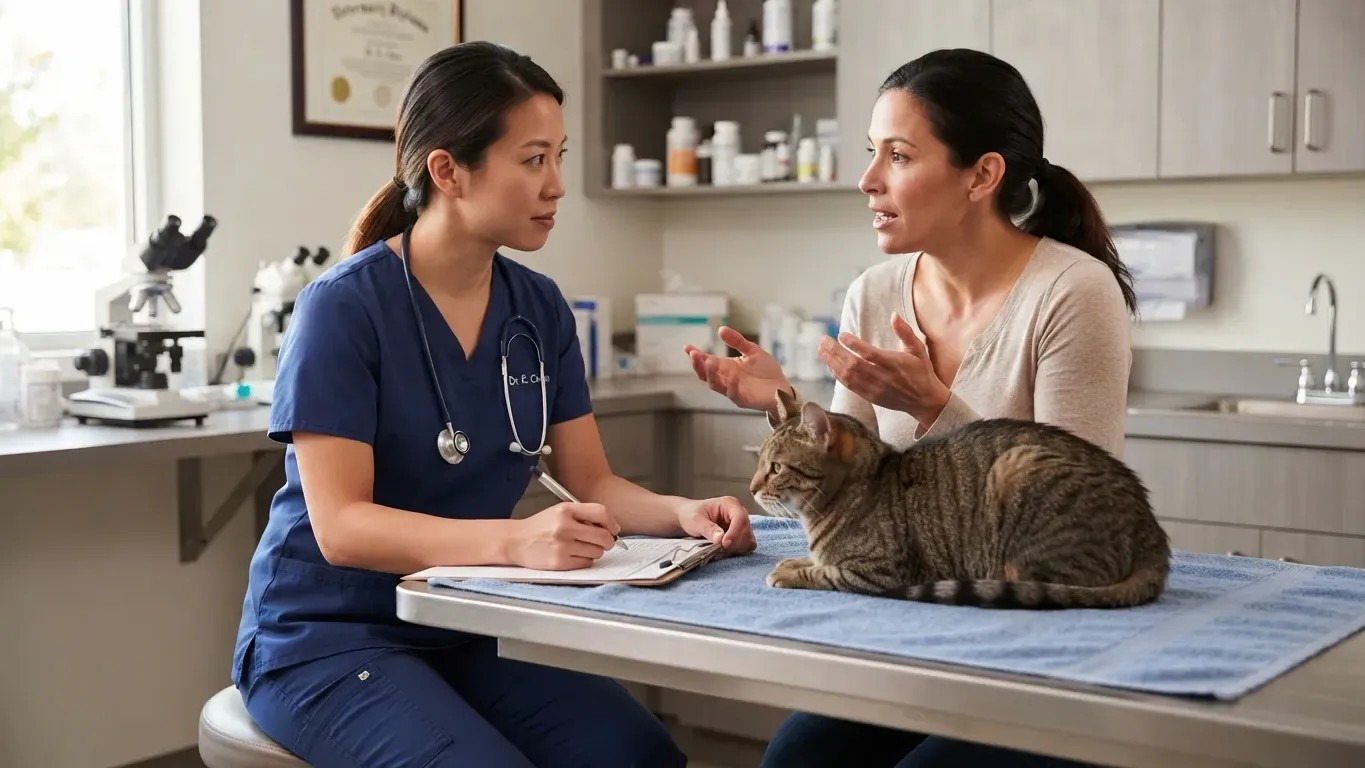
Vets aren't just making small talk about your cat's day. They're screening for early neurological, cognitive, and pain-related conditions - and most owners talk right through it.
Questions about diet, water intake, breathing, litter box habits, and sleeping spots aren't filler. They're clinical clues.
Increased thirst is one of the earliest indicators of diabetes and kidney disease in cats, and it's information only you can provide. This conversation is not small talk - it's diagnostic.
Twice a year means two chances to report changes before they worsen, and what feels minor to you can be major to a trained clinician.
#1 - Senior-Specific Screening Panel (The Full Six-Month Protocol)
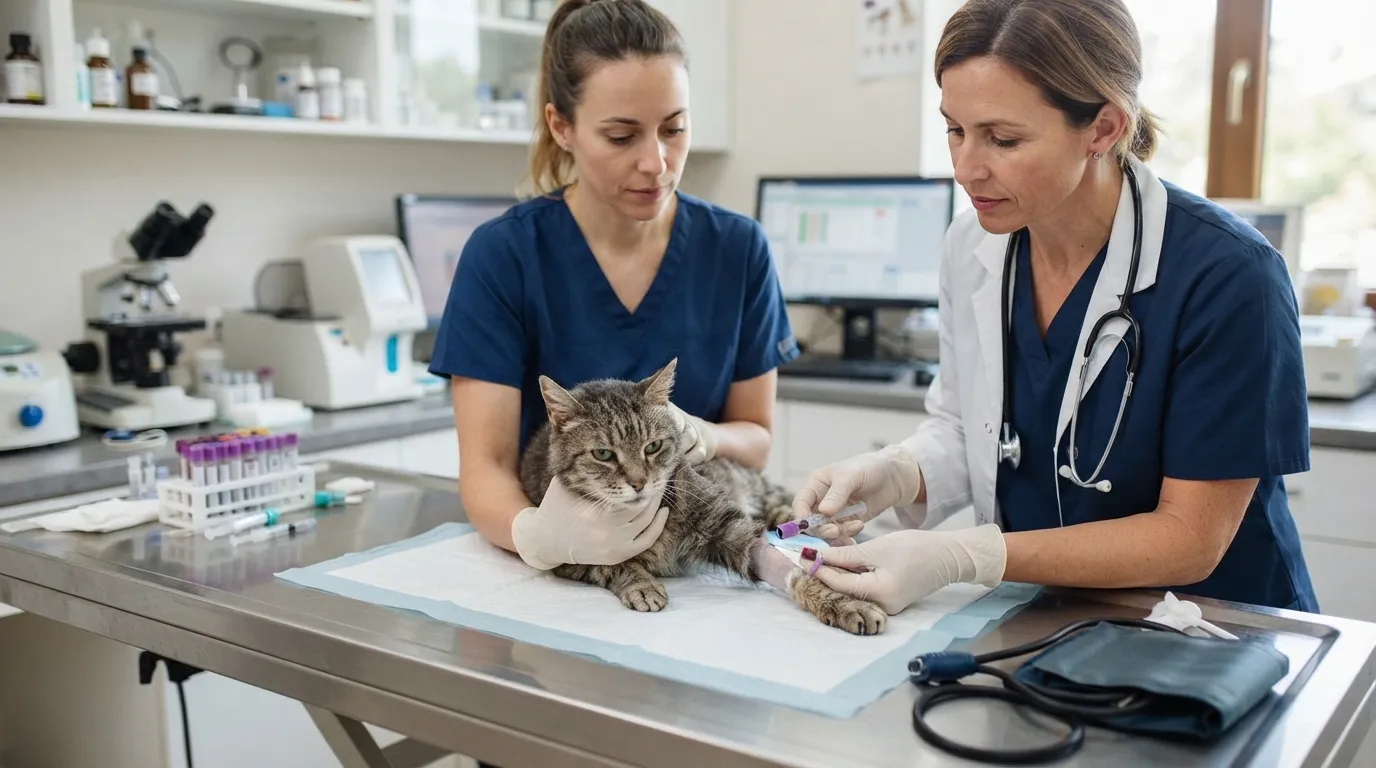
This is the check vets are most passionate about - and the one most commonly skipped. For cats over eight, it isn't optional.
The real power comes from running a full panel at every twice-yearly visit: CBC, extended chemistry, thyroid screening, urinalysis, and fecal testing, all at once.
Because so many diseases cluster in older cats, this combined screen catches kidney disease, diabetes, hyperthyroidism, hypertension, and cancer at stages where intervention still works.
Quick Compare: Once a Year vs. Twice a Year
- Once a year: Roughly equal to a human visiting the doctor only once every three to four years.
- Twice a year: Cuts that gap in half, giving vets two chances to catch disease before it progresses.
- Once a year: Conditions like kidney disease or hyperthyroidism are often moderate to advanced at diagnosis.
- Twice a year: Trend data across visits flags subtle shifts while treatment is still simple and affordable.
A yearly check-up for an older cat is the equivalent of a human seeing a doctor once every three to four years. This single protocol, repeated without fail, is what separates cats that live to 18 from those that crash at 13.
The Bottom Line
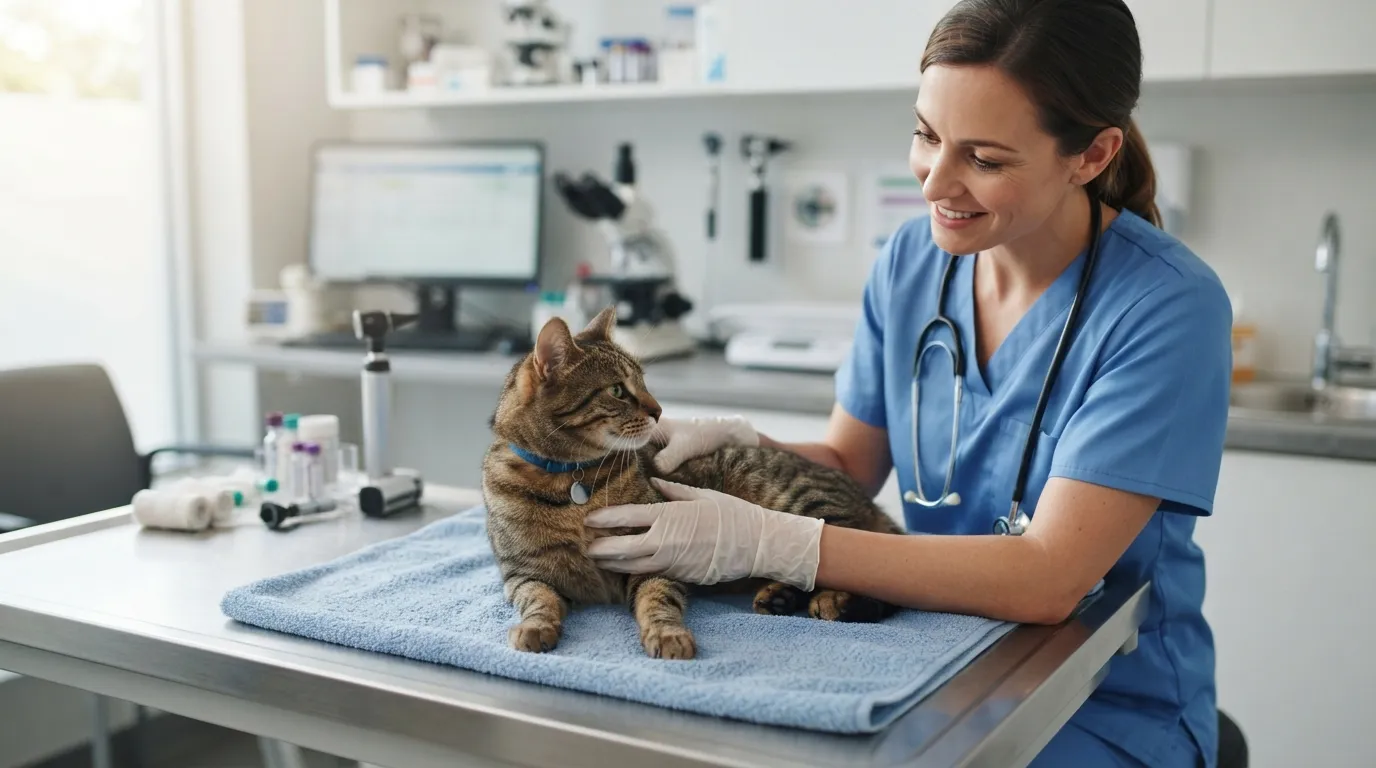
Cats are biologically wired to hide illness, and most owners are working without the full picture. Even healthy cats should be examined at least once a year, and preferably twice.
These 16 checks aren't luxuries. They're the early-warning system your cat can't ask for themselves.
Blood pressure, thyroid levels, kidney values, lymph nodes, dental health, and behavior are all detectable long before they become emergencies. Book that second appointment - your cat is counting on you to notice what they're working so hard to hide.
Which of these 16 checks surprised you most? Drop it in the comments.