16 Reasons a Home Cat Lives Longer Than a Cat That Roams Outside Freely
Picture a cat stretched out on a fence post in the sun, tail flicking, king of the block. It looks like the good life. It looks like freedom.
That image is a lie. An indoor cat can expect 15 to 17 years on this earth. A cat that roams freely outside? Researchers at UC Davis put the number at just 2 to 5 years.
That's not a small gap - that's a decade or more of stolen life, and most owners have no idea where those years go. Sixteen forces are quietly working against every cat that walks out the door, and the first killer on this list isn't the one most people brace for.
#16 - The Raw Numbers Are Staggering
Let's start with the gap itself, because it's almost too big to believe.
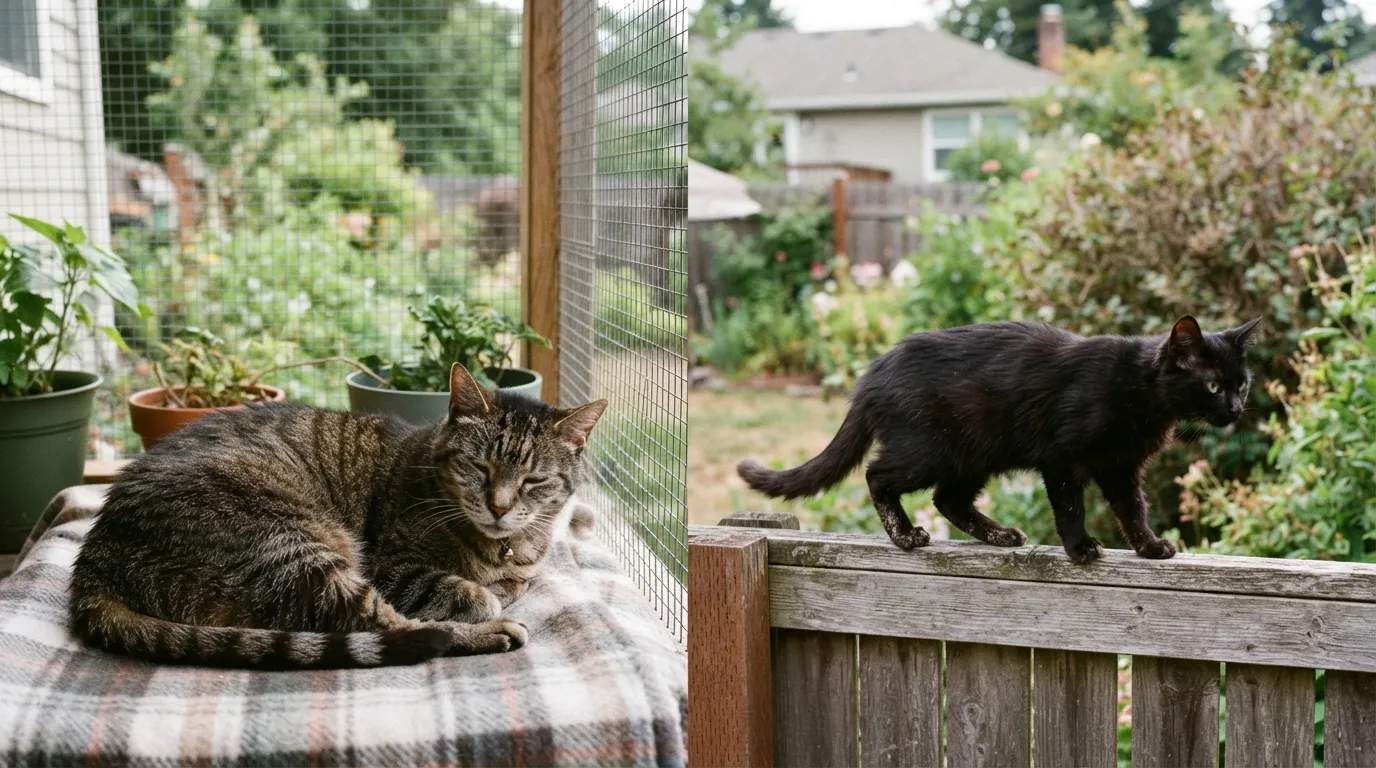
An all-indoor cat averages 13 to 17 years. A cat allowed to roam free survives, on average, just 2 to 5 years. Indoor cats routinely live three to four times longer than their outdoor counterparts.
At a Glance
- Indoor-only cats: typically 13-17 years, many reach their 20s
- Outdoor-only cats: typically just 2-5 years
- Cats with limited, supervised outdoor access: lifespan close to indoor-only cats
- The gap: outdoor-only cats often live three to four times shorter lives
The single biggest decision you'll ever make for your cat's lifespan isn't diet, breed, or even the vet you choose - it's whether you let it outside. That's not opinion. That's what the data show, over and over, across multiple large-scale studies.
But numbers alone don't explain why. The first killer on this list isn't the one most owners suspect.
#15 - Traffic Is the Silent Number-One Killer
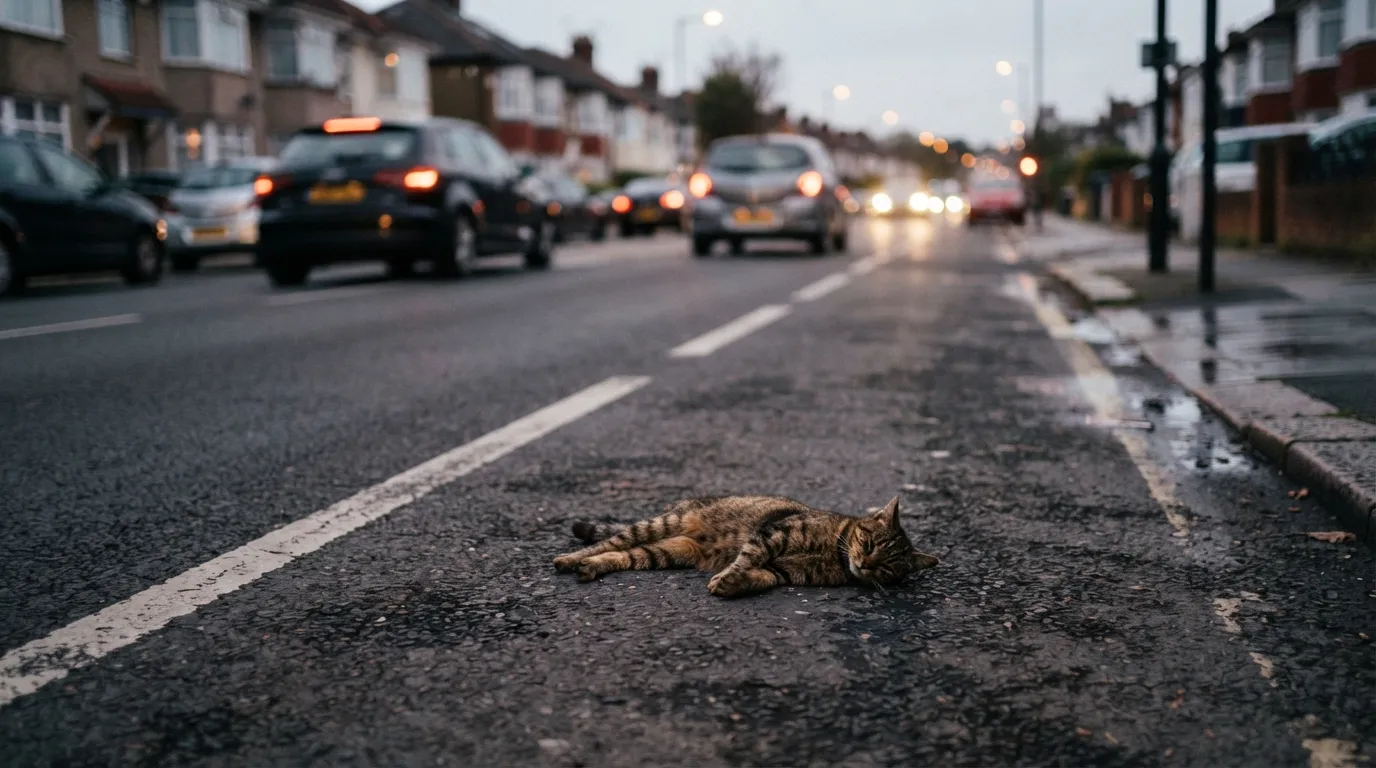
Everyone knows cars are dangerous. Most owners just assume their cat is street-smart enough to dodge one.
A 2025 study found road traffic accidents cause over 61% of deaths in kittens under one year old. In some regions, up to 24% of cats get struck by a car in their lifetime - and about 70% of those hits are fatal.
Here's the uncomfortable truth: your cat doesn't understand traffic. It understands predators and prey, and a two-ton vehicle just doesn't register the same way a dog does.
One Canadian veterinary clinic study found trauma caused 39% of sudden cat deaths - and 87% of those were motor vehicle accidents. Indoor cats face exactly zero of that risk.
That alone explains a huge chunk of the lifespan gap. But the next threat doesn't need a road - it just needs one bite.
#14 - FIV Is the Feline AIDS Nobody Talks About
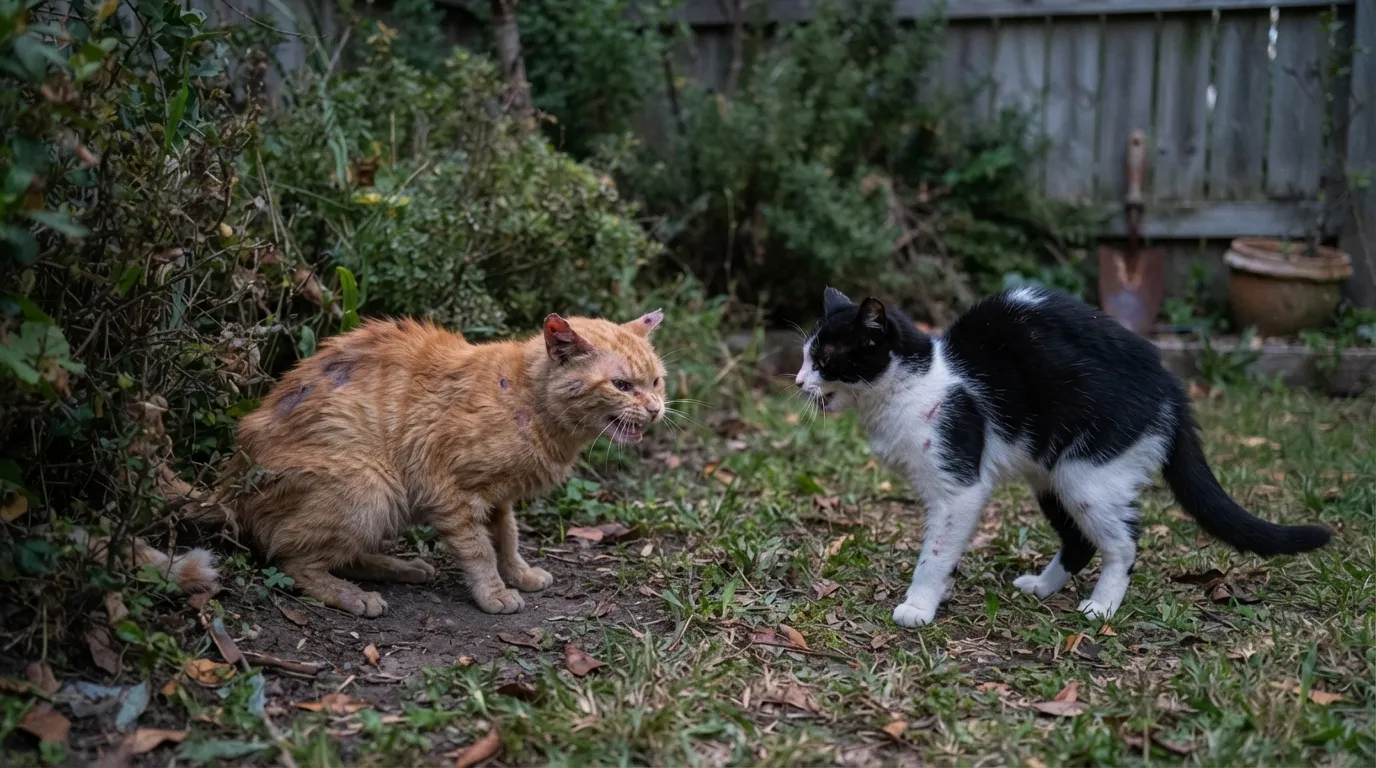
Feline Immunodeficiency Virus is one of the quietest tragedies in veterinary medicine, and outdoor cats are its primary victims.
FIV and Feline Leukemia Virus (FeLV) spread mainly through territorial fights - one bite from an infected rival is all it takes. Outdoor cats constantly cross paths with strays, ferals, and wildlife, and every encounter is a roll of the dice.
FIV has no cure. Once a cat is infected, the virus stays for life. Cats that never fight for territory, because they never leave the living room, are almost entirely shielded from it.
It's not just the virus itself that kills. It's the slow immune collapse that follows, sometimes for years. And the next threat is even easier to catch than a virus.
#13 - Parasites Quietly Drain a Cat's Health
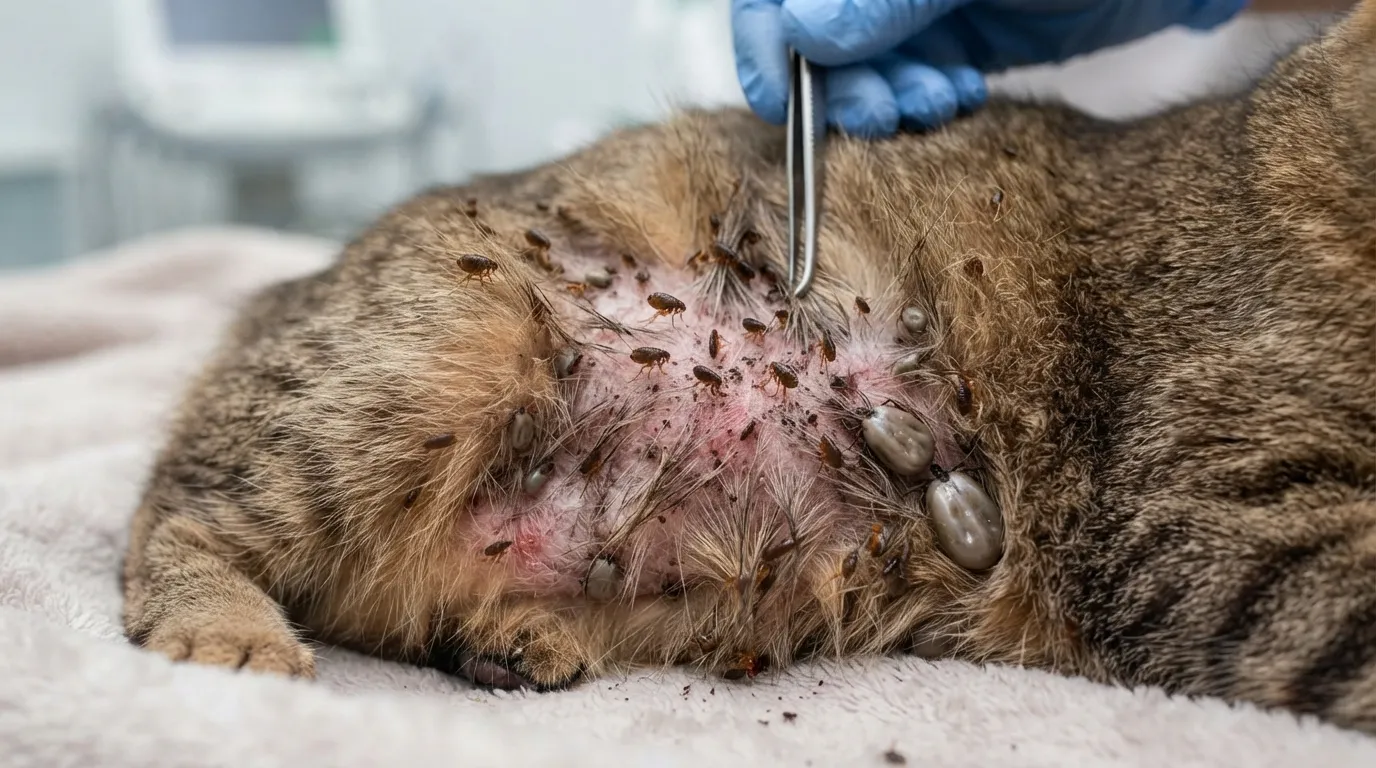
Fleas and ticks aren't just itchy nuisances. They're vectors for serious disease, and outdoor cats are exposed to them nonstop.
Internal parasites like helminths and protozoans, plus external ones like fleas and ticks, cause everything from anemia to full-body malaise - especially in young or old cats.
A heavily flea-infested kitten can actually die from blood loss - a fact that shocks most first-time cat owners. Indoor cats face far lower parasite loads, and when parasites do show up, they're easier to catch and treat early.
That damage compounds silently over years. But the next danger doesn't even need another creature to be present.
#12 - Predators Remind Cats They're Not Always the Top of the Food Chain
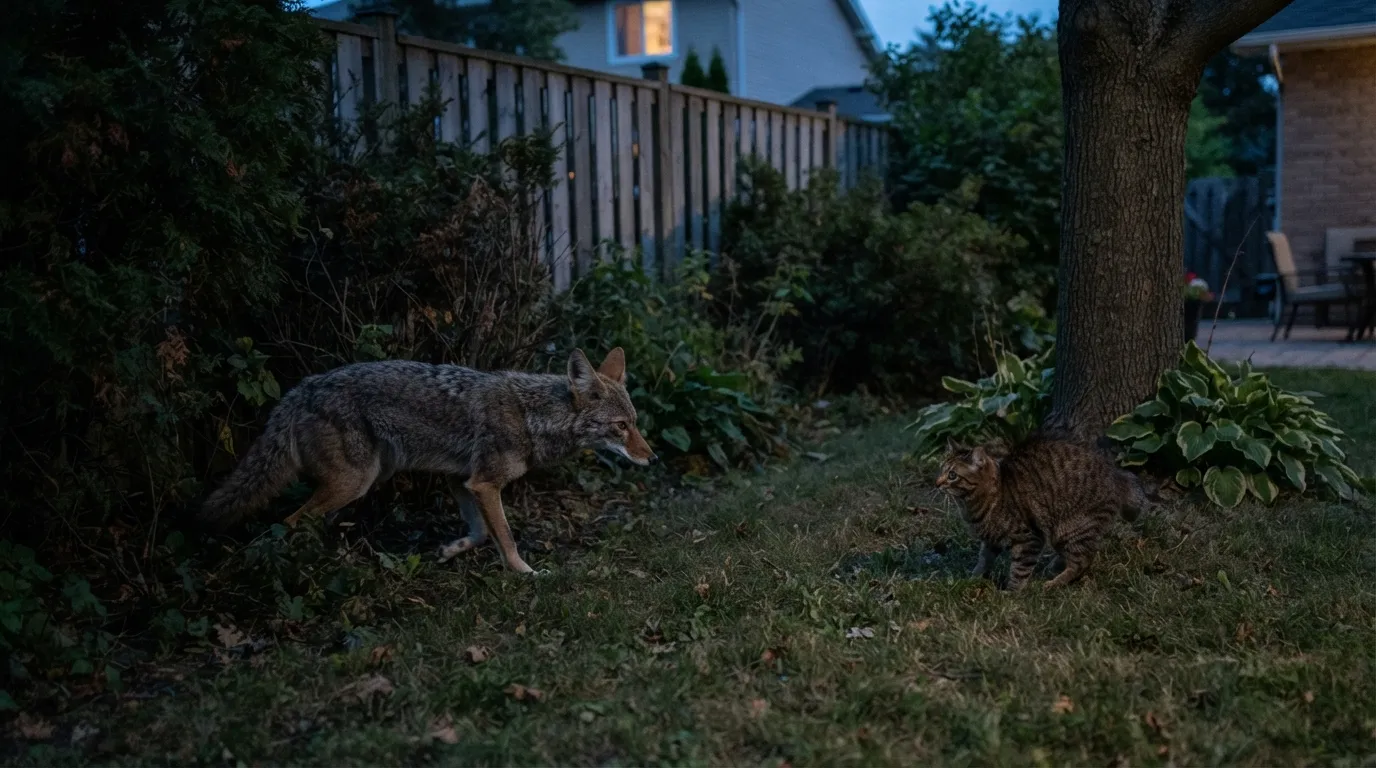
Most owners picture their cat as the toughest thing in the yard. The truth is more humbling.
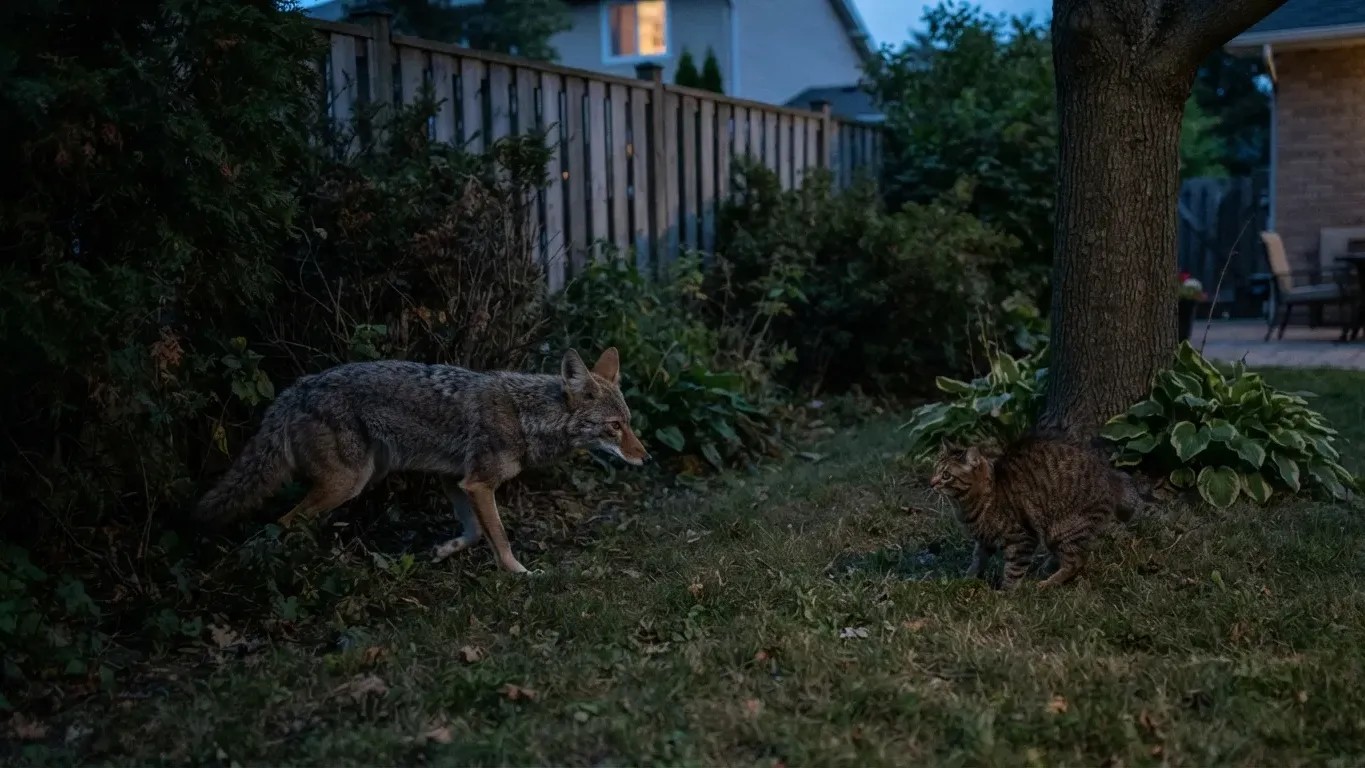
Coyotes have expanded into suburban neighborhoods across North America, and a house cat fits squarely within their prey profile. Foxes, large birds of prey, and even alligators pose the same risk in certain regions.
Coyote attacks on outdoor cats aren't a rural problem anymore - they happen in quiet suburbs, regularly. A cat that survives the encounter often dies days later from infected bite wounds. Indoor cats face none of it; four walls are, quite literally, a lifesaving barrier.
But predators need your cat to be outside at the wrong moment. The next danger is lurking even in a perfectly nice garden.
#11 - Toxins Hide in Plain Sight, Even in a Nice Garden
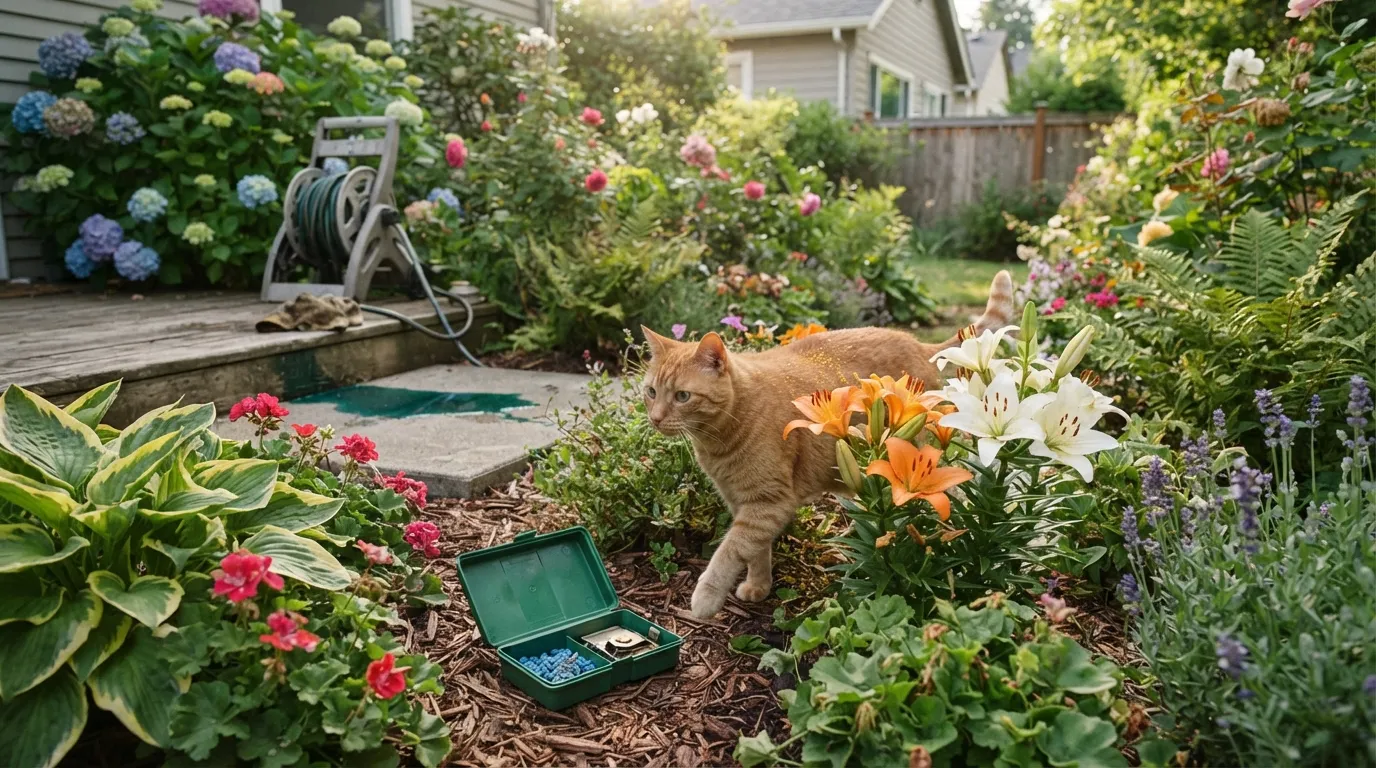
The neighbor's flower bed, the road runoff, the rat bait three houses down - the outdoor world is chemically hostile to cats.
Antifreeze tastes sweet to cats and causes fatal kidney failure within hours. Rodenticides and common garden plants add even more hidden risk.
Even a small amount of pollen from a true lily can shut down a cat's kidneys completely. Indoors, owners control exactly what their cat can reach - a level of protection that's simply impossible to recreate outside.
The next reason is less dramatic, but just as deadly over a lifetime - and almost nobody connects it to roaming.
#10 - Chronic Stress Silently Wears the Body Down
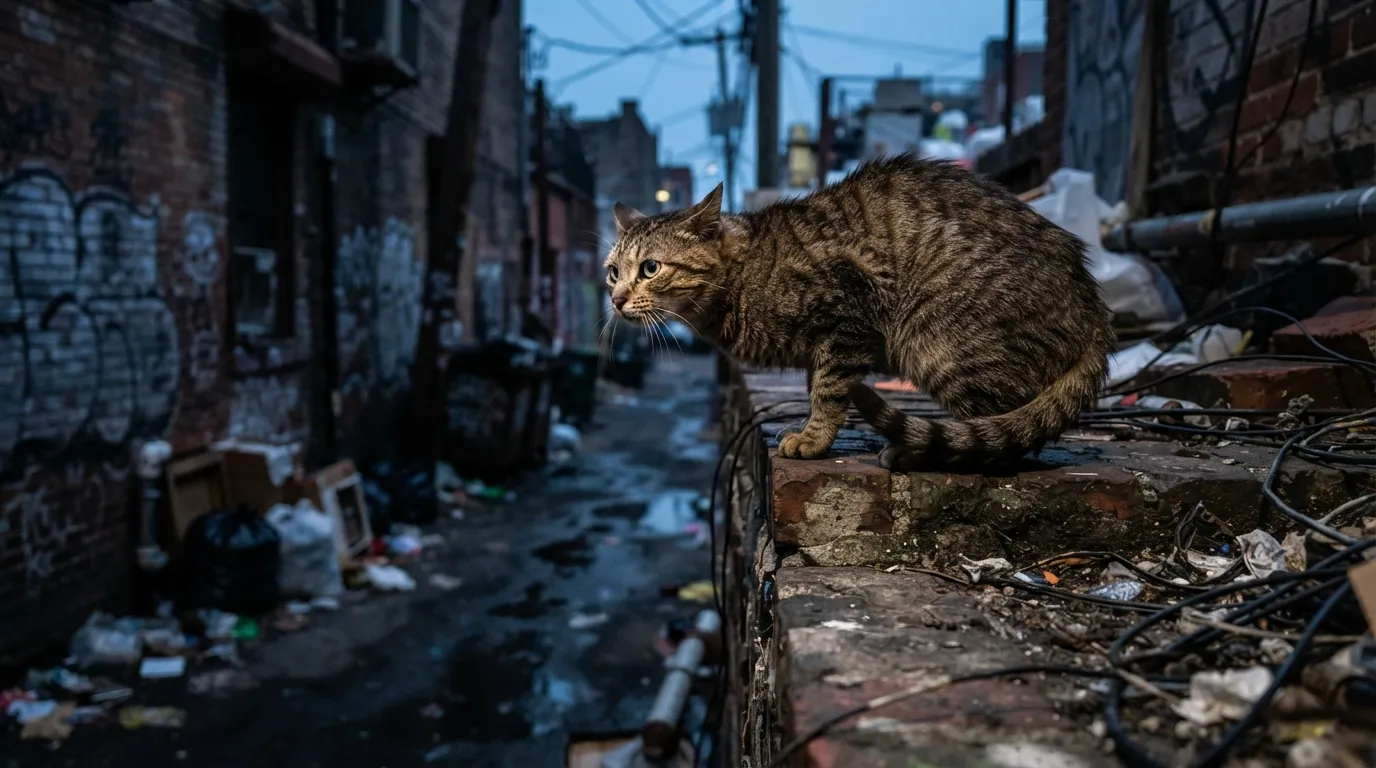
Free-roaming life isn't relaxing. It's a nonstop threat assessment that never fully shuts off.
Outdoor cats live with territorial stress from other animals, unpredictable dangers, and constant vigilance against predators. That chronic cortisol load suppresses the immune system and quietly accelerates aging.
A stable indoor life actually lowers a cat's overall stress load - the opposite of what most people assume about "freedom." That difference chips away at resilience for years before it ever shows up as illness.
What's next is one of the most underrated reasons on this whole list - and it has nothing to do with outside danger at all.
#9 - Indoor Cats Get to the Vet Before It's Too Late
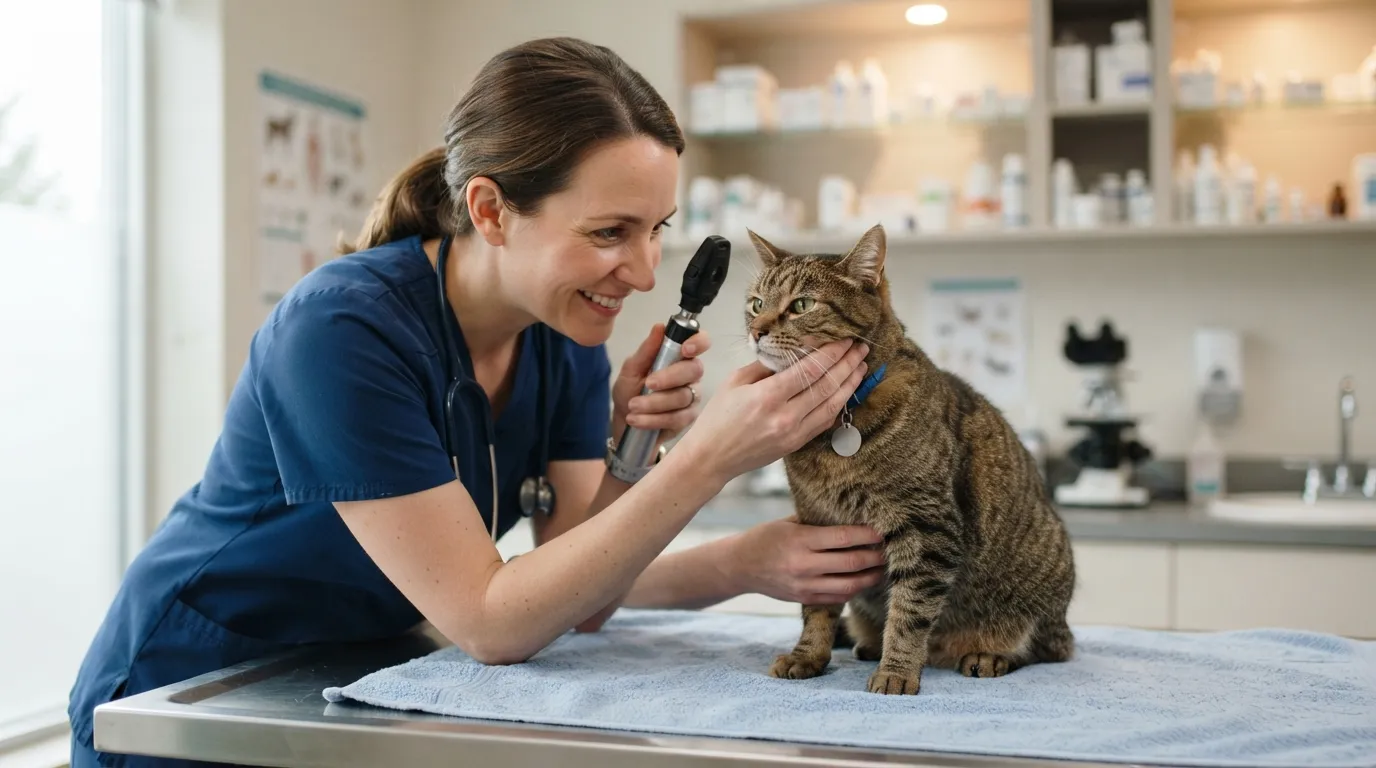
Early detection is one of the quiet heroes of a long cat life, and indoor cats win by default.
You notice a change in appetite. You notice a shift in litter box habits. An outdoor cat can hide the same symptoms for weeks before anyone realizes something is wrong.
Worth Knowing
- A change in appetite or thirst is often the very first warning sign
- Litter box habits can signal kidney or urinary trouble weeks before a cat looks sick
- Cats instinctively hide pain and illness - a survival trick that works against them outdoors
- Daily eyes on your cat at home often act as an early warning system in themselves
Kidney disease, the leading cause of death in older cats, is often manageable when caught early - and almost always fatal when caught late. Indoor life gives owners that early warning window. Outdoor life rarely does.
The next reason directly affects how long the body itself can hold up.
#8 - Controlled Nutrition Keeps the Body Healthier, Longer
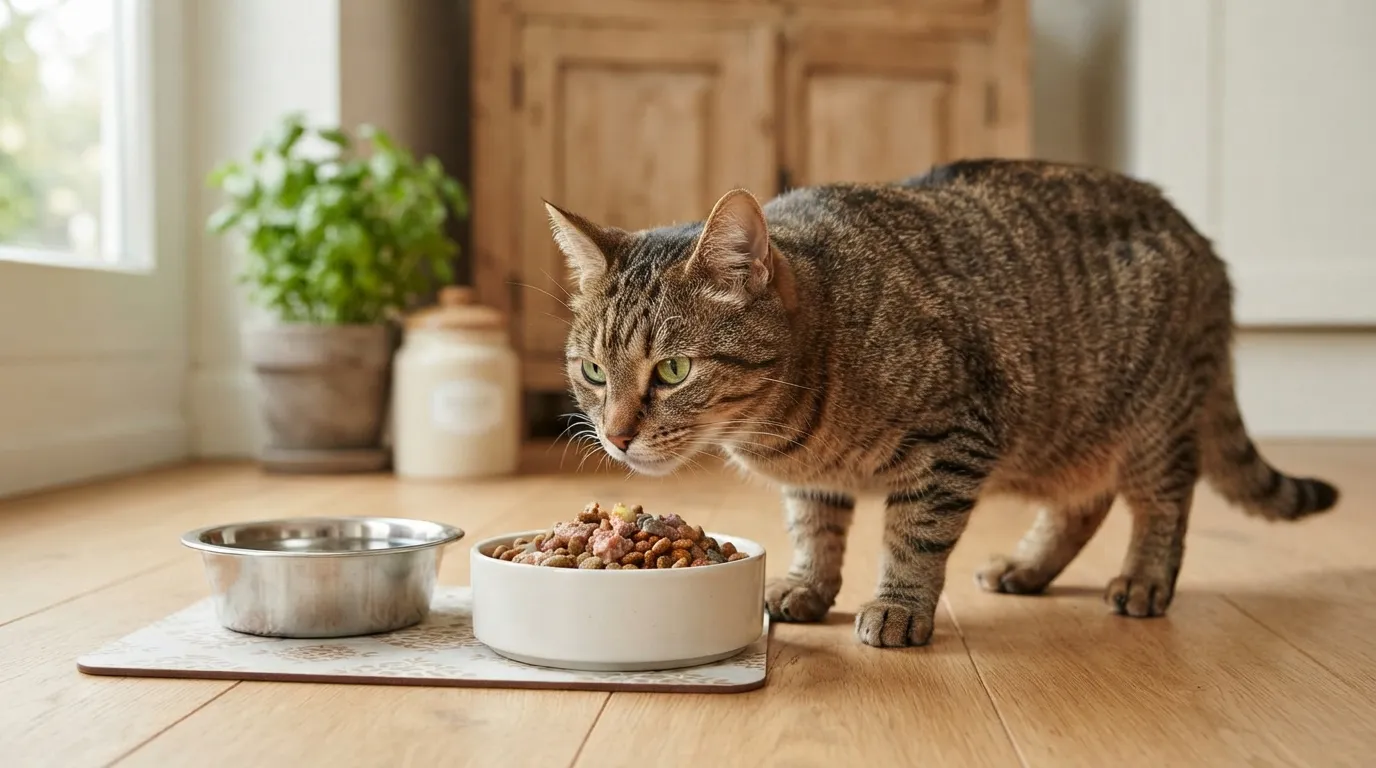
What a cat eats - and how much - shapes the condition of its organs for years to come.
Indoor cats eat exactly what their owners provide, which makes a healthy weight easy to maintain. Outdoor cats scavenge and hunt, which means unpredictable calories, sick prey, and inconsistent nutrition.
Obesity is controllable indoors, but so is the opposite problem - the chronic undereating that free-roaming cats face in harsh winters. Indoor cats land in a nutritional sweet spot that's nearly impossible to hit outside.
And the next reason compounds that benefit even further.
#7 - No Fight Wounds Means No Slow, Hidden Deaths
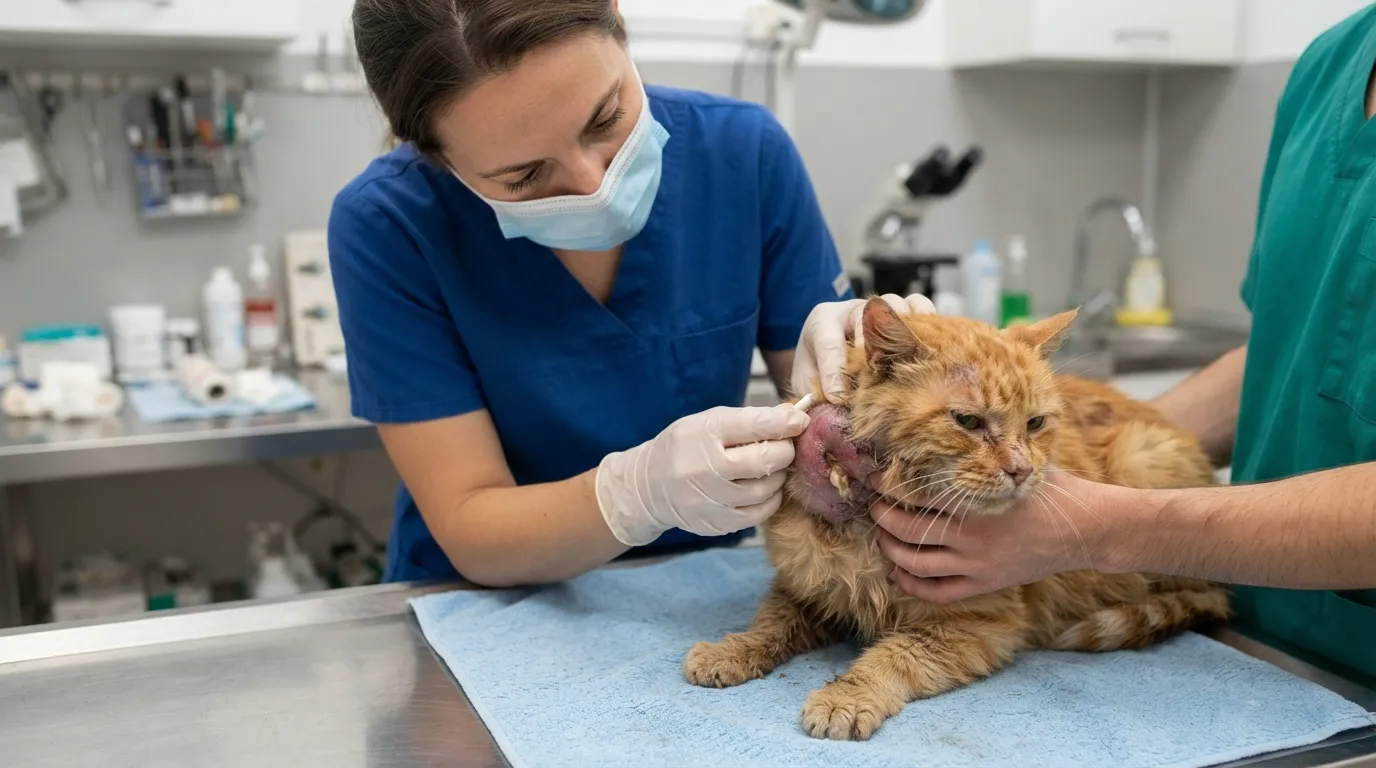
Cat fights are uglier than they look. A bite wound that seals over on the surface can become a life-threatening abscess within 48 hours.
Roaming cats get into territorial fights with other cats, and sometimes with dogs and wild predators. The resulting abscesses are painful, expensive, and if missed, can spread infection into the bloodstream.
The bacteria in a cat's mouth are specifically built to cause deep tissue infection - a rival cat's bite is far more dangerous than it looks. Indoor cats who never meet a rival essentially erase this entire risk category.
What's next is something most people forget even exists as a threat.
#6 - Extreme Weather Can Kill an Unprepared Cat Fast
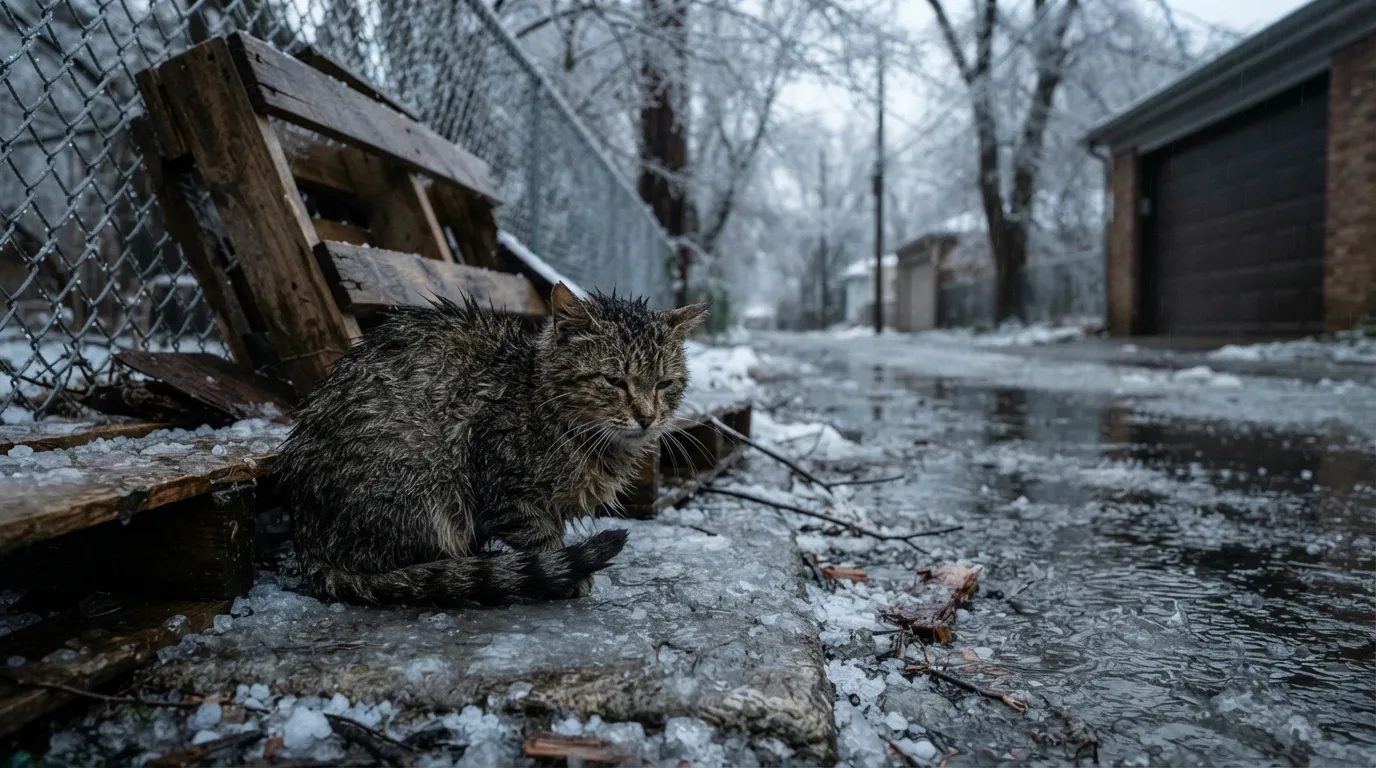
Heat waves, ice storms, flash floods - the outdoor world doesn't care that your cat is small and thin-furred.
Cats are most comfortable between 59 and 86 degrees Fahrenheit. Push past that range, especially while trapped or injured, and hyperthermia or hypothermia can set in fast.
The extreme climates of the outdoors can be very hard on a cat.
Dr. Jeff Levy, DVM, House Call Vet NYC
A cat caught in cold rain with no shelter can develop hypothermia within hours - even in a climate most people would call mild. Indoor cats never face that gamble. It's an obvious protection, but it quietly removes an entire category of mortality risk.
The next reason adds years in a way you can actually measure.
#5 - Rabies Is a Near-100%-Fatal Risk Outdoor Cats Can't Fully Avoid
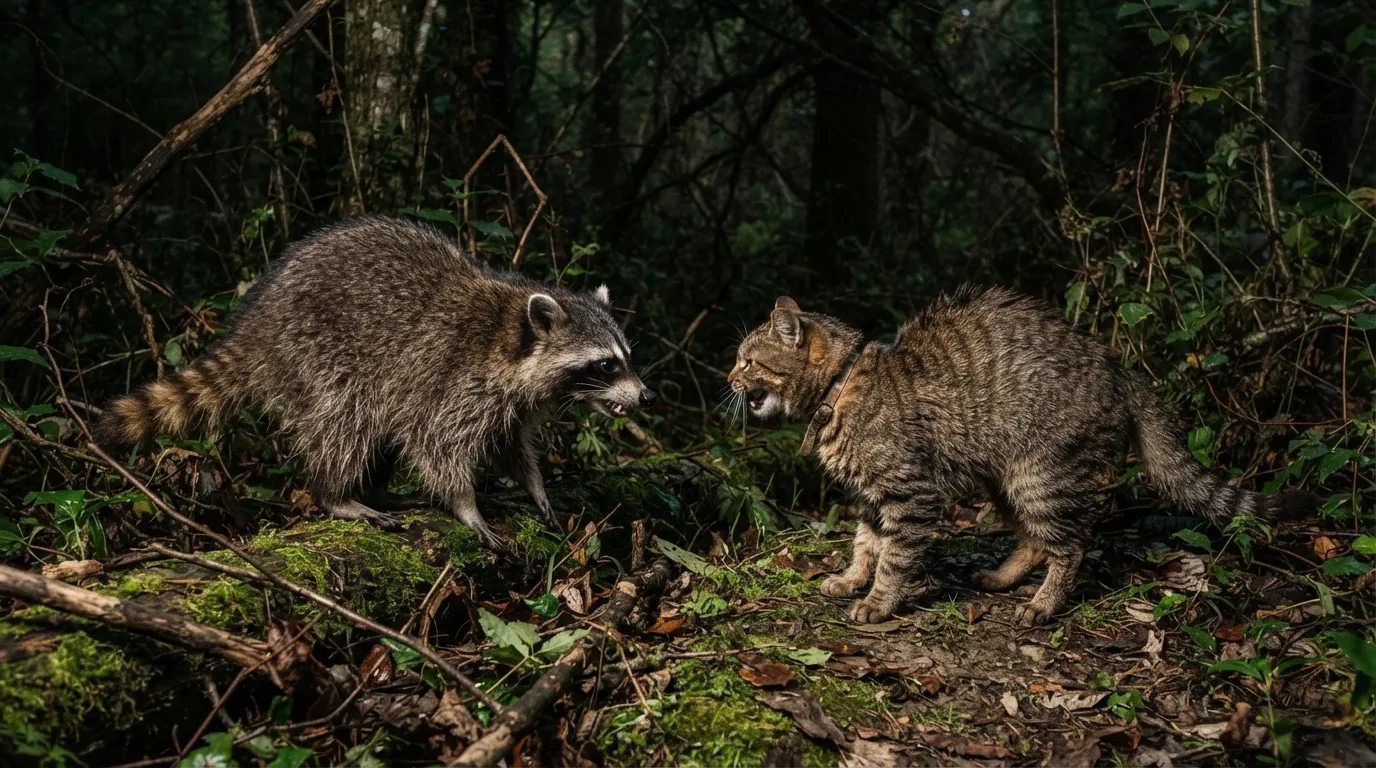
Rabies isn't an abstract fear in many parts of the country. It's a real risk for any cat that contacts wildlife.
It spreads most often through infected wildlife, but also through other free-roaming cats. The disease is nearly always fatal once symptoms appear, and it's zoonotic - meaning your cat can pass it to you.
An indoor cat that never contacts wildlife carries virtually zero rabies risk, regardless of vaccination status. Vaccines help enormously, but they're not perfect. Why carry a risk that can be eliminated entirely?
The next factor on this list quietly compounds every risk before it.
#4 - Getting Lost or Stolen Is a Tragedy Nobody Talks About
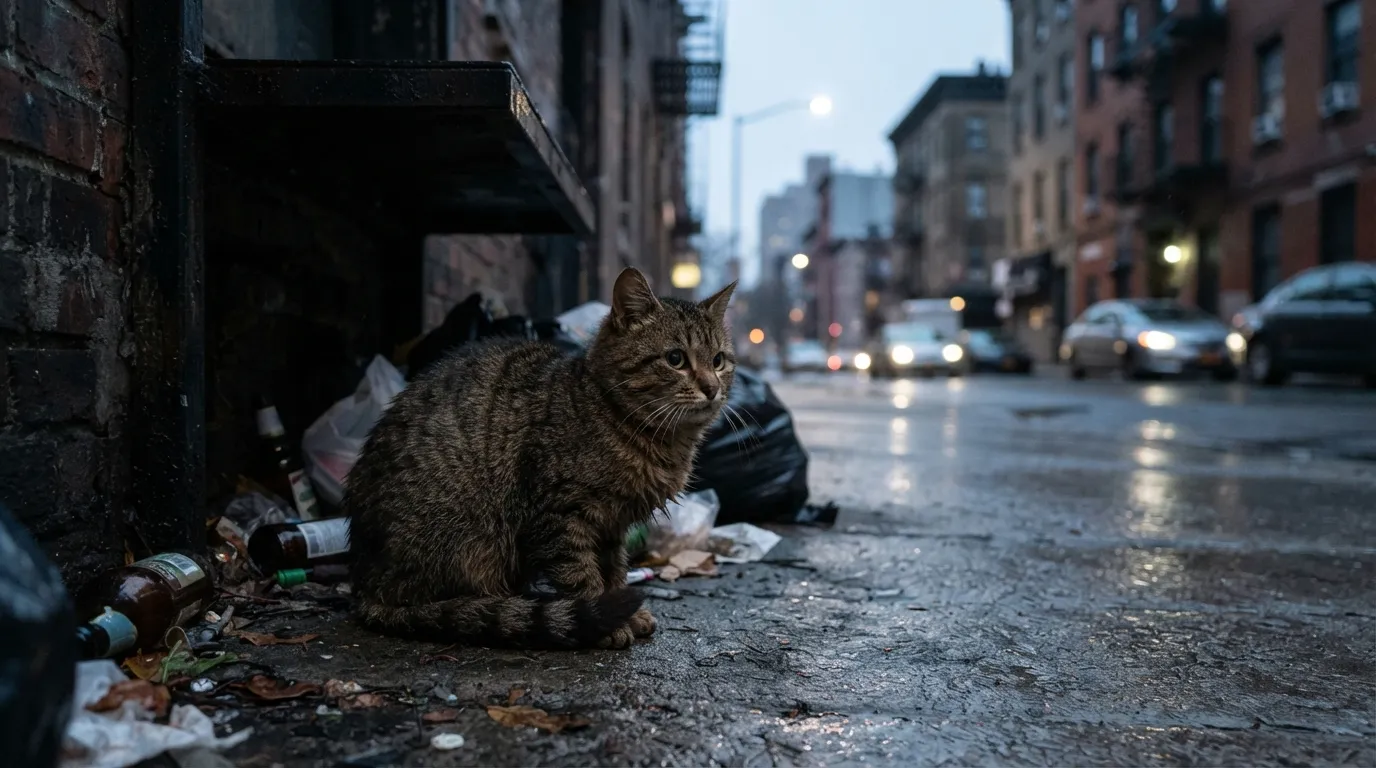
An outdoor cat that doesn't come home isn't always dead. Sometimes it's just gone - and that's its own kind of heartbreak.
Cats get displaced by bigger animals, spooked by loud events, or simply wander too far to find their way back. Some are stolen outright.
A cat lost in winter without shelter or food can deteriorate within days - even a healthy, well-fed adult. Indoor cats never face this scenario - they're always home, always accounted for, always reachable if something goes wrong.
But the next reason might be the most underrated of all.
#3 - FeLV Is a Cancer-Linked Virus Spread Cat to Cat
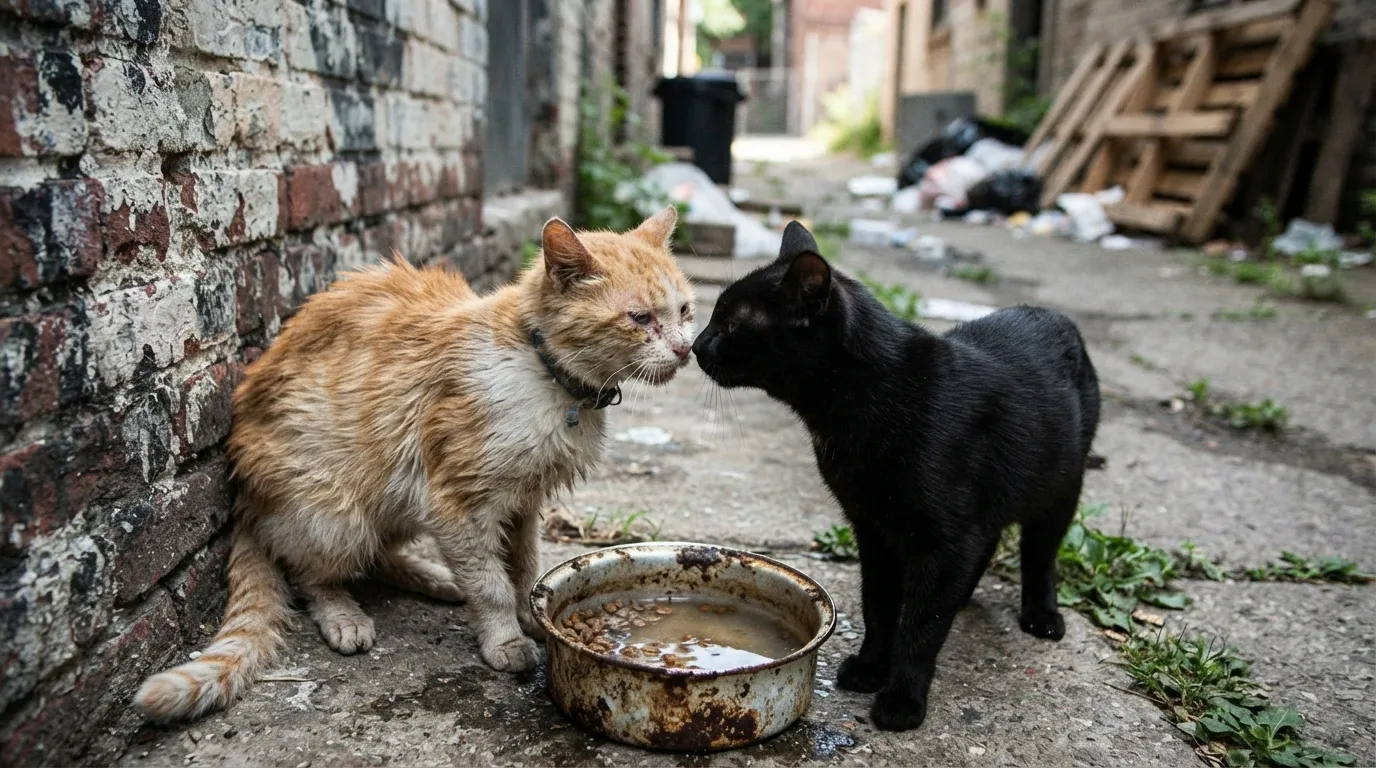
Feline Leukemia Virus isn't just a disease. It's one of the leading infectious causes of cancer and immune failure in cats worldwide.
Outdoor-only cats have a dramatically higher rate of FeLV infection than indoor cats. The virus spreads through saliva, shared food bowls, and casual contact with strays - all things that happen constantly when a cat roams.
FeLV-positive cats survive a median of just 2.5 years after diagnosis - and it's a disease that overwhelmingly strikes cats with outdoor exposure. Indoor cats who never touch noses with a stray rarely encounter it at all.
One disease down. The next reason lives inside the cat's own body, accumulating silently.
#2 - Chronic Injury Adds Up Like a Thousand Tiny Cuts
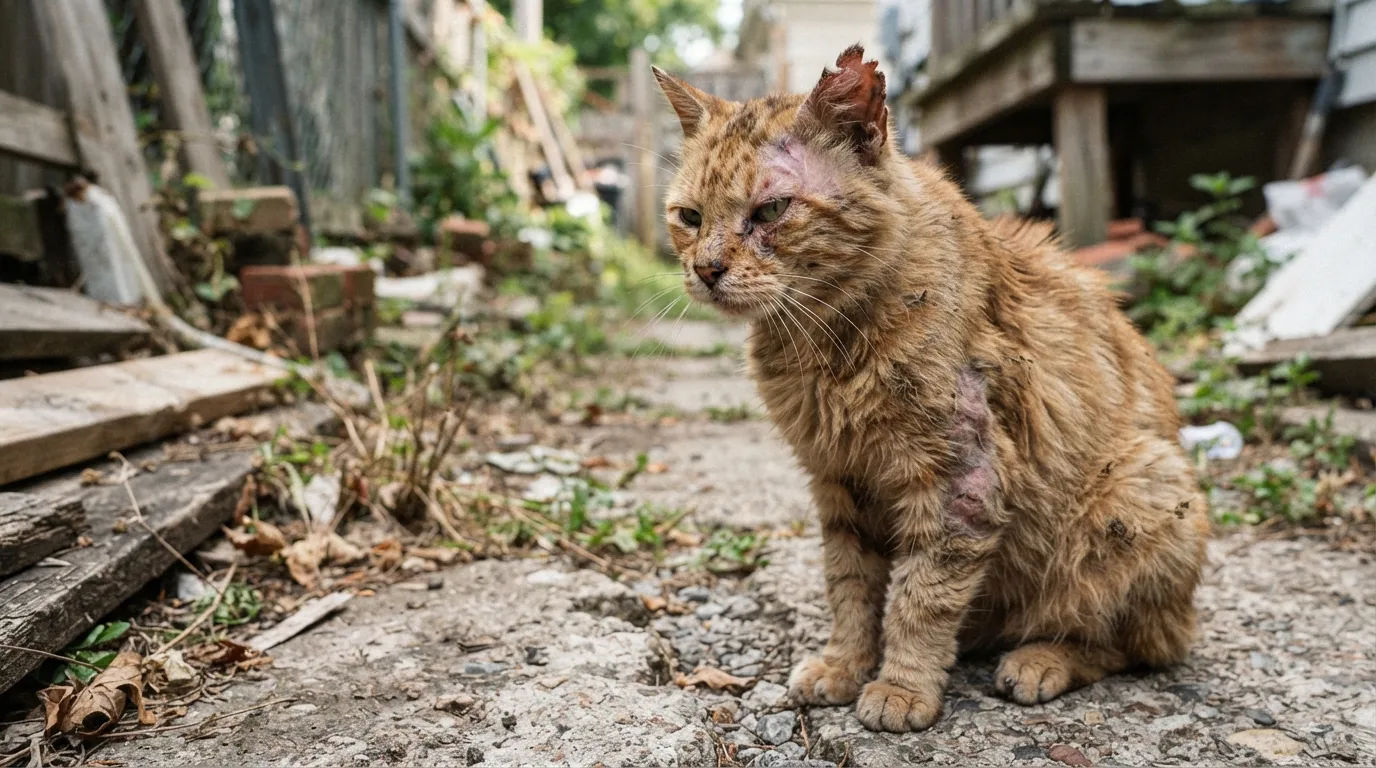
Outdoor cats don't just face one dramatic accident. They accumulate small injuries, over and over, for years.
Healed fractures. Dental damage from old fights. Scar tissue from wounds their owners never even knew happened. Each one chips away at the body's baseline health.
It's rarely one car strike or one coyote encounter that ends an outdoor cat's life - it's the slow buildup of trauma, infection, and stress. Indoor cats, spared from all of it, simply stay structurally intact longer.
And the single biggest reason of all? It's the one that ties every other item on this list together.
#1 - A Controlled Environment Is the Most Powerful Longevity Tool There Is
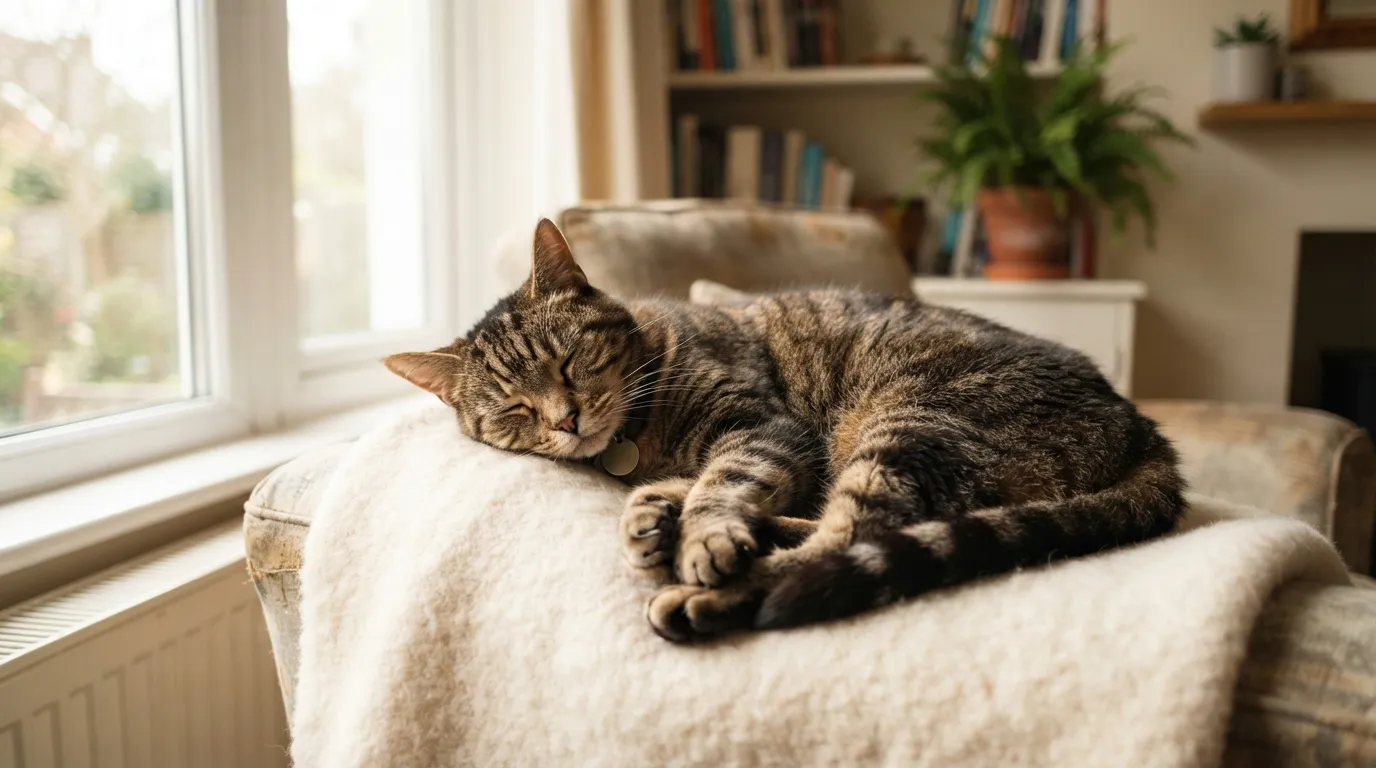
Every reason on this list funnels into this one truth: control saves lives.
Indoor cats get regular vet care, a stable diet, and consistent shelter, all shielded from disease, predators, and accidents. No drug or supplement on earth replicates what simply removing daily mortal risk does for a lifespan.
Why It Stands Out
- No traffic, no predators, no rival cats to fight
- Consistent food, clean water, and a stable daily routine
- Faster vet visits, because changes in behavior are impossible to miss
- Protection from toxins, extreme weather, and parasites, all at the same time
Most indoor cats live 12 to 18 years, and plenty coast into their early twenties with good care.
The oldest reliably documented cat in history, Creme Puff of Austin, Texas, lived to 38 years old - and she lived indoors. That's not a coincidence. Every risk on this list - traffic, predators, disease, parasites, toxins, weather, fights - is dramatically reduced or erased entirely by one decision: keeping your cat inside.
The Bottom Line
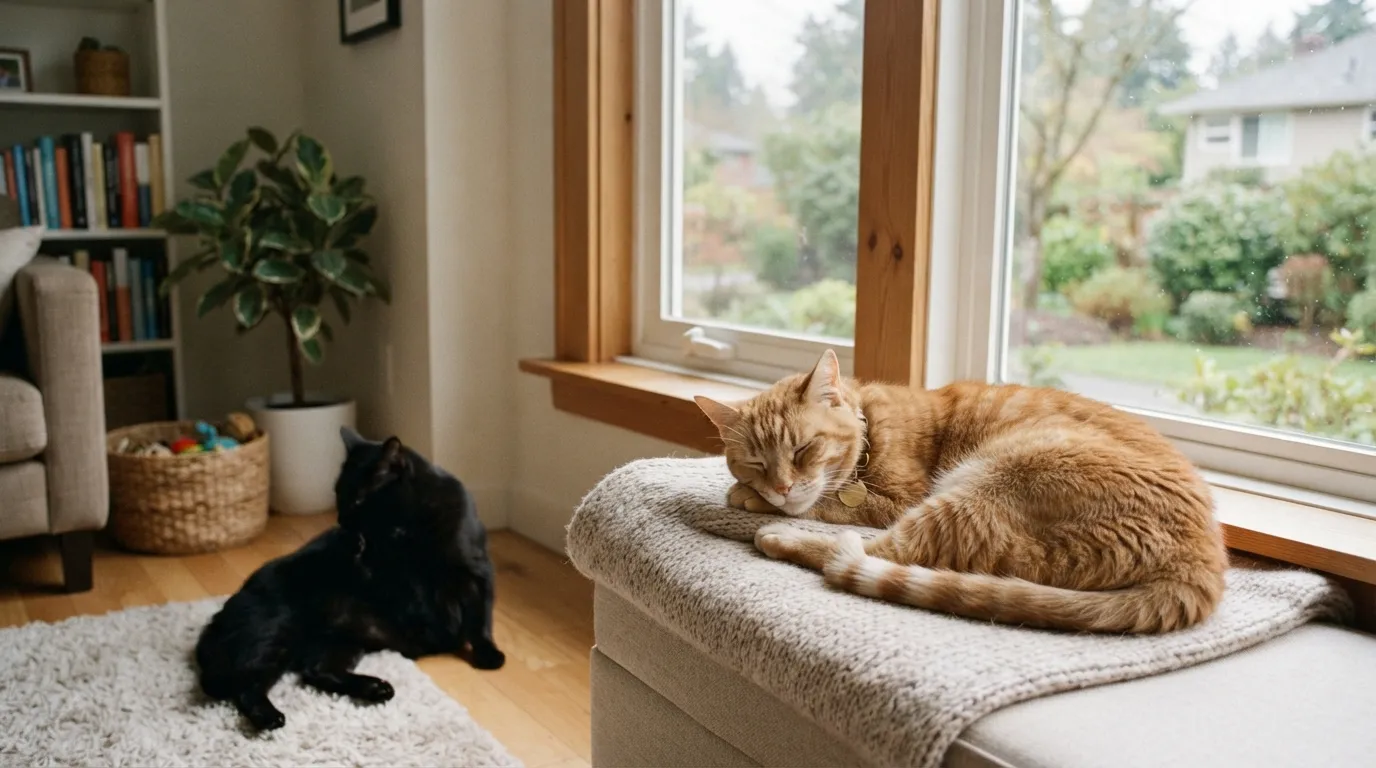
The average cat lives 12 to 18 years indoors, and only 2 to 5 outdoors. That gap isn't fate - it's the sum of traffic, disease, predators, parasites, toxins, fights, weather, and stress, every one of them avoidable behind a closed door.
A 2022 study of over 3,100 deceased cats confirmed it plainly: cats living exclusively outdoors die significantly younger than cats who live primarily indoors. The data is consistent, the logic is clear, and now you know exactly what that "freedom" actually costs.