22 Things Your Cat Would Thank You for If It Could
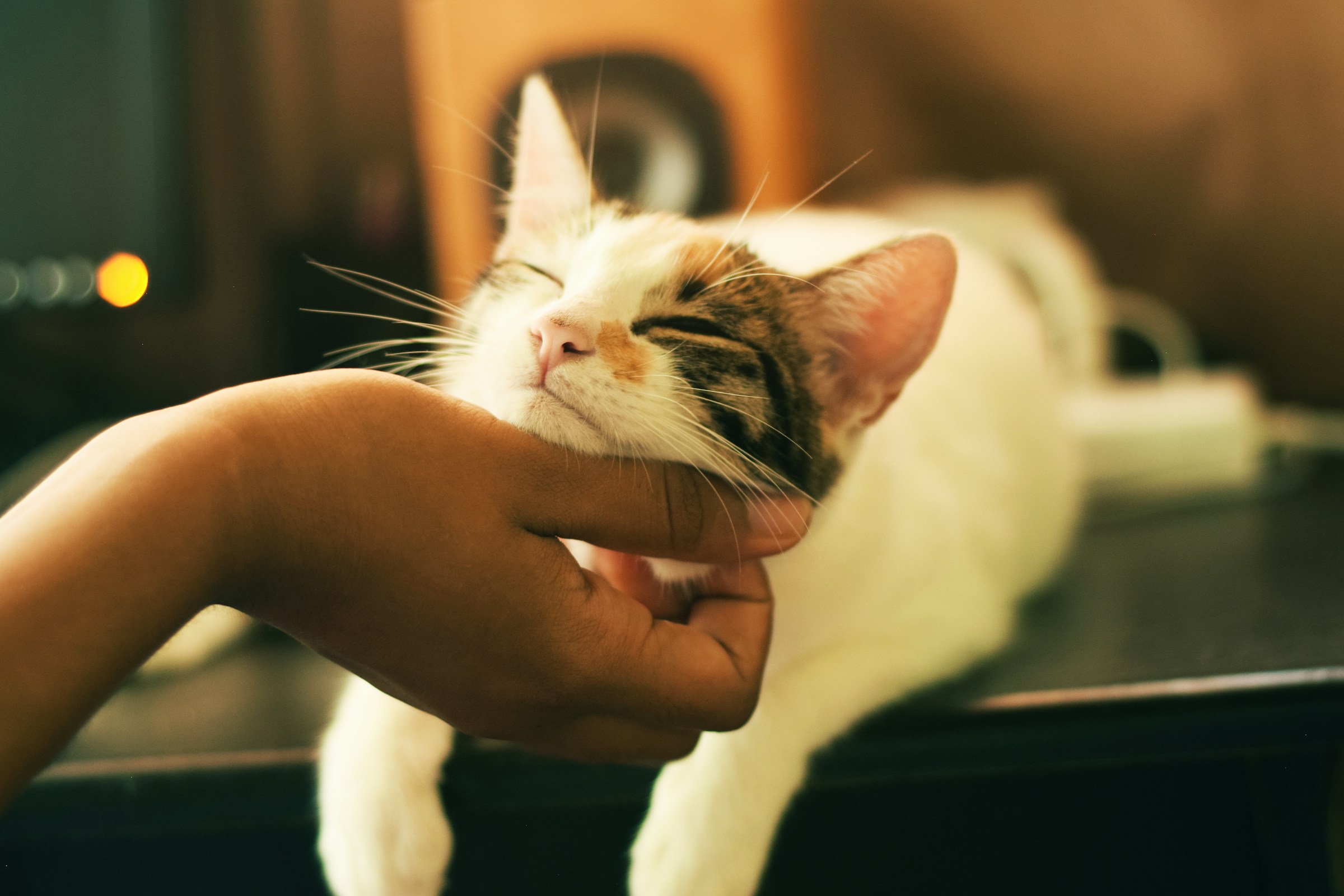
Your cat isn't ungrateful. It's just fluent in a language you were never taught to speak.
Most owners assume they're already doing everything right - premium food, a scratching post, a sunny windowsill - and then wonder why their cat still seems tense, aloof, or randomly destructive. Veterinary behaviorists say the real list of things that make a cat feel safe and content is smaller, stranger, and far more overlooked than most people expect. Some of it flips the entire "spoiling a pet" playbook upside down.
If your cat has ever ignored a full water bowl, shredded a couch it never seemed to notice before, or hissed after a belly rub you were sure it wanted - the explanation is probably hiding in a habit you've never once thought to change. Here are , if it only could.
#1 - Stop Refilling the Same Water Bowl Every Day
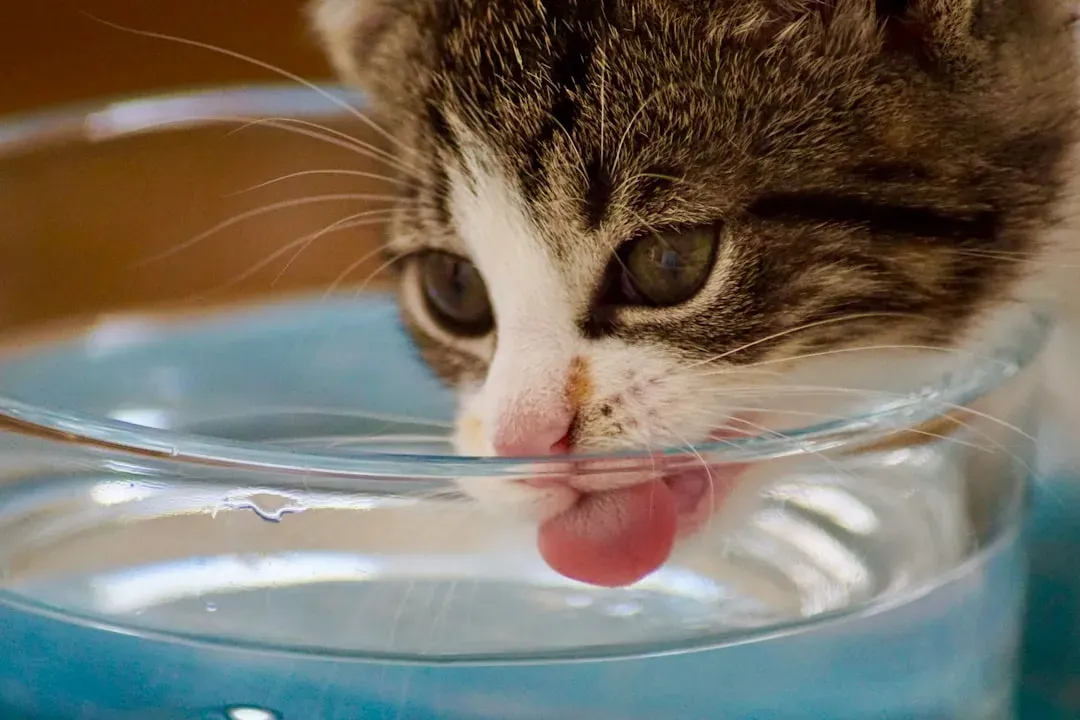
Cats are notoriously bad at drinking enough water, and a stagnant bowl makes it worse. Cats evolved from desert-dwelling ancestors, which means their thirst drive is naturally low, and stale-tasting water in a plastic bowl can make an already reluctant drinker avoid hydration altogether.
Swapping to a ceramic or stainless-steel bowl, and refreshing the water twice daily instead of once, can make a noticeable difference. Many cats also strongly prefer moving water, which is why fountains have become a quiet obsession among behaviorists. Your cat isn't being dramatic when it ignores a bowl that's been sitting for 12 hours - it's following an instinct that once kept its ancestors safe from contaminated water sources in the wild.
#2 - Give Them a "Vertical" Room, Not Just a Bigger One
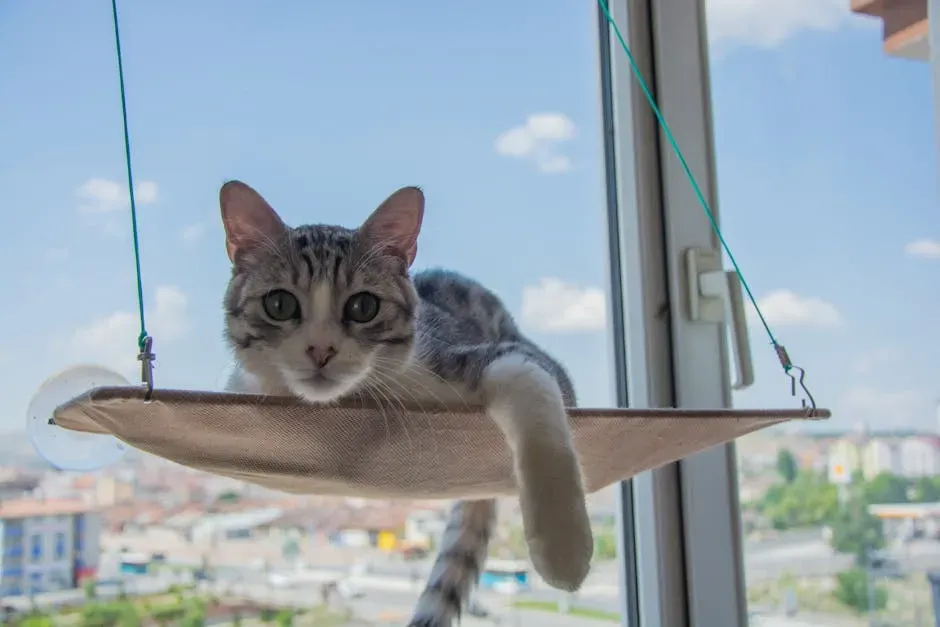
Square footage matters less to cats than vertical territory. A cat's sense of security comes from height, not space, which is why a small apartment with shelves, cat trees, and window perches can feel more luxurious to a cat than a sprawling house with nothing to climb.
Height gives cats a vantage point to survey their surroundings, a core instinct leftover from being both predator and prey in the wild. Cats that lack vertical options often show more stress-related behaviors, including overgrooming or hiding. Something as simple as a wall-mounted shelf near a window can transform a nervous, skittish cat into a more confident one within weeks.
Fast Facts
- Cats are both predator and prey, so height offers a natural safety buffer
- Window perches and cat trees can reduce stress-related overgrooming
- Vertical territory lets multiple cats "share" a room without direct conflict
- Even a single wall shelf can double a cat's usable territory
#3 - Stop Punishing Scratching and Redirect It Instead
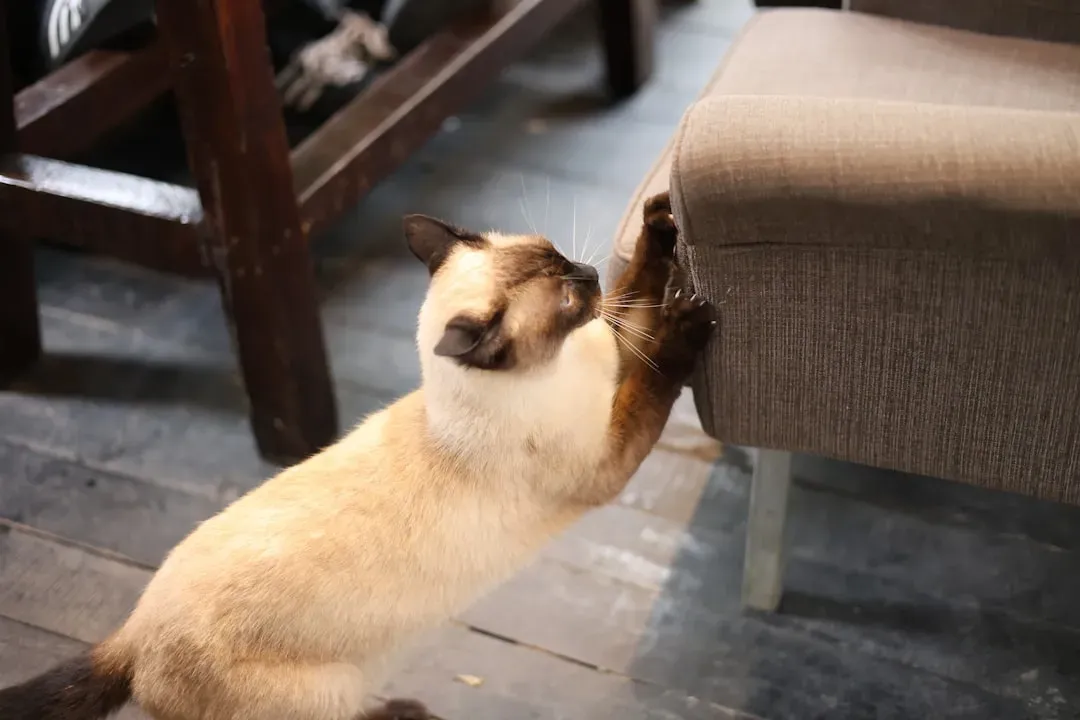
Scratching isn't misbehavior - it's biology. Cats scratch to shed the outer layer of their claws, stretch their spine, and mark territory with scent glands in their paws. Yelling at a cat for scratching furniture teaches it to fear you, not to stop scratching.
Behaviorists consistently recommend placing multiple scratching surfaces - both vertical and horizontal - near furniture your cat already prefers. Sisal rope, cardboard, and corrugated scratchers each appeal to different textures cats naturally gravitate toward. Punishment doesn't erase the urge; it just teaches your cat to scratch when you're not watching, which often means doing it out of anxiety rather than natural instinct.
#4 - Let Them Eat Small, Frequent Meals Instead of Two Big Ones
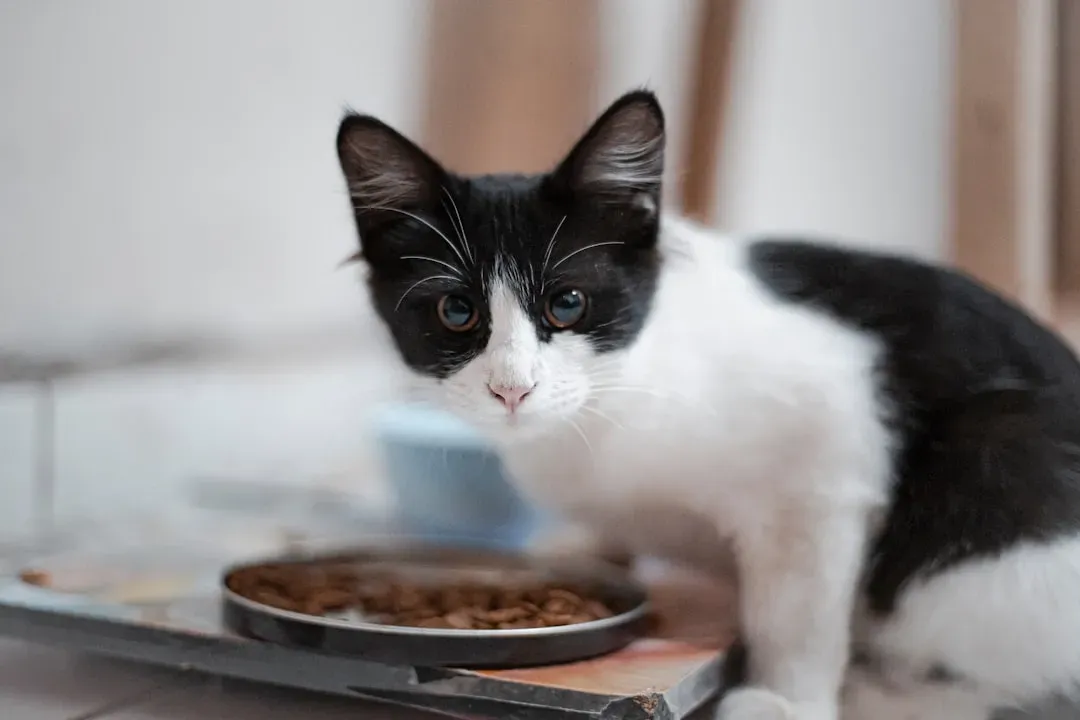
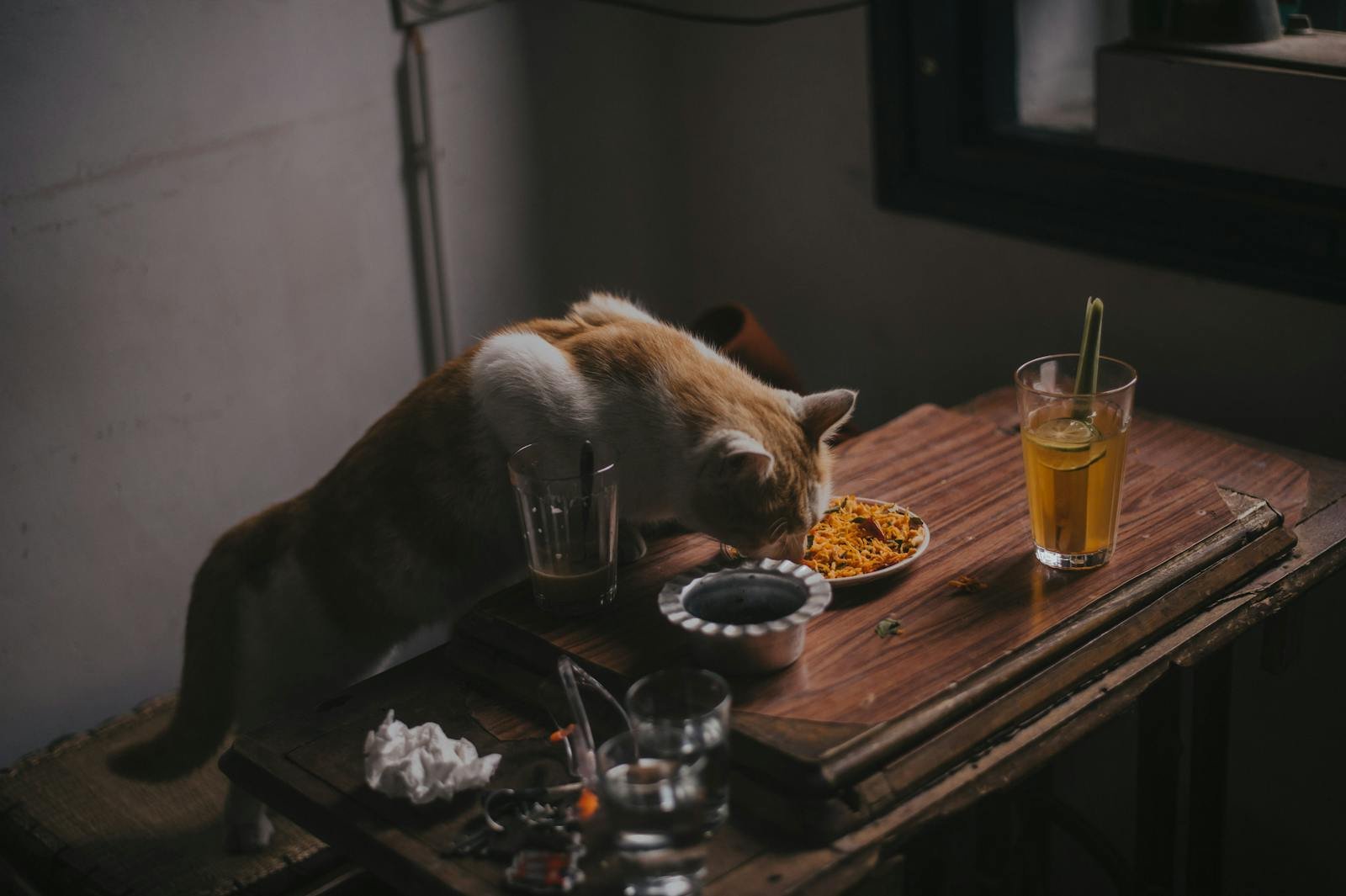
Wild cats eat 10 to 20 small meals a day, not two large ones. Feeding your cat just morning and night can trigger a spike in hunger-driven behavior, including yowling, counter-surfing, and aggressive begging. Cats aren't being needy - they're biologically wired to graze, not feast.
Puzzle feeders and slow-feed bowls can mimic natural foraging patterns, giving your cat mental stimulation while spacing out calorie intake. This isn't just about weight management - it's about matching feeding schedules to their actual physiology instead of ours. Many "problem" behaviors around mealtime disappear once feeding frequency better matches a cat's natural rhythm.
#5 - Stop Assuming They Want to Be Petted Everywhere
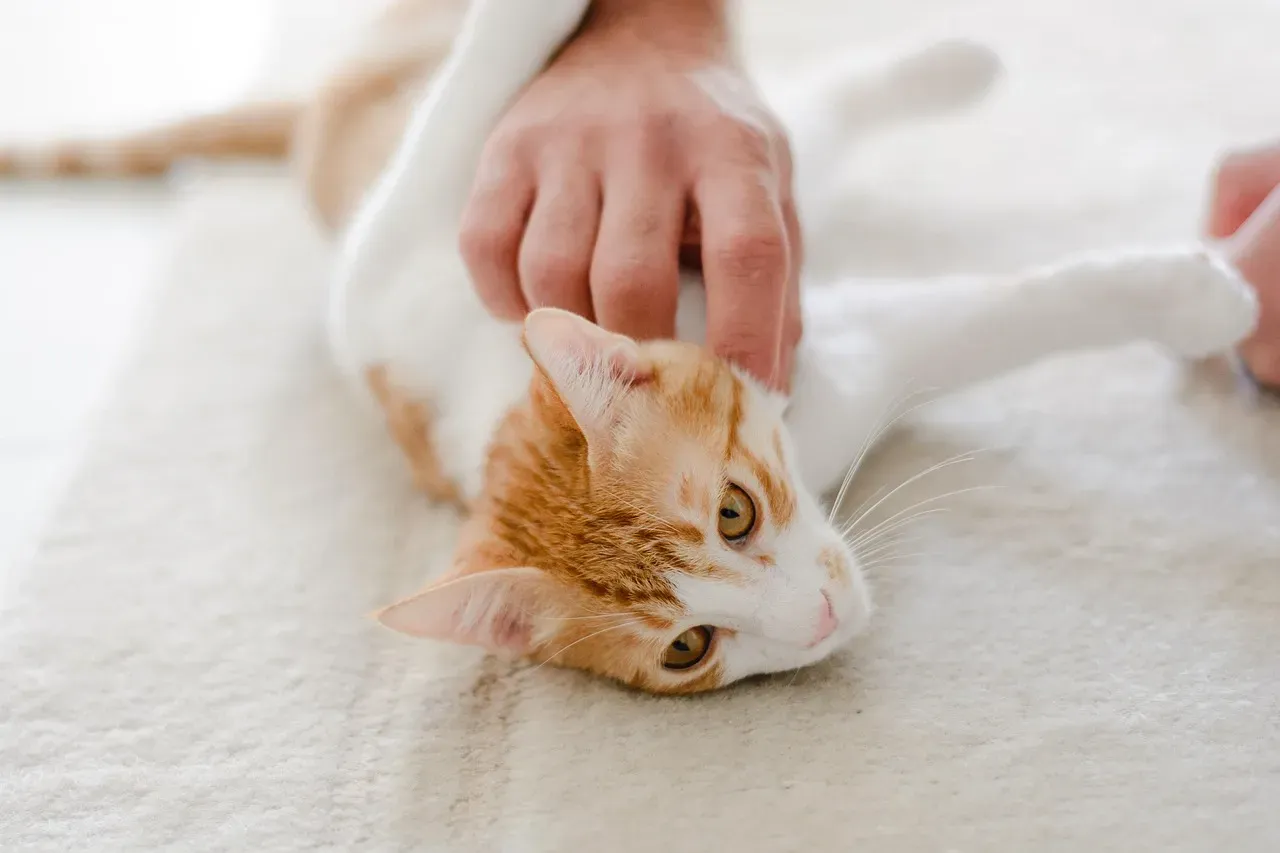
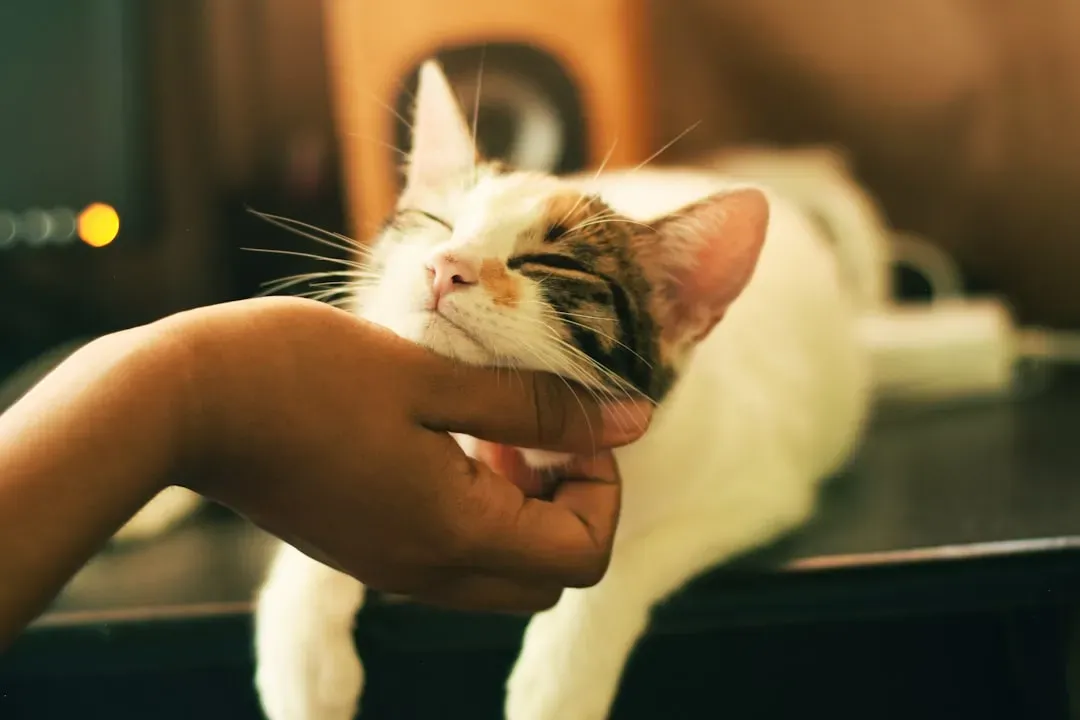
Cats have specific zones where touch feels good - and zones where it doesn't. The cheeks, chin, and base of the ears are typically safe. The belly, tail, and lower back are far more likely to trigger a defensive reaction. A cat swatting after a belly rub isn't being unpredictable - it's giving you a clear warning you probably missed the first time.
Understanding feline body language, like a twitching tail or flattened ears, prevents a huge number of "random" bites. Most cats communicate discomfort well before they react physically. Learning to read those subtle cues is one of the simplest ways to build trust and avoid unnecessary scratches.
#6 - Rotate Toys Instead of Leaving Them All Out
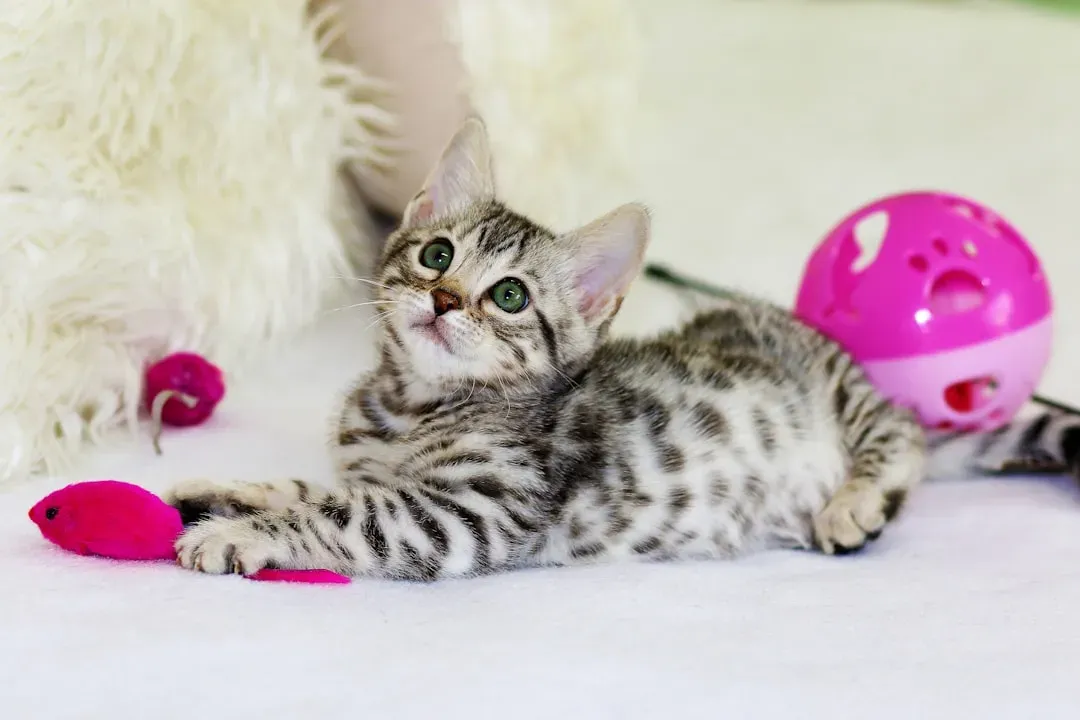
Cats habituate to toys fast. Leave the same mouse or feather wand out for weeks, and your cat will eventually treat it like part of the furniture. A toy that's been "hidden" for two weeks becomes new again in your cat's mind.
Behaviorists recommend keeping a rotating stash of five or six toys, swapping them every few days to maintain novelty and engagement. This mimics the unpredictability of real prey, which keeps hunting instincts sharp and prevents boredom-driven destructive behavior. A bored indoor cat is far more likely to shred curtains or knock things off shelves - not out of spite, but because their predatory drive has nowhere else to go.
#7 - Stop Assuming a Purring Cat Is Always Happy
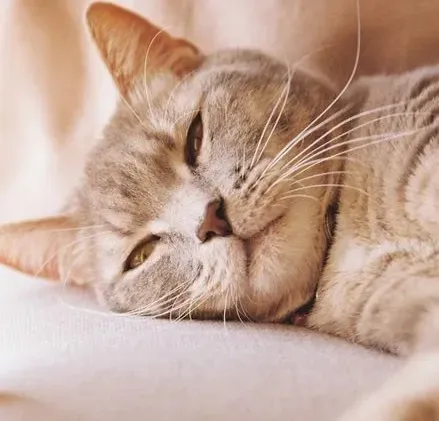
Purring isn't only a sign of contentment - it's also a self-soothing mechanism. Cats purr when they're in pain, giving birth, or even near death. A purring cat at the vet isn't necessarily relaxed; it may be using vibration as a coping tool.
The frequency of a cat's purr has even been studied for potential links to bone and tissue healing. This means a purring cat curled up after surgery could be self-regulating stress, not simply enjoying itself. Understanding this nuance helps owners avoid misreading distress as satisfaction, especially during illness or recovery.
#8 - Give Them A Predictable Daily Routine
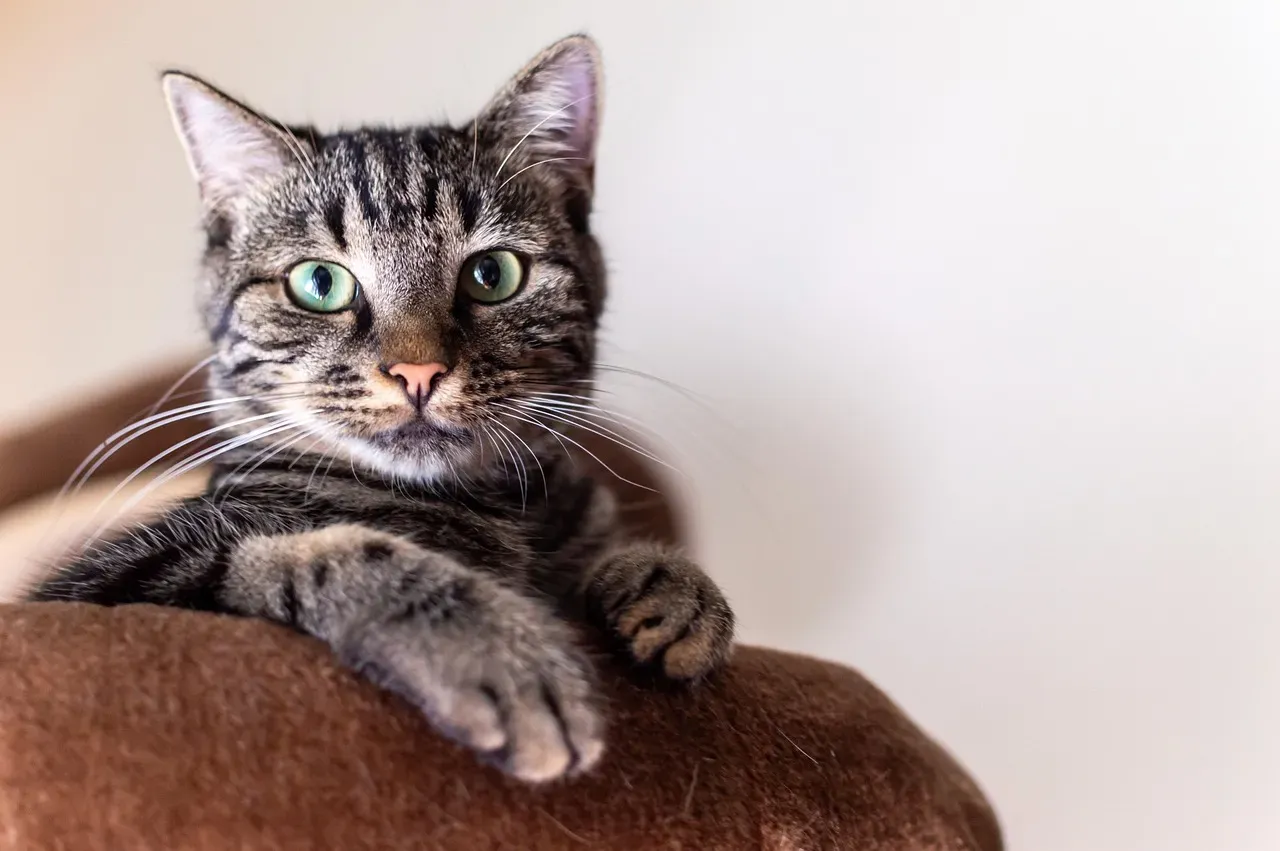
Cats thrive on consistency far more than most owners assume. Sudden changes to feeding times, litter box placement, or furniture arrangement can trigger real stress responses. A cat's sense of safety is built almost entirely on predictability, not affection.
This is why cats in multi-pet or high-traffic households often show more anxiety-related symptoms, from overgrooming to inappropriate elimination. Keeping feeding, play, and quiet times consistent - even loosely - gives your cat a mental map of its day. It's a small effort that dramatically reduces stress-driven behavior problems most owners never trace back to routine disruption.
#9 - Stop Using Strong-Scented Cleaning Products Near Their Spaces
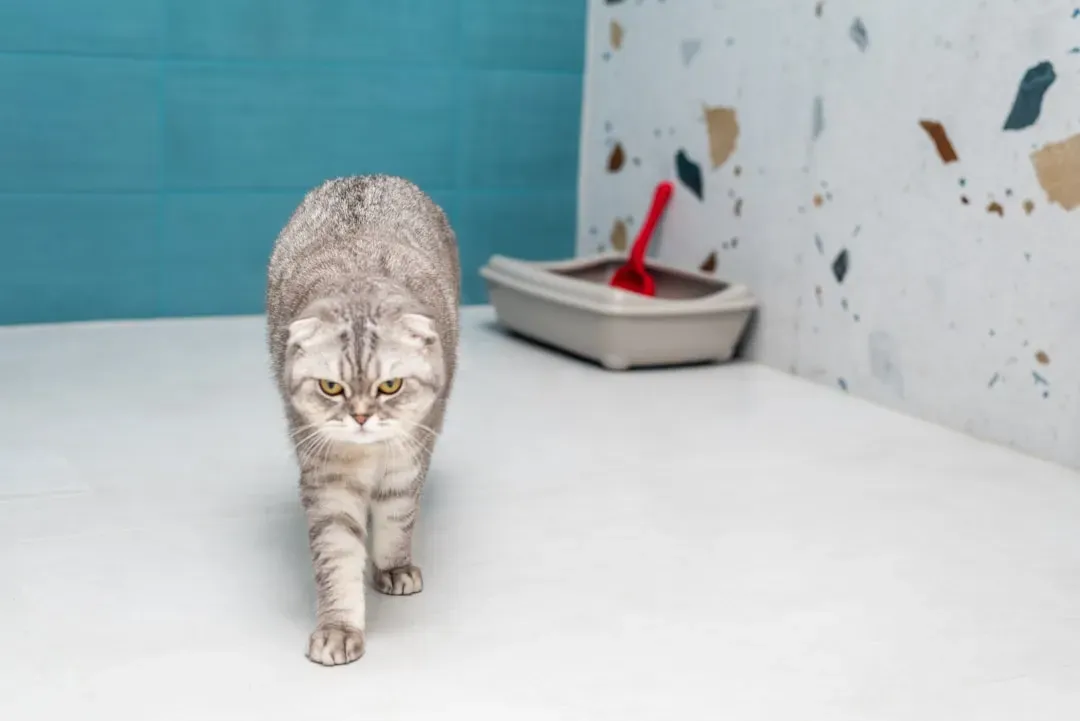
A cat's sense of smell is many times more sensitive than a human's. Heavily scented candles, cleaning sprays, and air fresheners near litter boxes or feeding areas can overwhelm a cat's senses. What smells "fresh" to you may smell overpowering - even distressing - to your cat.
This is particularly relevant near litter boxes, where scented litters or cleaners can cause cats to avoid the box entirely, leading to accidents elsewhere in the house. Unscented, fragrance-free products are almost universally recommended by veterinarians for anything placed near feeding or bathroom areas. A cat that "suddenly" stops using its litter box may simply be reacting to a scent change you didn't even notice.
#10 - Provide More Than One Litter Box (Even for a Single Cat)
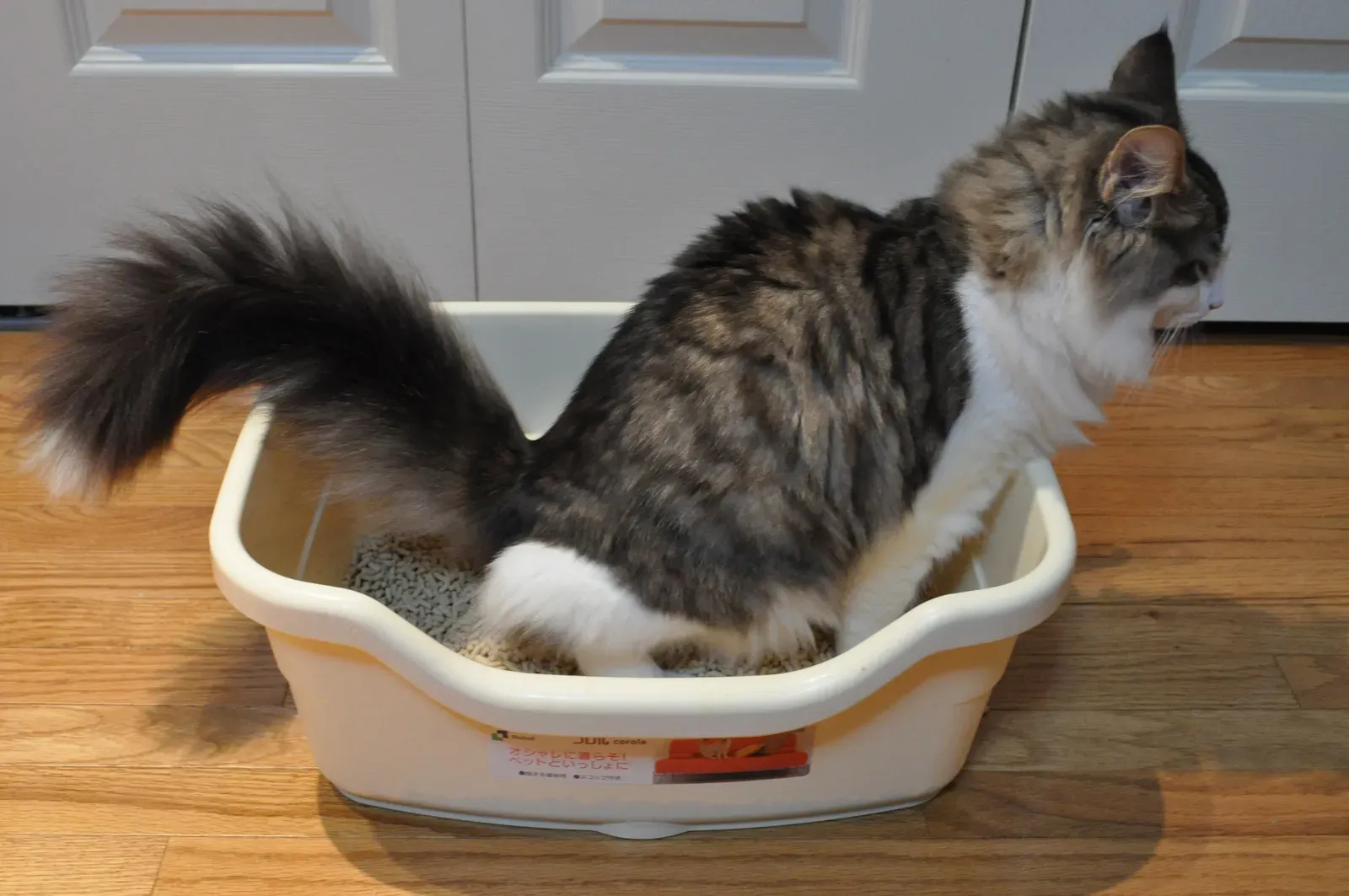
The commonly cited veterinary guideline is one litter box per cat, plus one extra. Even single-cat households benefit from having two boxes in different locations. A single litter box shared with any activity, noise, or foot traffic nearby can feel unsafe to a cat, even if nothing has ever actually happened there.
Cats are vulnerable while eliminating, which is a deeply ingrained survival instinct. Placing boxes in quiet, low-traffic areas - away from washing machines or busy hallways - reduces stress-related avoidance. Many litter box "problems" owners struggle with for months are solved simply by adding a second box in a calmer spot.
At a Glance
- Rule of thumb: one litter box per cat, plus one extra
- Place boxes in quiet, low-traffic corners, not next to appliances
- Avoid tucking every box into a single room - spread them out
- Uncovered boxes tend to trap less odor than covered ones
#11 - Stop Forcing Interaction When They Retreat
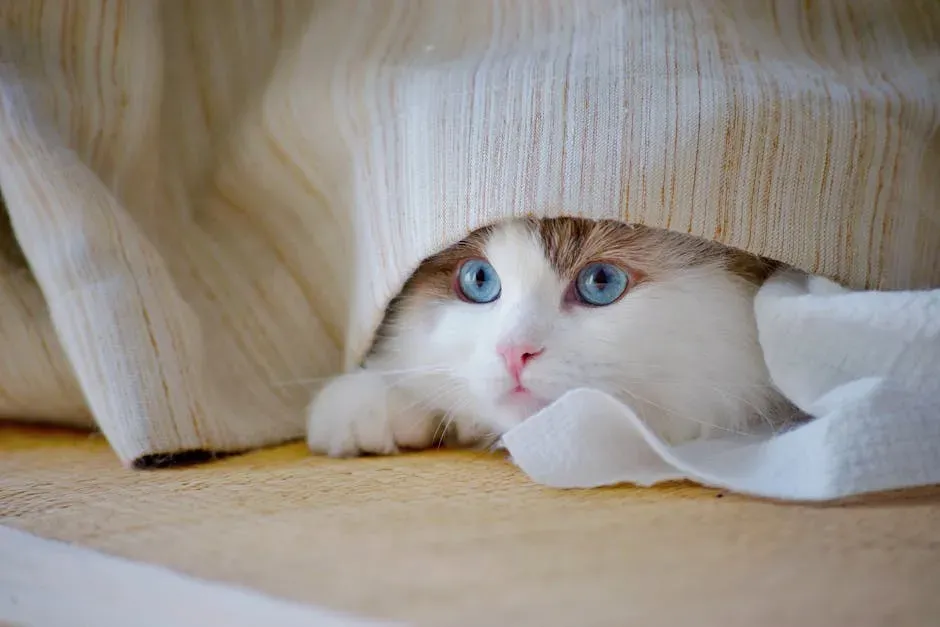
Cats process social interaction differently than dogs. When a cat walks away or hides, it's regulating its own stress levels - not rejecting you. Chasing a retreating cat for affection almost always backfires, reinforcing the idea that you're a source of pressure rather than safety.
Letting a cat approach on its own terms builds trust far faster than pursuing it. Many "standoffish" cats are actually just under-socialized to being followed, not naturally unaffectionate. Giving them the choice to initiate contact, even briefly, often results in more frequent affection over time - not less.
#12 - Brush Them Regularly, Even If They're Short-Haired
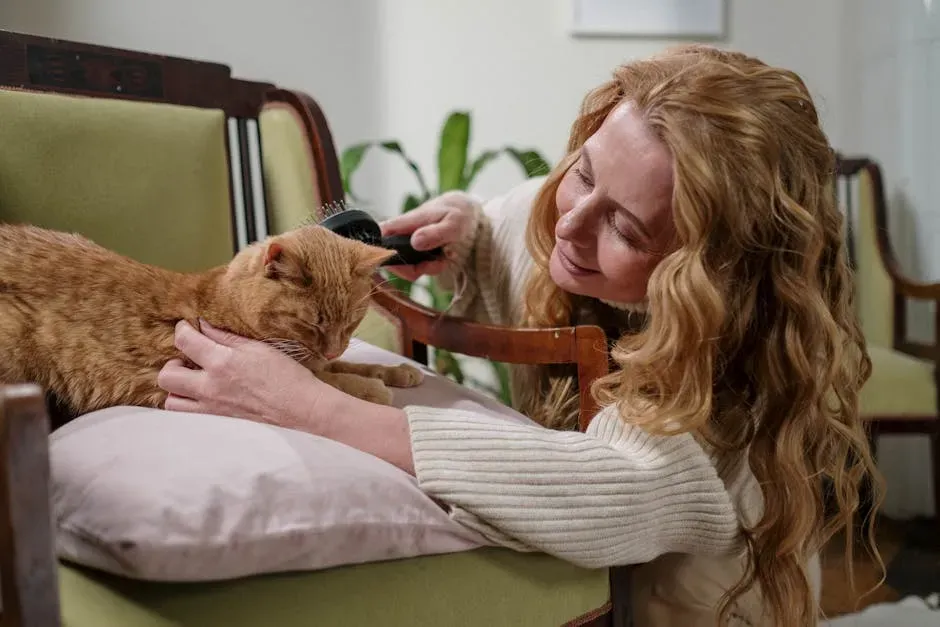
Grooming isn't just for long-haired breeds. Regular brushing reduces hairballs, distributes natural skin oils, and gives owners an early chance to notice lumps, fleas, or skin issues. A five-minute brushing session can catch health problems weeks before they'd otherwise be noticed.
Beyond the physical benefits, brushing can also double as a bonding ritual, especially for cats that don't enjoy being held. Many cats that resist petting will still tolerate - and even enjoy - the rhythmic sensation of a grooming brush. It's a low-pressure way to build physical trust without triggering the defensive reactions that direct handling sometimes causes.
#13 - Stop Declawing - Even If It Seems Convenient
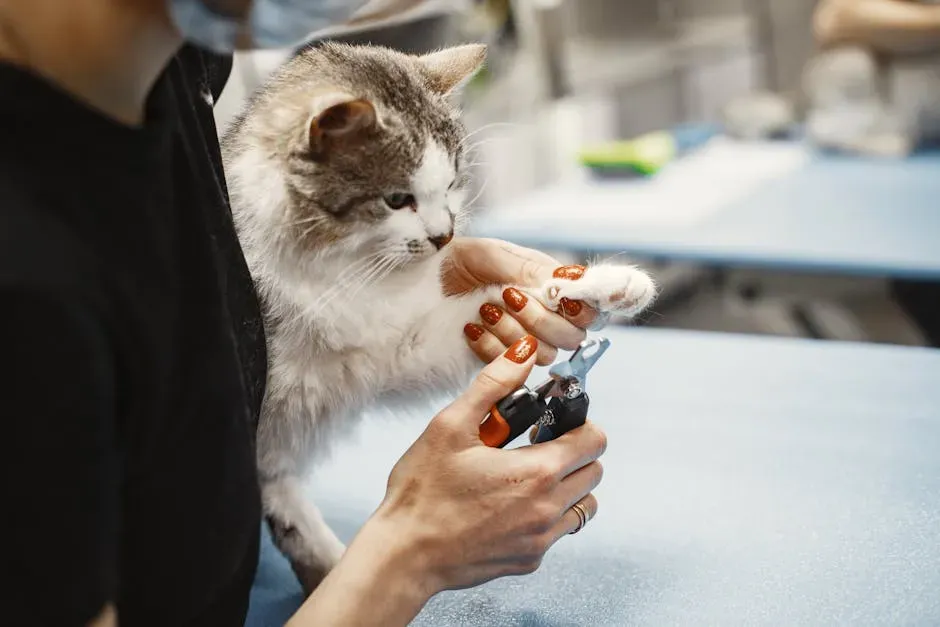
Declawing isn't a simple nail trim; it involves amputating the last bone of each toe. Veterinary organizations have increasingly spoken out against the procedure due to long-term consequences. A declawed cat can develop chronic pain, altered gait, and even litter box avoidance from discomfort standing on litter.
Alternatives like regular nail trims, soft nail caps, and appropriate scratching posts address the same concerns without the medical risk. Many owners aren't aware that behavioral issues often worsen after declawing, since cats lose a primary self-defense mechanism and may compensate by biting more. What seems like a convenient fix often creates new problems down the line.
#14 - Let Them Sniff Before Introducing New People or Animals
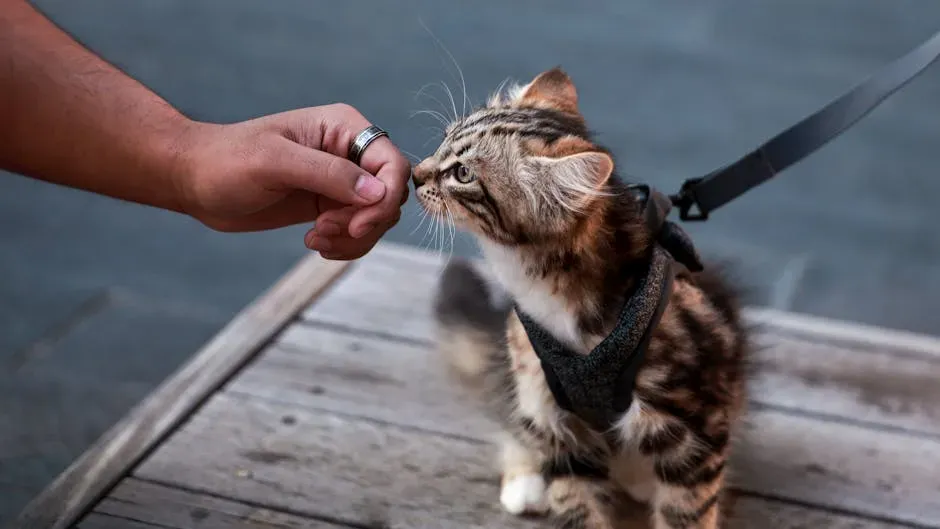
Cats rely heavily on scent to assess safety, far more than sight or sound. Rushing introductions - whether to new people, pets, or even new furniture - can spike stress hormones. A slow, scent-first introduction dramatically lowers the odds of long-term tension between cats in the same household.
Swapping bedding between cats before a face-to-face meeting, or letting a new person sit quietly without direct eye contact, gives cats time to gather information at their own pace. Forced introductions are one of the most common reasons multi-cat households develop lasting conflict. Patience during this early window can prevent months of stress later.
#15 - Keep the Litter Box Impeccably Clean
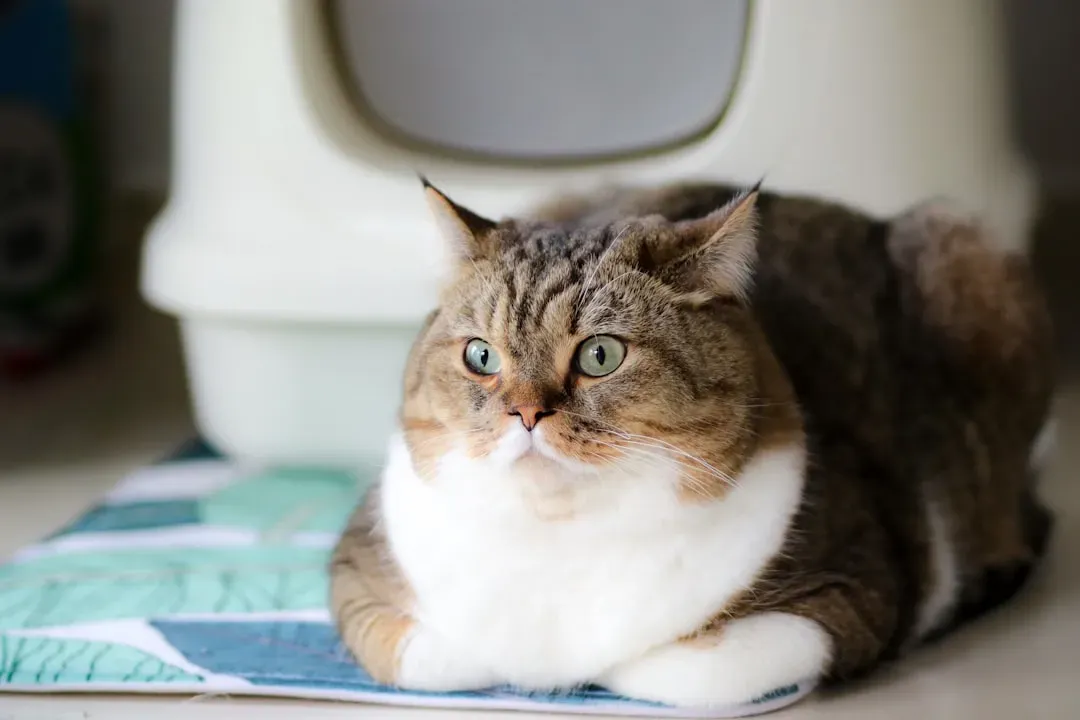
Cats are famously fastidious, and a dirty litter box is one of the top reasons for house-soiling. Most cats will avoid a box after just one or two uses if it isn't scooped promptly.
Daily scooping, along with a full litter change and box wash every one to two weeks, keeps odor and bacteria from building up. Covered boxes can trap smells more than owners realize, sometimes creating exactly the offensive environment they're meant to hide. Many owners blame the cat for "bad litter box behavior" when the real issue is a maintenance schedule that doesn't match feline standards of cleanliness.
#16 - Play With Them Using Prey-Mimicking Movement
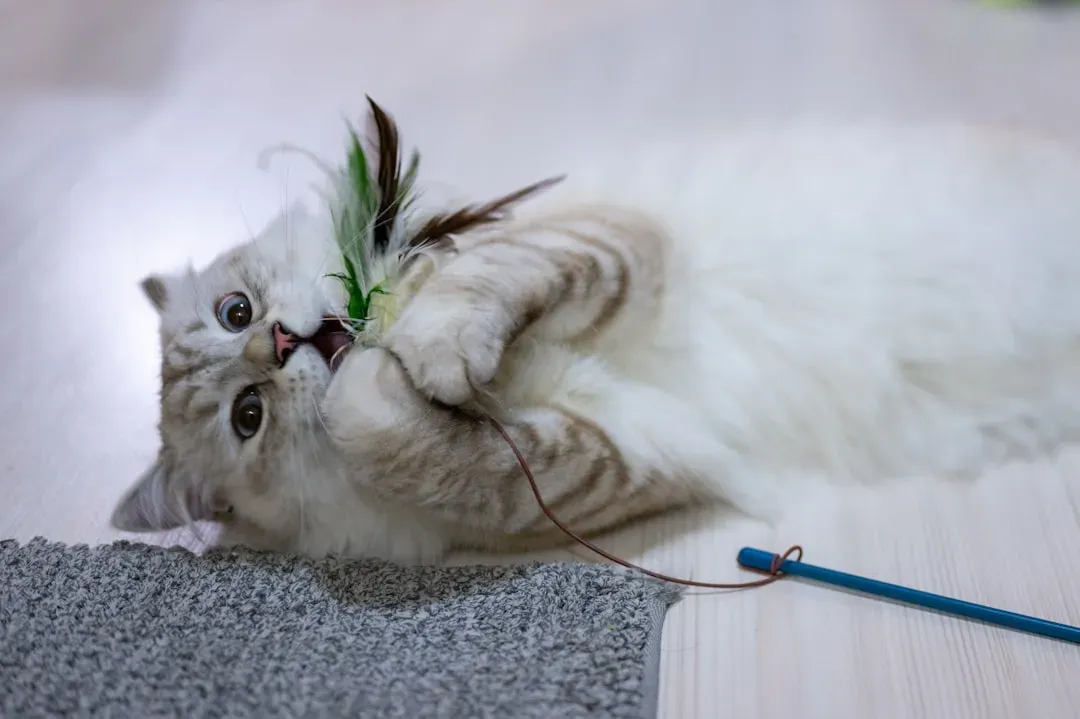
Not all play is equal. Dragging a toy in slow, erratic movements - mimicking a fleeing mouse or bird - triggers far more engagement than fast, repetitive motion. Cats are stalking predators, and their play instincts respond to unpredictability, not speed.
Ending a play session by letting the cat "catch" the toy is also critical. Without that resolution, cats can become frustrated rather than satisfied, sometimes redirecting that pent-up drive toward biting or scratching during or after play. A well-structured 10–15 minute session that ends in a "catch" mimics a full hunting cycle and leaves cats calmer, not wound up.
Quick Compare
- Fast, repetitive motion: triggers less interest, mimics no real prey pattern
- Slow, erratic movement: mimics fleeing prey, sparks sustained stalking behavior
- Session without a "catch": can leave cats frustrated or overstimulated
- Session that ends in a catch: completes the hunting cycle and leaves cats calmer
#17 - Respect Their Need for a Safe Hiding Spot
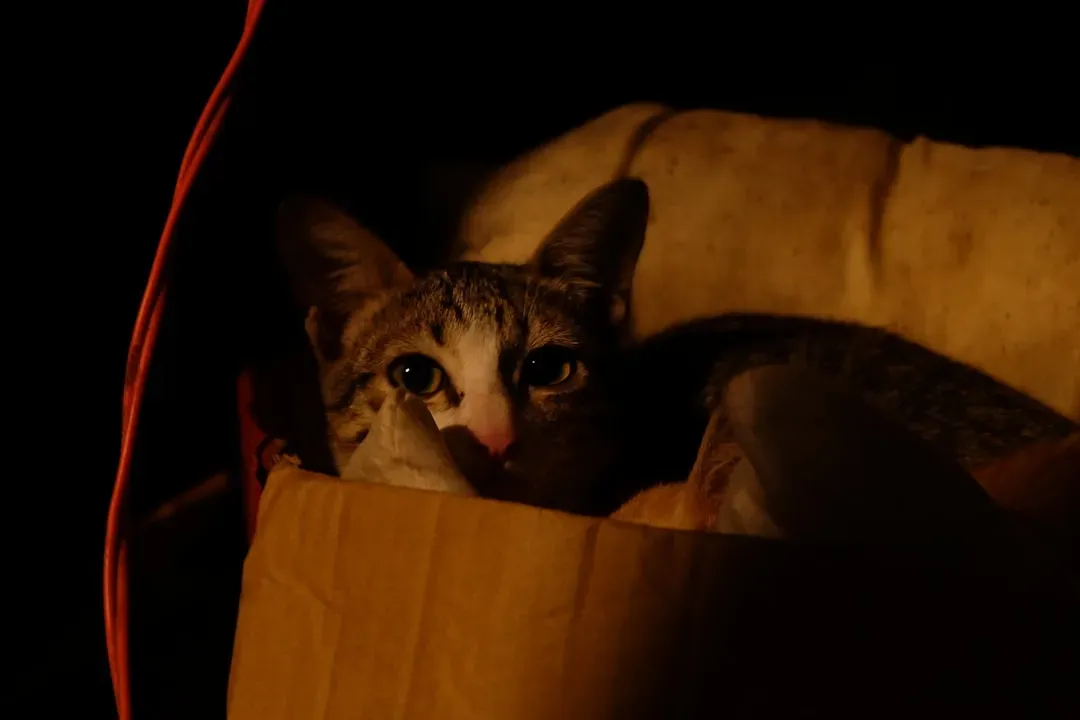
Every cat needs at least one space that's entirely its own - a box, a covered bed, or a quiet closet shelf. Removing a cat's hiding spot to "encourage socialization" almost always increases anxiety instead of reducing it.
Cats are connoisseurs of comfort.
James Herriot
Hiding is a normal, healthy coping mechanism, not a sign of a "broken" or antisocial cat. Cats that have reliable access to a retreat space tend to be more confident exploring the rest of the home, precisely because they know they have an escape route if needed. Removing that safety net can make a nervous cat even more guarded long-term.
#18 - Feed a Diet That Matches Their Biology, Not Convenience
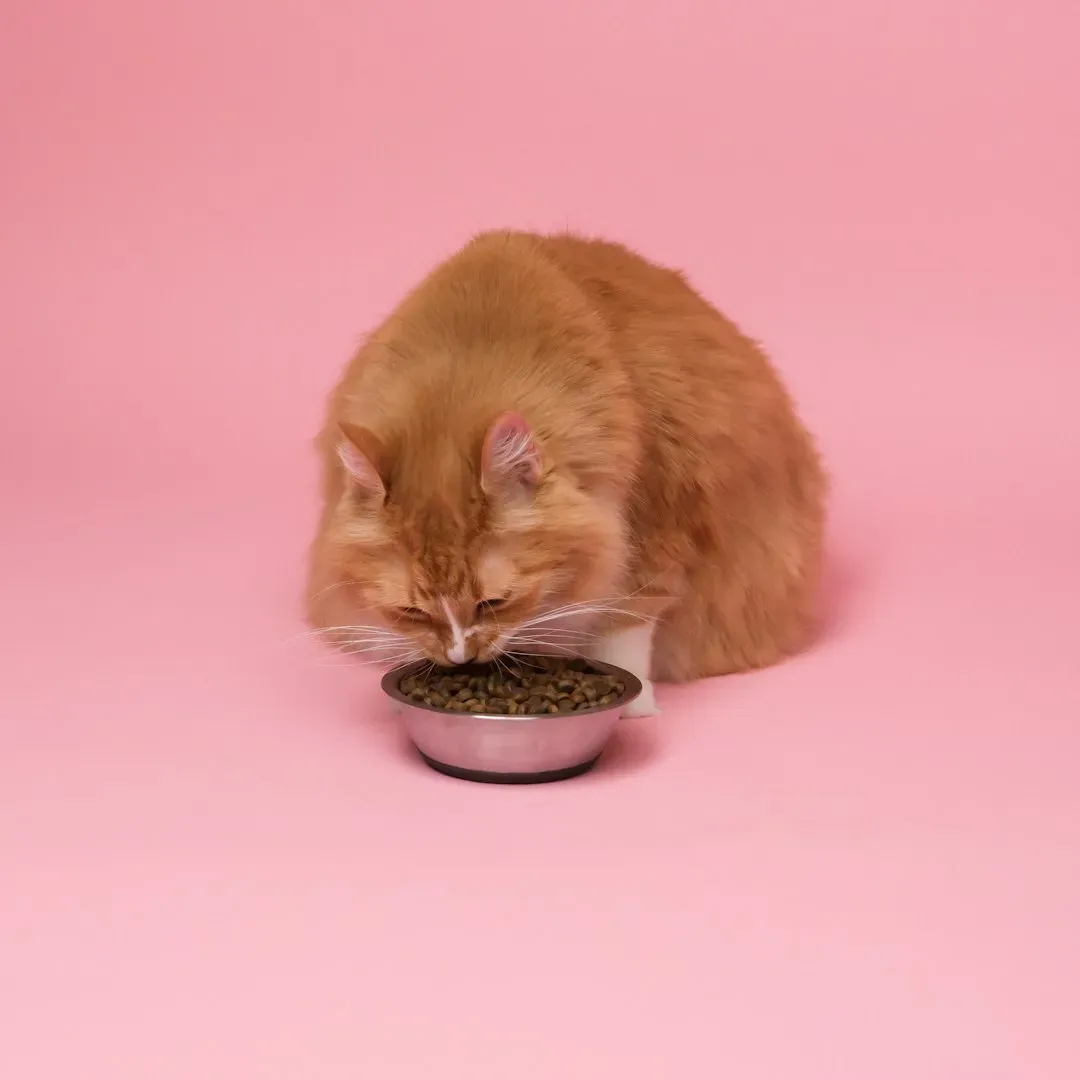
Cats are obligate carnivores, meaning their bodies are built to process animal protein, not carbohydrate-heavy fillers. Many mainstream dry foods are formulated more around shelf life and cost than optimal feline nutrition. A diet too high in carbohydrates can contribute to obesity and metabolic issues over time.
This doesn't mean every cat needs an expensive raw diet, but it does mean reading labels matters more than most owners assume. Prioritizing named animal proteins as the first ingredients, and consulting a vet about wet versus dry food ratios, can significantly affect long-term health. Cats can't advocate for better nutrition - but their bodies show the consequences of poor choices for years.
#19 - Stop Interrupting Their Sleep for Attention
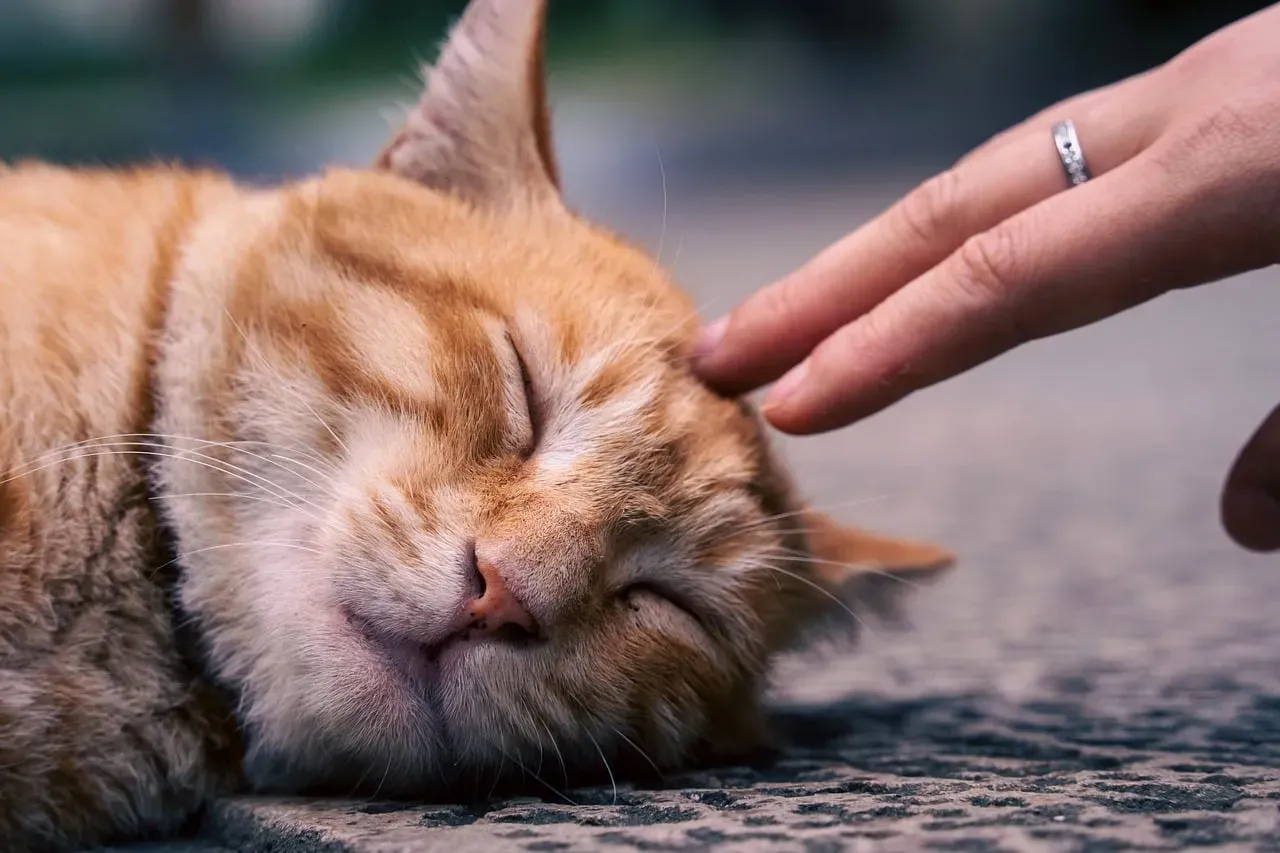
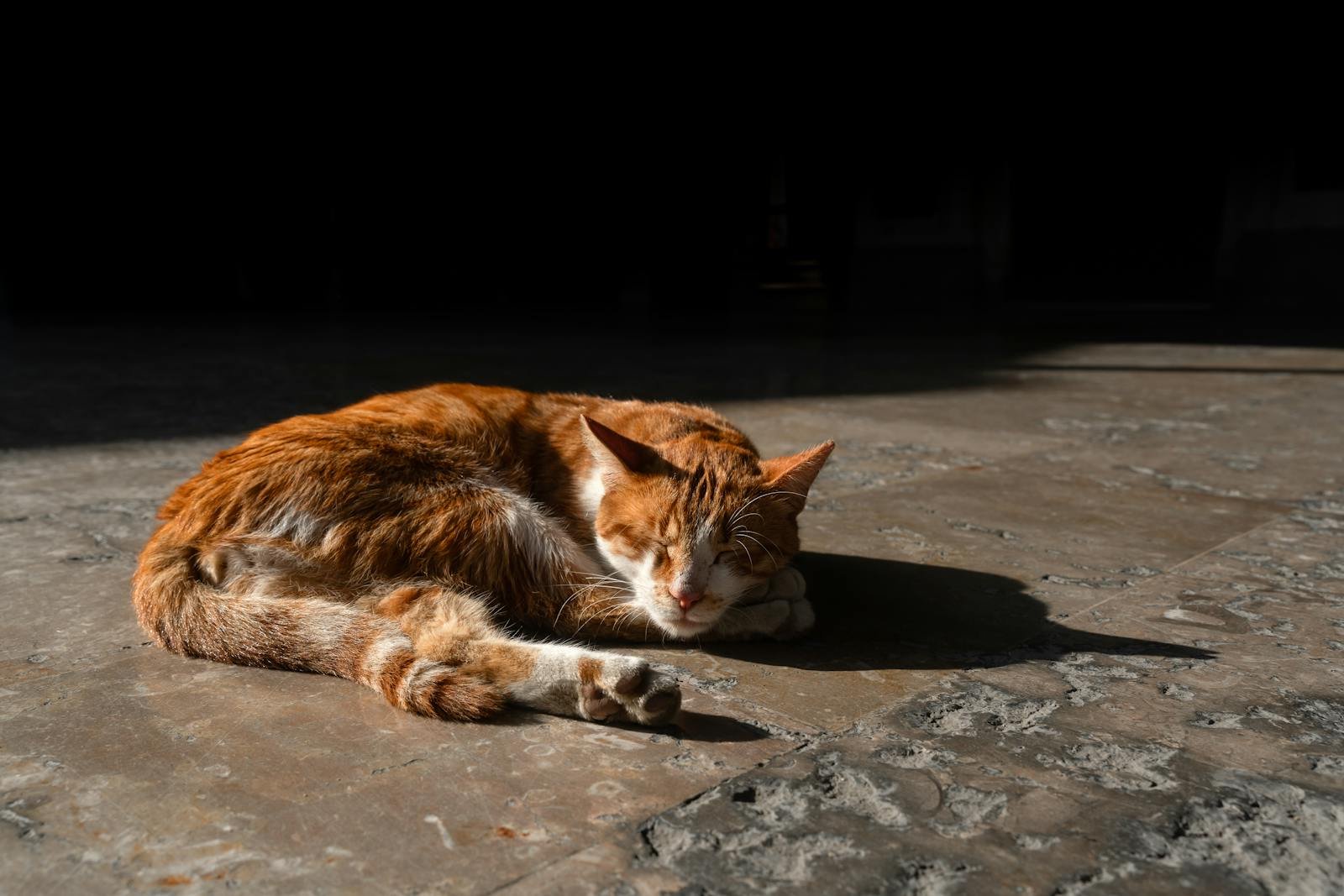
Cats sleep between 12 and 16 hours a day, and that's not laziness - it's a deeply ingrained energy-conservation strategy from their wild ancestry as ambush predators. Waking a sleeping cat repeatedly for cuddles can actually increase irritability and reduce trust over time.
Respecting sleep cycles, especially during a cat's natural crepuscular peak activity times around dawn and dusk, allows for more meaningful interaction when the cat is actually alert and receptive. Owners who let cats initiate contact after waking naturally tend to report more affectionate, relaxed relationships. Sleep isn't downtime to work around - it's a core part of a cat's physical and emotional regulation.
Worth Knowing
- Cats are crepuscular, most naturally alert at dawn and dusk
- Sleep helps regulate energy for short, intense bursts of activity
- Frequent waking for attention can chip away at trust over time
- Letting cats initiate contact after waking often leads to calmer interactions
#20 - Get Them Used to Carriers Long Before a Vet Visit
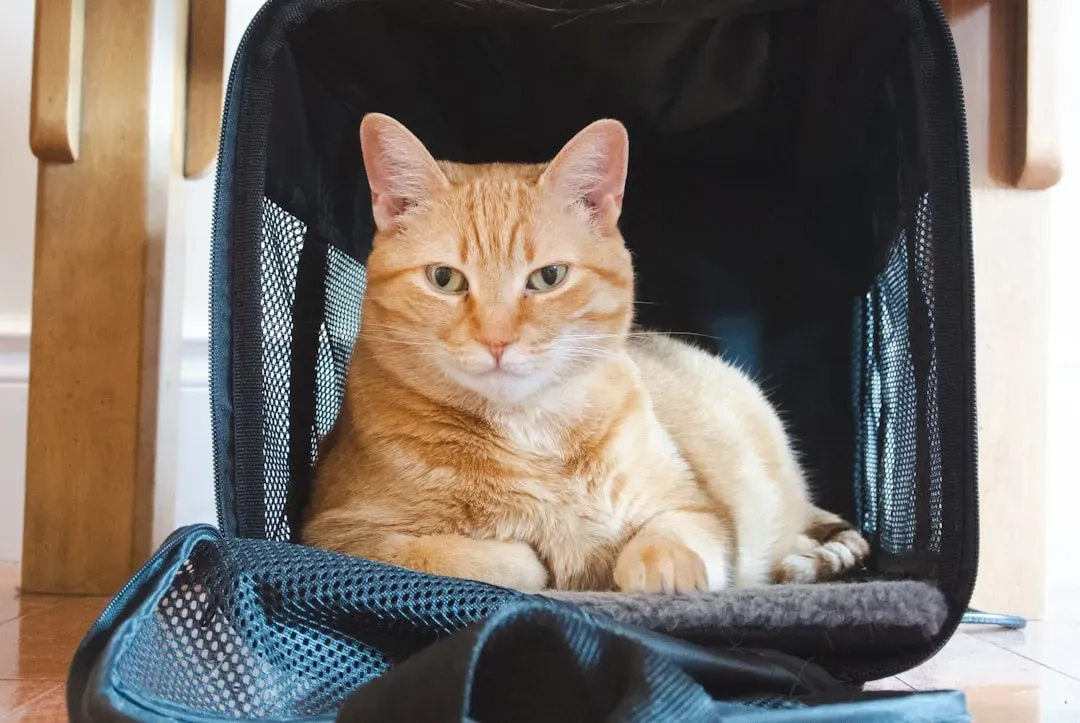
Most cats associate carriers exclusively with stressful trips, which triggers dread the moment the carrier appears. A carrier left out permanently, filled with soft bedding and occasional treats, can completely change a cat's emotional association with it.
Behaviorists recommend treating the carrier as a normal piece of furniture rather than something that only appears before a stressful car ride. Cats that view the carrier as a safe, familiar space show significantly less anxiety during actual transport. This single habit shift can transform vet visits from a wrestling match into a calm, low-stress event for both cat and owner.
#21 - Schedule Wellness Visits Even When They Seem Fine
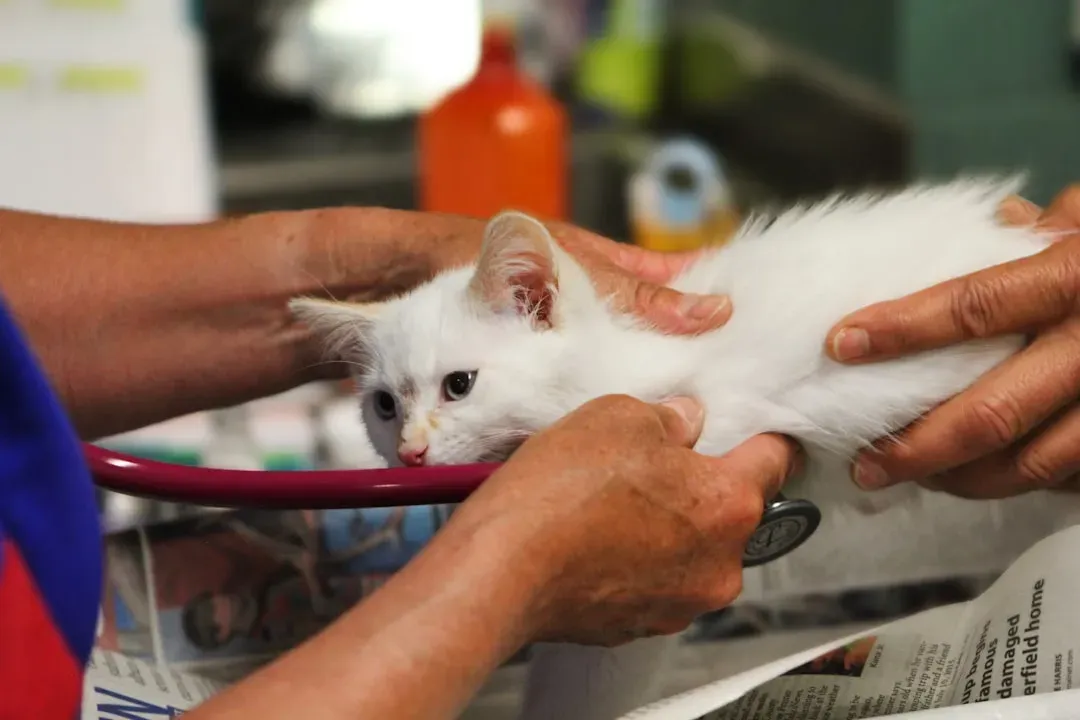
Cats are masters at hiding pain and illness - an evolutionary trait that once protected them from predators targeting visibly weak animals. By the time a cat visibly "acts sick," an underlying condition may have already been developing for months.
Annual (or twice-yearly for senior cats) wellness exams allow vets to catch early signs of kidney disease, dental issues, or thyroid problems before they become emergencies. Bloodwork and dental checks are especially important, since oral disease and kidney dysfunction are among the most common - and most silently progressing - conditions in cats. Waiting for obvious symptoms often means waiting too long.
#22 - Learn Their Individual Body Language Instead of Generic Cat "Rules"
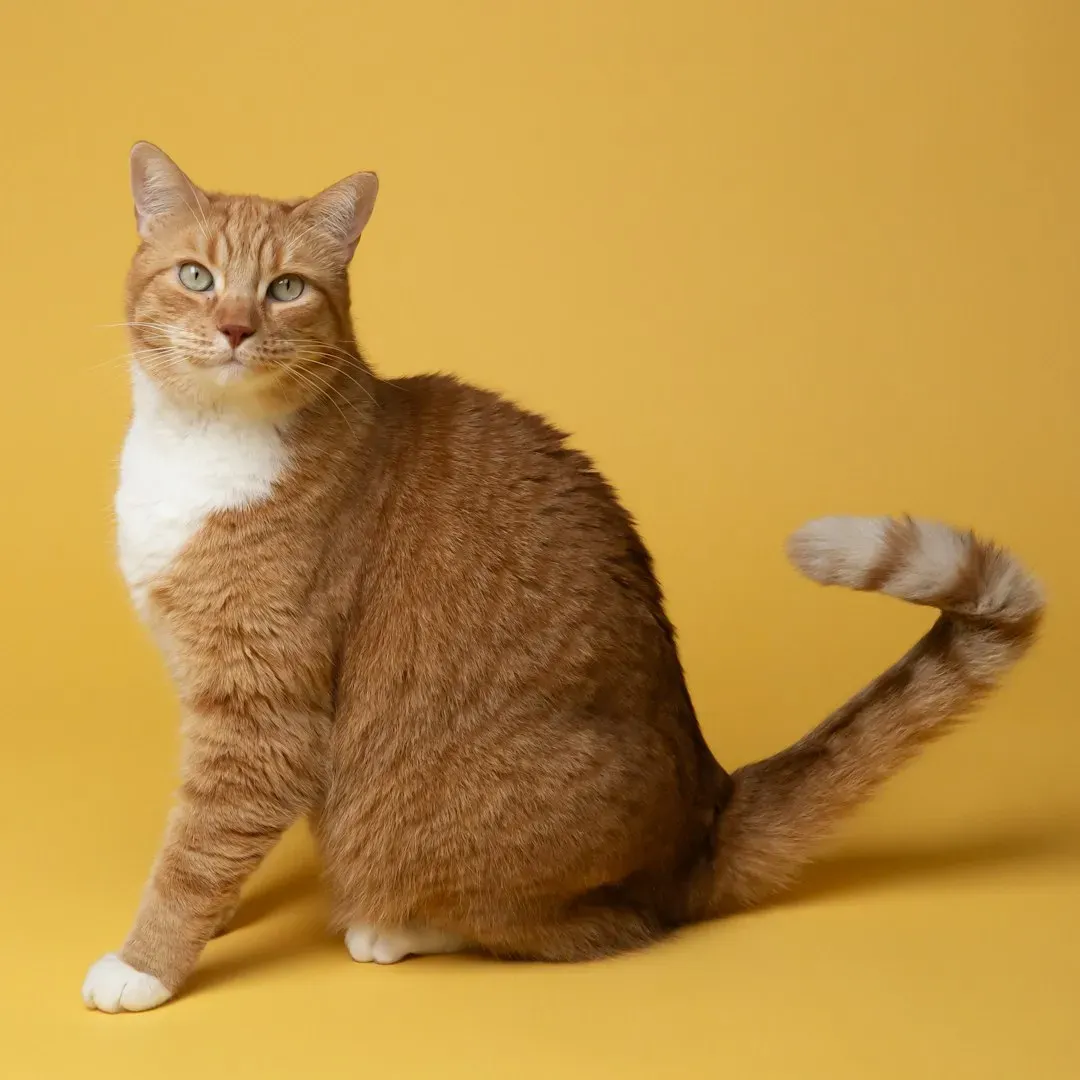
No two cats communicate identically. While general feline body language rules are useful, every cat develops its own dialect of tail flicks, ear positions, and vocal cues that are unique to its personality and history.
Owners who spend time observing their specific cat's patterns - rather than relying solely on generic guides - tend to catch subtle signs of stress, pain, or excitement much earlier. This individualized attentiveness is often the single biggest factor separating a deeply bonded cat-owner relationship from a merely functional one. Cats don't need you to be a behaviorist; they need you to be a careful observer of them specifically.
The Bottom Line
Cats can't tell us what they need, but their behavior is constantly communicating it - if we're paying attention. The biggest takeaway here isn't any single tip; it's that so much of what we consider "normal cat behavior problems" are actually unmet biological or emotional needs in disguise.
Vertical space, routine, scent sensitivity, and predictable safe zones matter far more than most owners realize - often more than toys or treats ever will. I'll say it plainly: cats aren't low-maintenance pets pretending to be independent. They're highly sensitive animals whose needs are just easy to miss, and most "bad cat behavior" is really just a cat asking for something in the only language it has.
Which of these surprised you the most? Tell us in the comments - and let us know what your cat secretly demands that we didn't cover here.