Most cat owners know their older feline companions need a little extra attention. What’s surprising, though, is how many well-meaning people are quietly guided by outdated assumptions rather than facts. Some of these myths are harmless on the surface but can seriously delay care that your cat genuinely needs.
Your senior cat deserves better than guesswork. Understanding what’s actually true about aging in cats, versus what’s been passed down as common wisdom, can make a real difference in the quality and length of their life.
Myth 1: Slowing Down Is Just Normal Aging and Doesn’t Need Attention
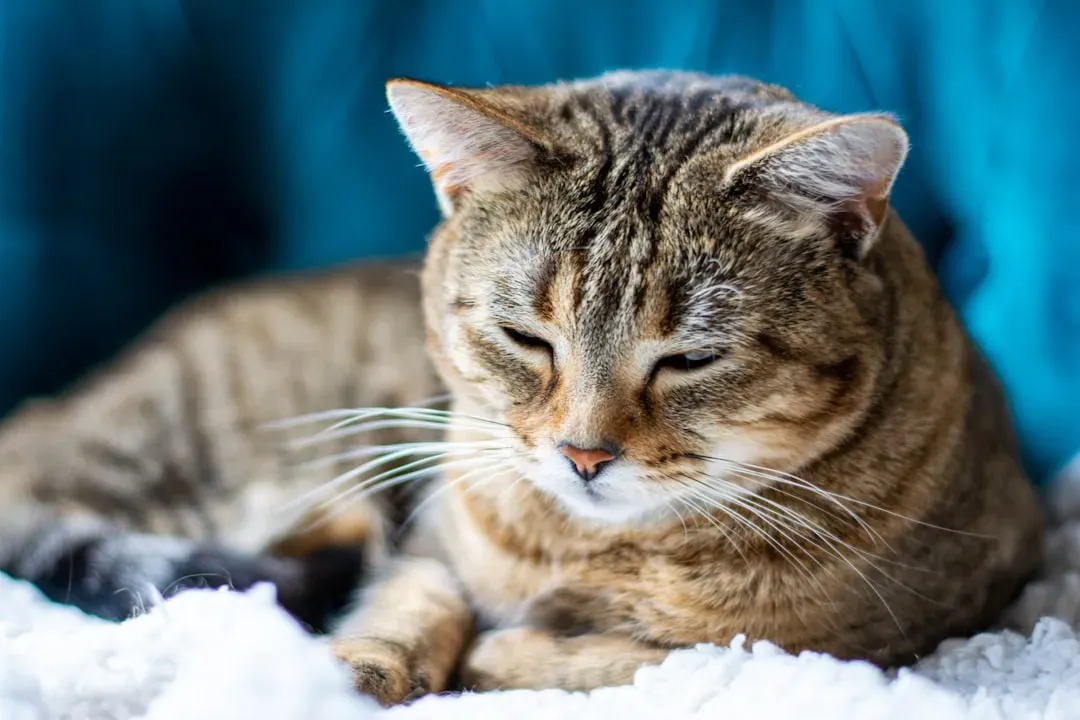
It’s tempting to chalk up a quieter, less active cat to simple old age. That reasoning feels logical, but it can quietly mask real health problems. While it’s true that older pets may not have the boundless energy of their youth, significant lethargy or reluctance to move is not solely due to old age. It could be a sign of underlying conditions, such as arthritis, which can be effectively managed with medication, physical therapy, or joint supplements.
Arthritis is an inflammation of the joints and an extremely common condition in cats. It often goes unnoticed because owners think the cat is just slowing down with age, but arthritis is an extremely painful condition, so it’s worth getting your cat checked regularly in case they need to be treated. You wouldn’t just let a family member live in unaddressed pain, and your senior cat deserves the same consideration.
Myth 2: Weight Loss in Older Cats Is a Natural Part of Getting Old
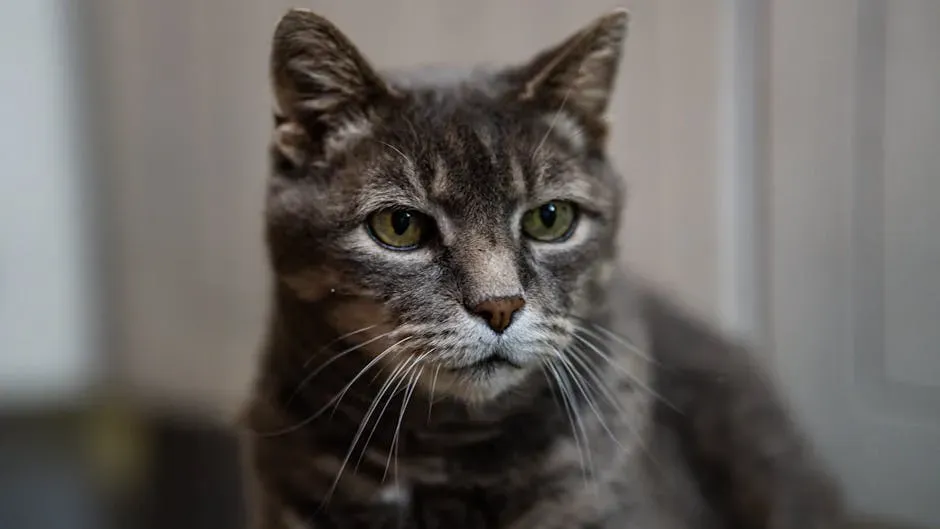
One of the most common misconceptions amongst cat owners is that it is normal for cats to lose weight as they get older. Although weight loss in senior cats is common, it is NOT normal and can be due to any number of conditions including chronic kidney disease, hyperthyroidism, and diabetes. The frequency of something doesn’t make it acceptable or safe to ignore.
Hyperthyroidism, or an elevated thyroid, is prevalent among senior cats. It is the most common feline endocrine disorder and a frequent cause of an elderly cat losing weight. If you’ve noticed your cat eating well but still getting thinner, that’s a signal worth taking seriously, not something to wait out and see.
Myth 3: Senior Cats Need Less Veterinary Care, Not More
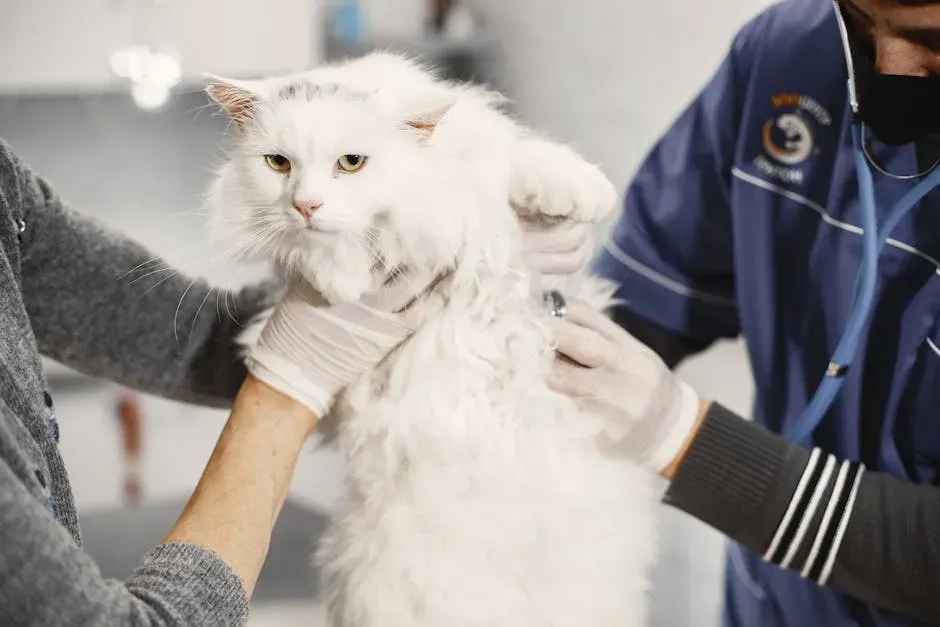
A harmful myth is that older pets require less veterinary care. The opposite is often true. Senior pets are more prone to developing age-related diseases like kidney disease, heart problems, and cancer. Regular check-ups become even more crucial for early detection and management of these conditions. Detecting problems early can significantly improve a pet’s prognosis and overall well-being.
Scheduling regular veterinary exams enhances your older cat’s well-being. Six-month checkups for geriatric cats are considered ideal, and for healthy cats, a yearly geriatric exam including blood work and X-rays along with a smaller exam in between is recommended. Think of those visits less as searching for bad news and more as staying ahead of it.
Myth 4: Senior Cats Need Less Protein in Their Diet
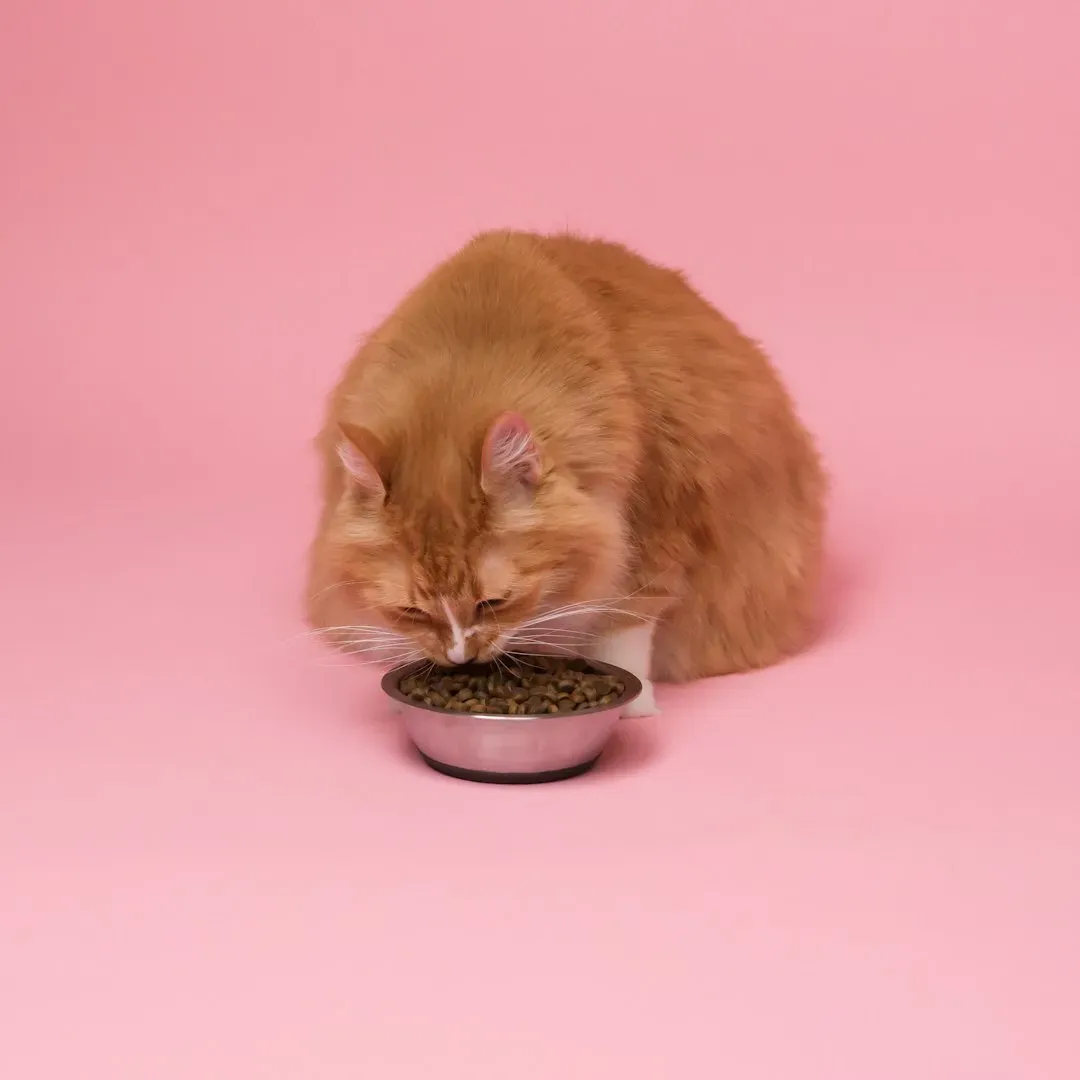
It was once believed that aging cats should be fed less protein than younger cats. The thought process was that decreased activity meant a decreased need for energy-rich protein. Veterinary research debunked this theory, proving that senior cats actually need more protein. However, senior cat parents must be careful to choose a diet that meets their kitty’s protein needs without causing weight gain or other aging problems.
It is important to note that kitties with kidney disease that has developed to stage 2 or higher should be fed a lower protein and phosphorus diet to help delay the onset of nausea and decreased appetite. This is a good reminder that senior cat nutrition isn’t one-size-fits-all. Your vet is the right person to help you dial in the right approach for your specific cat.
Myth 5: Behavioral Changes in Older Cats Are Just “Being Grumpy”
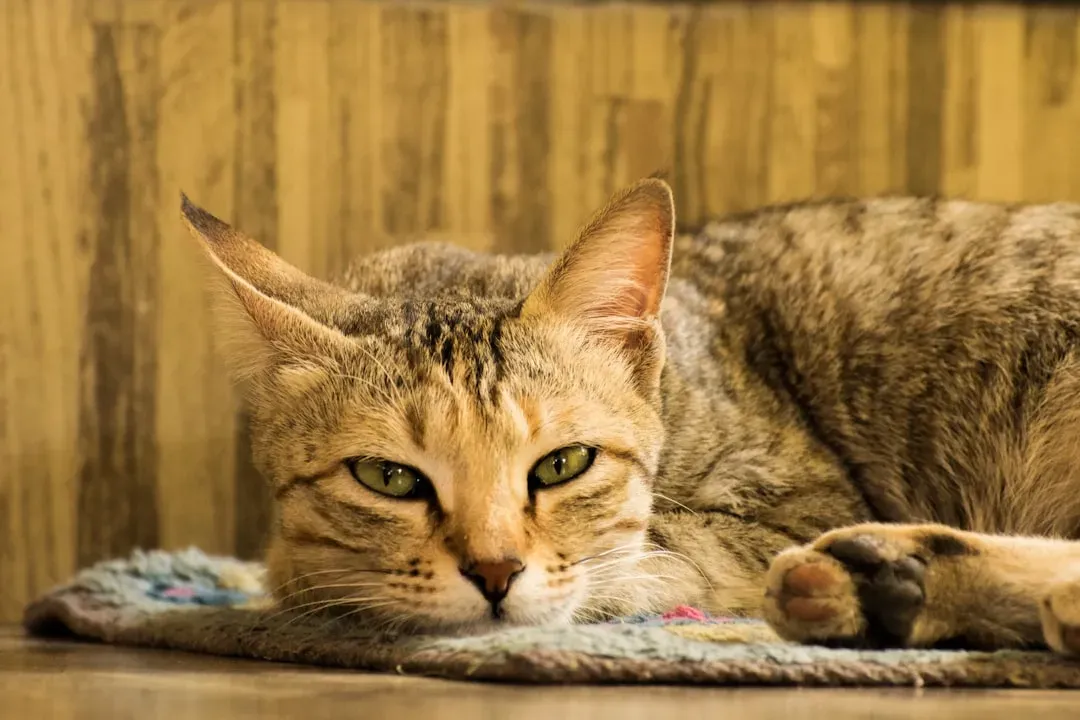
Don’t chalk up health or behavior changes, often gradual, to old age. Such changes can be signs of common diseases or dental problems that should be addressed by your veterinarian. What you might read as moodiness or grumpiness could actually be your cat’s way of communicating genuine discomfort or pain.
The idea that behavioral changes are an inevitable part of aging and cannot be addressed is also untrue. While some cognitive decline can occur, sudden or significant changes in behavior like increased anxiety, disorientation, or altered sleep patterns could indicate cognitive dysfunction syndrome, sometimes referred to as pet dementia. Howling loudly at night is a common concern with older cats, but it does not mean it is normal. Crying out at night can be a sign of high blood pressure, deafness, hyperthyroidism, pain, or cognitive dysfunction amongst other things, so if your cat becomes more vocal as they age, have them checked by your vet.
Conclusion
Senior cats carry a quiet kind of wisdom in the way they move through a room, always on their own terms. What they can’t do is tell you when something hurts or when a quiet change in their body signals something worth investigating. That job falls to you.
Advancing age is not a disease. Although many complex physical changes accompany advancing years, age in and of itself is not a disease, and even though many conditions that affect older cats are not correctable, they can often be controlled. Letting go of these five myths isn’t about becoming an anxious cat parent. It’s simply about replacing outdated assumptions with clear, practical understanding.
Your senior cat has probably spent years perfecting the art of accepting your company on their schedule. The least you can do is return the favor with informed, attentive care that keeps them comfortable for as long as possible.