You’ve probably seen it happen a dozen times. Your cat is lounging peacefully, perhaps grooming or staring out the window, when suddenly they explode into a whirlwind of frantic sprinting, leaping off furniture, and racing through every room like they’re competing in an Olympic event. Just as quickly as it started, they stop, settle down, and go back to being their usual calm selves. What just happened?
These sudden bursts of hyperactivity have a technical name: frenetic random activity periods, or FRAPs, though most of us call them the zoomies. While they’re entertaining to watch, there’s a lot of misinformation floating around about what causes these episodes and what they mean for your feline friend. Let’s dive into the most common myths surrounding cat zoomies and uncover what’s really going on when your kitty goes into overdrive.
Myth 1: Zoomies Are Just About Burning Off Excess Energy
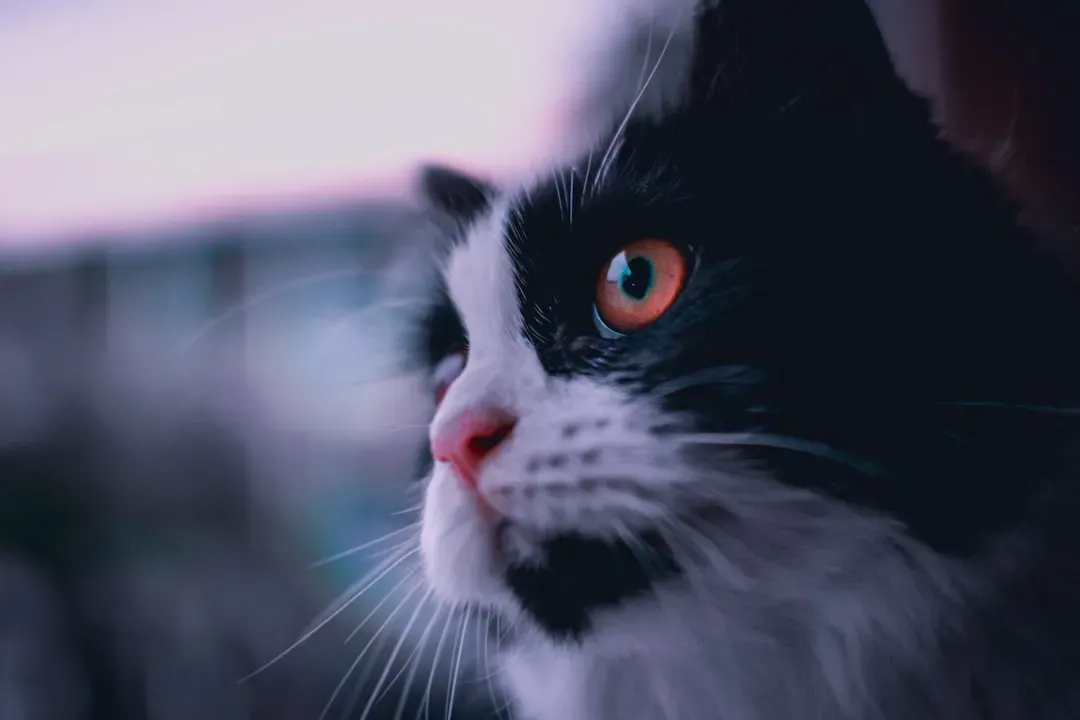
It’s easy to assume that zoomies are simply your cat’s way of burning calories. Sure, pent-up energy is the most common reason cats experience the zoomies, as cats rest and sleep for a majority of the day to conserve energy for short, very active periods. That explanation makes sense on the surface, especially for indoor cats who don’t get much exercise.
Here’s the thing though. FRAPs may release endorphins, causing a pleasurable or euphoric response, and from a physical standpoint, these bursts of activity can strengthen muscles, boost cardiovascular health, and support overall well-being. Your cat isn’t just running around mindlessly. These episodes serve multiple biological purposes beyond simple energy expenditure. Think of it less like a random explosion and more like a carefully designed system where your cat’s body and brain get the stimulation they desperately need. The hunting instincts, the muscle development, the mental release – it all comes together during those few chaotic minutes.
Myth 2: Only Kittens Get the Zoomies
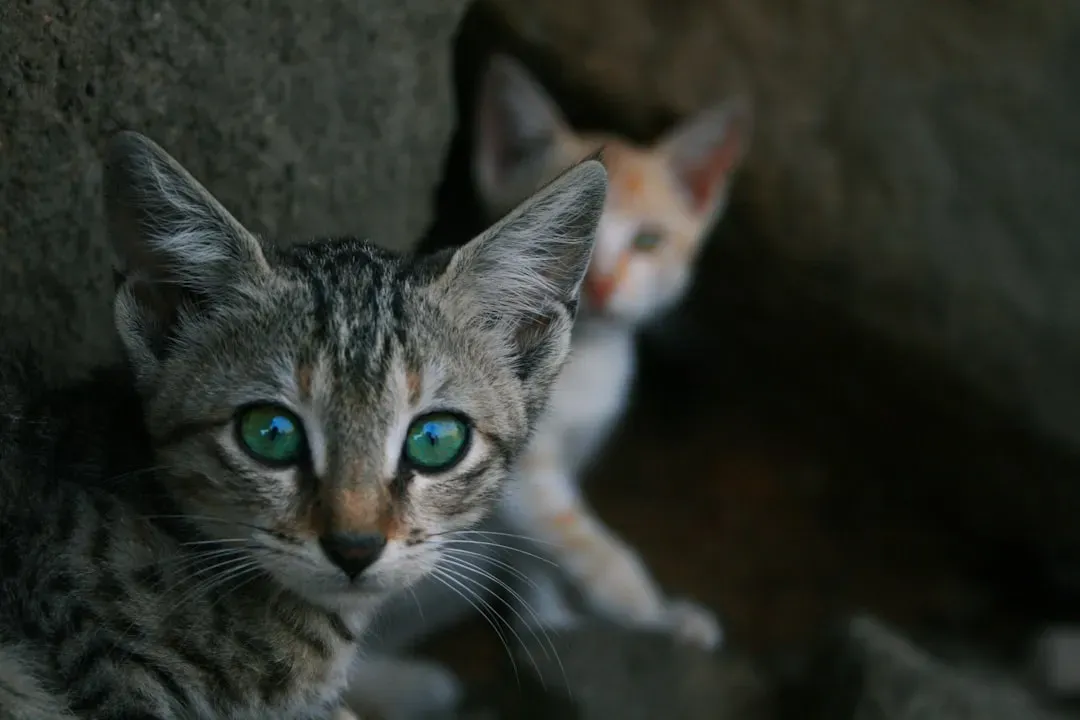
There’s a widespread belief that zoomies are exclusively a kitten thing, something your cat will grow out of as they mature. While it’s true that young cats, especially kittens, tend to have frequent and intense zoomies due to their high energy levels and rapid growth, your adult cat didn’t lose the ability to zoom when they hit their first birthday.
While kittens do tend to mellow out with age, the zoomies don’t necessarily stop. Even as cats enter their senior years, they may still experience zoomies, though typically less often due to age-related changes like decreased muscle mass and arthritis. If your senior cat suddenly starts having more frequent zoomies after being prescribed pain medication, that’s actually good news – it might mean the treatment is working and they’re feeling more comfortable. Age doesn’t eliminate zoomies. It just changes their frequency and intensity.
Myth 3: Nighttime Zoomies Mean Your Cat Is Nocturnal
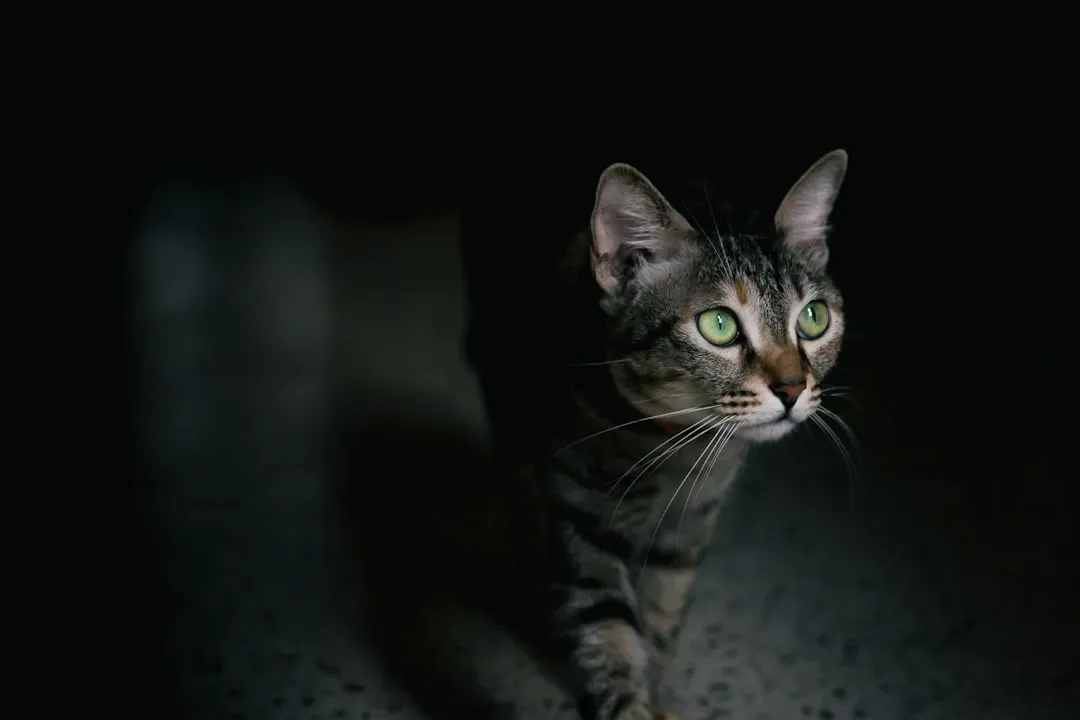
You’re sound asleep when suddenly you hear the thundering paws of your cat racing down the hallway at full speed. Many people assume this means cats are nocturnal creatures who come alive when the sun goes down. Wrong.
Cats are not nocturnal but are crepuscular instead, meaning they are naturally most active at dawn and dusk due to their biological need to take advantage of cooler times of day in order to more effectively hunt. Since cats are crepuscular, it’s no surprise that many pet parents notice zoomies happening during the early morning or evening hours. This isn’t about being a night owl. It’s about evolutionary biology. In the wild, these twilight hours offer the perfect hunting conditions – prey is active, temperatures are moderate, and lighting provides just enough visibility.
So when your cat tears through the house at midnight or five in the morning, they’re not trying to annoy you. Their internal clock is simply telling them it’s prime hunting time, and those instincts need an outlet.
Myth 4: Post-Litter Box Zoomies Are Always a Sign of Distress
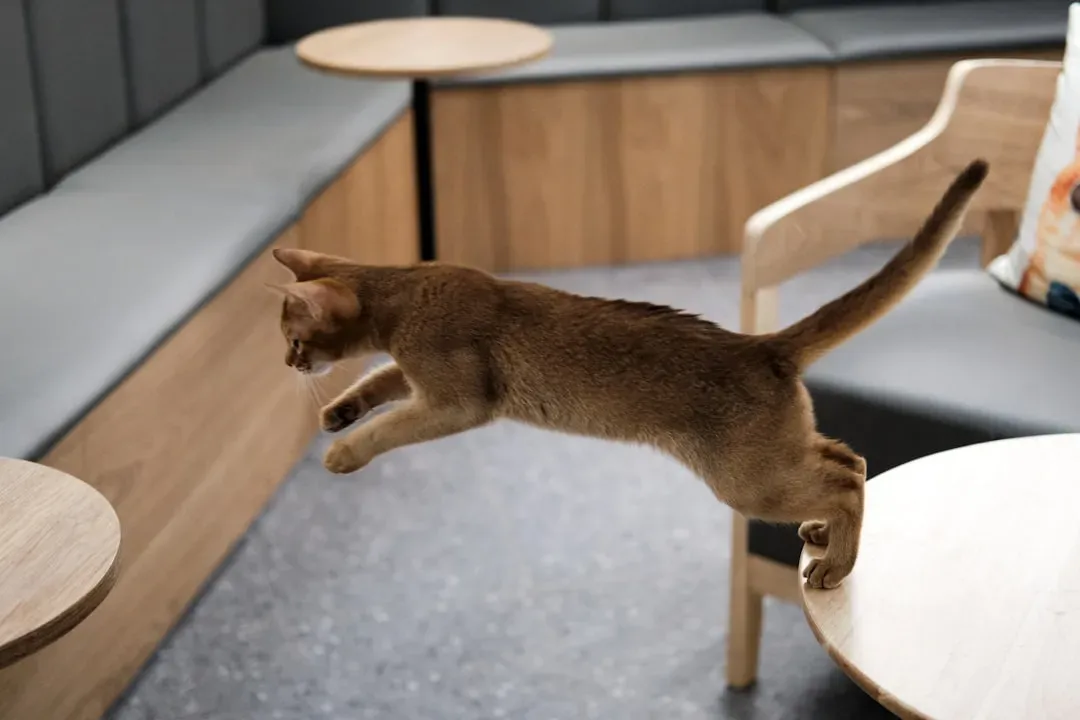
One of the most baffling behaviors for cat owners is the post-poop sprint. Your cat finishes their business in the litter box and then suddenly races away like they’re fleeing a crime scene. Naturally, people worry something might be wrong – constipation, pain, or digestive issues.
While it’s true that you should pay attention to signs of constipation, such as discomfort, vomiting, or defecation outside the litter box, especially if the post-poop cat zoomies are a new behavior, most of the time this behavior is completely harmless. Defecating stimulates the vagus nerve, which can lead to a feeling of release or relief, and depending on the cat’s personality, that might lead to excitement and zoomies. Some experts also theorize that cats want to get away from the scent that may attract predators, which is why cats tend to bury their poop.
Honestly, your cat probably just feels relieved and a bit euphoric. Unless you’re seeing other worrying signs, those litter box zoomies are just another quirk of feline behavior.
Myth 5: Zoomies Are Always Playful and Harmless
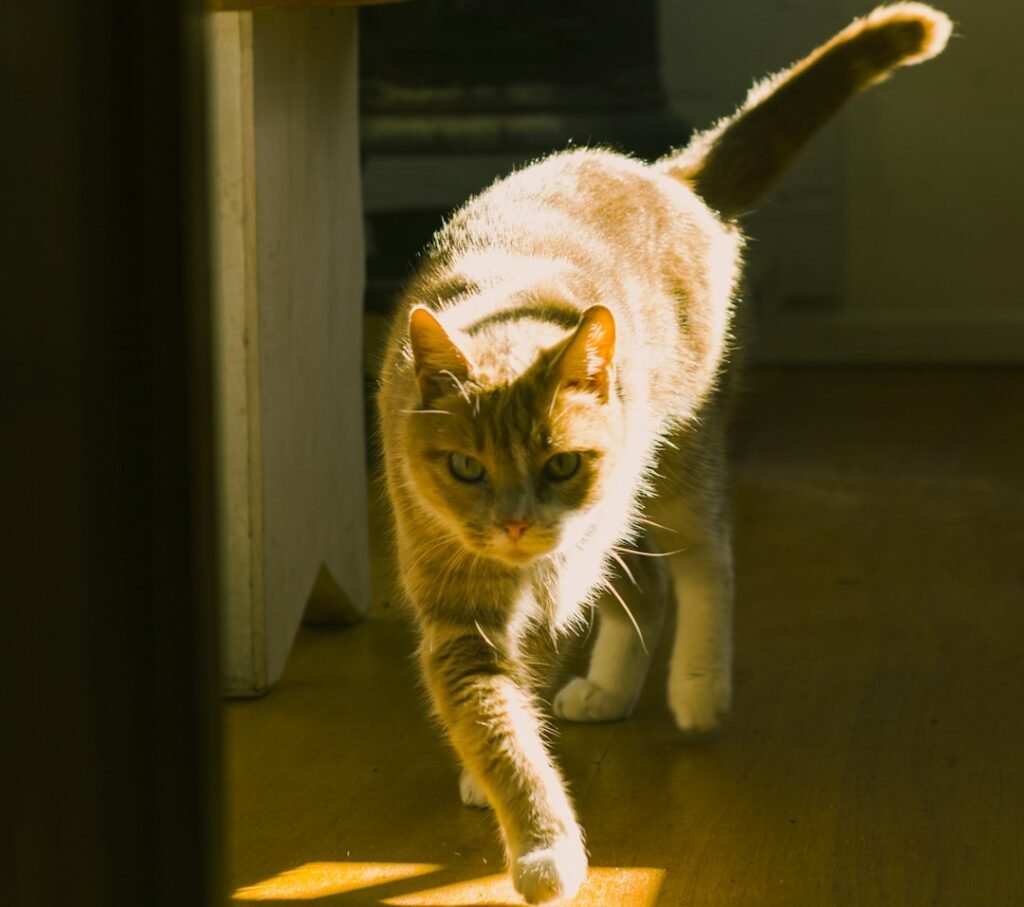
Most of the time, zoomies are exactly what they appear to be: a healthy, normal expression of feline energy and instinct. These energetic outbursts might be startling in the moment, but they’re perfectly normal feline behavior. That said, not all zoomies are created equal.
Anxiety or distress can trigger zoomie-like behavior, though these episodes typically look different from playful ones, with anxious cats often appearing uncoordinated or frantic during these moments. Keep an eye on your cat’s body language – a lowered tail, exposed claws, and flat ears are all signs of distress. Sudden changes in zoomie behavior might signal underlying health conditions like hyperthyroidism or mobility problems.
The key is understanding your own cat’s patterns. If your typically mellow cat suddenly starts having multiple frantic episodes daily, or if the zoomies seem panicked rather than playful, that’s worth a conversation with your vet. Context matters, and you know your cat better than anyone else.
The Real Story Behind the Zoomies
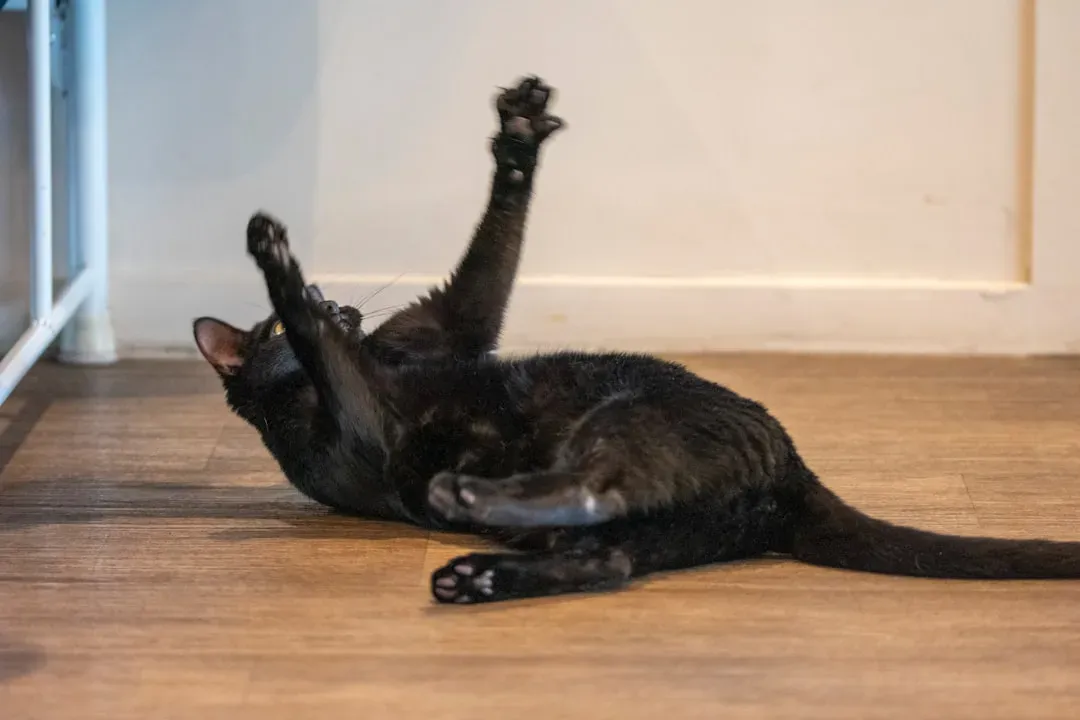
Now that we’ve cleared up the misconceptions, what’s the actual truth about cat zoomies? In most instances, a cat’s FRAPs are perfectly normal and in keeping with their natural instincts. This behaviour is deeply tied to your cat’s need for physical activity and mental stimulation.
Zoomies may originate from cats’ natural predatory instincts, as the bursts of activity with their sudden sprints and sharp turns may represent hunting behaviors. Even though your indoor cat doesn’t need to catch mice for survival, those instincts remain hardwired. The zoomies give them a chance to practice skills their ancestors used every day – stalking, pouncing, rapid direction changes, and explosive speed. It’s not chaos. It’s choreography passed down through thousands of generations.
If you want to manage the timing or intensity of your cat’s zoomies, dedicating time out of each day to playing with them can help, as these frantic episodes can be prevented by making sure your cat gets to expend a lot of its energy when it is awake. Regular interactive play sessions, especially before bedtime, can redirect that energy into more convenient times. Think wand toys, laser pointers (used responsibly), and puzzle feeders that engage both body and mind.
The next time your cat launches into a full-blown zooming session, don’t panic. Take a moment to appreciate what you’re witnessing – a fascinating blend of biology, instinct, and pure feline joy. Those few minutes of apparent madness are actually your cat being exactly what nature designed them to be: a perfect little predator, keeping their skills sharp even in the comfort of your living room.
What do you think? Has your cat ever surprised you with their zoomie timing? Share your wildest zoomie stories in the comments below.