Ever wondered whether r feline friend actually notices when ‘re gone? Despite their reputation for independence, cats form genuine emotional bonds with their owners. They develop routines around r presence and can experience real distress when ‘re away. Understanding these subtle signs helps recognize r cat’s emotional needs and strengthen the bond share.
They Wait by the Door or Window for r Return
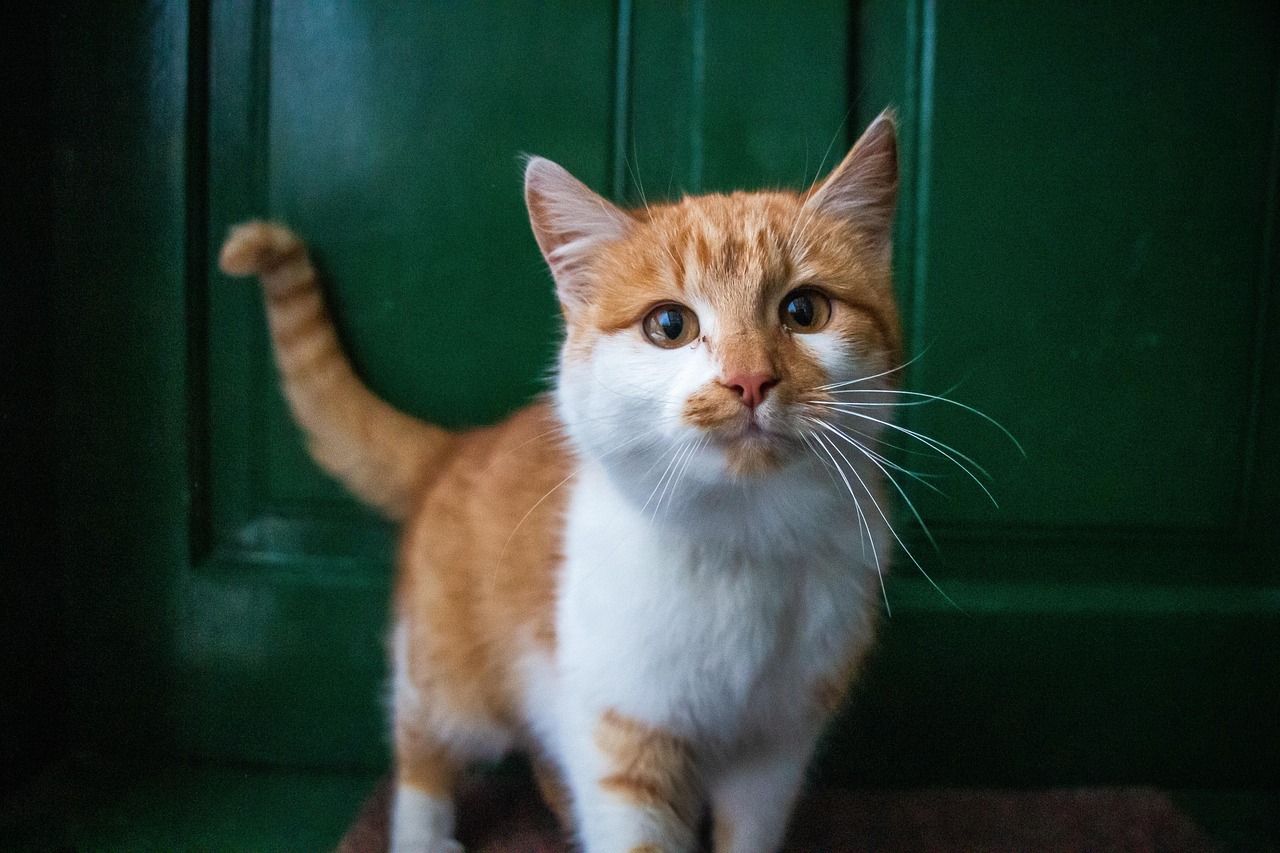
r cat strategically positioning themselves by the door with an expectant gaze, alert ears, and anticipating the sound of r keys or footsteps is a classic sign they’ve missed . Some cats eagerly greet their owners by meowing at the door with their tails upright – a sure sign they’re thrilled ‘re back.
To r cat, r arrival back home signals playtime and fun. This behavior shows they’ve been actively waiting and watching for r return. might also find them positioned near windows that face the direction typically arrive from, scanning the area for signs of r approach.
r Cat Becomes More Vocal Than Usual
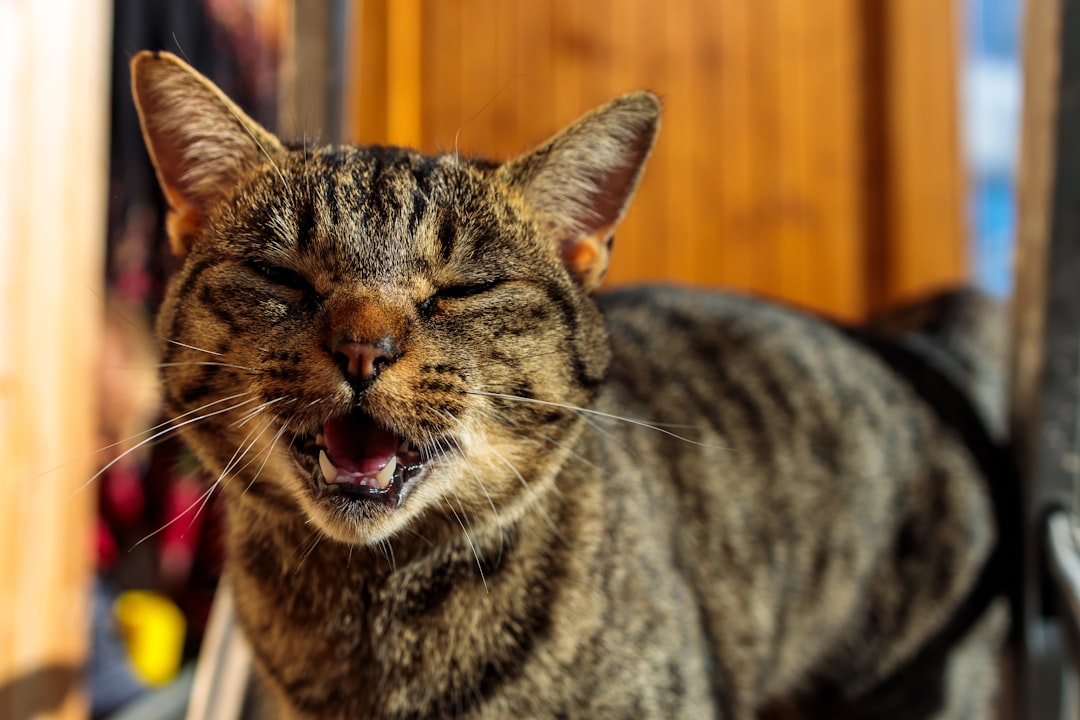
An increased meowing is a sign that they missed and crave r attention, with cats becoming more expressive in their meowing when they yearn for their owner. When get home, r cat might meow, chirp and trill.
Whining that is linked to separation anxiety is persistent and may continue long after a pet parent has left the room or property. This excessive vocalization serves as their way of communicating their emotional state. There can be many signs of separation anxiety in cats, including increased vocalization like meowing or crying, either when leave or as are getting ready to go.
They Follow Around the House
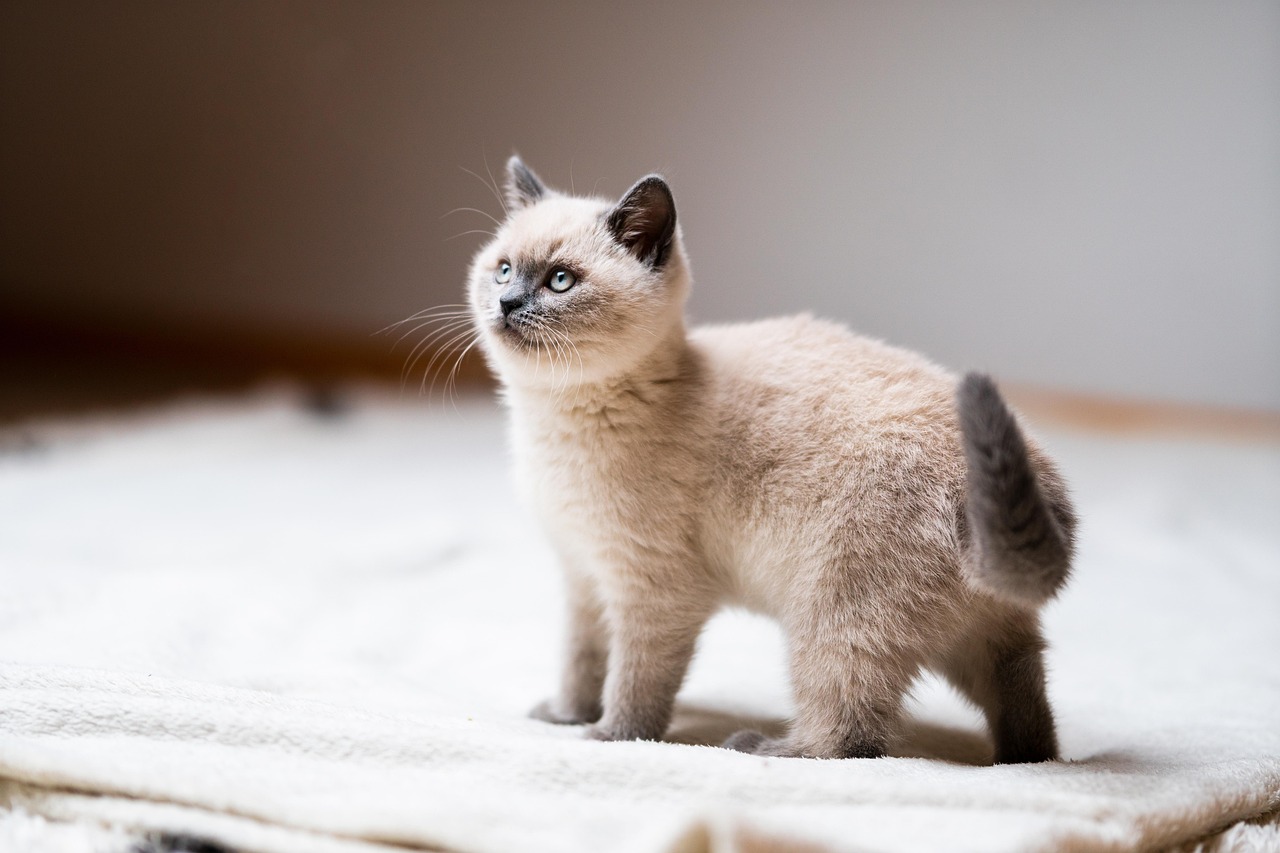
r cat seems to be a little different; it has been shadowing even since got back from r holiday, meaning r darling feline missed terribly. r cat doesn’t want to leave r side and keeps coming for strokes and cuddles.
If r cat displays heightened affection after return home, it could mean they genuinely missed . This clingy behavior often manifests as r cat wanting to be in the same room as constantly. They may even try to participate in activities they normally ignore, simply to stay close to .
Changes in Eating Habits Occur
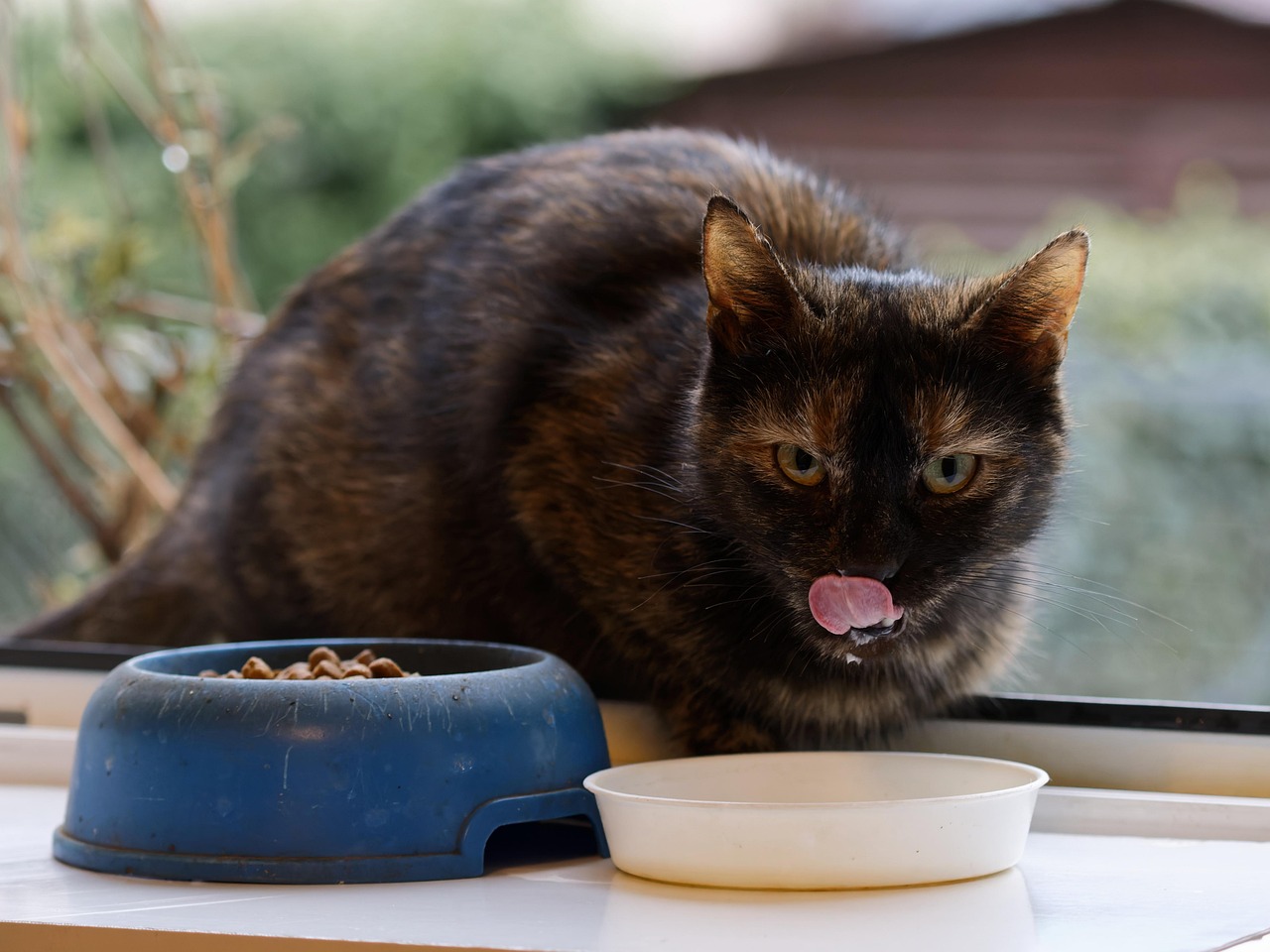
r absence might have disrupted r cat’s eating routine, causing changes in their eating habits where some cats eat less, while others may overindulge due to stress, with both behaviors reflecting their longing for r consistent presence. A cat that feels sad or anxious over r absence may lose interest in food or begin overeating.
Sadly, feline separation anxiety can lead to a reduced appetite, which can in some cases become dangerous, and while a reduced appetite is a sign they’re missing their pet parents, it’s important to keep an eye on any other unusual behaviors. These eating pattern changes often normalize once r routine returns to normal, though persistent changes warrant veterinary attention.
They Sleep on r Clothes or Personal Items
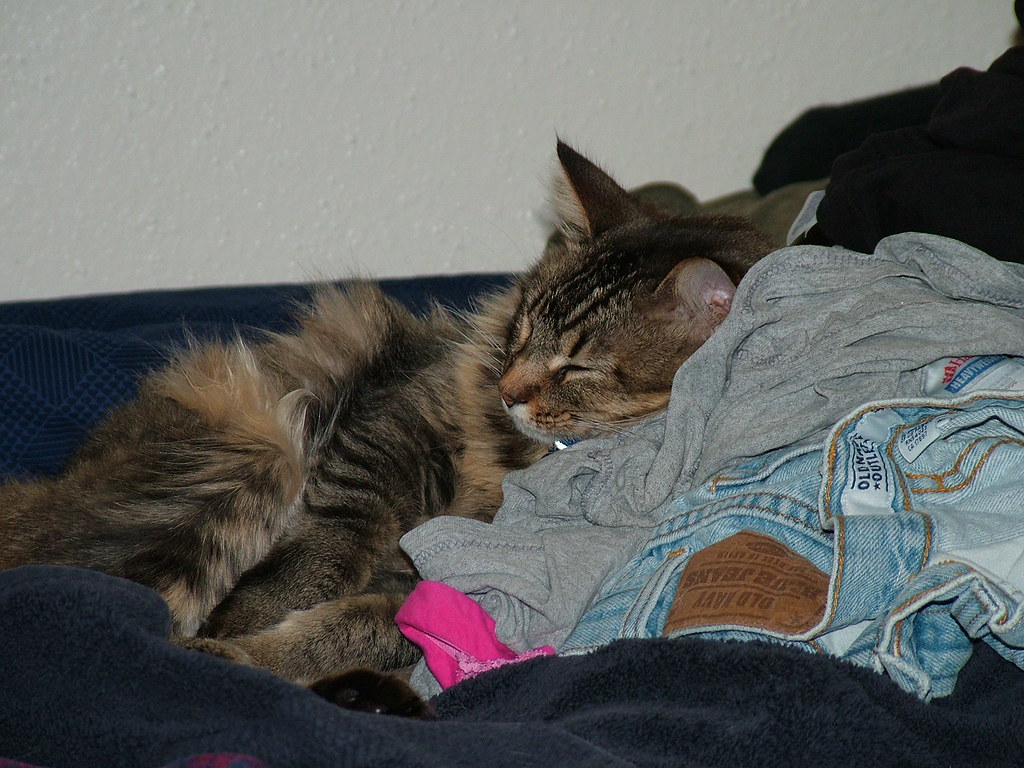
Cats love their scent, it is their way of marking territory, and if find r cat nestling among r recently worn clothes, that is a clear indicator that they are longing for . Cats may also snuggle up to r worn clothes, finding comfort in r scent.
The psychological mechanism behind this behavior could be that cats try to find comfort in the smell of their owner. Leaving out personal items, such as an article of clothing with r scent, can also help provide comfort. might discover them curled up on r pillow, in r favorite chair, or even inside r laundry basket.
Excessive Grooming or Physical Symptoms Appear
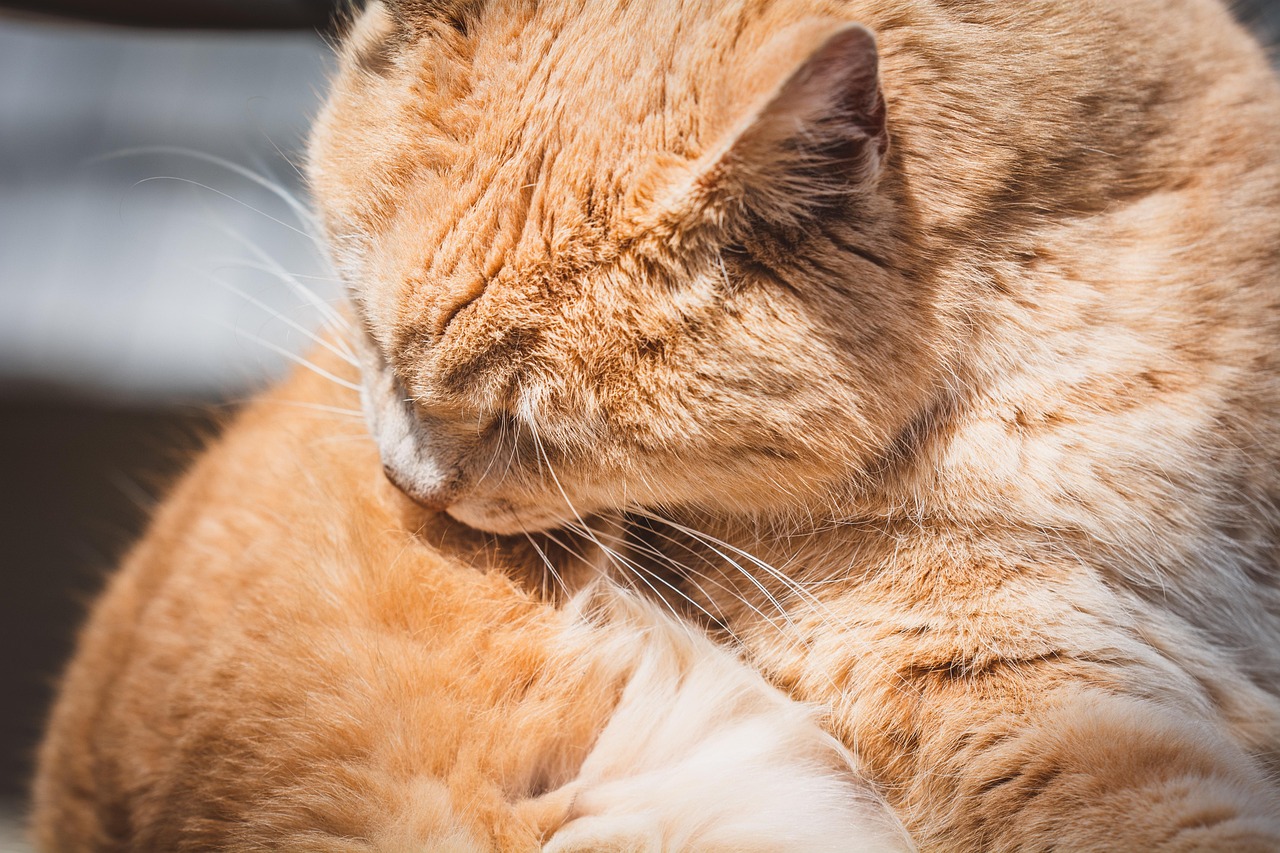
Cats, when experiencing stress or anxiety due to r absence, may resort to excessive grooming as a coping mechanism. Cats groom themselves to maintain cleanliness, but they may over-groom themselves in times of stress, such as when they miss their owners, and over-grooming can result in hair loss, skin redness, and damage.
Unfortunately, when our feline friends are seriously missing us, they can get physically sick as well as feeling pretty down mentally, and if r cat isn’t used to r absence, the stress they’re under may cause them to be physically sick, or to have stress diarrhea. Check for bald patches, which will most likely appear on a cat’s lower belly or legs, and if they have started appearing following time spent on their own, this could well be the stressor.
Conclusion
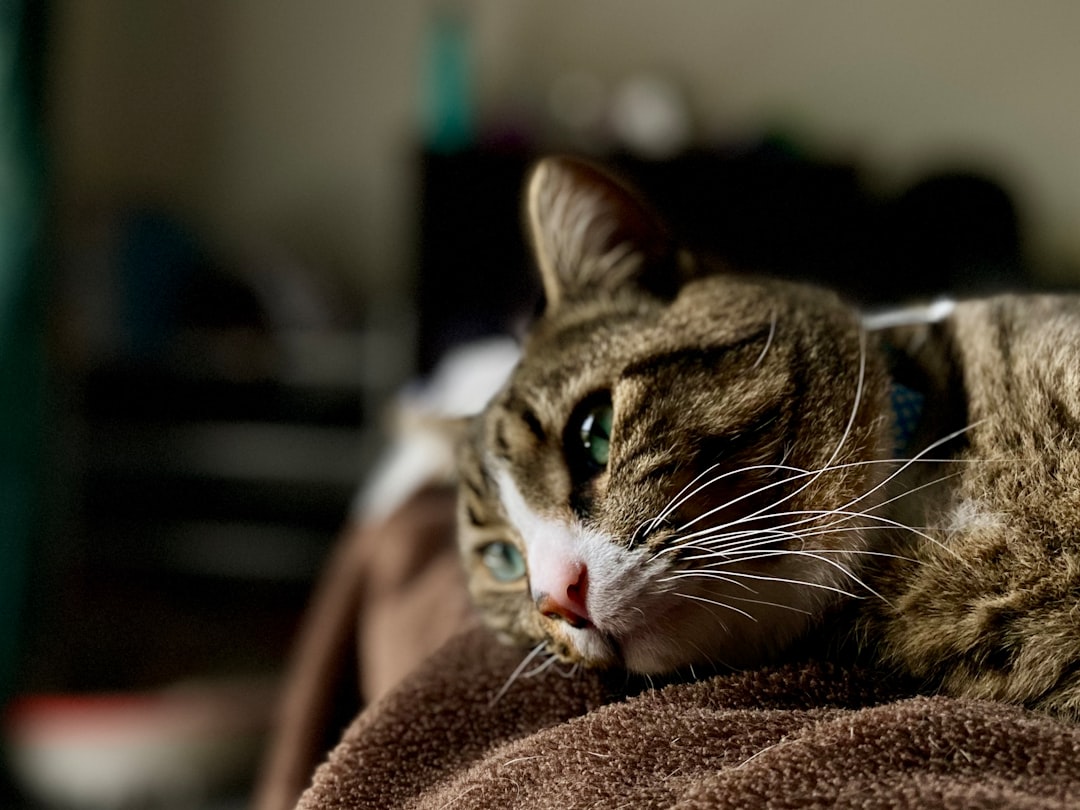
Recognizing these signs helps understand r cat’s emotional world better. While cats are indeed independent creatures, they form meaningful attachments and genuinely miss their favorite humans. It’s nice to know that our cats may miss us while we are gone and that their aloof and independent nature doesn’t mean they don’t care, and r cat may show signs that they missed with extra affection, vocalizations, and gifts.
If notice multiple signs persisting or becoming extreme, consider consulting r veterinarian to rule out underlying health issues. Remember, r cat’s behavior is their way of communicating their feelings for . What signs has r cat shown when ‘ve been away? Have noticed any of these behaviors in r feline companion?