There’s a unique kind of silence that fills a home after a cat is gone. No soft padding of paws on hardwood floors. No purring from the corner of the couch. If you’ve ever loved a cat, you know exactly what that feels like, and honestly, it’s one of the most quietly devastating things a person can experience.
Cats are often misunderstood as cold, indifferent creatures who simply tolerate us. But those of us who’ve shared our lives with them know better. The bond runs deeper than most people realize, and when they leave, they take a piece of the house’s soul with them. What would your cat want you to carry forward, if they could tell you? Let’s dive in.
1. Your Grief Is Real, and You Should Never Apologize for It

Let’s be real, one of the most painful things about losing a cat is the way some people minimize it. “It’s just a cat,” they say, as if an entire relationship, a living, breathing presence that greeted you every morning, somehow doesn’t count. That kind of dismissal can make your loss feel invisible, and you deserve better than that.
Research comparing the grief of losing a pet to other kinds of loss shows that it can be just as painful as losing a human, depending on the relationship someone had with their pet. So if you’re falling apart, you’re not being dramatic. You’re being human. You should avoid belittling the situation or convincing yourself to get over it because it is “just a cat.” Your cat would want you to honor that pain, not suppress it.
2. The Love They Showed You Was Completely Genuine
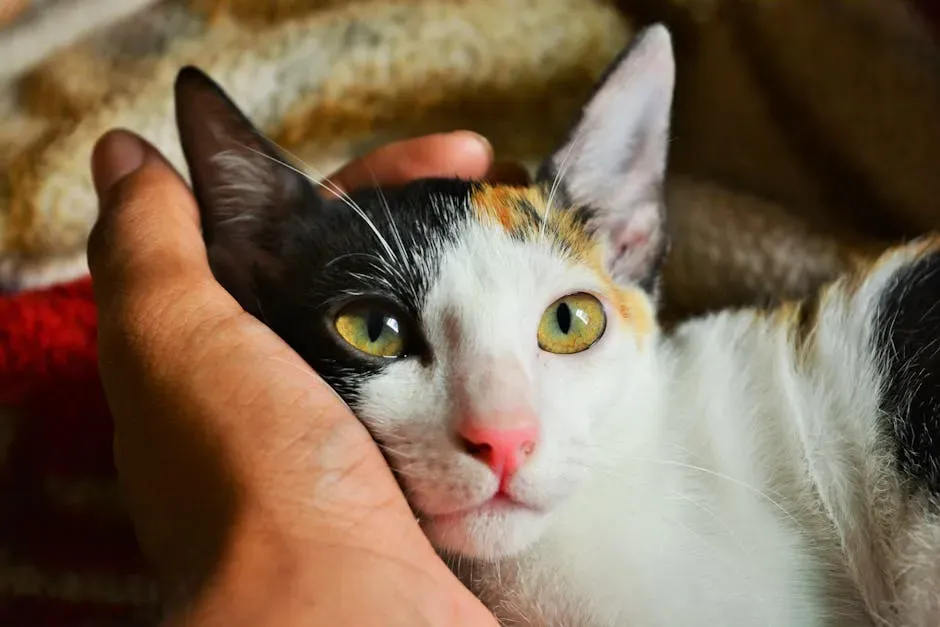
Here’s something that might surprise you. Cats actually prefer human interaction over many other things, including toys and scent. A study published in Behavioural Processes looked at what cats prefer to interact with, offering options of human interaction, food, toys, or scent, and most cats chose interaction with humans. Think about that for a second. They chose you.
When you enjoy signs of bonding with your cat, you can be absolutely certain it’s genuine, because cats simply cannot fake affection. Every slow blink, every headbutt, every time they kneaded your lap before settling in for a nap, that was your cat saying “I trust you” in the only language they had. Cats make eye contact with lowered eyelids and steady, slow blinks, considered a feline version of a kiss. Those little moments were everything.
3. They Knew You Were Their Safe Person

You might not have realized just how important you were to your cat’s sense of security. A cat sleeping on or beside you isn’t simply a sweet moment, but a strong sign of trust and comfort, since animals are most vulnerable when they sleep, so choosing to nap on your lap or beside you is a powerful indicator that you were seen as a source of safety.
Secure attachment in cats is when a cat shows signs of distress when the owner is out of the room but recovers quickly when the owner returns, indicating a cat who is confident with their owner around and doesn’t like to be left alone in a strange place. In other words, you were their anchor. Their comfort zone. When a cat has imprinted on you, they see you as part of their safe space, and this behavior reflects a strong emotional bond where the cat seeks your attention and shows affection in ways that go beyond typical pet-owner interactions. That’s not nothing. That’s everything.
4. Please Don’t Rush to Erase Their Presence From Your Home

When we’re in pain, the instinct is sometimes to clean everything, to remove every trace, to try and move forward fast. Honestly, I understand the impulse. But your cat, were they able to speak, would probably ask you to slow down. An impulse many humans have immediately following a death is to clean and remove any traces of the deceased, but smell is one of a cat’s primary senses, and a thorough cleaning of the home, however therapeutic it may be for you, can be seriously disturbing for surviving pets.
Cleaning may remove bunting-associated pheromones, when a cat rubs their facial scent glands against objects, marking their territory and claiming things as theirs, and if those markings are suddenly gone, their absence may be even more upsetting for surviving animals. Beyond other pets though, there’s something to be said for you too. Those familiar objects, a favorite toy, a worn blanket, they hold memory. You can get your cat’s ashes made into a keepsake or create a memory box with a few of their favourite items to honor the life you shared together, on your own timeline.
5. Your Routine Was Their World, and Honoring It Honors Them

Think about how much of your day was quietly shaped by your cat. The morning feeding, the evening lap session, the way they’d appear like clockwork at dinnertime. When you lose your cat, life can suddenly feel very lonely, because you likely had a routine built around feeding and playing with them, and it can feel strange once that stops, with some people still thinking they can hear their cat purring beside them or coming through the cat flap for food.
Cats are creatures of habit, and if yours consistently joined you for morning coffee or nighttime TV, that shared routine reflected a genuine bond, as those predictable moments helped them feel secure, and participating in them was a form of affection. So when your cat is gone, try not to see the empty spot on the couch as a void. See it as a record of all the time you gave them, all the routines that made them feel loved and safe. That is a legacy worth sitting with for a while.
6. They Would Want You to Heal, Not Just Survive

If you feel sad and want to cry, you should cry, because bottling up your emotions will likely extend the grieving process and keeping your feelings to yourself can also trigger various problems in the future, which may result in unexpected grief ambushes. Healing isn’t about forgetting your cat. It’s about finding a way to carry them with you while also stepping back into the light.
Grief is a natural part of life, and cats leave pawprints on our hearts even when they are no longer physically with us, though they often leave us with cherished memories that remind us why we chose to love them. Give yourself grace. Time will contribute to the healing process, and loss will become easier to bear as fond memories begin to replace sorrow. That’s not betrayal. That’s exactly what your cat would have wanted for you.
A Final Thought

Losing a cat is losing a companion who asked for so little and gave back so much. They lived their whole world inside your walls, and they chose to share every corner of it with you. That’s not small. That’s a kind of love that deserves to be remembered, grieved, and celebrated.
Create a memorial if it helps. Write down your memories. Look at photos when you’re ready. After your cat dies, it can be therapeutic to look back at photographs from throughout their life, as this is a nice way to remember your relationship and will evoke positive memories. And when the time eventually feels right, let joy back in too, because that’s what they would have wanted.
Your cat didn’t just live in your home. They lived in you. What will you do to keep their memory alive?