Your cat just knocked over your water glass for the third time today while staring directly at you. Is she trying to tell you something’s wrong, or is she just being, well, a cat? Here’s the thing: cats are absolute masters at hiding pain and illness, which makes understanding their behavior both fascinating and critically important for their wellbeing.
The challenge for you as a cat owner is figuring out when that odd behavior is cause for concern versus just another quirky trait of your feline friend. Let’s be real, cats do some truly bizarre things on a daily basis. The difference between a sick cat and a quirky cat can sometimes be subtle, which is why knowing what to watch for could literally save your pet’s life. So let’s dive into the behaviors that should send you straight to the vet, and those that are simply your cat being their wonderfully weird self.
Sickness Sign 1: Hiding More Than Usual
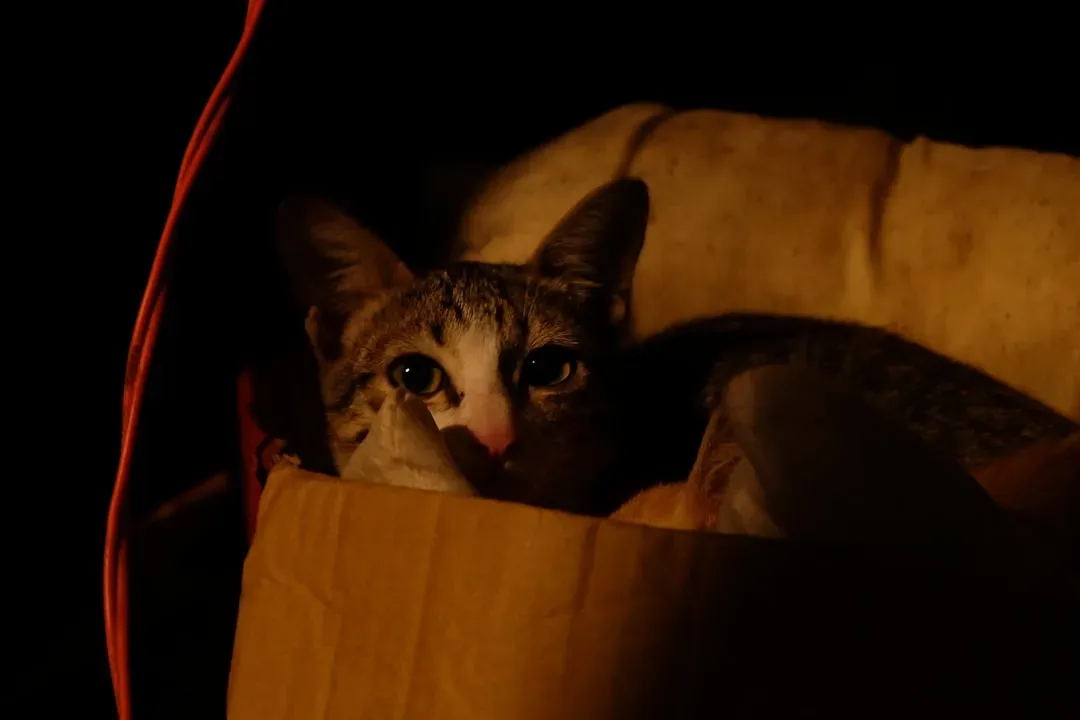
Sick cats usually become withdrawn and may hide, although this depends on the personality of the individual cat. If your normally social kitty suddenly retreats under the bed or disappears into closets for extended periods, take note. This isn’t the same as finding your cat napping in a cozy box for an hour.
If your normally friendly feline suddenly wants nothing to do with you, it could be a sign that something is amiss as cats commonly hide or avoid socialization when they are not feeling well. The key here is change from normal behavior. Your cat might be trying to protect themselves from perceived threats while vulnerable, an instinct inherited from wild ancestors.
Quirky Habit 1: Squeezing Into Tiny Boxes
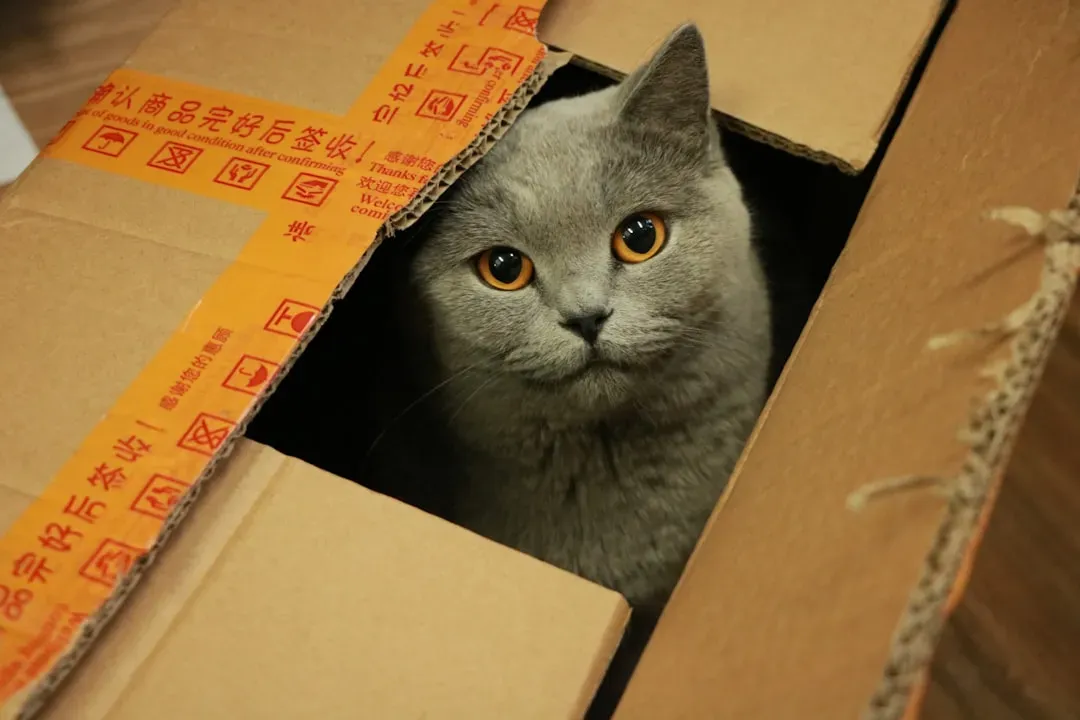
Does your cat choose the smallest possible box over the spacious cat bed you bought? That’s totally normal and actually quite endearing. Cats love seeking small hiding places, and although this behavior is endearing, it also makes cats feel safer as they seek comfort, security and warmth in spots that seem so odd to you, like a shoebox or the bathroom sink.
The most likely explanation boils down to one word: safety, as small containers make good hiding places, and they give your cat a sense of security. This quirk is completely harmless. The difference? A quirky cat rotates between favorite small spaces throughout the day, while a sick cat hides continuously and resists coming out even for meals.
Sickness Sign 2: Changes in Appetite
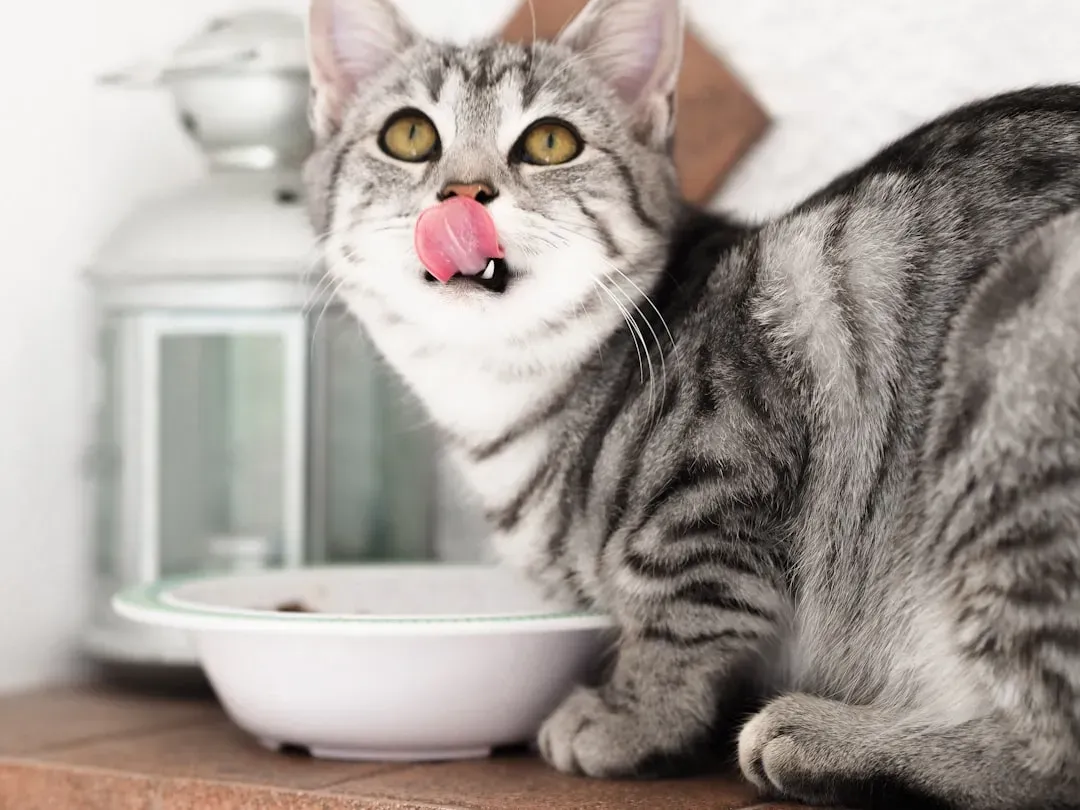
Refusing to eat is never a good sign for pets, and if your cat is turning up their nose at their favorite food or treats, do not ignore it as avoiding much-loved foods and snacks for more than 24 hours is a serious cause for concern. Cats can develop serious liver problems within just days of not eating.
On the flip side, suddenly eating like they’re starving despite losing weight is equally worrisome. A sudden increased appetite could be an indication of diabetes, hyperthyroidism, inflammatory bowel disease or even intestinal cancer. Any dramatic shift in how much your cat eats warrants a call to your vet, honestly, because appetite changes rarely happen without reason.
Quirky Habit 2: Knocking Things Off Counters
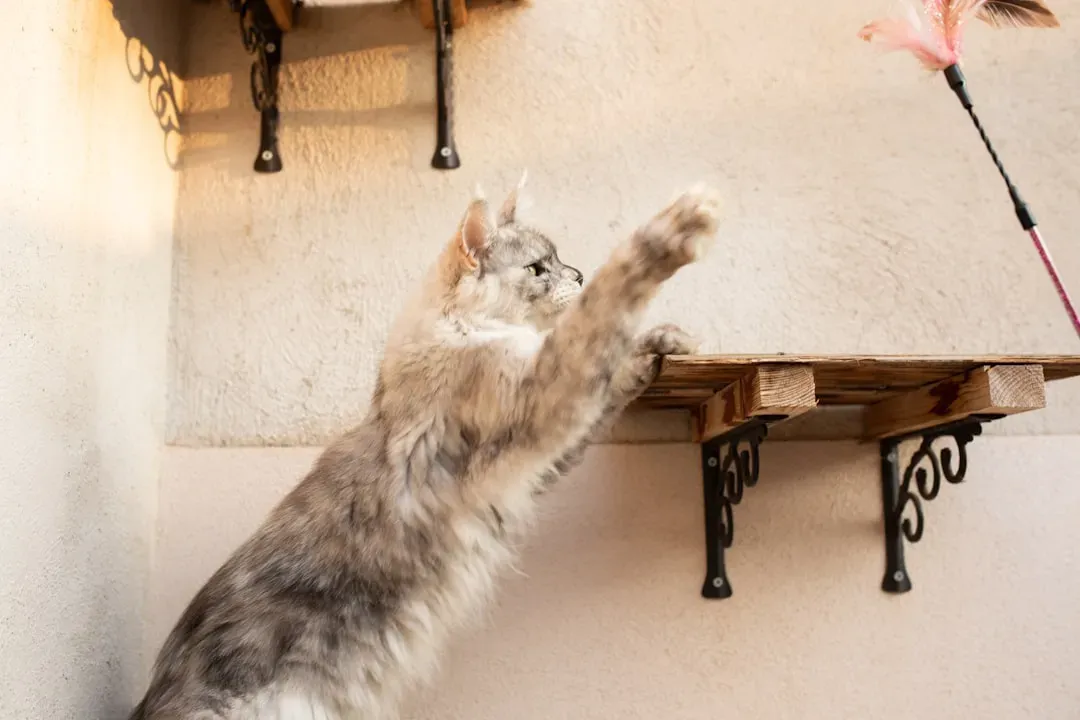
Your cat walks up to your phone, makes eye contact, and slowly pushes it off the table. Maddening? Yes. A sign of illness? Nope. Your cat isn’t being bad, as they may be curious or bored, and cats’ prey drive encourages them to explore their surroundings with their paws being highly sensitive, so by moving and touching an object, they are getting lots of information and feedback.
This behavior is your cat’s way of investigating their world and practicing hunting skills. It’s normal, even if it drives you absolutely bonkers. The solution isn’t veterinary care but rather providing more engaging toys and maybe keeping your valuables away from counter edges.
Sickness Sign 3: Excessive Thirst or Frequent Urination
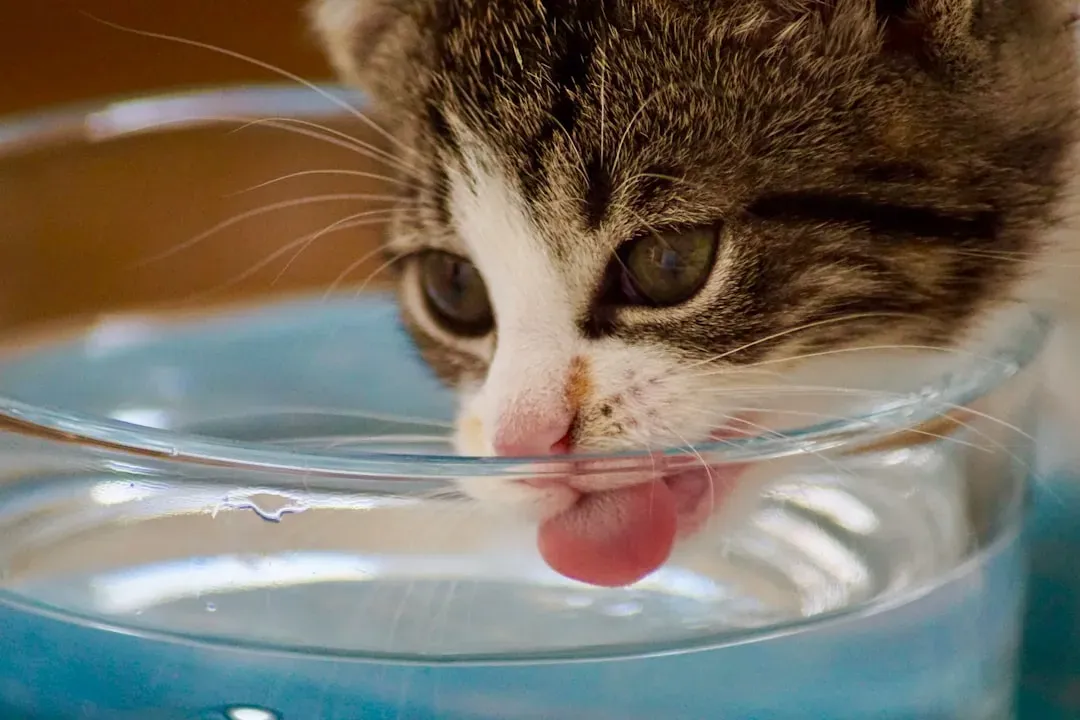
If you notice that your cat’s water bowl is being emptied faster than usual or your feline friend is seeking water from unusual sources like the toilet or faucet, it could be a serious problem as endocrine disorders like diabetes and hyperthyroid disease cause excessive thirst and are common, especially in older cats.
Similarly, watch your cat’s litter box habits closely. If your cat is making frequent trips to the litter box or exhibiting signs of pain in the litter box by straining or crying, he or she may have a urinary tract infection or even a blockage, a very serious condition. Male cats especially can develop life-threatening urinary blockages that require immediate emergency care.
Quirky Habit 3: Drinking From Running Faucets
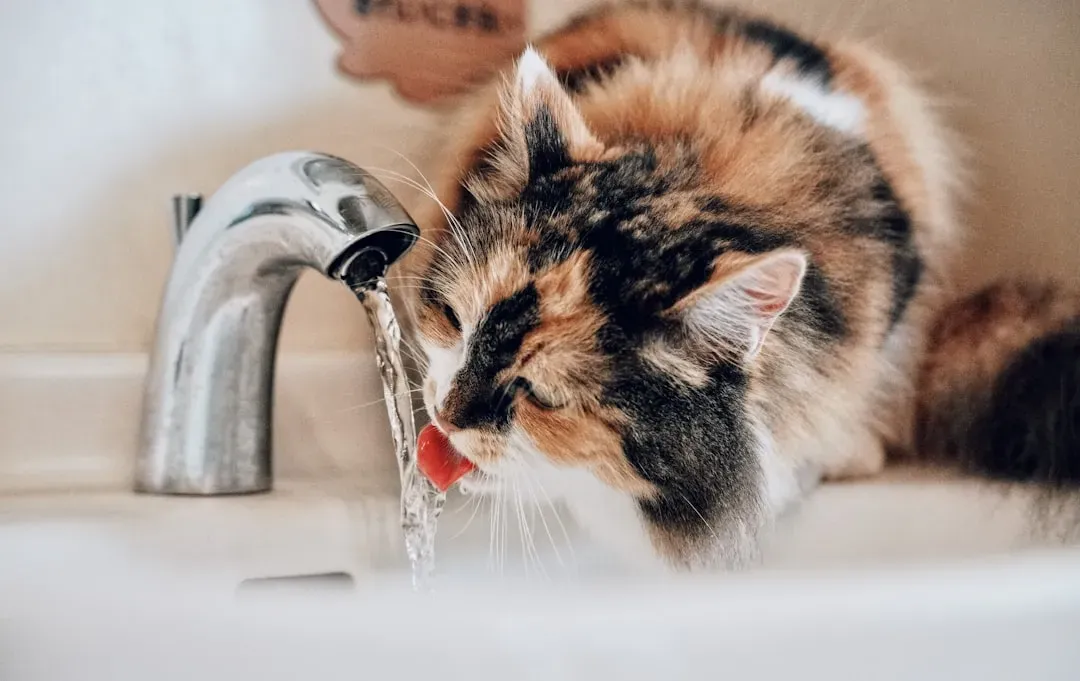
Many cats prefer drinking from running water sources rather than their perfectly clean water bowl. This behavior may actually originate from your feline’s wildcat ancestors, as out in the wild, it’s safer to drink from running water sources such as a river than a stagnant water source that could be home to bacteria and other contaminates.
This preference is instinctual and completely normal. It’s annoying when your cat paws at the bathroom sink demanding fresh running water, but it doesn’t indicate illness. The difference? A sick cat drinks excessively from any source available, while a quirky cat simply prefers the taste or sensation of moving water.
Sickness Sign 4: Difficulty Breathing or Panting
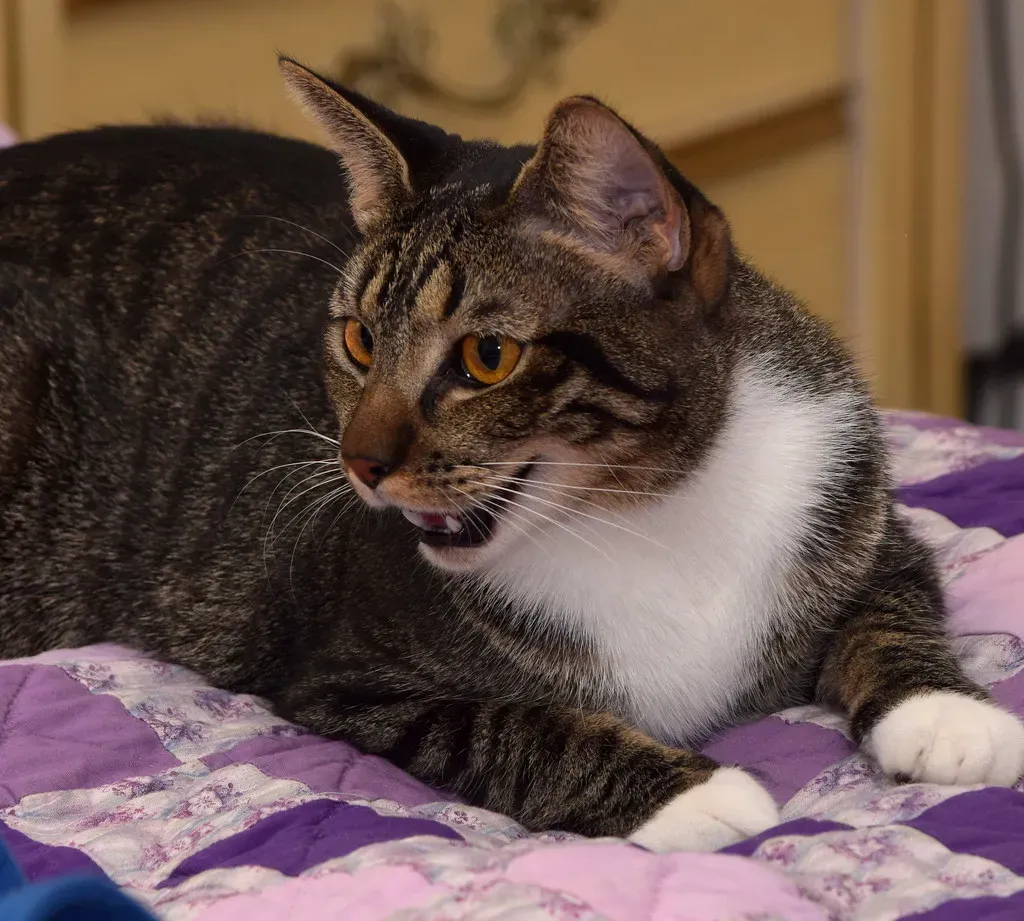
Cats generally breathe through their noses, so if they are breathing with their mouths open or panting this is a concern and they should be assessed quickly. Unlike dogs, cats rarely pant unless something is seriously wrong. Signs that your cat is struggling to breathe include an elongated neck, breathing through an open mouth (panting), and you may also notice blue-tinged gums, and if your cat is showing any of these signs of breathing distress, it is an emergency.
This is one of those situations where you shouldn’t wait to see if it gets better. Difficulty breathing can indicate asthma, heart disease, or other life-threatening conditions. Get to an emergency vet immediately if you notice labored breathing.
Quirky Habit 4: Getting the Midnight Zoomies
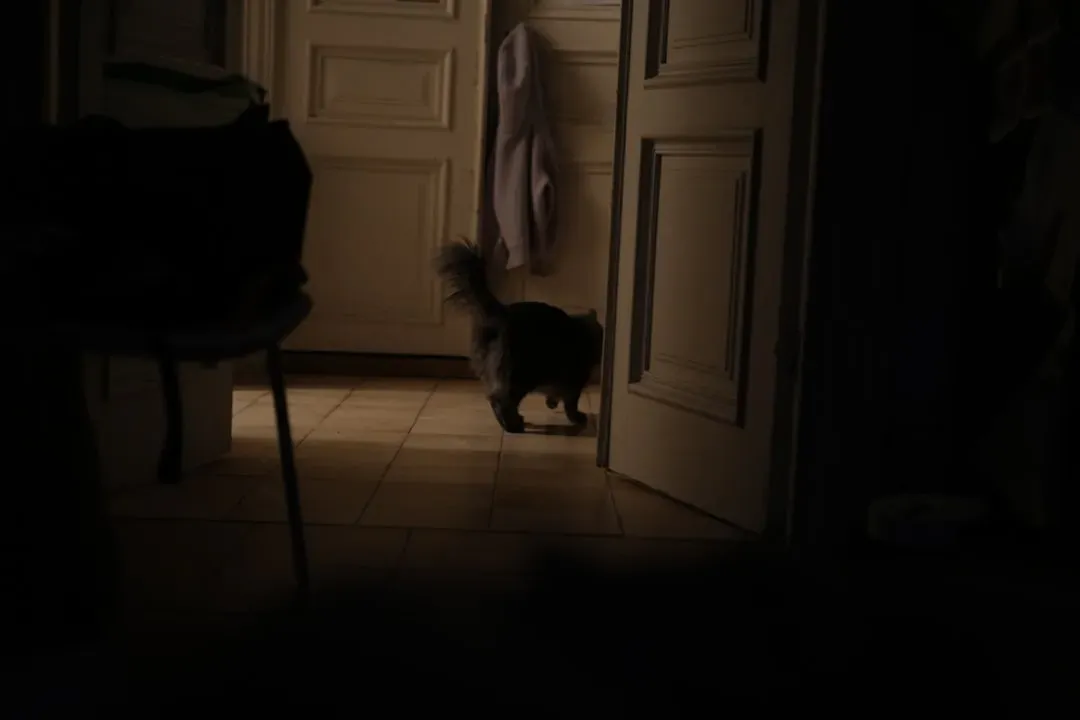
Zoomies (properly known as Frenetic Random Activity Periods or FRAPS) can startle us, especially in the middle of the night, and this normal cat behavior has several potential causes with most cases expressing pent-up energy or counteracting kitty boredom. Your cat suddenly racing around the house at three in the morning like they’ve seen a ghost is completely normal.
Cats sleep 12 to 16 hours a day, with their main burst of energy arriving in the nighttime hours because their wild ancestors would do most of their hunting at night. It’s hard to say for sure how to stop this behavior entirely, but increasing daytime play and exercise can help redirect that nocturnal energy.
Sickness Sign 5: Changes in Grooming Habits
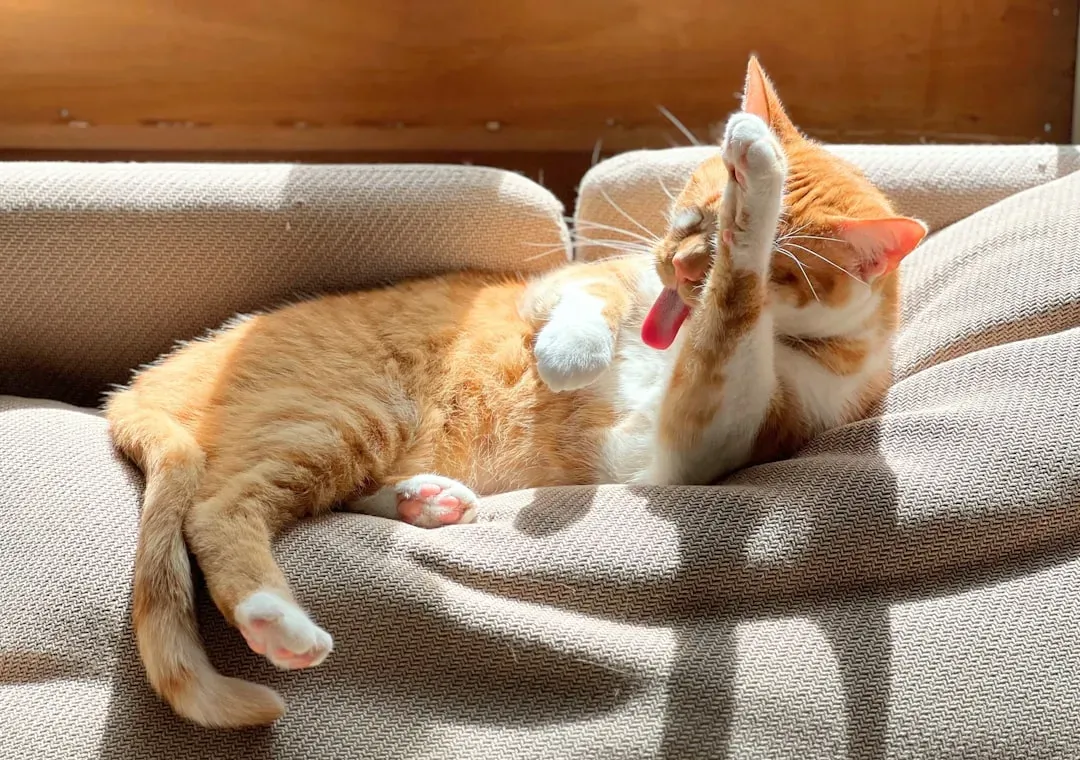
Cats that are not feeling well do not tend to groom themselves well, and therefore, you will usually see a messy or greasy coat, mats of fur, or clumps of loose hair. A suddenly unkempt appearance in a normally fastidious cat is a red flag worth investigating with your veterinarian.
Changes in grooming habits are telling as a well-groomed cat with suddenly dull, matted, or greasy fur might be feeling unwell. This can indicate pain, illness, or even dental problems that make grooming uncomfortable. Cats spend 30-50% of their waking hours grooming, so any significant change matters.
Quirky Habit 5: Kneading You Like Dough
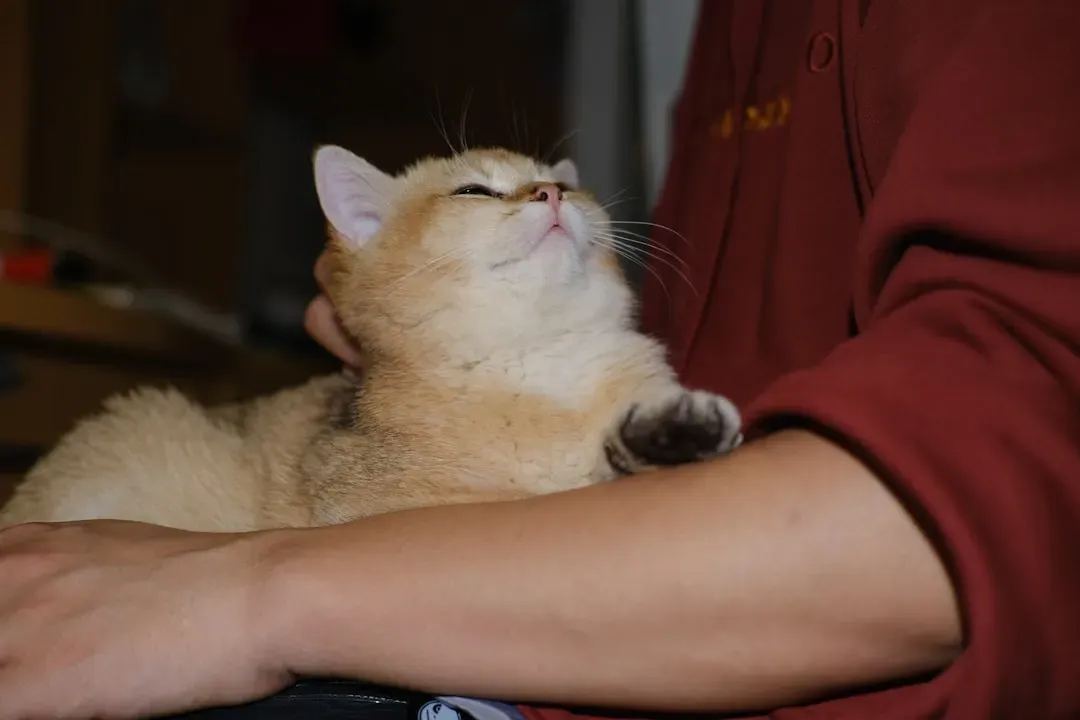
Your kitty’s instinct to knead traces back to their earliest days of nursing as by pressing paws on their mother’s mammary glands, it encouraged better milk production, and when your cat does this as an adult they are either content and showing that they’re happy, or they’re trying to alleviate stress and the habit is one to calm themselves down.
This adorable behavior is affectionate and completely normal. Your cat is showing you love and claiming you as their own through scent glands in their paws. The only downside is when those claws come out during an enthusiastic kneading session, but keeping their nails trimmed solves that problem.
Sickness Sign 6: Excessive Vocalization
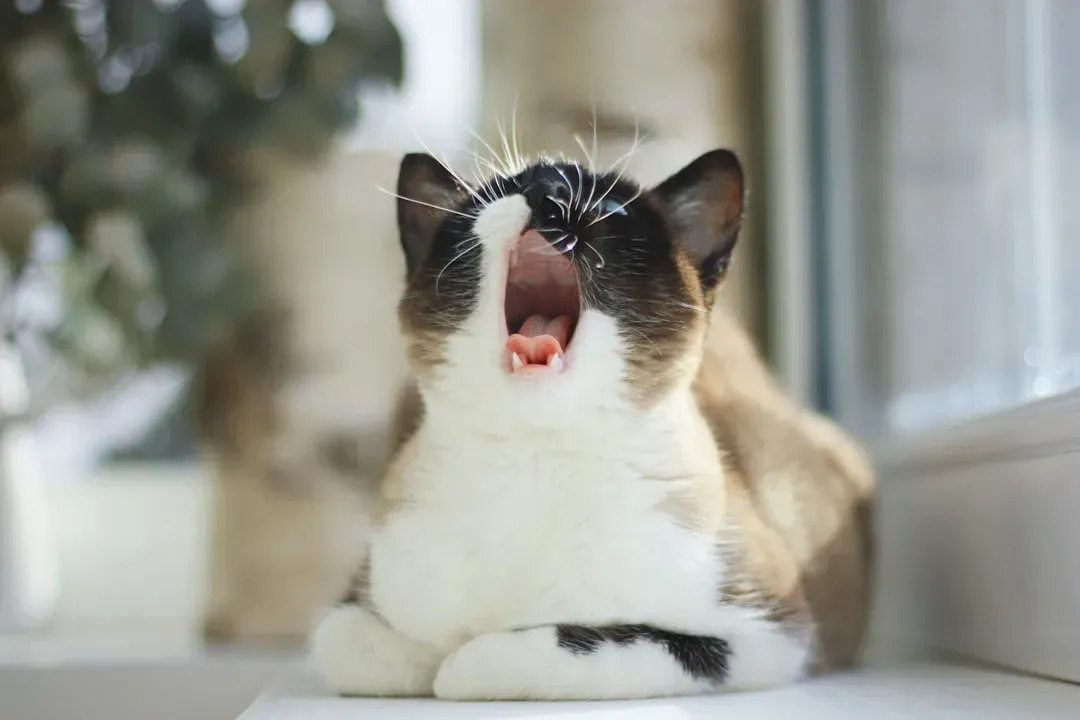
When a cat who is normally as quiet as a church mouse turns into a chatterbox, they could be trying to tell you that something is wrong. While some cats are naturally chatty, a sudden increase in meowing, yowling, or crying can indicate pain or distress.
Increased vocalization or howling is more common in older cats and is often seen with some underlying condition, as many cats also have increased vocalization if they are in pain or anxious. Pay attention to the quality of the vocalization too. Plaintive cries or distressed sounds are very different from your cat’s normal conversational meows.
Quirky Habit 6: Chattering at Birds
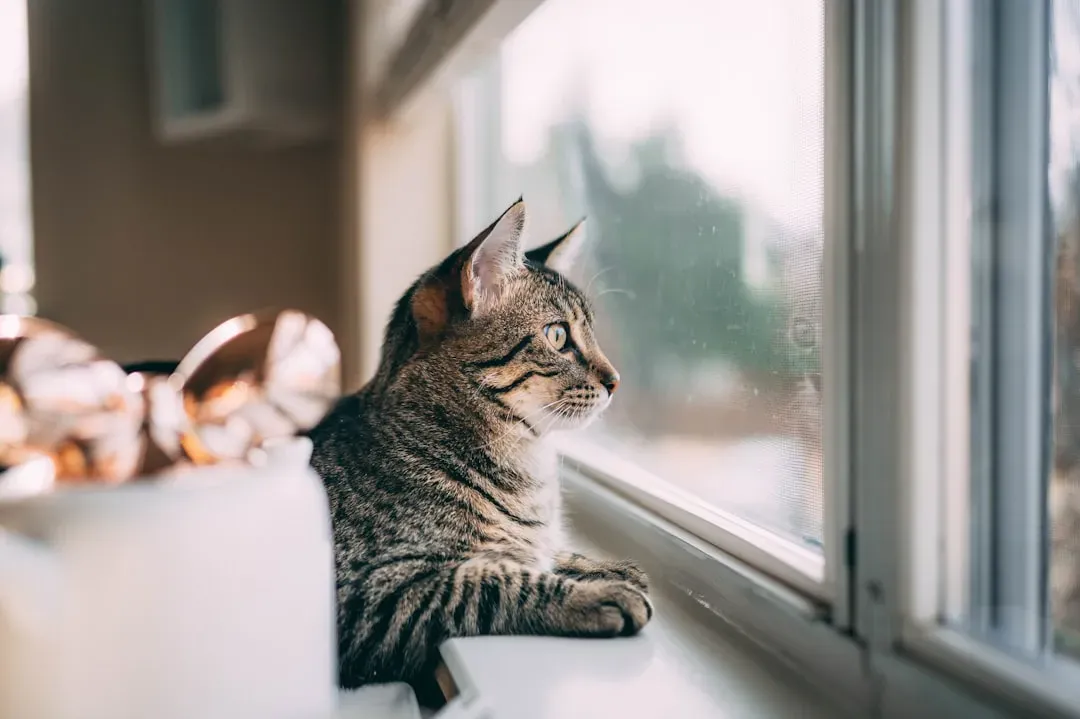
Your cat stares out the window, fixated on the birds in the yard, and if you listen carefully you’ll probably hear chirps and teeth chatters that sound almost like the noises a bird or rodent might make. This strange clicking sound is totally normal predator behavior.
This is completely normal behavior as cats might make chewing or biting movements with their mouth in anticipation of the kill. It’s essentially your indoor cat practicing their hunting skills and expressing excitement mixed with frustration at prey they can’t reach. No veterinary intervention needed for this one.
Sickness Sign 7: Sudden Lethargy or Weakness
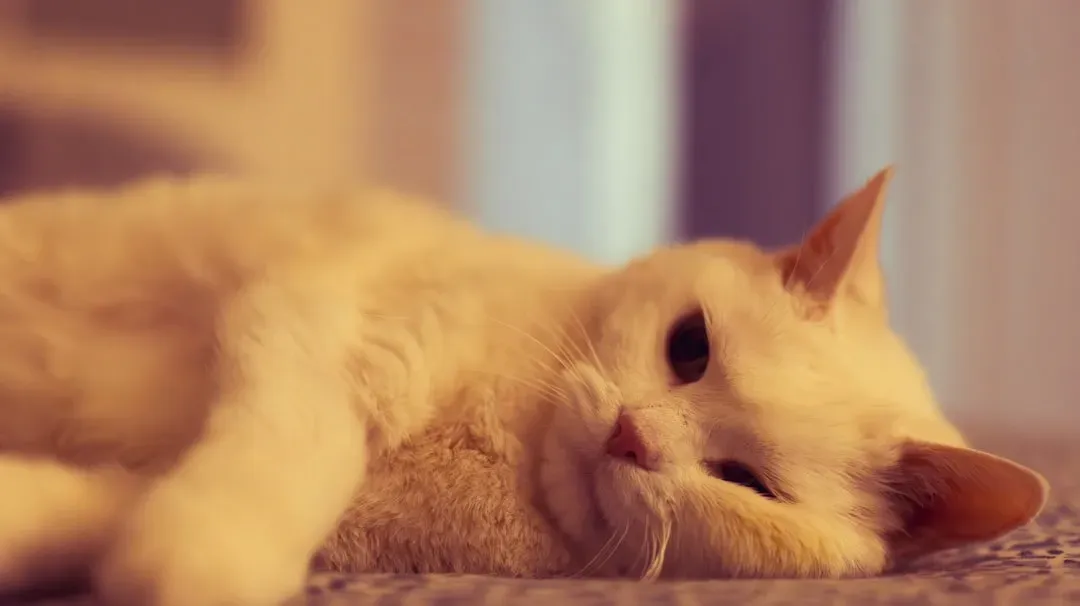
Generally, sick cats have lower energy levels, and the only thing you may notice is that your cat sleeps more, does not play as much, or is restless. While cats naturally sleep a lot, a dramatic change in energy levels deserves attention. If your normally playful cat suddenly can’t be bothered to chase their favorite toy, something might be wrong.
A sick cat may lay limply with little or no tension or resistance in their muscles, and this is a serious symptom, indicating your cat should see a vet right away. Trust your instincts here. You know your cat’s normal activity level better than anyone.
Quirky Habit 7: Staring at Walls or “Nothing”
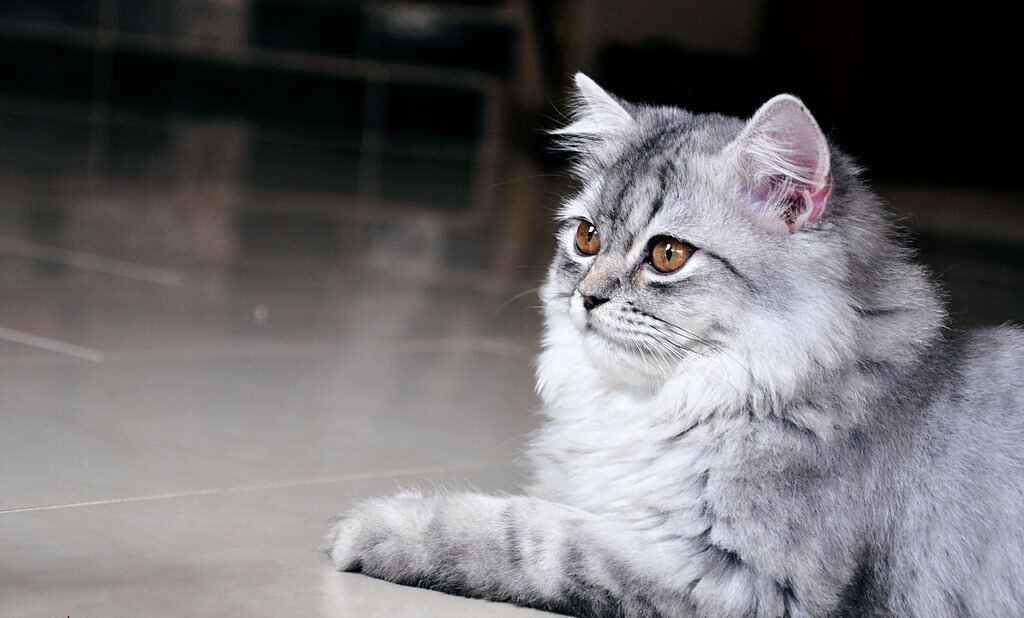
You catch your cat intently staring at what appears to be an empty wall corner. Creepy? Maybe. Abnormal? Not really. Cats tune in to their environment and hear and see things people can’t, like that dust bunny floating through the air 30 feet away, and according to experts, cats hear things in the ultrasonic range that humans can’t.
Your cat might be tracking insects you can’t see, hearing rodents in the walls, or watching dust particles dance in sunlight. Their senses are far more acute than ours. This behavior is fascinating rather than concerning, and it’s just your cat being their mysterious, observant self.
Conclusion: Trust Your Instincts
The most important tool you have as a cat owner is your knowledge of what’s normal for your specific cat. Every feline has their own personality quirks and baseline behaviors. When something changes dramatically or suddenly, that’s your cue to investigate further.
Cats have evolved to hide signs of illness and pain, and in the early stages of illness, often the only thing that a cat owner may notice is that the cat has become quiet and withdrawn, which unfortunately means a cat may be very sick before the owner realizes something is wrong. That’s why being observant matters so much.
When in doubt, call your vet. They’d rather you check in about something that turns out to be harmless than wait until a treatable condition becomes serious. Your cat’s wellbeing depends on you noticing those subtle differences between playful peculiarity and genuine distress. What behavior have you noticed in your cat lately that made you wonder? Share your observations with your vet at your next checkup.