If you have ever sat quietly in a room with your cat and noticed that they seem to have an opinion about absolutely everything, you are not imagining things. Cats are remarkably vocal creatures, and every sound they produce carries a specific message. The tricky part? Most of us just nod along without a clue what they are actually saying.
Researchers have described at least 23 different vocalizations in cats, which is genuinely mind-blowing when you think about it. Your cat is not just making noise for fun. They are holding a full conversation, and once you learn the language, your bond with them changes completely. So let’s dive in.
1. The Meow: Your Cat’s Direct Line to You

Here is something that might genuinely surprise you. Kittens meow to attract their mothers, but in adult cats, the meow is almost exclusively used to communicate with humans. Think about that for a moment. Your cat developed a special vocabulary just for you. That feels pretty special, honestly.
The standard meow is mid-length in duration and mid-pitched in tone, and is the “asking for something” sound. The short, high-pitched mewl usually means “hello,” and can be accompanied by rubbing against your legs. A long, drawn-out meow usually means your furry friend wants something specific, like dinner. Meanwhile, low-pitched meows express unhappiness and are a way for your furry companion to let you know you have done something wrong. So yes, they do keep score.
2. The Purr: Happiness, or Something More Complicated?
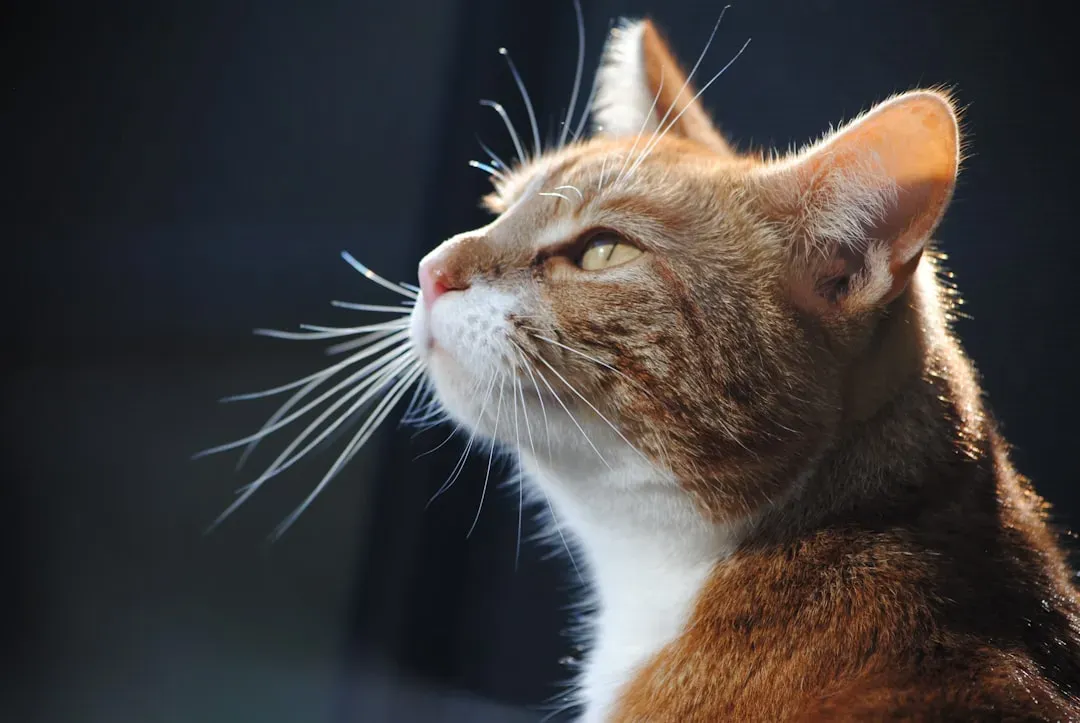
Most people hear a purr and immediately think their cat is in pure bliss. That is often true. The soft, throaty purr is a favorite cat sound. Rhythmic and hypnotic purrs usually indicate contentment. Cats may purr while sitting on your lap, being petted, anticipating dinner, or when they rub against your leg. It is the feline equivalent of a long, satisfied sigh.
Yet here is the part most cat owners do not realize. Purrs do not always communicate contentment. Cats also use purring as a self-soothing method if they are experiencing pain, illness, anxiety, or fear. Usually the cat’s body posture tells the full story. Relaxed body posture usually means contented purrs, while a tense posture indicates distressed purrs. So pay attention to the whole picture, not just the sound.
3. The Chirp and Chatter: The Hunter Inside Your House Cat
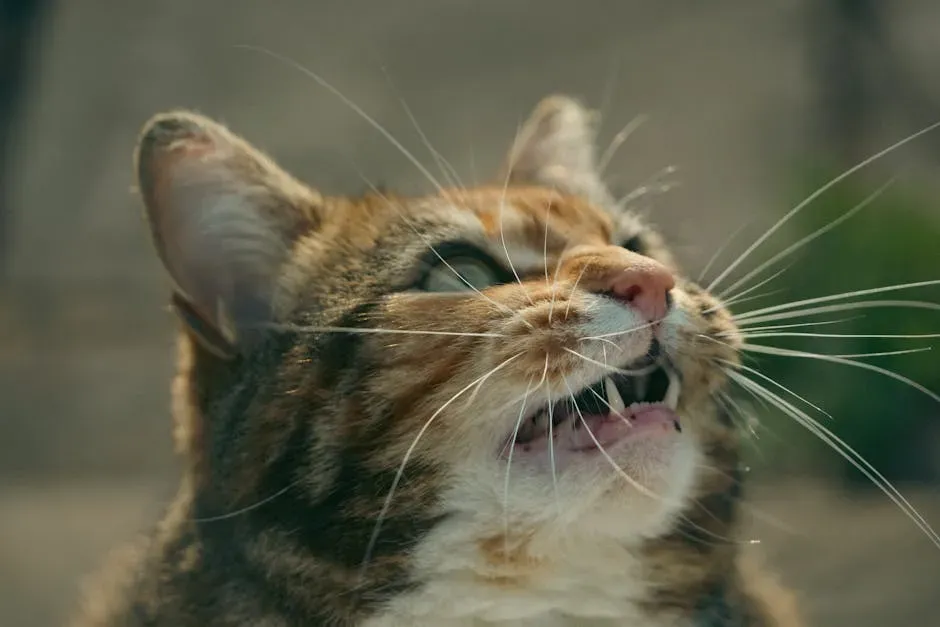
If you have ever watched your cat glued to a window, jaw trembling rapidly while a bird hops around outside, you have witnessed one of the most fascinating sounds in the feline world. Cats often emit a chatter, or short high-pitched notes accompanied by a trembling jaw, when their prey drive kicks in and there is a barrier between them and the prey. It is prevalent for cats looking out the window at a bird feeder to chatter.
Some theories suggest this sound is meant to lure prey in or make the cat seem like less of a threat when stalking prey, while others believe it may be a way to release pent-up energy from seeing prey they cannot hunt. Honestly, scientists are still debating this one. A chirp is a short, high-pitched call that sounds similar to a bird. A sequence of chirps is called chirrups. A chirp is initially uttered by the mother cat as a contact call to her kittens, but adult cats may chirp to get attention and inform other cats or people of their location.
4. The Trill: Your Cat’s Way of Saying “You’re the Best”
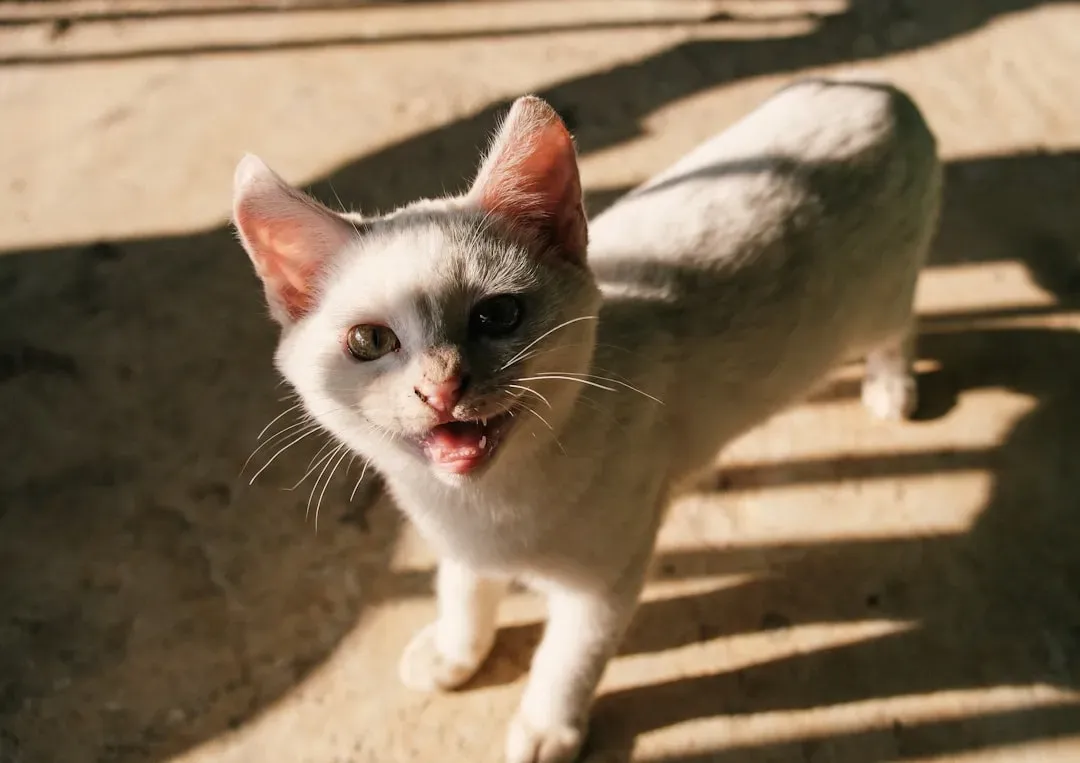
The trill is perhaps the most underappreciated sound a cat makes, and if your cat trills at you regularly, consider yourself truly loved. A mix between a meow and a purr, the trill is often described as a friendly sound. High-pitched and repetitive, it comes out in short bursts. Cats make this sweet sound as a greeting to other cats or to people, and it can also be used as a thank-you if their human has given them a treat or a head scratch.
Cat trilling is a vocal form of communication that cats use to “talk” to other cats, to humans, and even to other animals. It is a high-pitched, repetitive noise that comes out in short bursts. Cats may trill to greet and thank their human family members for something, such as a snack or a pet. Next time you hear that little rolling “mrrp” sound, know that your cat is genuinely happy to see you. That is worth something.
5. The Hiss: Back Off, and I Mean It
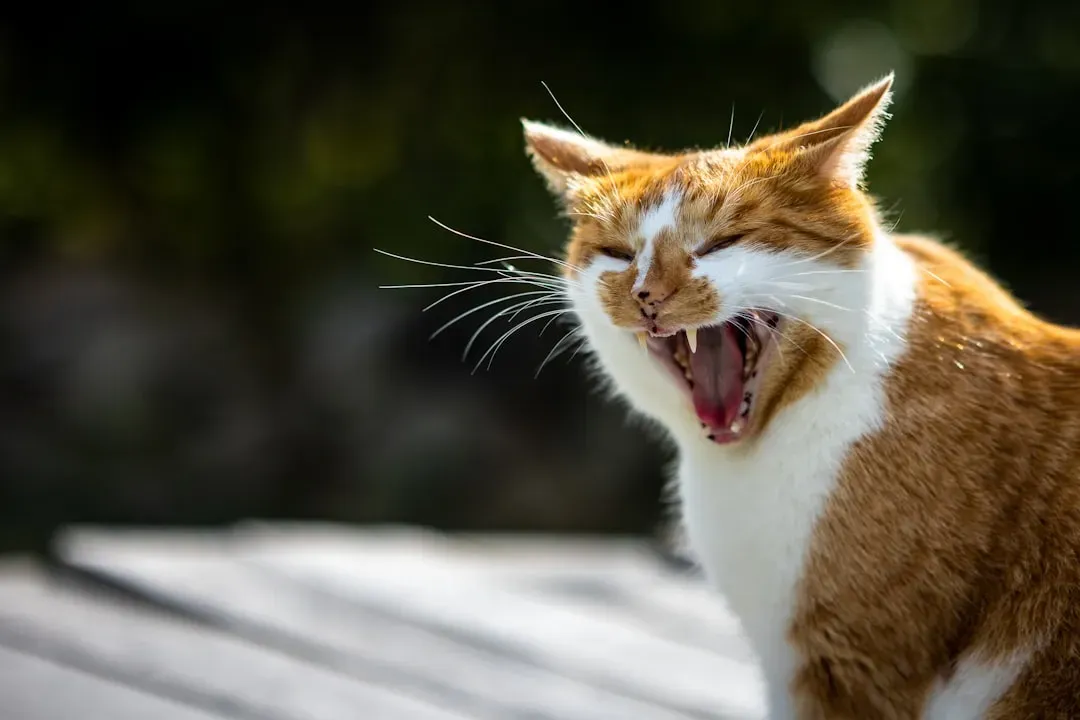
There is no ambiguity with a hiss. There is no mistaking the intent of a cat’s hiss. This cat noise means your cat feels threatened and is ready to fight if need be. Along with the threatening sound comes a change in body language, including an arched back, puffed hair, twitchy tail, flattened ears, and an open mouth with fangs at the ready. It is basically the feline version of a red warning light.
Hissing can seem aggressive, but it is actually a fear-based response. This sometimes involuntary reaction is used when a cat is surprised by a perceived threat or enemy, whether it is the neighborhood stray or the veterinarian. A hissing cat is feeling vulnerable, insecure, or threatened. If the hissing is unprovoked, it may be a sign that your pet is in pain with an undiagnosed condition. When in doubt, give your cat space and let them settle down on their own terms.
6. The Growl: A Warning You Should Never Ignore

A growl is a low, rumbling sound used to warn or scare off a threat. It can be directed toward humans or other cats or animals. Think of it like a growling dog but somehow even more intense because cats rarely issue empty warnings. When a cat growls, they mean every single syllable of it.
Growling is a warning noise that can be directed toward other cats and animals, as well as humans. A growling cat is annoyed, frightened, or angry. Some cats use growling to show possession of a favored item, like a food bowl, if another cat dares to come near it. The growl is a clear sign that the cat wants whoever is triggering them to back off. Growling cats should be handled with care, as they could scratch or bite someone approaching or trying to pick them up.
7. The Yowl: A Cry That Demands Your Attention
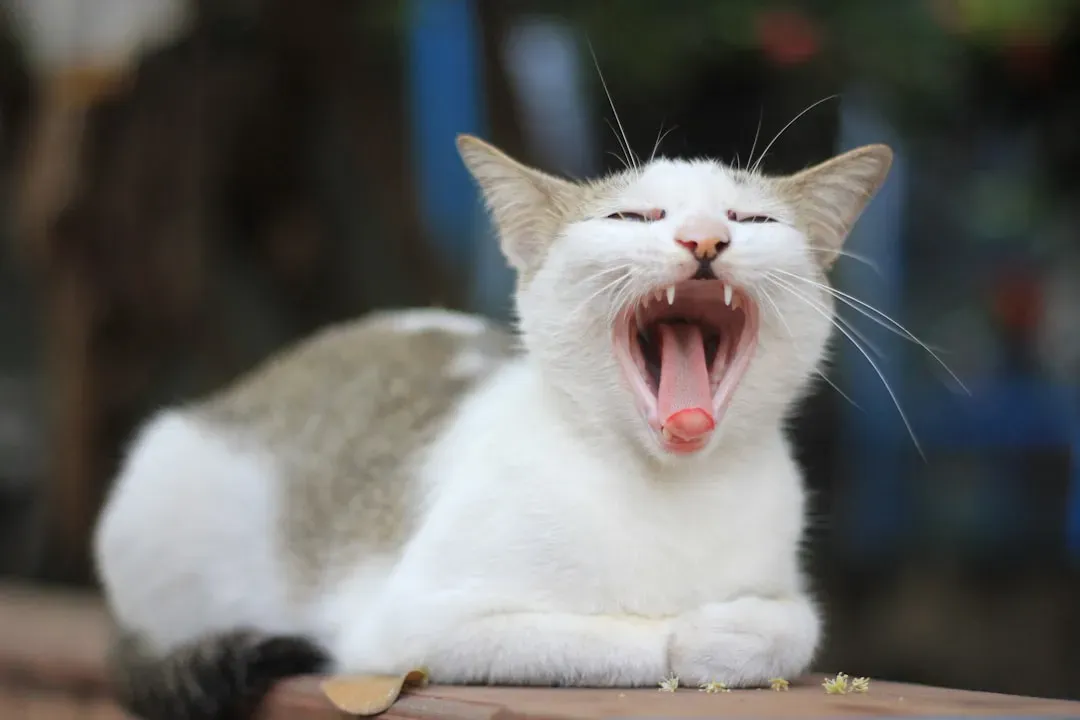
If a meow is a text message, a yowl is a full-on emergency phone call. Often described as a louder, longer meow, a yowl is a drawn-out sound cats can make. A howl is similar to a yowl but typically shorter in duration. Yowling and howling are signs that a cat is in distress. This may be physical distress from pain or illness, or emotional distress from worry, frustration, boredom, or confinement.
Elderly cats may yowl if they suffer cognitive dysfunction syndrome, or dementia. If a cat yowls when the family is away from home, they may have separation anxiety. If your kitty has not been spayed or neutered, yowling may indicate the search for a mate. Sometimes a cat will yowl out of sheer boredom. Either way, persistent yowling is never something to brush off lightly. It is your cat asking for your attention in the most urgent way they know how.
Conclusion: Learning to Listen Changes Everything
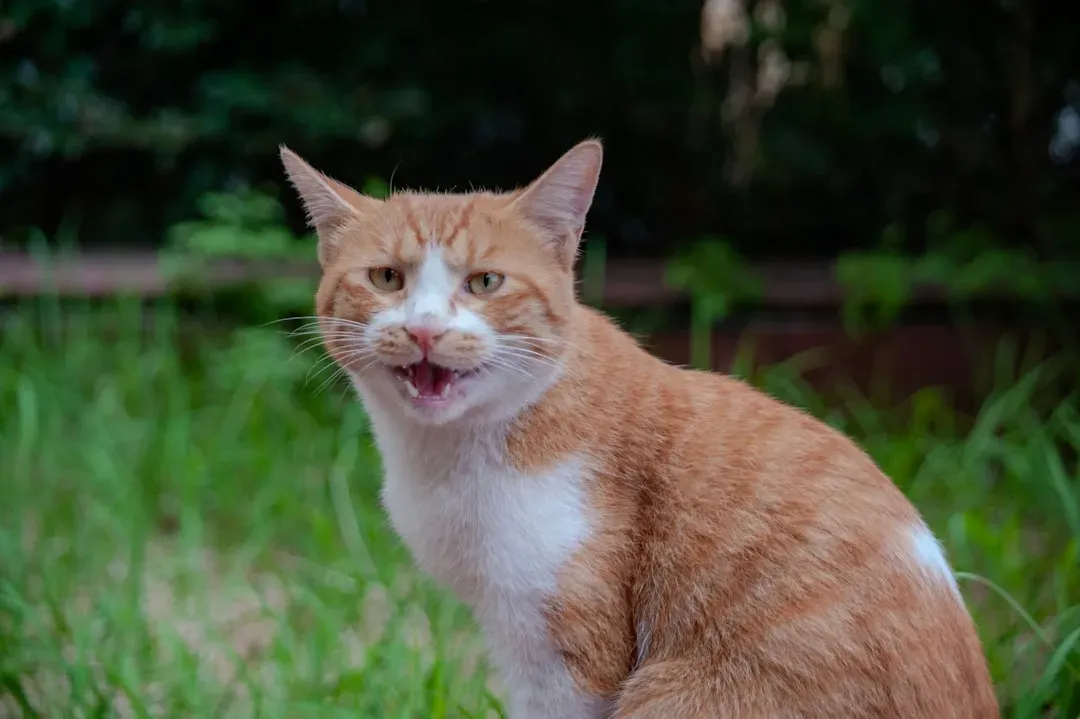
Your cat is not just background noise in your home. They are communicating with you constantly, through every trill, chirp, growl, and yowl. It helps to pay close attention to their body language alongside the sounds. The more you tune in to your cat’s sounds and behavior, the better you will understand what they want to tell you.
Learning to distinguish a contented purr from a distressed one, or a greeting chirp from a hunting chatter, is like picking up a second language. It takes observation, patience, and a willingness to actually listen. Knowing about cat sounds, along with reading a cat’s body language, allows you to better understand your kitty’s needs, moods, and intentions. Once you start paying attention, you may realize your cat has been trying to tell you something important all along.
So next time your cat opens their mouth, stop what you are doing and really listen. What do you think your cat has been trying to tell you all this time? Drop your thoughts in the comments.