Cats have lived alongside humans for roughly nine thousand five hundred years, yet they remain among the most misunderstood creatures we share our homes with. Popular culture has long painted them as cold, self-serving, and emotionally indifferent, and those portrayals have stuck with surprising tenacity.
From cartoons to memes, cats are frequently characterized in popular media as aloof, cold, and sneaky, which has led to plenty of myths about cat behavior and whether they make great pets. The truth, it turns out, is a good deal more interesting than the myth. Science has been catching up, and much of what you think you know about how your cat sees you is worth revisiting.
Misconception 1: Your Cat Sees You as Just a Food Source
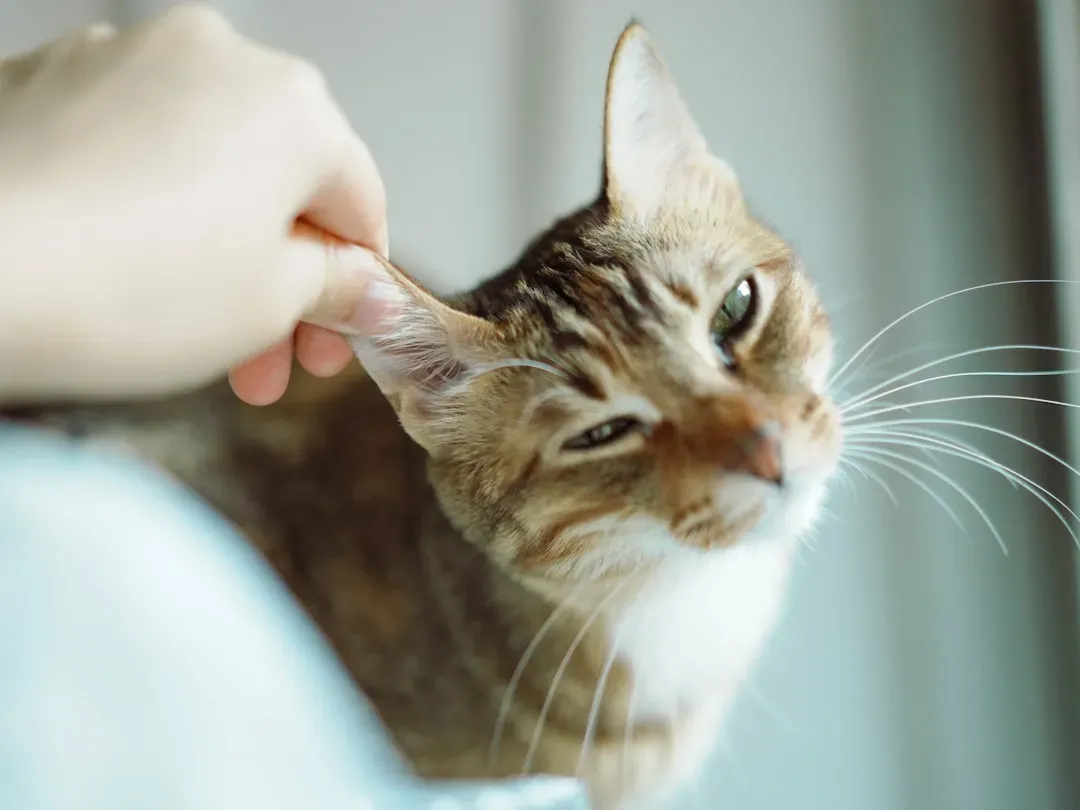
One of the most persistent ideas about cats is that they only tolerate you because you control the food bowl. It’s a comforting kind of cynicism, but the evidence tells a different story. Data from behavioral studies shows that a surprising number of owners report moderate to severe behavioral problems in a cat when separated from its owner, which directly challenges the theory that cats don’t really care about their owners and are only there for their food.
Research reveals that cats don’t simply see humans as oversized cats or just sources of food. Instead, they recognize their companions as special social partners capable of providing both physical comfort and emotional support. Your cat’s relationship with you is built on far more than a twice-daily feeding schedule. That distinction matters quite a bit for how you understand and interact with them.
Misconception 2: Cats Don’t Form Real Emotional Bonds With Humans
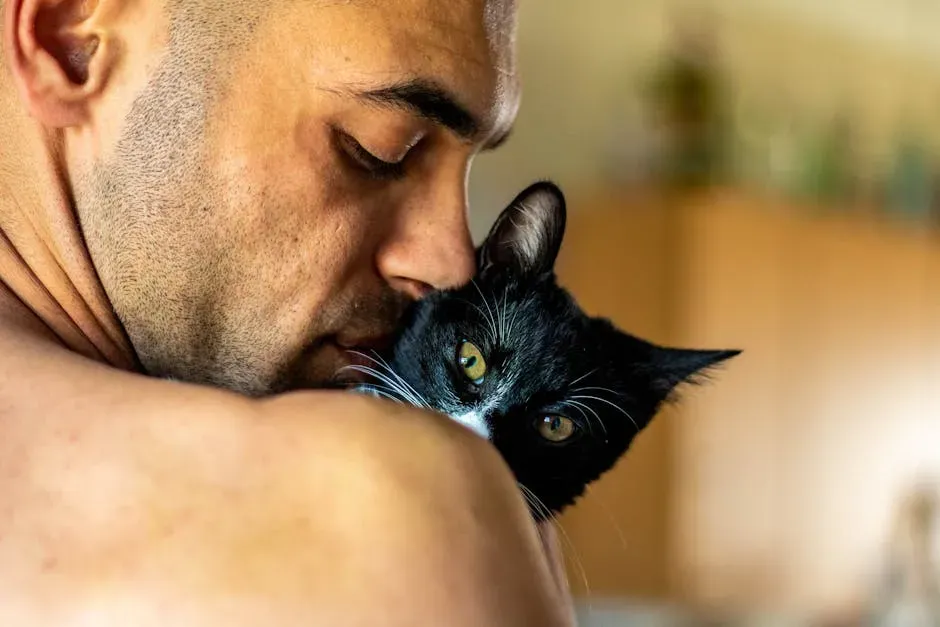
Many people assume that the kind of deep attachment seen between dogs and their owners simply doesn’t exist in cats. Researchers at Oregon State University designed a study to test this directly, using a method previously applied to human infants and dogs. A study of the way domestic cats respond to their caregivers suggests that their socio-cognitive abilities and the depth of their human attachments have been underestimated, with findings showing that, much like children and dogs, pet cats form secure and insecure bonds with their human caretakers.
Upon the caregiver’s return from a two-minute absence, cats with secure attachment to the person are less stressed and they balance their attention between the person and their surroundings. Of the 70 kittens that were classifiable, nearly two thirds were categorized as securely attached. Once an attachment style has been established between the cat and its caregiver, it appears to remain relatively stable over time, even after a training and socialization intervention. So when your cat waits by the door for you, it’s not a performance.
Misconception 3: Cats Are Naturally Solitary and Don’t Need You Around
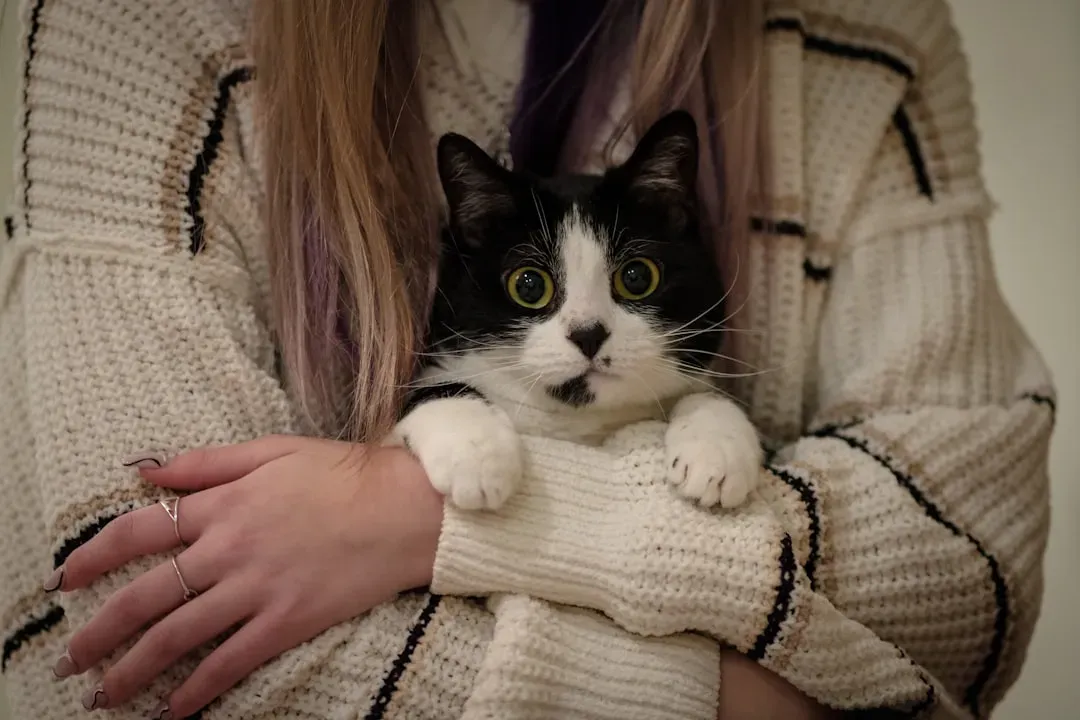
Cats are among the most popular pets worldwide, but there are still major gaps in the public’s general understanding of their social behaviors and related needs, including for socialization. In addition to these knowledge gaps, people often have negative or ambivalent attitudes about cats, which can directly impact their welfare outcomes. The idea that cats are naturally loners who prefer to be left alone is one of the more harmful myths in circulation.
While it is true that cats do not live in large social groups like dogs or humans, they are not completely solitary animals either. Cats can form close bonds with other cats or even with humans if given the opportunity, and many indoor cats crave attention and affection from their owners. Research has shown that regular interaction with their owners can greatly improve a cat’s mental and emotional well-being, and studies have found that cats who receive more attention from their owners exhibit fewer stress-related behaviors. Leaving a cat entirely to its own devices is not kindness. It can genuinely cause distress.
Misconception 4: Cats Don’t Distinguish Between You and Strangers
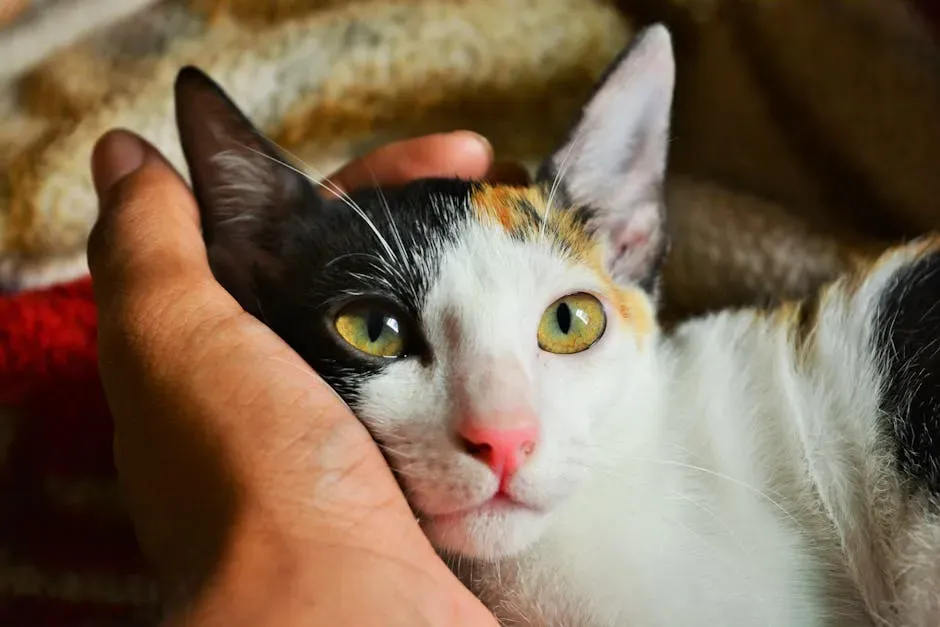
You might wonder whether your cat actually knows who you are or simply responds to whoever happens to be nearby. The answer is clear. Cats primarily rely on voice recognition, scent, and familiar behavioral patterns to identify their owners, and they are more attuned to these cues than to facial recognition. Your cat has built a precise sensory profile of you, one that no stranger can replicate.
Rather than relying on facial recognition, cats actually identify their companions by the sound of their voice, their scent, and the way they physically feel to them. Studies indicate that cats recognize their owners’ voices and respond more positively to familiar human sounds than to strangers, suggesting a complex understanding of human presence beyond visual recognition. Your presence registers to your cat in multiple sensory channels at once, which makes the bond more layered than most people realize.
Misconception 5: When Your Cat Meows, It’s Just Random Noise
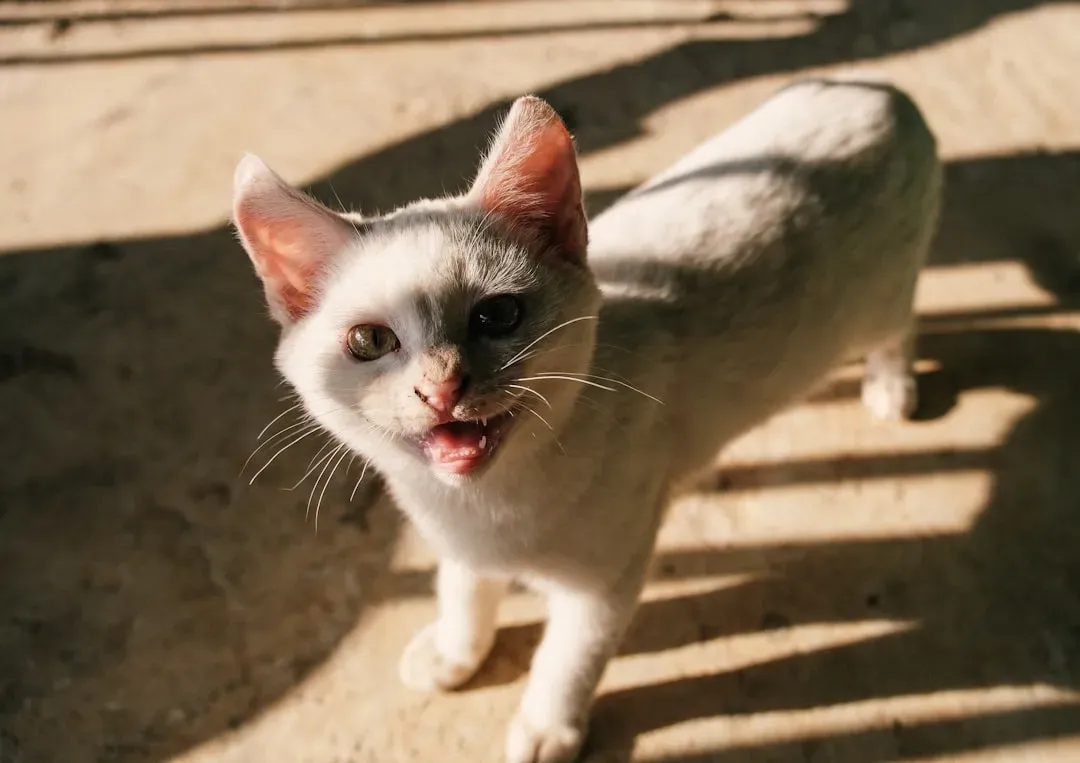
The meow is one of the most misunderstood forms of animal communication in existence. Most people assume it’s a general signal of discontent or hunger, but the reality is far more specific. Adult cats rarely meow to each other, and so adult meowing to human beings is likely to be a post-domestication extension of mewing by kittens. Your cat developed this form of communication specifically to reach you.
Adult cats tend not to meow to other cats because they can effectively communicate in other ways, primarily through scent, but also body language, touch, and facial expressions. Cats try to communicate with their humans using these same methods, but they’ve learned that people are not very good at picking up on these subtle signals, which is why cat behaviorists believe cats use meowing as a more effective way to communicate with people to have their needs met. When a cat meows and you respond by feeding it, opening a door, or giving attention, that meow gets reinforced. The cat learns that this sound produces this outcome. Over time, cats develop specific vocalizations tailored to specific requests, and their owners often learn to distinguish between them without realizing they’ve been trained.
Misconception 6: Cats Treat All Humans Essentially the Same Way
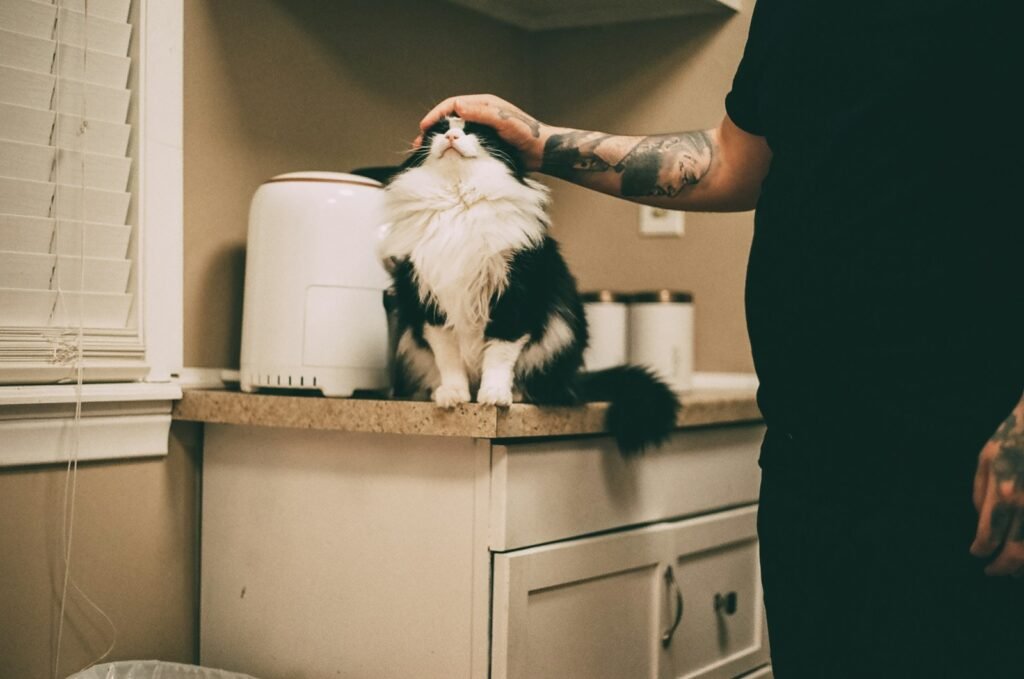
It’s tempting to think of a cat as an equal-opportunity companion, indifferent to who exactly is in the room. Research suggests the opposite is true. When it comes to why some cats treat one human member of the household differently, cats are much smarter than they’re given credit for: they learn what works with what person, including knowing which family member is prone to get up at 4 a.m. and give them some treats. That selective behavior is not random.
Research found that cats recognize at least one companion cat’s name and possibly a human family member’s name. Cats are also sensitive to their owners’ emotional states and may modify their behavior accordingly. Some cats even demonstrate empathy by providing extra comfort and attention when their humans feel sad or unwell. The cat that curls up beside you specifically on a bad day is paying closer attention to you than you might expect.
Misconception 7: A Cat’s Affectionate Behaviors Are Meaningless Instinct
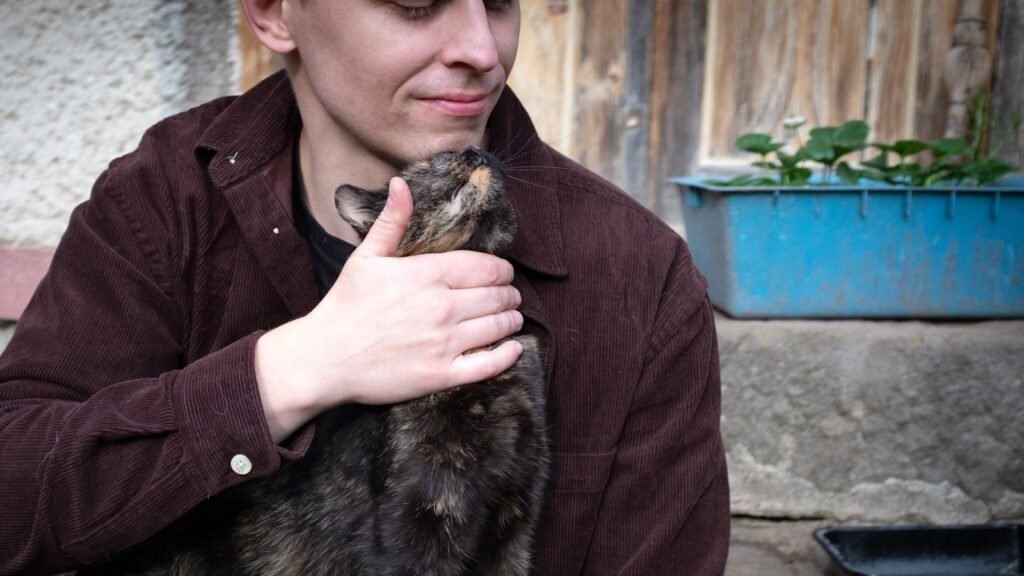
Head bunting, slow blinking, tail-up greetings, and rubbing against your legs might look like automatic behaviors with no real social meaning. In reality, these actions carry significant weight. Cats use behavior toward their owners that is derived from the mother-kitten relationship. The kitten learns to raise its tail, rub on its mother, and knead and purr, and these behaviors are redirected toward their human companions. These are not empty gestures.
When a cat rubs up against you as a greeting, research suggests that cats won’t do this to other cats they consider inferior to them. Most cats see their human companions as equals. These behaviors are part of cats’ natural social repertoire. Kneading is an instinctive behavior from kittenhood, while rubbing is a way to mark you as part of their social group and show affection. When your cat slow-blinks at you across the room, that quiet moment is as close to a declaration of trust as a cat is capable of making.
Conclusion

The gap between what people assume about cats and what science actually shows is wider than most cat owners realize. Despite their popularity as companions, misunderstandings about cat behavior are common, and people’s expectations of cats and their ability to interpret their behavior are influenced by pervasive myths that often paint cats as low-maintenance, self-sufficient animals.
Insufficient attention to the behavioral ecology and development of cat sociality, along with failure to account for their highly variable individual preferences and tolerance for social behaviors, can lead cats to experience distress that undermines both their welfare and the human-animal bond. Understanding your cat more accurately isn’t just intellectually satisfying. It genuinely improves the quality of life for both of you.
Cats are not emotionally simple. They are not indifferent. They form bonds, recognize faces, learn your habits, and adapt their communication specifically to reach you. The more you pay attention to what the science is actually showing, the harder it becomes to dismiss what your cat is telling you every single day.
Kristina is a young writer from India. An arts graduate and an avid content creator, Kristina is passionate about animals and wildlife. She enjoys exploring topics related to pet care, animal behavior, conservation, and nature, combining thorough research with engaging storytelling.