Cats are, by nature, cautious creatures. They didn’t evolve as openly social animals the way dogs did, which makes their small gestures of comfort and trust all the more meaningful when you learn to recognize them. Most people assume that if a cat tolerates your presence, that’s good enough. In reality, a truly content cat expresses something much richer.
When your cat feels genuinely safe at home, you’ll start to notice a collection of quiet, cozy habits that are easy to miss if you don’t know what you’re looking at. These aren’t grand displays. They’re subtle, steady signals woven into everyday life. Here are seven of the most telling ones.
1. Sleeping Out in the Open With Total Abandon
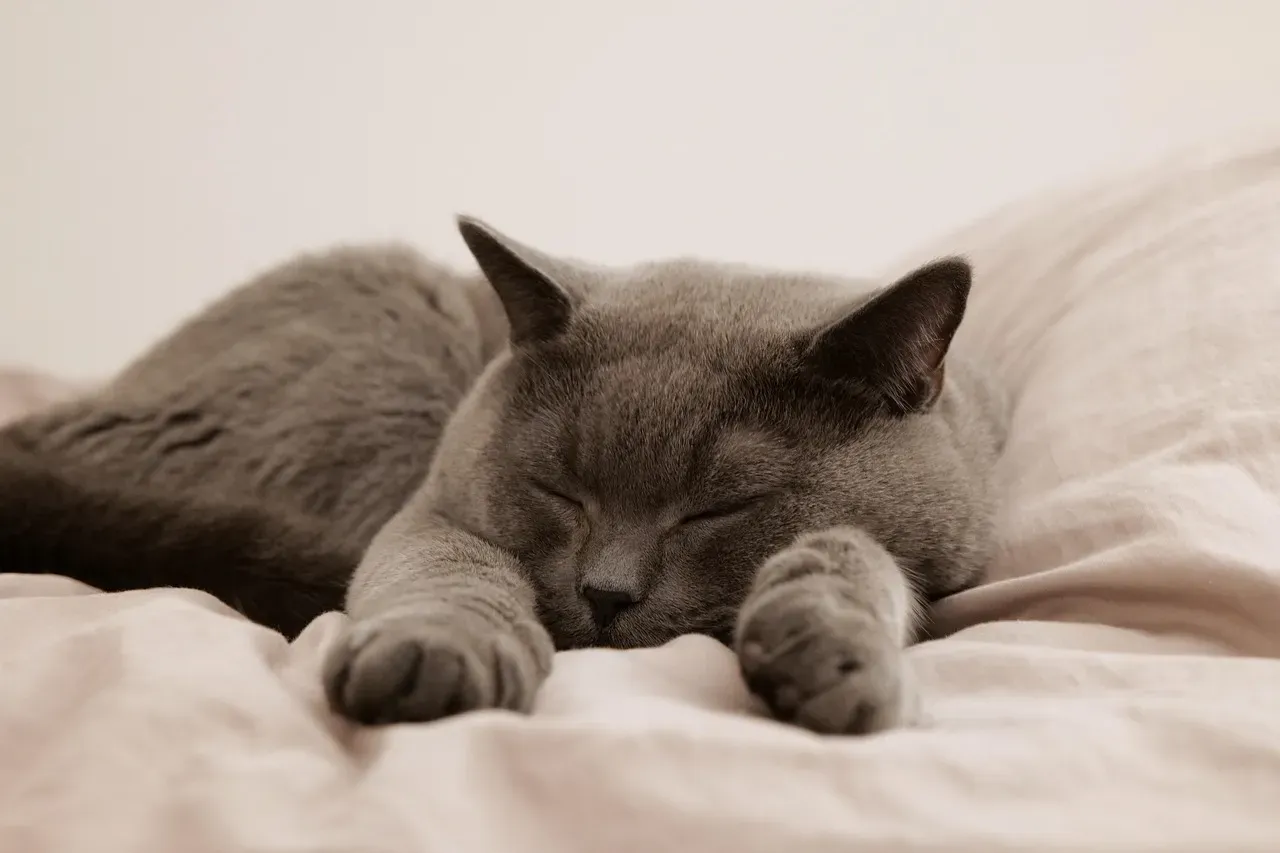
Cats are naturally cautious about where they nap. In the wild, they’d hide away to avoid predators. So when your cat chooses the middle of the bed, the arm of the couch, or even the sunny spot on the floor to snooze, it’s a sign of deep trust. That kind of vulnerability is not something they offer lightly.
Cats that are nervous, anxious, or afraid often hide or seek out secure spots when it’s time to sleep. In contrast, a cat that feels safe and comfortable in their home will confidently sleep in vulnerable positions, like lying in the middle of the living room with their belly fully exposed. This relaxed sleeping posture is one of the most reliable signs your cat is happy, trusting their environment and showing positive body language. When you see your cat fully splayed out without a care, take it as a quiet compliment to the home you’ve created.
2. Kneading You or Their Favorite Blanket
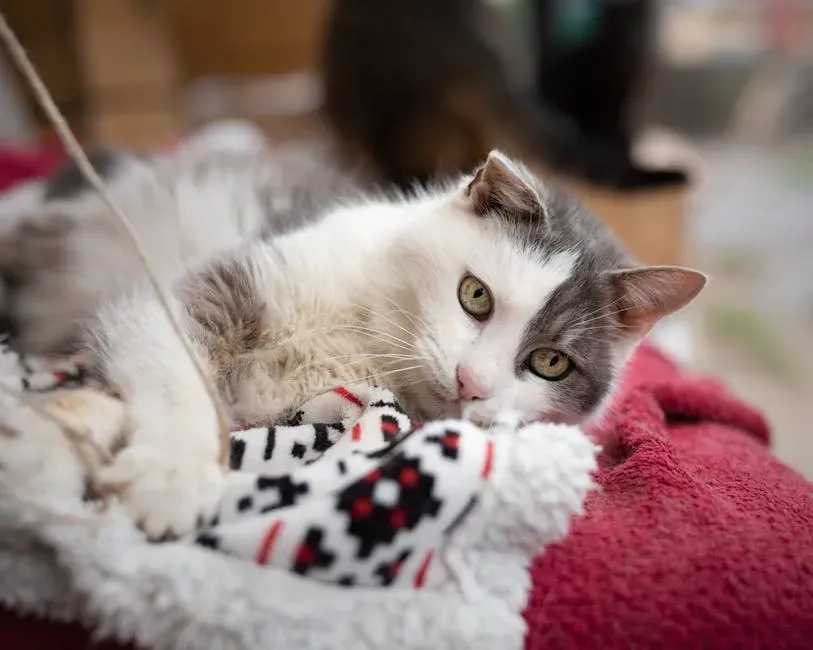
You’ve probably seen your cat pushing their paws in and out on a blanket or your lap. That’s called kneading or “making biscuits.” Kittens do this when nursing to help get more milk from their mom. When grown cats knead, it usually means they feel super safe and relaxed around you. It’s a cozy, happy behavior that shows your kitty really trusts their home and you.
Secure cats love to knead, pressing their paws rhythmically into soft surfaces, sometimes even into your lap. This behavior harks back to kittenhood, when they kneaded their mother’s belly for milk. When adult cats knead, it’s a comforting, nostalgic action. They only do this when they feel safe and happy, often purring loudly as they go. The kneading rhythm paired with closed eyes is essentially your cat slipping into pure contentment mode.
3. The Slow Blink That Says Everything
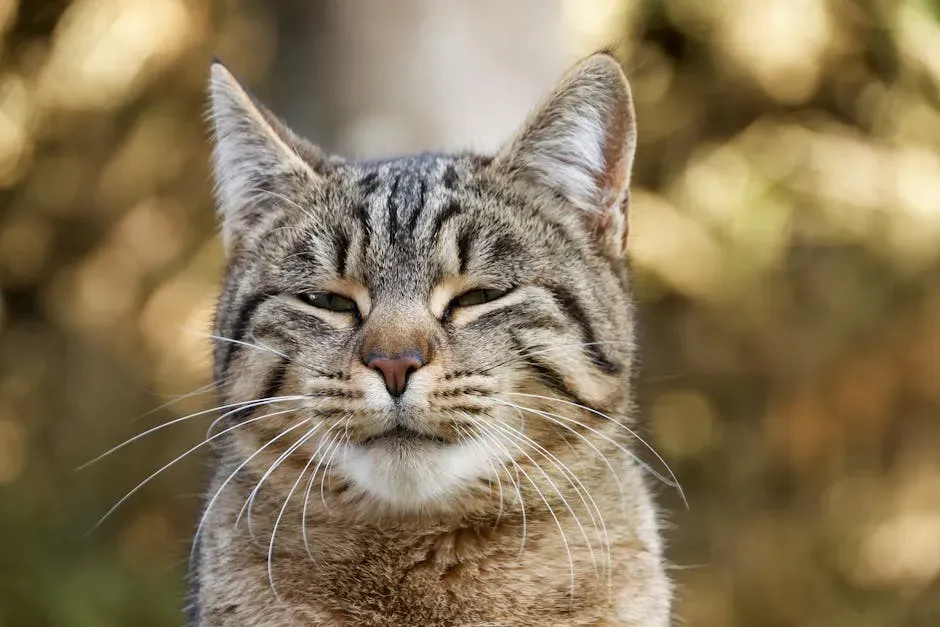
Slow blinking in cats is a fascinating form of feline communication that signals, “I trust you, and I’m super relaxed right now.” It’s like the feline version of a warm hug, subtle yet deeply meaningful. When your cat slow-blinks at you, they’re signaling that they feel safe and content in your presence. You can even try returning the gesture, and many cats will blink back.
If you notice your cat looking at you eye to eye and slowly closing and opening their eyes, it essentially means that they trust and love you. In the feline world, direct eye contact can be seen as a challenge, but a slow blink signals that your cat feels safe and comfortable around you. When they do this, doing the same thing as a response will help them feel reciprocated. It’s one of the simplest, most genuine exchanges you can have with your cat.
4. Head Bunting and Face Rubbing

When a cat rubs their face against you, it’s more than just a sweet gesture. It’s a natural behavior where they mark you as part of their territory using scent glands located on their cheeks. This is a strong sign that your cat feels safe, trusts you, and considers you a loved member of their social group.
The feline headbutt, or “bunting,” is a behavior reserved for loved ones. When your cat presses its head or face against you, it’s marking you with its scent and declaring you part of its territory. This is a deeply affectionate, trust-filled gesture that only happens in secure homes. You might notice your cat rubbing its cheeks on your hand, your face, or even your phone. Each instance is your cat quietly folding you into their world.
5. Grooming You Like You’re Family
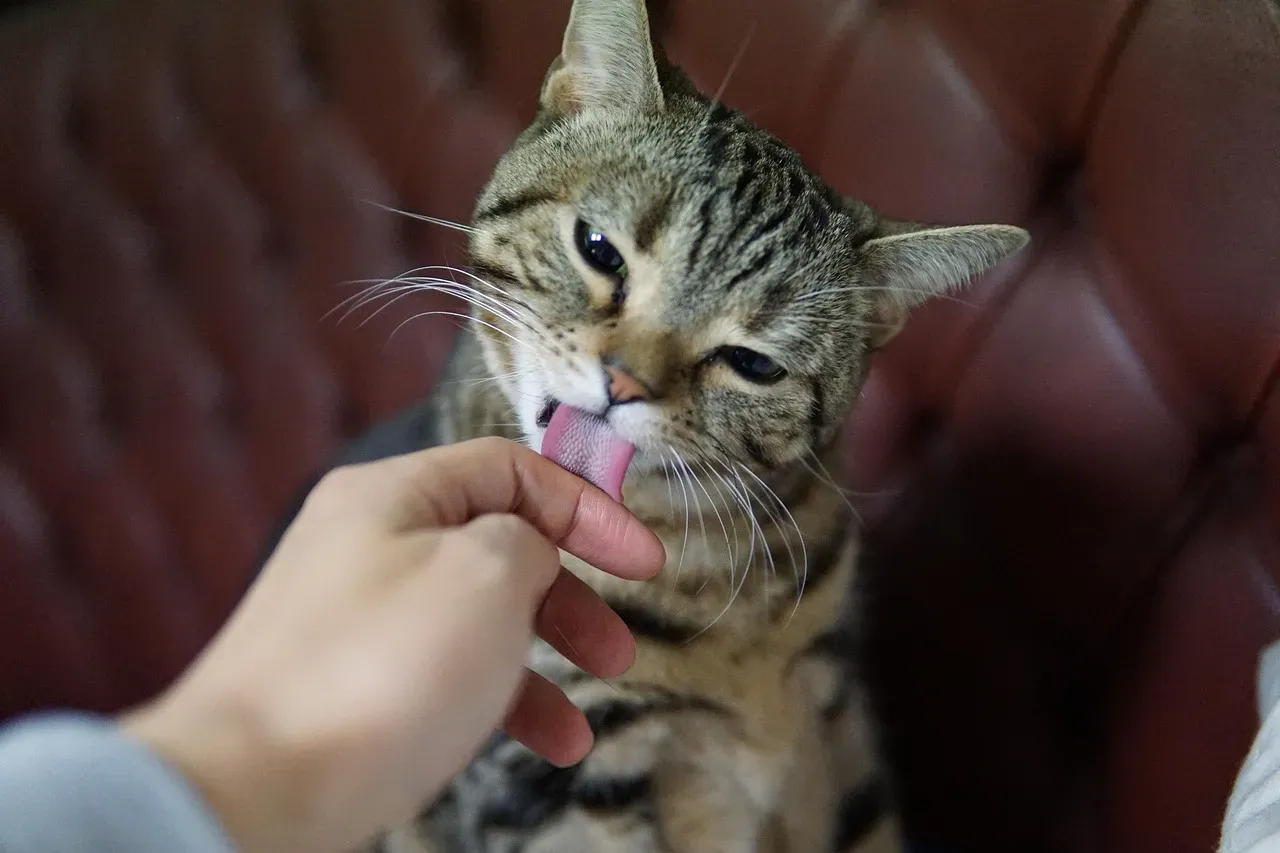
Grooming is one of the most obvious signs of cat bonding. In multi-cat households, cats groom each other to establish social bonds and share scent. If your cat licks your hand or even your hair, it is a sign of including you in their social circle. Being groomed by your cat is genuinely one of the highest honors in feline culture.
Cats groom themselves meticulously, but they also groom other cats as a sign of bonding. If your cat licks you, they’re engaging in this same social grooming behavior, treating you as if you were another cat in their family. While it’s an attempt to “clean” you, it shows just how much they care to spend the time to groom you. The fact that your cat sees you as worthy of that kind of attention says a great deal about the bond you’ve built.
6. Following You Quietly From Room to Room
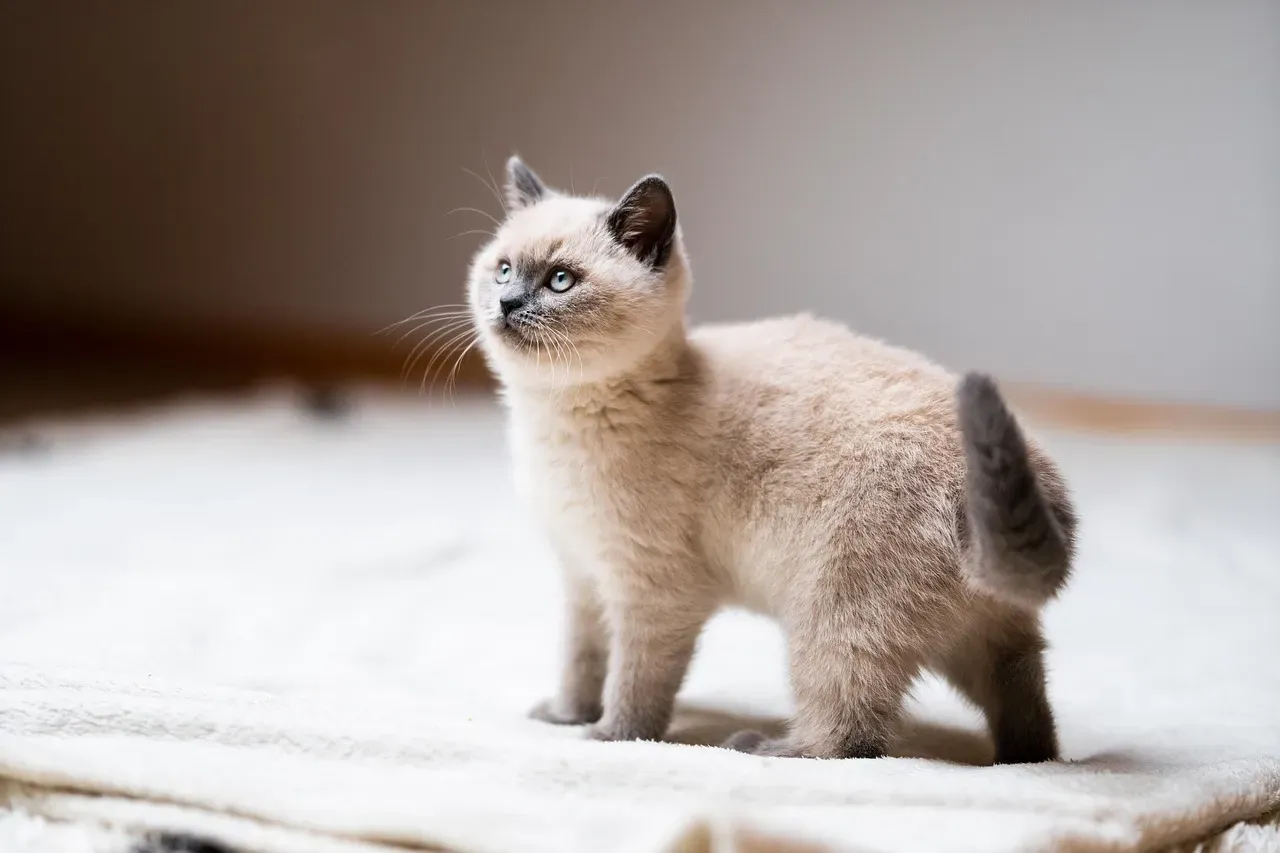
If you feel like you have a furry shadow, take it as a compliment. Cats who follow their humans around the house are showing trust and attachment. They want to be near you, even if it’s just to watch you fold laundry or type at your desk. This behavior is especially meaningful because cats are naturally independent.
What matters to animals, especially prey animals like cats, is safety. Safety means survival, and whatever love may or may not mean to a cat, it probably all starts with them feeling safe. So when your cat quietly trails you from the kitchen to the living room without any particular agenda, they’re not being clingy. It’s a sign of attachment and trust. Your cat feels comfortable enough to make you its chosen companion.
7. Purring Steadily While Resting Near You
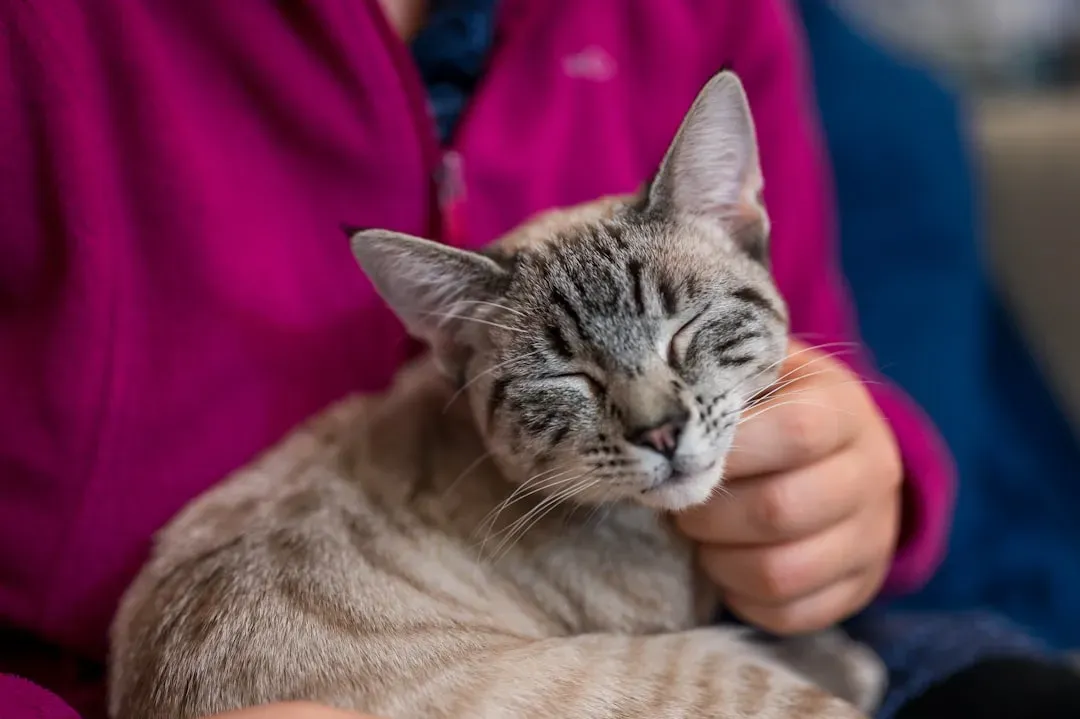
While cats can purr for many reasons, a deep, steady purr while lounging around is usually a sign of happiness. When your cat curls up beside you and starts that soothing rumble, it means they feel safe and satisfied. Cats don’t purr when they’re anxious or scared. Of course, every cat is unique, but that warm, vibrating sound is often the soundtrack of contentment.
This behavior is thought to originate from the bond between a mother cat and her kittens, and it extends to the pet-human relationship as a signal of trust and satisfaction. So the next time you hear your cat purr as they nestle beside you, you can take it as a feline thumbs-up, a sign that in that moment, all is right in their world. Steady, calm purring in your presence isn’t background noise. It’s your cat telling you, in the clearest way they know how, that they’re exactly where they want to be.
What These Habits Tell You About Your Cat
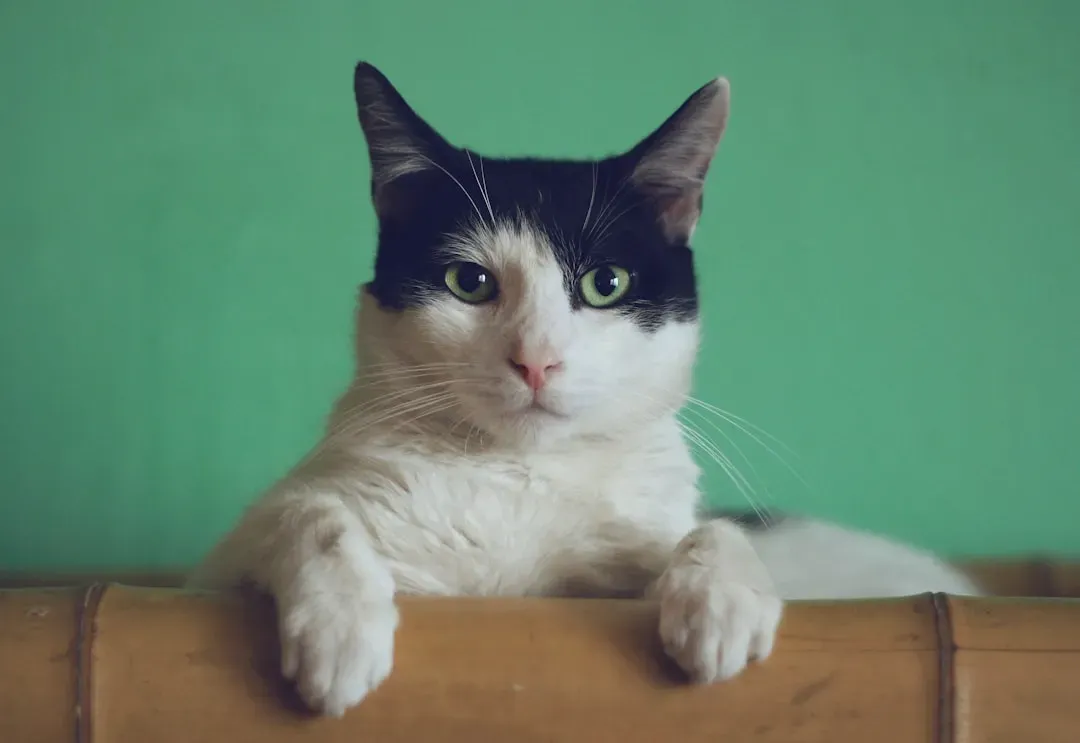
While every cat has a unique personality, there are common signals that indicate they feel safe, secure, and loved in their environment. The seven habits above share something important in common: none of them are dramatic. They’re small, repeated, and rooted in genuine comfort rather than performance.
Cats thrive on routine, so make your interactions with them as calm and predictable as possible. The more they know what to expect from you, when they’ll be fed, when they’ll be played with, how you’ll react in certain situations, the schedule you keep, the more relaxed they’ll feel. A safe environment isn’t built in a day. It’s assembled through a hundred small, consistent moments of patience and care.
Your cat doesn’t need words to tell you how they feel. They need warmth, consistency, and a space where their natural instincts can settle into something quiet and trusting. When you see those slow blinks across the room, hear that steady purr, or feel those kneading paws on your lap, you’re not imagining a connection. You’ve earned it.
Kristina is a young writer from India. An arts graduate and an avid content creator, Kristina is passionate about animals and wildlife. She enjoys exploring topics related to pet care, animal behavior, conservation, and nature, combining thorough research with engaging storytelling.