You’ve watched your cat groom obsessively before bed, sprint around the house at three in the morning, and knead your lap like they’re preparing dough for tomorrow’s breakfast. Some of these quirks seem utterly bizarre. Others almost make sense, once you think about them.
Here’s the thing: not all cat habits are created equal. Some behaviors serve genuine health purposes rooted in their evolutionary history. Others? Well, they’re just plain odd. Let’s explore the routines your feline friend swears by, separating the genuinely beneficial from the wonderfully weird.
Excessive Grooming Before Sleep: Health Booster
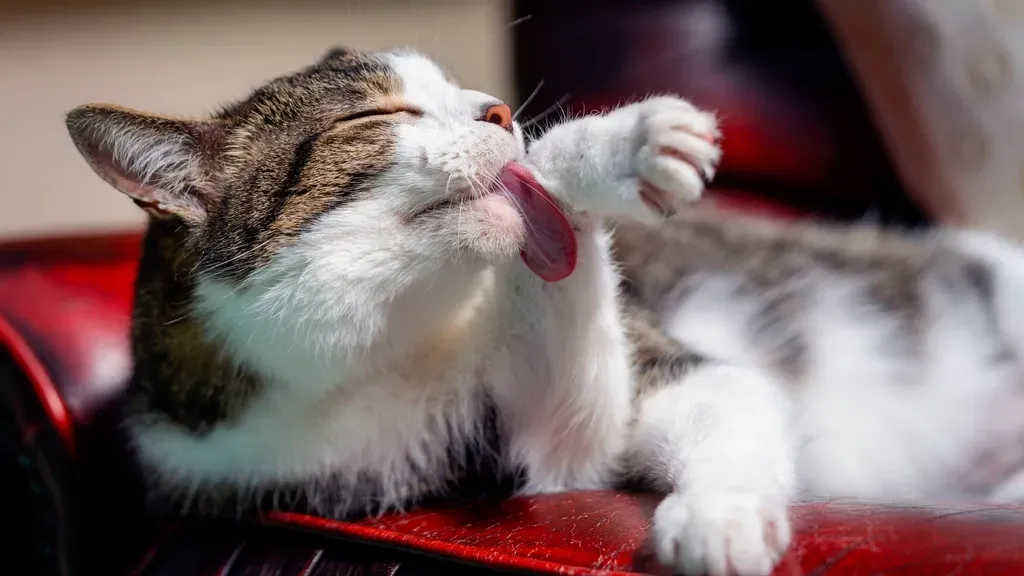
Your cat cleans itself before bed to eliminate dirt or debris accumulated during the day, ensuring a comfortable night’s sleep. This behavior goes beyond simple vanity. In the wild, cats groom before sleeping to remove food odors that could attract predators, and though domestic cats don’t face these dangers, the instinct remains.
Cats spend roughly thirty to forty percent of their day grooming themselves. Before sleep, this ritual becomes particularly important because it serves multiple functions at once: temperature regulation, relaxation, and hygiene. Grooming acts as a soothing process that helps cats deal with conflict, making it the perfect wind-down activity before entering dreamland.
Sleeping 12 to 16 Hours Daily: Essential Energy Conservation
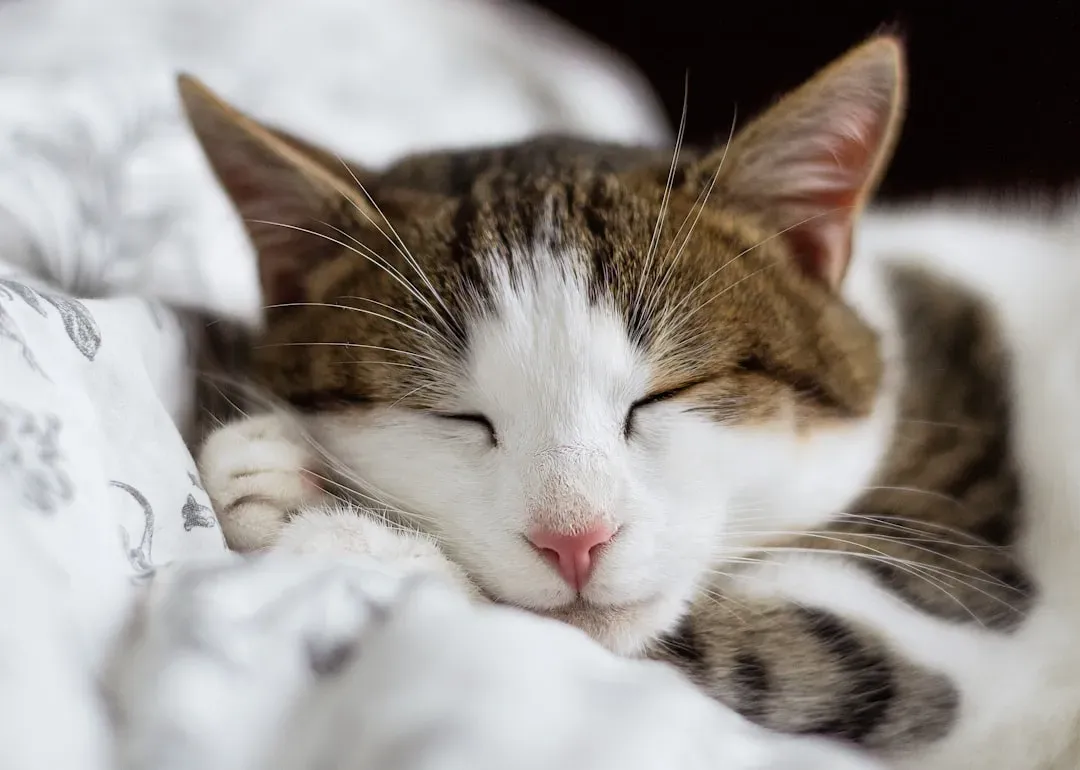
You might think your cat is just lazy when they curl up for yet another nap. Actually, adult cats sleep around twelve to sixteen hours a day as an evolutionary trait developed to conserve energy. This extended rest period isn’t wasted time.
Cats sleep extensively to conserve energy for hunting and other activities, even if domesticated, with sleep patterns rooted in natural instincts. During these lengthy snooze sessions, cats experience both light sleep where they remain alert and deep REM sleep complete with dreaming. Their bodies recharge, regulate temperature, and prepare for those sudden bursts of activity we’ve all witnessed.
Following a Feeding Routine: Stability and Wellness
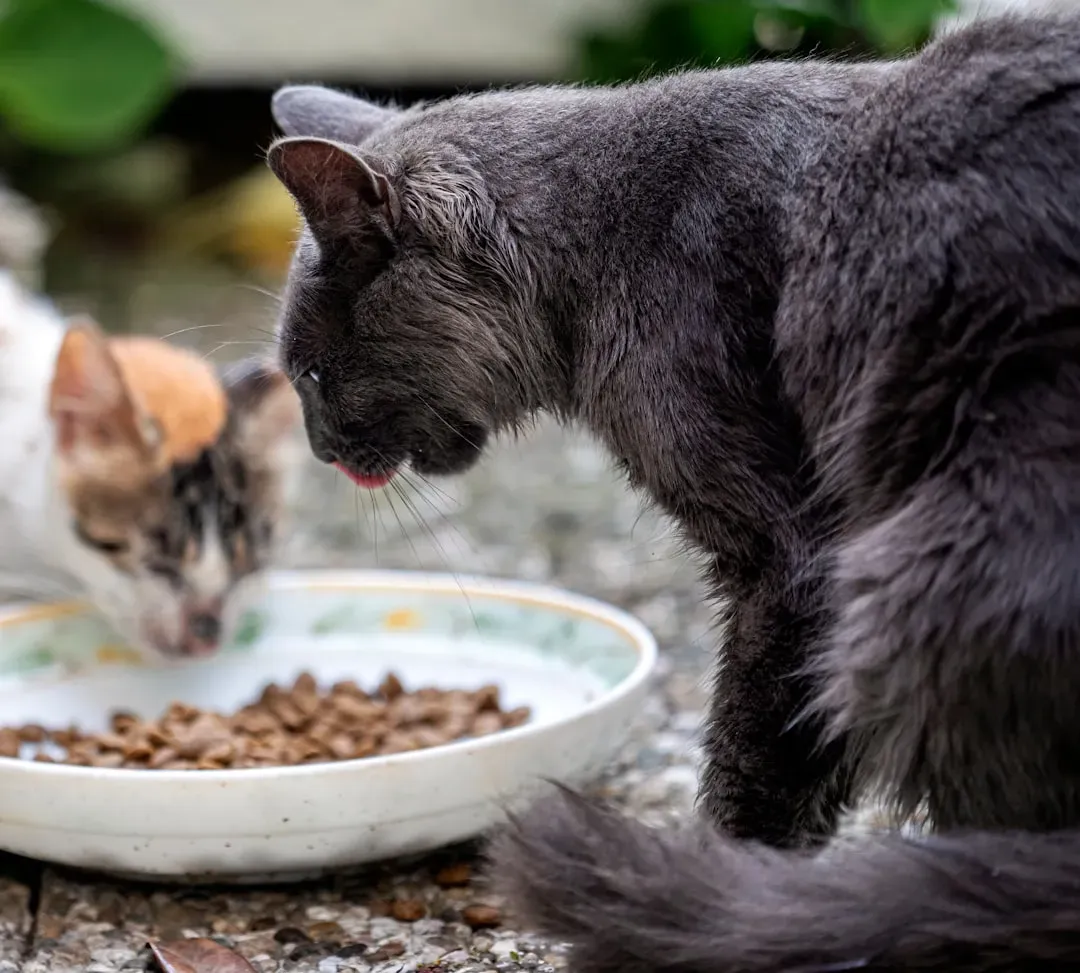
Regular feeding schedules are critical for cats, who are natural grazers but can have mealtime habits shaped by consistent intervals, promoting both physical health and emotional well-being. Scheduled meals do more than just fill their bellies.
The benefits extend beyond mere nutrition. Weight management improves through scheduled feeding that prevents overeating, consistent mealtimes help regulate the digestive system, and behavioral stability increases as knowing when to expect food reduces begging behaviors and mealtime anxiety. Honestly, a cat with a reliable feeding schedule is often a calmer, healthier cat.
Kneading Before Settling Down: Comfort and Security
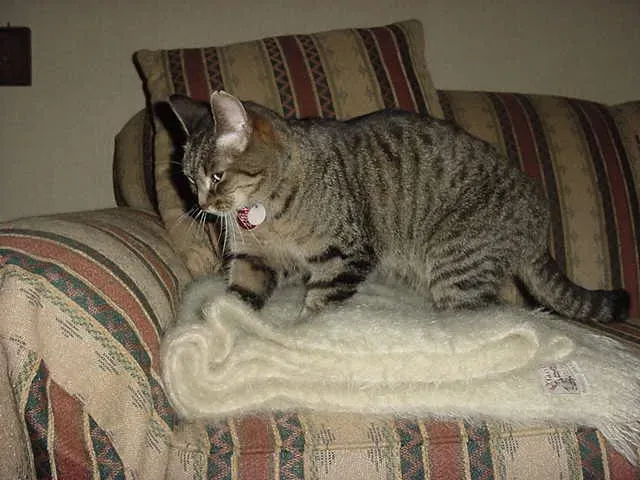
When your cat pushes and pulls with their front paws on your lap or a soft blanket, they’re doing more than making you wince. This kneading behavior stems from movements made as nursing kittens to stimulate milk production in mammary glands. It’s a carryover from their earliest days.
Cats use kneading to scent-mark beloved humans, create a comfy bed, express contentment, and calm themselves during times of anxiety. This self-soothing motion helps your cat transition into relaxation mode, marking their chosen spot as safe and comfortable. The behavior might shred your favorite sweater, but it’s genuinely beneficial for your cat’s mental state.
Regular Play Sessions: Physical and Mental Fitness
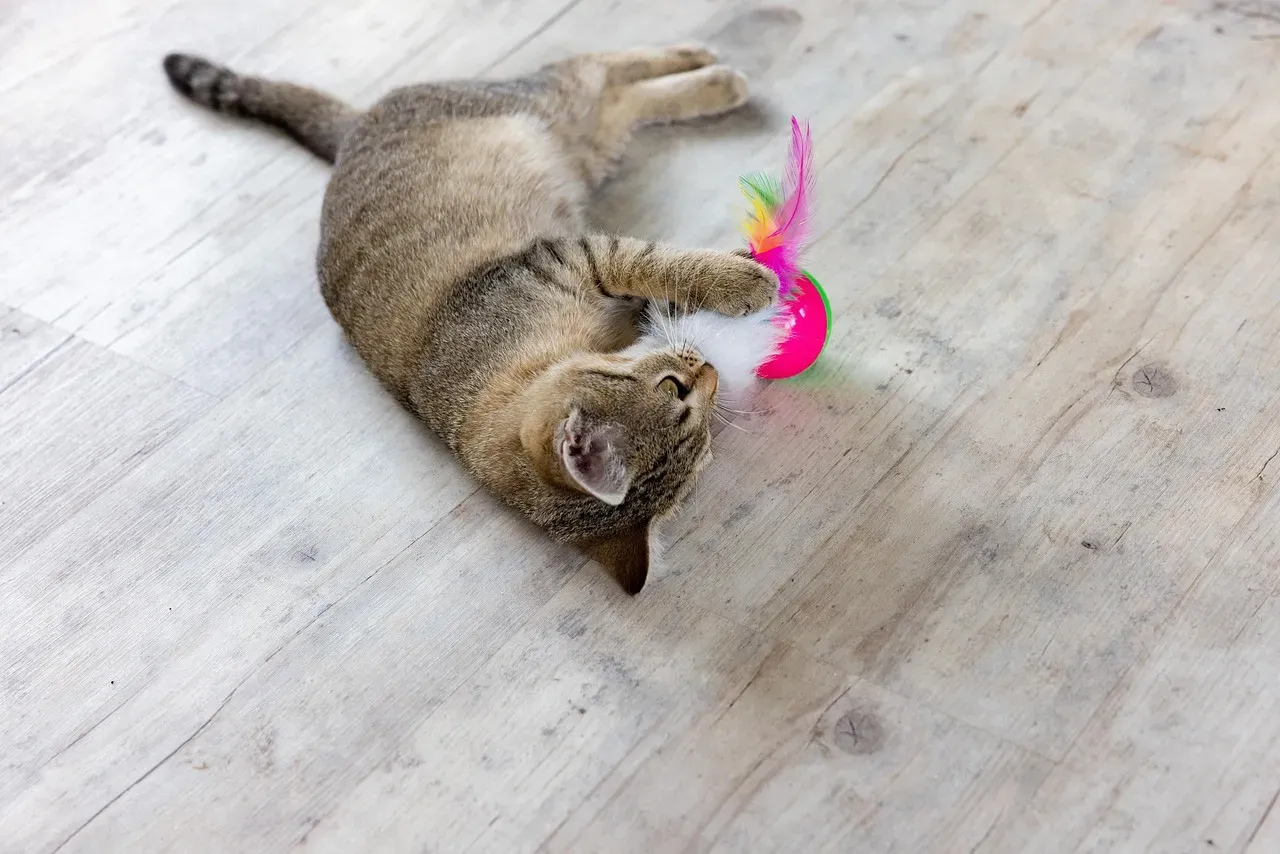
Physical activity is important for cat health and well-being, with establishing routine playtime being the easiest way to get cats to play, and once the routine is in place, cats will expect and love it. This isn’t just about entertainment.
Regular playtime helps cats stay physically active and mentally stimulated, with cats benefiting from one to two play sessions each day spanning a few minutes each. Interactive play mimics hunting behaviors, satisfies predatory instincts, and prevents boredom. Without it, your cat may become anxious or develop behavioral problems. Scheduled play creates structure that cats crave.
Scheduled Sleep Patterns: Reduced Anxiety
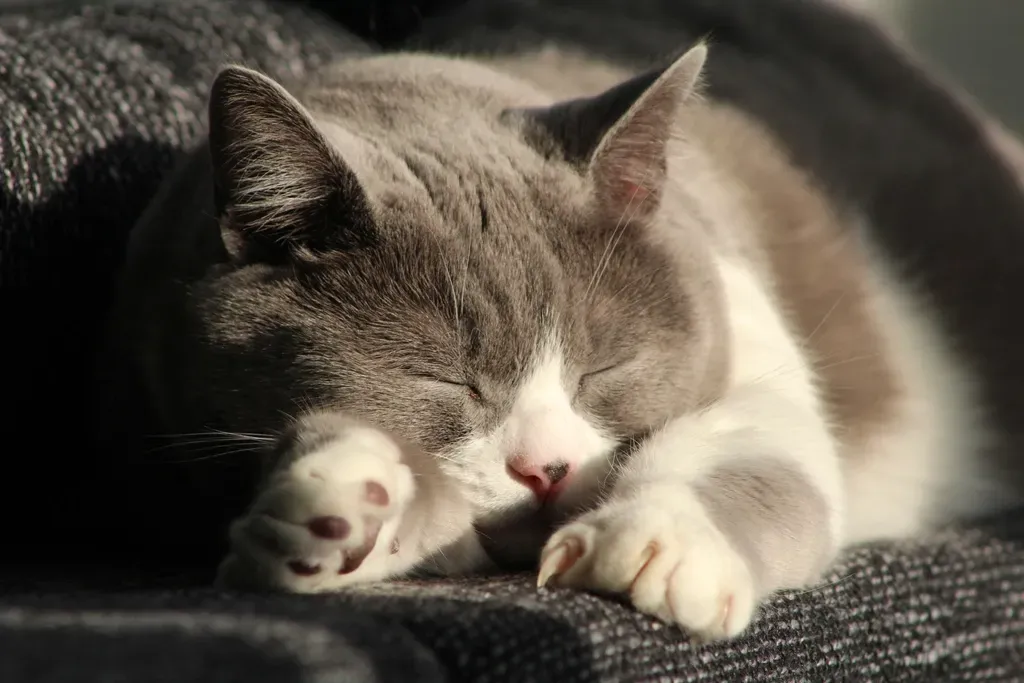
Cats are creatures of habit, and knowing what to expect at different times of day brings comfort and reduces anxiety, with regular schedules providing predictability and security. Predictable rest periods matter more than you’d think.
Routines are great stress-busters for pets, and when there’s significant change in routines, cats tend to become anxious and nervous. Creating a consistent environment where your cat knows when to expect meals, play, and quiet time helps regulate their internal clock. Cats who feel secure in their environment are more likely to relax and follow predictable sleeping routines, which benefits their overall health.
Structured Daily Routines: Overall Behavioral Health
Cats like it when their owners follow consistent routines because their own routines aren’t interrupted, as cats are creatures of habit who tend to wake owners at the same time each morning because they want to be fed. This predictability shapes their entire day.
Older cats especially appreciate a routine of sleep, exercise, and regular emotional contact with humans, as the stress of change can promote illness in mature cats and make unhealthy cats sicker. Structure provides security. When feeding times, play sessions, and human interactions occur consistently, cats experience less stress and display fewer behavioral problems.
The Midnight Zoomies: Random Energy Explosions
One moment your cat sits calmly. The next, they tear across the room at maximum speed, bouncing off furniture like a furry pinball. Also known as FRAPs (frenetic random activity periods), feline zoomies can easily get out of hand. This behavior seems utterly bizarre at first glance.
In most cases, zoomies express pent-up energy or counteract kitty boredom, with kittens and young adult cats indulging more often, though even older felines can burn up the house from time to time. Let’s be real: there’s no clear health benefit here. It’s just your cat being inexplicably chaotic, usually at the most inconvenient times possible.
Chattering at Birds: Frustrated Hunting Instinct
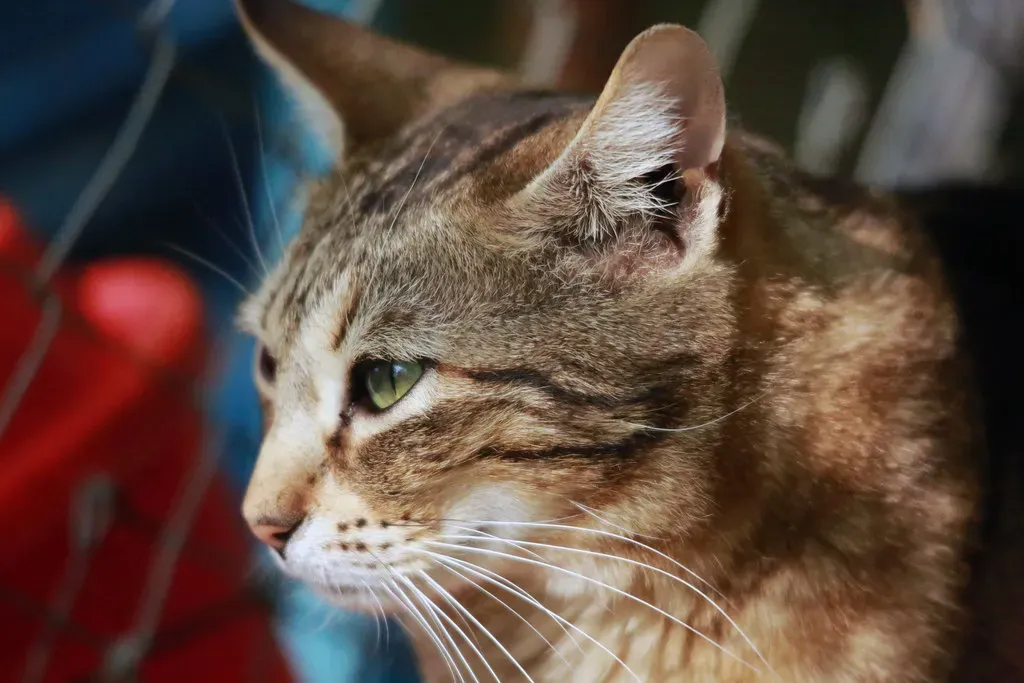
You’ve probably heard your cat emit fast and intense teeth chattering, especially when spotting a bird while gazing out a window, which behaviorists speculate occurs because your cat is frustrated they cannot get outside to hunt prey, or they may be excited and slightly aggravated. This jaw movement looks completely ridiculous.
Some say this strange jaw movement may be your cat’s natural instinct allowing muscles to prepare for the act of killing prey, though either way, this behavior is completely normal for felines. While it might relate to hunting preparation, it’s essentially your cat practicing for something that will never happen. Pure weirdness with a side of evolutionary baggage.
Sitting in Boxes and Tight Spaces: Prey Animal Instinct
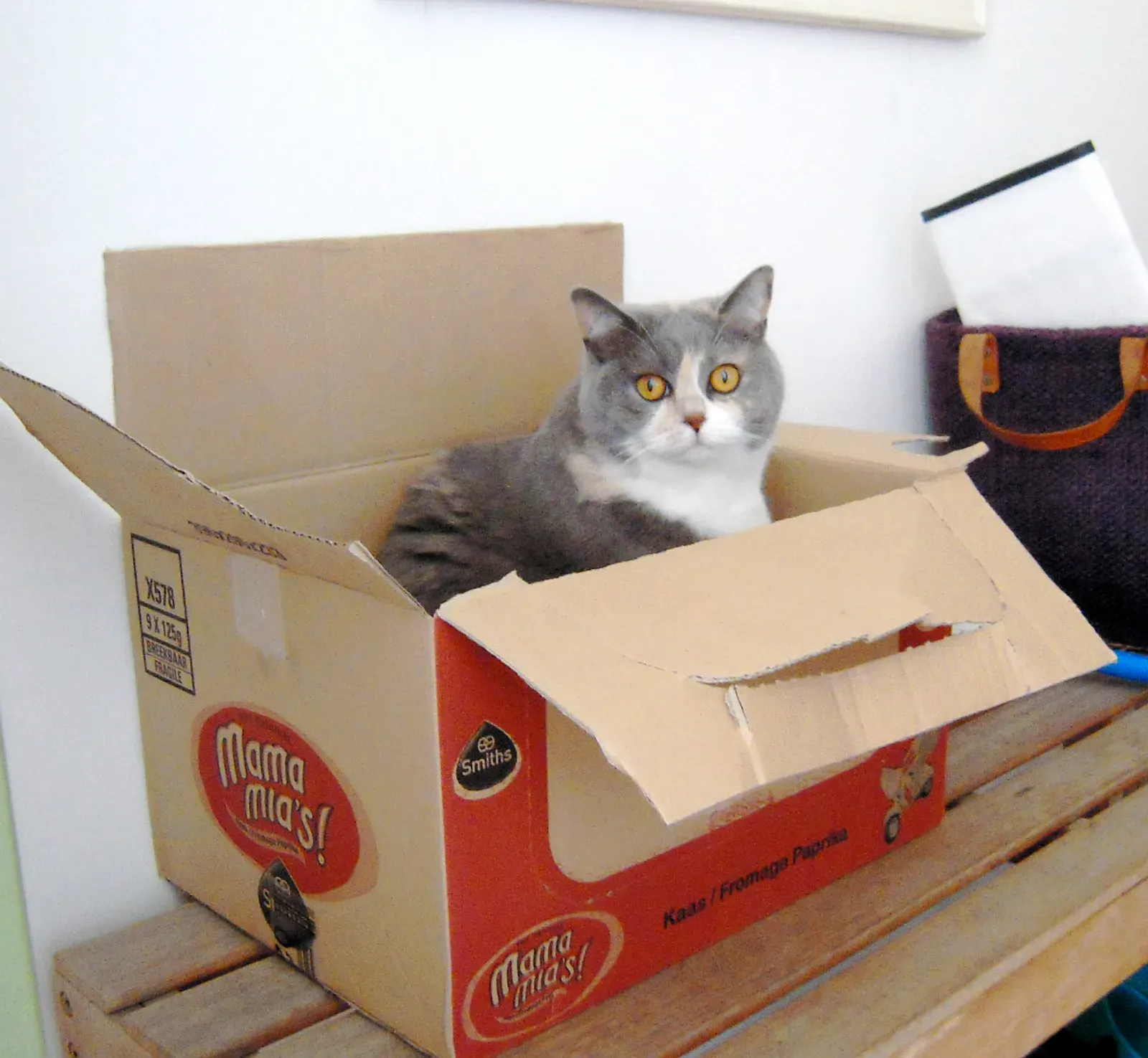
Your cat squeezes into the smallest possible container, ignoring the expensive bed you bought. Cats are unique creatures in that they’re both predator and prey, and need small spaces to feel safe and secure. This explains why every cardboard box becomes an instant favorite.
Cats may think they are mighty predators, but they are also prey animals, with small spaces making them feel safe and secure, plus they love high perches where they can keep a close eye on surroundings. The behavior makes sense from a survival standpoint, yet watching a full-grown cat wedge itself into a shoebox remains one of the strangest sights in domestic life.
Bunting or Head-Booping: Affectionate Scent Marking
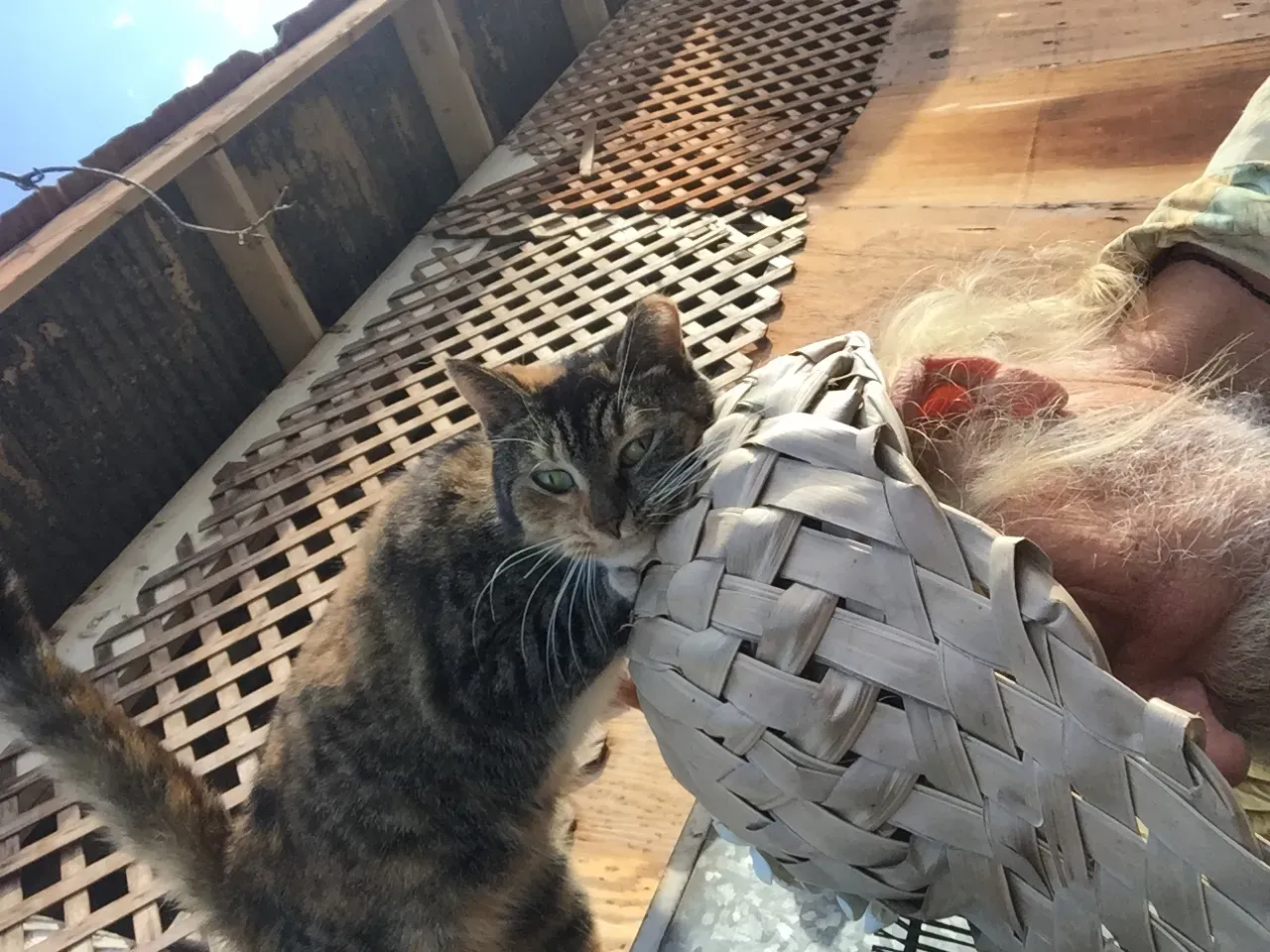
When your kitty rubs their head on you, they’re doing something called bunting, releasing pheromones from the cat’s head to show ownership over you, just as a cat would rub on furniture to leave scent marking territory. It’s equal parts sweet and bizarre.
Bunting behavior not only shows your cat’s adoration but also marks you as their own, with cats having multiple scent glands in their faces that deposit pheromones claiming you as their human, a sign of trust, love, and respect. So essentially, your cat is declaring you property through adorable head bumps. Weird? Absolutely. Endearing? Completely.
Bringing Dead Animals as Gifts: Hunting Pride Display
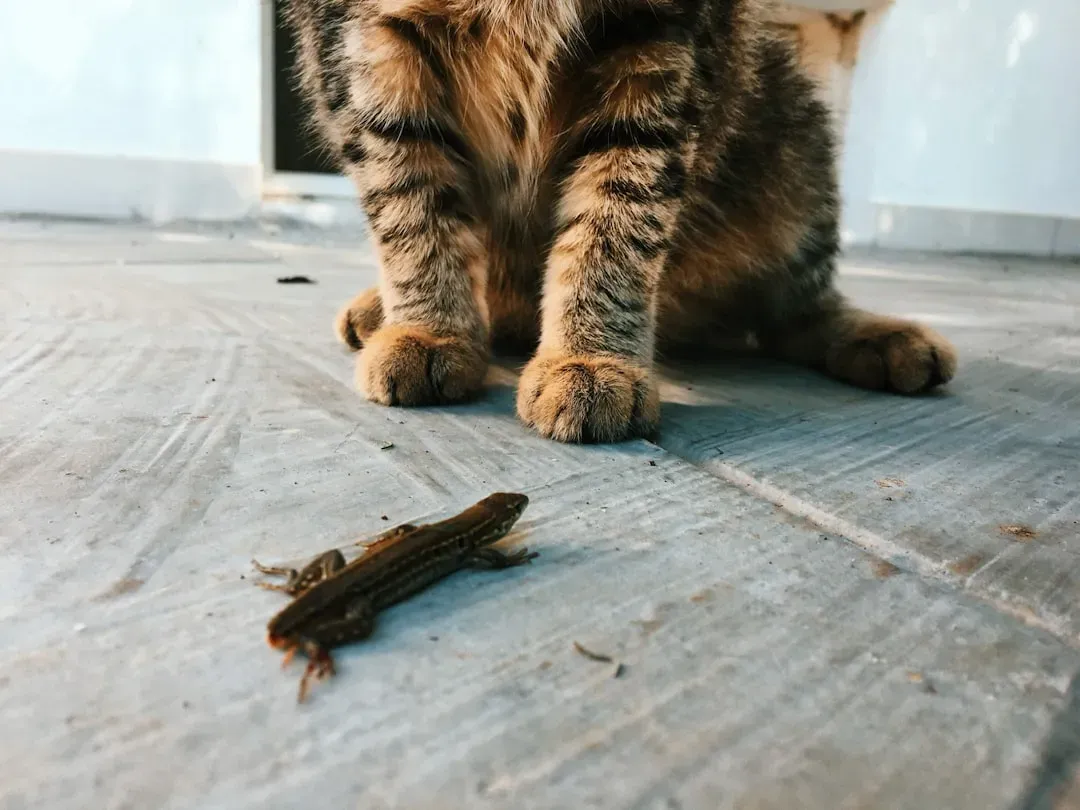
Nothing says “good morning” quite like finding a deceased mouse on your doorstep. Cats bring gifts as a token of friendship, to show gratitude for feeding them, and to ensure you’re getting enough food by trying to teach you to hunt, as cats are proud of their hunting accomplishments and want to share their talents with favorite people. This behavior is genuinely unsettling.
To your cat, you’re special, and by bringing you a dead mouse, from a feline perspective, they’re bringing you a gift. There’s no health benefit to this routine whatsoever, unless you count the psychological boost your cat gets from believing they’re feeding their incompetent human. It’s touching in theory, horrifying in practice.
Knocking Things Off Counters: Paw Sensitivity Exploration
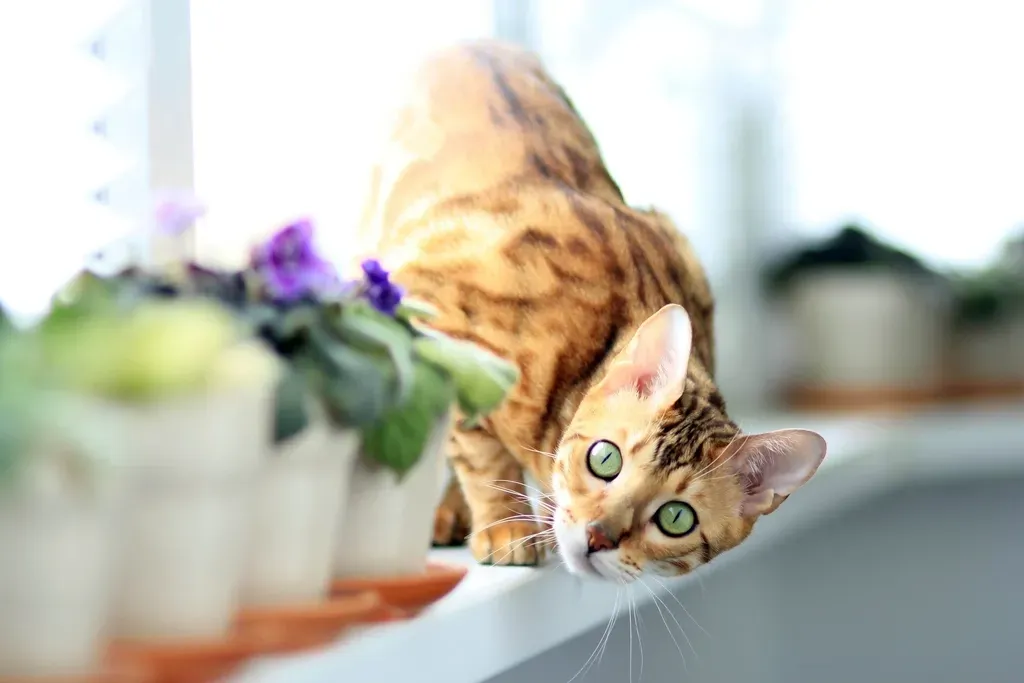
If you’ve ever had a young cat or kitten, you probably banged your head against the wall over their tendency to knock anything and everything over, with cats known to knock over picture frames, plants, books – almost anything on a shelf or table, which is infuriating but normal behavior. Your cat seems almost vindictive about it.
Cats have sensitive paws and knock things over to check them out, and they do this with prey as well. So your cat isn’t being malicious; they’re just incredibly curious with zero regard for the value of your possessions. It serves no health purpose beyond satisfying their investigative nature. Just plain weird with a dash of annoying.
Purring When Stressed or Injured: Self-Healing Mystery
Most people assume purring only means happiness. Surprisingly, cats also purr when they’re scared or hurt, as purring is soothing, and your cat may purr if they’re a bit under the weather or anxious. This dual-purpose behavior seems contradictory.
This soothing behavior can help calm cats and alleviate anxiety, in addition to their body healing faster, with studies on healing benefits of various purring frequencies showing that a domestic cat’s purr has the same frequency as purring that best promotes bone growth and healing, relieves pain, heals wounds, and combats difficulty breathing. It’s genuinely beneficial but completely counterintuitive. Your cat’s motor runs during both the best and worst times, making it impossible to tell what they’re actually feeling.
Conclusion: Understanding Your Cat’s Quirky Balance
Cats live by routines that range from brilliantly adaptive to baffling nonsense. Some habits like scheduled feeding, regular grooming, and structured play sessions directly support their health and wellbeing. Others, like midnight zoomies and gift-giving dead rodents, are just part of being a cat – weird, wonderful, and utterly inexplicable.
The beauty lies in accepting both sides of your feline friend. They’re complex creatures carrying ancient instincts into modern living rooms, resulting in behaviors that sometimes help them thrive and sometimes just make you question everything. Whether your cat is optimizing their health through routine or simply being delightfully strange, understanding the difference helps you become a better cat guardian. What do you think about your cat’s routines now? Which behaviors have you noticed most?