Have you ever bought your cat a fancy, expensive toy only to watch them completely ignore it in favor of a crumpled piece of paper or an empty cardboard box? It’s one of the most amusing yet slightly frustrating mysteries of cat ownership. While you might see ordinary household items as just that, ordinary, your cat sees a treasure trove of entertainment possibilities lurking in every corner of your home.
Cats’ behaviors when playing are similar to hunting behaviors. This means that nearly everything in your home has the potential to become prey, a fortress, or a throne in your cat’s eyes. Let’s dive into the everyday objects that transform your living space into your cat’s personal amusement park.
Cardboard Boxes: The Ultimate Feline Fortress
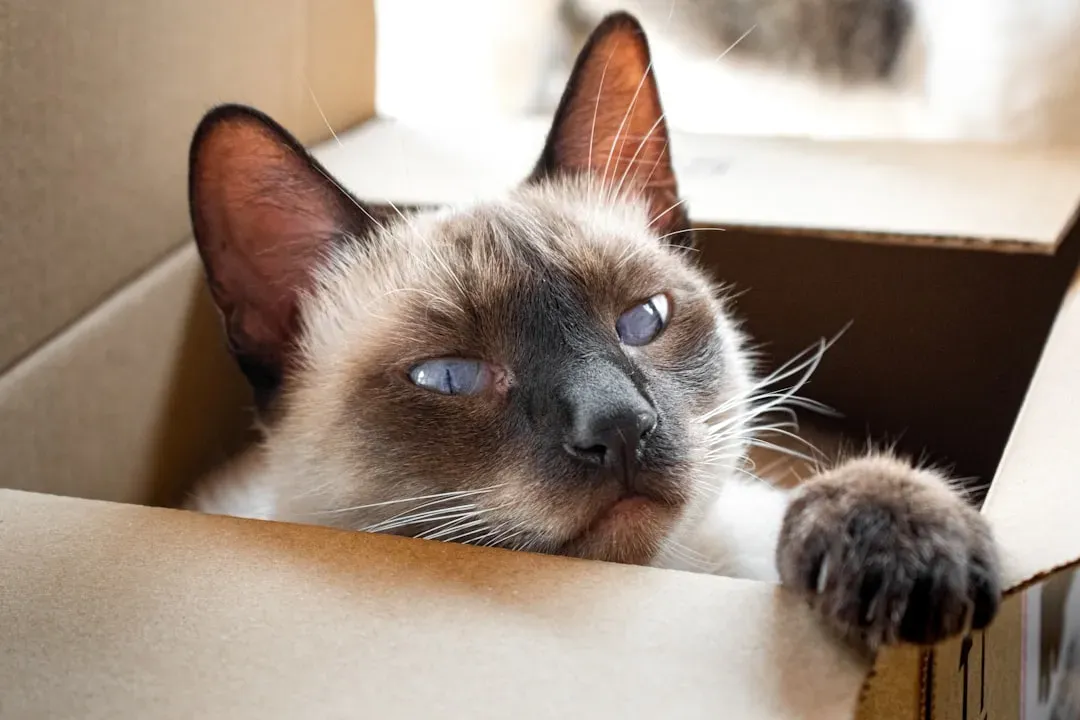
Let’s be real, if there’s one universal truth about cats, it’s their obsession with cardboard boxes. A cat will be in that box in a matter of minutes and cats love concealed spaces, and boxes offer a tight enclosure that acts perfectly as a mini cave, helping your cat feel safe and secure. The moment you set one down, your cat claims it as their new kingdom.
Cats are ambush predators and finding confined places where they can hide, hunt prey and feel safe and warm is an instinctive behavior. That simple cardboard structure taps into something primal in your feline friend. It’s hard to say for sure, but watching them squeeze into impossibly small boxes suggests they’re channeling their inner wildcat, stalking imaginary prey from their corrugated hideout.
Paper Bags: Crinkly Caves of Mystery
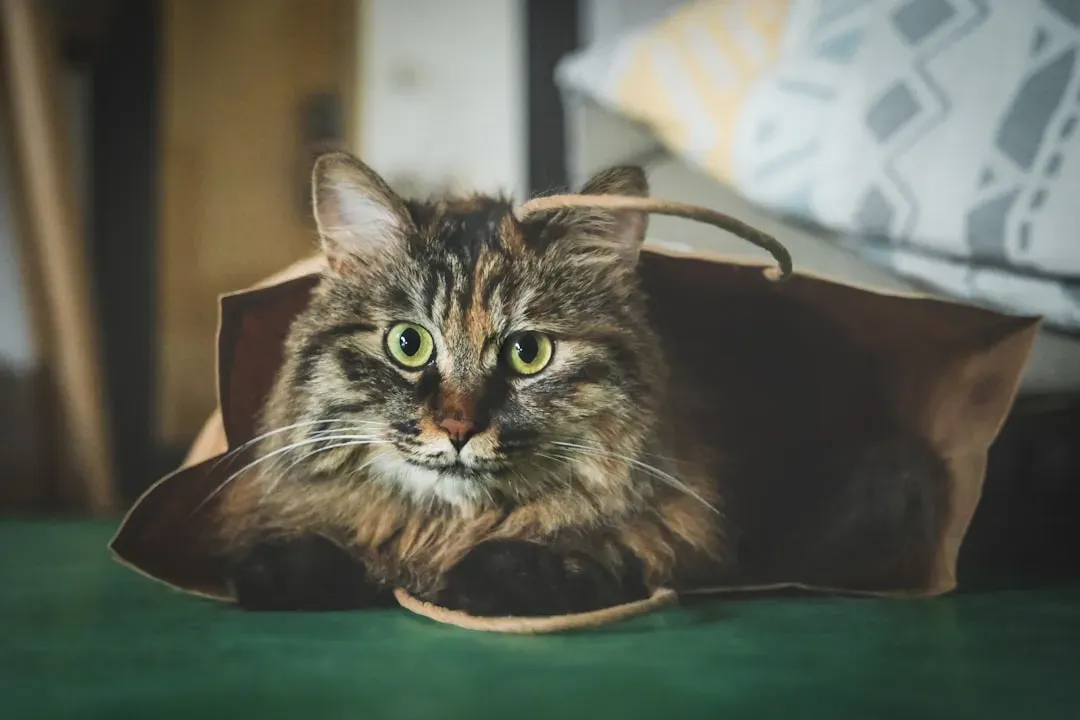
Some cats like to explore new objects, so a few empty boxes or paper bags will keep some cats entertained until the owner has time to play. That rustling sound when your cat dives into a paper bag isn’t annoying to them. It’s music to their ears, triggering their hunting instincts with every crinkle and crunch.
Your cat’s heightened sense of smell makes every bag an adventure waiting to happen. Each one carries unique scents from wherever it came from, whether that’s the grocery store or a takeout restaurant. The texture is perfect for batting around, pouncing on, and yes, occasionally tearing to shreds in a display of feline dominance over inanimate objects.
Hair Ties and Bottle Caps: Lightweight Prey Substitutes
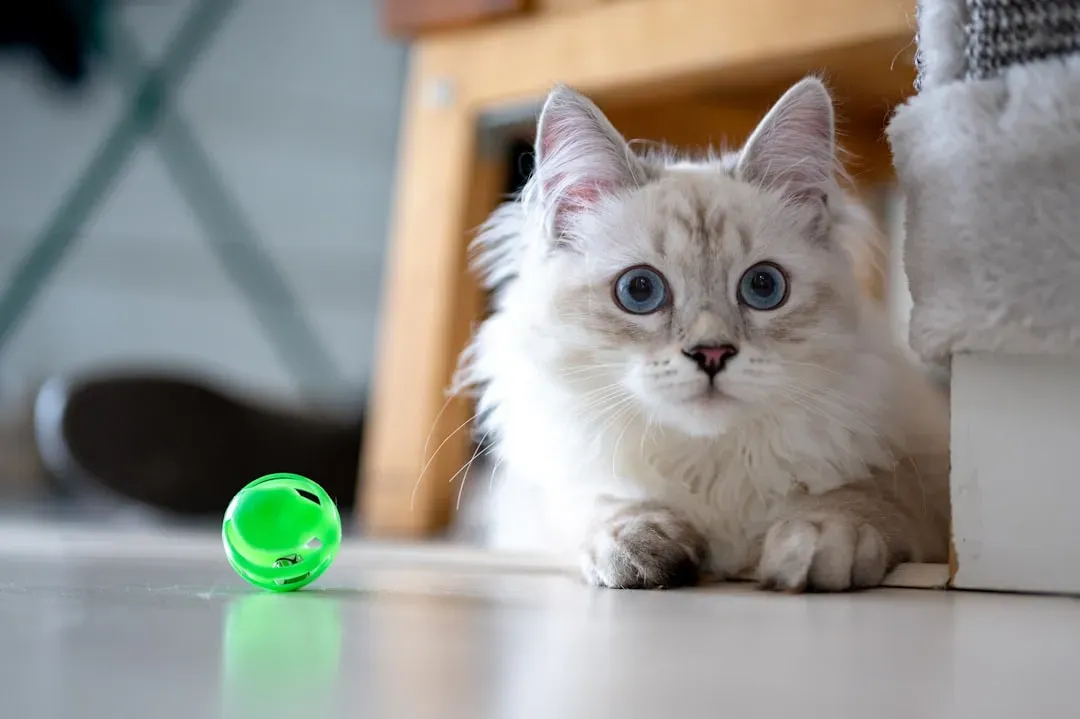
Bottle caps and ping pong balls are lightweight and easy to flick around the floor, and ping-pong balls are amusing because your cat can chase them faster than bottle caps. These tiny objects become the perfect stand-ins for scurrying mice or fleeing insects in your cat’s vivid imagination.
Other objects made or thrown opportunistically or other random objects around the house make up the majority of the favourite objects to fetch. Honestly, it’s fascinating how a simple hair tie can provide hours of entertainment. Your cat will bat it across the floor, carry it in their mouth like a trophy, and hide it in secret locations you’ll discover months later.
Window Sills and High Perches: The Observation Deck
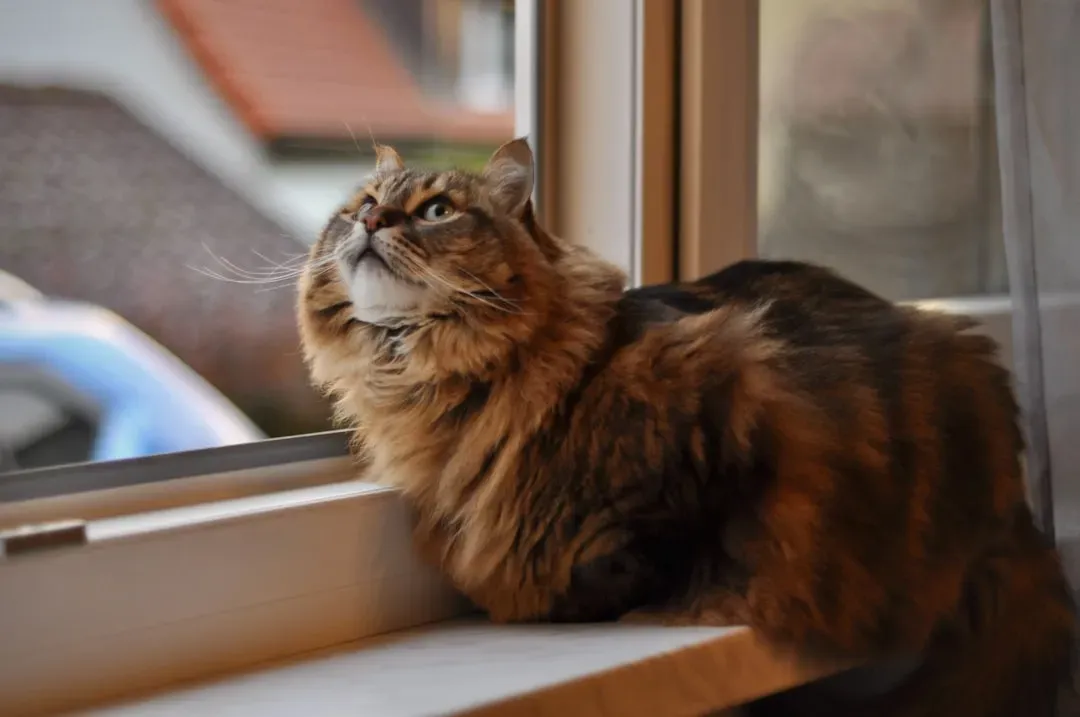
Cats love to climb and jump, and they’re very good at it, with young cats sometimes climbing curtains, jumping on counters and kitchen tables. Your window sill isn’t just a ledge to your cat. It’s prime real estate offering entertainment, warmth, and a strategic vantage point all rolled into one.
From their elevated perch, your cat can survey their kingdom, watch birds and squirrels outside, and bask in sunlight. Window seats designed for cats are also a good option for jumping with the added benefit of watching the outside world, dreaming about birds, and sun bathing. The combination of height, warmth, and visual stimulation makes this spot irresistible.
Your Keyboard and Laptop: The Warm Attention Magnet
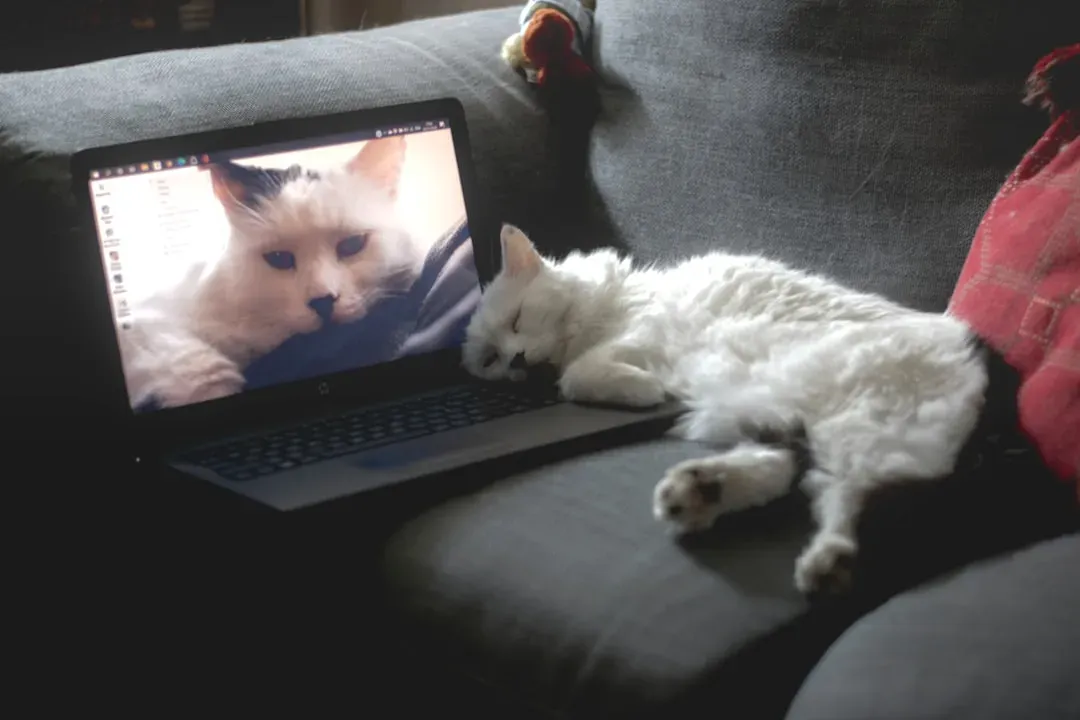
Here’s the thing about cats and electronics: they don’t actually want to help you work, no matter how deliberate their timing seems. Cats love to sleep on laptops, radiators, and other heat-emitting parts of the house. That warm surface is like a heating pad designed specifically for feline comfort.
There’s probably another factor at play too. When your cat plops down on your keyboard, you immediately stop what you’re doing and pay attention to them. Whether you’re gently moving them aside or giving them scratches, they’ve successfully redirected your focus from the screen to them. Mission accomplished from their perspective.
Plastic Shopping Bags: The Dangerous Delight
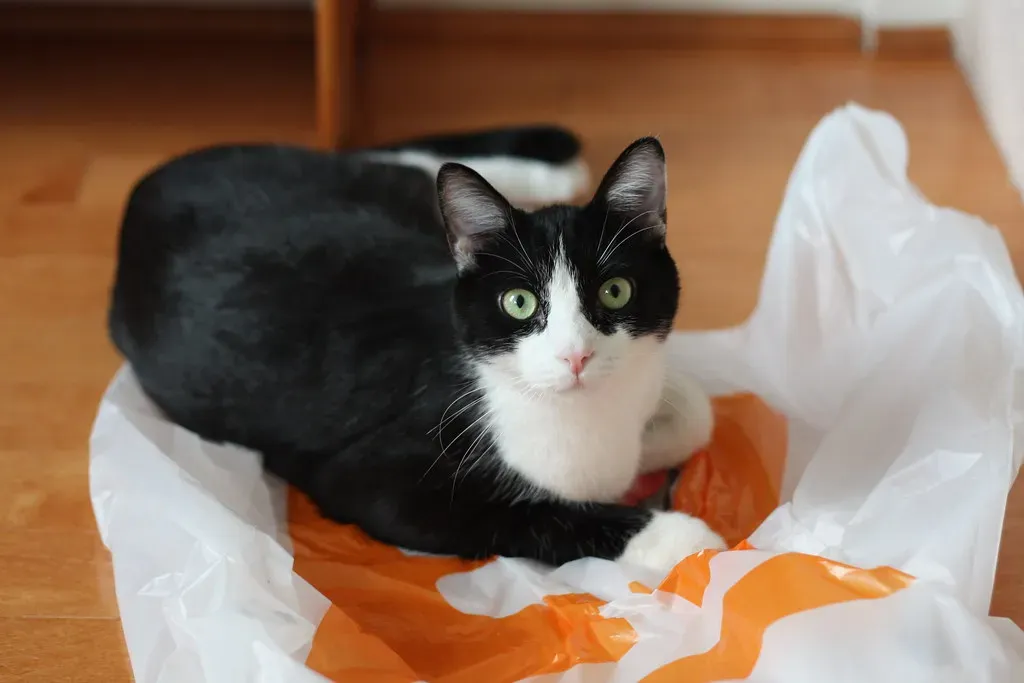
I know it sounds crazy, but cats seem magnetically drawn to plastic bags despite the potential dangers. The crinkling sound, the smooth texture, and the way bags move unpredictably across the floor all trigger your cat’s prey drive. Some cats will even lick or chew on them, though this behavior requires careful supervision.
If you’re not careful, plastic bags will suffocate your cat and tear it to bits, with tiny pieces that can be eaten, which isn’t healthy for a feline. While cats find these irresistible, it’s crucial to keep them stored safely away. The rustling might mimic the sound of small animals moving through grass in the wild, making them prime “prey” candidates.
Your Clothes and Laundry: Scent-Soaked Territory Markers
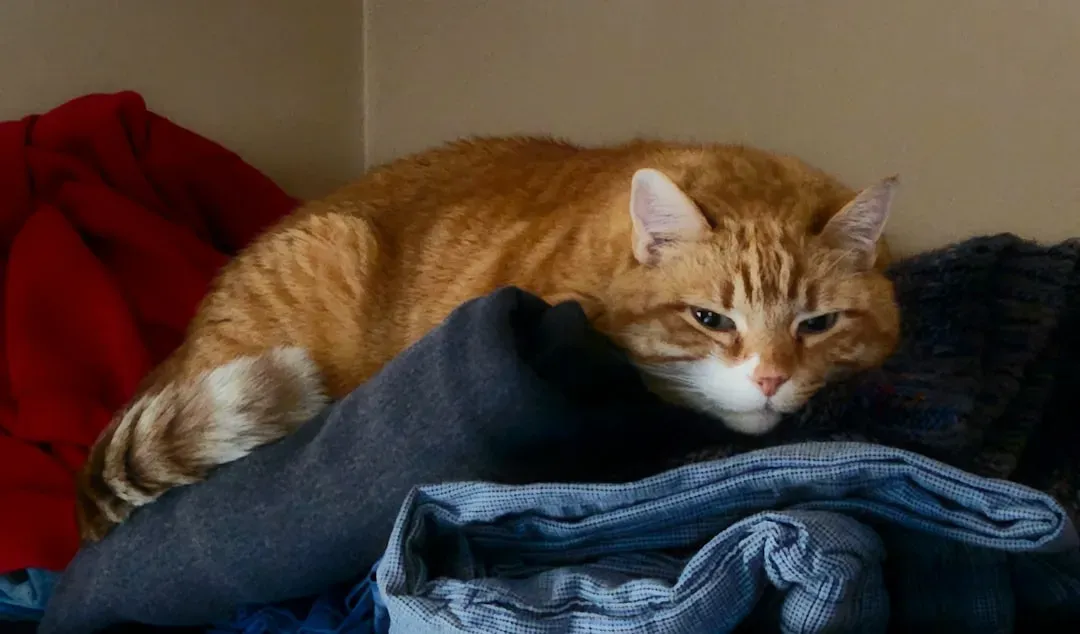
Cats are more comfortable when everything in their environment smells like them. That pile of laundry you left on the bed? Your cat sees it as the perfect canvas for mixing their scent with yours. When they knead on your clothes or curl up in your laundry basket, they’re essentially claiming you and your belongings as part of their territory.
Cats have scent glands on their face that deposit unique identifying odors on the object they rub against, and when they rub against you they are affirming that you are part of their family. The soft texture of fabric also mimics the comfort of their mother’s fur from kittenhood. Roughly about half the reason they love your clothes is comfort, the other half is pure territorial possession.
Conclusion: Understanding Your Cat’s Playful Perspective
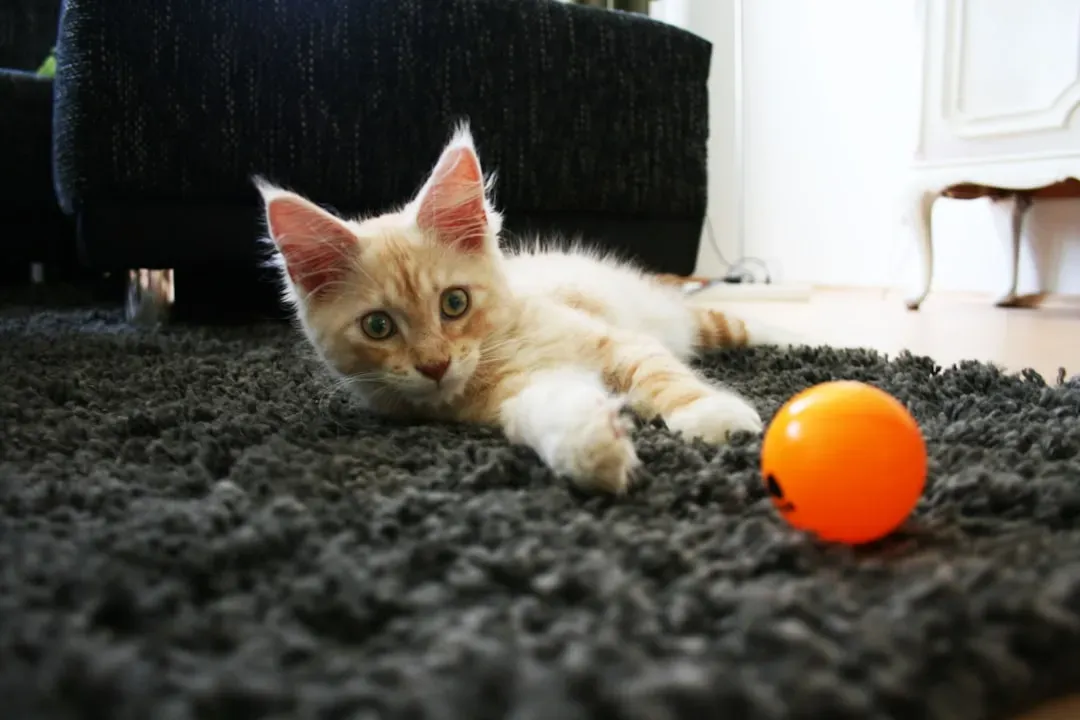
Your home might look like a normal living space to you, but to your cat, it’s an ever-changing landscape filled with hunting opportunities, cozy hideaways, and territory to claim. Cat play behavior can be either solitary or social, and play behaviour includes throwing, chasing, biting, and capturing the toy object, mimicking behaviors used during an interaction with a real source of prey.
The next time your cat ignores that expensive toy in favor of a cardboard box or hair tie, remember that they’re not being difficult. They’re simply following instincts honed over thousands of years of evolution. Understanding what draws your cat to everyday objects can help you create a more enriching environment without breaking the bank on fancy pet store purchases.
What’s the most unusual household item your cat has turned into a toy? Share your stories in the comments because honestly, there’s nothing quite as entertaining as watching cats find joy in the simplest things.