You’ve seen the memes. You’ve watched the viral videos. Yet somewhere beneath those endearing moments when your feline knocks your coffee mug off the table or stares at you in the middle of the night, something remarkable might be happening. Your cat could be quietly transforming your health in ways you never suspected.
Most people don’t think about the profound physiological and mental shifts that occur when they welcome a cat into their home. The assumption is often that cats are independent, aloof creatures that simply coexist with us. Here’s the thing though. Research shows that sharing your space with these mysterious animals brings with it an unexpected collection of health benefits that reach far beyond simple companionship.
Your Heart Might Thank You
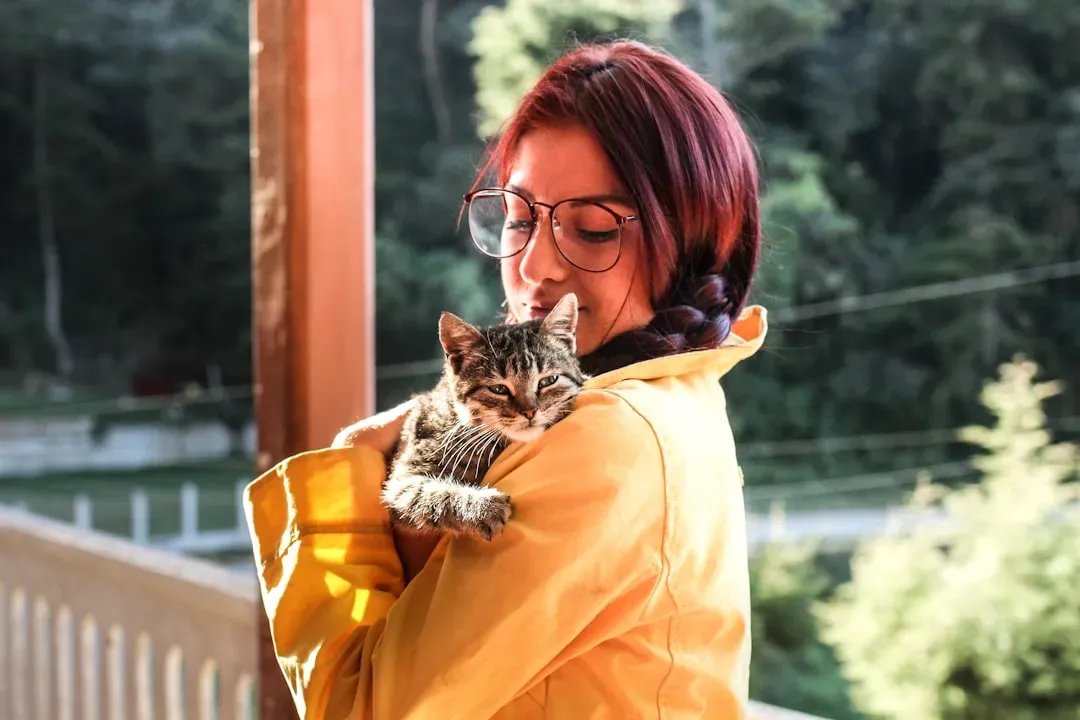
Let’s be real, the idea that a small furry creature could influence your cardiovascular system sounds a bit strange. Studies have shown that cat owners had a significantly lower risk for death due to myocardial infarction compared with those without cats, which is remarkable when you think about it. Cat owners have 30% lower risk of heart disease according to some research findings.
The science here is surprisingly solid. Cat ownership can reduce risk of cardiovascular disease and improve heart health, and it’s not just about having a warm lap companion. The presence of cats appears to create physiological changes in your body that could be reducing stress on your heart over time. People with pets had significantly lower resting baseline heart rates and blood pressure, significantly smaller increases in heart rate and blood pressure in response to stress, and faster recovery of these parameters to baseline after cessation of stress when tested in research settings.
A Secret Weapon Against Stress and Anxiety
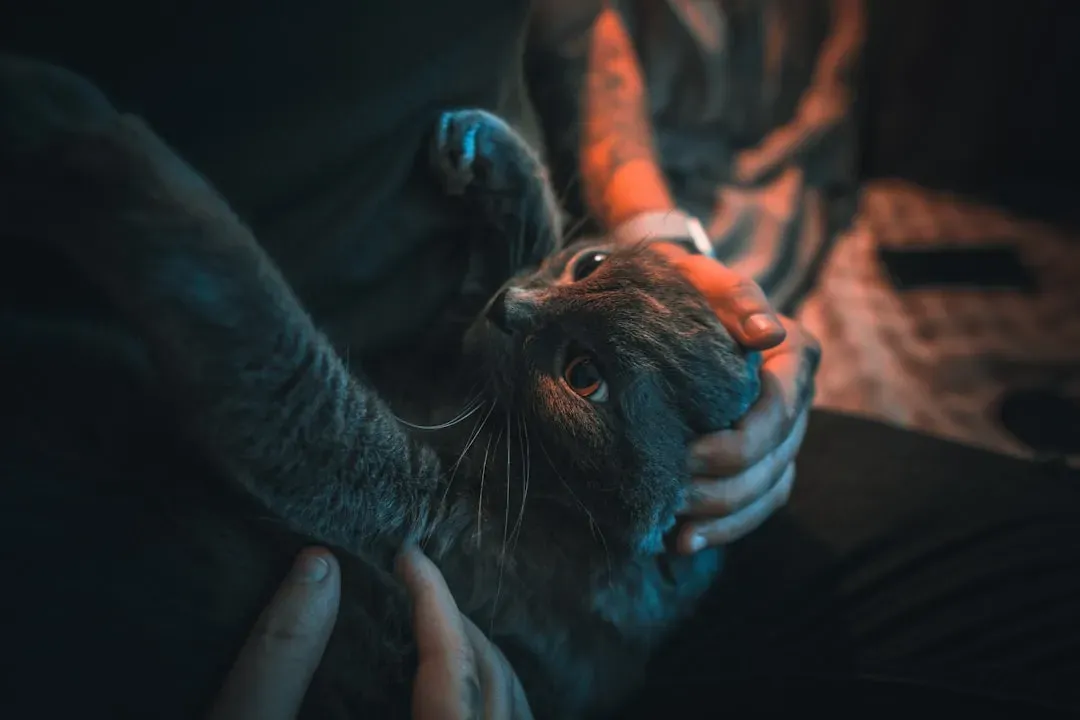
Most of us spend our days drowning in responsibilities. Deadlines pile up, emails multiply, and tension builds. That’s where your cat enters the picture. College students who spent as little as 10 minutes per day petting a cat experienced decreased levels of cortisol, the hormone associated with stress, which suggests even brief interactions pack a punch.
Honestly, what’s happening when you pet your cat goes beyond the immediate feeling of relaxation. Interacting with cats triggers the release of hormones in humans such as serotonin, dopamine and oxytocin, often associated with good, positive feelings. Think of it as your brain’s natural pharmacy opening up. Before the stressful tasks began, cat owners had a lower resting heart rate and blood pressure than people who didn’t own any pets, and during tasks, cat owners looked the calmest and made the fewest errors when their cat was present during laboratory stress tests.
The Healing Frequency in That Purr
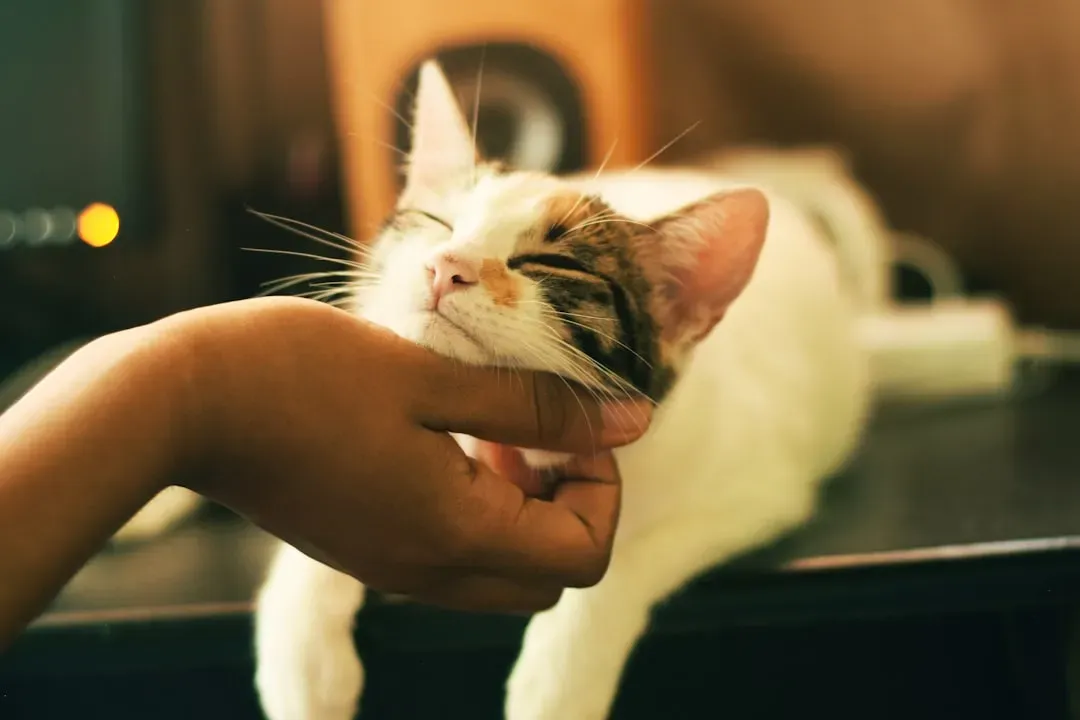
This one’s wild. You might think your cat’s purr is just a sign of contentment. Wrong. Cat purring typically falls between 25 and 140 Hz. Frequencies in this range have been studied for potential aid in healing broken bones, joint and tendon repair, and wound healing. I know it sounds crazy, but this vibrational phenomenon is no joke.
Vibrations at 25 to 50 Hz may promote healing of injured muscles and tendons, and at 100 Hz may reduce pain, aid recovery after surgery, and ease breathing in patients with chronic respiratory disease, according to some researchers. There are even anecdotal stories of people recovering from injuries while their cats positioned themselves directly on the affected area, purring constantly. The mechanism might involve those low-frequency vibrations literally stimulating cellular repair. That gentle rumble you hear isn’t just adorable – it could be therapeutic.
Shielding Your Kids from Future Allergies
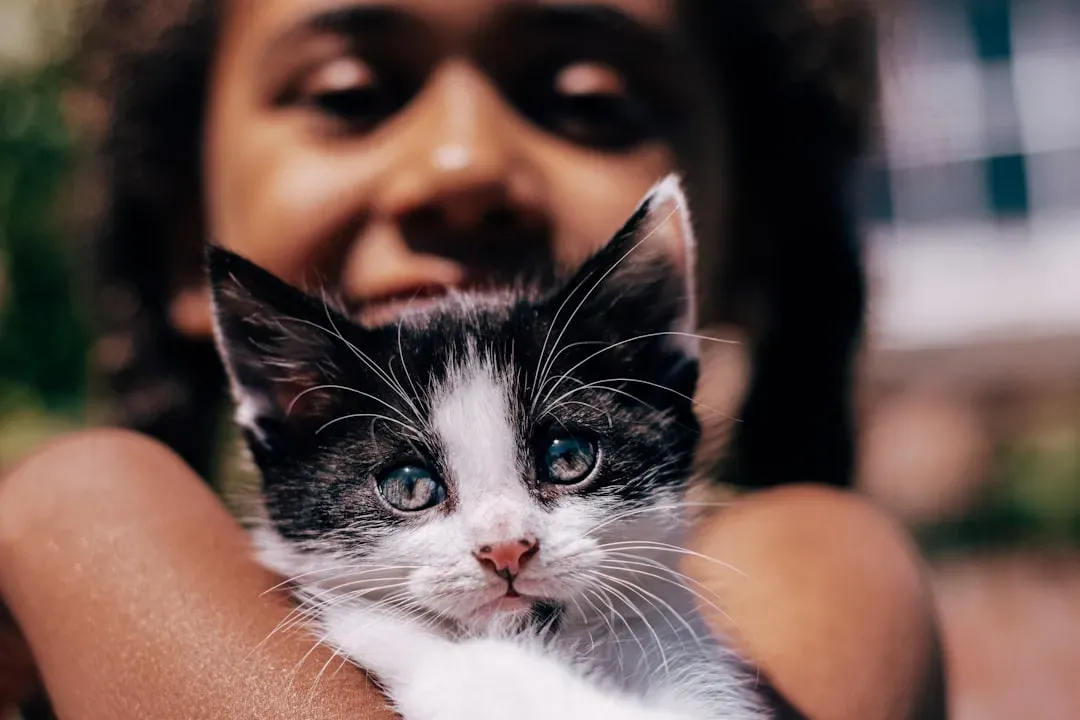
Here’s a counterintuitive discovery. You’d think growing up with a cat would make children more likely to develop allergies. Surprisingly, the opposite appears true in many cases. Some birth cohort studies have suggested that exposure to an indoor cat in the first year of life may be associated with a lower risk of developing certain allergies later in life.
The timing seems critical, though. In children, living with cats can strengthen immunity in the first year of life when their immune systems are still developing. It’s hard to say for sure, but exposing young children to cats during that crucial developmental window might help their bodies learn to recognize cat proteins as harmless rather than threats. This early microbial and allergen exposure appears to train the immune system properly, potentially preventing the development of hypersensitivity reactions down the road.
Your Brain Might Stay Sharper Longer

As we age, cognitive decline becomes a genuine concern for most people. Studies suggest that owning a dog or cat may help slow cognitive decline as people age, which adds an intriguing dimension to pet ownership benefits. Cat owners experienced a slower decline in verbal fluency (the ability to easily and rapidly produce words) compared to non-pet owners in long-term studies.
The connection between cats and brain health isn’t entirely understood yet. It might be related to the mental stimulation and routine that caring for an animal provides. Or perhaps it’s the social engagement and emotional connection that keeps certain neural pathways active. Either way, having a feline companion appears to offer protective effects for your cognitive abilities as the years pass. Your cat’s insistence on breakfast at precisely six every morning might actually be keeping your mind sharp.
Emotional Support That Actually Works
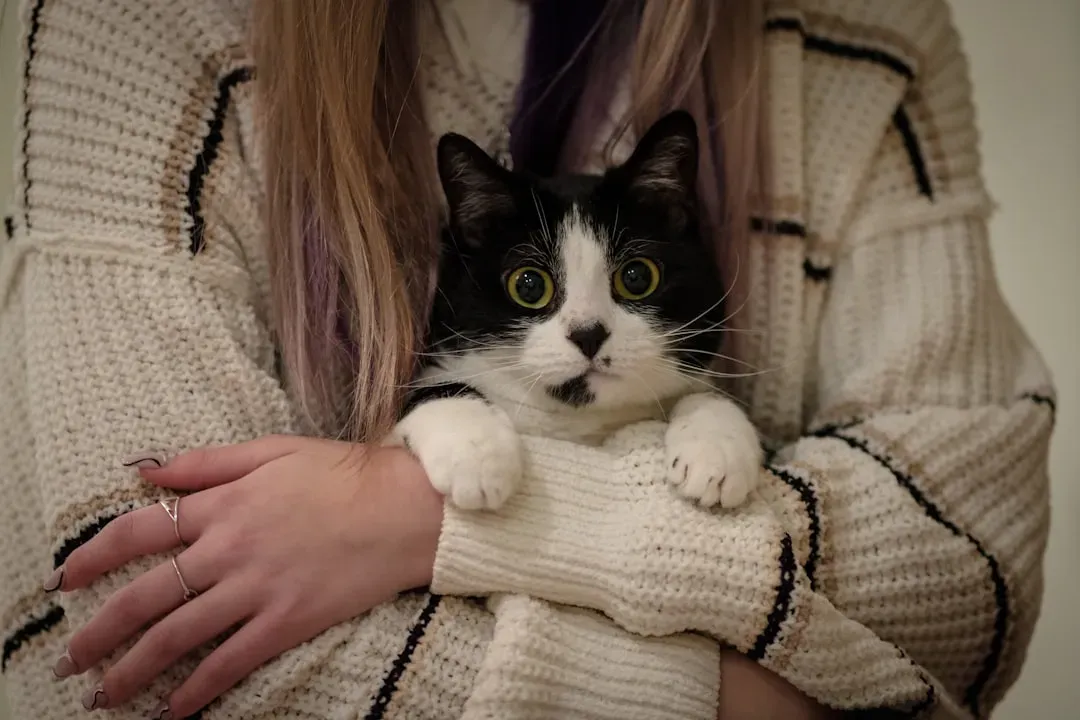
Depression and loneliness affect millions of people. Cats help people cope with loss and pain in ways that medication sometimes cannot. Owning a cat reduces feelings of loneliness, and though cats might be known for their independence, the bond between a cat and its owner reinforces companionship.
There’s something profound about having another living being who depends on you and responds to you, even if they sometimes pretend otherwise. Caring for a cat helped people lower levels of stress, better manage their emotions, and even increased their ability to handle difficult life circumstances according to qualitative research with cat owners. The routine of feeding, grooming, and interacting creates structure. The purring, the head bumps, the inexplicable midnight zoomies – all of it contributes to a sense of purpose and connection that combats isolation.
Building Better Social and Interpersonal Skills
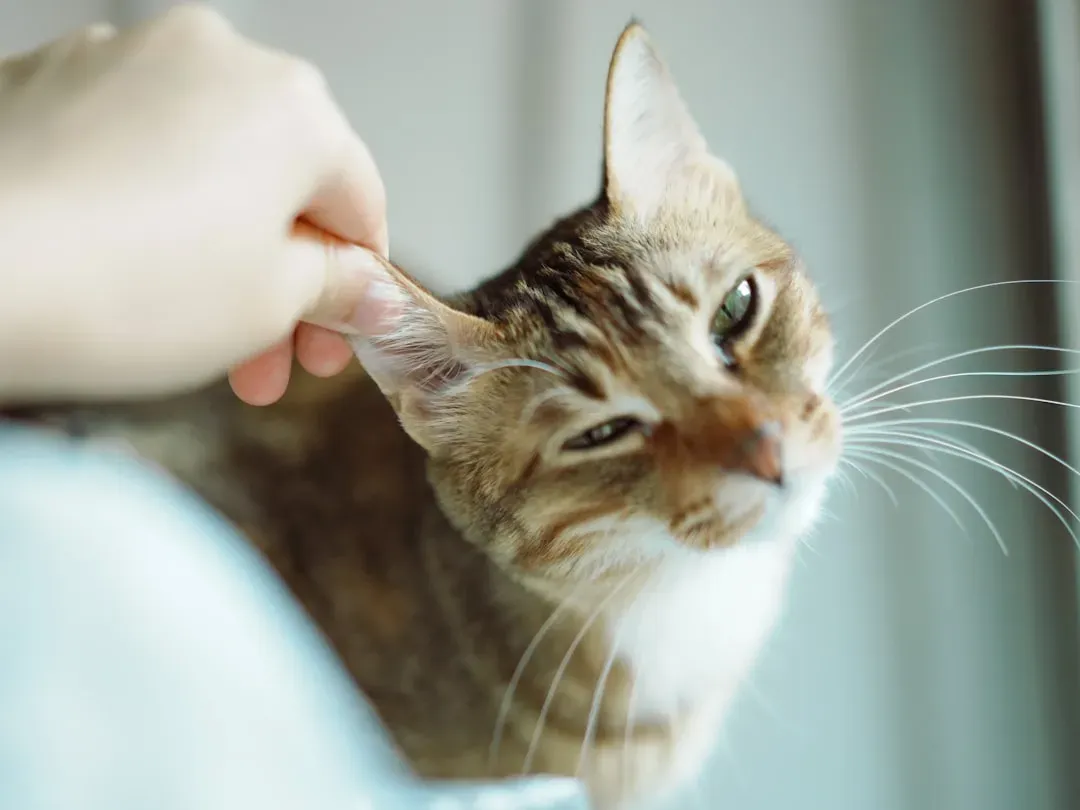
You wouldn’t necessarily connect cat ownership with improved human relationships. Yet something interesting happens. Cross-species bonding may benefit human-to-human relationships, and when someone – human or animal – makes us feel good and connected, it builds up our capacity for kindness and generosity toward others.
Cat-only owners are more open, imaginative, and curious, according to personality research. Learning to read your cat’s subtle body language and respect their boundaries might actually translate into better interpersonal awareness. Cats teach patience, attention to nonverbal cues, and the importance of consent in interactions. These skills don’t stay confined to your relationship with your pet. They ripple outward into your daily human interactions, potentially making you more empathetic and socially attuned.
Conclusion
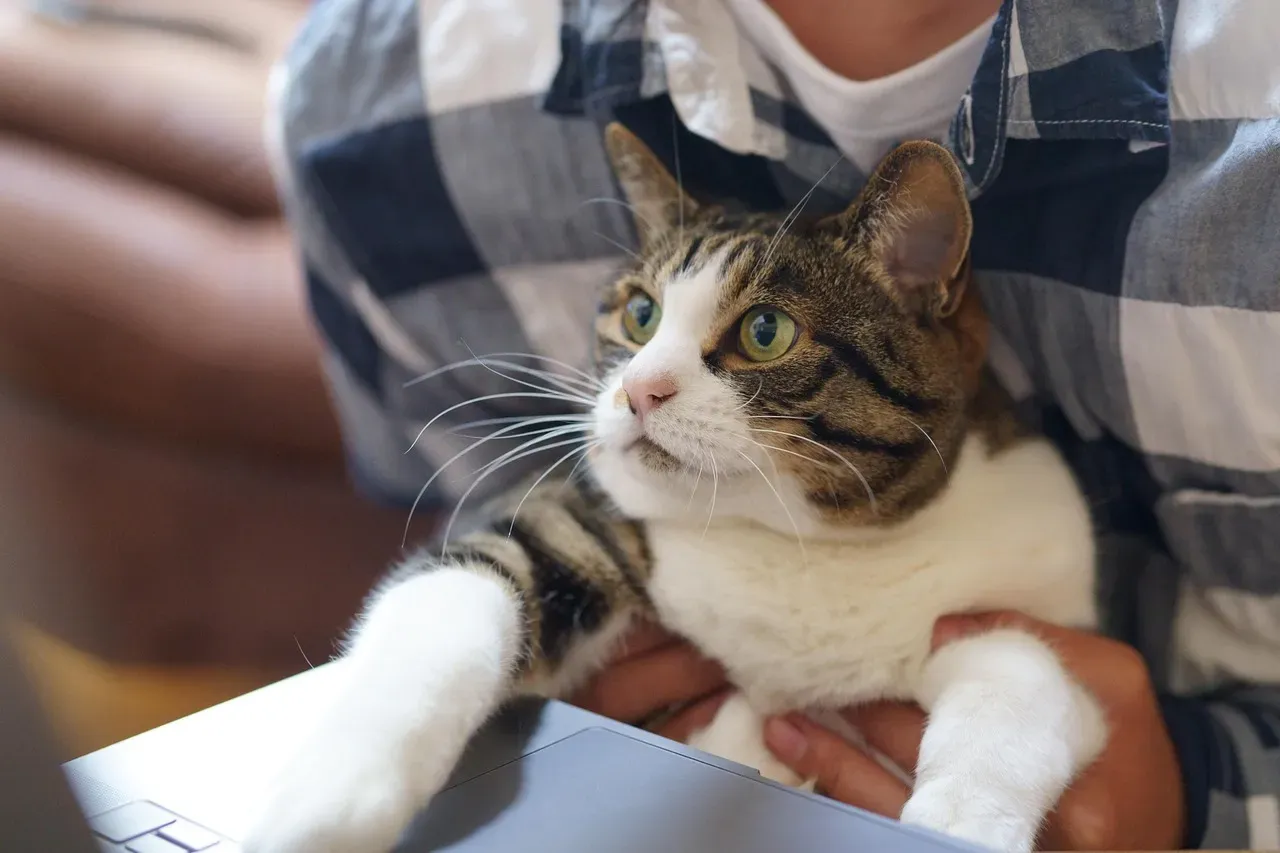
The science behind living with cats reveals benefits that extend far beyond the companionship we already know and love. From cardiovascular protection to cognitive preservation, from stress reduction to immune system training, these enigmatic creatures offer their human companions an array of health advantages that researchers are only beginning to fully understand.
Whether your cat is currently curled up on your lap or plotting their next ambush from behind the couch, they’re likely contributing to your wellbeing in more ways than you realized. The relationship works both ways – while you provide shelter, food, and endless entertainment, your feline friend might just be quietly extending your life and improving its quality. What do you think – has your cat made a difference in your health that you’ve noticed?