7 Reasons a Cat May Sleep Beside Your Head Instead of at Your Feet
#1 Your Head Smells Like Home
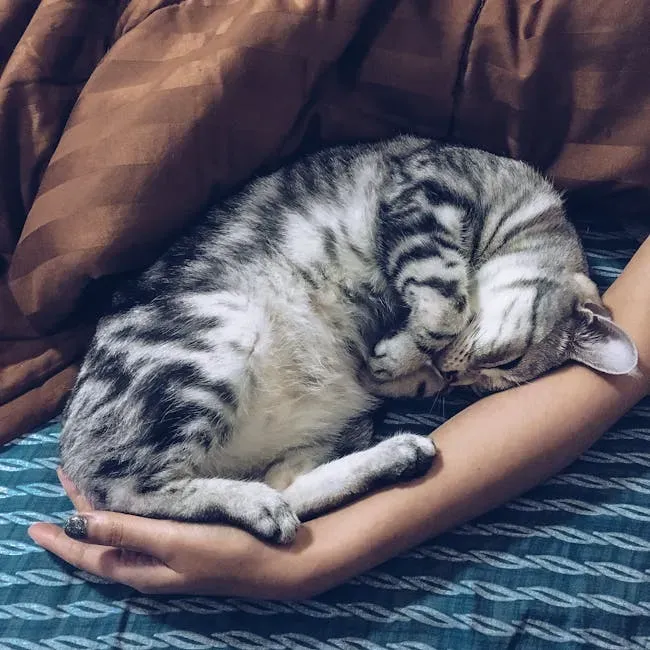
Cats experience the world primarily through scent, and your head, specifically your hair and the skin around your face, carries a concentrated mix of your natural oils, shampoo residue, and pheromones. This area sits closer to your breath and body heat than your feet do, making it a richer sensory target for a nose that's built to notice these things. To a cat, sleeping near your head is a bit like curling up inside your personal scent cloud.
There's also a mutual exchange happening. Cats have scent glands around their cheeks and chin, and when they rub against your face or settle near it, they're depositing their own scent while absorbing yours. This back and forth reinforces a shared identity within the household, something researchers refer to as communal scent marking. It's less about romance and more about bookkeeping, cats keeping track of who and what belongs in their territory.
#2 Warmth Rises, and So Does Your Cat
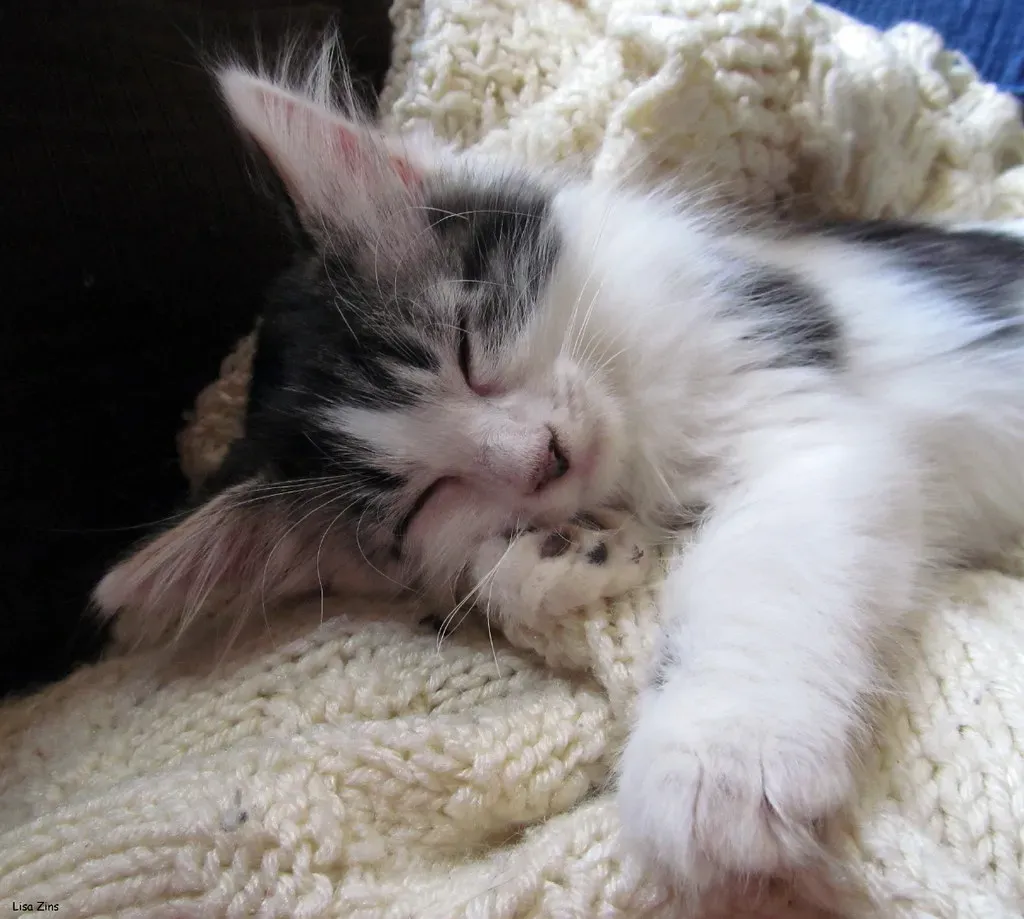
Basic physics plays a bigger role in pet behavior than most people realize. Warm air rises, and depending on how your blankets are arranged, the area around your head and upper body often retains more heat than your feet, which are usually the first thing to get exposed when covers shift during the night. Cats are notorious heat-seekers, with a body temperature naturally higher than ours, so they gravitate toward whatever spot promises the most warmth.
Pillows themselves add another layer of comfort. They're soft, slightly elevated, and often retain body heat from your head for a while even after you've moved. A cat settling into that dip beside your pillow isn't just being affectionate, it's making a practical thermal decision. If your feet happen to be sticking out from under the blanket, the choice becomes even easier to understand.
#3 It Feels Safer Up There
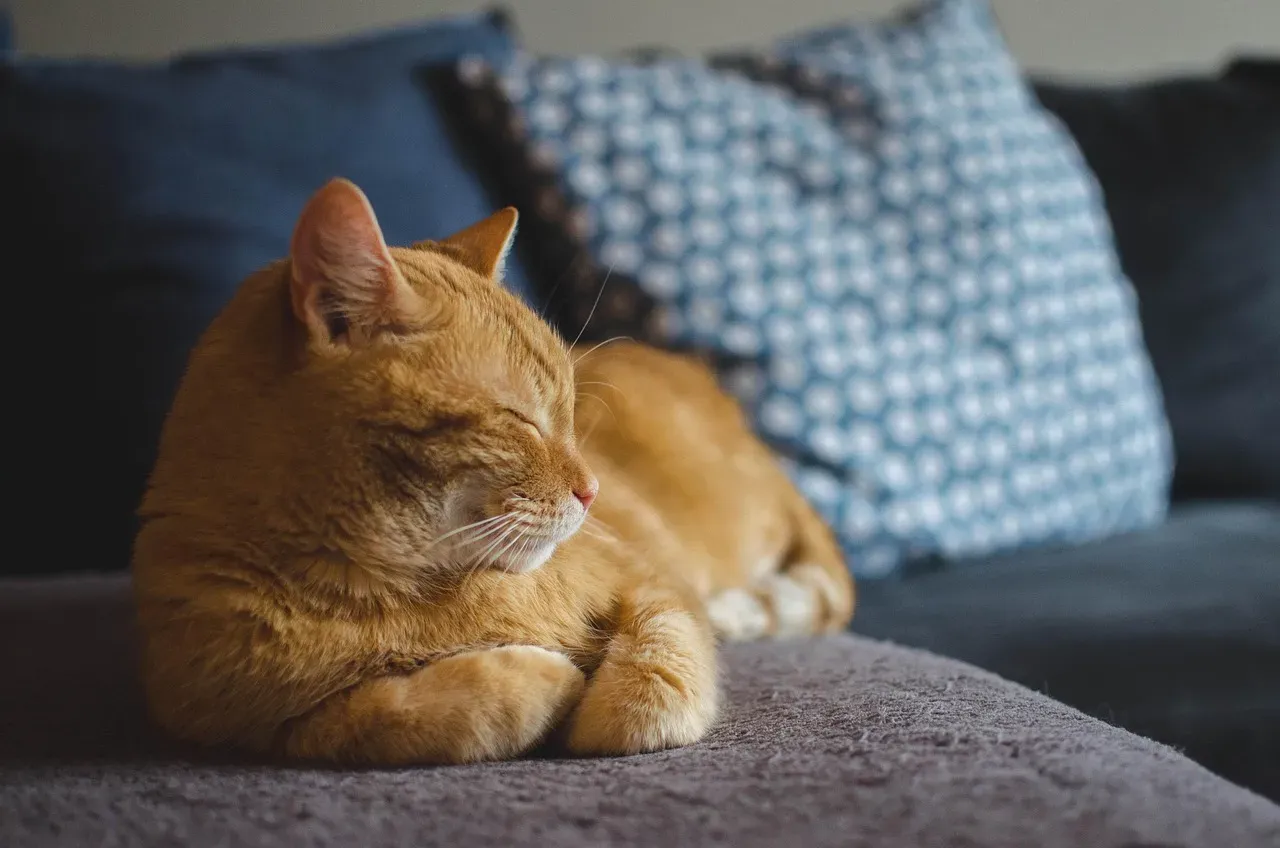
In the wild, cats are both predators and prey, and that dual identity shapes a lot of their instinctive behavior, including where they choose to rest. Sleeping near your head puts them in an elevated, protected position relative to the rest of the room, with your body forming a kind of barrier between them and the door or open space. This mimics the instinct to seek higher, more enclosed ground when vulnerable, since deep sleep is when any animal is least able to defend itself.
The foot of the bed, by contrast, is more exposed and closer to potential disturbances, especially if there are other pets, children, or foot traffic in the house. Cats that are naturally more cautious or have had unsettling experiences may consistently choose the head area simply because it feels more defensible. It's not that they're scared of everything, it's that thousands of years of evolutionary caution don't just disappear because they live in a climate-controlled apartment now.
#4 They Want to Monitor Your Breathing and Movement
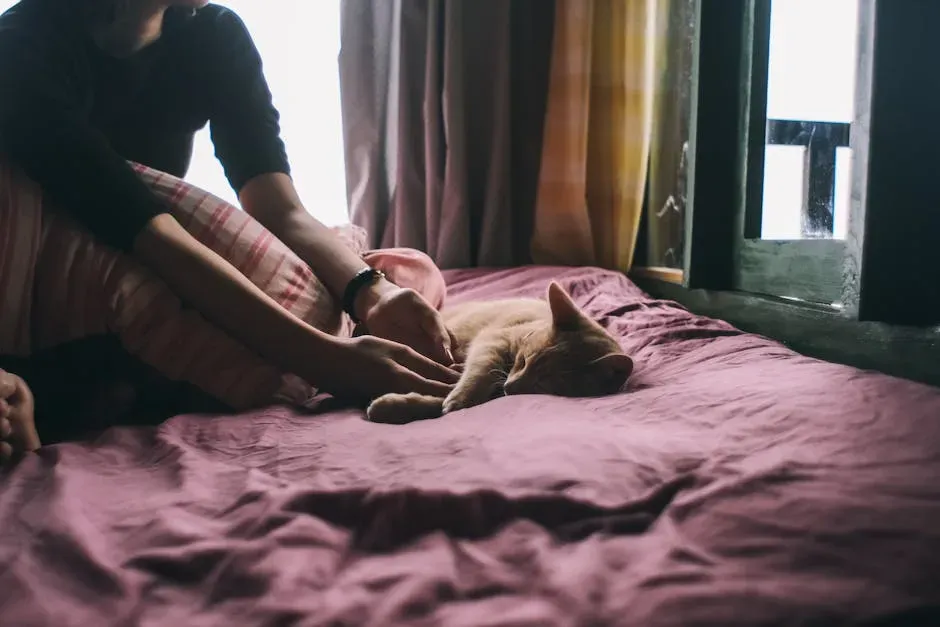
Cats are remarkably attuned to rhythm and repetition, and your breathing while you sleep is one of the most consistent patterns in the room. Positioning themselves near your face allows them to register subtle changes, faster breaths, coughing, restlessness, almost immediately. Some behaviorists suggest this vigilance ties back to their social bonding instincts, similar to how cats in multi-cat households will often sleep touching one another to stay aware of each other's presence.
This monitoring behavior can become more pronounced if you're sick, stressed, or have recently been through a change in routine. Owners frequently report their cats becoming noticeably clingier and more likely to sleep near the head during these periods. While cats can't diagnose illness, their heightened sensitivity to smell, temperature changes, and body movement means they often notice something is different well before you'd expect.
#5 It's a Position of Trust and Attachment
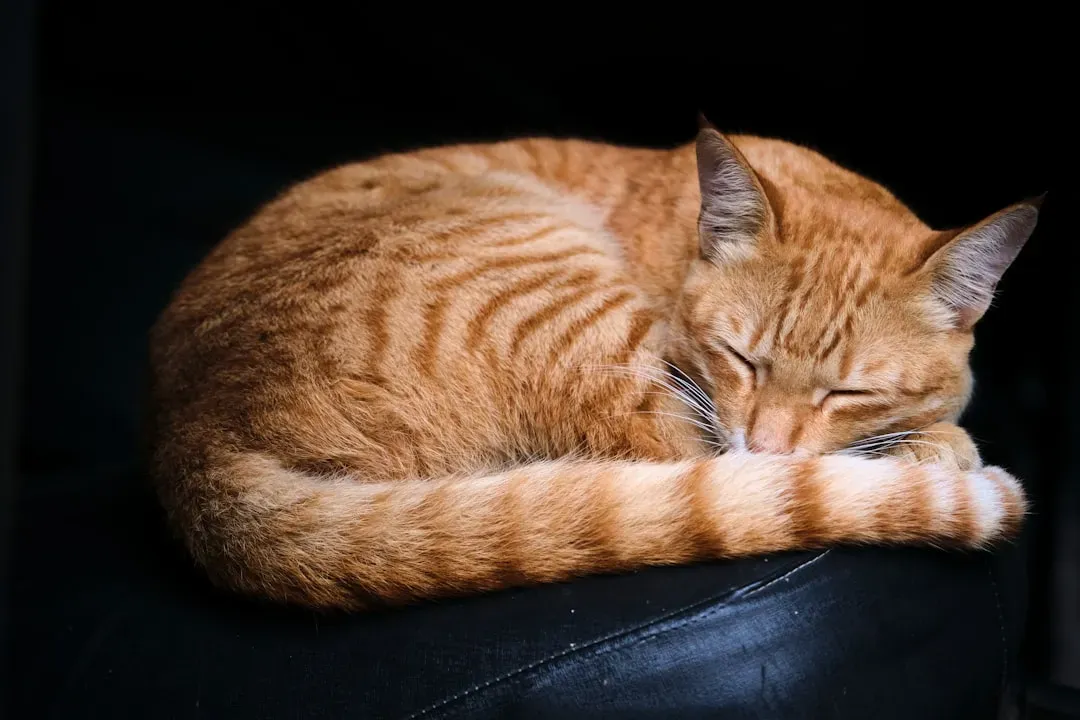
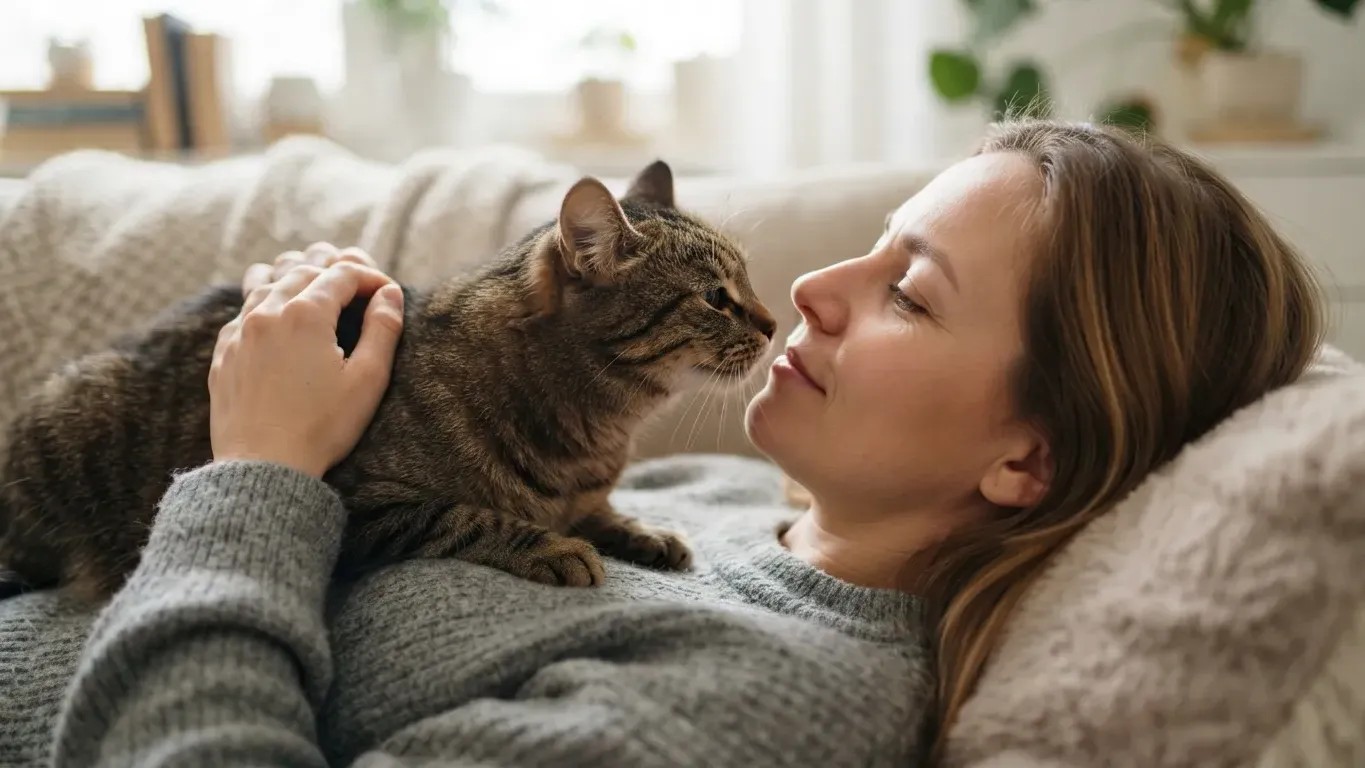
Sleeping near your face requires a level of vulnerability on the cat's part too. It's a spot with limited room to bolt if startled, and it puts them in close, sustained contact with a much larger animal, meaning you. Cats that choose this position repeatedly are generally signaling a strong bond, since trust is not something they extend casually, especially to anything looming over them while unconscious.
Attachment research on cats, though still a developing field compared to studies on dogs, has found that a majority of cats display secure attachment behaviors toward their owners, similar to patterns seen in human infants and their caregivers. Choosing to sleep beside your head fits neatly into that framework. It's a nightly ritual that reinforces closeness, almost like a small, repeated vote of confidence in the relationship.
#6 Your Pillow Might Just Be More Comfortable
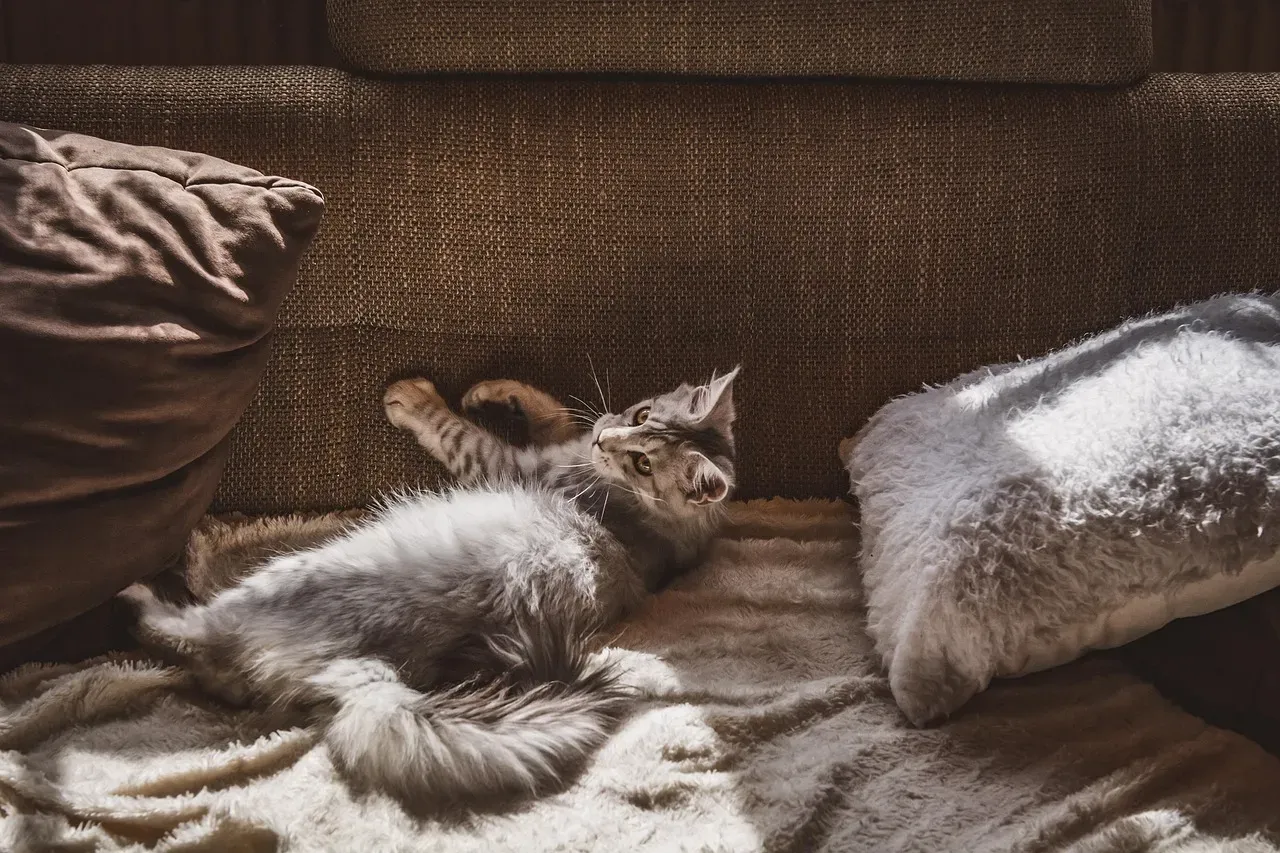
Sometimes the explanation is refreshingly unglamorous. Pillows and the space around them tend to be softer, more cushioned, and better shaped for curling into than a flat stretch of blanket near your feet. Cats are creatures of comfort above almost everything else, and if the head of the bed simply offers a better nap setup, that alone can explain the preference.
Feet also move. Even in sleep, most people shift their legs, kick off blankets, or roll over more at the bottom half of the bed than at the top. A cat trying to get consistent, undisturbed rest will often migrate away from that motion and settle somewhere quieter and more stable. Your head, relatively speaking, doesn't wander around the mattress all night.
#7 They're Marking Their Territory, Gently
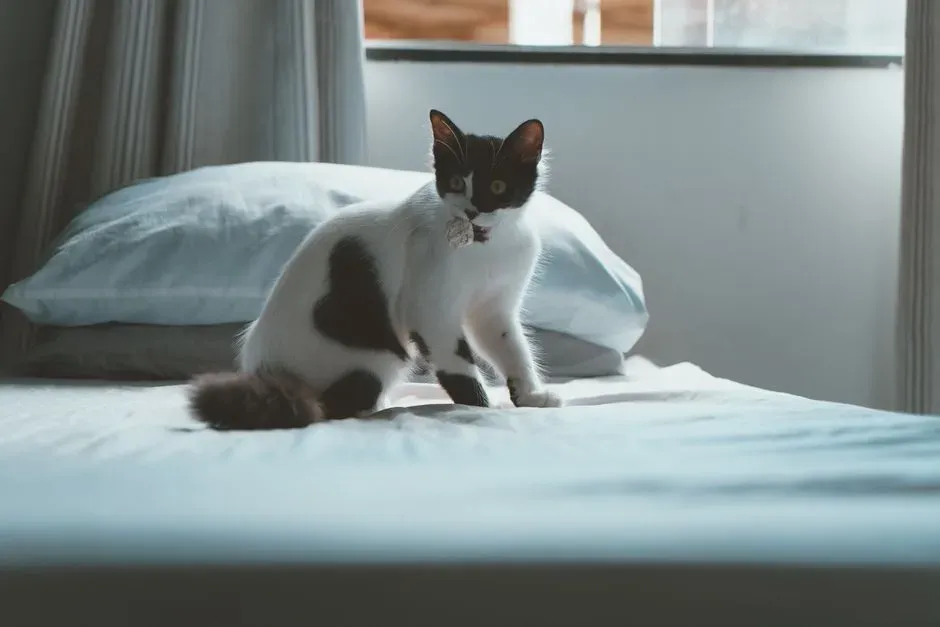
Cats are territorial by nature, and your bed, particularly the areas closest to your scent glands like your head and neck, represents prime property in their mental map of the home. By sleeping there consistently, a cat reinforces its claim over that space, blending its own scent markers with yours night after night. This isn't aggressive or possessive in the way it might sound, it's closer to routine upkeep than a display of dominance.
Multi-pet households sometimes reveal this dynamic more clearly. If a cat suddenly starts sleeping closer to your head after a new pet or person joins the household, it may be reasserting its position in a space it considers already claimed. Territory, in the feline mind, isn't just about square footage, it's about smell, familiarity, and having first rights to the best sleeping spot in the house.
The Verdict on Head-Sleeping Cats