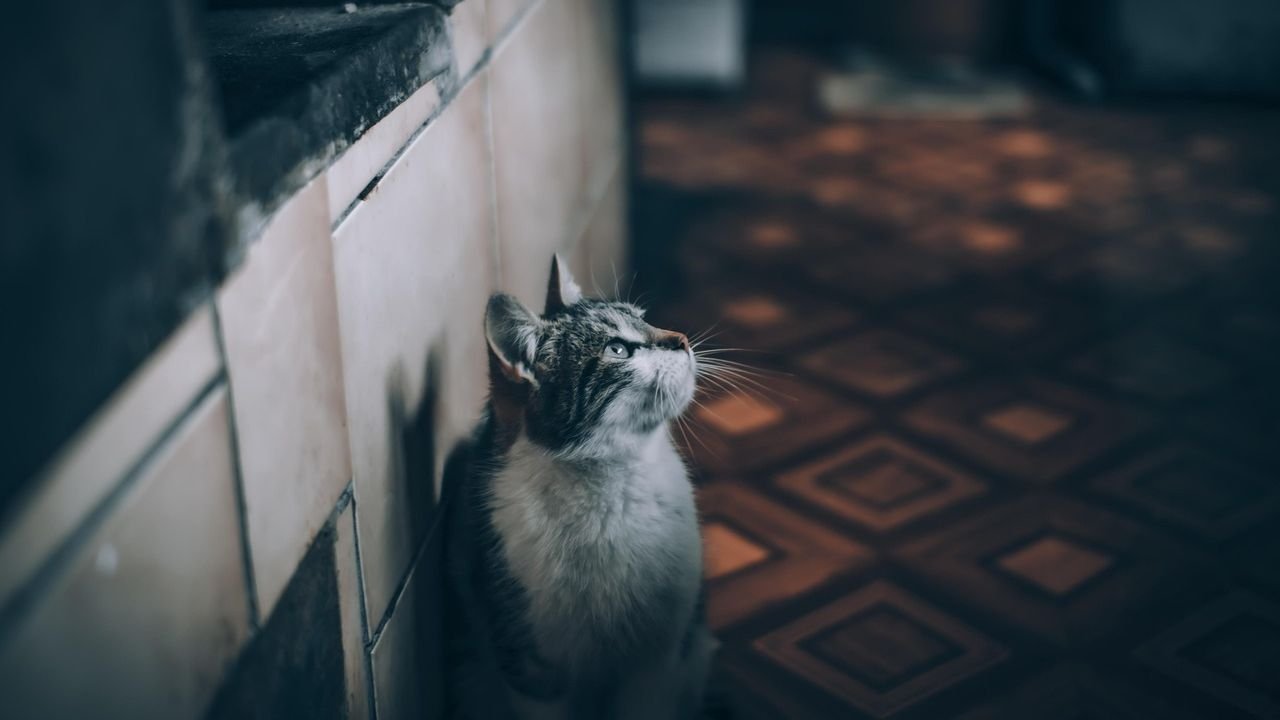
7 Reasons Cats Sit in Doorways Where Several Rooms Meet
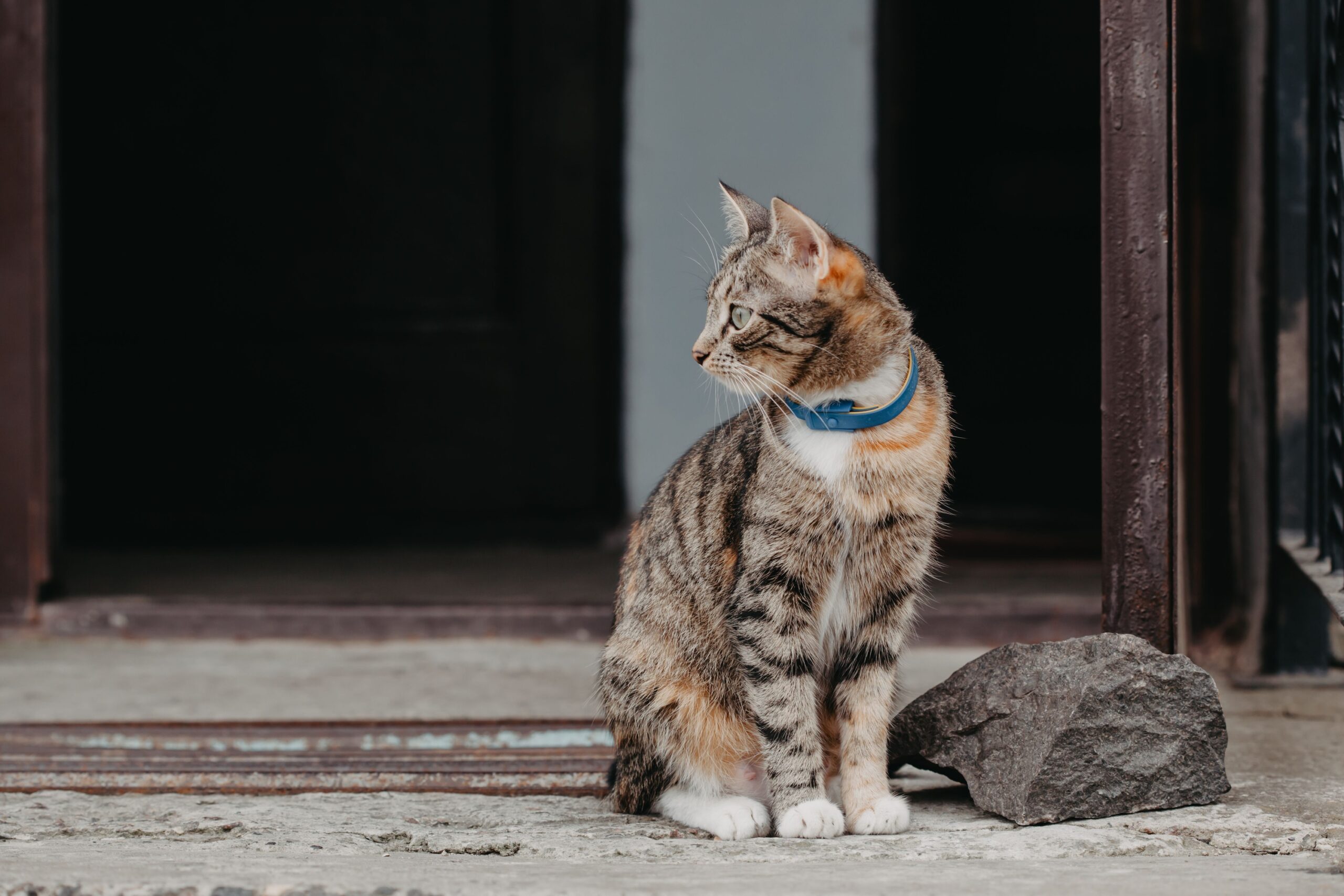
#1 Maximum visual coverage of the territory
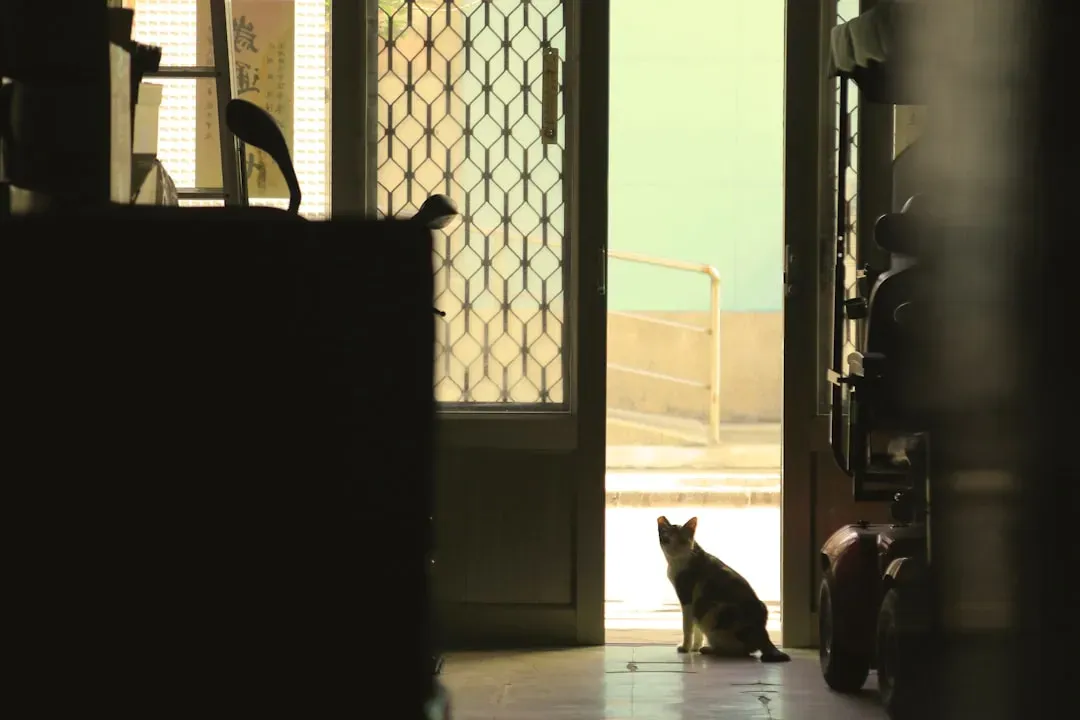
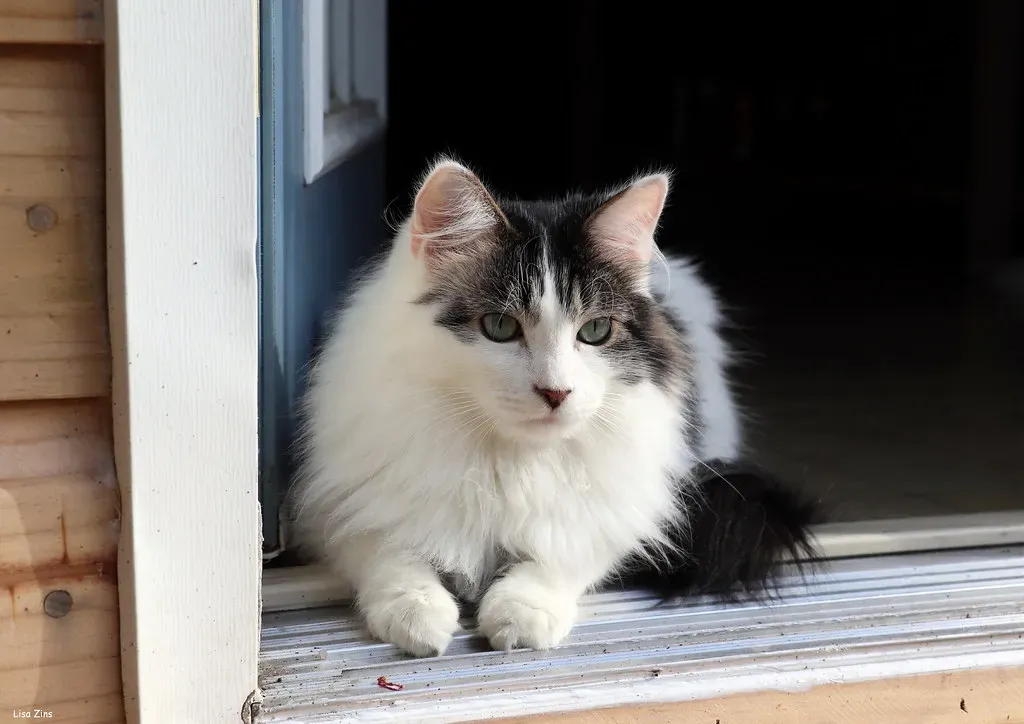
A doorway junction is essentially a control tower. From that single spot, a cat can often see into three or four different rooms at once without turning its head much at all. This matters because cats are ambush predators by instinct, even the ones who've never hunted anything more dangerous than a red dot on the wall.
Sitting at this kind of crossroads lets them monitor multiple zones simultaneously, tracking movement, sounds, and potential threats or opportunities from every direction. It's a low effort way to stay informed about the entire household's activity without committing to guarding just one room.
#2 It's the best seat for airflow and temperature
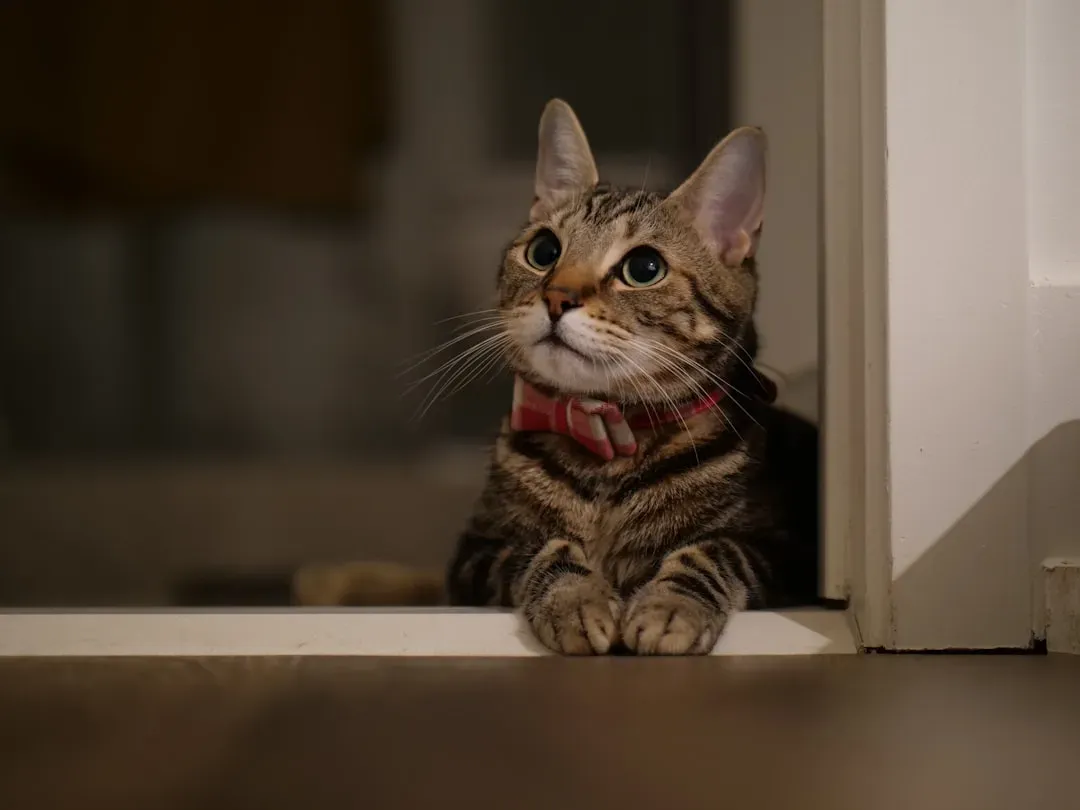
Doorways and open junctions tend to be where air currents naturally converge in a house, especially in older homes with less consistent insulation. Cats have a keen sensitivity to subtle temperature shifts, and many will gravitate toward spots that feel just right rather than too warm or too drafty.
This is part of why you'll often see a cat move from a doorway to a sunny windowsill and back again throughout the day. They're essentially doing their own informal climate control, and the crossroads of several rooms frequently turns out to be a sweet spot between the warmer interior rooms and cooler air moving through the house.
#3 Doorways offer a strong scent crossroads
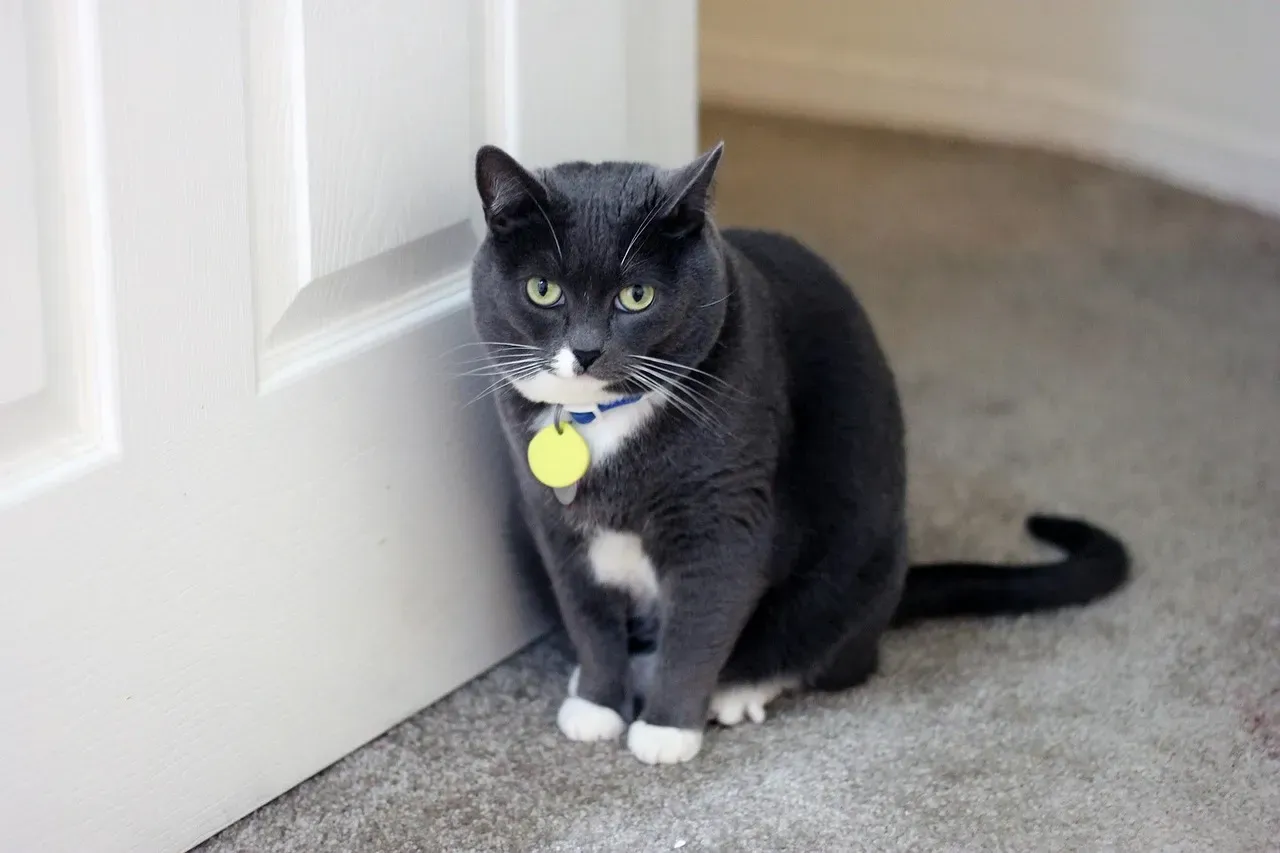
Cats rely heavily on scent to understand their environment, and a junction between rooms is where multiple scent trails naturally intersect. Every person and pet in the house passes through these transition points repeatedly, leaving behind pheromones and scent markers that build up over time.
By sitting there, a cat can gather an enormous amount of information about who has been where and how recently, almost like reading a constantly updating log. It's less about being nosy and more about staying oriented in a space that, to a cat's nose, is far more detailed and layered than it appears to us.
#4 A doorway offers multiple escape routes
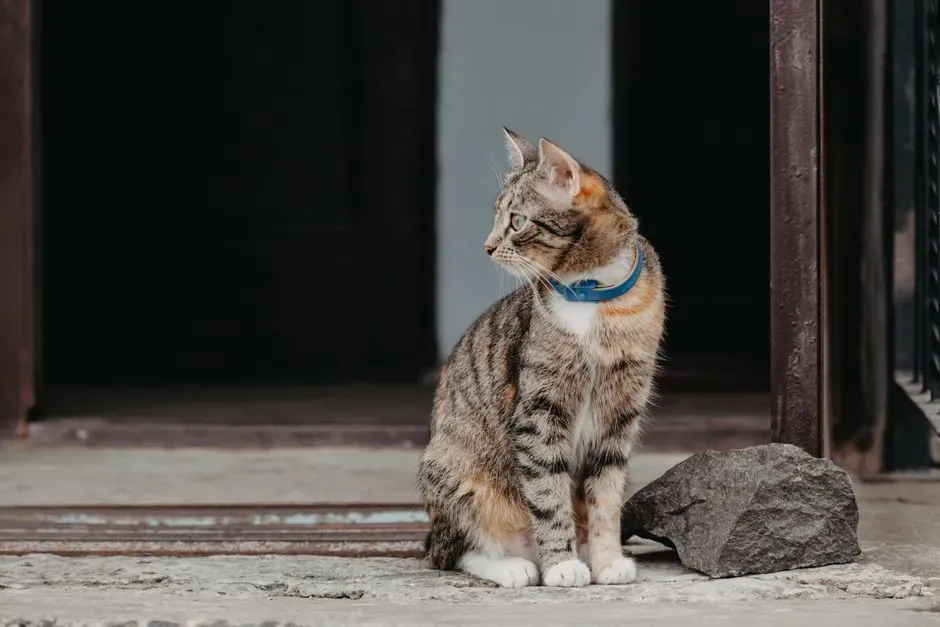
Despite how relaxed a doorway sitting cat might look, there's often a practical safety calculation happening underneath that calm exterior. Being at a junction means having several directions to bolt in if something startles them, rather than being cornered in a single room with one exit.
This instinct traces back to their wild ancestors, who needed quick escape options from both predators and rival animals. Even a thoroughly domesticated housecat retains this wiring, and a spot with three or four potential retreat paths simply feels safer than a dead end, even if nothing in the house has posed a real threat in years.
#5 It puts them right in the flow of household activity
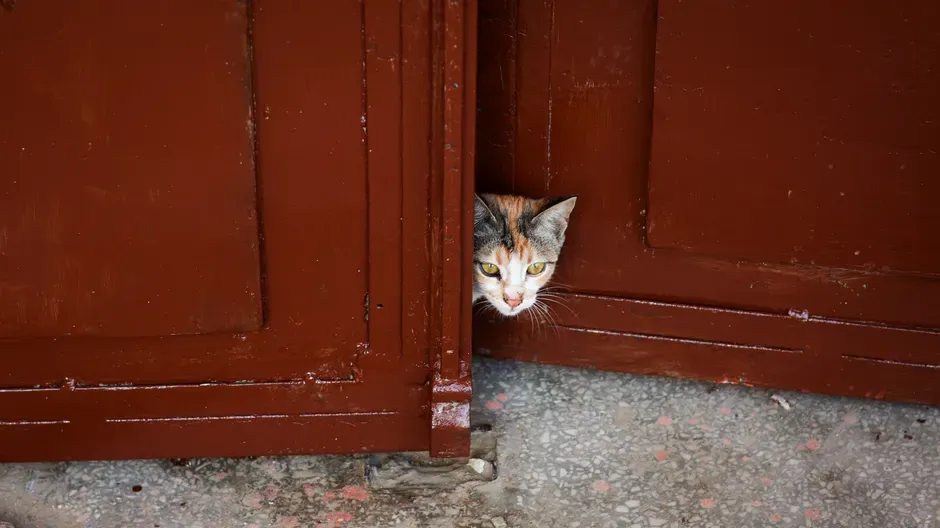
Cats are often described as independent, but many actually crave being near their people without necessarily wanting direct interaction. A doorway crossroads is the perfect compromise: close enough to observe and be part of what's happening, but not stuck in anyone's lap or underfoot in a single room.
This positioning lets a cat track family members moving between the kitchen, living room, and hallway throughout the day. It satisfies a social curiosity while still preserving their sense of independence, which is a pretty efficient way to stay connected on their own terms.
#6 The threshold itself may hold instinctive significance
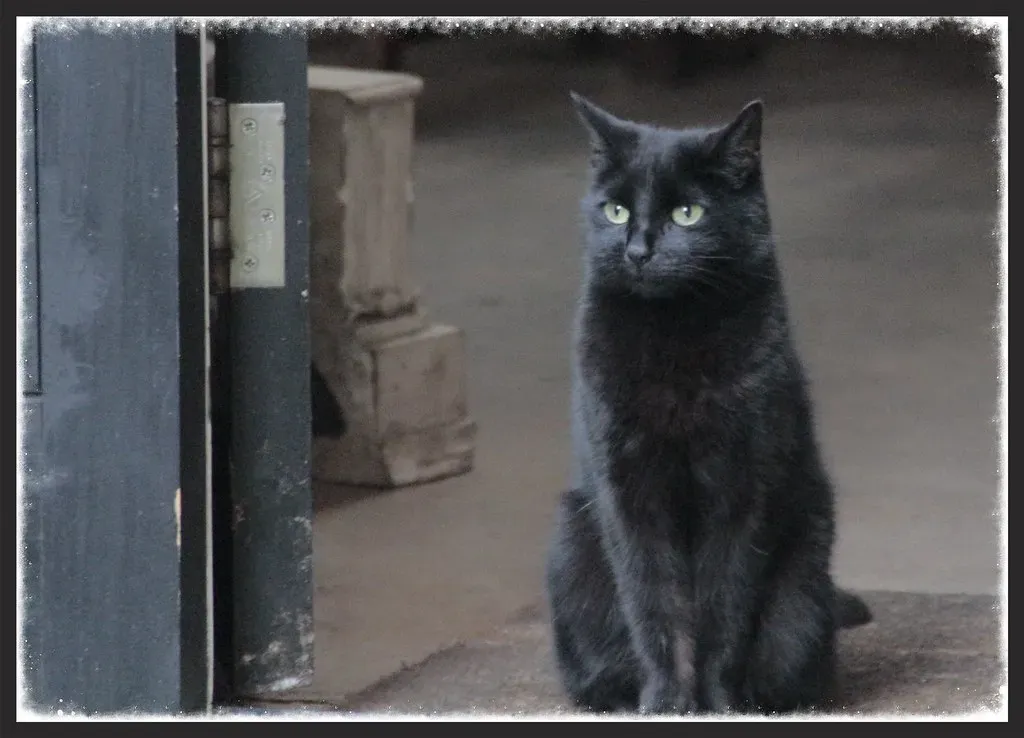
There's a long standing behavioral theory that threshold spaces carry a kind of instinctive weight for cats, tied to territorial boundaries in the wild. A doorway is quite literally the edge between two spaces, and marking or occupying that edge can be a subtle way of asserting awareness over both areas.
This doesn't necessarily mean dominance in an aggressive sense. It's more about a cat's deep seated need to understand and monitor the boundaries of its environment, something that likely mattered a great deal to their ancestors navigating overlapping territories with other animals.
#7 Sometimes it's simply about comfort and floor texture
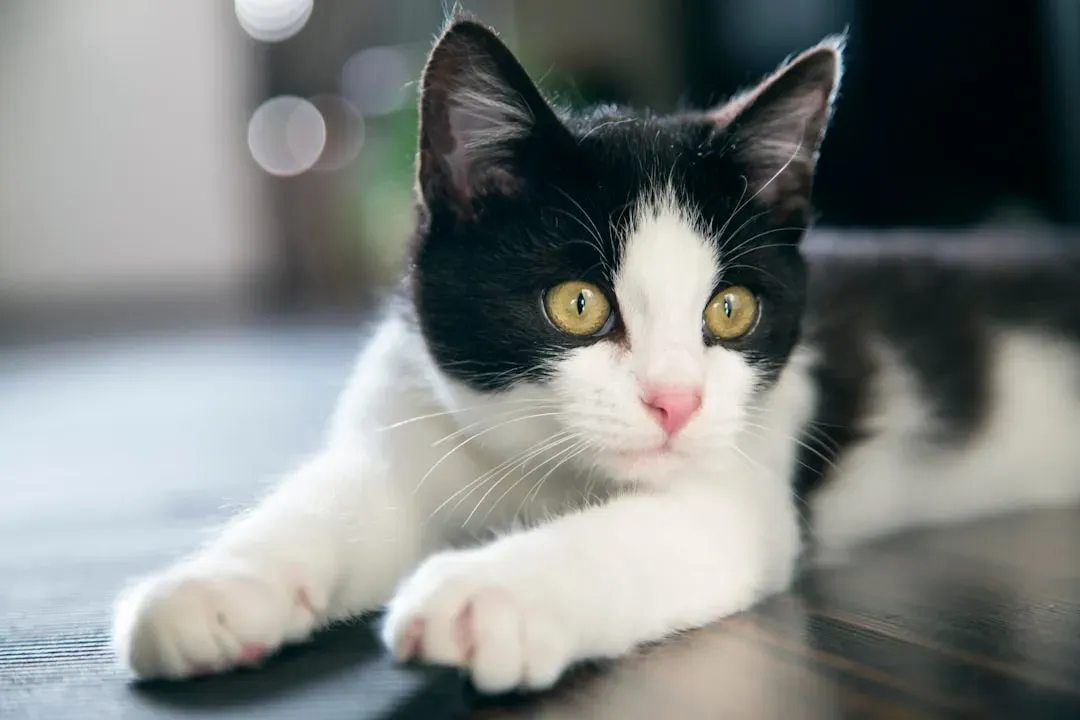
Not every explanation needs to be dramatic or deeply instinctual. Sometimes the flooring at a room junction, whether it's a strip of tile meeting carpet or a slightly different surface temperature, just feels good against a cat's paws and belly.
Cats are notoriously particular about surfaces, and transition zones between rooms often have subtly different textures or firmness than the middle of either room. If a cat has found a spot that hits the right combination of texture, temperature, and visibility, it makes sense that they'd return to it again and again, practical reasons aside.
The Real Reason? Probably All of the Above