#1 Leaping distances that rival long jump records
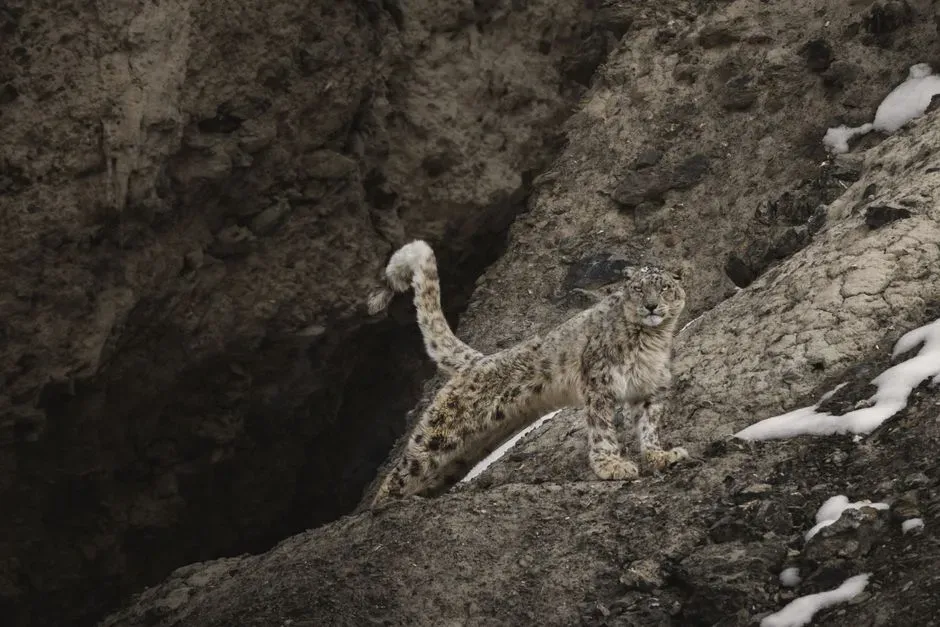
A snow leopard’s back legs are proportionally longer than those of almost any other big cat, and that architecture pays off in dramatic fashion when the animal needs to close a gap between two rock outcrops. The snow leopard can jump as far as 15 meters (50 ft), and as high as 6 meters (20 ft), which sounds almost fictional until you consider that these leaps often happen at altitude, across broken terrain, and while chasing a fleeing ibex.
That kind of horizontal distance is not a party trick. The snow leopard would do well in most athletic events, its best potentially being the long jump, with some individuals known to leap up to 9 metres, six times their body length. Whether the true maximum sits closer to thirty feet or fifty, sources vary slightly, but the consensus is the same: this is one of the most explosive jumpers in the entire cat family, mountain or otherwise.
#2 Using a tail almost as long as its own body for balance
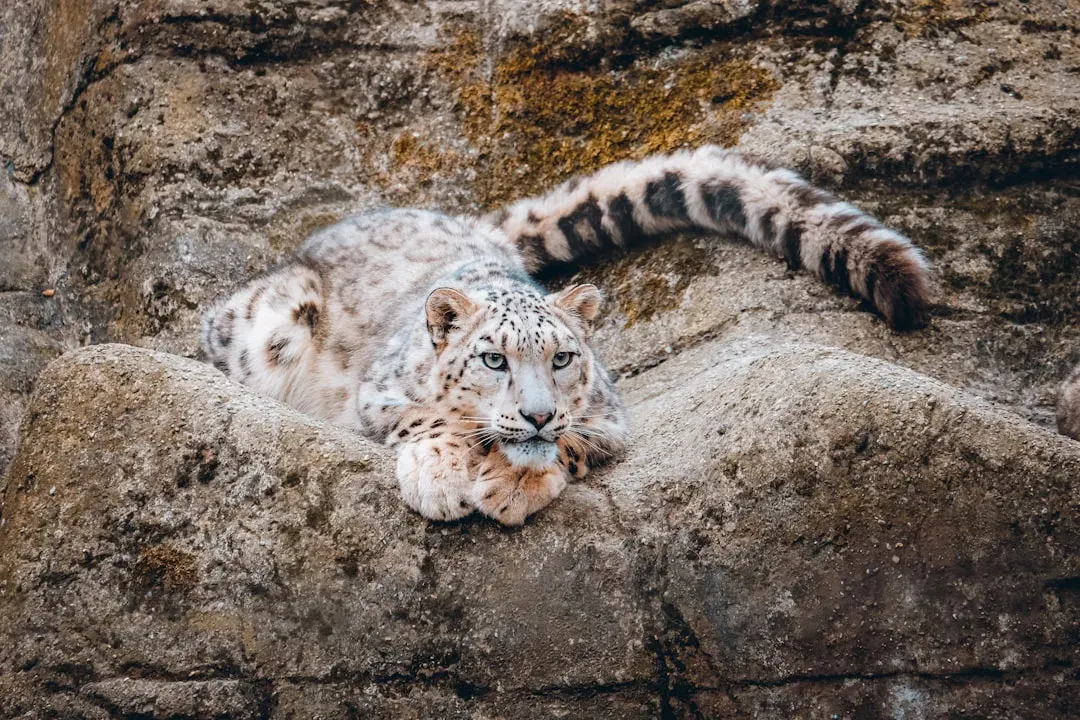
Cats in general use their tails for balance, but snow leopards take the concept to an extreme. The tail length equals roughly 75 to 90 percent of total body length, and this extremely long tail is used specifically for balance in the steep and rocky terrain they inhabit. Picture a gymnast’s balance beam routine, except the beam is a wet, icy ledge a thousand feet above a ravine, and the “beam” itself never stops moving.
That tail is not just a counterweight either. Its tail measures a substantial 80 to 105 centimeters long, often nearly the same length as the animal’s body, a proportion among the longest of any big cat species. When the cat is not using it for balance mid leap, it curls the tail around its face like a built in scarf to survive brutal overnight temperatures, a dual purpose adaptation that is honestly a little clever.
#3 Walking on snow without sinking
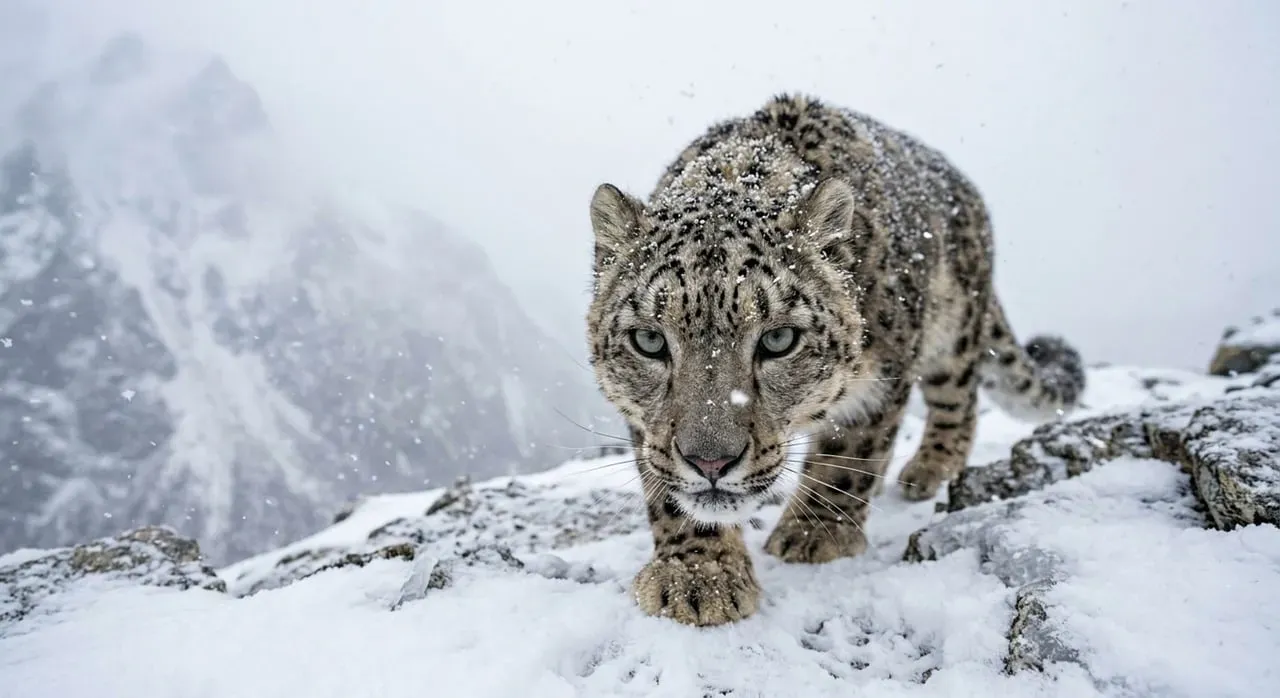
Deep, powdery snow should be a serious obstacle for a ground predator, yet snow leopards move across it with a kind of ease that seems to defy their weight. A characteristic of snow leopards is the extremely large size of their paws in comparison to other felids, an adaptation for walking on snow, with the front paws slightly larger than the hind paws and an average footpad size of 90 to 100 mm in length and 70 to 80 mm in width. Those oversized paws work like built in snowshoes, spreading the cat’s body weight across a wider surface area.
There’s more to the trick than just size. It has huge paws that serve the same purpose as snowshoes, allowing it to walk over snow with ease, and the fur growing between the toes adds extra grip and insulation at the same time. It is a rare case where one body part solves two completely different problems, traction and warmth, without any tradeoff.
#4 Scaling cliffs and rocky outcrops most animals would avoid
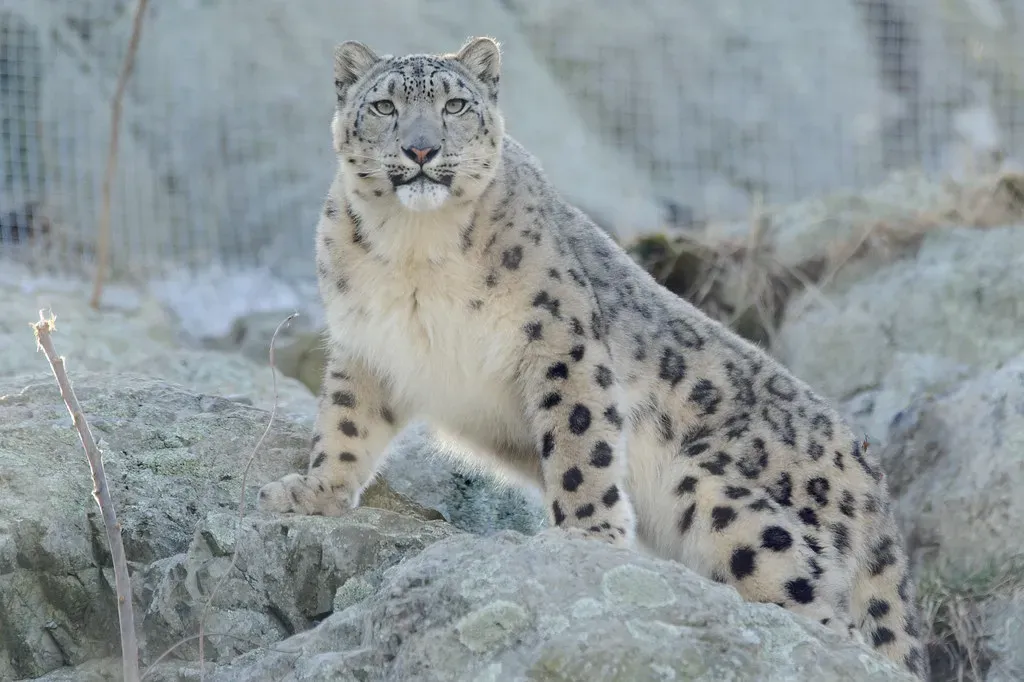
Snow leopards do not just tolerate steep terrain, they actively seek it out. Snow leopards live in high-altitude mountainous terrain, usually at elevations of 3,000 to 4,500 meters, preferring steep, broken landscapes such as cliffs, rocky outcrops and ravines. This preference is not incidental, since rugged terrain gives them cover to stalk prey and escape larger competitors like wolves.
Their leg structure is specifically shaped for this kind of climbing. Snow leopards have short forelimbs and long hind legs, which allow them to traverse and stay agile in their steep and rugged environments. Between the grippy paw fur, the powerful hindquarters, and a naturally low center of gravity, the cat essentially treats a vertical rock face the way a house cat treats a living room floor.
#5 Traveling enormous distances across brutal terrain overnight
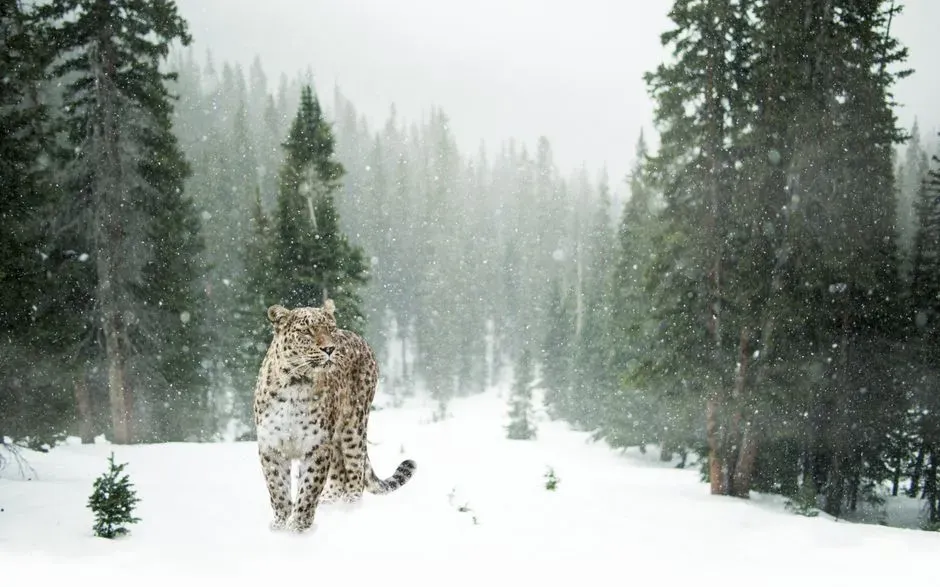
It’s easy to picture a big cat as a creature of short bursts, but snow leopards are also serious endurance travelers. To withstand the adventures of the steep mountains, they have strong legs that can travel 40 km (25 mi) in a single night. That distance is covered over uneven, high altitude ground, not a flat trail, which makes the number even more striking.
This nightly range ties directly into how they hunt. They follow migrating prey along annual routes of up to 38 square miles, meaning a single individual might patrol a territory that would take a person days to hike across on foot. Researchers tracking collared snow leopards have found that this kind of movement is routine, not exceptional, for an animal built to cover ground efficiently in low oxygen conditions.
#6 Surviving and hunting at elevations that would leave most mammals gasping
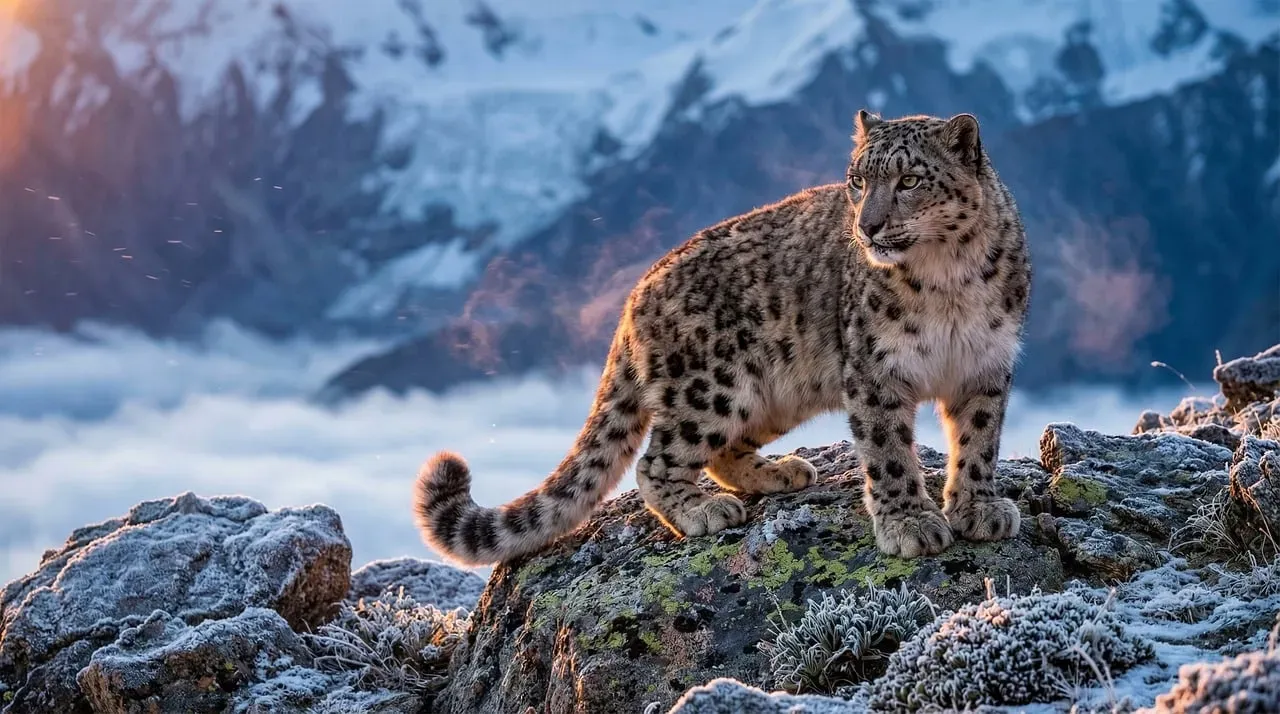
Snow leopards live at altitudes that would cause altitude sickness in most large mammals, including humans without acclimatization. These carnivorous creatures typically live in high alpine areas, at altitudes up to 18,000 feet in elevation, and some recorded sightings push even higher. Altitude use is commonly 3,000 to 4,500 meters, with records extending from around 540 meters up to roughly 5,500 meters in parts of its range.
That range of tolerance, from near sea level pockets to the edge of the death zone on the world’s tallest peaks, says something about how flexible this species actually is despite its reputation as a high mountain specialist. Thick fur, efficient lungs, and a metabolism tuned for cold, oxygen poor air all contribute, though the exact physiological mechanisms are still an active area of research among wildlife biologists studying the species in Nepal, Mongolia, and the Tibetan Plateau.
#7 Staying essentially invisible in plain sight
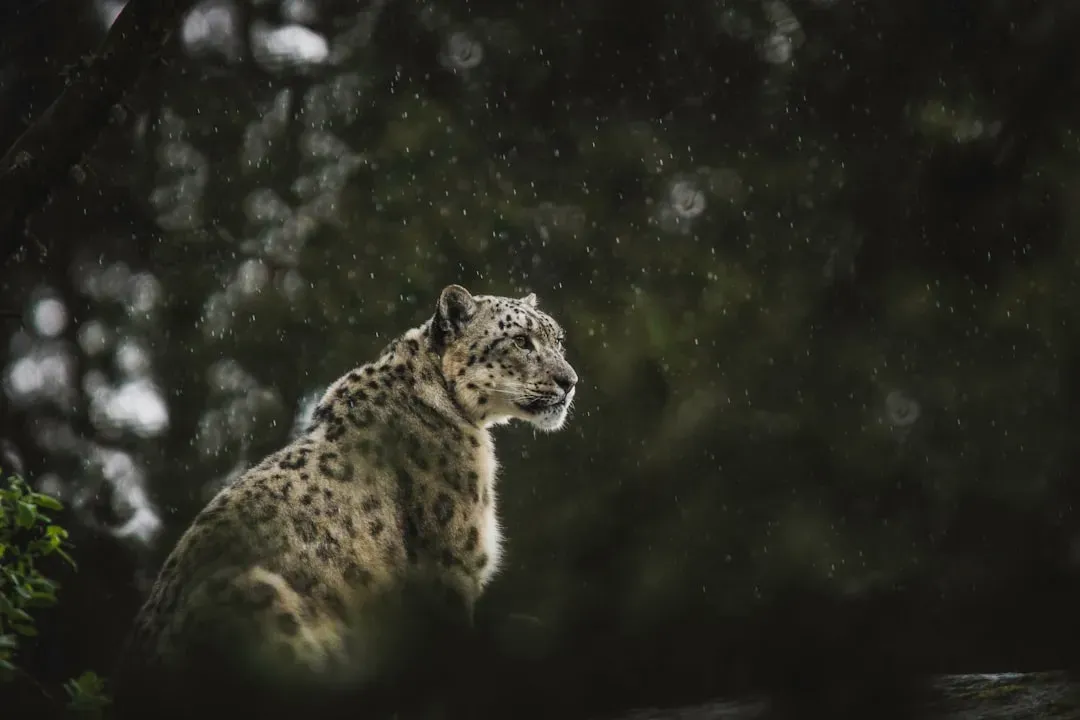
Camouflage is where the snow leopard’s mountain adaptations come together into something almost eerie. Snow leopards are really well camouflaged, and their long fur and less distinctive markings that seem to change shape with body movement make identifying individual snow leopards difficult compared to other spotted big cats. Against gray rock, patchy snow, and scrubby vegetation, the pattern breaks up the animal’s outline almost completely.
This is also part of why the species has proven so hard to study. There could be as few as 4,000 leopards in the wild, however the exact number is unknown as they are extremely elusive. Camera trap surveys and GPS collaring have helped fill in some gaps over the past decade, but even seasoned field researchers often go entire expeditions without a direct visual sighting, relying instead on tracks, scat, and scent marks to confirm a cat’s presence.
Final thoughts
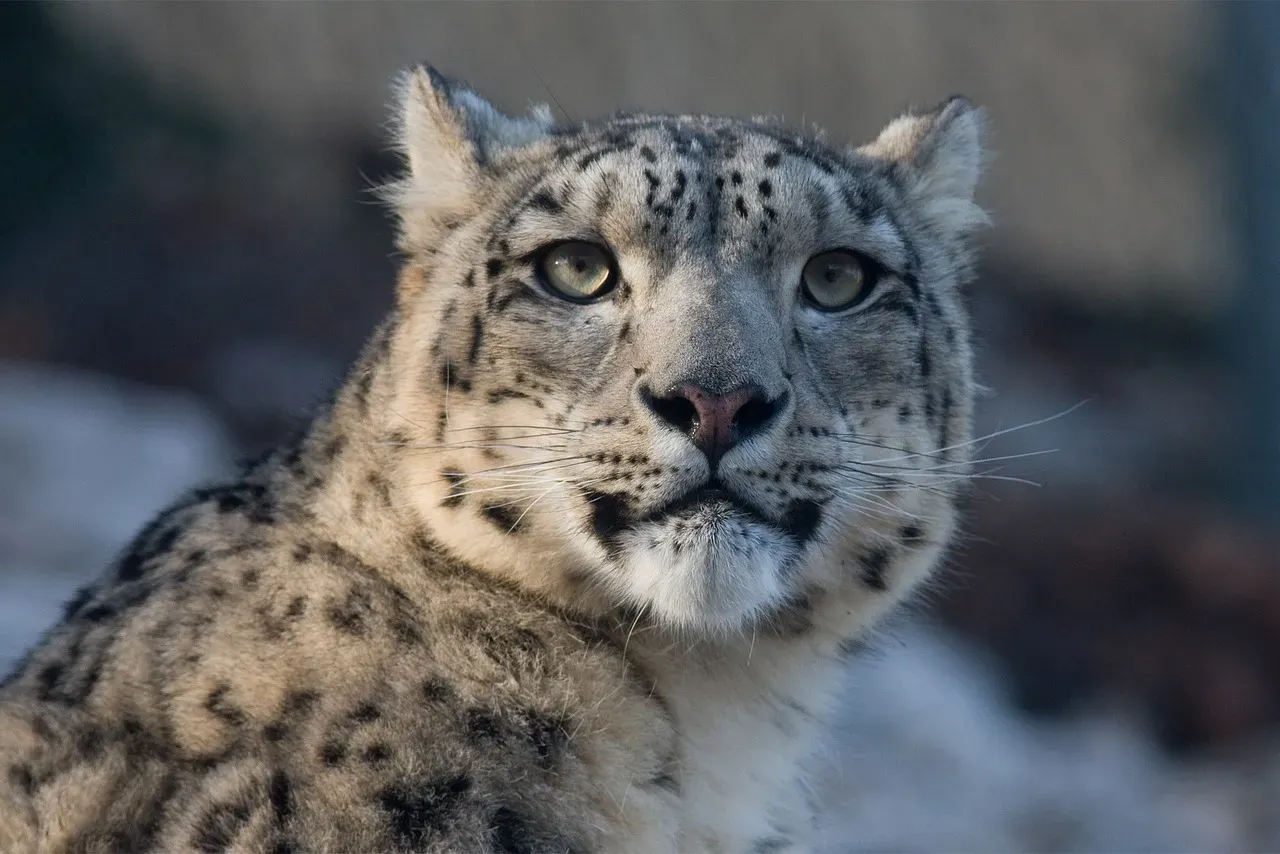
What strikes me most about this animal is how every single adaptation serves double duty. The tail balances and warms. The paws grip and insulate. The coat camouflages and protects against cold. Nothing about the snow leopard feels wasted, and that kind of efficiency is rare even among animals that have had millions of years to specialize.
Conservation status remains a real concern, with population estimates staying uncertain precisely because these cats are so good at not being seen. If there’s a lesson in watching a species this well adapted to hardship, it might be that survival at the top of the world rarely looks flashy from a distance. It looks like patience, precision, and a body built without a single wasted feature.
Kristina is a young writer from India. An arts graduate and an avid content creator, Kristina is passionate about animals and wildlife. She enjoys exploring topics related to pet care, animal behavior, conservation, and nature, combining thorough research with engaging storytelling.