#1 They are built for a life of avoidance
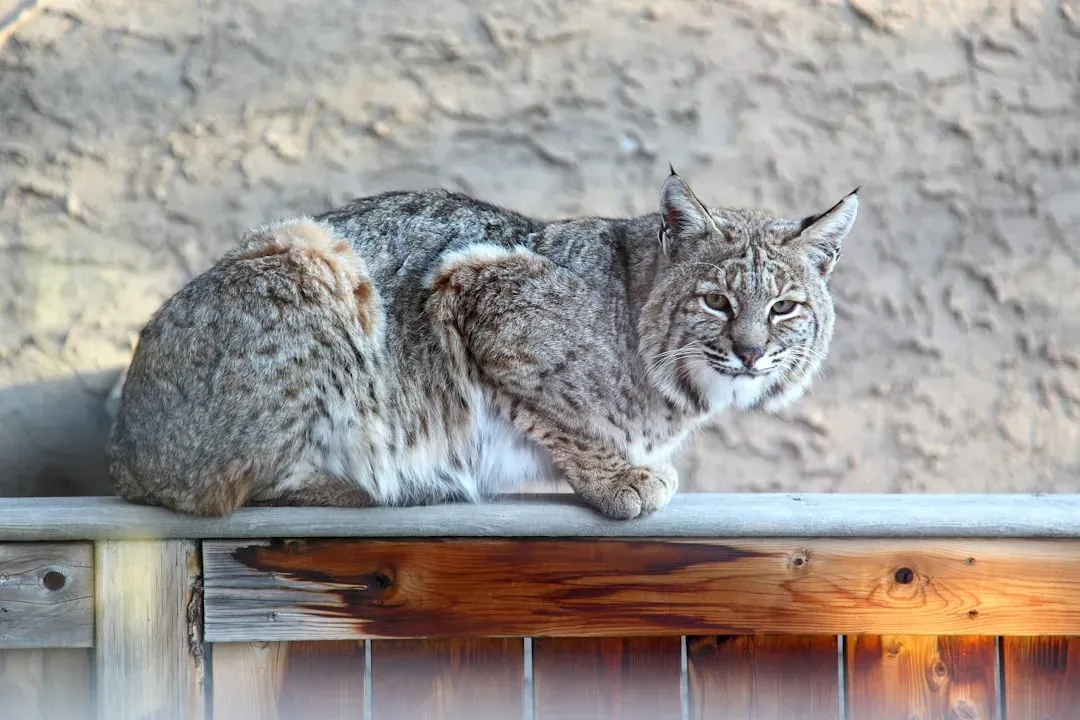
Bobcats did not stumble into their reputation for stealth. Their entire physiology leans toward not being seen. Mottled fur that breaks up their outline, a low, ground-hugging gait, and an ability to freeze mid-step all work together to make them disappear against brush, rock, or shadow almost on command.
Biologists who study them describe this as more than a passive trait. Bobcats are shy animals with an innate fear of humans and will not attack a person unless provoked, cornered, or habituated in some way. That wariness is not timidity for its own sake. It is a survival strategy that has kept a mid-sized predator alive in landscapes dominated by a much larger and more dangerous species: us.
#2 Their daily clock bends around ours
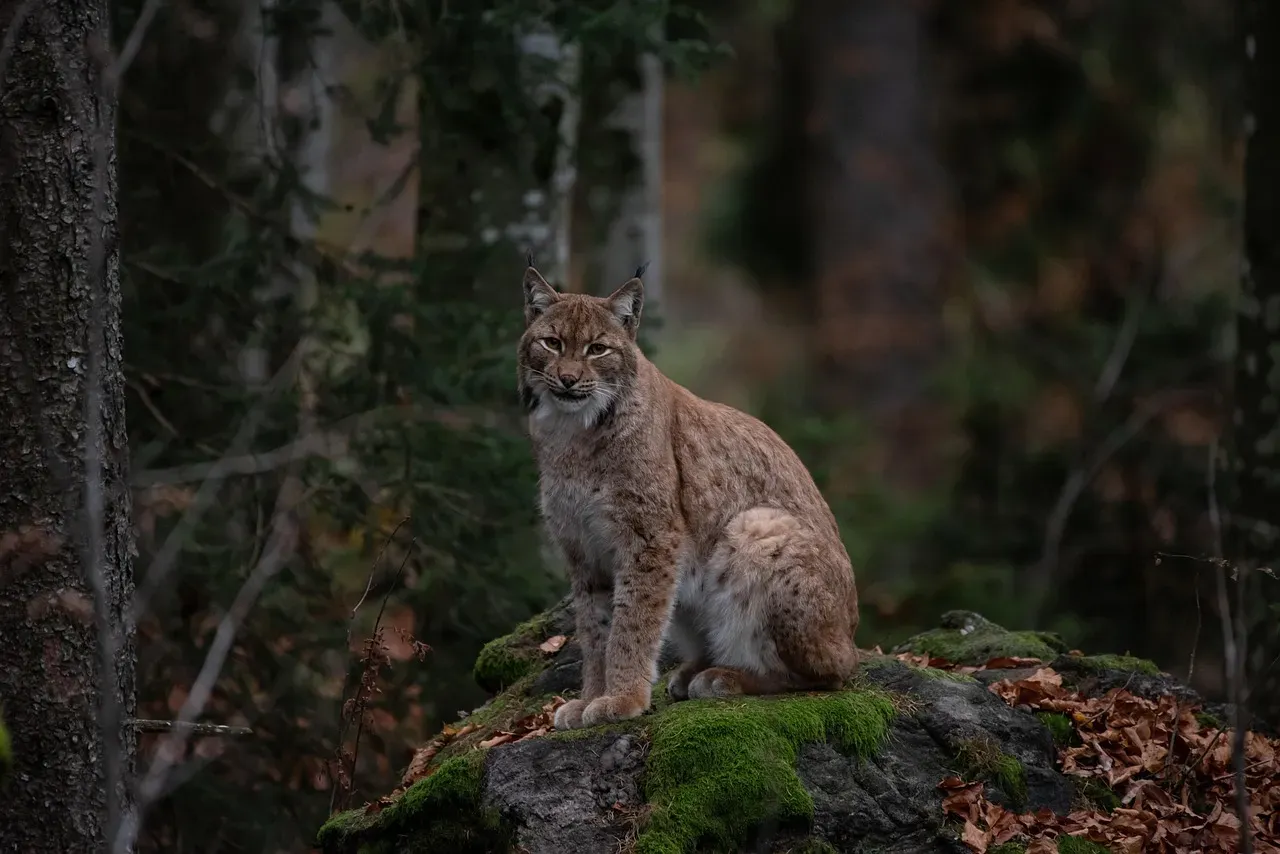
Bobcats are naturally active at dawn and dusk, a pattern biologists call crepuscular. Bobcats are both crepuscular and nocturnal, however, they sometimes will have periods of activity during the day. That flexibility turns out to be one of their most useful traits when humans move into the picture.
Research on wild cats near cities has found something striking about how far this adjustment goes. closer to urban areas brightened by light pollution, these wild cats are dramatically shifting their schedules to become strictly nocturnal, with researchers discovering a direct link between the intensity of nighttime lighting and the cats’ schedules. In other words, bobcats are not just tolerating artificial light and human noise. They are actively rescheduling their entire lives around it, retreating deeper into darkness the moment neighborhoods get brighter and busier.
#3 Urban bobcats still play by wild rules
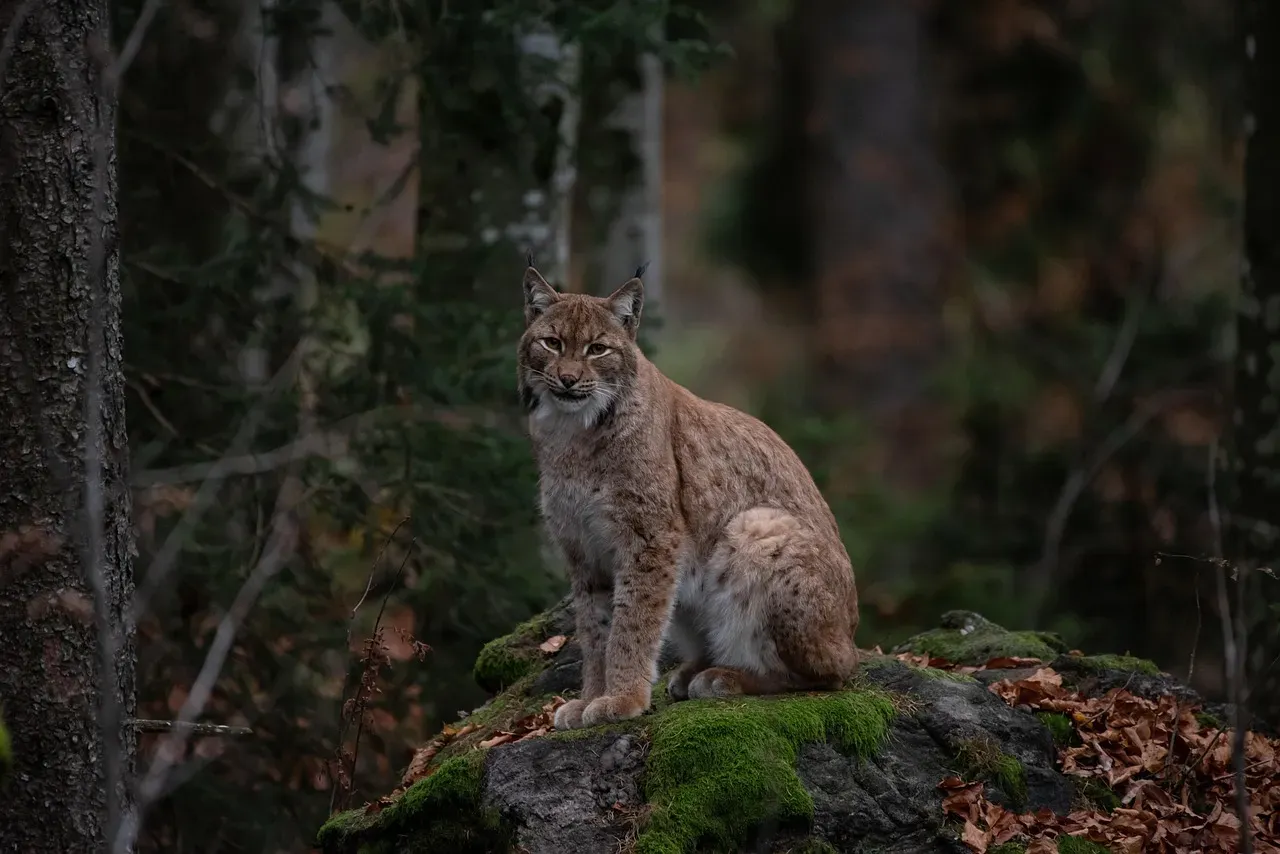
It would be easy to assume that a bobcat living near a subdivision has essentially gone suburban, adjusting its habits to match ours. The data says otherwise. Bobcat and striped skunk appeared to be human avoiders with negative relationship with urban cover and higher landscape use of forest cover. Even when their territory overlaps with rooftops and roads, bobcats gravitate toward whatever scraps of natural cover remain.
A large GPS-tracking study of bobcats in the Dallas-Fort Worth metroplex, one of the most heavily developed regions in Texas, backs this up in detail. Researchers found that bobcats select for natural and agricultural features, creeks, and waterways, showing greater home-range overlap in these habitats, while they avoid roads and are less likely to have home-range overlap in habitats with more roads. The city may surround them, but the map they actually use looks a lot more like a nature preserve.
#4 Creeks and greenways are their hidden highways
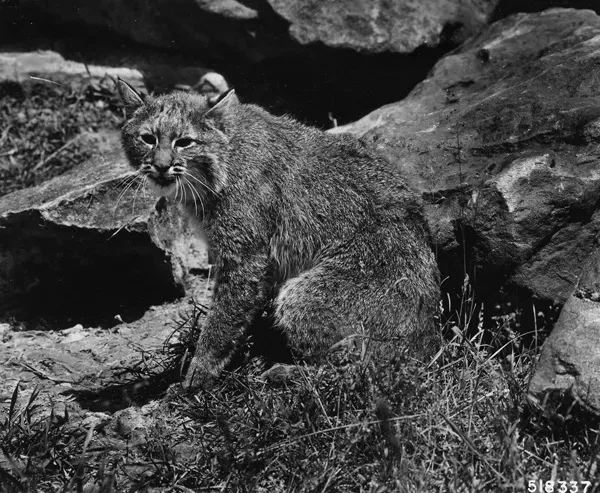
If there is a single feature that lets bobcats move through cities undetected, it is water. Creeks, drainage channels, and the brushy corridors that follow them offer cover, prey, and a route that avoids open, exposed ground. Researchers studying urban bobcat movement in Texas have leaned heavily on this pattern to explain how the animals persist so close to people without being noticed.
The strategy works because it solves two problems at once. It keeps bobcats hidden from view while also connecting fragmented patches of habitat that would otherwise isolate them. By sticking to quiet routes and only coming out at night, bobcats are adept at avoiding detection by people, making it possible to live among us without many ever even spotting one. A creek that looks like an unremarkable ditch to a commuter can function as a functioning wildlife corridor to a bobcat.
#5 Detecting them takes serious effort, even for scientists
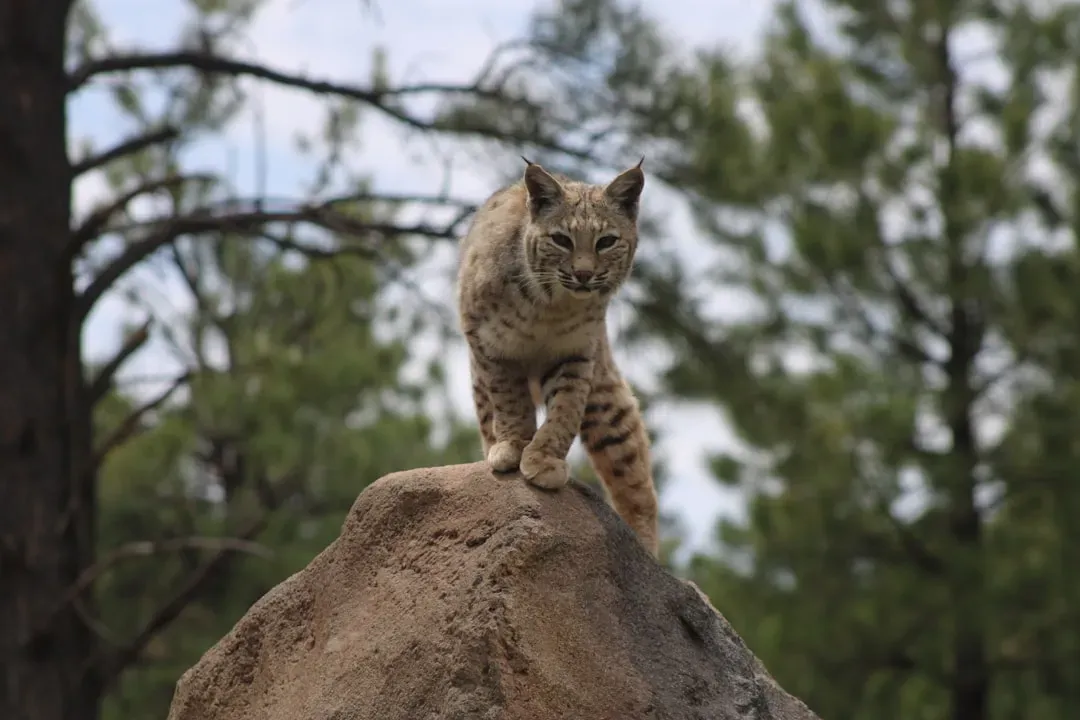
One of the more humbling facts in bobcat research is how hard the animals are to document, even with dedicated equipment. Camera trap studies consistently show that bobcats produce far fewer images than their actual population would suggest, a mismatch that researchers have had to work around methodically. For bobcat, data from a single camera produced a maximum season-long detectability of just 0.14 even after 180 days, though adding a second, randomly placed camera raised that detectability to 0.54.
That single statistic says a lot. A single trail camera left in bobcat habitat for half a year might still miss the animal more often than it catches it. Scientists have had to essentially double up their equipment just to get a reliable read on whether bobcats are present at all, which says something about how thoroughly these cats manage to stay off the radar even in areas where they are known to live.
#6 Their range is far bigger than most people assume
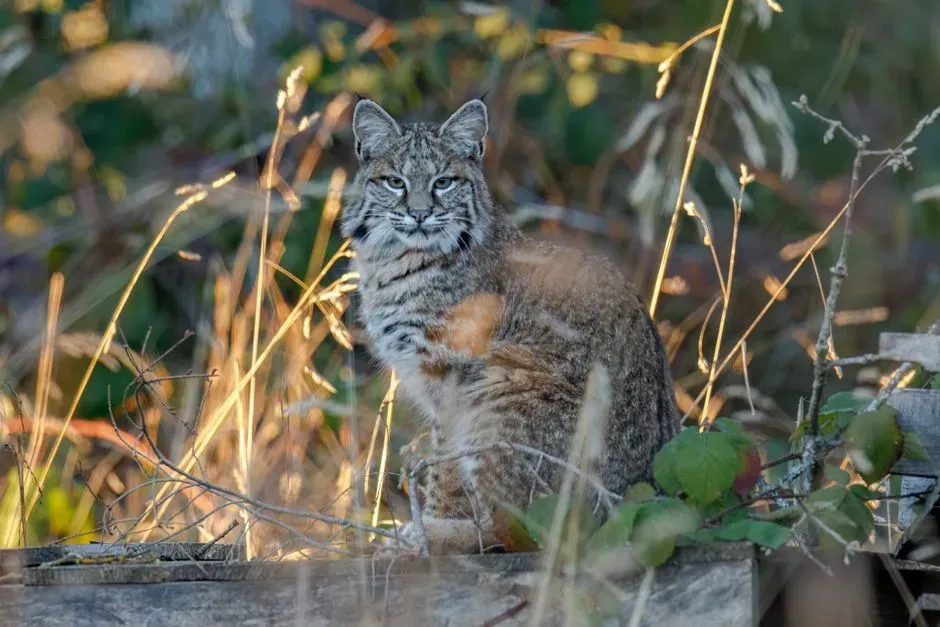
Bobcats are not a rare novelty confined to remote wilderness. Bobcats can be found from Mexico to southern Canada and are present in every U.S. contiguous state except for Delaware. Population estimates put their numbers well into the hundreds of thousands. According to the National Park Service, there are around one million bobcats in the United States.
That scale is worth sitting with for a moment. A million animals, spread across forests, deserts, farmland, and the edges of cities, and yet sightings remain rare enough that most people go a lifetime without a confirmed one. It is a reminder that abundance and visibility are two entirely different things in the animal kingdom, and bobcats sit at an extreme end of that gap.
#7 Coexistence is already happening, quietly
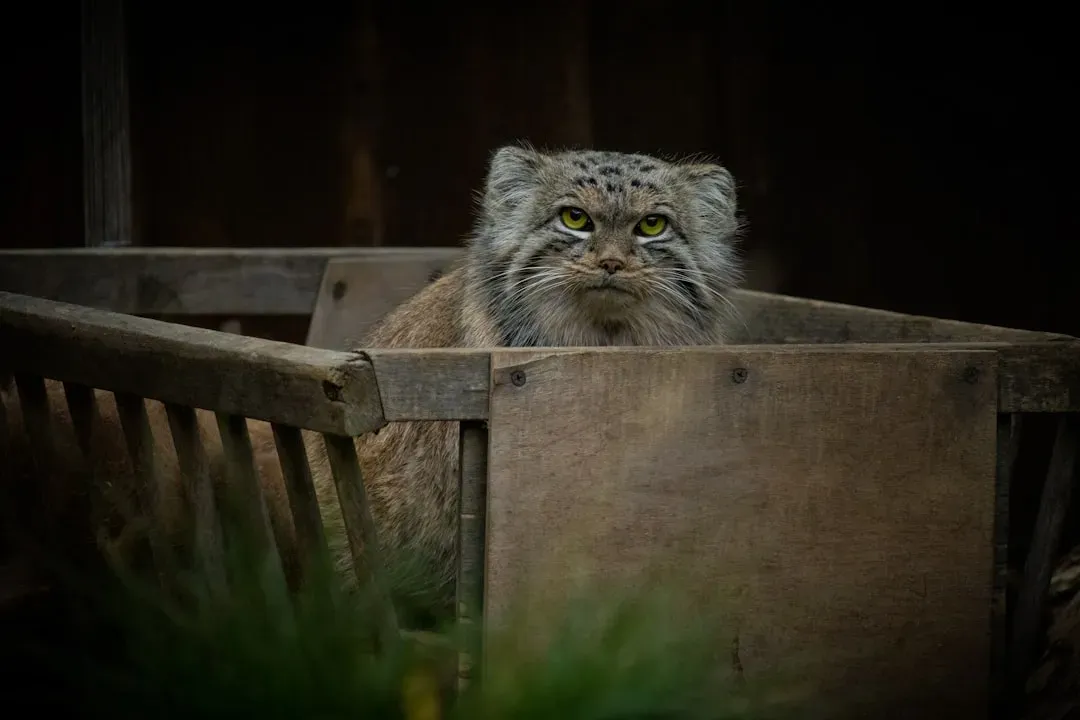
Perhaps the most important takeaway from recent bobcat research is not that they can survive near people, but that they already are, routinely, without the friction many might expect. Research on bobcat behavior from Dallas revealed that although bobcats have moved into urban areas, they still do their best to avoid people. That mutual avoidance, rather than any dramatic standoff, is the actual story of how this predator and modern development have settled into an uneasy but functional truce.
Wildlife officials involved in this research have made a point of noting how much undeveloped texture still exists inside supposedly built-up areas. Texas Parks and Wildlife Department biologist Richard Heilbrun, a coauthor of the study, noted that urban areas are not one hundred percent concrete and that there is nature all amongst where people work and play. Bobcats seem to have found every overlooked sliver of that nature and turned it into livable space.
The Takeaway
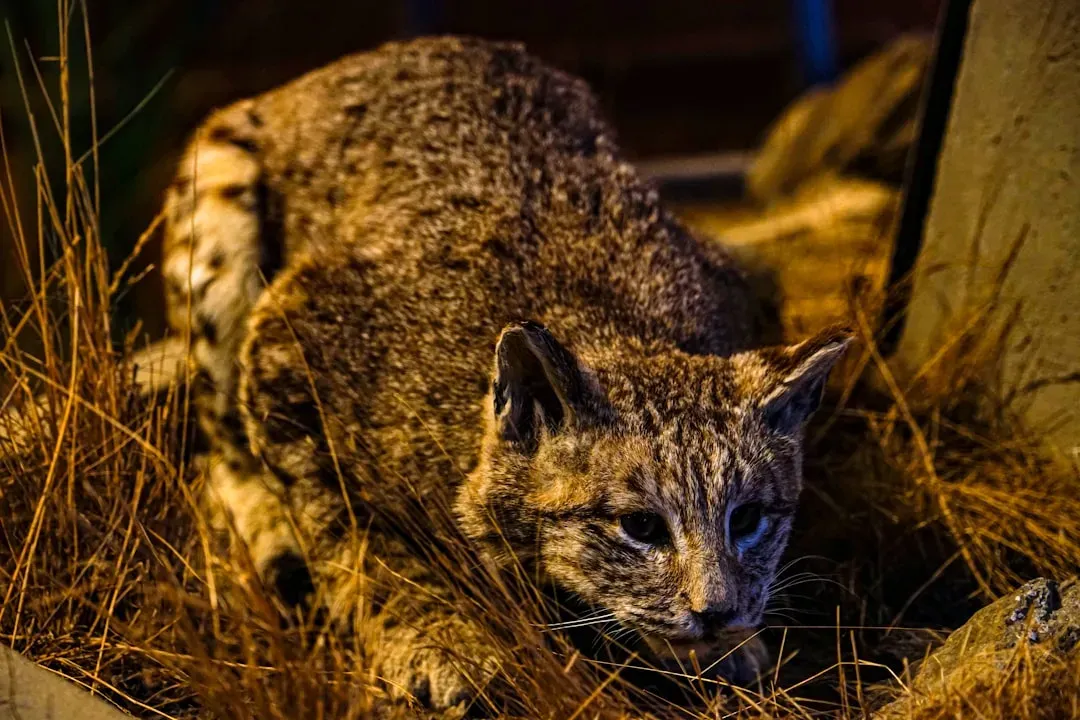
What strikes me most about bobcat biology is how little drama it actually requires. There is no grand showdown between wildlife and development here, just a quiet, ongoing negotiation that mostly favors staying out of sight. Bobcats have essentially figured out how to rent space in our world without ever signing a lease we’d notice.
If there’s a lesson worth taking from this, it’s that coexistence with wildlife rarely looks like the dramatic encounters nature documentaries favor. More often, it looks like an empty backyard at 2 a.m., a rustle in the creek bed nobody hears, and a species doing exactly what it has always done: staying one careful step ahead of us, mostly by choosing not to be seen at all.
Kristina is a young writer from India. An arts graduate and an avid content creator, Kristina is passionate about animals and wildlife. She enjoys exploring topics related to pet care, animal behavior, conservation, and nature, combining thorough research with engaging storytelling.