Cats have a reputation for being impossible to impress. They sleep through your jokes, ignore your attempts at cuddling, and stare at you with an expression that suggests mild professional disappointment. Yet behind that cool exterior is an animal that pays close attention to your every move, reading your body language, scent, and emotional tone far more carefully than you might expect.
The good news is you don’t need to pull off grand gestures to earn your cat’s respect. Trust with a cat isn’t automatic – it’s earned, day by day, through tiny rituals and unspoken promises, like learning a secret language filled with gentle gestures, patient waiting, and honest affection. The habits that genuinely matter are almost embarrassingly small. Here are seven of them.
Master the Slow Blink Exchange

If you’ve ever caught your cat staring at you from across the room with half-closed, drowsy eyes, they weren’t bored. According to peer-reviewed research, that look is the feline equivalent of saying “I trust you.” In 2020, psychologists at the University of Sussex conducted the first scientific study specifically on the cat slow blink. When a cat slow blinks at you, they are expressing trust, contentment, and affection – because in the feline world, closing their eyes in the presence of another creature makes them genuinely vulnerable.
You can return the signal, and it works. Stand about three feet away when your cat is calm and relaxed, wait until they look in your direction, then gently narrow your eyes as you would when smiling, slowly close your eyelids for a few seconds, and reopen them softly. In a 2020 study, researchers found cats were more likely to slow blink after their owners slow blinked at them, and when a researcher the cat didn’t know tried the same thing, the cat actually approached the researcher’s outstretched hand – confirming that when humans initiate the slow blink, it tells the cat that you trust them.
Let Your Cat Come to You First
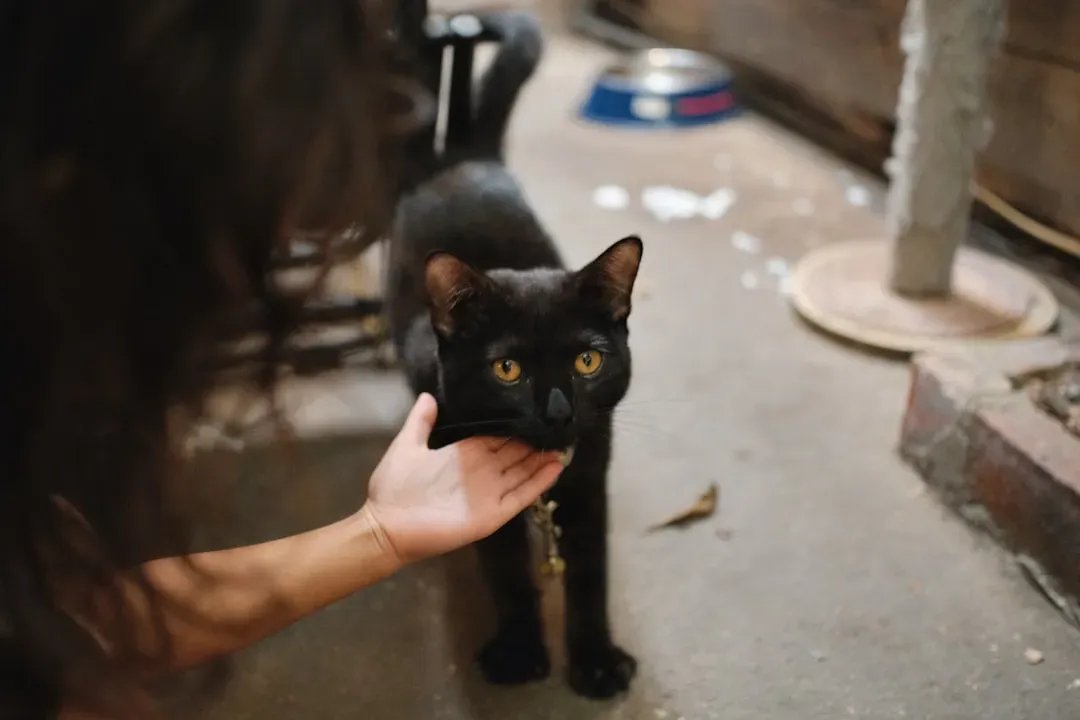
Cats are naturally mesopredators, meaning they can be both predators and prey, and as a result they can feel overwhelmed by excessive attention from humans they might perceive as a threat. They are typically wary of being constantly chased, stared at, or petted when they’re not in the mood for interaction. Respecting this isn’t indifference on your part – it’s actually one of the most fluent things you can say in cat language.
Let your cat decide when it’s time for attention. Wait for them to approach you, rub against your legs, or hop onto your lap. When you respect their autonomy, you empower your cat and show that you trust their instincts, and this freedom builds mutual trust that makes your bond even stronger. Over time, your cat will learn to feel secure in your presence, knowing that you will always respond to their cues and never push them beyond their comfort zone.
Read and Respond to Body Language Cues
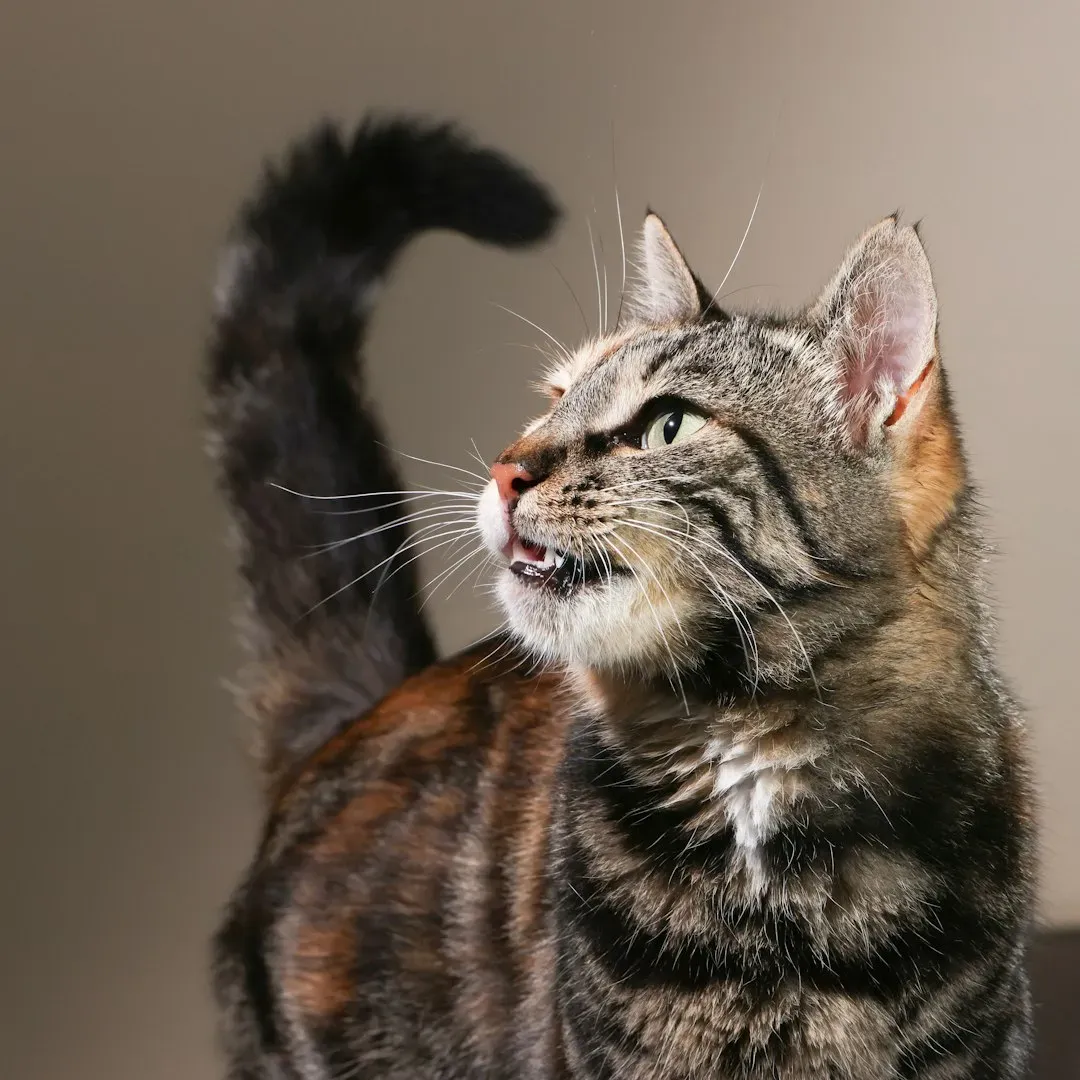
Your cat is very subtle at sending you cues, but they do it all the time. When you learn to interpret them and give your cat the space they need, it takes the bond and the trust to a completely different dimension. Cats communicate through subtle body language, and understanding their signals is essential for building trust – observe their tail movements, ear positions, and vocalizations to gauge their mood, and respond appropriately by giving them space if they seem uncomfortable or stressed.
Cats communicate through subtle signals – the slow blink of contentment, a raised tail greeting, or gentle head bumps. Recognizing and responding to these cues forms the foundation of trust-building interactions, and when you acknowledge and respect their communication style, cats begin to view you as a reliable, understanding companion. Think of it less like pet ownership and more like a conversation you’ve been having without realizing it.
Welcome the Head Bunt – and Understand What It Means

Head bunting, or headbutting, is a form of scent marking that many cat owners cherish. This endearing behavior is a sign of affection and trust between you and your feline companion. Head bunting is a way for cats to leave their scent on you, which serves multiple purposes: by marking you with their scent, your cat is claiming you as part of their “family,” and it creates a shared scent profile that is reassuring and comforting to them.
When a cat rubs against a person, the cat is running the same neurochemical program that free-ranging cats use to maintain colony cohesion – depositing specific pheromone fractions from at least five distinct facial scent gland clusters to build a shared group identity. Head bunting is a behavior cats reserve for cats, dogs, or humans with whom they have a friendly relationship – it is not displayed toward inanimate objects, making it a behavior reserved specifically as a bonding gesture. When your cat presses their forehead against yours, they’re not just being cute. They’re filing you under “trusted colony member.”
Make Play a Daily Non-Negotiable
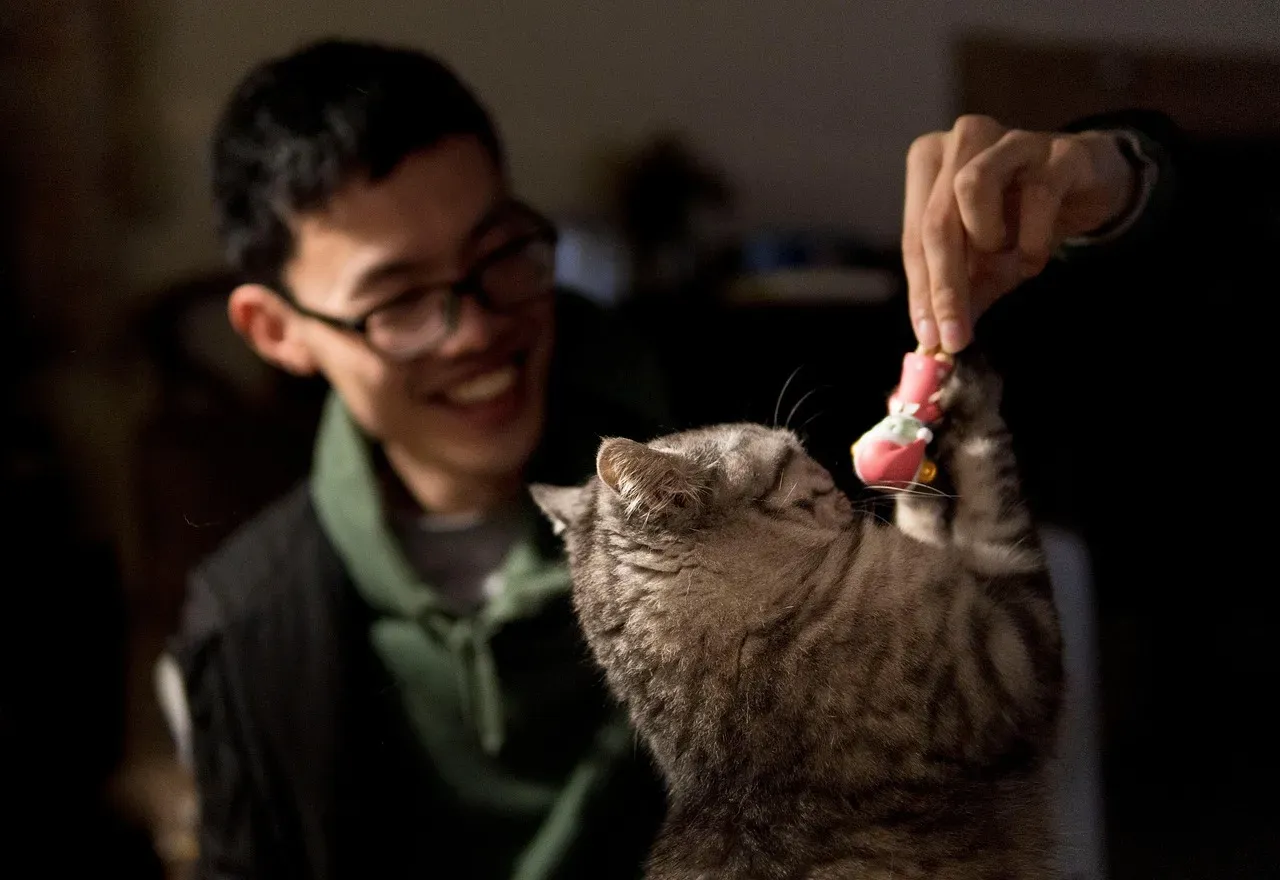
Playing with your cat is an excellent way to bond and build a strong connection. Play is so powerful that it is a technique used to socialize feral and undersocialized cats and help them trust people – use interactive toys like feather wands or laser pointers to engage their natural instincts and provide mental and physical stimulation, as regular play sessions create positive associations with you and help foster a sense of companionship.
The ideal cat routine allows your cat to live safely in your home while still feeling like the wild predator they were born to be – they should have the opportunity to complete their instinctive cycle of “hunt, catch, kill, eat, groom, sleep” at least once a day, and preferably at the same time each day. Letting your cat “win” sometimes makes the game rewarding. Playtime releases happy chemicals in your cat’s brain, making you the source of their joy and excitement – and this habit deepens your connection and keeps your cat’s trust strong.
Keep a Consistent Daily Routine
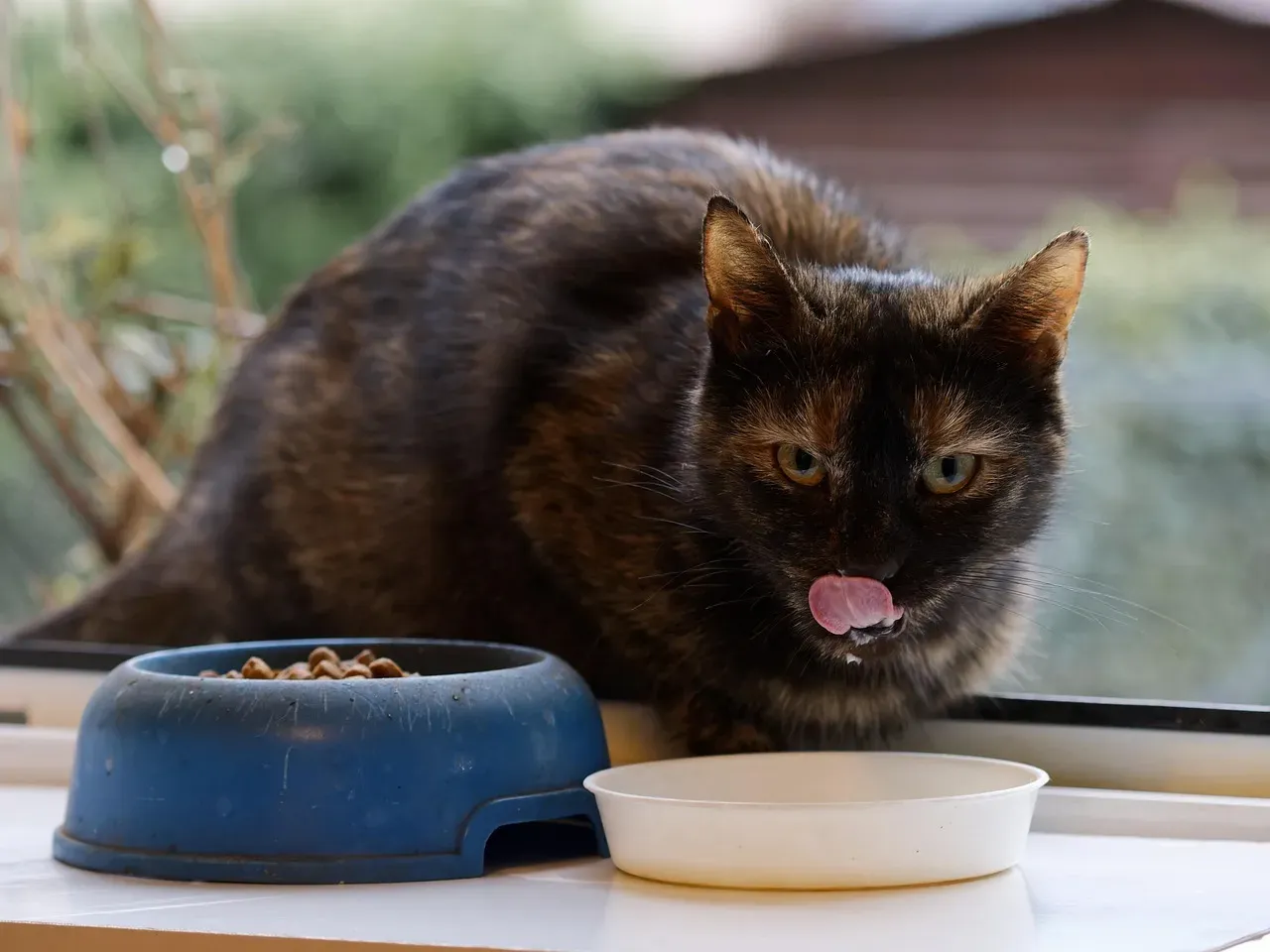
Cats are creatures of habit, and you can use this fact to your advantage by creating a regular feeding schedule and sticking to it. Feeding an adult cat at regular times provides the security and predictability of a routine. Meals become a cornerstone event of the day around which other activities are added, and a feeding routine even helps your cat cope when there are changes in the household.
When their day follows a predictable pattern, cats experience fewer fears and uncertainties. Consistent schedules for feeding and grooming prevent anxiety related to the unknown, and minimizing changes helps cats stay calm and enjoy a more relaxed life. Establishing a daily routine that includes regular feeding times, play sessions, and quiet time helps your cat feel secure and reassured as they learn to anticipate and rely on the routine – and this stability strengthens the bond and fosters a sense of trust.
Use Gentle Grooming as a Bonding Ritual
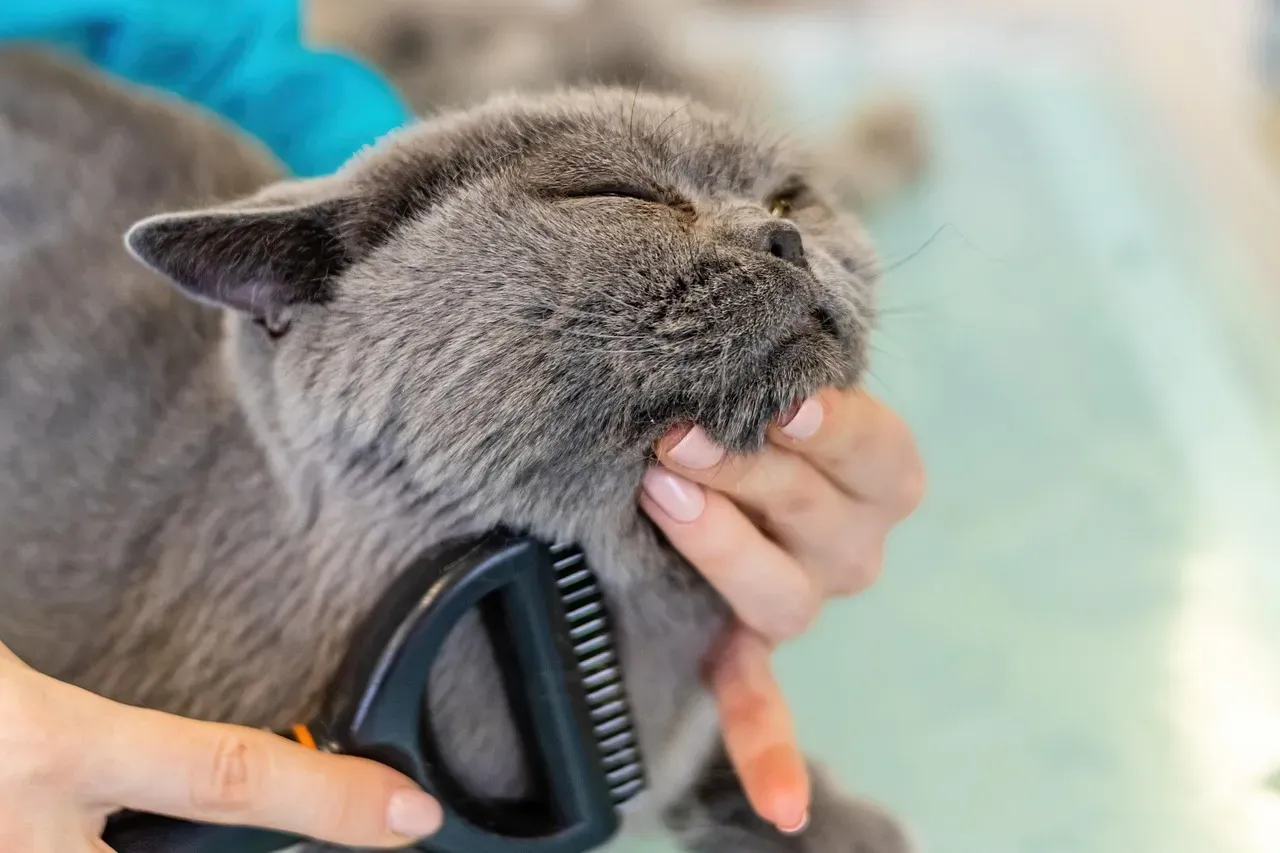
Mutual grooming represents a significant trust signal in feline social structures. Incorporating gentle brushing into your bonding routine helps recreate this natural behavior – start with short sessions, paying attention to your cat’s comfort levels, and many cats come to view grooming time as a special bonding opportunity, particularly when combined with praise and gentle conversation.
Brushing is a great way to show care and attention, especially for long-haired cats. Many cats enjoy being brushed, as it mimics the grooming behaviors they would engage in with other cats, and by brushing your cat gently, you’re not only helping to keep them clean but also creating a bonding experience that fosters a sense of relaxation and comfort – it’s a calm, soothing activity that signals to your cat that you care for their well-being. Over time, it stops feeling like maintenance and starts feeling like a conversation.
Conclusion
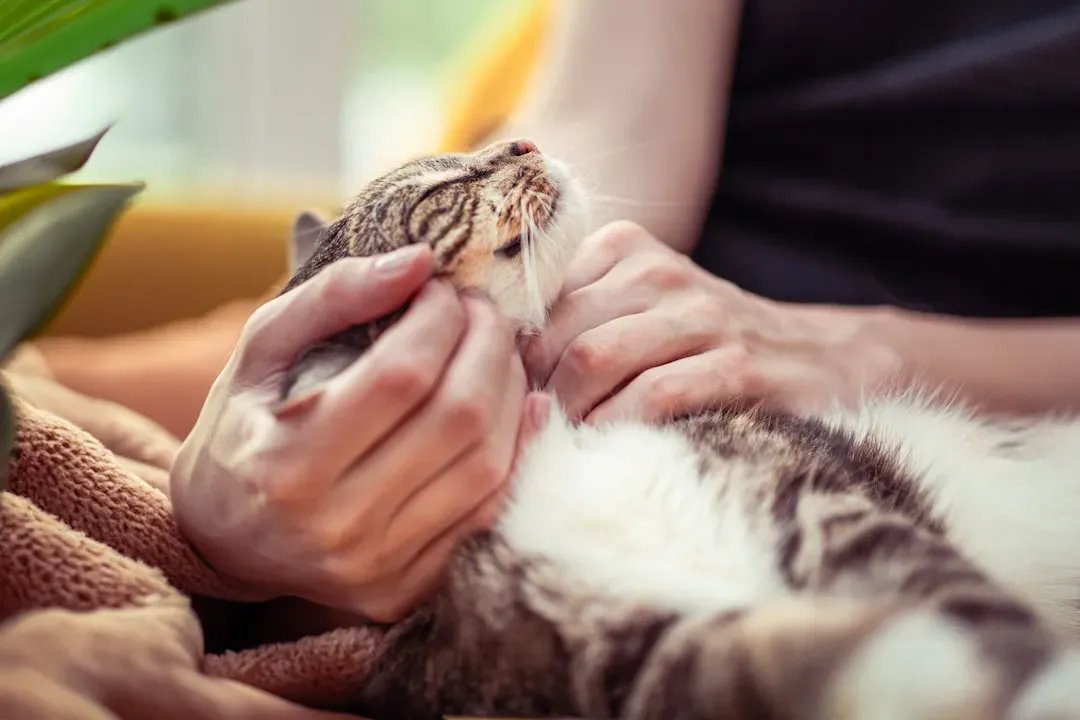
None of these habits require a lot of time or a specialized skill set. They require attention – the willingness to slow down enough to notice what your cat is actually communicating, and the patience to respond on their terms rather than yours. These animals need time, space, and understanding to build trust and affection.
Recent research shows that cats pay far more attention to their human companions than we once believed – they often mirror their owners’ personality traits and can even detect human emotions including sadness, and contrary to long-standing stereotypes, the bonds cats develop with their humans are meaningful and emotionally significant.
The cat sitting across the room right now, watching you with that calm, unreadable expression? They’re already paying close attention. The question is whether you’re paying attention back. Start with one small habit, stay consistent, and you might be surprised how quickly the dynamic shifts – from coexistence to something that genuinely resembles mutual respect.
Kristina is a young writer from India. An arts graduate and an avid content creator, Kristina is passionate about animals and wildlife. She enjoys exploring topics related to pet care, animal behavior, conservation, and nature, combining thorough research with engaging storytelling.