Your feline friend gazes at you from across the room, tail twitching ever so slightly. You wonder if they really care, or if you’re just the person who fills the food bowl. Honestly, cats can be mysterious creatures, and figuring out what truly makes them feel cherished sometimes feels like solving an ancient riddle. The truth is, small, everyday gestures matter far more than grand displays.
You might think your cat is completely independent and doesn’t need your attention. Yet research from Oregon State University suggests otherwise. Most cats chose interaction with humans over food, toys, or scent in preference studies. What does this mean for you? Your cat genuinely craves connection, even if they show it differently than a bouncing, tail-wagging dog. Let’s explore the tiny, powerful habits that speak directly to your cat’s heart.
Return Their Slow Blinks

Have you ever noticed your cat staring at you with half-closed eyes, then slowly blinking? That’s not sleepiness. That relaxed, sleepy stare with slow blinking is a top sign of affection in cats. You can up the love factor by reciprocating some slow blinks back and your cat will feel the warm fuzzies. It’s their version of blowing you a kiss, really.
This simple exchange creates trust between you two. When you catch your cat slow-blinking, hold eye contact, slowly close your eyes, and open them again. Some people call it a “cat kiss” and it works like magic to deepen your bond without saying a word.
Schedule Daily Play Sessions
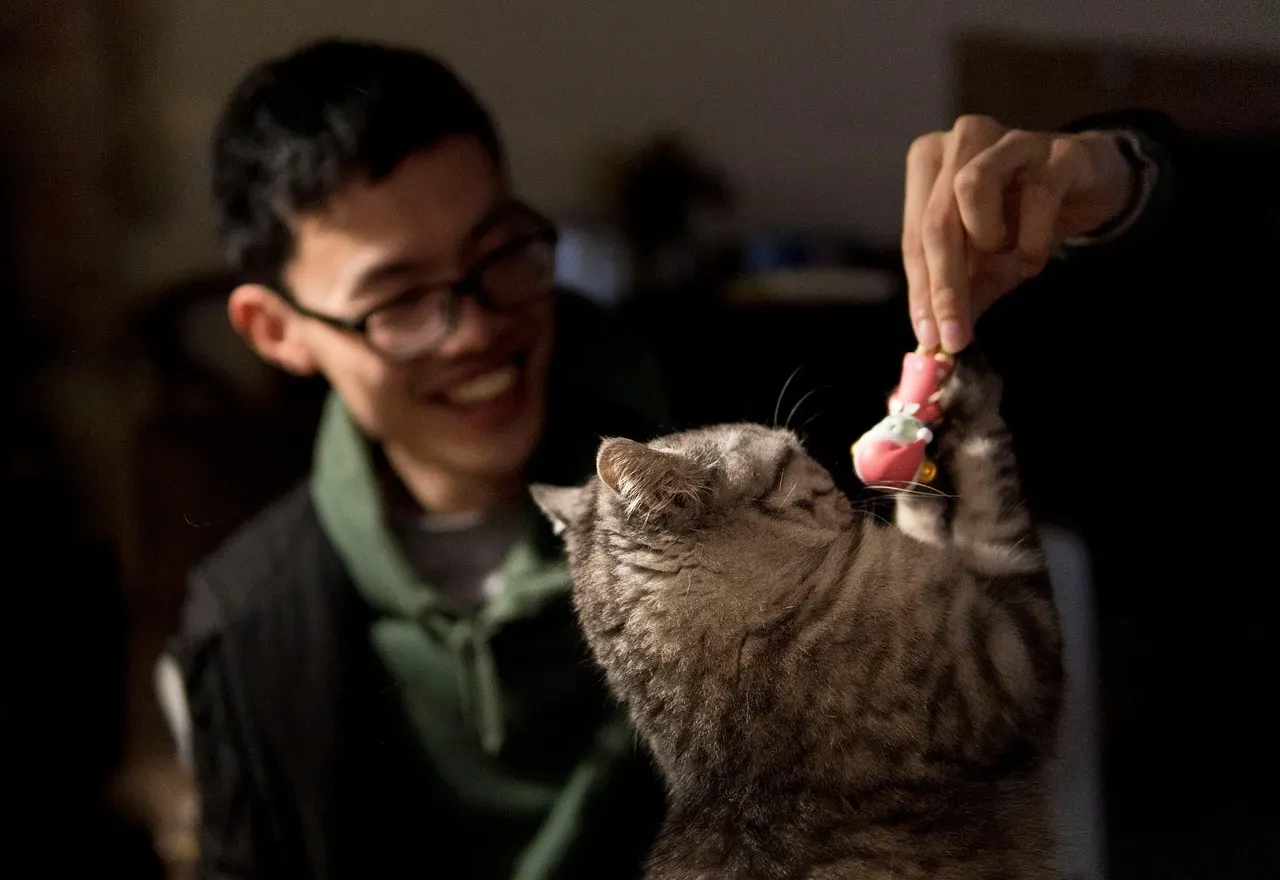
Two brief interactive play sessions each day – about 10–15 minutes each can transform your relationship. Your cat needs to chase, pounce, and “catch” things because their hunting instinct runs deep. When you wave a feather wand or drag a toy across the floor, you’re not just entertaining them; you’re satisfying something primal.
Always let each session end with a satisfying “capture,” then offer a small treat or portion of dinner to complete the hunt sequence. This prevents frustration and makes your cat associate you with success and satisfaction. Play isn’t just fun. It’s the language of love for cats.
Feed Them on a Consistent Schedule
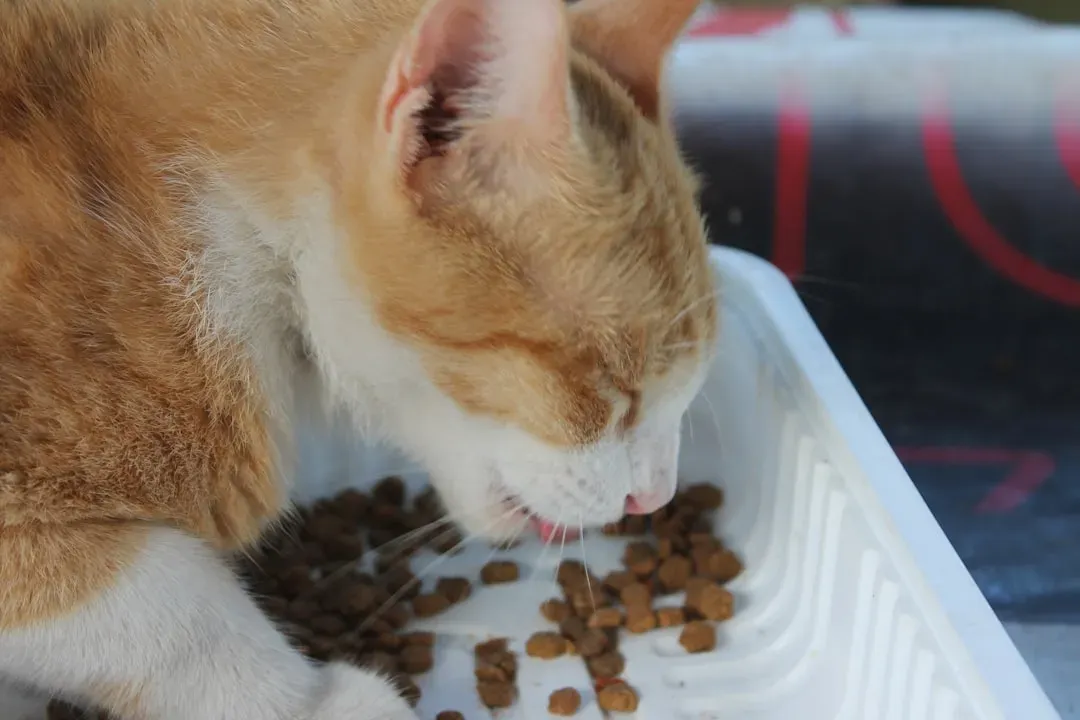
Free feeding might seem convenient, yet the simplest way to calm a cat’s world is to feed on a fixed routine: twice a day, about 12 hours apart, in the same spot. When you feed adult cats consistently, their internal clock settles, begging decreases, and scavenging fades. Your cat learns to trust that food will arrive when expected.
This predictability reduces stress significantly. Being present during mealtimes strengthens your connection too, because your cat begins associating you with one of their greatest joys. Measure portions based on their needs and skip the all-day buffet approach. Your cat will feel more secure knowing exactly when dinner arrives, and that security translates to affection.
Groom Them Gently (If They Enjoy It)
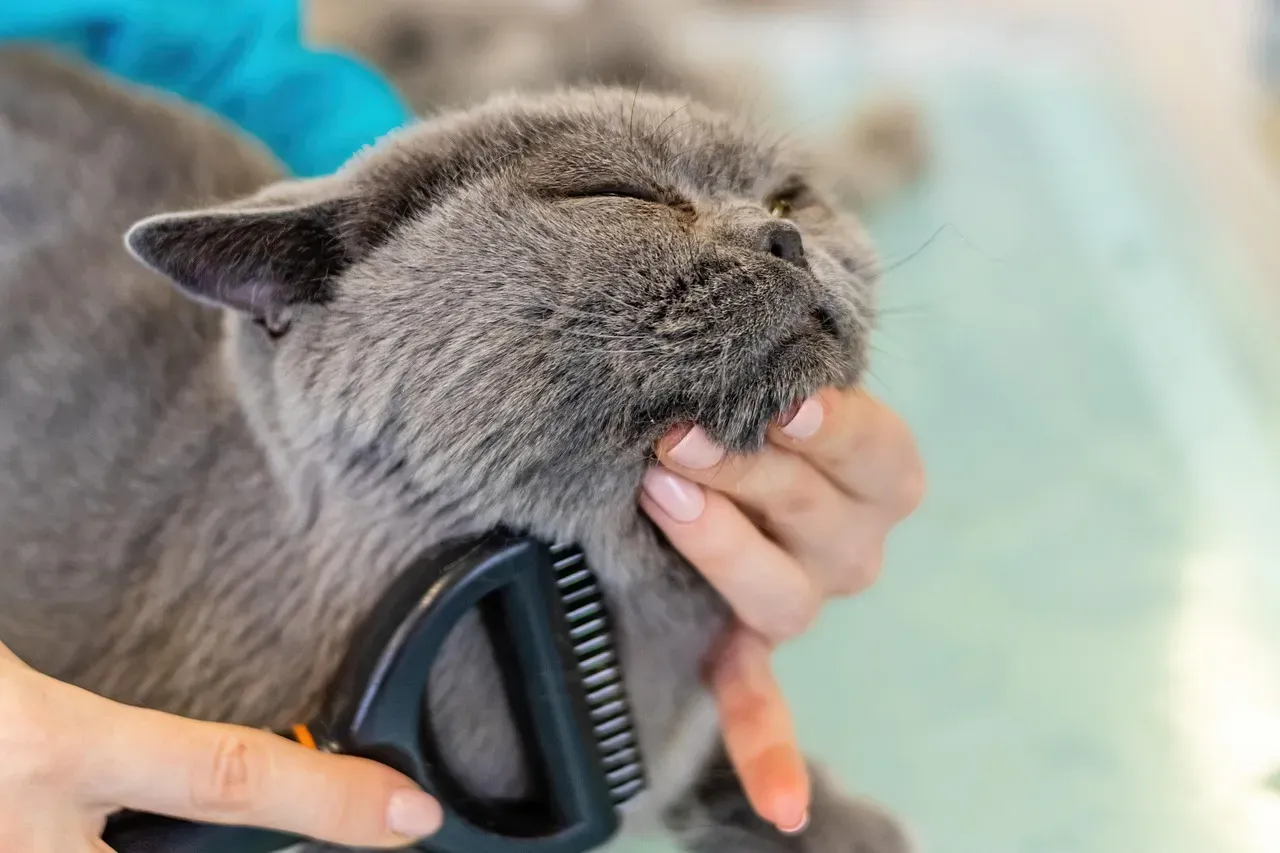
Feral cats who are bonded to each other often allogroom, which is when they spend some time licking and grooming each other, often purring as they do so. When you brush your cat, you’re mimicking this natural bonding behavior. Start slowly, especially if your cat isn’t used to it, and watch their body language carefully.
If you’re not in the habit of grooming your cat, go gently at first and slowly build up the experience. Your cat will show you with their body language if they’re enjoying it, and once they’re accustomed to it will often make the first move to encourage a grooming session from you. Focus on areas they can’t easily reach, like behind the ears or along their back. The purring that follows? That’s pure contentment.
Spend Quiet Time Together

Setting aside time each day, whether it’s speaking gently to them, reading a book next to them, or enjoying lap time, can go a long way in helping your cat feel safe, loved, and connected to you. Cats appreciate routines, and setting a consistent time each day for bonding helps your cat understand that they can rely on this special connection. You don’t always have to be doing something.
Sometimes the best connection happens when you’re both just existing in the same space. Sit on the couch while your cat naps nearby. Work at your desk while they observe from their favorite perch. Sharing quiet time – reading a book while your cat naps nearby or working while they observe from their perch – builds comfort through peaceful coexistence. Your calm presence becomes a source of comfort they actively seek out.
Respect Their Boundaries
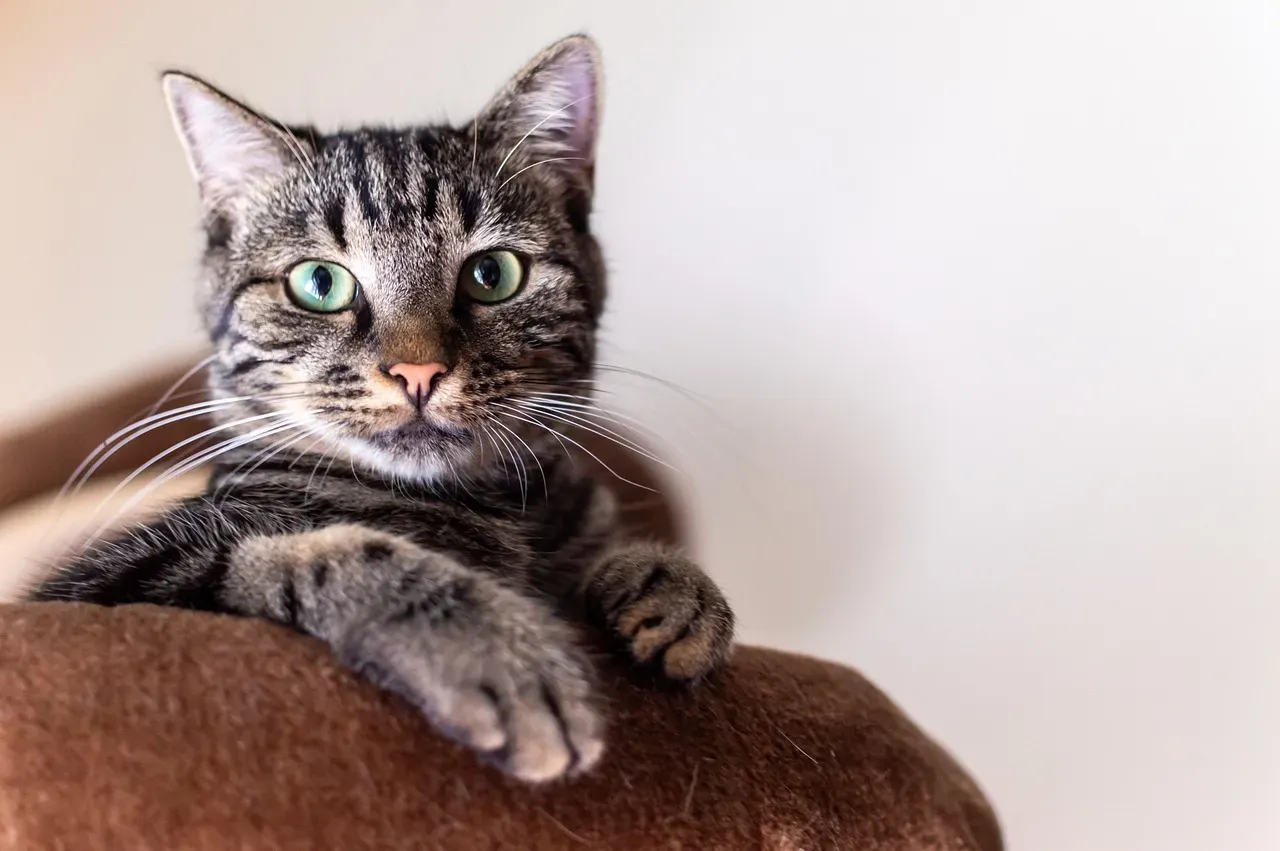
Here’s the thing: forcing affection destroys trust faster than anything else. If your cat is giving you signals that they want you to back off (like tail thrashing, biting, or leaning away), don’t force the interaction. Respecting their space will strengthen their trust in you and protect your bond. Cats need to feel in control of social interactions.
Let them approach you first. When they walk away, don’t chase them. Allow your cat to give and receive affection on his or her own terms. This “less is more” approach actually encourages more affection in the long run, because your cat learns you’re a safe person who understands their needs. That understanding? It’s worth more than a thousand forced cuddles.
Be Present During Their Routine Care
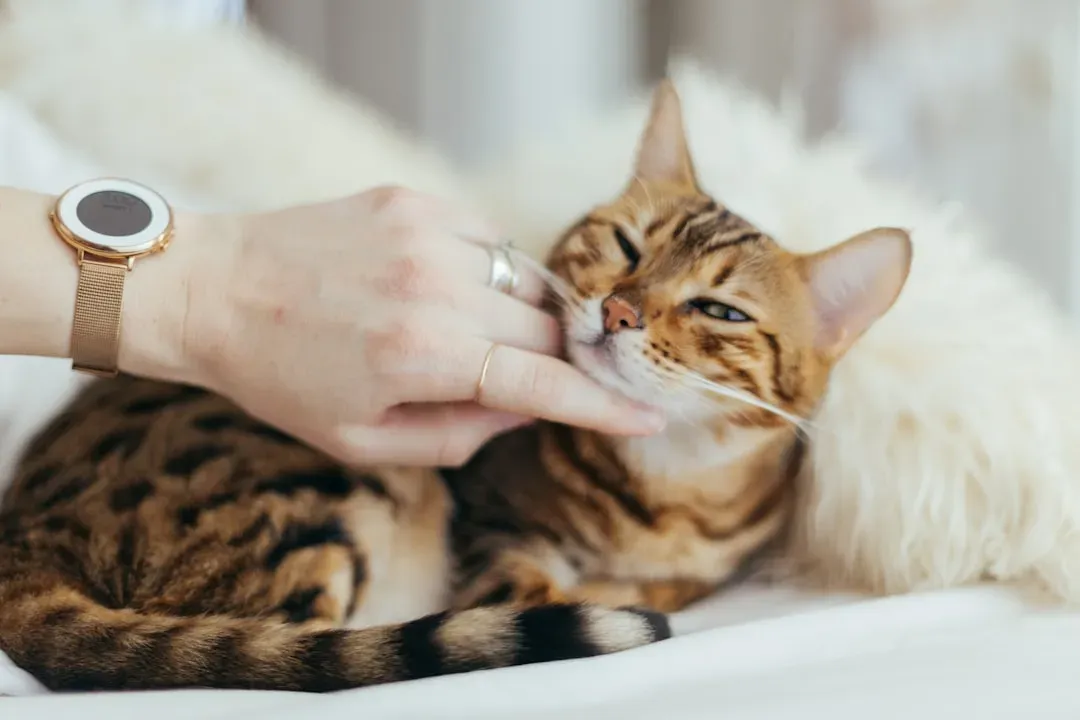
Even daily care tasks can strengthen your bond when approached mindfully. Litter box maintenance, while necessary, provides opportunities for positive interaction. Speaking softly while cleaning, offering praise for proper use, and maintaining consistent schedules help cats view routine care as part of their bonding experience with you. Your gentle voice during these moments matters.
Maintaining a clean litter box shows respect for their space and hygiene needs. Fresh water daily, clean food bowls, sanitized toys – these aren’t just chores. They’re tangible expressions of care your cat absolutely notices. When you consistently meet their basic needs with attention and kindness, your cat feels valued and secure in your relationship.
Conclusion
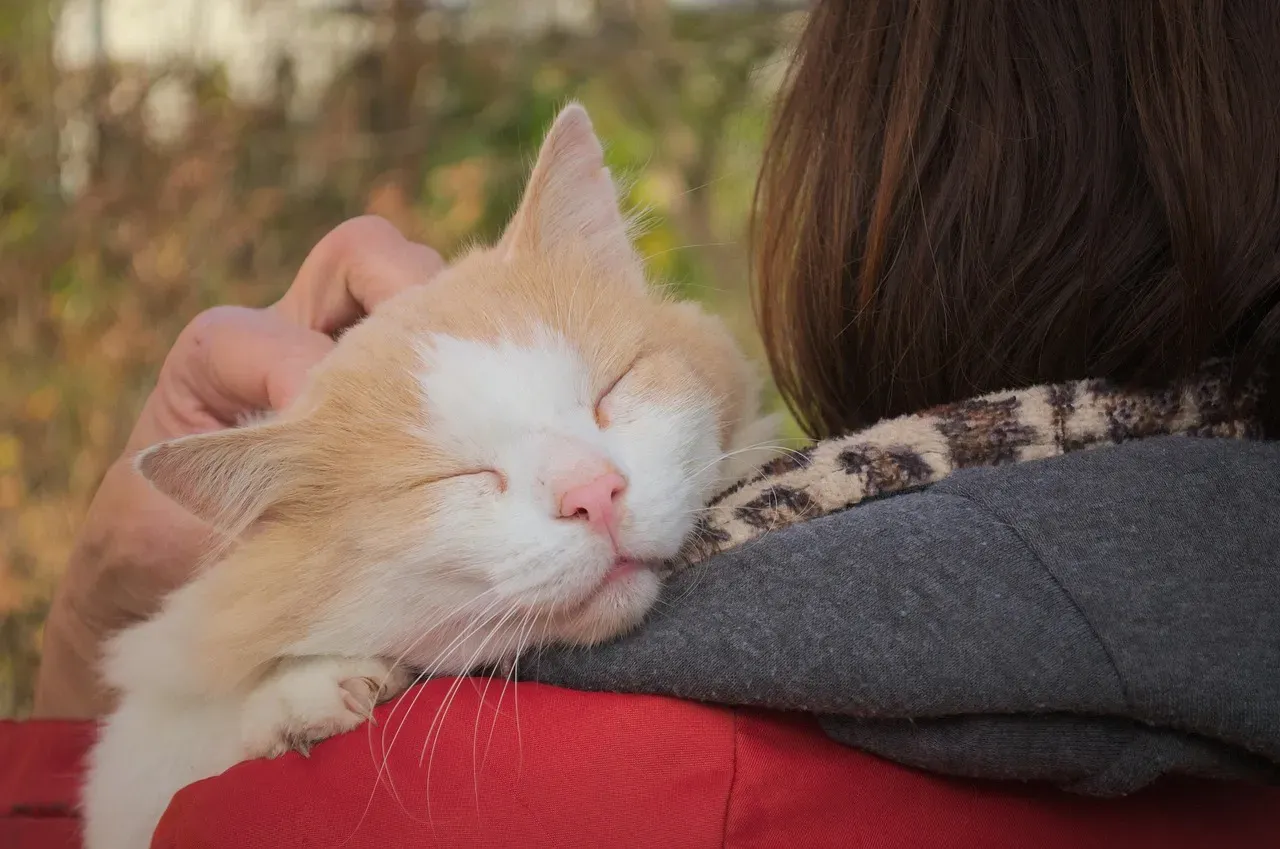
Love isn’t always loud, and cats prove this every single day. The slow blink from across the room, the gentle headbutt when you least expect it, the way they choose to nap in whatever room you’re occupying – these are their love letters to you. Building a deep bond with your cat doesn’t require expensive toys or elaborate gestures. It requires attention, consistency, and respect for who they are.
These seven tiny habits create a foundation of trust and affection that grows stronger over time. Your cat might not wag their tail or jump all over you when you come home, yet their love runs just as deep. What small gesture will you try today to show your feline friend they matter? Sometimes the tiniest changes create the biggest impact in the life you share together.