Ever come home to absolute silence and wonder if your cat even noticed you were gone? Some felines are masters of the quiet life, but others? They’ve got opinions, and they’re not afraid to share them. Loudly. Repeatedly. Sometimes at three in the morning.
You might be familiar with the Siamese’s legendary chattiness, but the feline world has plenty of other breeds that could talk your ear off if given half a chance. These uncommon breeds bring their own vocal quirks to the table, from melodic trills to persistent meows that sound eerily like they’re trying to tell you something important. Let’s dive into seven lesser-known breeds that prove cats can be every bit as conversational as their canine counterparts.
Tonkinese: The Sweet-Voiced Conversationalist

A hybrid of the Siamese and Burmese, the Tonkinese cats are characterized by their lively, social nature and pointed coat patterns of various colors. What makes them stand out from their more famous Siamese ancestors is their distinctive voice. Their voice is similar in tone to the Burmese, persistent but softer and sweeter than the Siamese, similar to the gentle quacking of a duck.
Like the Siamese, Tonkinese cats are vocal and will have many conversations with you throughout the day. Tonkinese aren’t quite as chatty as the Siamese, but don’t be surprised when they share their opinions with you on the regular. The sweet Tonk uses several different sounds when talking to their people, including meowing, chirping, and trilling. These affectionate cats thrive on human interaction and aren’t afraid to demand attention when they feel they’ve been neglected for too long.
Peterbald: The Hairless Chatterbox
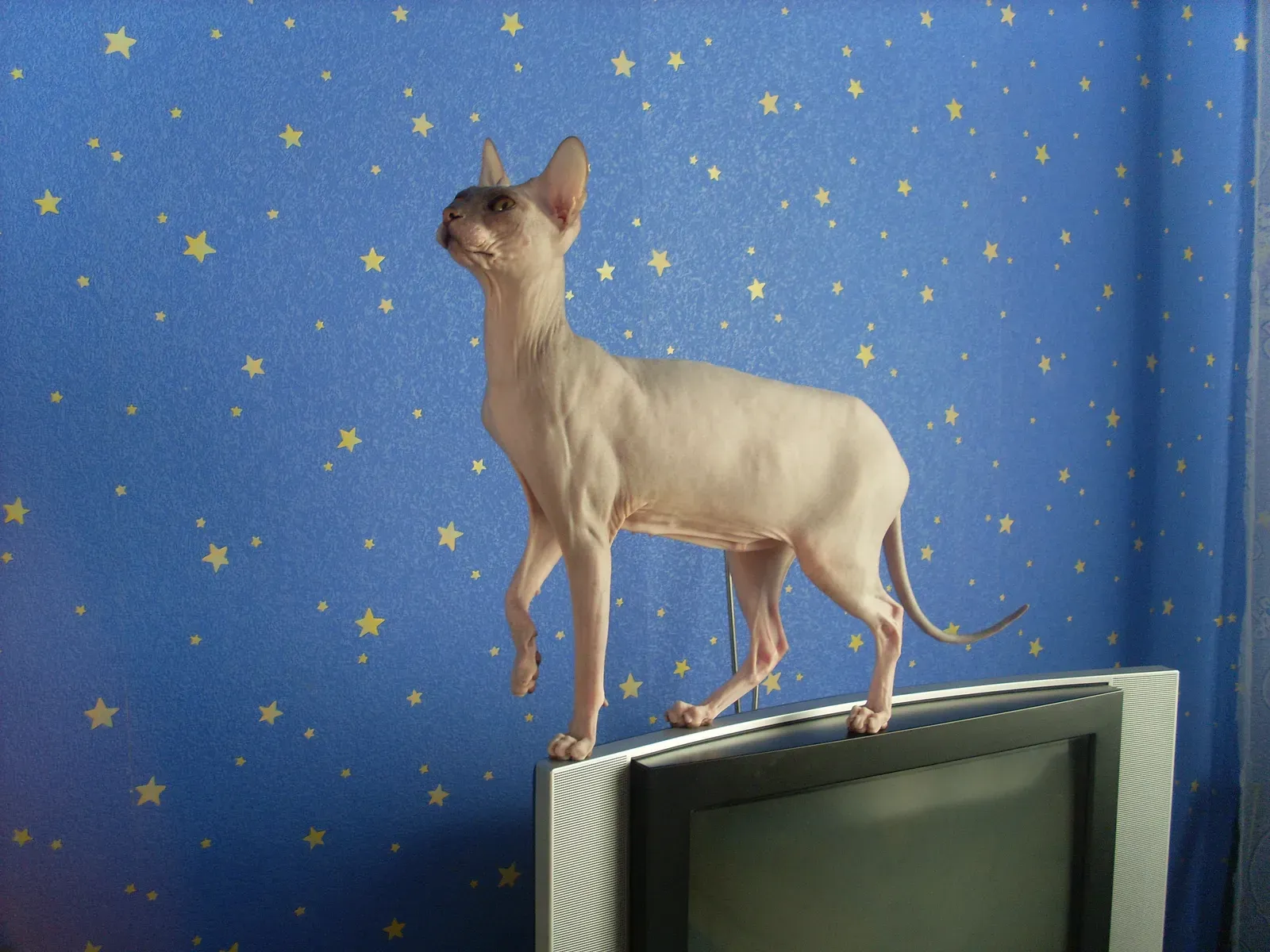
This Russian hairless cat breed was created in St. Petersburg in 1994 by Olga S. Mironova. The unusual kitties, characterized by a bald, flocked, velour, brush or a straight coat, carry a hair-losing gene which may cause hairlessness. Their lack of fur hasn’t dampened their enthusiasm for conversation one bit.
Another hairless breed that was created as a result of a random mutation, the Peterbald was developed by crossing bald Russian cats with Oriental Shorthair cats. The Oriental Shorthair takes the No. 2 spot on our list of most vocal cat breeds, so it makes sense that the Peterbald is another talkative breed. Peterbalds are extremely people-oriented and do their best to communicate and bond with their people through plenty of feline conversation. If you’re looking for a cat that craves constant companionship and isn’t shy about expressing their needs, the Peterbald might be your match.
Turkish Angora: The Elegant Talker
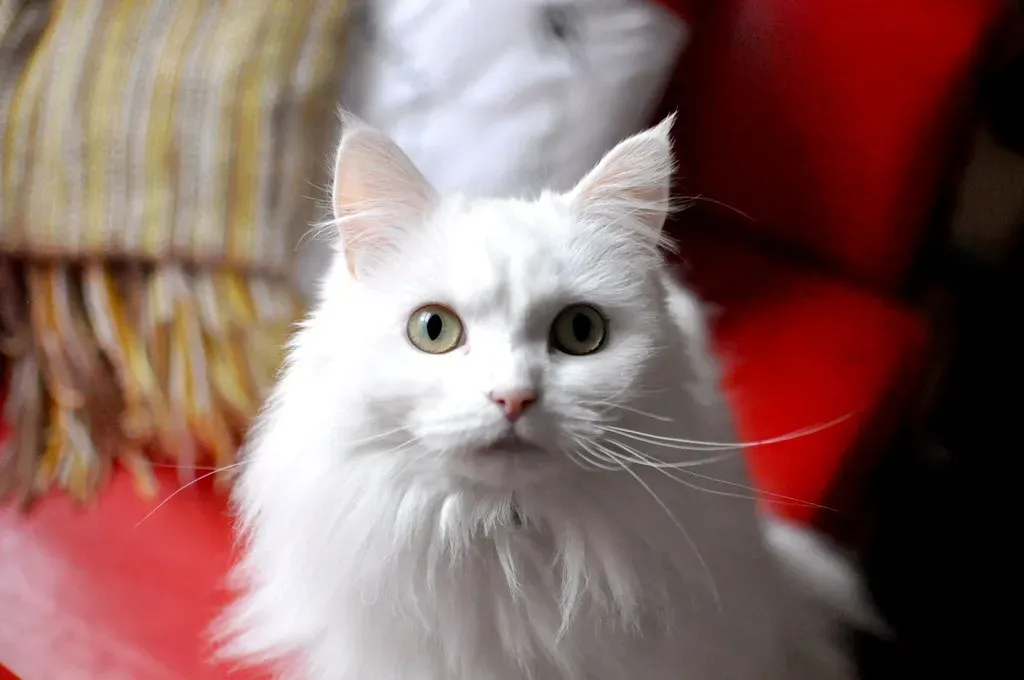
The Turkish Angora is an ancient cat breed originating from Turkey. It is believed that this breed is the origin of the mutations for white coat and long hair. These graceful felines have been charming humans for centuries with their stunning appearance and engaging personalities.
Sporting a royal heritage, the Turkish Angora hails from the mountains of Turkey and was treated regally by Louis XVI and Marie Antoinette before sailing to the United States. His huge, almond-shaped eyes and tufted ears will charm you as he converses with you with plenty of happy talk. They are very intelligent, playful, agile and affectionate. Their silky coat may be low maintenance, but their need for conversation certainly isn’t.
Bengal: The Wild-Sounding Communicator
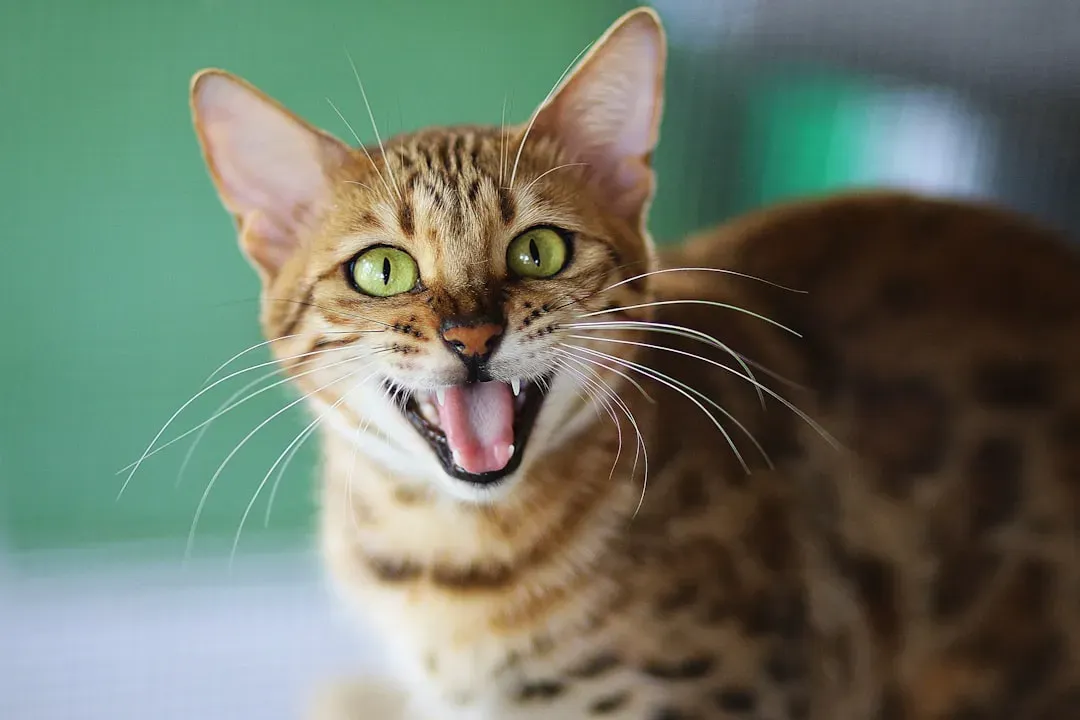
Designed to resemble exotic wild cats such as leopards, ocelots and clouded leopards, the Bengal is a domestic cat of remarkable appearance. This hybrid of the Asian leopard cat and the domestic cat inherited the vividly marked coat of the wild cat and friendly personality of the domestic cat. Their exotic appearance isn’t the only thing that sets them apart.
These affectionate kitties are known to be remarkably playful, intelligent and chatty. Bengal cats are not only visually striking but also vocally impressive. They make various sounds, including meows, chirps, and even yowls. These vocalizations reflect their active and playful personality, often used to express their needs or desires. Living with a Bengal means embracing a cat that sounds as wild as it looks, even if their heart is pure domestic.
American Bobtail: The Chirpy Companion

This is a peculiar and uncommon feline breed characterized by a “bobbed” tail. The tail is a result of a body type genetic mutation, similar to that observed in the Manx cats. Their shortened tail gives them a distinctive appearance that’s matched by their equally distinctive vocalizations.
They are known to be playful, vocal, social and extremely intelligent. Although they’re not one of the biggest chatterboxes on this list, the American Bobtail still likes to vocalize their thoughts. They’ll purr, meow, chirp, and even trill as they follow their favorite two-legged companions around the house. Honestly, there’s something endearing about a cat that chirps like a bird when they’re excited to see you.
Balinese: The Longhaired Siamese Singer
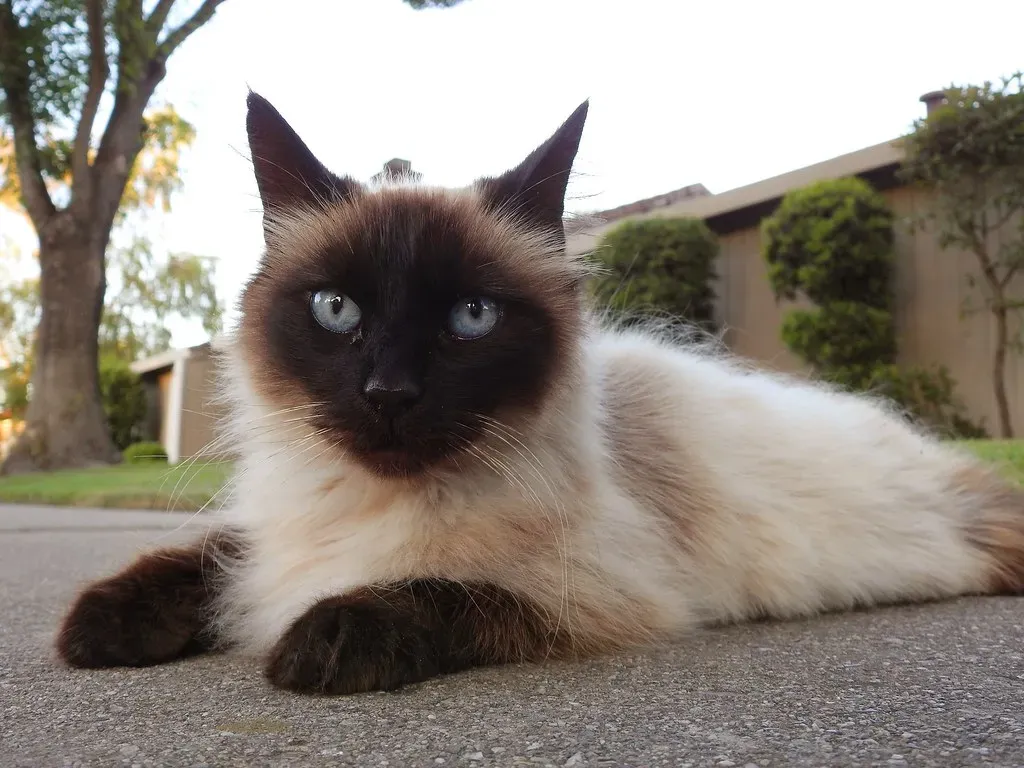
Originally known as longhaired Siamese, the Balinese started as an undesirable result of breeding Siamese cats. It wasn’t until the 1940s and ’50s, when American breeders fell in love with the longhaired kittens, that the breed began to be developed properly. What breeders created was essentially a Siamese in a more glamorous package.
Due to their close ties with the Siamese, the Balinese are among the most vocal cats around. They share many of the same personality and appearance traits, from their coat color to their chatty, follow-you-everywhere natures. If you’re not fond of the loudness of the Siamese but don’t mind a chatty cat, the Balinese are talkative but not quite as noisy. Think of them as the slightly mellower version of their Siamese cousins, though they still have plenty to say.
Singapura: The Tiny Voice with Big Opinions
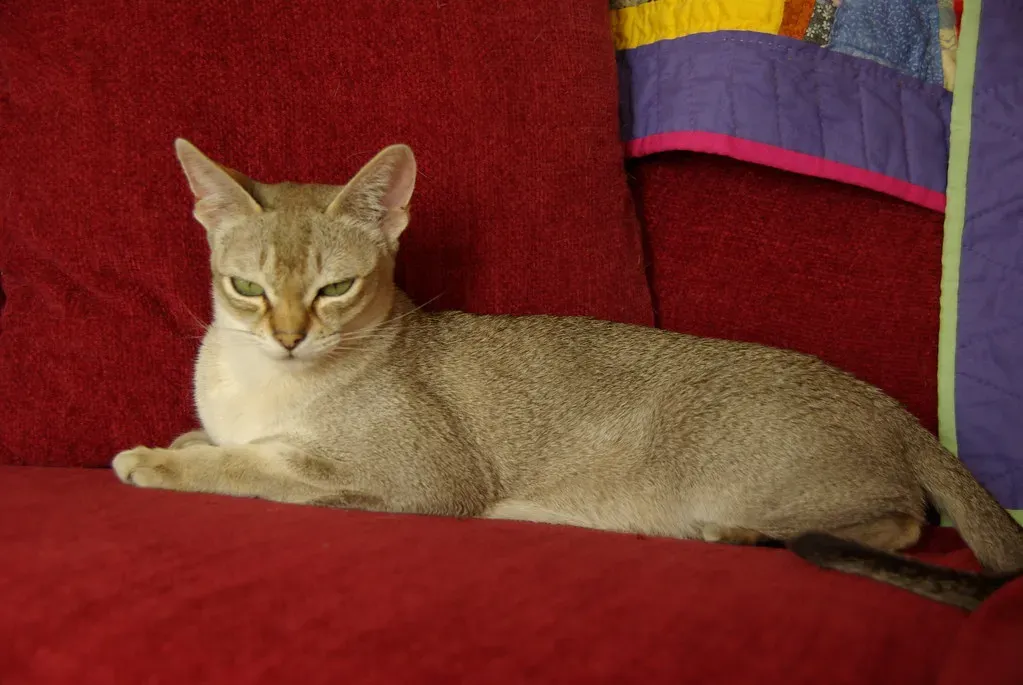
Unofficially, the tiniest cat breed, the Singapura, weighs between 4 – 8 pounds. What’s even more amazing is that this tiny kitty can roar loudly to get your attention. Don’t let their small size fool you into thinking they’ll be quiet.
For such small creatures, Singapuras are packed full of energy. They are extremely energetic, and athletic, thriving on doing things rather than napping. These pint-sized chatterboxes love the sound of their own voices and will use them liberally to ensure you’re paying attention. It’s hard to say for sure, but their vocal persistence might just be their way of compensating for being the smallest cats in the room.
Conclusion
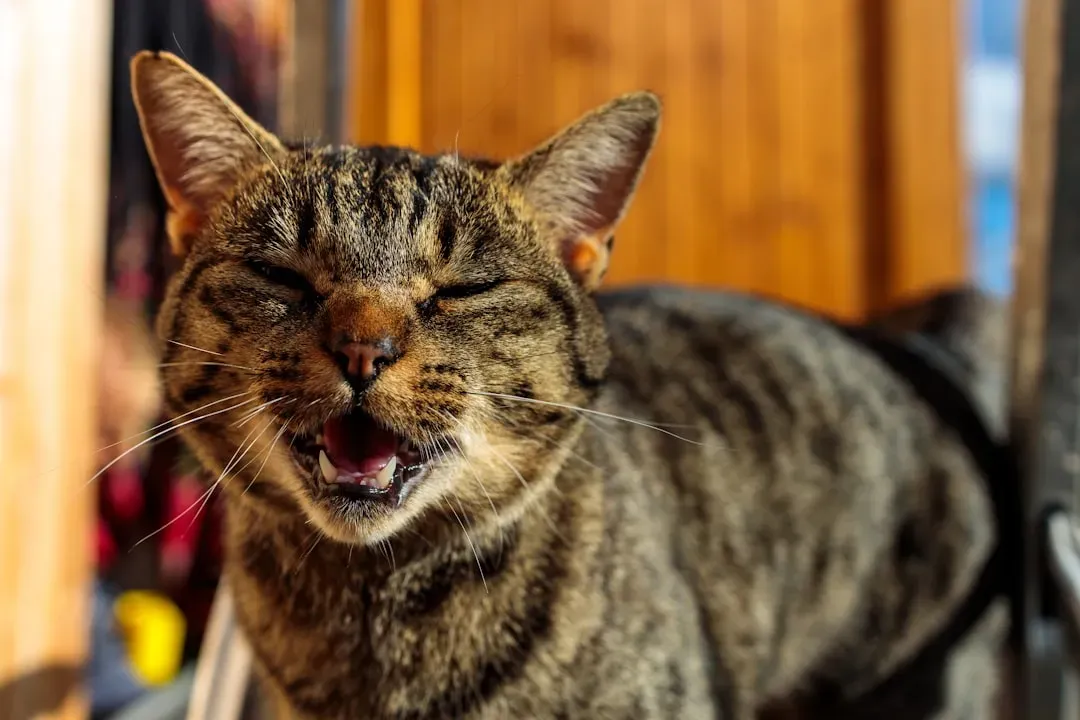
If you’ve ever dreamed of having full-blown conversations with your cat, these seven uncommon breeds might just make that fantasy a reality. From the sweet quacking of the Tonkinese to the persistent commentary of the Singapura, each breed brings its own vocal personality to your home. Sure, you might never enjoy a truly quiet morning again, but you’ll gain a companion who genuinely wants to share every thought that crosses their feline mind.
Whether you’re drawn to the elegant Turkish Angora or the exotic-looking Bengal, remember that a vocal cat is a communicative cat. They’ll tell you when they’re hungry, bored, happy, or just need some attention. What do you think about living with a chatty cat? Would you welcome the constant conversation, or do you prefer the strong, silent type?