Cats have lived alongside humans for roughly ten thousand years, yet most of us still feel like we’re living with a creature from another planet. You watch your cat stare into the middle distance, twitch their tail for seemingly no reason, or headbutt your knee at 6 a.m., and you wonder – what on earth are they trying to tell me?
Here’s the thing: your cat is actually talking to you constantly. Every blink, every tail flick, every tiny chirp directed at you is a message loaded with meaning. You just need the right translator. Let’s dive in and discover what your feline friend has been saying all along.
1. Master the Art of the Slow Blink
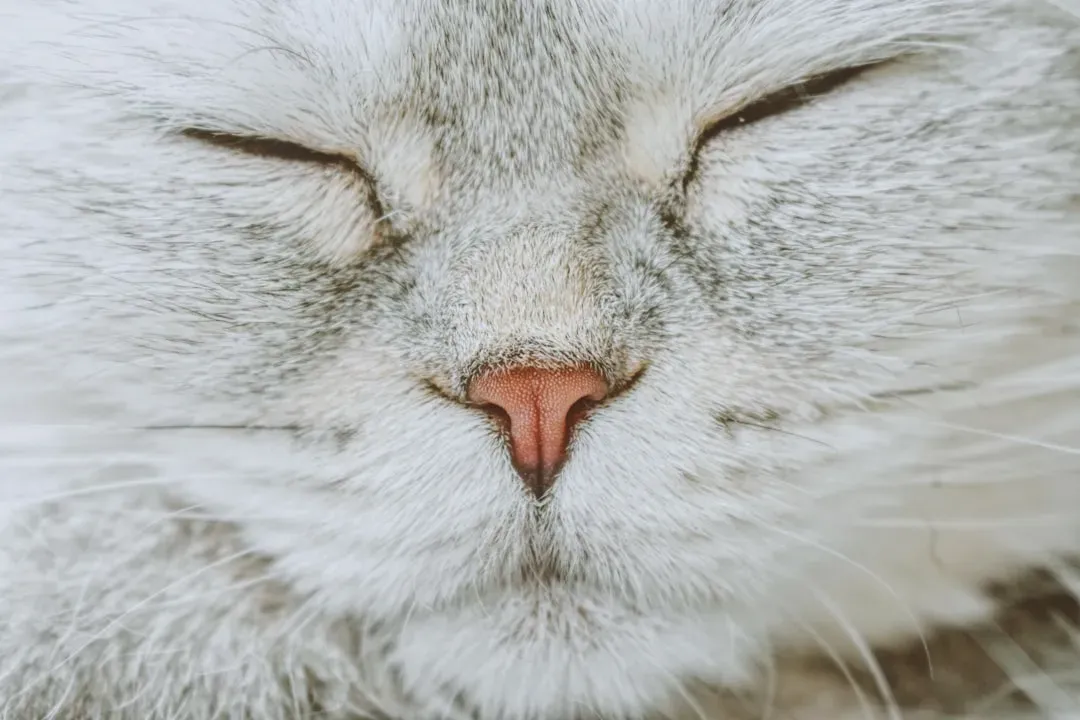
If you’ve never tried slow-blinking at your cat, you’re genuinely missing out on one of the most surprisingly tender moments you can share with a feline. Slow blinking is a gesture of trust and affection that cats use to communicate with each other, and it’s a sign that your cat feels safe with you. Think of it less like a blink and more like a whispered “I love you” across the room.
When a cat slow blinks at you, they are often expressing a sense of trust, contentment, and affection. In the feline world, closing their eyes in the presence of another creature makes them vulnerable, as they are unable to detect potential threats. That’s the depth of trust your cat is showing you in that one sleepy little gesture.
Research revealed that cat half-blinks and eye narrowing occurred more frequently in response to owners’ slow blink stimuli, and in a second experiment, cats had a higher propensity to approach an experimenter after a slow blink interaction than when they had adopted a neutral expression. In other words, science confirms: you can actually start a conversation with your cat through blinking. Try it tonight – look at your cat, narrow your eyes gently, and close them slowly for a couple of seconds. You might be amazed at what blinks back.
2. Learn to Read Your Cat’s Tail Like a Mood Barometer
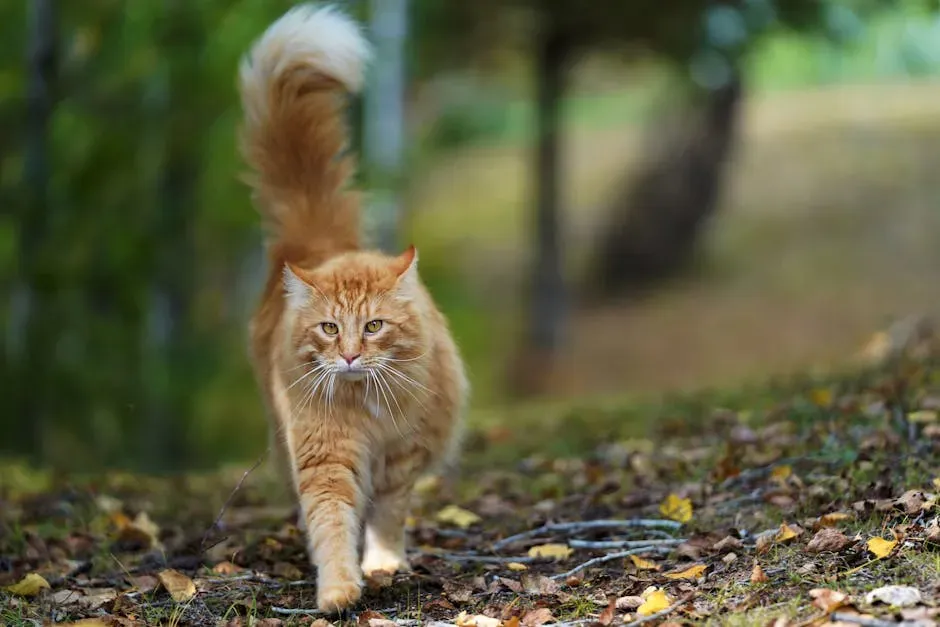
A cat’s tail is a powerful communication tool. From its position to its movements, your cat’s tail can reveal a lot about how they’re feeling. Honestly, once you start paying attention to it, the tail is probably the most expressive thing on your cat’s entire body.
One of the most reliable signs of a confident cat is a tail that’s lifted vertically, high in the air. Most of the time, this tail position indicates that the cat feels comfortable and open to interaction. So when your cat trots toward you with that tail held high like a little flag, they’re genuinely glad you’re there. A low or tucked tail is a cat’s attempt to make themselves appear smaller and less threatening – it is often a sign of anxiety or fear, so you should give your cat some space.
The cat may hold their tail close to their body or thrash and thump it when feeling stressed or annoyed. It’s a bit like how some people tap their foot when they’re irritated. Learning to respect those tail-based “back off” signals is, I think, one of the most important skills a cat owner can develop. Your relationship will genuinely improve the moment you stop pushing for cuddles when that tail is low and twitching.
3. Decode the Full Spectrum of Your Cat’s Vocalizations
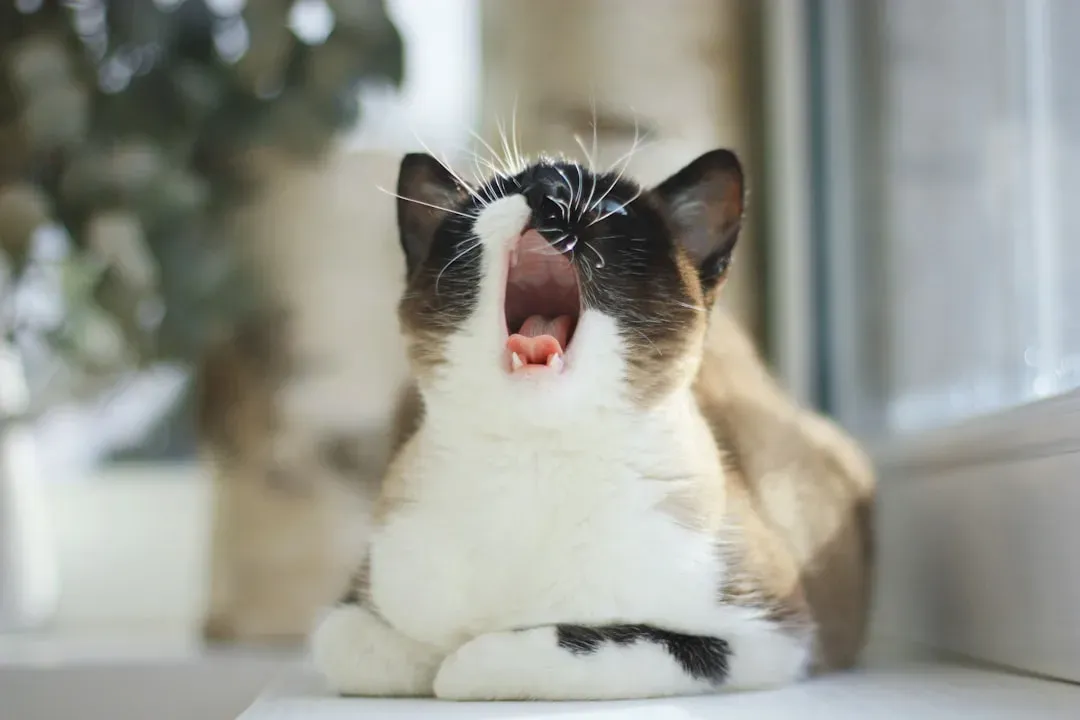
Cat communication methods have been significantly altered by domestication. Studies have shown that domestic cats tend to meow much more than feral cats. They rarely meow to communicate with fellow cats or other animals. That detail always blows people away. Your cat basically invented a whole meow vocabulary just to talk to you. You’re the reason they became so talkative.
Cats can learn to modify the characteristics of their meows, such as their tone or duration, to let people know what they want, particularly when it comes to food. Not surprisingly, research shows cat owners are significantly better at understanding their cat’s vocalizations than non cat-owners. You’re already further along in learning their language than you might realize.
A trill is produced with a soft voice and sounds like a purr but with a higher pitch. Cats may trill to greet and thank their human family members for something, such as a snack or a pet. It is one of the most common amicable sounds a cat makes. Pay attention to that little rolling trill – it’s essentially your cat saying “thank you” or “hello, I’m happy you’re here.” A cat who’s yowling is communicating several things. Generally yowling is a form of aggression aimed towards another cat or an animal, but yowling may also imply pain, illness, or convey a feline’s reproductive status during mating season. The bottom line: listen more carefully and you’ll hear an entire conversation you’ve been missing.
4. Understand What Purring Really Means
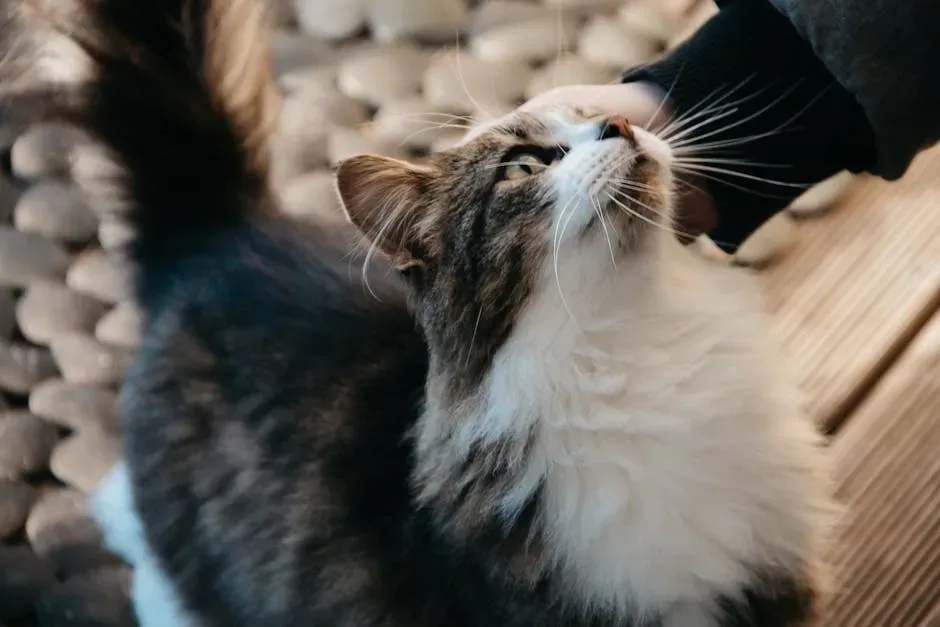
Most of us hear a purr and immediately think: happy cat. It’s a reasonable assumption, but it’s also, let’s be real, a bit oversimplified. We often think that our cats are happy when they purr, but this is only true if their body language is relaxed. They can also purr to get your attention and fuss, and sometimes cats can purr in stressful situations, such as going to the vet.
Purring is believed to indicate a positive emotional state, but cats sometimes purr when they are ill, tense, or experiencing traumatic or painful moments. It has also been suggested that purring can act as a soothing mechanism and can promote healing. That second part is genuinely fascinating – a cat purring while in pain may actually be self-medicating through vibration.
It’s important to watch your cat’s body language as well as looking at the context, as this is a better indicator of whether they are happy and comfortable. Think of purring as a clue, not a conclusion. A deeply relaxed cat sprawled across your lap, purring with soft half-closed eyes? Pure joy. If the cat’s ears are back, their pupils are dilated, they’re tense or hunched up, or they’re acting differently than normal, then purring may indicate that the cat is uncomfortable or unhappy. Context, always context.
5. Respond to Head Bunting and Kneading With Intention

The moment your cat presses their forehead firmly into yours or starts rhythmically kneading your lap, something genuinely sweet is happening. When your cat presses their head against you, they release pheromones to mark you, bond with you, and communicate trust. They’re literally writing your name on you in a language only they can read.
Head bunting is a way for cats to leave their scent on you, which serves multiple purposes. By marking you with their scent, your cat is claiming you as part of their “family” and territory. Moreover, head bunting strengthens the bond between you and your cat as it creates a shared scent profile, which is reassuring and comforting to them. It’s the feline equivalent of draping an arm around your shoulder and saying “this one’s with me.”
Kneading, often referred to as “making biscuits,” is the rhythmic motion cats make by pushing their paws into a soft surface, alternating between left and right paws. This behaviour is commonly observed when a cat is relaxed, such as on a cozy blanket or their owner’s lap. Kneading originates from kittenhood, when kittens press their paws against their mother’s belly to stimulate milk flow. This comforting behaviour often persists into adulthood, associated with feelings of security and contentment. When your cat kneads you, you are essentially their comfort blanket – and that’s honestly one of the highest compliments a cat can pay.
6. Tune Into Their Eyes and Ear Positions
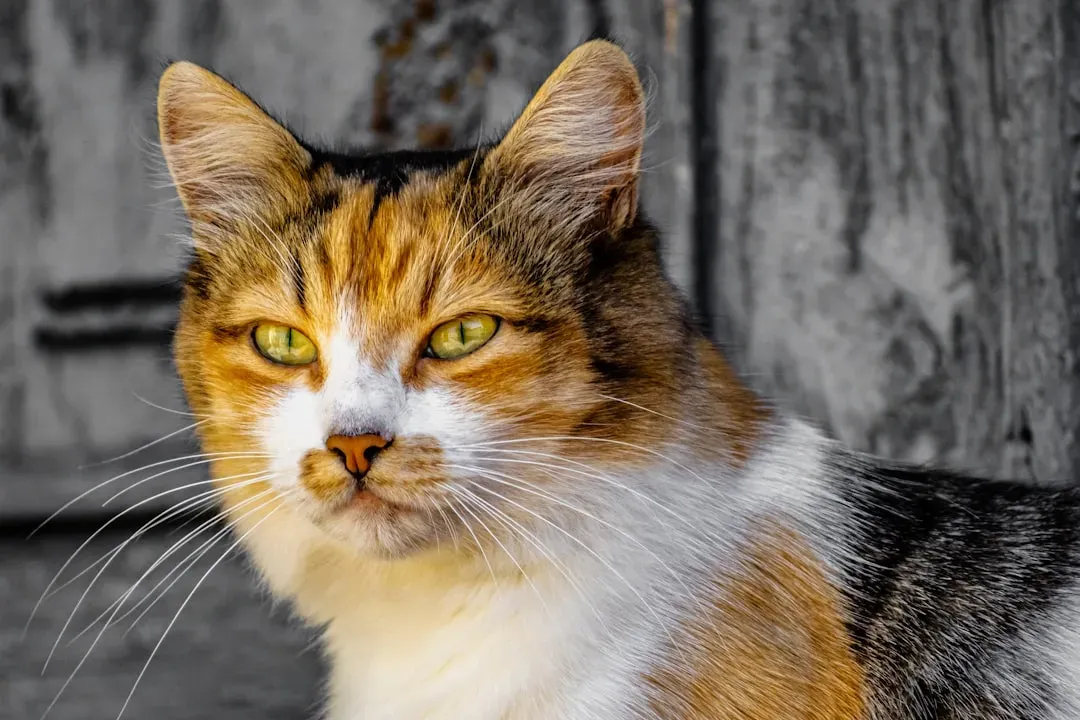
Our feline friends have their own cat language to communicate their thoughts and emotions. They use both their body – including their eyes, ears, whiskers, and tail – and their voice to show what they are thinking and feeling. But I’d argue that the eyes and ears together form the most revealing combination of all, like a real-time emotional readout.
Wide-open eyes may indicate fear, interest, excitement, or aggression, while half-closed or drooping eyes convey relaxation and friendliness. Slow blinking is a sign of trust and comfort, and reciprocating the gesture can reinforce the feeling of safety. Meanwhile, in cats who are experiencing an increasing level of fear, anxiety, or stress, their ears might be tucked back on their head or held low and rotated to the sides – what’s often called “airplane ears.”
Whiskers are highly sensitive tactile hairs that provide spatial awareness. When a cat’s whiskers are pulled back, it often indicates stress or defensive behaviour, while whiskers pointing forward signify curiosity and readiness to explore. The positioning of whiskers is closely linked to a cat’s emotional state and sensory engagement with their environment. Put it all together – ears, eyes, whiskers – and you have a remarkably accurate picture of exactly how your cat is feeling in any given moment. It’s a skill that takes a little practice, but once you’ve got it, it feels like a genuine superpower.
7. Respect Their Boundaries and Let Them Lead
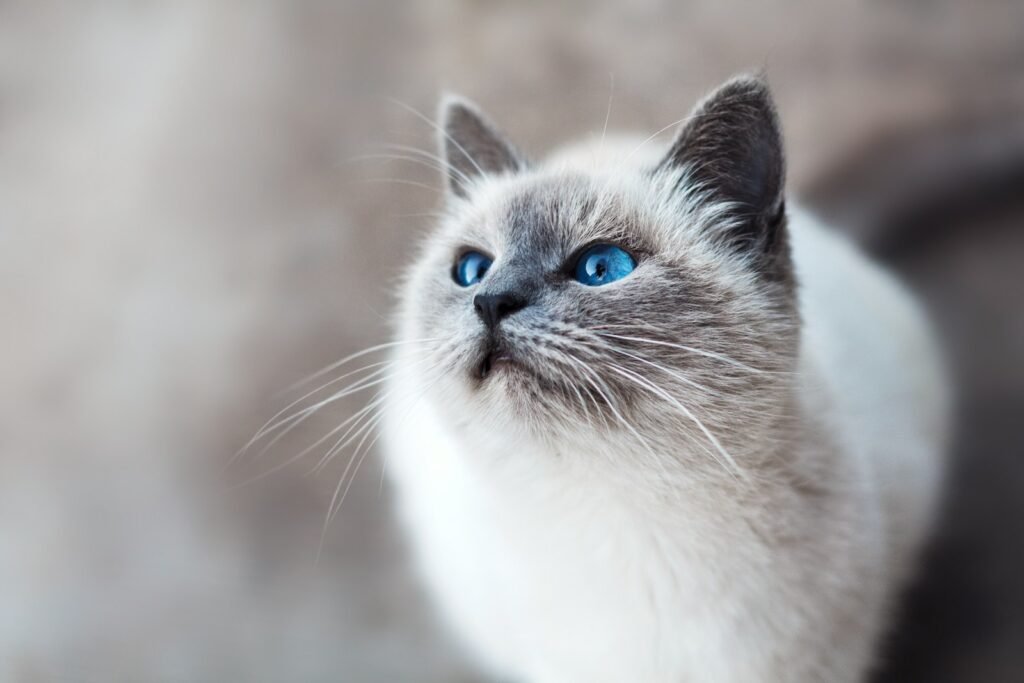
Here’s something a lot of well-meaning cat owners struggle with, myself included: sometimes the best way to speak your cat’s language is to simply be quiet and let them come to you. Cats are independent creatures who value their autonomy. Forcing affection can push them away. If your cat walks away during cuddle time, don’t chase them – they’ll come back when they’re ready, and respecting their boundaries strengthens trust.
Unlike dogs, who may express themselves loudly and obviously, cats often use quiet, nuanced movements. Recognizing these signals helps you prevent miscommunication that can lead to stress or aggression, recognize when your cat is feeling unwell or anxious, and build trust by responding to your kitty’s needs appropriately. It’s a relationship, after all – not a performance.
Behavior is always contextual, so pay attention to the cat’s entire body and to what’s going on in the environment. By paying close attention to our cats’ body language, we can do a better job of attending to their needs and have even stronger, happier relationships with them. There’s something almost meditative about learning to observe your cat without agenda. Bonding is essential for a cat’s emotional and physical well-being, reducing stress and promoting a sense of security. When your cat finally chooses to curl up next to you, not because they had to, but because they wanted to – that’s the whole payoff.
Conclusion: You’ve Been Speaking Cat All Along – You Just Didn’t Know It

Learning your cat’s language isn’t about memorizing a list of rules. It’s about paying attention. Really paying attention. Every slow blink, every tail position, every chirp and trill and kneading session is your cat reaching out across the species divide and trying to connect with you. That’s extraordinary when you think about it.
The cats who seem “cold” or “aloof” are often simply misunderstood. Once you start reading their signals accurately and responding in kind – returning that slow blink, respecting those flattened ears, leaning into that headbutt – you’ll likely discover a depth of affection you never knew was there all along.
Your cat has been speaking to you this whole time. Now you finally know what they’ve been saying. Have you already noticed any of these signals from your own cat without realizing what they meant? Drop your thoughts in the comments – we’d love to hear your stories.