You might love the idea of a cat, but feel a bit nervous about actually living with one, especially if this is your first pet as a family. Cats can seem mysterious, picky, or even aloof from the outside, and you may worry about choosing a breed that feels too intense, too active, or too hard to read. The good news is that some breeds tend to be more predictable, people-focused, and easier for beginners to understand day to day. In this guide, you’ll walk through eight cat breeds that are often a smoother fit for first-time family homes. You’ll see what their typical personality is like, what kind of grooming and play needs they have, and what real life with them actually feels like. Of course, every cat is an individual, but when you start with breeds that are known for being friendly, adaptable, and clear in how they communicate, you give yourself a much better chance of a calm, happy match.
1. Ragdoll: The Laid-Back Lap Companion
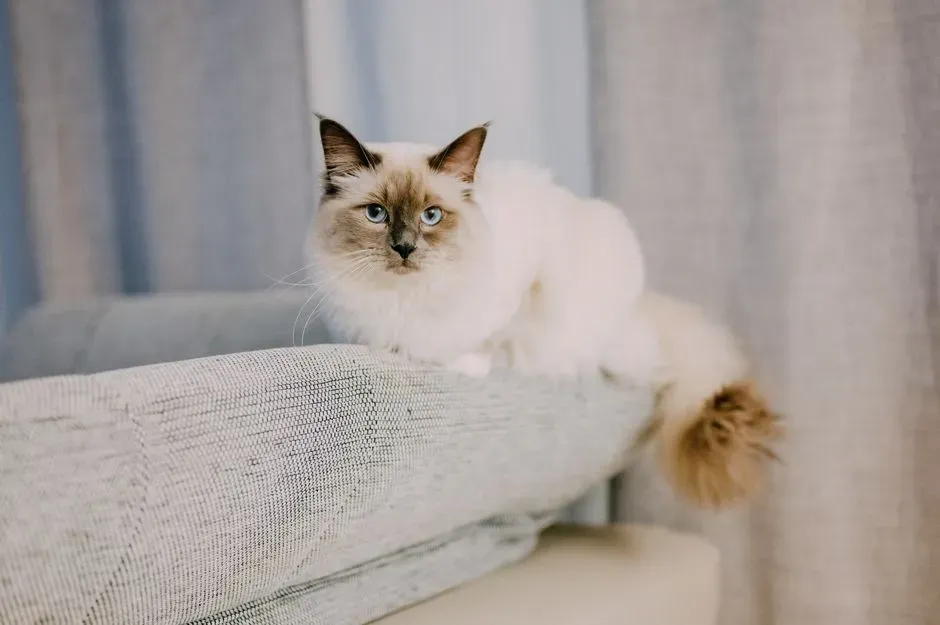
If you picture a family-friendly cat that practically melts into your arms, you’re probably thinking of a Ragdoll. You’ll usually find them calm, gentle, and surprisingly relaxed about being handled, which can be reassuring if you’re new to reading feline body language. Many Ragdolls prefer to stay close to you, following you from room to room and choosing laps or soft blankets over high shelves and trouble spots. You’ll also notice that their behavior tends to be fairly predictable: they’re more likely to flop next to your kids on the couch than sprint across the counters in the middle of dinner prep. Their semi-long coat looks dramatic, but it feels soft and silky and usually doesn’t mat badly if you brush it a few times a week. If you want a cat who’s affectionate, easygoing, and not constantly pushing boundaries, a Ragdoll can make cat life feel wonderfully straightforward.
2. British Shorthair: The Calm, Steady Housemate
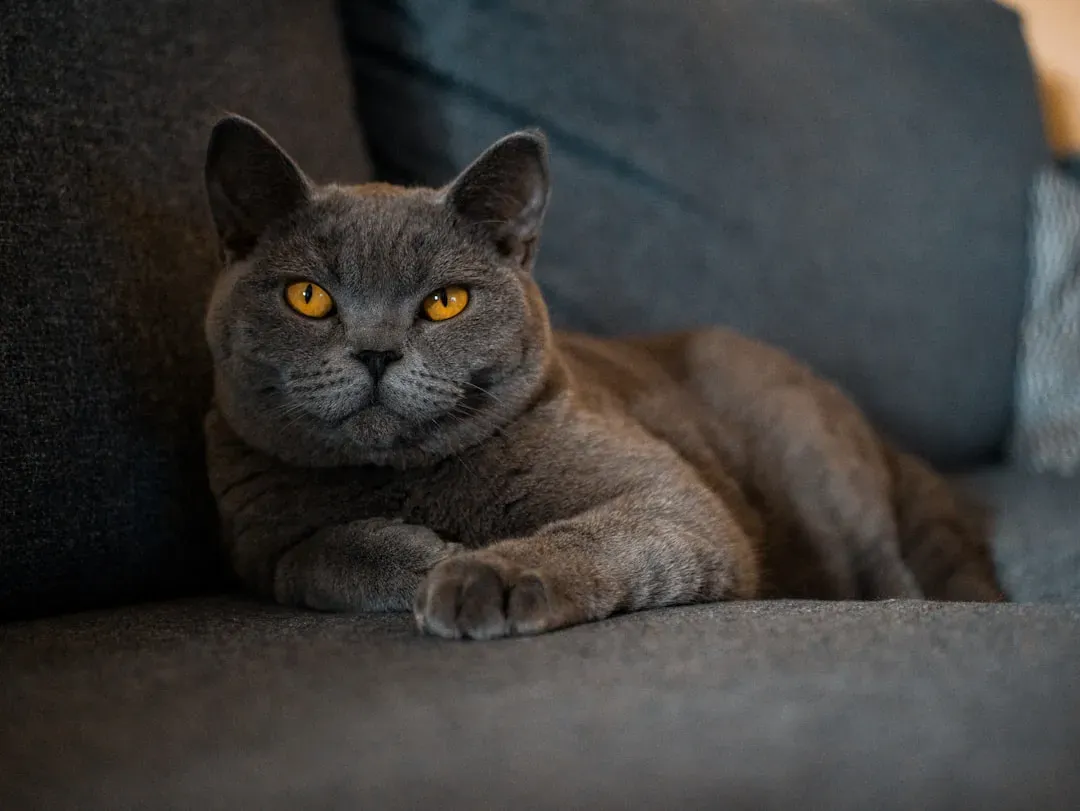
When you think of a cat that just quietly fits into family life, the British Shorthair is a strong contender. You can expect a solid, sturdy cat who usually prefers a calm presence over wild antics, which can make it easier to notice when something is off. They tend to be affectionate on their own terms, often happy to sit nearby rather than right on top of you, so you’re less likely to feel overwhelmed if you’re not used to clingy pets. Their short, dense coat is simple to care for, and weekly brushing is usually enough to manage shedding and keep loose hair from taking over your home. You’re also likely to appreciate their balanced energy level: they enjoy toys, wands, and gentle play, but they don’t usually demand non-stop action. If you want a cat who feels like a calm, dependable roommate more than a tiny tornado, this breed is often very straightforward to live with.
3. American Shorthair: The Easygoing All-Rounder
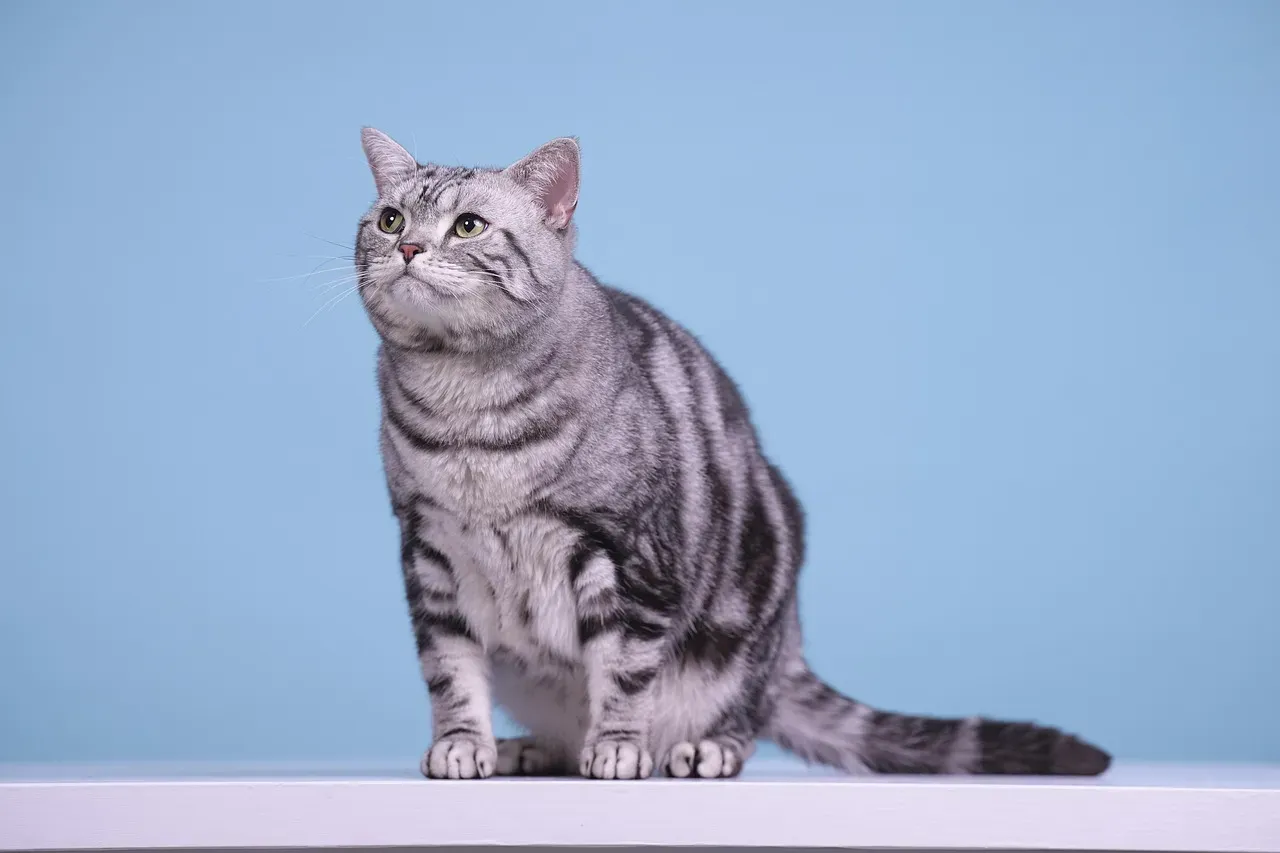
If you’re not sure what you want in a cat yet, the American Shorthair is a classic, easygoing starting point. You’ll usually get a friendly, adaptable personality that fits a variety of lifestyles, from apartments to larger homes, and from quiet couples to busy families with kids. They’re often confident without being pushy, so you can learn their signals without being overwhelmed by dramatic mood swings. You’ll also appreciate how practical their grooming needs are. Their coat is short and fairly low-maintenance, so a quick weekly brush is often enough to reduce loose hair and keep things tidy. Many American Shorthairs enjoy interactive play and puzzle toys, but they’re also usually content to entertain themselves for a while and then curl up near you. If you want a cat that feels like a balanced, no-drama companion, this breed typically ticks a lot of boxes for beginners.
4. Maine Coon: The Gentle Giant You Can Read
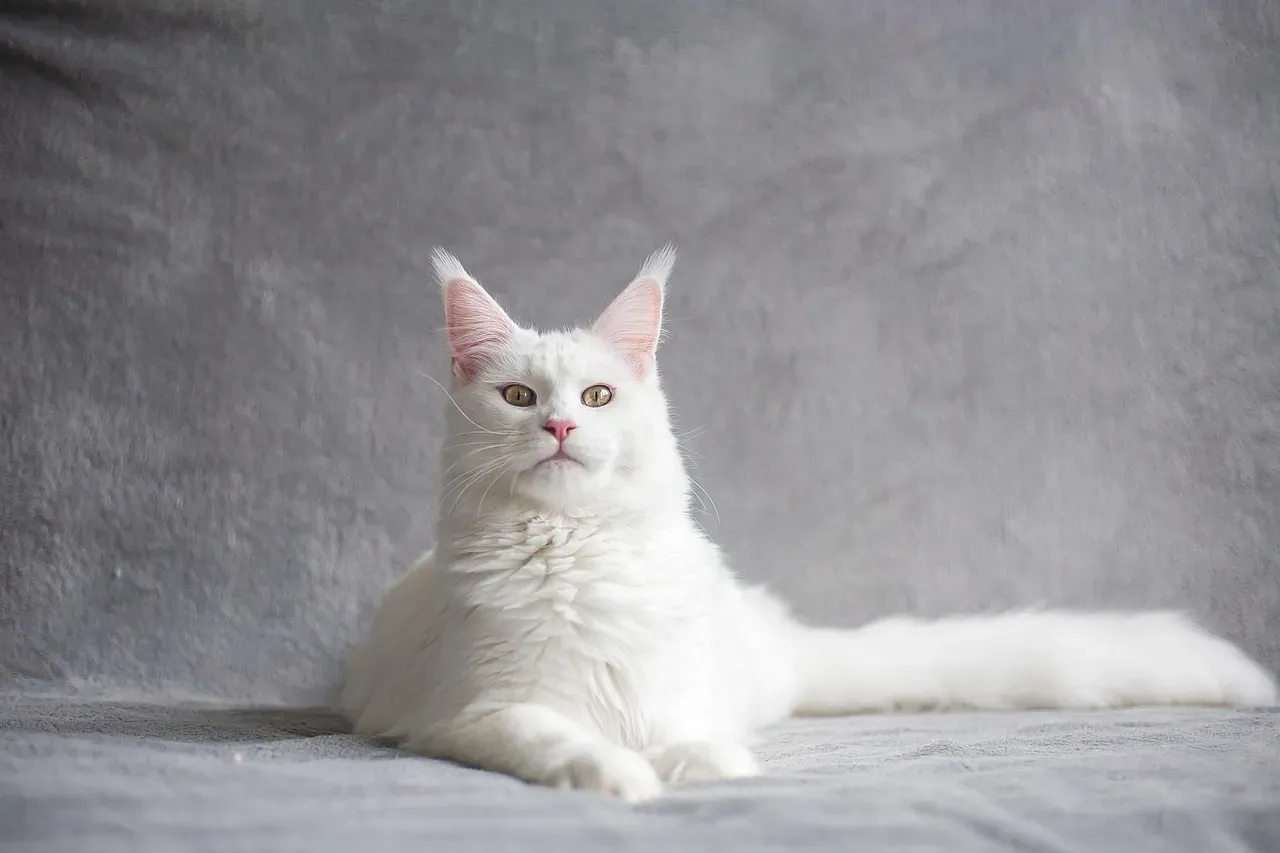
At first glance, a Maine Coon’s size and big, wild look can seem intimidating, especially if you’re new to cats. But once you live with one, you often find that their personality is surprisingly gentle, playful, and easy to understand. Many people describe them as doglike in the way they follow you around, show interest in what you’re doing, and often make eye contact as if they’re checking in with you. You do need to be comfortable with grooming and feeding a larger cat, because their semi-long coat benefits from regular brushing, and their size means they eat more. In return, you usually get a friendly companion who loves interactive play, tends to be social with visitors, and is often patient with respectful children. If you like the idea of a big, expressive cat who wears its emotions almost on its sleeve, a Maine Coon can be a surprisingly beginner-friendly “gentle giant.”
5. Exotic Shorthair: The Low-Maintenance Sweetheart
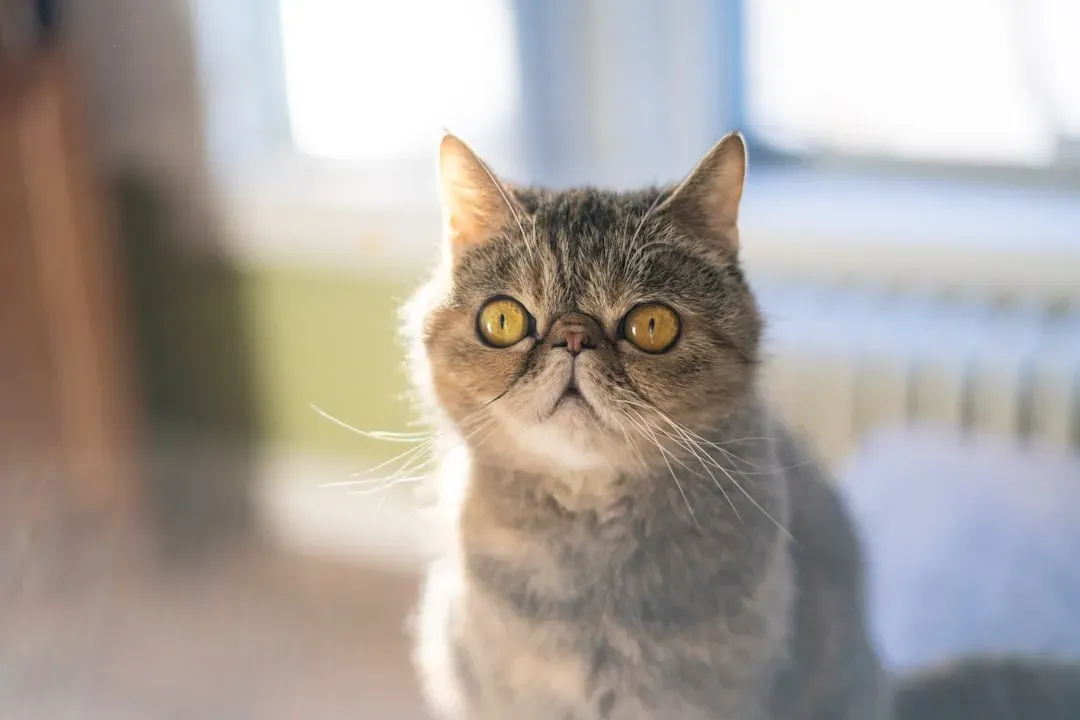
If you like the sweet, calm vibe of a Persian cat but feel put off by the intense grooming, you might find the Exotic Shorthair a lot easier to handle. You’re likely to see the same gentle, affectionate temperament, just in a package with a short, plush coat that’s simpler to keep clean. A few regular brushing sessions can go a long way, and you generally won’t be spending half your life detangling fur. Personality-wise, many Exotic Shorthairs are cuddly and people-oriented without being hyperactive, so you can enjoy their affection without constant chaos. They often prefer lounging next to you, playing with soft toys, and napping in sunny spots over high-intensity acrobatics. If you want a sweet, loving cat whose daily needs are simple and predictable, this breed often fits very comfortably into a beginner household.
6. Birman: The Friendly, People-Focused Companion
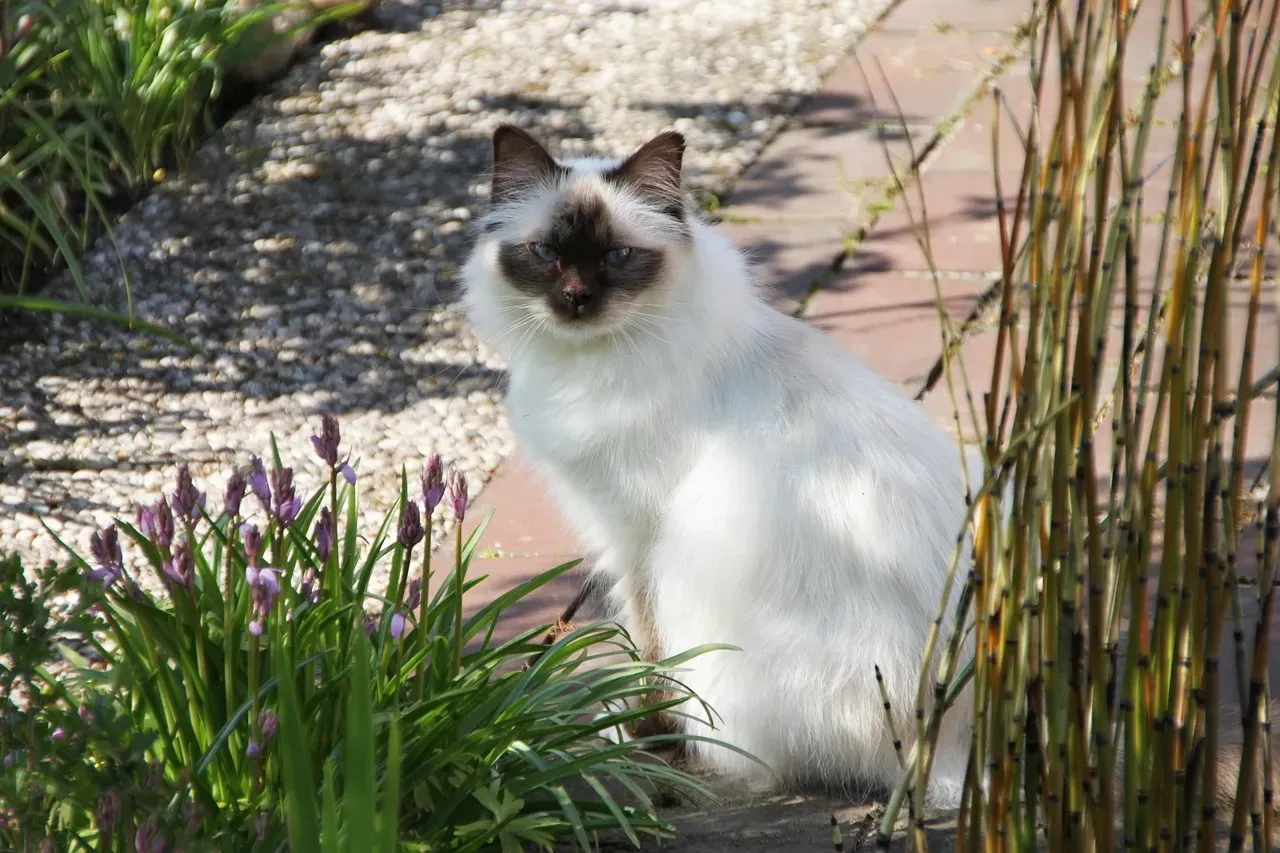
If you’re worried cats will be too aloof for your family, the Birman may surprise you. You can expect a sociable, people-focused cat that tends to bond closely with you, often choosing to stay nearby as you move around your home. They usually enjoy being involved in whatever is happening, whether that’s watching homework time, sharing the sofa during a movie, or quietly trailing you into the kitchen just to see what you’re up to. Their medium-length coat is silky and often less prone to matting than it looks, but you’ll still want to brush them a few times a week to keep loose hair under control. Birmans are typically playful but not extreme, which makes it easier to notice changes in behavior, energy, or appetite that might signal a problem. If you want a clearly affectionate cat who is easy to read emotionally and happy to be part of family routines, this breed can be an excellent match.
7. Scottish Fold (and Straight-Eared Relatives): The Soft-Spoken Shadow

When you first meet a Scottish Fold, the folded ears and rounded face may be what catch your attention, but it’s their gentle temperament that often wins you over. Many are soft-spoken, calm, and deeply attached to their humans, preferring to stay close without demanding constant attention. You may find one quietly following you from room to room and settling wherever you are, like a soft little shadow. However, you do need to be aware of health considerations with this breed, especially around their joints, because the same genetic trait that affects the ears can be linked to bone issues. If you choose a Scottish Fold or a related straight-eared cat from responsible breeding lines, you’ll want to pay attention to mobility, comfort, and any signs of stiffness. In daily life, though, you’re likely to experience a sweet, observant cat who’s easy to love and usually calm enough that you can clearly see when something changes.
8. Domestic Shorthair: The Lovable Mix You Meet at the Shelter
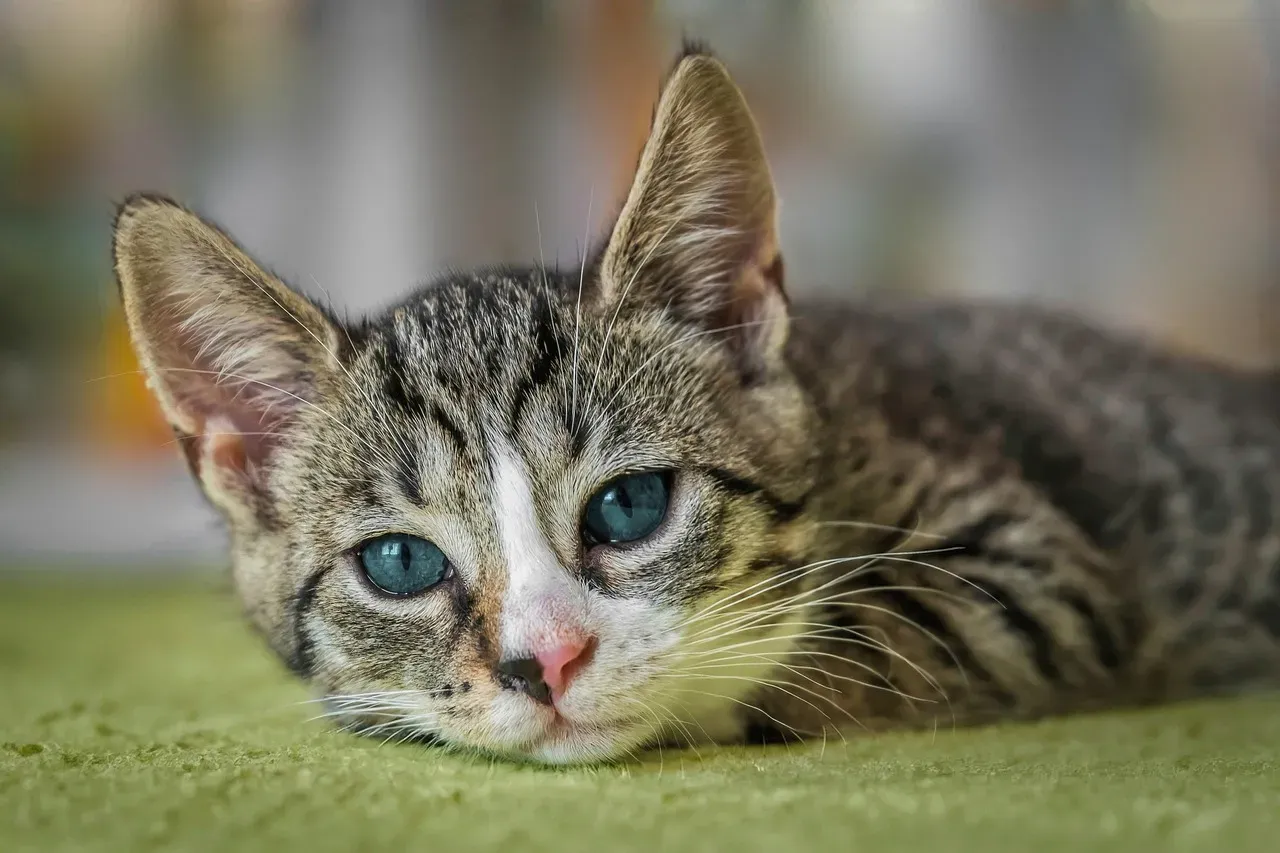
You might be surprised to see the ordinary-looking Domestic Shorthair on this list, but for many first-time families, this is exactly the cat that fits best. When you visit a shelter or rescue, you’ll often meet a wide variety of cats with mixed backgrounds, and staff can help you choose an individual whose personality already matches what you’re looking for. Instead of focusing on a specific breed label, you get to focus on what really matters: how the cat behaves, how it responds to your family, and how clearly you can read its signals. Domestic Shorthairs usually have easy coats to care for, and their personalities can range from mellow lap cats to playful buddies. Because you can observe them directly before adoption, you often get a clearer idea of what life will really be like. If you’re open-minded and more interested in a good fit than a fancy name, a well-matched Domestic Shorthair can be one of the most straightforward, rewarding companions you could bring home.
Conclusion: Choosing a Cat You Can Truly Connect With
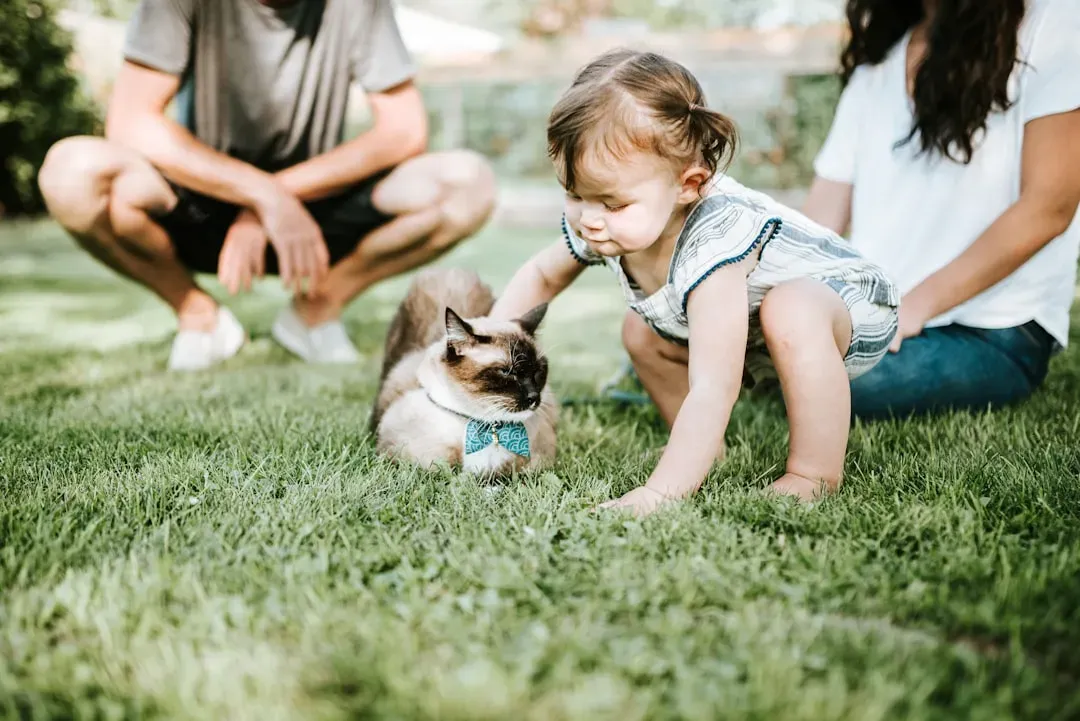
When you’re new to sharing your life with a cat, your biggest advantage is choosing a personality you can easily read and respond to. These eight options tend to offer calmer, more predictable, or more people-focused traits, which can make your first experience feel less like guesswork and more like a natural relationship. You’re not just picking a pretty face; you’re choosing a roommate, a playmate for your kids, and a small, furry presence that will quietly shape your daily routines. As you explore these breeds and mixed-breed options, pay attention to how a cat responds to you, how clearly you can tell when it’s happy, stressed, or curious, and how that lines up with your family’s energy. In the end, the “easiest” cat is the one whose needs and signals make sense to you and who feels like a genuine fit, not a project. When you find that match, you’ll discover that understanding a cat is less about being an expert and more about paying attention, caring consistently, and learning together over time. Which of these potential companions feels most like the one you can already picture waiting for you at home?
Kristina is a young writer from India. An arts graduate and an avid content creator, Kristina is passionate about animals and wildlife. She enjoys exploring topics related to pet care, animal behavior, conservation, and nature, combining thorough research with engaging storytelling.