If you share your home with kids, choosing the right cat is a much bigger deal than people admit. You are not just picking a cute, fluffy roommate; you are inviting a predator with sharp teeth, fast reflexes, and very real boundaries into your child’s daily life. Some breeds handle that chaos beautifully, but others can feel stressed, trapped, or even threatened around small, noisy humans.
This does not mean certain cats are “evil” or “bad,” but it does mean some breeds are a poor match for busy family homes. In this article, you will walk through eight cat breeds that are more likely to clash with children, along with the reasons why. That way, you can make a safer, kinder choice for both your cat and your kids – and avoid turning your living room into a battlefield of claws and tantrums.
1. Siamese: Intensely Loyal, Easily Overstimulated
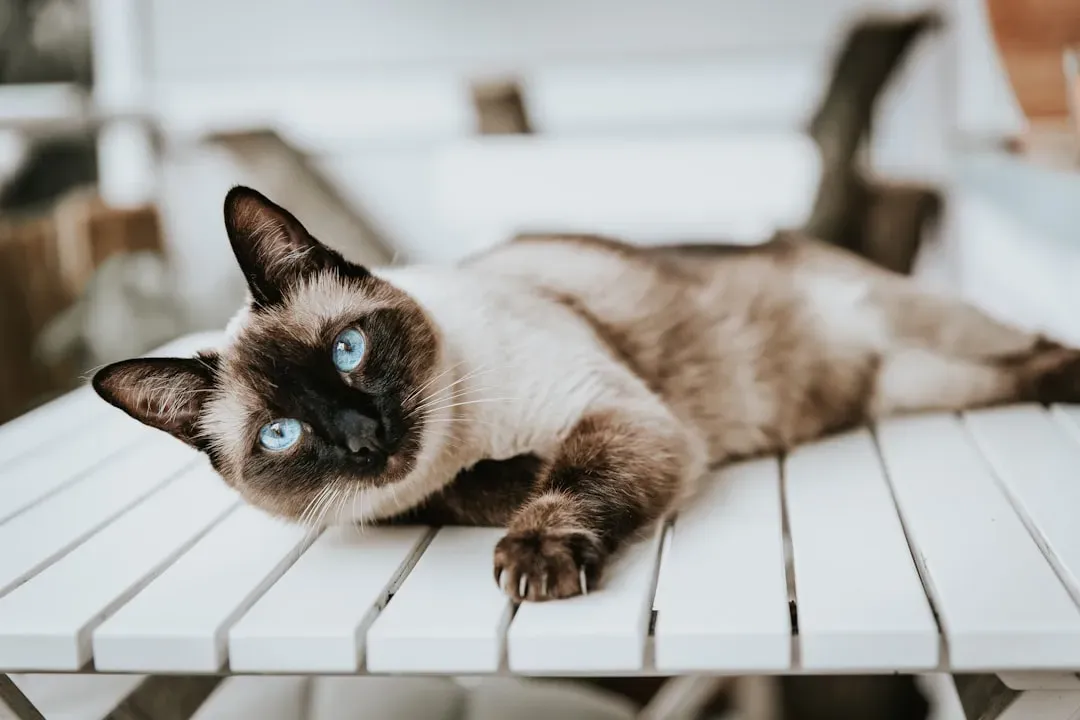
When you first meet a Siamese, you might be blown away by how smart, social, and talkative they are. The problem is that this intensity comes with a very low tolerance for rough handling, chaos, or inconsistent attention. A Siamese often bonds strongly with one person, and if your child barges in on “their” human or grabs them without warning, you may see swatting, hissing, or defensive biting.
You also have to remember that Siamese cats are famously vocal and dramatic when they are unhappy. A child may think the cat is “overreacting,” but from the cat’s point of view, they are desperately trying to set a boundary. If those signals get ignored – like when a toddler keeps chasing or pulling at them – a Siamese can go from affectionate to aggressive in the space of a heartbeat.
2. Bengal: Athletic Powerhouse in the Wrong Playground
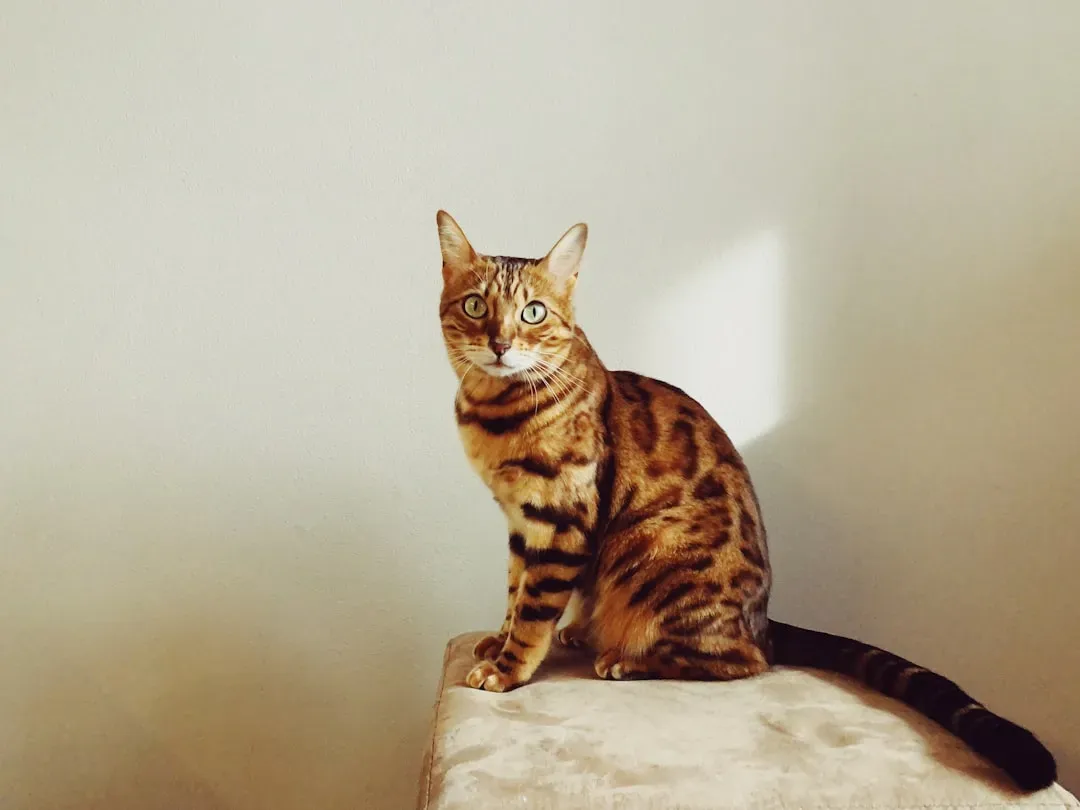
A Bengal is not really a couch cat; it is more like having a small, extremely athletic wildcat in your home. These cats have high prey drive, huge energy, and a strong need to climb, chase, and pounce. Around small children who move unpredictably or wave toys and fingers in front of their face, a Bengal can easily slip into hunting mode and treat your child like a moving target.
On top of that, Bengals get frustrated very quickly when they are bored or overstimulated. In a busy family household, a child may innocently rattle the cat’s nerves by poking them during rest or blocking their escape routes. When a Bengal feels trapped or teased, even by accident, they can respond with powerful swats or bites that are genuinely dangerous for little hands and faces.
3. Savannah: Too Wild and Too Strong for Young Kids
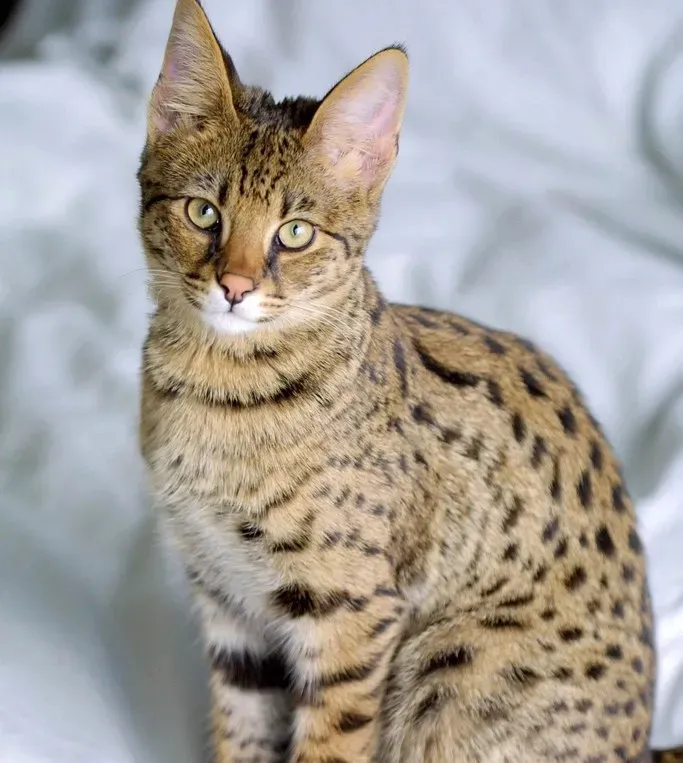
Savannah cats, especially those closer to their serval ancestry, are tall, muscular, and incredibly active. You may love their exotic look and dog-like behavior, but this is not the kind of cat that shrugs off clumsy hugs or squealing kids chasing them down the hallway. Their reaction time is lightning fast, and when they feel cornered or provoked, their defensive response can be intense.
Even if you think your Savannah is “just playing,” their play style can be way too rough for a child’s skin. They jump high, latch on with claws, and use their strength in ways that can leave serious scratches or bruises. If your child is still learning gentleness and boundaries, pairing them with a half-wild athlete like this is not just unfair – it is risky.
4. Sphynx: Social but Sensitive and Easily Overwhelmed
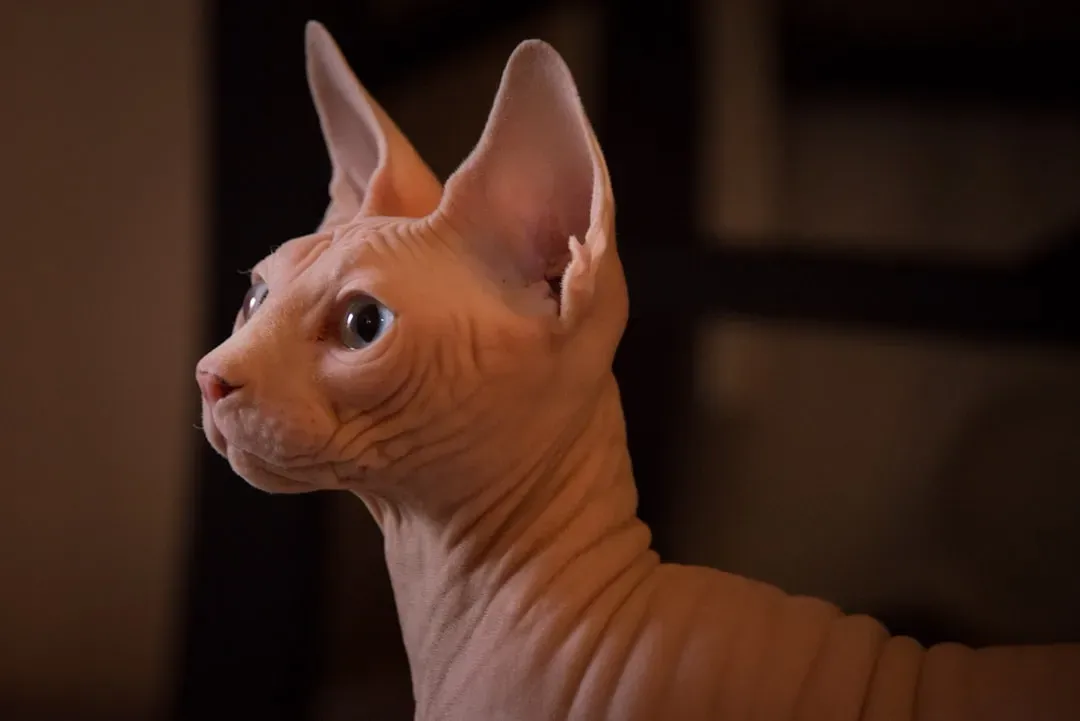
The Sphynx is often described as friendly and people-oriented, and that is true, but the breed also brings a lot of sensitivity. Because they have no fur, they feel touch more intensely, and clumsy hands can easily cross from “petting” to “painful” without your child realizing it. A Sphynx that is repeatedly handled too roughly may learn to expect discomfort around kids and start defending themselves.
Their skin also needs careful care, regular cleaning, and protection from temperature extremes. Children who want to carry them everywhere, dress them up, or drag them into hot, sunny windows can unintentionally cause discomfort or irritation. Once a Sphynx decides your child equals stress, you can see scratching, swatting, or frantic attempts to escape that end badly for everyone involved.
5. Russian Blue: Shy Nerves and No Patience for Chaos
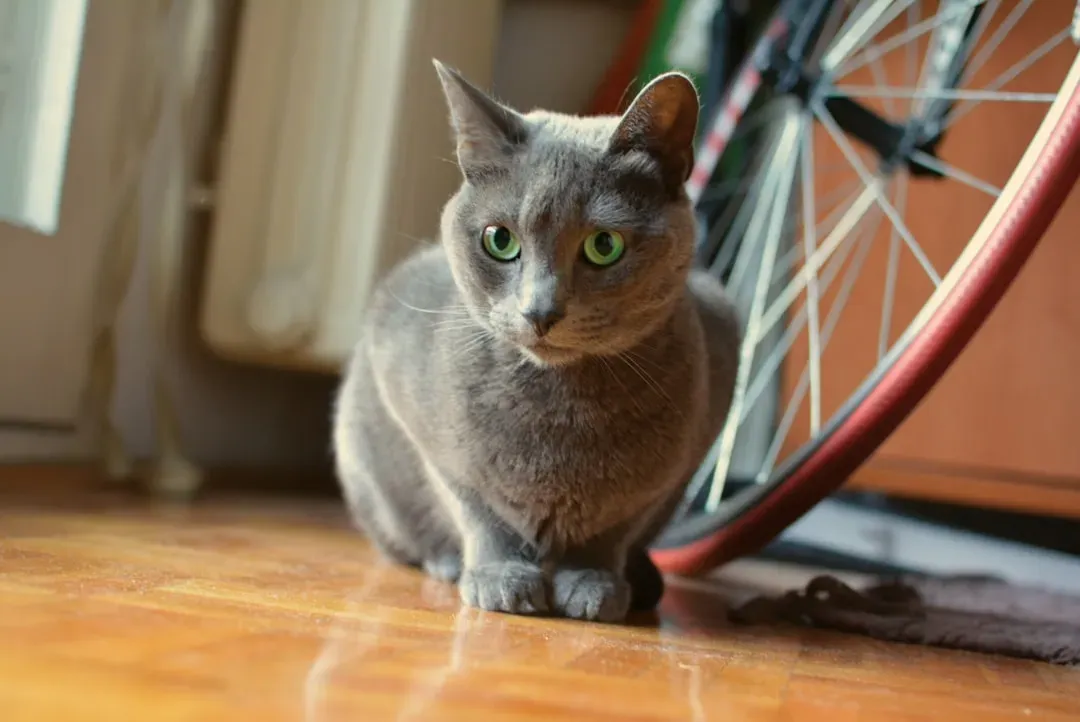
Russian Blues are typically gentle and quiet, but that calm exterior hides a very cautious, often shy nature. Many of them do not enjoy loud voices, sudden movements, or strangers rushing at them, which pretty much describes how a lot of kids interact with animals. Instead of engaging, a Russian Blue usually tries to hide, and when escape is blocked, fear can flip into defensive aggression.
If your child chases this cat under the bed, pulls at their tail to coax them out, or corners them in a small space, you are setting up a perfect storm. A scared Russian Blue may swipe or bite simply because they feel there is no other way to protect themselves. You end up with a child who feels “attacked” and a cat who is now even more terrified of children than before.
6. Persian: Pretty Face, Very Low Tolerance
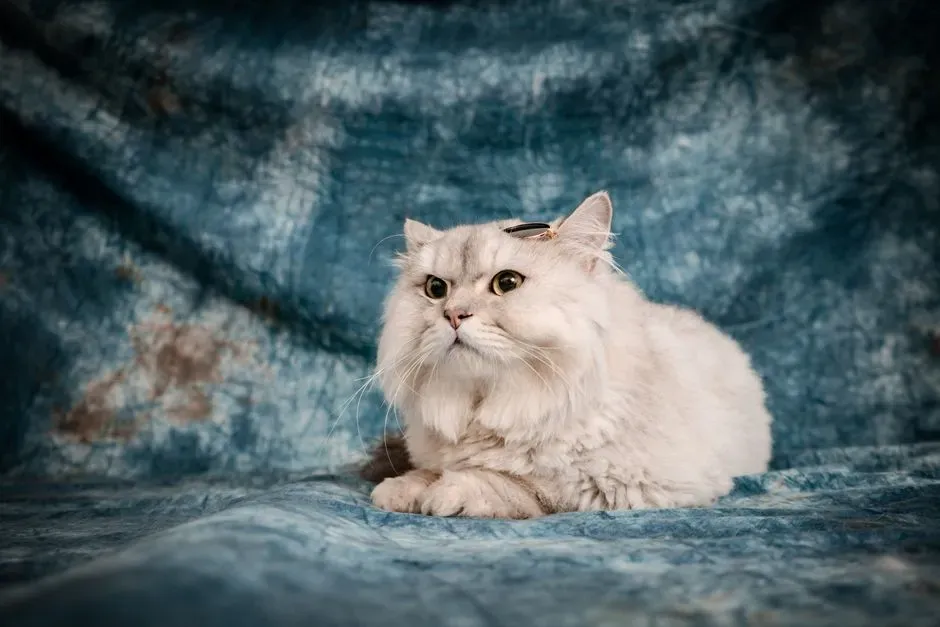
Persians are stunning to look at, and many people assume they are naturally cuddly lap cats for children. In reality, a lot of Persians prefer a calm, predictable environment and can become irritable when they are poked, squeezed, or constantly disturbed. Their flat faces often come with breathing or eye issues, which means rough handling can be physically uncomfortable, not just annoying.
They also require regular grooming, which many children are not gentle or patient enough to handle properly. If your child yanks at mats, pulls the comb too hard, or giggles while the cat is clearly distressed, that Persian may start associating kids with discomfort. Over time, swats, hissing, or hiding from your child can become the cat’s go-to way of saying “enough.”
7. Oriental Shorthair: Emotional, Demanding, and Easily Upset
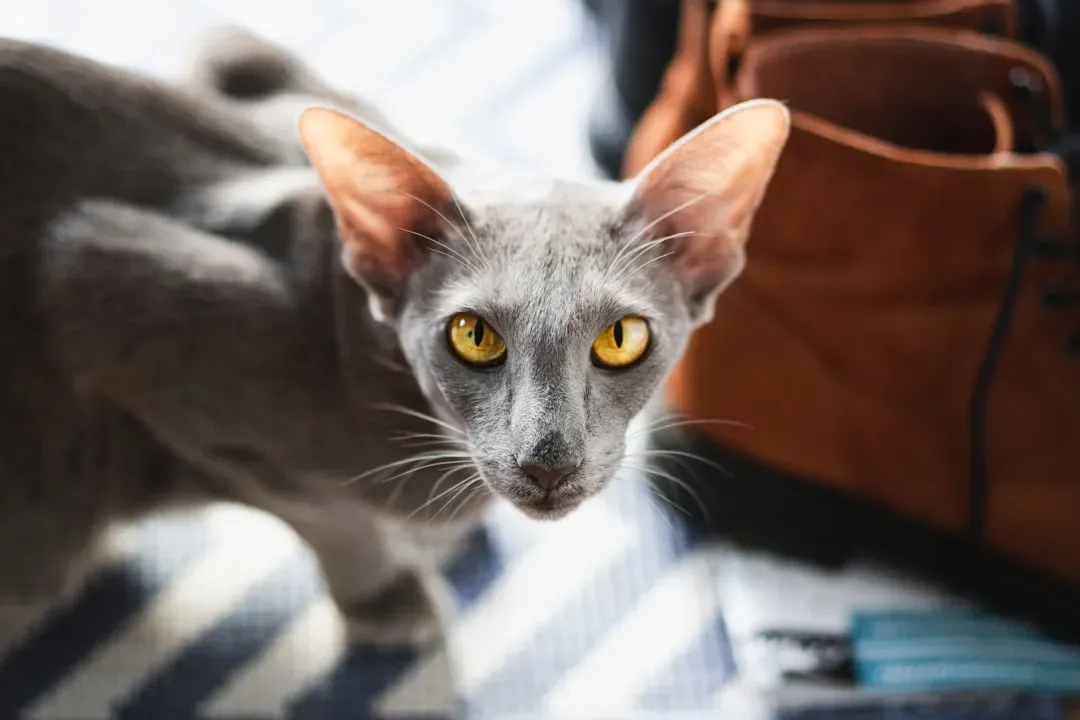
Oriental Shorthairs are close cousins of the Siamese, and they share that same combination of intelligence, intensity, and emotional sensitivity. These cats often need a lot of attention and mental stimulation, and when they do not get it – or when attention comes in chaotic bursts from kids – they can become restless and edgy. A child who is too loud or too unpredictable can push this breed into a constant state of irritation.
Because they are so expressive, they will not quietly tolerate being mishandled. You might see tail lashing, vocal protests, and quick warning swats if a child ignores their signals. If those warnings do not work and the child keeps grabbing, lifting, or cornering them, the cat’s behavior can escalate into real aggression surprisingly fast, making them a risky match for young children.
8. Scottish Fold: Pain, Stress, and Defensive Reactions
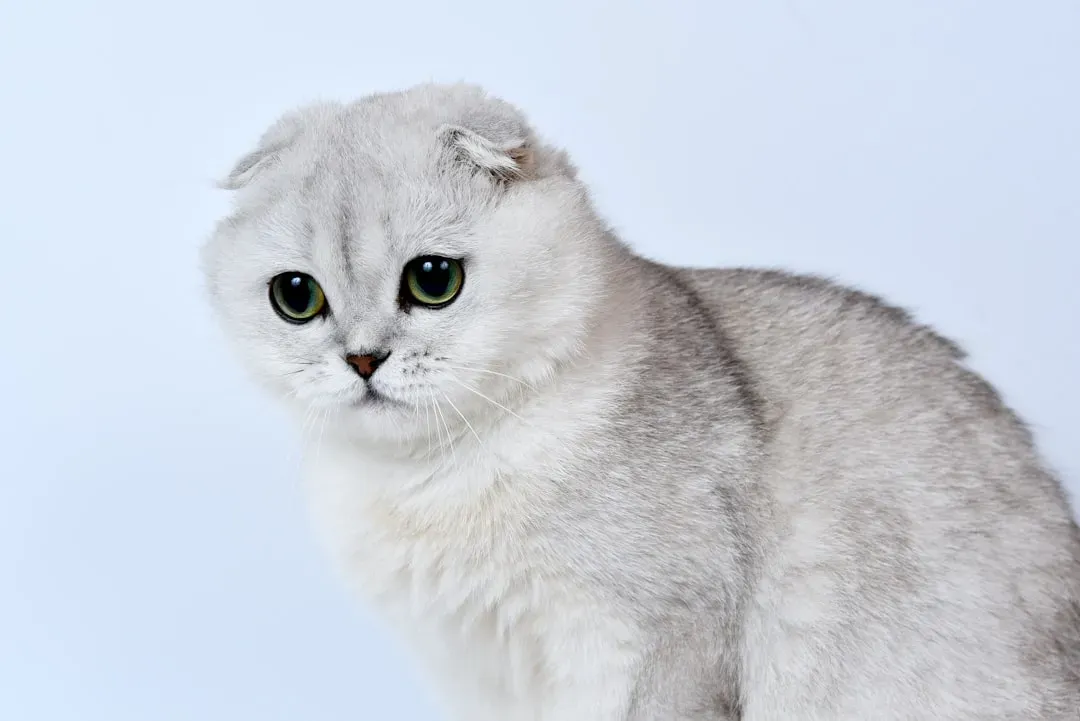
Scottish Folds look adorable and soft, but there is a serious welfare concern built into the breed. The same genetic change that folds their ears is tied to joint problems and chronic pain in many individuals. A child who picks them up awkwardly, squeezes them too tightly, or tries to bend their legs during play may be unintentionally hurting an already sore cat.
A cat in pain has a very low tolerance for being touched in the wrong way, especially by someone who does not understand subtle warning signs. If your Scottish Fold associates your child with discomfort or fear, the cat may start using claws or teeth to keep them away. That is not the child’s fault, and it is not exactly the cat’s fault either – it is a mismatch that puts both sides at risk.
Conclusion: Matching the Right Cat to the Right Home
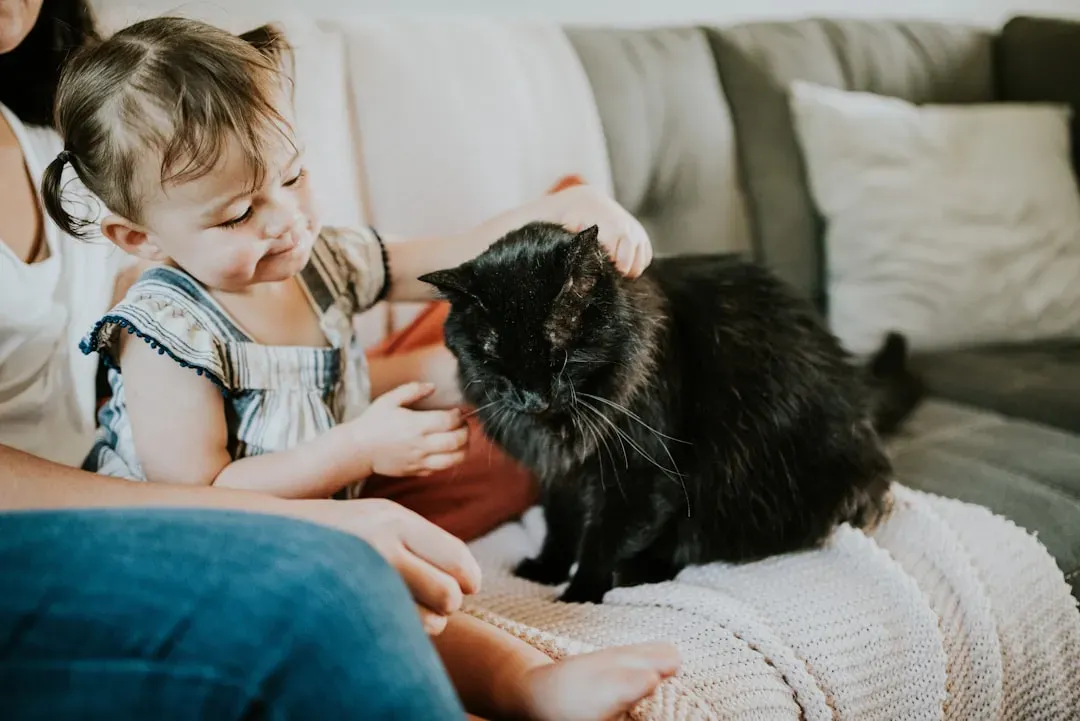
When you look at these eight breeds together, a pattern jumps out: none of them are “bad” cats, but several are high-strung, sensitive, physically fragile, or simply too intense for the unpredictability of children. If you ignore that and choose based only on looks or trendiness, you can end up with a stressed cat and a scared or scratched child. That is unfair to both, and it can sour your whole family on pet ownership.
If you are raising kids, you are usually better off with breeds and individual cats known for tolerance, patience, and a relaxed nature, and even then, you still need to teach your child how to read body language and respect boundaries. The safest home is not just about the “right” breed; it is about a good match, realistic expectations, and empathy on both sides. When you picture your family’s future, do you see a cat dodging tiny hands – or calmly choosing to curl up right beside them?
Kristina is a young writer from India. An arts graduate and an avid content creator, Kristina is passionate about animals and wildlife. She enjoys exploring topics related to pet care, animal behavior, conservation, and nature, combining thorough research with engaging storytelling.