When you hit your golden years, finding the perfect feline companion becomes more important than ever. While cats can bring immense joy, comfort, and companionship to older adults, not every breed suits the senior lifestyle.
Some cats demand constant attention, require extensive grooming, or possess energy levels that would challenge even the most active retirees. The reality is that certain breeds come with physical, emotional, or maintenance needs that can overwhelm seniors who simply want a peaceful, loving companion. From high-maintenance coats that need daily brushing to hyperactive personalities that never seem to settle down, these eight cat breeds might leave you feeling more exhausted than fulfilled.
Bengal Cats: Beautiful But Brutally Demanding
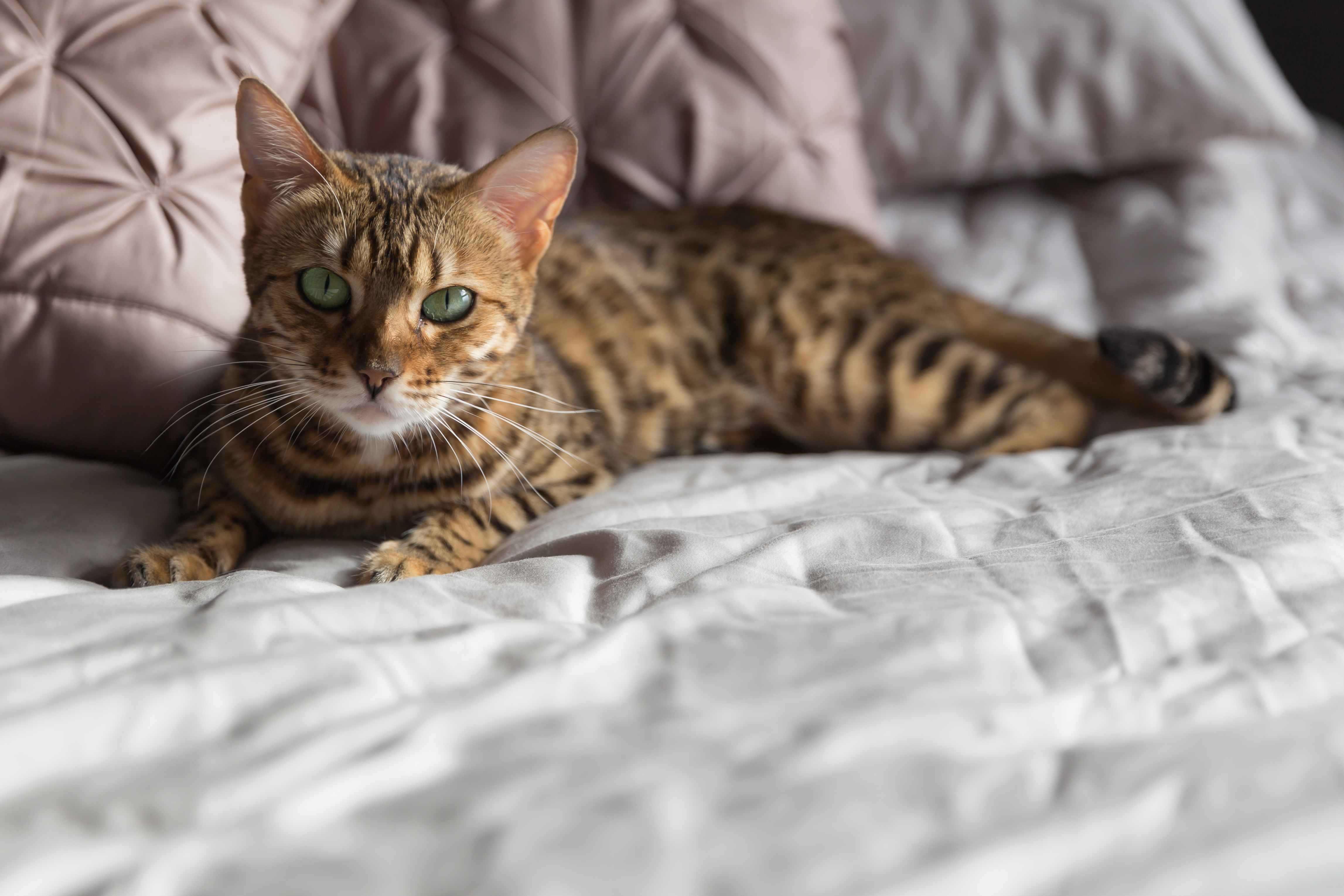
Bengal cats are highly intelligent, athletic, and still a bit wild. They love to run, jump, climb, and play. They require ample space for exercise (especially vertical space) and mental challenges, such as puzzle games and toys. Their exotic leopard-like appearance might be stunning, but their energy levels are absolutely relentless.
Bengal cats need a lot of mental and physical stimulation each day to keep them happy and healthy. These cats don’t just want to play occasionally – they demand entertainment constantly. If you can’t put up with the attention needs, then a Bengal cat can quickly develop aggressive behavior. For seniors looking for a quiet lap cat, Bengals are the opposite of what you need.
Siamese Cats: The Velcro Cat That Never Stops Talking
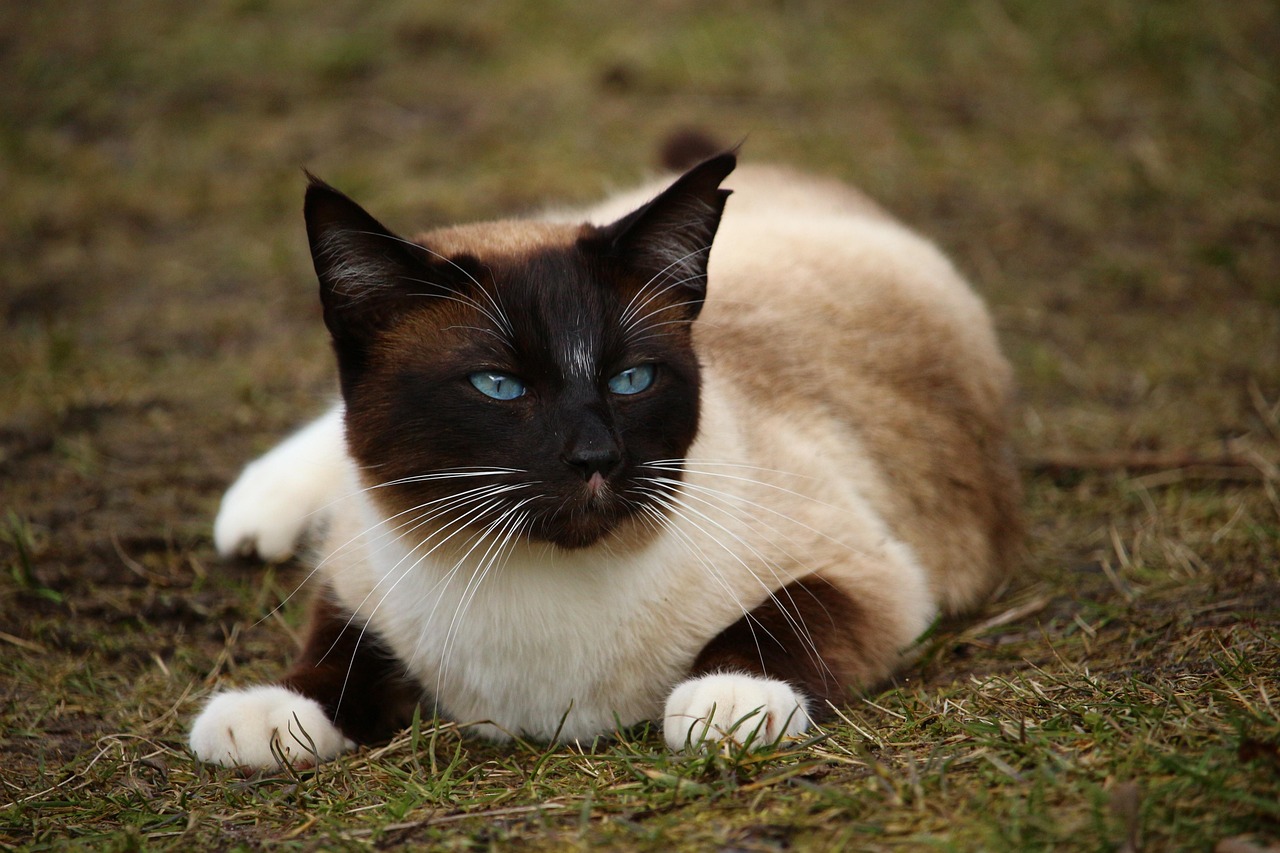
The Siamese is playful and gregarious, and wants to take part in everything its owner does. These cats are not happy left alone, and will tend to pine, and scold their owners noisily when they do eventually come home. Their legendary vocalization goes beyond typical cat communication.
Many people find the constant mewing, wailing, and chattering of the Siamese to be very annoying. With a highly curious and explorative nature, this little kitty is forever getting into mischief, so if you’re after a low-maintenance feline friend, the Siamese is a breed you’ll want to steer clear of. They literally follow you everywhere and demand your attention every waking moment.
Maine Coon Cats: Gentle Giants With Giant Grooming Needs
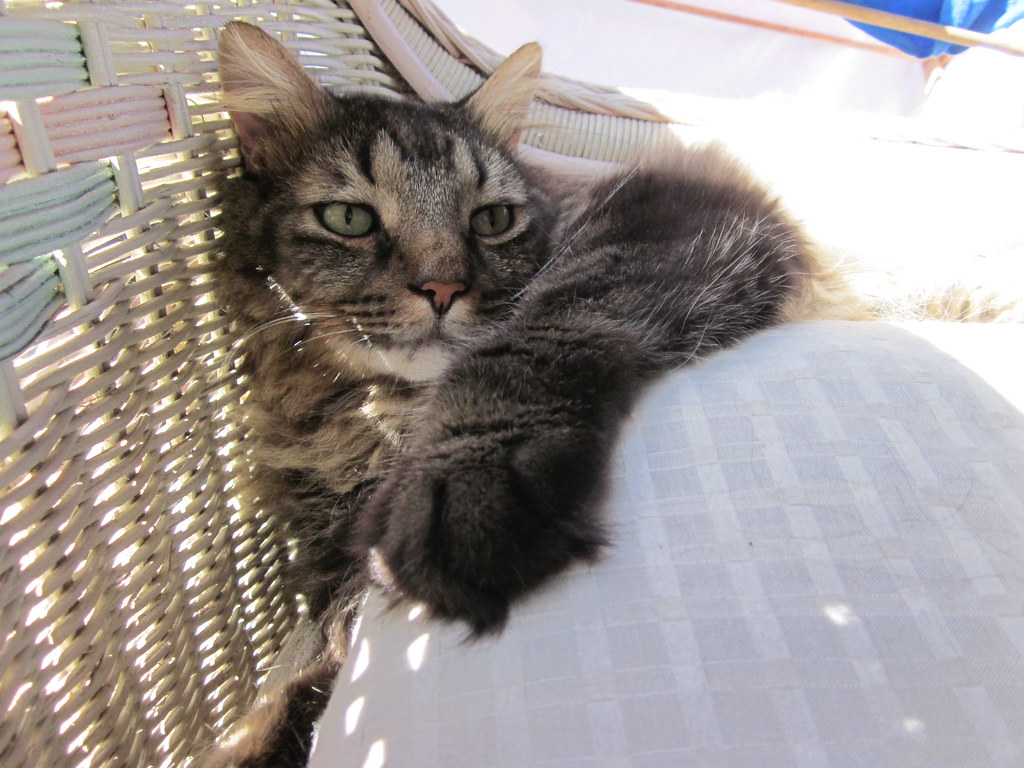
Maine Coons need frequent brushing to keep their silky fur from getting matted, and their massive size can present physical challenges. The Maine Coon is one of the largest cat breeds and its coat is just as impressive. Their long, thick coats are a trait from their heritage in Maine, where the breed originated. They require regular brushing to prevent mats and tangles.
While they’re known as gentle giants, some breeds are very big and heavy, making them difficult for seniors to lift. The daily grooming commitment alone can become overwhelming for seniors with arthritis or limited mobility. Their sheer size also means more litter to change and larger messes to clean up.
Persian Cats: High-Maintenance Beauty Queens
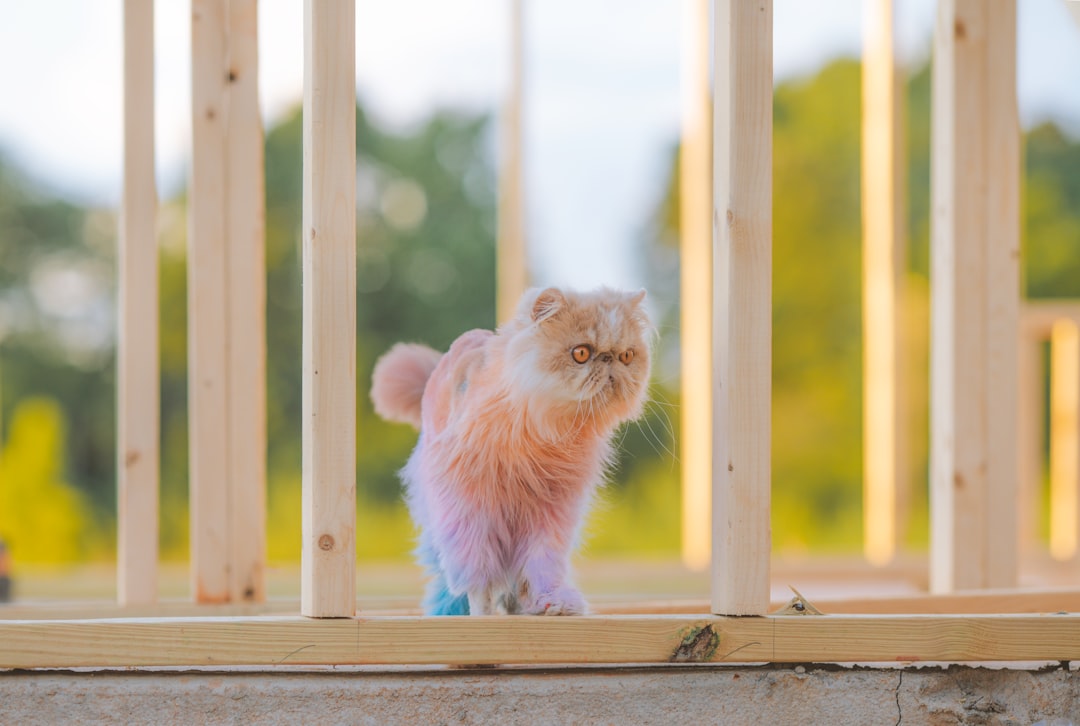
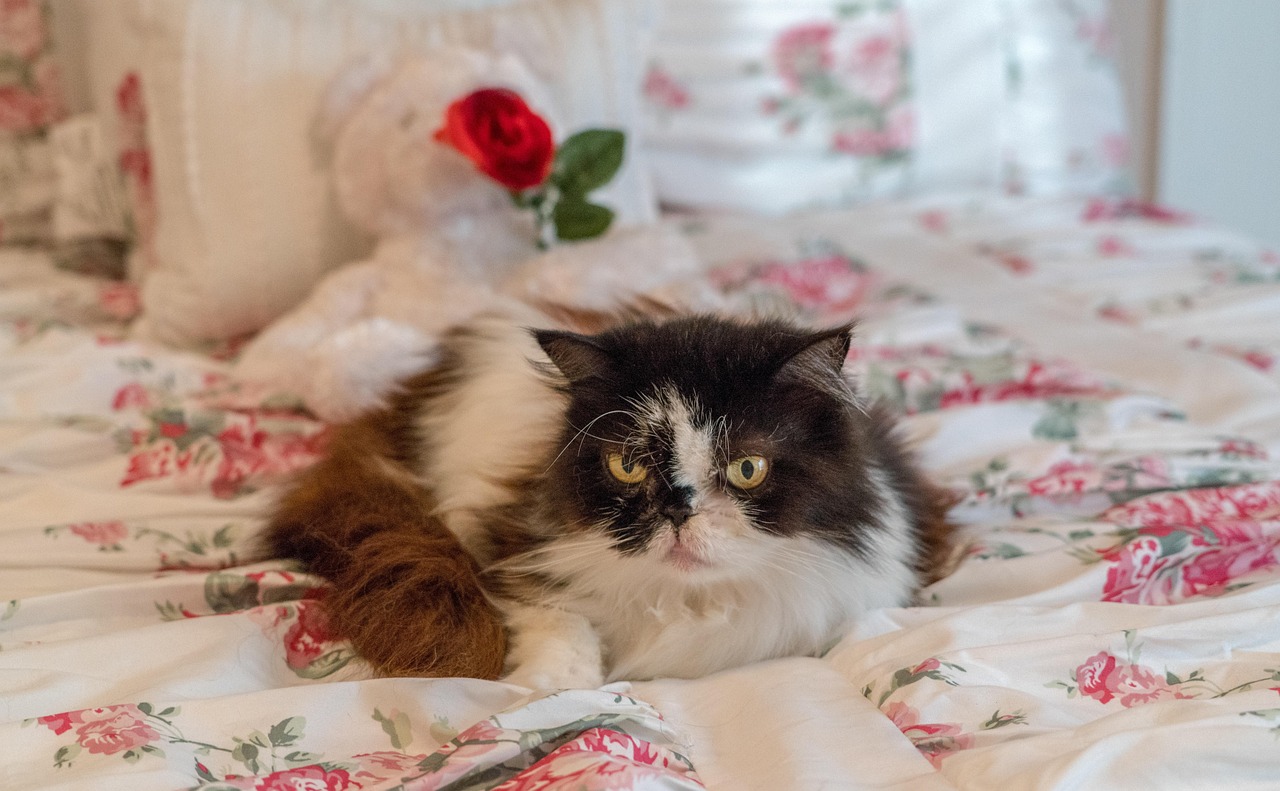
This stunning coat requires daily grooming, making Persians one of the most demanding breeds for senior care. With their short snouts, Persians are known to struggle with keeping clean, so pay close attention to their eyes, noses, ears, and all the hard-to-reach areas. The Persian flat face places them in the brachycephalic category, which means their breathing is obstructed and can lead to respiratory problems.
The grooming requirements go far beyond simple brushing. Persians are prone to eye problems as well as breathing difficulties due to their shortened skulls. These health issues mean frequent veterinary visits and constant monitoring – exactly what most seniors want to avoid in their later years.
Abyssinian Cats: The Perpetual Motion Machine
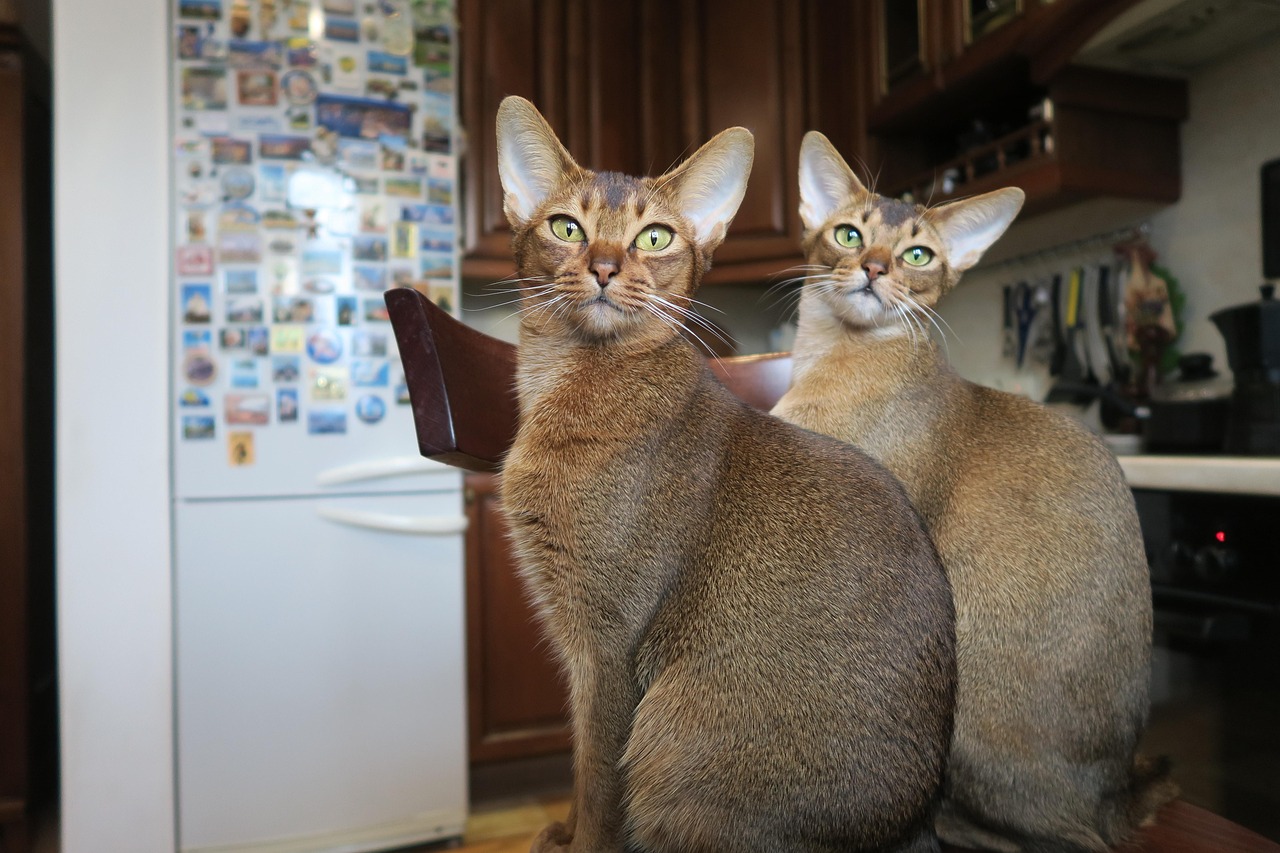
The breed is known for its energetic personality, intelligence, and curiosity. Abyssinians are very playful, athletic, and have a short attention span. These cats are natural athletes who never seem to tire. They are emotionally needy and likely to fall into depression if they lack attention too often.
The super active elegant Abyssinian likes to play, learn tricks, and study the things around them. Abyssinian cats are very good at people watching and can figure out how to manipulate their owner’s behavior to get what they want. Their intelligence works against peaceful senior living – they’re always scheming their next adventure or demanding interactive play sessions.
Sphynx Cats: Hairless But Not Careless
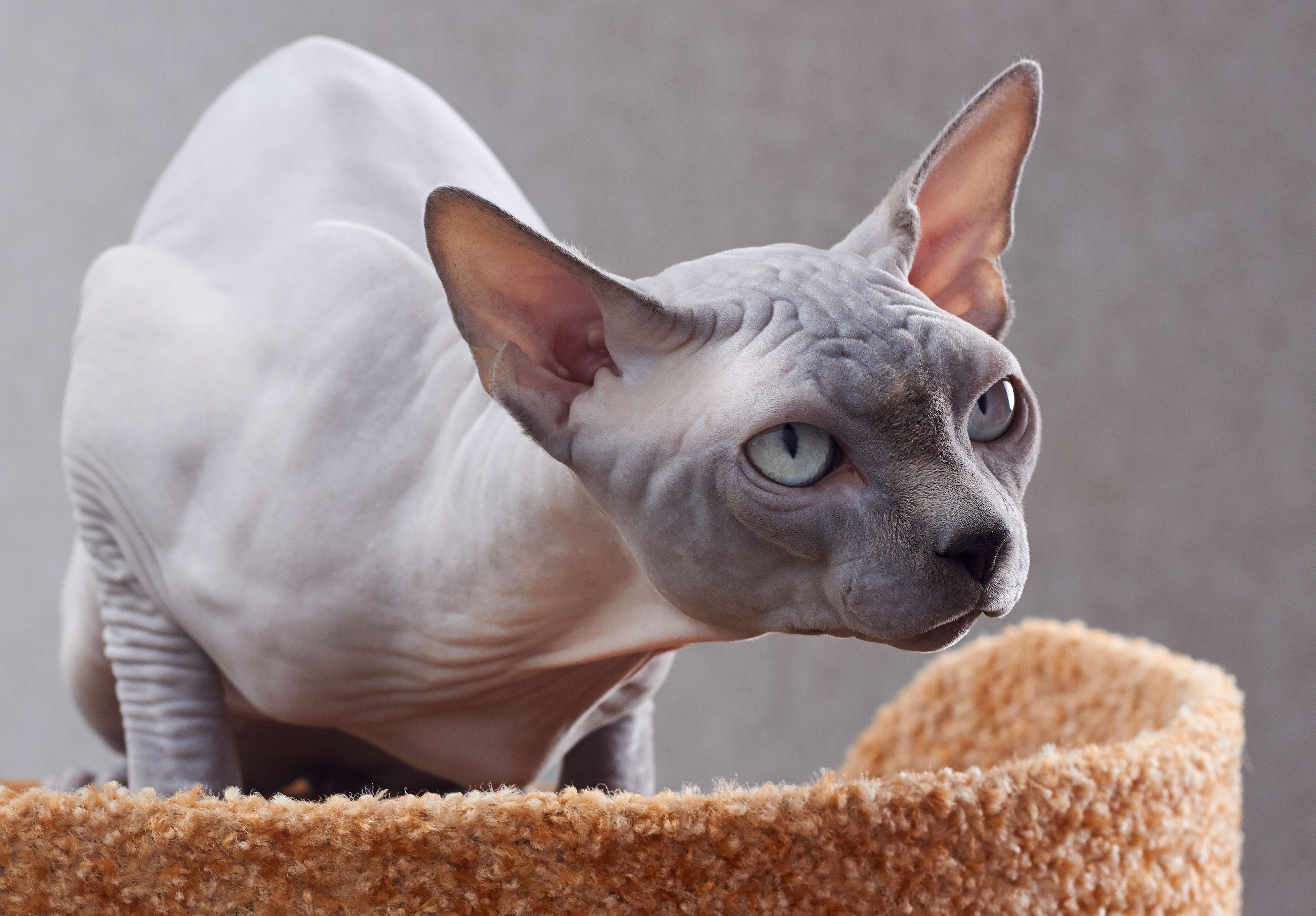
Despite being hairless, the Sphynx requires weekly or bi-weekly baths because their skin’s natural oils can build up and collect dirt. Their lack of hair means that they are very sensitive to heat and cold. They really need to be indoor cats, but if they go out, they will probably need protection from the cold in winter, and will definitely need sunblock rubbed into their skin in summer. They also need regular bathing, since the oils that would normally disperse along the hair shafts accumulate on their skin.
The temperature sensitivity creates constant worry for senior owners. These cats need sweaters in winter, sunscreen in summer, and their almost hairless coat means injury is more likely, so they need to be treated with a lot of care. The ongoing skin care routine rivals that of a demanding beauty regimen.
Scottish Fold Cats: Adorable Ears, Serious Health Issues
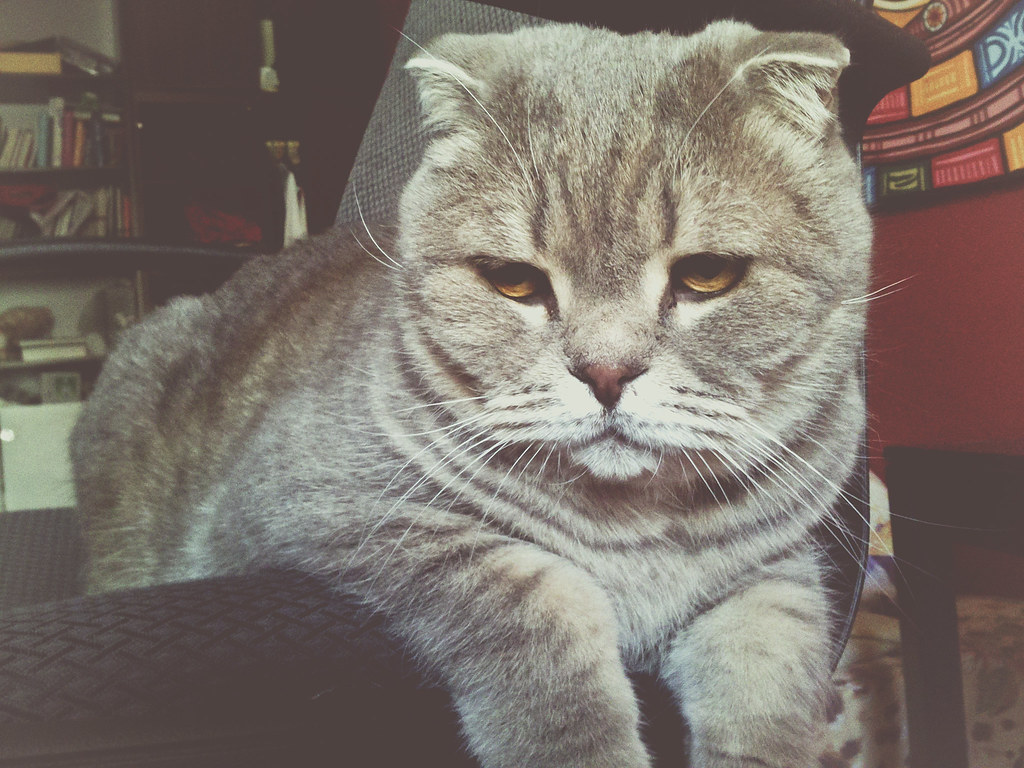
Some argue the squashed ears of the Scottish Fold are problematic as they may prevent the cats from cleaning themselves effectively. Unfortunately, the Scottish Fold is also prone to a number of health issues. As well as being a brachycephalic breed, the genetic defect that causes the ears to fold affects the cartilage and the joints throughout the kitty’s body. As such, Scottish Folds are at high risk of extreme arthritis, which must be carefully managed to reduce pain or discomfort.
The chronic health problems associated with this breed mean expensive veterinary bills and constant care management. While their folded ears look endearing, the genetic defect causes lifelong pain issues that require ongoing medical attention – something many seniors prefer to avoid.
Oriental Shorthair Cats: The Demanding Attention Seeker
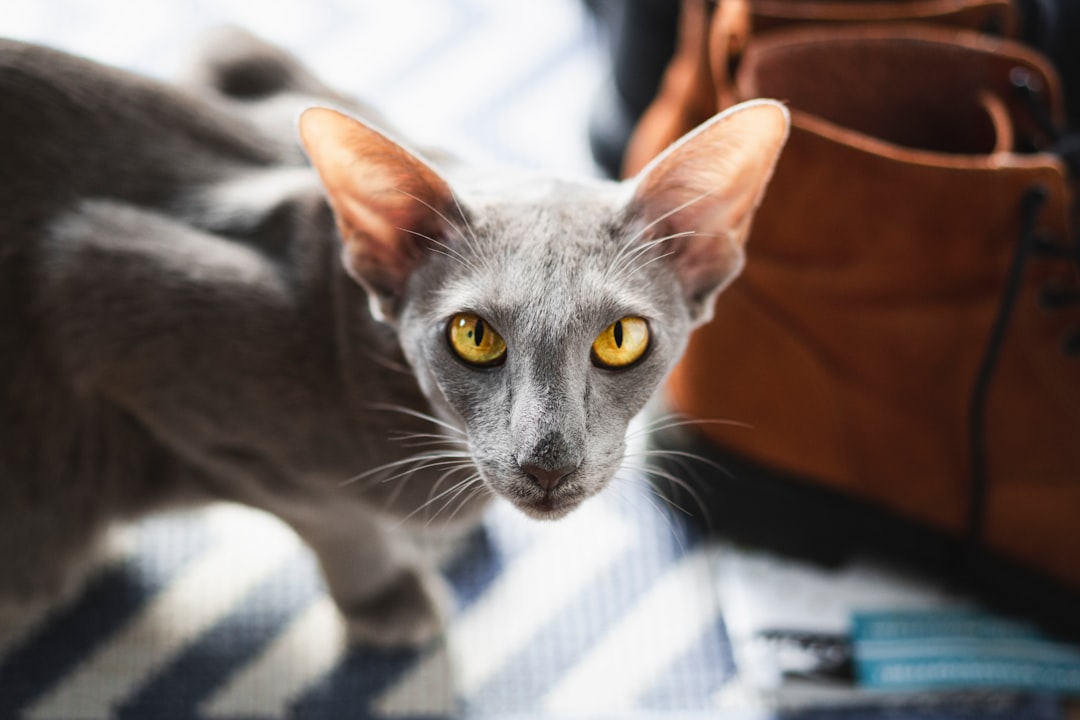
The Oriental Shorthair loves playing, especially with toys that it can pounce on. A breed that loves being the center of attention and may become cranky if ignored, the Oriental is less communicative than the Siamese but will still do best in a home with attentive owners. Their sleek appearance masks a surprisingly demanding personality.
These cats inherit much of the Siamese temperament without the constant vocalization, but they still require intensive social interaction. This cat breed develops behavioral issues if not given enough daily attention. If you’re rarely home or want a feline friend that’s not demanding, this is not the cat for you. They become destructive when bored and need constant mental stimulation to stay happy.
Conclusion
While these breeds are undeniably beautiful and can make wonderful companions for the right owners, they simply aren’t suited for most seniors seeking a peaceful retirement with a feline friend. Many older owners simply can’t keep up with a dog’s needs, which makes adopting a cat a much better choice. Unlike dogs, cats are happy staying indoors all the time. Most adult cats require only 20 to 30 minutes of playtime per day – but these eight breeds are the exceptions to that rule.
Instead, consider the many wonderful low-maintenance breeds that thrive in senior households. The perfect retirement cat should offer companionship without the constant demands, expensive health issues, or exhausting energy levels that come with these challenging breeds. What do you think about it? Tell us in the comments.