8 Cat Breeds Vets Wish More First-Time Owners Knew About
Most people pick their first cat the same way they'd pick a throw pillow - by looks. A pretty coat, striking eyes, or "the one that looked at me first" at the shelter. But veterinarians see the fallout from that decision every single day: owners blindsided by grooming demands they never expected, health conditions nobody warned them about, or a personality mismatch that leaves the whole household stressed.
Breed genetics shape far more than a face. They shape temperament, energy, vocal habits, and even how often you'll be writing a check to the vet. Here are the eight breeds vets quietly steer first-timers toward - and the specific reasons why, straight from what practicing veterinarians actually see in the exam room.
#1 - American Shorthair
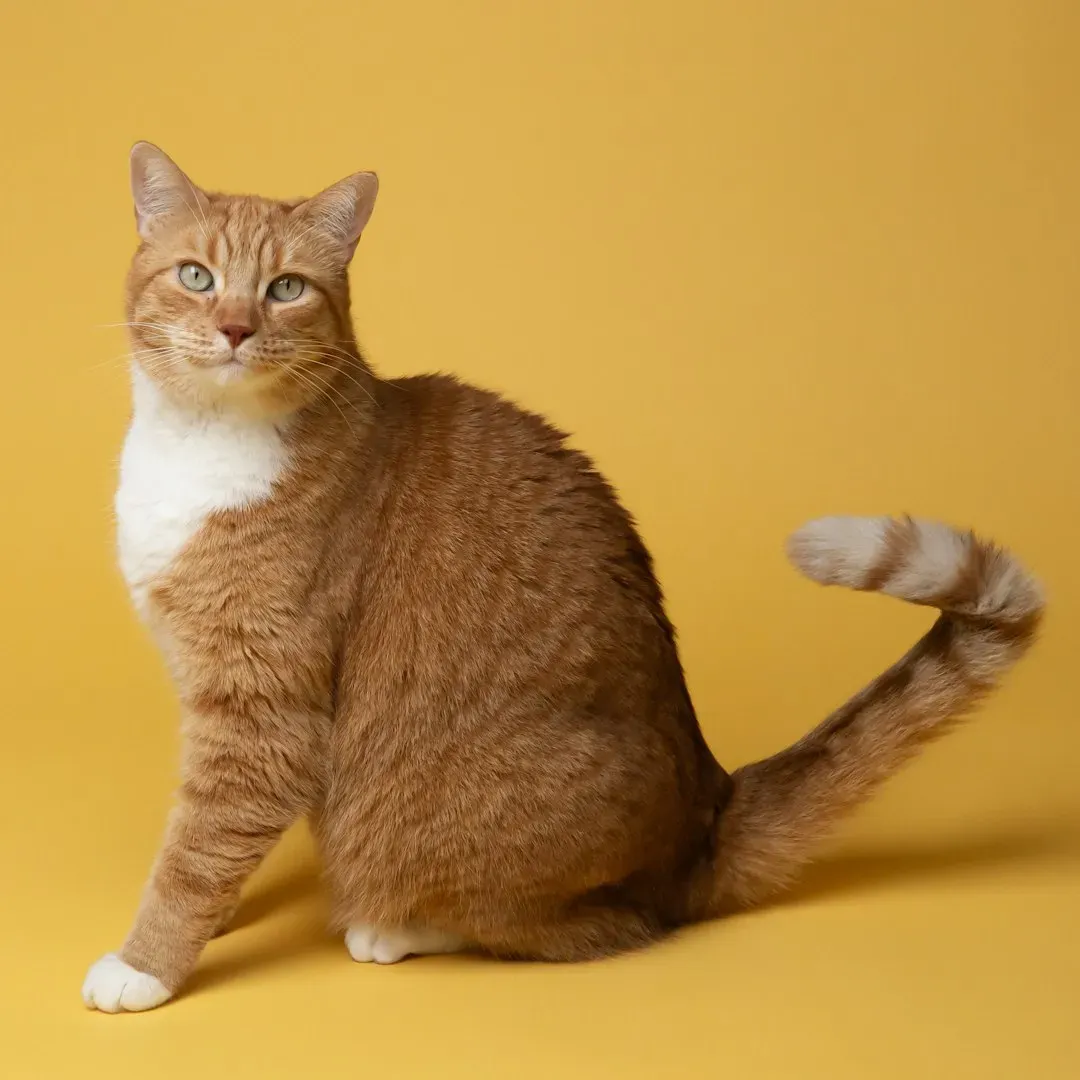
The American Shorthair is the breed vets recommend most often, and it's not because it's boring - it's because it's remarkably steady.
American Shorthairs are medium-sized but built solid: thick-boned, muscly, with a rounded, sturdy frame. Their real selling point isn't the body, though - it's the temperament. They're easy-going and calm enough that they don't demand constant attention, which makes them a great fit for singletons or busy households.
That independence is the part most first-timers underestimate - this isn't a needy lap cat, it's a self-sufficient roommate. Personality studies back this up. American Shorthairs are consistently described as even-tempered and quiet, but also smart and playful when they want to be.
The surprising part? Their low-maintenance reputation extends to their health, too. The breed is generally considered hardy, with fewer breed-specific genetic conditions than many purebreds - which is exactly why vets keep steering nervous beginners toward it.
Fast Facts
- Typical weight: 8-12 lbs (females), 11-15 lbs (males)
- Average lifespan: 15-20 years, among the longest of any breed
- Coat: short, dense, and low-shedding compared to longhaired breeds
- History: descended from working ship's cats that arrived in America in the 1600s
#2 - Ragdoll
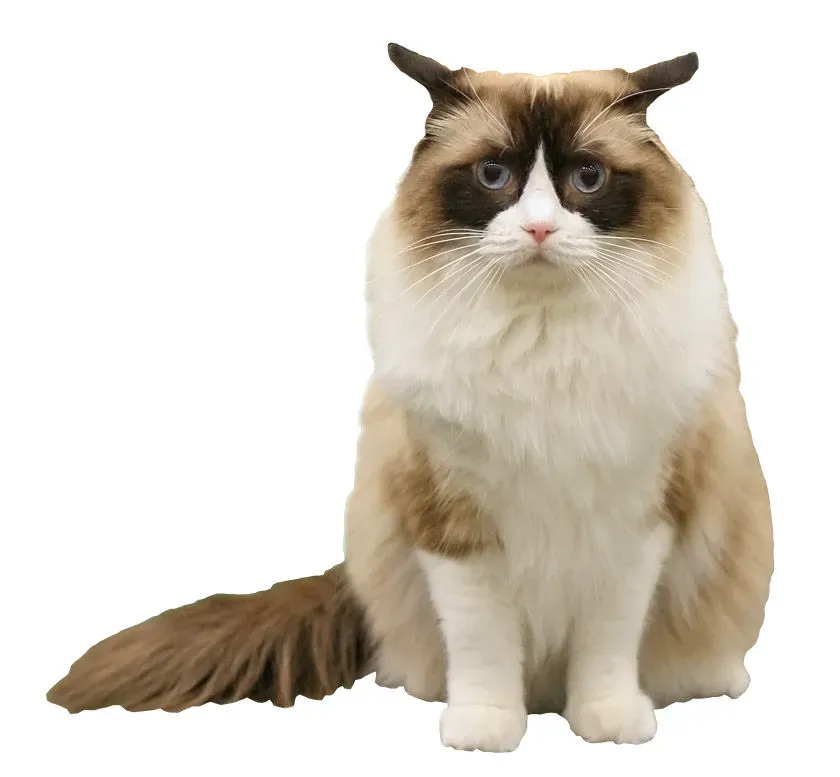
Ragdolls have a party trick that genuinely surprises new owners: they go completely limp when you pick them up.
The name comes from that exact behavior - they relax like a literal ragdoll when handled, which is part of why they've earned a reputation as the ultimate snuggle buddies. That's adorable, but it also means they have almost zero self-defense instinct. Vets say that makes them a poor fit for households with rough, unsupervised toddlers.
Ragdolls form strong attachments to their humans and don't do well left alone for long stretches. Here's the friction point vets rarely mention out loud, though: this breed is often marketed as "easy" because it's so docile and low-drama. It won't complain if you're too busy to pay attention to it - which sounds great, until you realize that same easygoing nature can mask illness.
Most owners don't realize their Ragdoll is sick until symptoms are advanced, precisely because the breed tolerates discomfort so quietly. Grooming, at least, is manageable - two brushing sessions a week handles most of it. But that stoicism is the real hidden cost of owning one.
#3 - British Shorthair
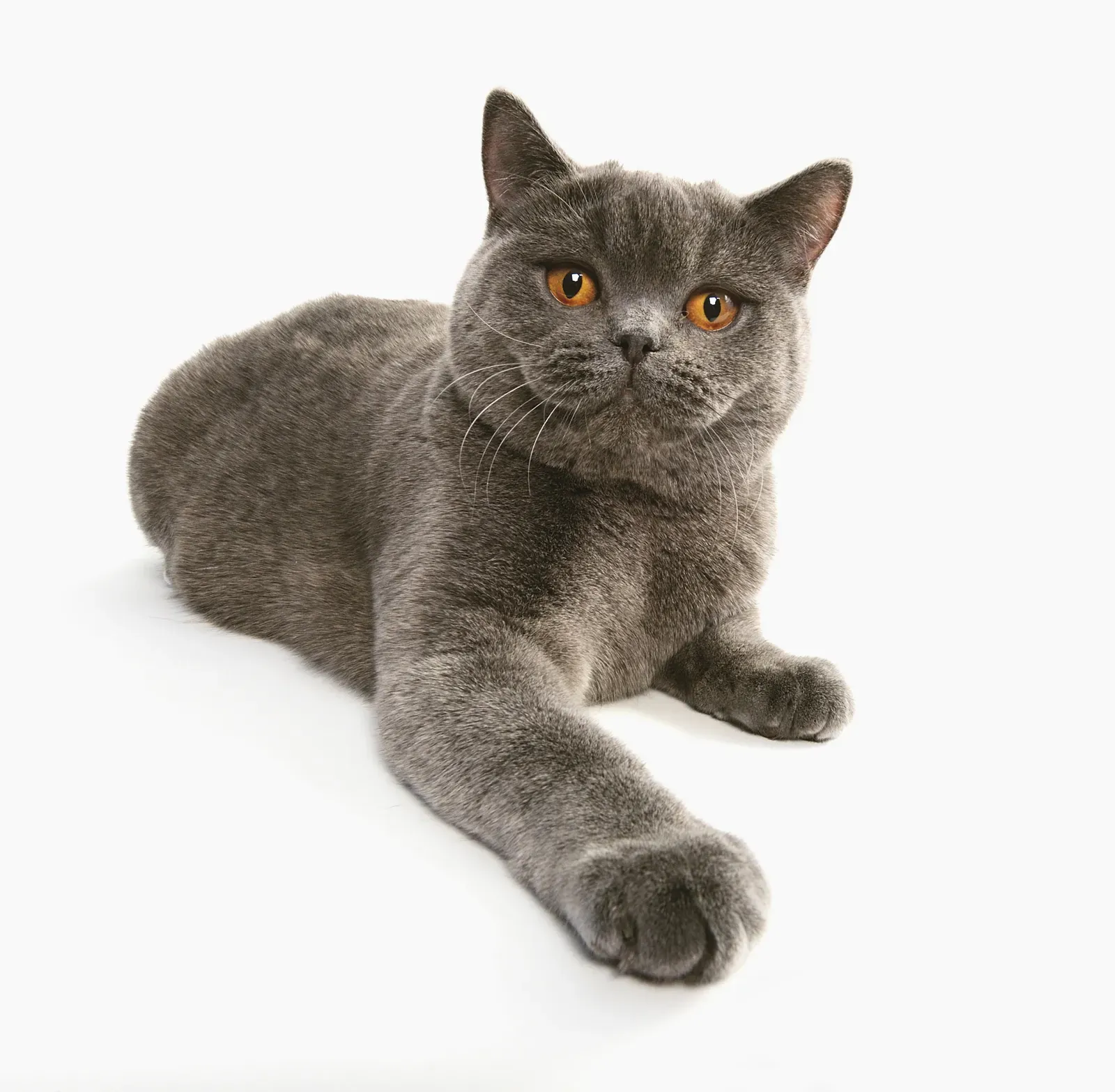
The British Shorthair looks like a plush stuffed animal, and vets say that resemblance causes more overfeeding than almost any other breed.
This breed likes to eat - a lot - so vets recommend two or three measured meals a day rather than free-feeding. Leaving a full bowl out around the clock is one of the most common first-timer mistakes, and it's a direct pipeline to feline obesity and the joint stress that comes with it.
The round, chunky "teddy bear" look that makes this breed so popular is exactly what makes portion control non-negotiable. Temperament-wise, this is one of the calmest breeds available. Thick, strong-looking bodies, round heads, soft greyish-blue fur, and a laidback, low-energy personality make them great companions for first-time owners.
Vets actually love recommending this breed to apartment dwellers and older adults precisely because it doesn't demand constant stimulation. But that same low drive cuts both ways - owners need to actively initiate play, or the cat will happily do nothing but eat and nap all day.
#4 - Maine Coon
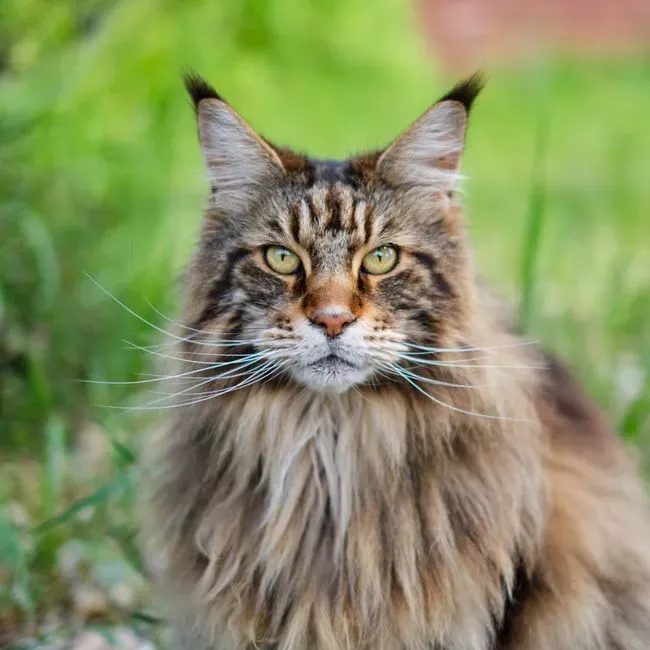
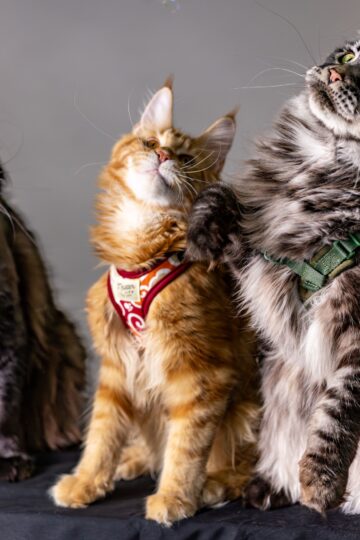
Maine Coons are the gentle giants of the cat world, and vets say their sheer size fools people into thinking they're dog-like in every way - including durability with kids.
As one of the largest cat breeds in existence, the Maine Coon really can handle young children who don't yet know how to be gentle with a cat. These affectionate cats love being petted, and many can learn tricks and pick up on household routines - a level of trainability that's genuinely rare in cats, and part of why vets recommend the breed to families so often.
What most first-timers get wrong is grooming frequency. A Maine Coon's semi-long coat sheds heavily and mats easily if brushing lapses for even a week or two, especially around the britches and underarms. This is also a large-bodied breed, and veterinary cardiologists flag hypertrophic cardiomyopathy as a condition worth screening for in Maine Coon lines - something vets say too few buyers ask breeders about before purchase.
Worth Knowing
- Males can reach 18-25 lbs; some individuals grow even larger
- It can take 3-5 years for a Maine Coon to reach full adult size
- Ask breeders for cardiac (HCM) screening results before committing
- Weekly brushing at minimum; twice weekly during shedding season
Beyond the coat and the heart, this is simply one of the most people-oriented breeds around. Many will greet you at the door and "chirp" instead of meowing, a trait that catches new owners off guard the first time they hear it.
#5 - Scottish Fold
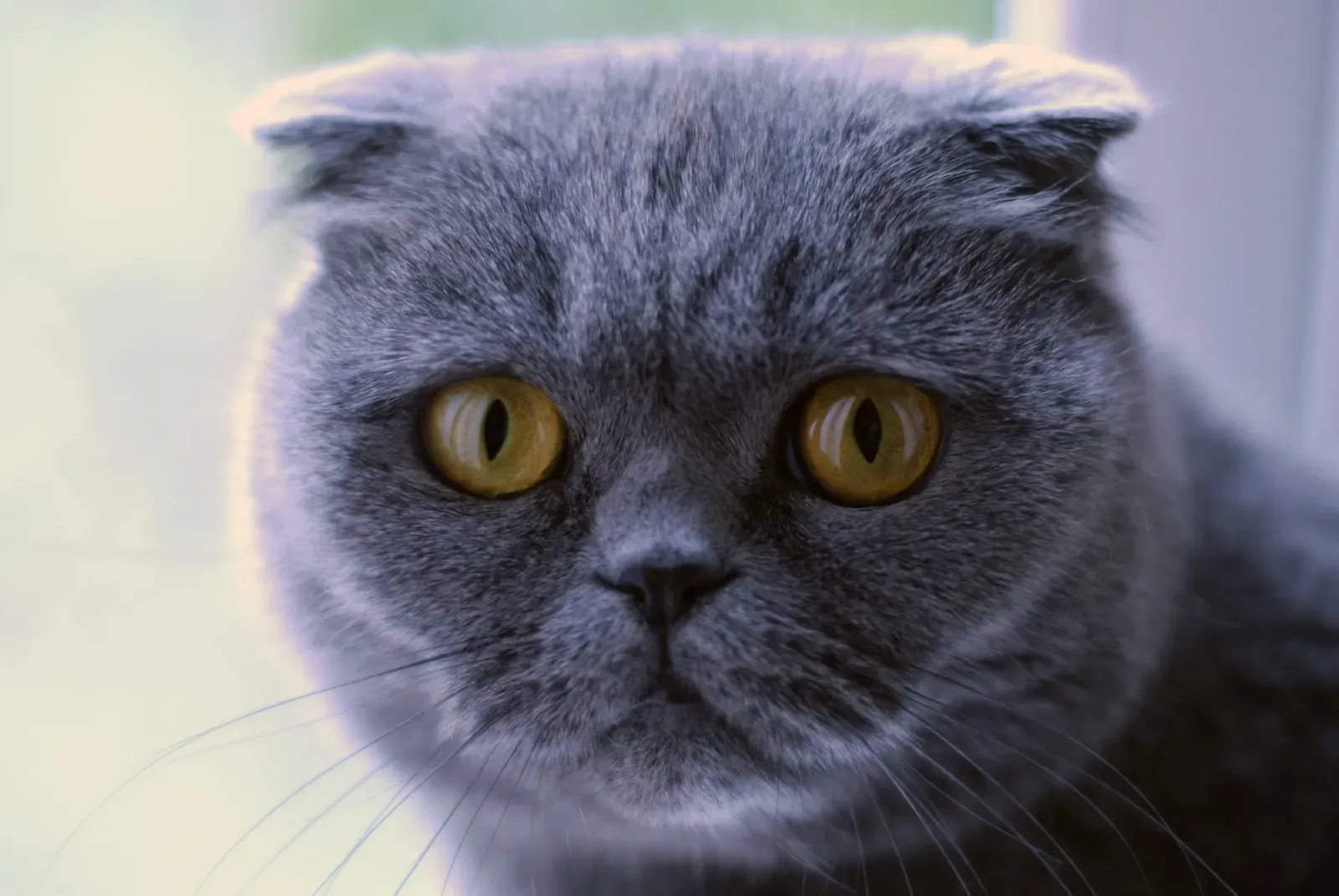
The Scottish Fold's folded ears are its calling card, but vets say those same ears come with a genetic catch that rarely makes it into adoption ads.
Known for their folded ears, round faces, and owl-like expressions, Scottish Folds typically weigh 6-13 pounds and are often described as having dog-like personalities. They're calm, adaptable, and genuinely great for first-time owners looking for a gentle cat.
Here's the part vets wish got more attention: the same cartilage mutation that folds the ears can also affect joints throughout the body, leading to a skeletal condition that causes stiffness and discomfort as cats age. Reputable breeders screen carefully for this - but plenty of impulse buyers never ask.
On the day-to-day side, enrichment matters here. Toys, climbing structures, and regular playtime keep them mentally and physically active. The lesson vets repeat constantly: buy from a health-tested line, not just the cutest photo online.
#6 - Persian
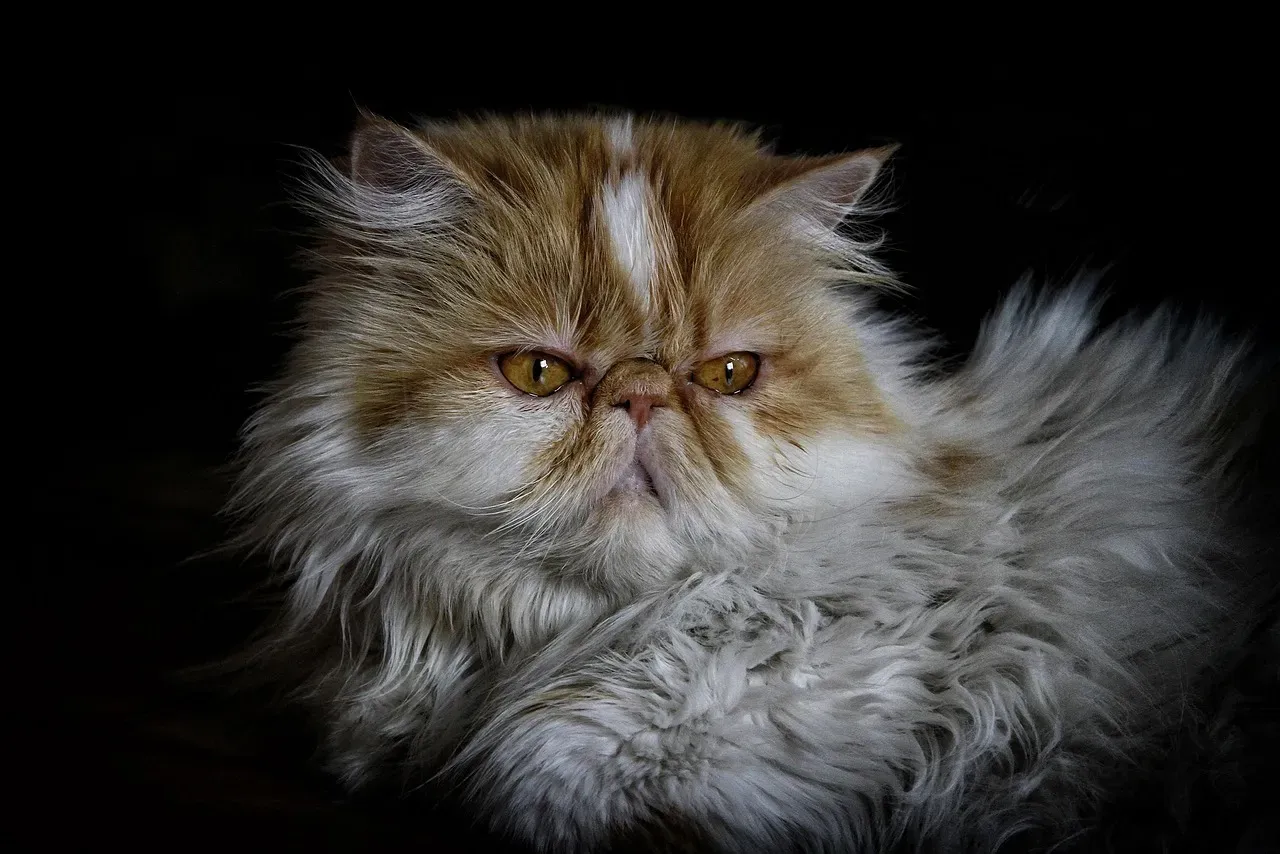
The Persian is the breed vets have the most complicated relationship with - gorgeous, famously mellow, but genuinely high-maintenance in ways beginners consistently underestimate.
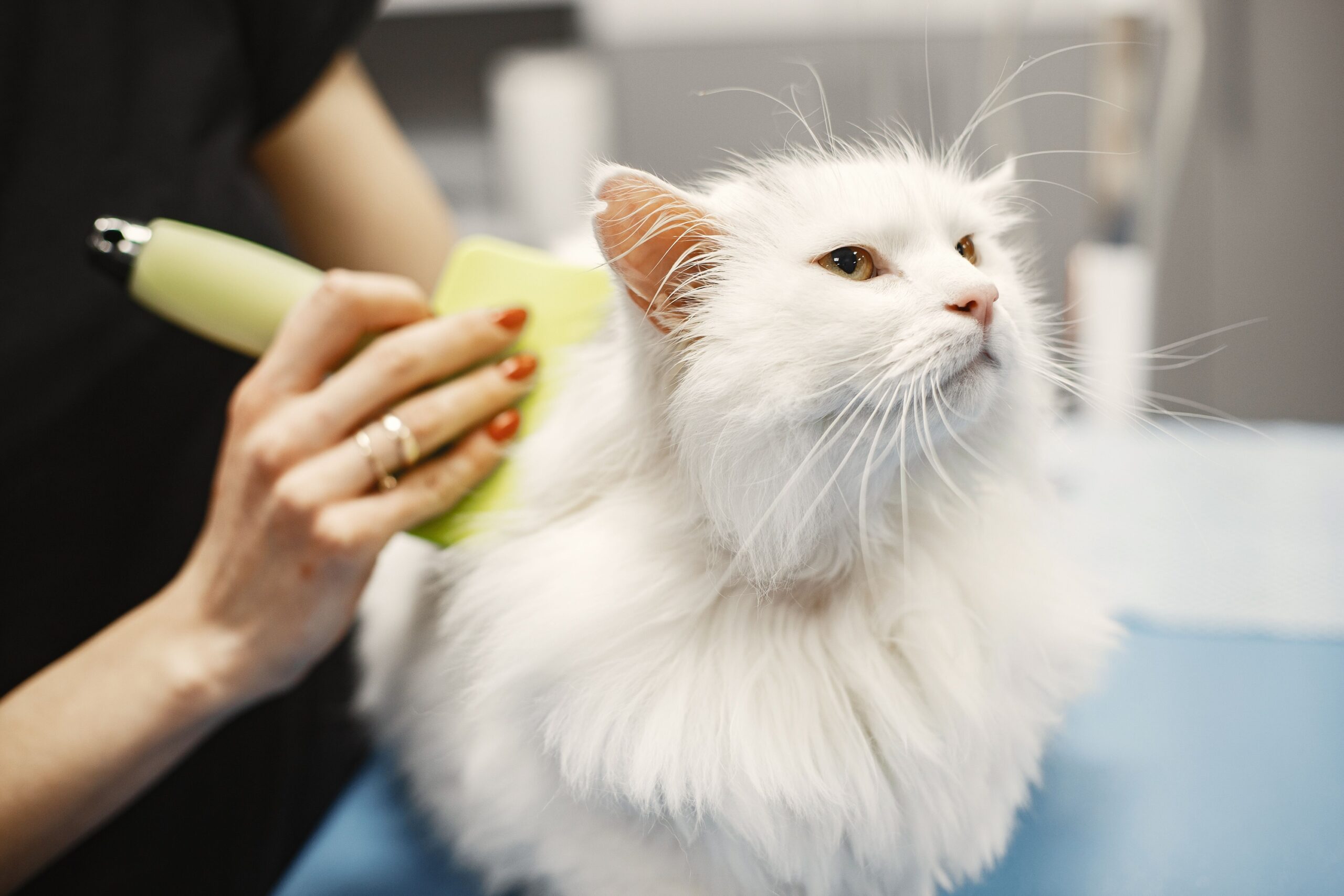
Persian cats require more grooming than any other breed on this list, though their calm nature at least makes the process easier to manage. That's the generous framing. The blunter truth many vets share privately: daily brushing isn't optional for a Persian. Skip it for even a few days and the coat mats painfully close to the skin, sometimes requiring a professional shave-down.
The flat-faced structure that makes Persians so recognizable also creates real breathing and tear-duct issues in many individuals, which is why vets increasingly urge buyers to look at less extreme, "traditional" or "doll-face" Persian lines rather than the flattest show-standard faces. It's a genuinely controversial opinion inside the cat world - breed clubs often defend the extreme look, while working vets argue it's been pushed too far for the animal's own comfort.
Quick Compare
- Doll-face Persian: moderate nose length, easier breathing, fewer eye-drainage issues
- Show-standard Persian: extremely flat face, higher risk of respiratory and tear-duct problems
- Both types: need daily brushing and regular face cleaning
- Typical lifespan: 10-17 years with proper care
Personality-wise, though, few breeds are more serene. A well-groomed Persian is content to lounge for hours, making it one of the calmest companions on this entire list.
#7 - Devon Rex
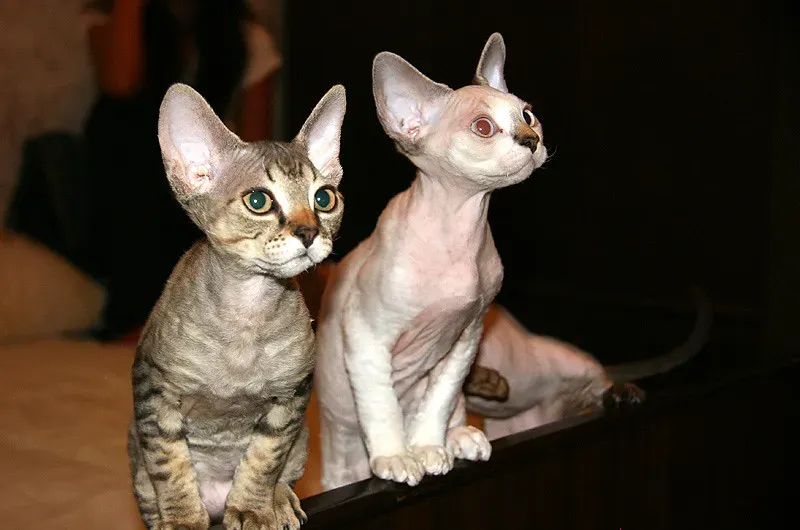
The Devon Rex looks fragile with its wavy, sparse coat, but vets say its personality is the opposite of delicate - and that mismatch trips up a lot of new owners.
Devon Rexes are boisterous and playful, yet they also tend to respect the boundaries their humans set, and they don't mind spending the day home alone. That combination of independence and high energy is unusual - it's part cat, part small dog, part gremlin.
What genuinely surprises first-time owners is the skin. These cats have long, lanky bodies covered in extremely short, curly hair so fragile it should never be combed. Because they lack a normal insulating coat, Devon Rexes run warmer than average and seek out heat sources - laptops, sunbeams, the spot right under a blanket - with an intensity that catches new owners off guard.
They also need regular skin and ear cleaning, since their coat doesn't absorb natural oils the way a fully-furred cat's does, leaving more residue behind. It's a breed that rewards attentive owners and punishes hands-off ones.
#8 - Abyssinian
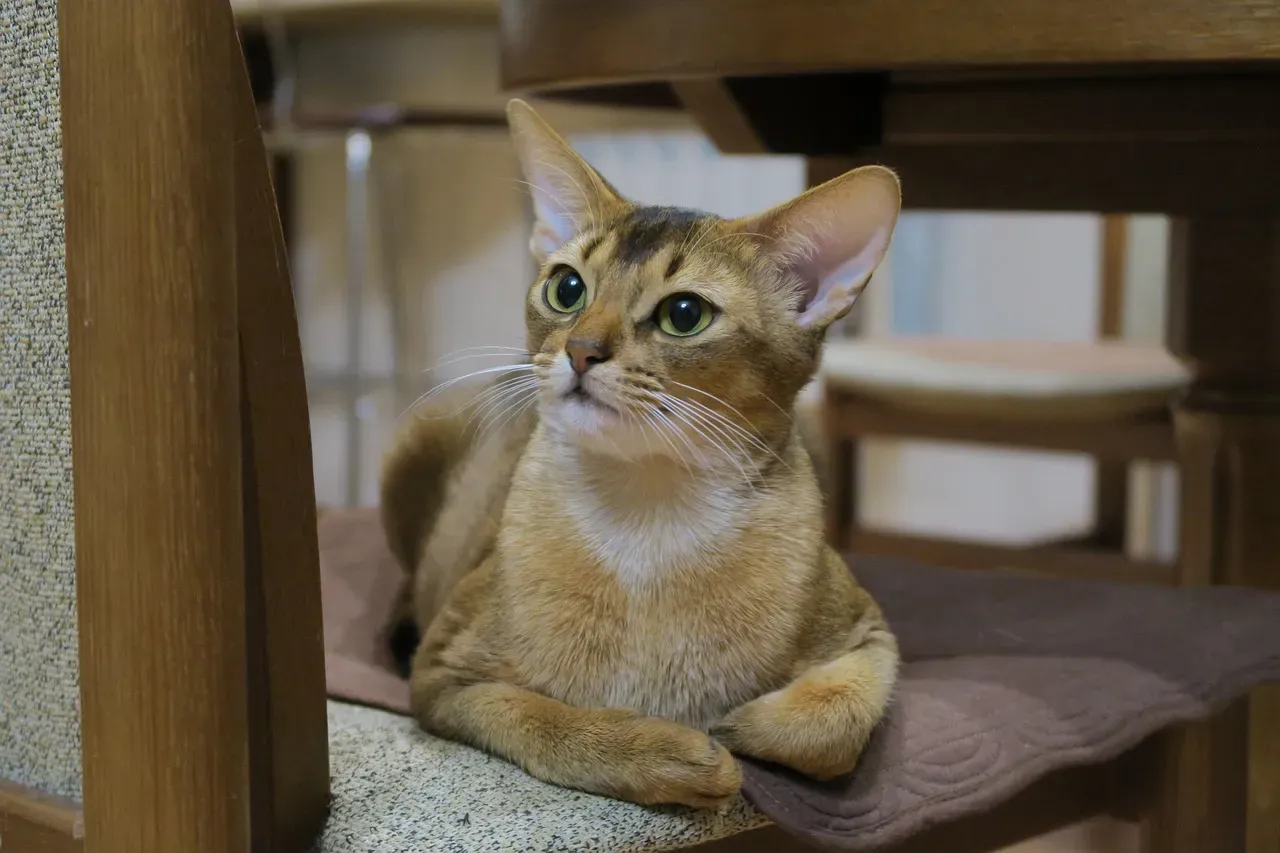
The Abyssinian is the breed vets most often warn beginners about for one specific reason: it never really grows out of kitten energy.
If you want a cat that stays playful well into adulthood, this is the one - lovable, intelligent, loyal, and devoted. Research on breed activity levels backs this up directly: Bengals and Abyssinians tend to rank highest for activity and playfulness, followed by the Siamese, Oriental, and Cornish Rex.
This is the breed most likely to turn a first-time owner's quiet apartment into a full-time obstacle course. Abyssinians climb curtains, open cabinets, and get bored - genuinely, destructively bored - without daily interactive play and vertical space to explore.
Why It Stands Out
- Distinctive "ticked" coat - each hair carries multiple bands of color
- Lean, athletic build, typically 6-10 lbs
- Ranks among the most active breeds tracked in feline behavior studies
- Thrives with cat trees, shelving, and daily interactive play sessions
They're also naturally social, ranking among the best breeds for multi-cat households alongside the Bengal, Birman, Bombay, and British Shorthair. Vets love recommending this breed to active, engaged owners - and quietly steer sedentary first-timers away from it, because an under-stimulated Abyssinian doesn't just get bored. It gets into trouble.
The Bottom Line
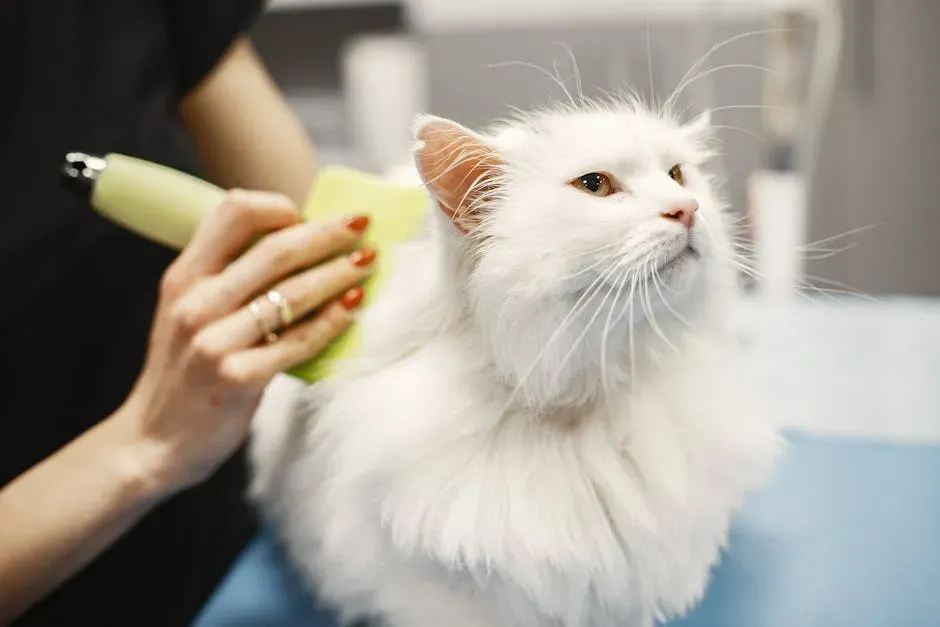
The real lesson from vets isn't which breed is "best" - it's that looks and reputation rarely tell you what daily life with a cat will actually feel like.
A Ragdoll's cuddly reputation hides a stoic streak that can delay illness detection. A Persian's calm demeanor comes with a grooming commitment most beginners underestimate. A Scottish Fold's signature feature is tied to a joint condition rarely mentioned at pickup.
Our honest take: temperament and health screening should always outrank appearance when choosing a first cat. The cutest cat and the easiest cat are rarely the same animal - and the gap between those two is exactly where most first-time owners get blindsided.
Which of these breeds matches your household? Or did we leave your favorite off the list? Drop it in the comments.