Cats have been living alongside humans for roughly ten thousand years, and in that time they’ve developed something genuinely remarkable: a vocal system shaped almost entirely for talking to us. Meowing is not something cats do amongst themselves. You’ll hear kittens meowing for their mothers’ attention, but adult cats don’t meow at one another. Cats have learned over time that meowing is a good way of conversing with their humans.
Next to birds, cats possess the widest range of vocalizations of any domestic pet. Though best known for their meows, purrs, hisses, and growls, the list of sounds they regularly make is more comprehensive than most people realize. You’ve probably heard each of these sounds dozens of times. What you might not know is how much is actually being said.
The Meow: More Nuanced Than You’d Expect
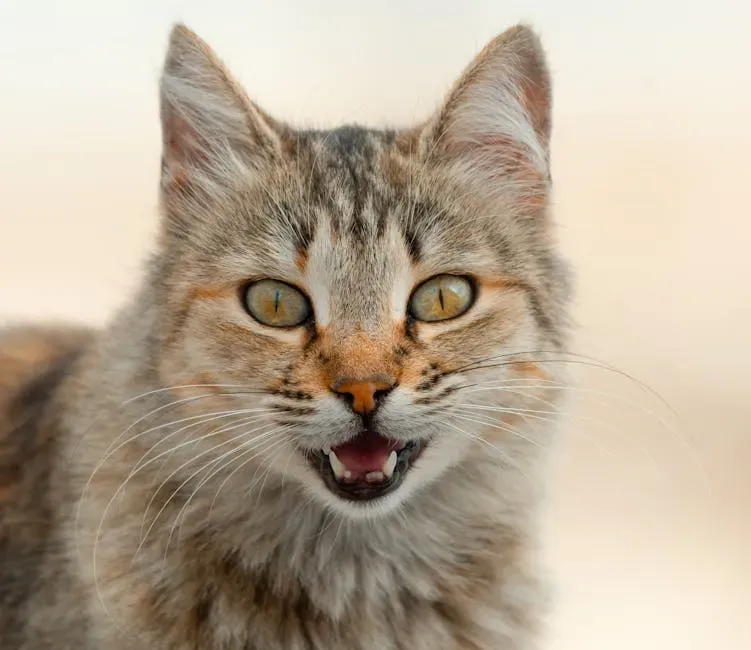
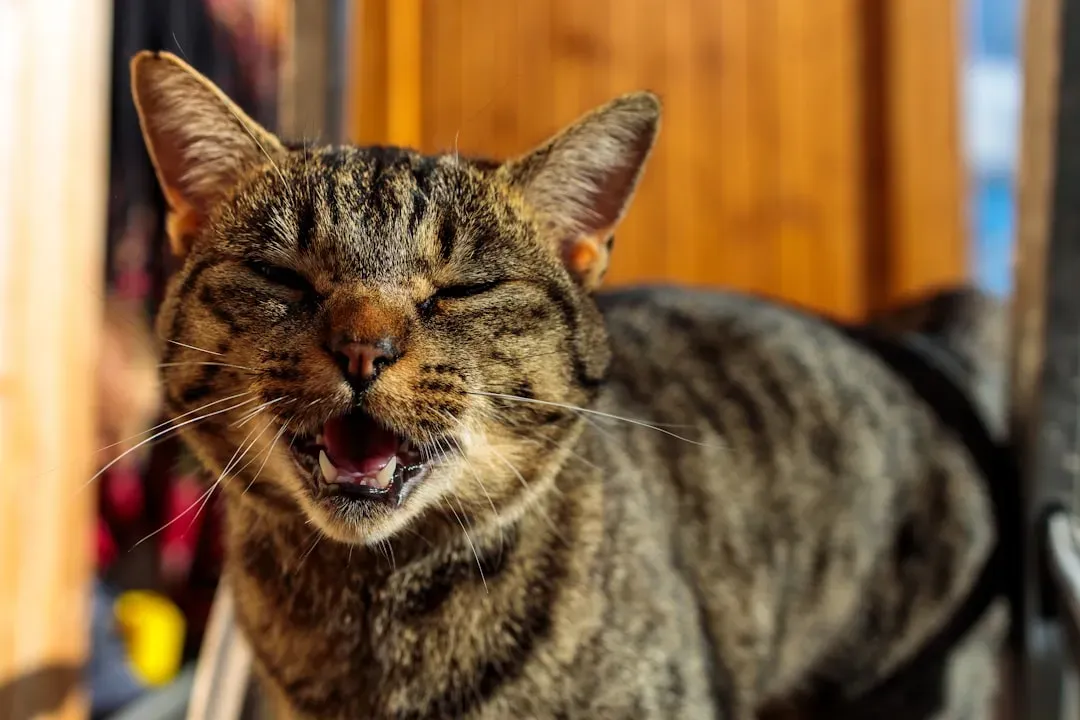
The meow is the most familiar sound your cat makes, but calling it a single sound is a bit like calling every human sentence the same conversation. Meows are your cat’s most common “word,” and every one means something different. Meowing is all-purpose; your cat may use “meow” as a greeting, a command, an objection, or an announcement.
Humans are better at interpreting meows from a familiar cat than a random one. This suggests that cat-human pairs learn together to develop a mutual understanding of one another. Your cat’s meow for “hungry” might be different from your neighbor’s cat’s, and you’re more likely to respond with food if your cat uses that same sound every time, thus building an association.
Occasionally, a cat meow can signify loneliness or even illness. Older cats often meow more because of failing senses or due to anxiety over not being as nimble as before. That shift in frequency, especially in a senior cat, is worth paying close attention to.
The Purr: It’s Not Always Contentment
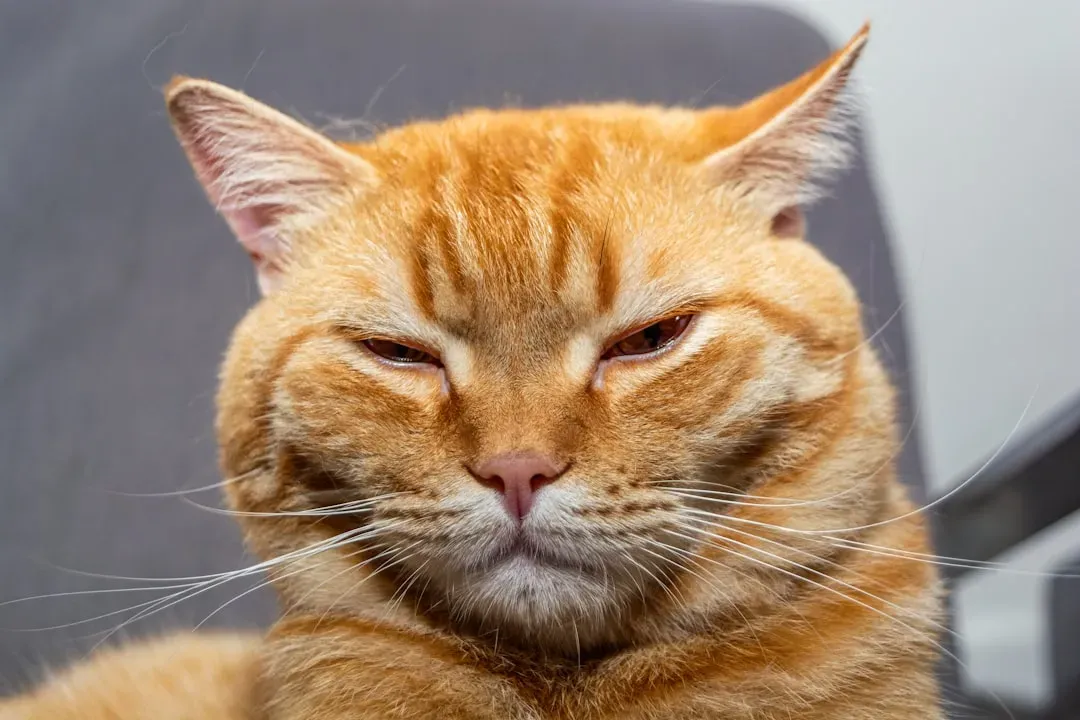
Most people assume a purring cat is a happy cat. That’s often true, but the reality is more layered. While your cat’s purrs are usually a sign that they’re happy, comfortable, or content, it’s important to point out that your cat might also purr when they are anxious, agitated, or sick – because purring soothes them.
The key to discerning this “worry-purr” is body posture; if your cat’s ears are back and their body seems tense, the purr denotes concern over something. A happy and content purr as your cat lounges on your lap differs vastly from a low, continuous purr from a cat that’s visibly unwell or injured.
There’s even research to suggest that the vibrations of purring have a healing effect on the body, which could also explain why injured cats purr. So the next time your cat purrs while sitting stiffly or staring blankly at the wall, don’t take it as a sign that everything is fine.
The Trill: Your Cat’s Version of a Warm Hello
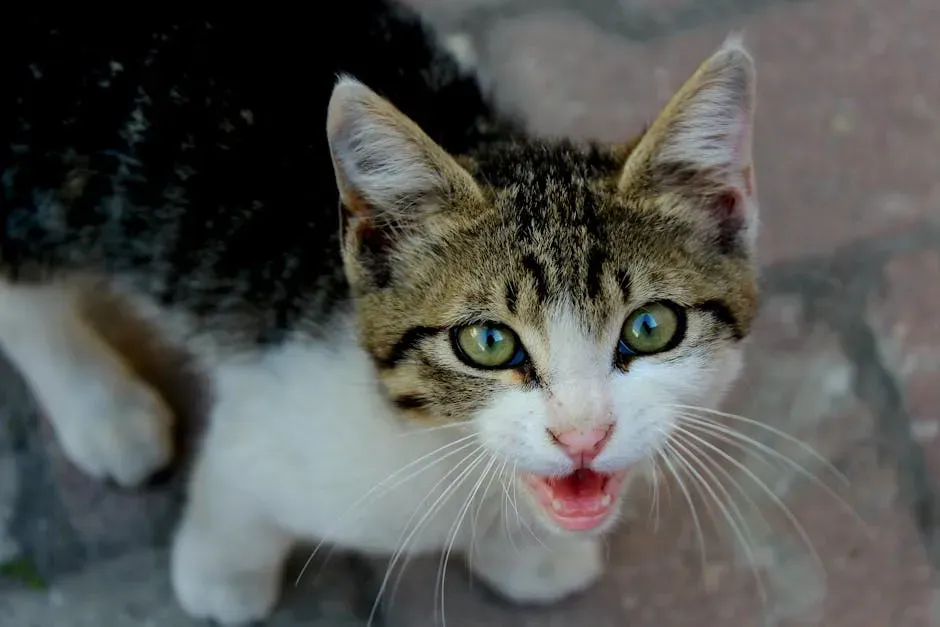
The trill is one of those sounds that’s easy to overlook, mostly because it’s so brief and gentle. A trill is produced with a soft voice and sounds like a purr but with a higher pitch. A trill is a gentle rolling sound that falls somewhere between a purr and a meow. It’s soft and mid-pitched, typically made when the cat’s mouth is closed. Cats usually trill as a friendly greeting or to get your attention – like when they trot over to say hello, weave around your legs, or invite you to follow them to the food bowl.
Cats make this sweet sound as a greeting to other cats or to people. It can also be used as a thank you if their human has given them a treat or a head scratch. One of the most amicable cat vocalizations, the trill gives off positive vibes. Think of it as the feline equivalent of a cheerful wave from across the room.
Mother cats will sometimes use a trill with kittens to get their attention or say, “follow me.” Chirps and trills are how a mother cat tells her kittens to follow her. When aimed at you, it probably means your cat wants you to follow them, usually to their food bowl.
The Chirp: A Sound Borrowed from Kittenhood
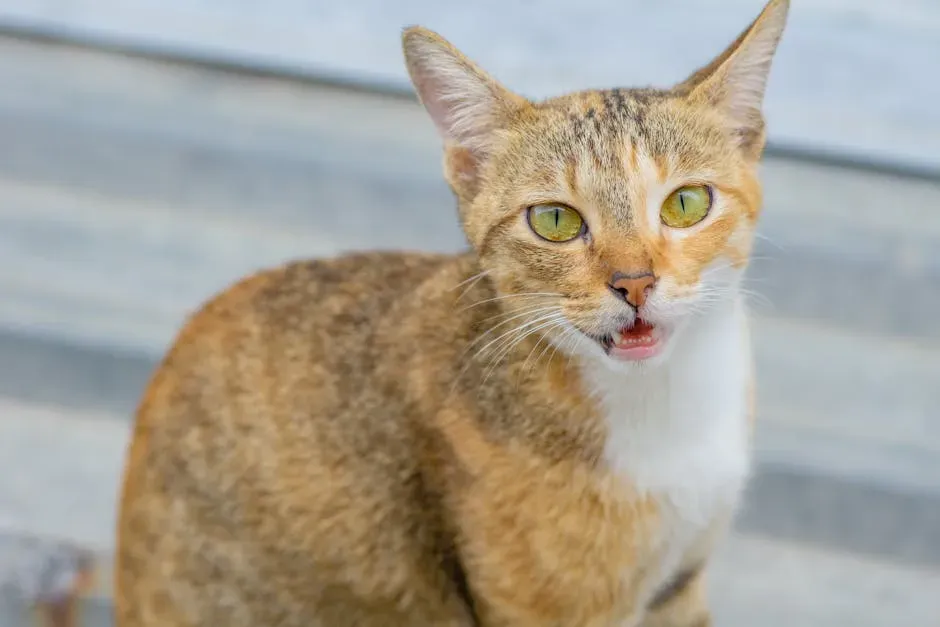
The chirp is a short, bright sound that carries a surprisingly deep social history. A chirp is a brief, high-pitched sound that rises slightly at the end, just like the soft chirping of a bird. Cats may give a single chirp or a series of them, called chirrups. A chirp often serves as a cheerful greeting between cats or toward humans, but they’re most important in communication between a mother cat and her kittens. Queens use chirrups to announce they’re coming back to the nest or to encourage their kittens to follow along.
Every mother cat’s chirp is unique, and her kittens can tell it apart from any other cat’s call. These birdlike utterances are slightly more declarative than a meow. Originally used by mothers to tell kittens to pay attention and follow her, your cat may chirp in an effort to get you to pay attention or as a way to get you to check out something she deems important.
The Chatter: The Sound of Frustrated Predator Instinct
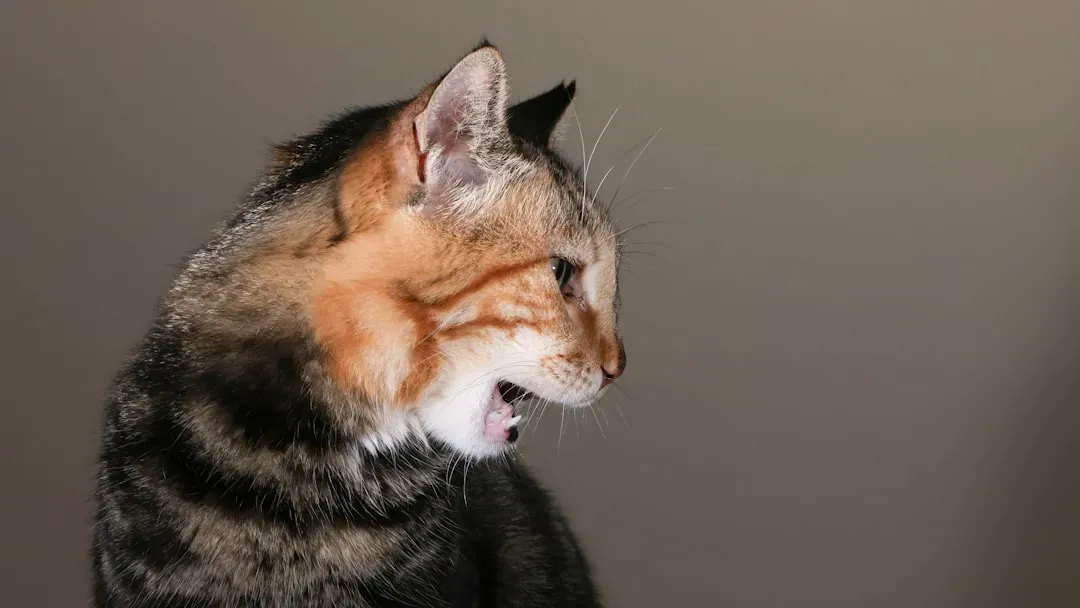
If you’ve ever watched your cat sit at a window, tail flicking, making a rapid clicking noise at a bird outside, you’ve witnessed chattering in full effect. When your kitty spies an unsuspecting bird or squirrel frolicking outside the window, they might make a chattering sound at it. This distinctive, repetitive clicking noise is caused by a combination of lip smacking and your cat rapidly vibrating their lower jaw. This odd behavior looks like teeth chattering, and a lot of cats also chirp when they chatter. This clickety sound is thought to be a mix of predatory excitement and frustration at not being able to get to the elusive prize.
No one is certain of the true function of this behavior, though there are a few theories, including signs of frustration in attaining prey, prey capture anticipation, and impersonation of prey vocalizations related to the kill bite theory. If your cat chatters at you directly, it likely means something different – chattering combined with pacing or a flicking tail is a signal that your cat needs a break from interaction.
The Hiss: Fear More Than Aggression
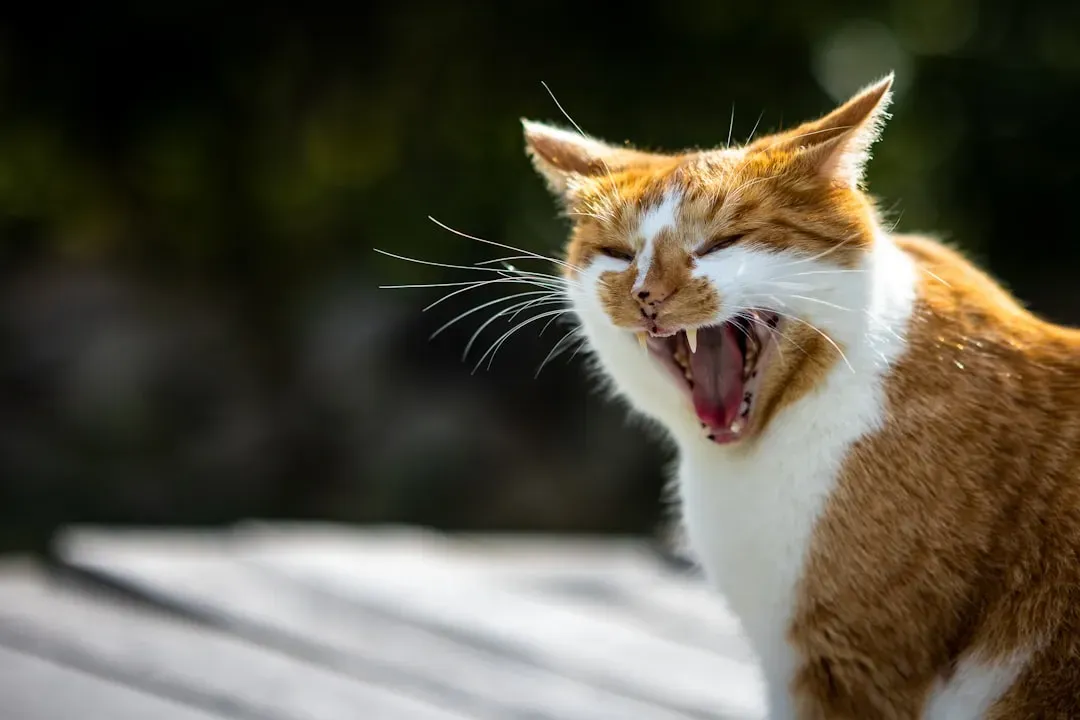
A hiss sounds aggressive and stops most people in their tracks. That’s actually the point – but the emotion driving it is more fear-based than most owners realize. Hissing can seem aggressive, but it’s actually a fear-based response. This sometimes involuntary reaction is used when a cat is surprised by a perceived threat or enemy – whether it’s the neighborhood stray cat or the veterinarian. A hissing cat is feeling vulnerable, insecure, or threatened.
The defensive hiss is an involuntary response where the mouth is open and teeth are exposed. Cats tend to use it before an aggressive encounter in hopes of ending things before they progress to something more dangerous. You’ll see cats hiss when they feel cornered or trapped. Hissing can be used to tell humans “no!” – if you reach out to pet a fearful cat, they may hiss as a first warning before they swat.
Some friendly, outgoing felines might hardly ever hiss, while a more shy, reserved cat will resort to it whenever unsure of a situation. Abused, stray, or feral cats are much more likely to go into “hissing mode” than a well-adjusted, sociable pet. Respecting this sound goes a long way toward building trust.
The Growl: A Last Warning Before Things Escalate
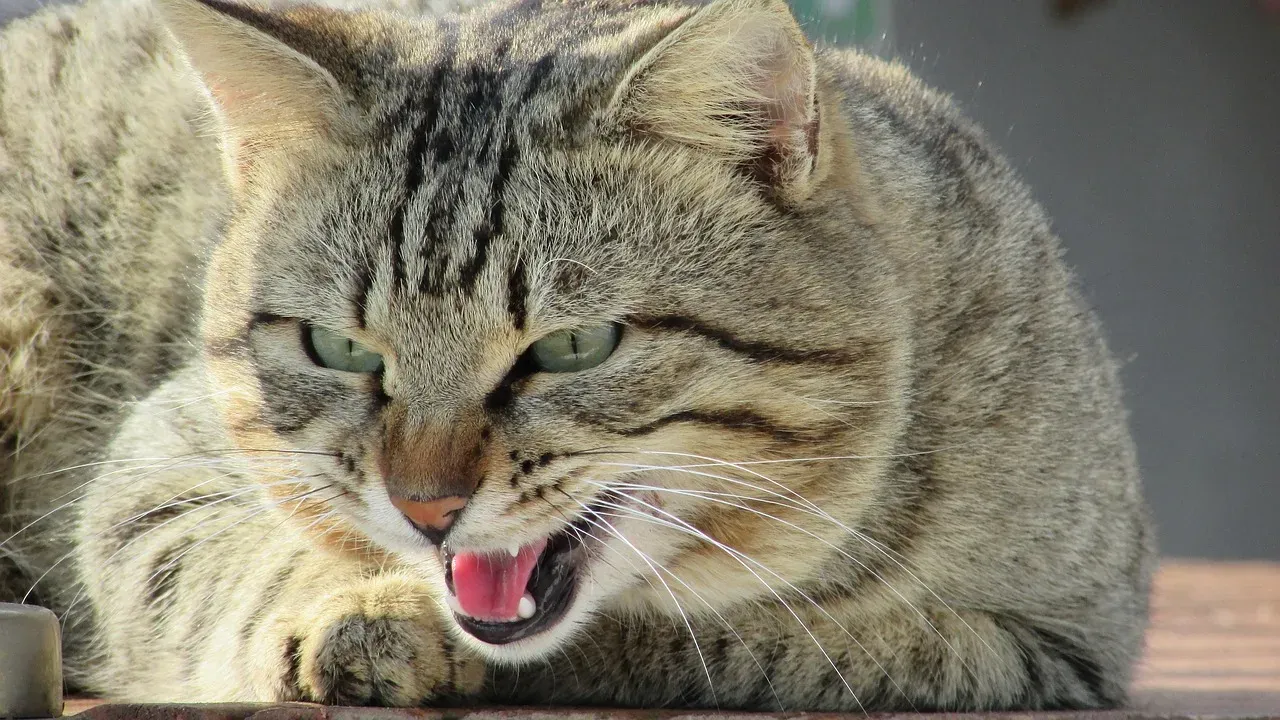
The growl is one of those sounds you don’t want to ignore. Growling and snarling in cats is akin to a warning bell, indicating aggression, fear, or discomfort. Where a hiss or a yowl will come from a cat’s open mouth, a cat’s growl is usually an internal sound made with the mouth mostly closed. Growling is a very clear warning to step back, used in relation to humans as well as other animals. When facing off for a potential battle, cats may growl at each other while seemingly locked in a standoff. Growling may be the last step before attacking.
It’s important to note that some cats growl because they’re in pain from an injury or a health problem. If you suspect this is the case, a trip to the vet is in order. If your feline snarls or growls at you for any reason, it’s best to leave your feisty friend alone. A snarling or growling cat will have the classic defensive body posture – puffed up fur, arched back, ears back, tail twitching.
The Yowl: When Something Is Genuinely Wrong
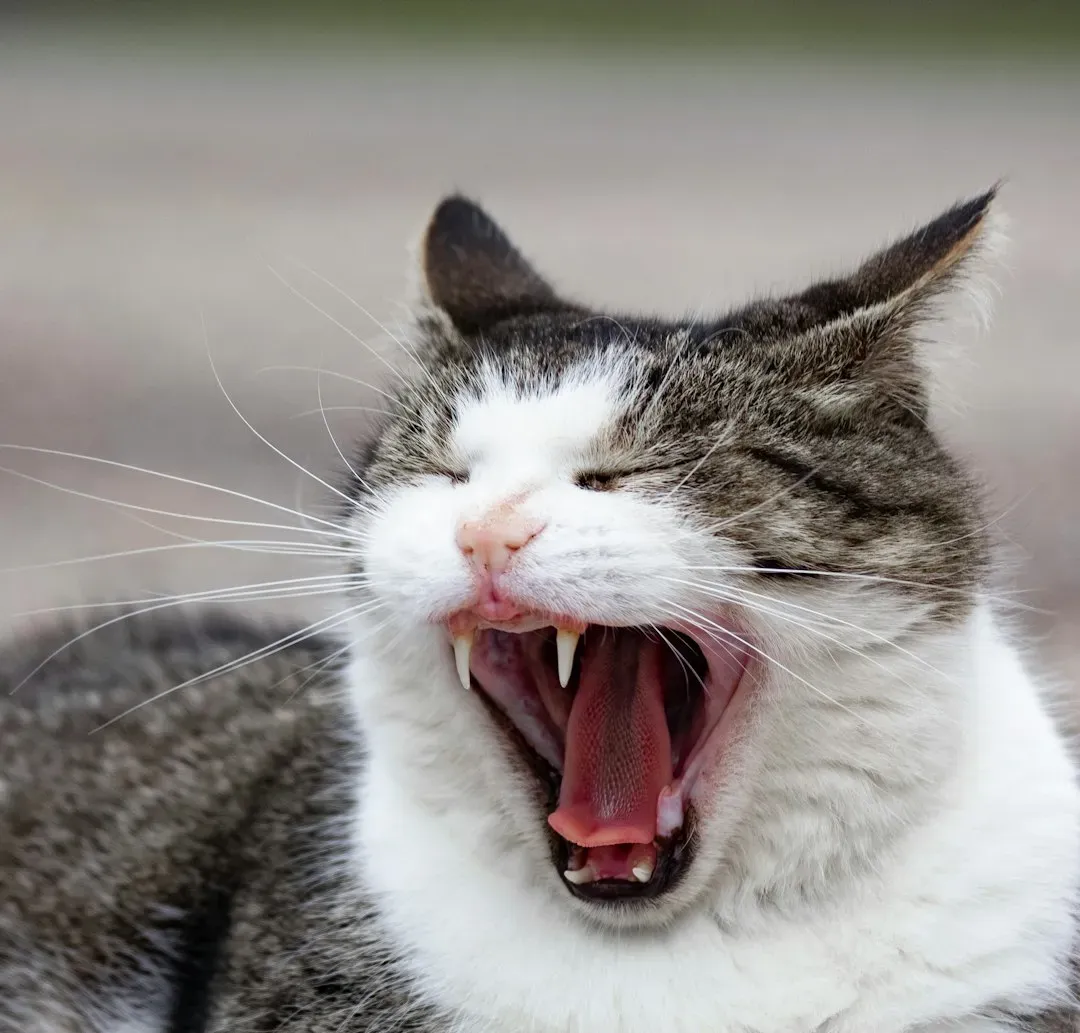
The yowl is hard to miss and harder to ignore. Unlike the reasonably happy, searching sound of a meow, the yowl is a longer, more drawn-out moan that denotes worry, discomfort, territorial concern, or mating issues. The yowl is often a cat-to-cat communication; it can mean “I want to mate” or “I don’t want you coming around my place.” It can also occur when a cat isn’t feeling well, when senses or cognitive functions decline, or when something in their environment isn’t to their liking.
Elderly cats may yowl if they suffer cognitive dysfunction syndrome, or dementia. If a cat yowls when the family is away from home, they may have separation anxiety. Yowling can also be a sign of pain or illness. Cats are usually excellent at hiding their pain, so take that yowling seriously and get them to the veterinarian to check for any injuries or illness.
As a general rule of thumb, any change in a cat’s vocalizations – including changes in frequency, intensity, duration, or pitch – should be seen by a veterinarian. This helps rule out underlying issues like pain, disease, anxiety, or cognitive decline. A sudden shift in how much or how intensely your cat yowls is your clearest signal that something deserves closer attention.
Conclusion
Your cat is not just filling silence. Every trill at the door, every nervous purr on the vet’s table, every chattering jaw aimed at a pigeon outside the glass carries actual meaning – some of it emotional, some of it rooted in ancient maternal instinct, some of it learned specifically for you. Your cat is actually communicating information about their world and about how they feel toward you. If you listen closely, you just might begin to understand what these sounds are all about and use that understanding to your advantage.
You can better understand your cat by paying attention to their vocalizations, body postures, and daily routines. In time, you may become so attuned to your cat’s personality and habits that you’re able to detect subtle changes in their mood and even recognize health problems before physical signs of illness appear.
The real takeaway here is straightforward. The more you actually listen to your cat instead of just hearing them, the richer that relationship becomes. They’ve spent thousands of years learning to talk to us. The least we can do is pay attention.
Kristina is a young writer from India. An arts graduate and an avid content creator, Kristina is passionate about animals and wildlife. She enjoys exploring topics related to pet care, animal behavior, conservation, and nature, combining thorough research with engaging storytelling.