Have you ever caught yourself thinking you understand your cat, only to be completely baffled by their next move? You’re definitely not alone in that. For centuries, we’ve been sharing our homes with these enigmatic creatures, yet somehow we’ve accumulated a mountain of misconceptions about how they actually think and behave. Some of these myths are harmless quirks passed down through generations, while others might genuinely affect how you care for your feline friend.
Here’s the thing: cats aren’t small, furry mysteries that we’ll never decode. Science has made remarkable strides in understanding feline behavior, yet old wives’ tales persist. Ready to separate fact from fiction? Let’s dive into some of the most stubborn myths that desperately need busting.
Cats Are Aloof and Don’t Bond With Humans

Cats may have a reputation for being indifferent and standoffish, but cats bond with their people, often just as much as dogs do, with studies showing that most cats create strong attachments to their guardians and experience feelings of comfort and safety by being around them. The real issue? They simply express affection differently than dogs do. While your pup might greet you with exuberant tail wagging and face licking, your cat shows love through subtler gestures.
Cats show their love in many ways, like purring, kneading, slow blinking, rubbing up against your legs, and following you from room to room. Think about it: when your cat brings you a toy at three in the morning, that’s not torture, that’s their version of a gift. Research published in 2019 shows cats develop attachments to their caregivers in much the same way dogs do, with cats using humans as a source of comfort when living in a state of dependency. Next time your cat sits nearby while deliberately ignoring you, remember they chose to be in your presence. That counts for something.
Purring Always Means Your Cat Is Happy

This one trips up nearly everyone. Sure, when your cat curls up on your lap and starts their little motor, it usually signals contentment. Purring most commonly expresses contentment, but according to the American Animal Hospital Association, purring can express a number of other things. Honestly, it’s way more complicated than we give cats credit for.
Cats purr when they are frightened, when they’re threatened, in pain, when they’re injured, and cats also purr when they’re stressed as a way of self-soothing. It’s almost like their version of nervous humming. If your cat is purring but their body language seems tense or they’re hiding, something might be wrong. Context matters enormously. Pay attention to the whole picture, not just the soundtrack.
Cats Are Nocturnal Animals

Let’s be real: if you’ve ever been woken up by a cat doing parkour across your furniture at midnight, you’ve probably assumed cats are nocturnal. Wrong! Cats are actually crepuscular, which means they are most awake at dusk and dawn. This behavior traces back to their wild ancestors who hunted when their prey was most active.
Birds and mice are very active at dawn, and cats evolved to take advantage of this by developing the ability to see in low-light conditions, getting the bulk of their hunting done while it’s mostly, but not entirely, dark. So those three a.m. zoomies? They’re just following ancient instincts. If your cat’s evening antics are a problem, consider a play session right before bed and feeding them a small amount to re-create the natural hunting cycle. You might finally get some uninterrupted sleep.
Every Cat Needs a Feline Companion

This belief causes well-meaning cat owners to adopt second cats, sometimes creating household chaos instead of harmony. Cats are facultatively social, meaning that their social behavior is flexible and heavily influenced by their genetics, early development, and lifetime experiences, and it’s not true that every singly kept cat is lonely and in need of a feline friend. Some cats genuinely thrive with a buddy, while others would rather have a root canal than share their space.
Some cats form pair bonds and benefit from the presence of another cat, while for others, the company of an additional cat may be stressful, with preferences influenced by the relatedness of the cats, their previous experiences, and whether the home provides adequate access to resources including food and space. I think the key takeaway here is simple: know your individual cat. Watch how they react to other cats during vet visits or through windows. Their personality will tell you everything you need to know about whether they want a roommate.
Cats Are Low-Maintenance and Don’t Need Much Attention
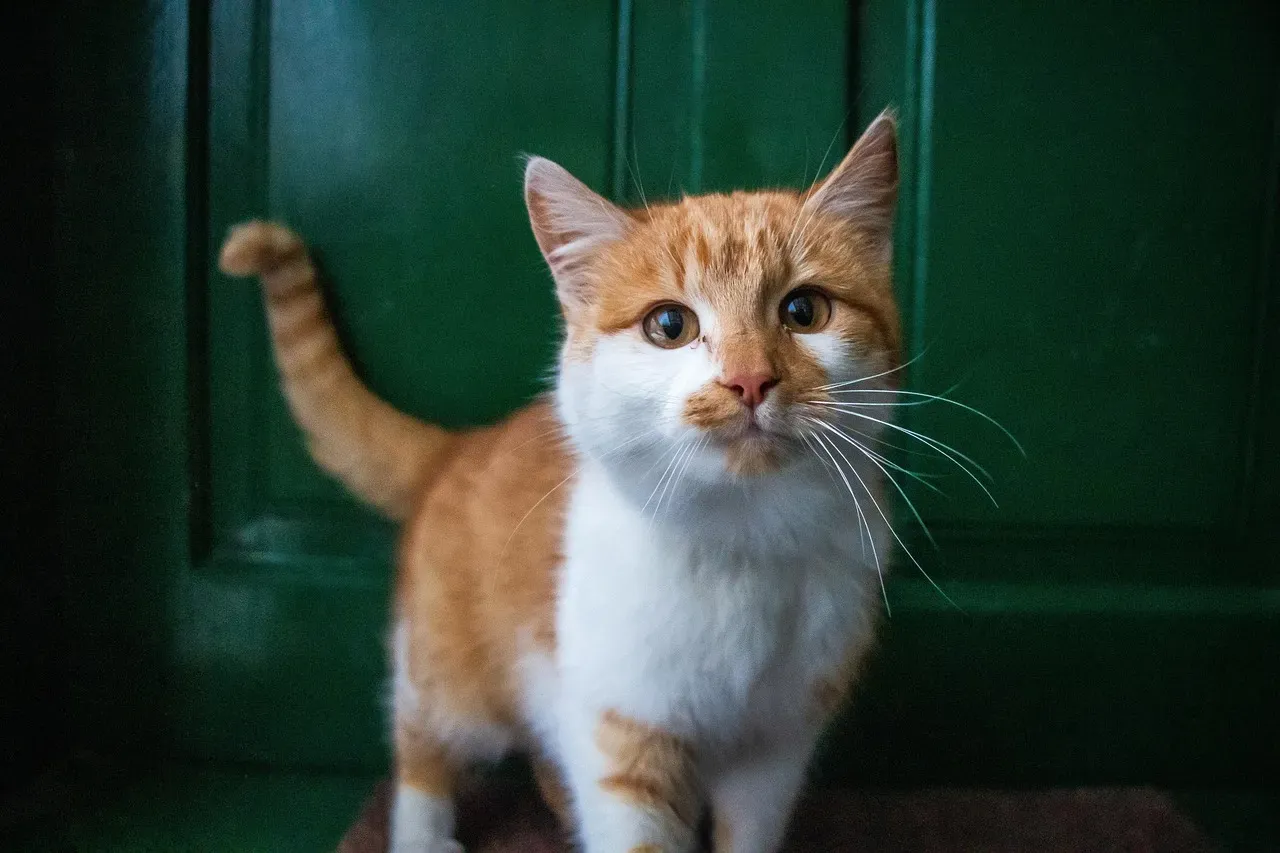
This myth drives me absolutely crazy because it’s probably the most harmful one on this list. While cats have a reputation for being independent, they need just as much care as dogs do, with regular vet visits, daily exercise and mental enrichment, and plenty of positive attention from their guardians all essential to a cat’s well-being. The idea that you can leave a cat alone for days with an automatic feeder is dangerously misleading.
Cats can get separation anxiety just like dogs, and they crave attention and love having their family around, even though they may not show it in the most obvious way. Your cat needs interactive play, mental stimulation, environmental enrichment, and yes, quality time with you. They’re not decorative houseplants. Cat owners need to think about how they are providing their felines with the quality of environments and experiences they need to thrive in human homes.
Cats Always Land on Their Feet
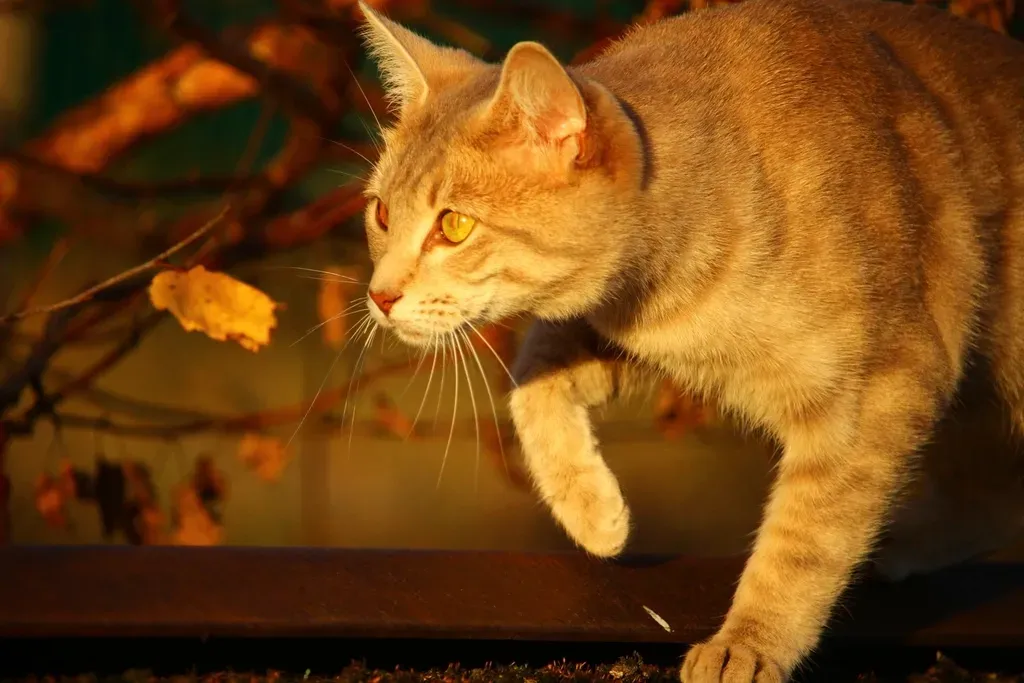
Cats are very agile creatures, but the truth is they can really hurt themselves if they fall the wrong way. While cats do have an impressive ability to right themselves mid-air thanks to their flexible spines and keen vestibular systems, this doesn’t make them invincible. Here’s what veterinarians know that most people don’t.
Veterinarians use the term high-rise syndrome to describe cat injuries sustained from falls including sprains, bone fractures, and even respiratory issues, and contrary to popular belief, cats are more apt to be injured from low heights than high because they don’t have time to turn or twist their bodies into the necessary position for a safe landing. Seriously, window screens need to be secure. Just because your cat has excellent reflexes doesn’t mean physics won’t catch up with them eventually.
Cats Can’t Be Trained

This misconception probably persists because cats aren’t desperate to please us the way dogs are. They’re more like independent contractors than eager employees. With some patience and positive reinforcement, cats can learn all sorts of tricks and good manners, and just like with dogs, short, fun training sessions work best, with treats or toys as rewards. I know it sounds crazy, but cats can learn to sit, come when called, and even walk on leashes.
The secret is understanding what motivates your individual cat. Some respond to food rewards, others to play or affection. Cats can be trained, and teaching your cat to do certain things can ultimately strengthen the bond between her and your family. Training isn’t just about party tricks either. It’s crucial for teaching appropriate scratching behavior, litter box use, and reducing stress during vet visits. Your cat is smarter than you think.
Cats and Dogs Can’t Get Along

Despite the stereotypes, many cats and dogs can learn to live together peacefully, and some even develop strong friendships and bonds, with patience and positive reinforcement being the key. The classic image of cats and dogs as sworn enemies is more cartoon fiction than reality. Sure, their communication styles differ dramatically, which can lead to misunderstandings, but that doesn’t make them natural enemies.
Introduce your cat and dog slowly so they have time to become comfortable together by starting with keeping them separate and letting them get used to each other’s scent, feeding them on opposite sides of a closed door, and once each pet can eat calmly right next to the door, start short, supervised face-to-face meetings while keeping all interactions positive and rewarding calm behavior. The success of interspecies relationships depends largely on proper introductions and respecting each animal’s personality. Some of the most heartwarming pet relationships happen between cats and dogs who became genuine friends.
Conclusion

Understanding your cat means letting go of outdated myths and embracing what science actually tells us about feline behavior. These misconceptions aren’t just harmless folklore. They shape how we care for our cats, influence adoption decisions, and affect the human-cat bond in real ways.
The truth is far more interesting than the myths anyway. Cats are complex, intelligent creatures with individual personalities and genuine emotional needs. They form deep attachments, communicate in sophisticated ways, and deserve our respect and proper care. What surprised you most? Did any of these myth-busting facts change how you view your feline friend? Your cat might be sitting there judging you right now, but at least now you understand them a little better.