Have you ever wondered why your indoor cat acts so differently from that neighborhood kitty who roams freely outside? If you’re a cat owner, you’ve probably noticed some pretty stark contrasts in how these feline friends behave. The truth is, where a cat lives dramatically shapes everything from their daily routines to their personality quirks.
Whether you’re considering keeping your cat indoors or you’re simply curious about feline behavior, understanding these differences can help you create the best environment for your furry companion. Let’s explore the fascinating ways indoor and outdoor cats differ in their day to day lives. These insights might just surprise you.
Exercise Levels and Physical Activity Patterns
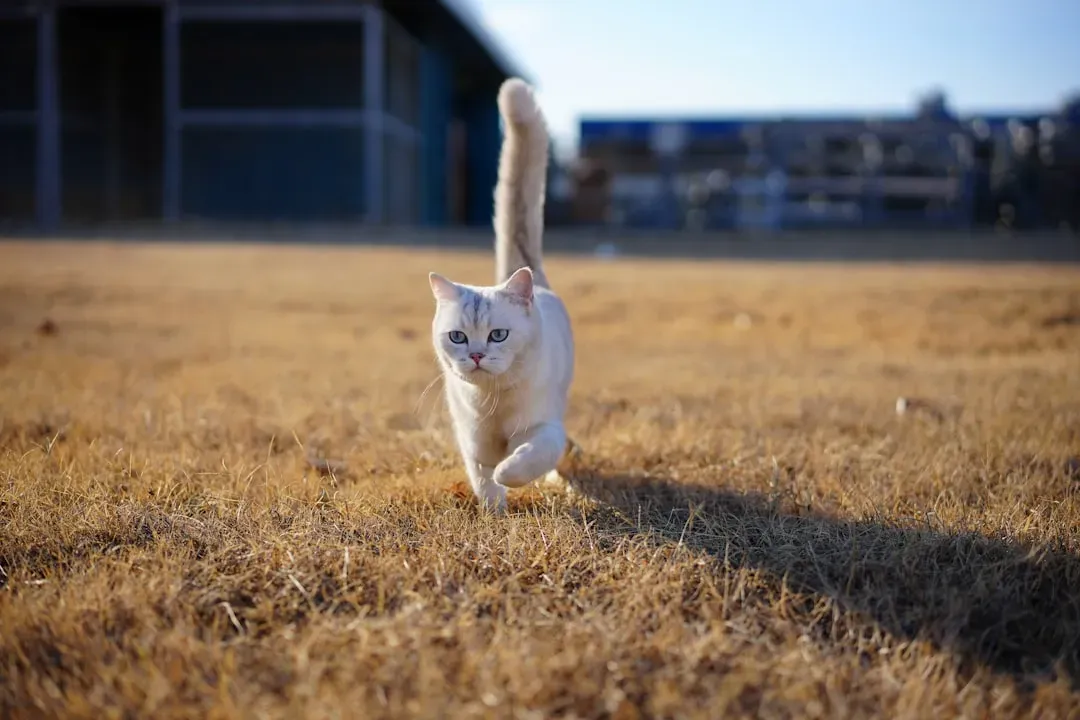
Indoor cats typically get less exercise and are more prone to being overweight or obese, while outdoor cats get more exercise, which reduces their risk for obesity. Think about it this way: your indoor cat might sprint from room to room occasionally, but an outdoor cat is constantly on the move, patrolling territory, climbing trees, and investigating every corner of their domain.
Outdoor cats often get more exercise and mental stimulation by chasing prey, climbing trees, and exploring their territory. This physical difference can be massive. If you have an indoor cat, you’ve probably noticed them lounging in sunny spots for hours, whereas outdoor cats seem to have an endless energy reserve fueled by their environment. The good news? You can bridge this gap by creating engaging play sessions and vertical spaces for your indoor kitty.
Hunting Instinct Expression
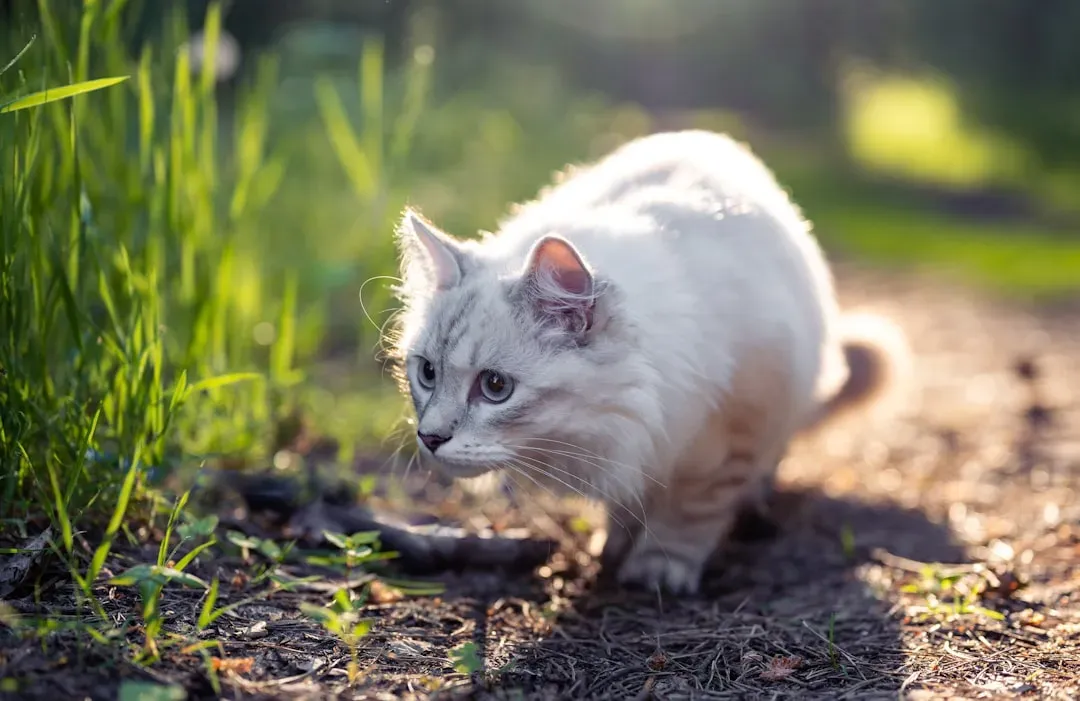
Here’s something that might blow your mind: cats have an instinct to sit and watch prey as well as stalk, chase, and kill, and a full-fed cat will still do these activities, indicating they want and need to engage in this set of behaviors. Your pampered indoor cat still has those wild instincts coursing through their veins.
Outdoor cats are able to run and climb outside freely, and they are able to employ their hunting instincts, though there is no concrete evidence suggesting that outdoor cats get more mental stimulation than indoor cats with toys and outlets to play do. Indoor cats often redirect this hunting drive toward toys, your ankles, or even that dust bunny floating across the floor. Outdoor cats, on the other hand, actually catch real prey, which satisfies that primal urge in a way no toy mouse ever could. It’s honestly fascinating to watch how differently this instinct manifests.
Territorial Behavior and Space Management
Cats are very territorial, much more so than dogs, and territorial aggression occurs when a cat feels that his territory has been invaded by an intruder. The way indoor and outdoor cats handle territory is like comparing someone who owns a studio apartment to someone with acreage.
Outdoor cats patrol massive territories, sometimes covering nearly twenty acres at night according to research. They mark boundaries, defend against intruders, and constantly assess their domain. Indoor cats? They still have that territorial drive, but it manifests differently. Indoor cats do not view the outdoors as their territory, so they naturally feel safer and more confident when inside. Your indoor cat might claim the top of the refrigerator or a particular windowsill as their kingdom, defending it with the same intensity an outdoor cat defends acres of land.
Socialization and Interaction with Other Cats
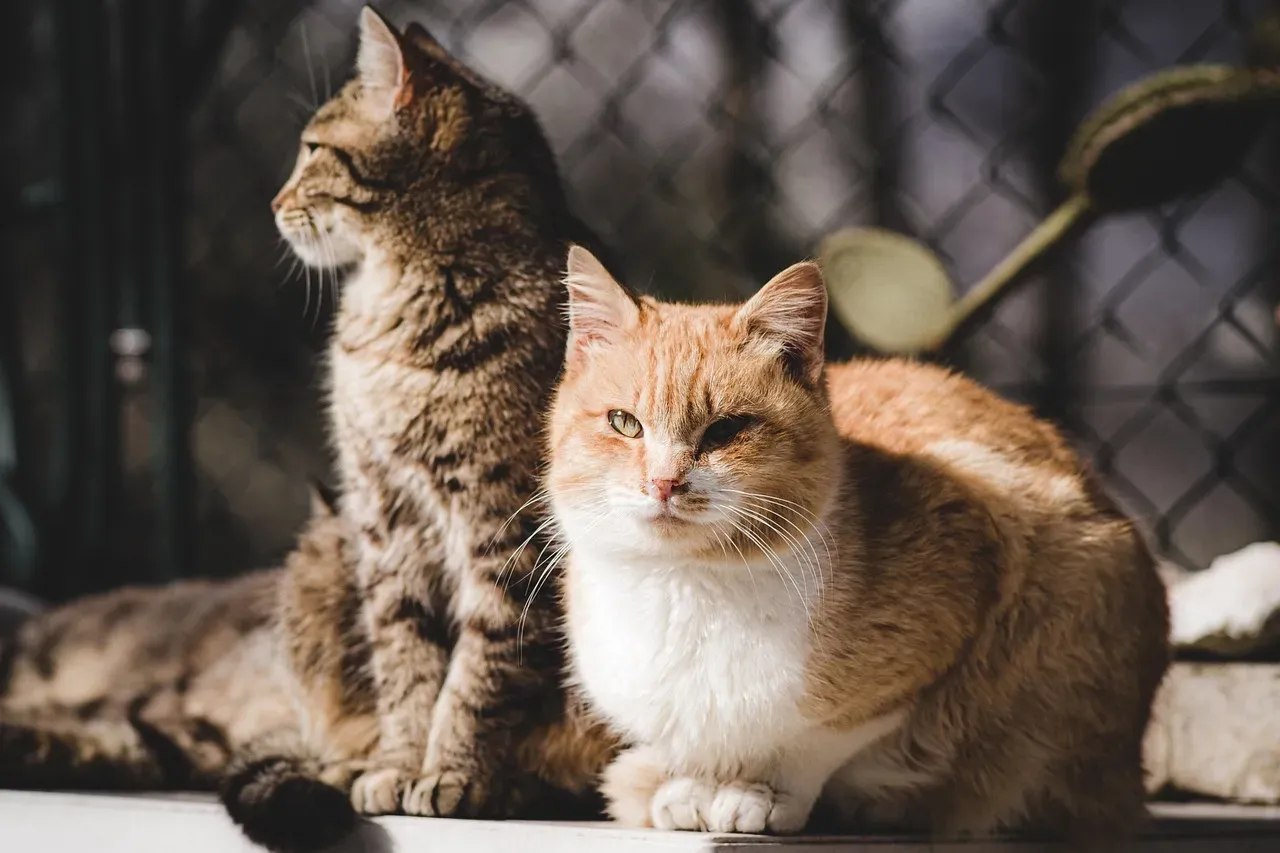
Cats that are well-socialized during kittenhood will likely be more sociable than those that haven’t been around many other cats, but street cats that are in the habit of fighting with other cats to defend their territory and food resources may not do well in a multi-cat household. This difference is pretty striking when you think about it.
Indoor cats living together often develop complex social relationships since they can’t just leave when tensions arise. In a home environment, cats don’t have the choice to just leave; they’re stuck inside with whatever resources their humans provide, which can create a lot of tension between the cats. Outdoor cats, meanwhile, have learned the art of avoidance. They know how to share overlapping territories with minimal confrontation. When they do meet, it’s usually brief and strategic.
Stress Triggers and Anxiety Sources
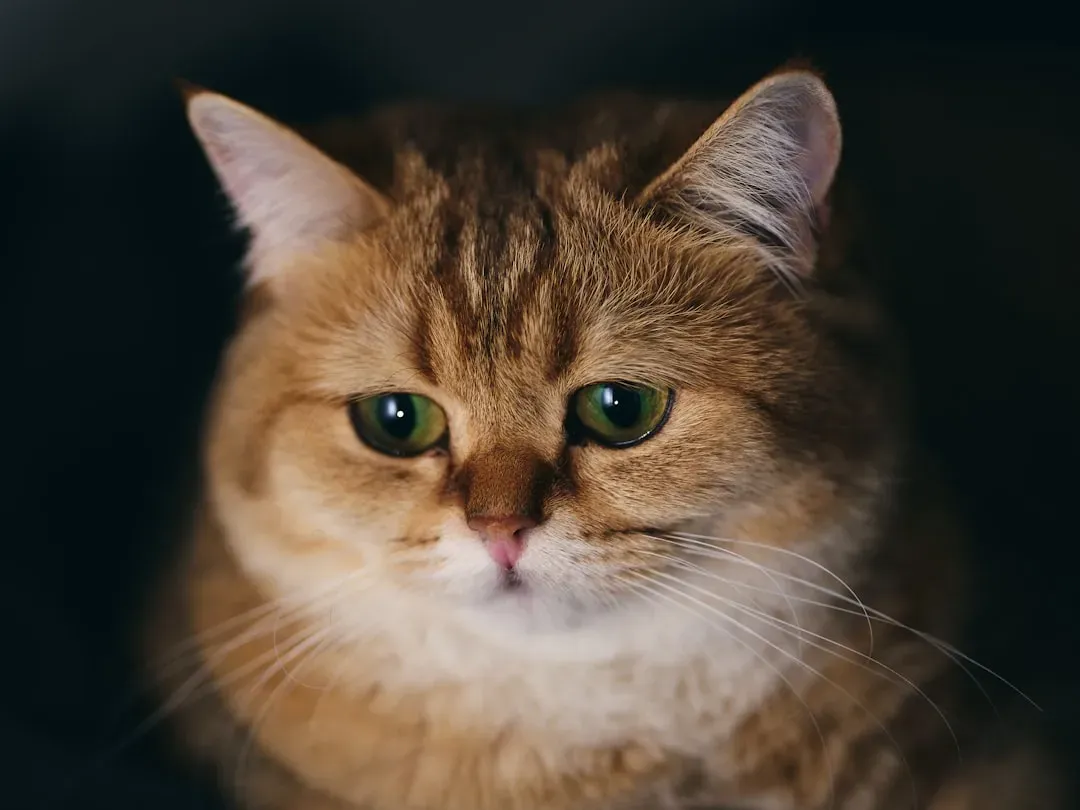
Let’s be real, stress looks completely different for these two groups. Cats are natural hunters and explorers, and without opportunities to engage their instincts, they can become bored, frustrated, or anxious, often leading to destructive behaviors like excessive scratching, obsessive grooming, or even chewing on household items. Your indoor cat might freak out over a rearranged living room or a new piece of furniture.
Outdoor cats face entirely different stressors. Cars, toxic plants, poisons, other cats, and wild animals are all dangers that cats may encounter in just one day. While your indoor cat worries about whether you’ll remember to refill the food bowl on time, outdoor cats are dealing with actual survival challenges. It’s hard to say which situation is more stressful, but they’re definitely worlds apart. Indoor cats live in a controlled bubble where minor changes can feel catastrophic, while outdoor cats navigate constant danger but enjoy complete autonomy.
Lifespan and Health Differences
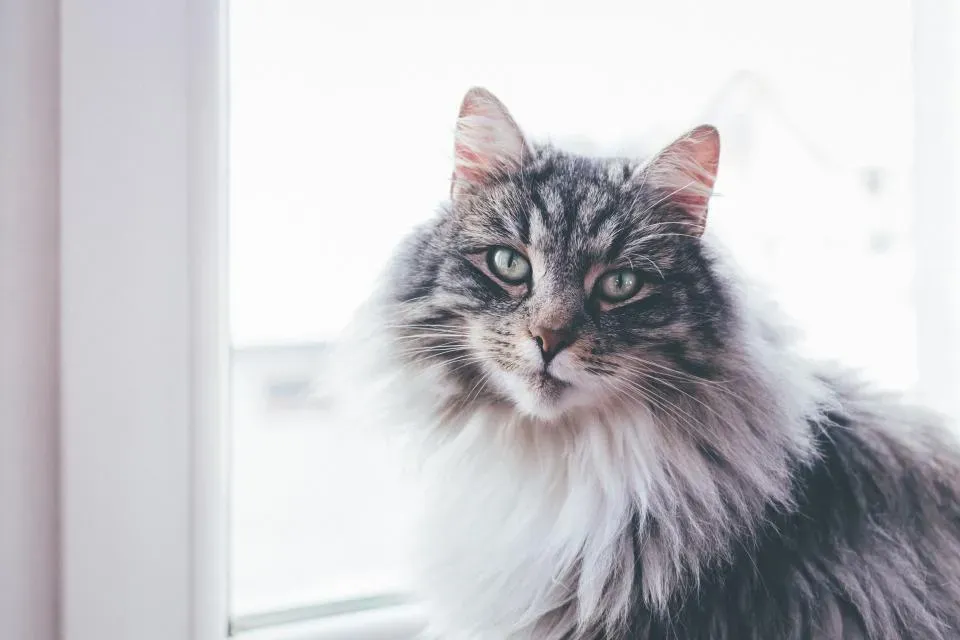
This one’s huge, and honestly, it’s the reason many owners choose to keep cats indoors. Indoor cats typically live around 12 to 18 years, whereas outdoor cats can experience threats that shorten their lifespan to just 2 to 5 years. That’s a staggering difference when you really think about it.
Indoor cats tend to be much healthier than outdoor cats overall because they are exposed to far fewer infectious pathogens including bacteria, viruses, and even parasites. Your indoor cat isn’t dodging cars, avoiding predators, or risking exposure to diseases from other animals. Cats kept inside aren’t as exposed to fleas, ticks, or sick or unvaccinated cats. The trade off? Indoor cats need you to actively prevent boredom and obesity, which come with their own health risks.
Daily Routine and Activity Cycles
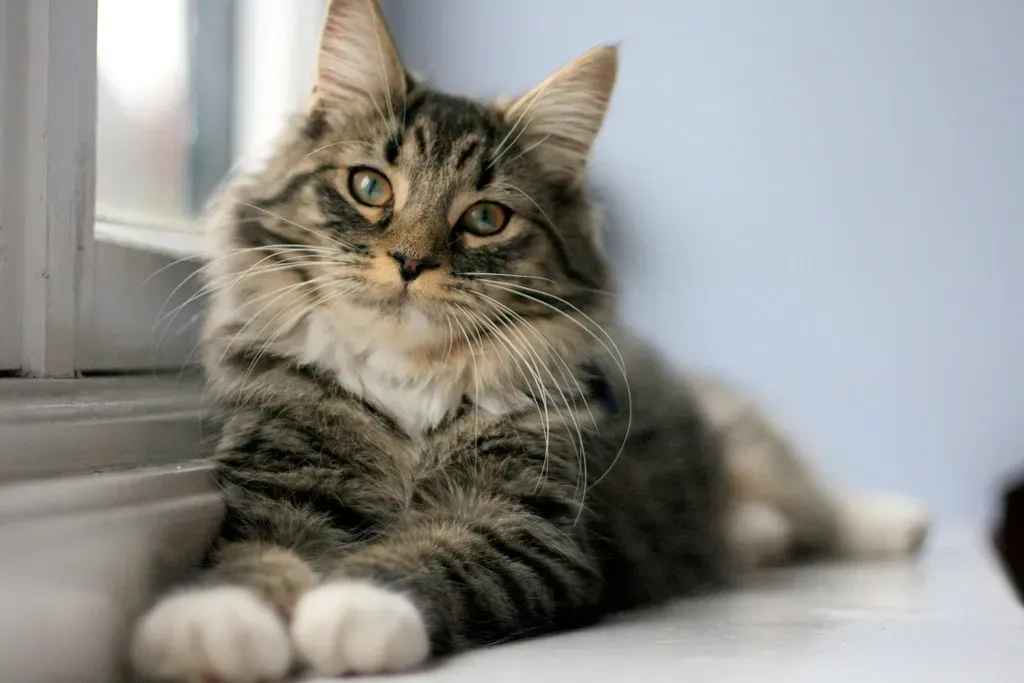
Cats are crepuscular, meaning they’re most active at dawn and dusk, following their prey’s patterns. Outdoor cats naturally follow these rhythms, becoming energetic hunters during twilight hours when prey is most active.
Indoor cats often adapt their schedules to match yours, though many still exhibit those wild bursts of energy at odd hours. You know that 3 a.m. zoomies session? That’s your indoor cat’s crepuscular instinct trying to break through. Indoor cats are actually busier than we may think, typically covering the entire area of a house or apartment each day or often at night. Outdoor cats, though, live on nature’s clock. They hunt when prey is available, rest when it’s hot, and patrol when it’s necessary. Their routines are dictated by survival and instinct rather than your work schedule.
Natural Behavior Expression and Mental Stimulation
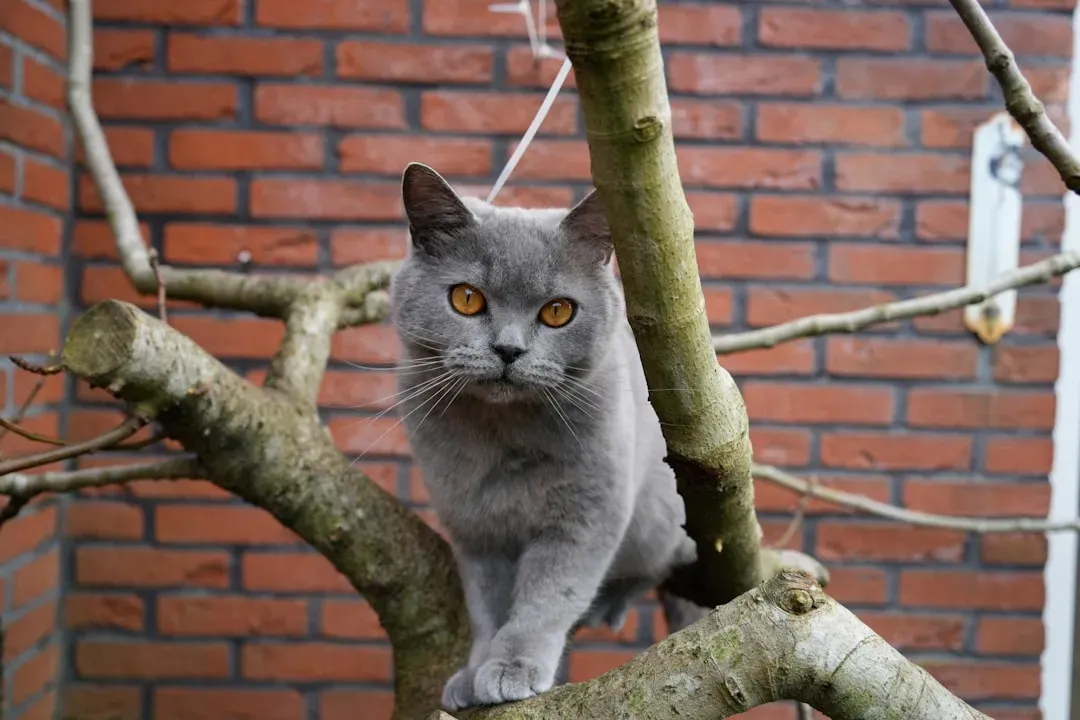
Outdoor cats can engage in their natural behaviors, like stalking, hunting, and climbing, which can reduce stress and frustration. The outdoor environment is essentially one giant enrichment playground where every day brings new sights, sounds, and smells.
For indoor cats, mental stimulation requires deliberate effort from you. You can make their daily routine more fun by hiding food and treats around the house and using a variety of toys to help your cat practice hunting and get the exercise they need. The key difference is spontaneity versus structure. Outdoor cats experience unpredictable, ever changing environments that keep their brains engaged naturally. Indoor cats need you to create that variety artificially through toys, games, puzzles, and environmental enrichment. Being outdoors provides an ever-changing environment to explore, climb, sniff, and lounge on, which may help reduce behavior issues.
Conclusion
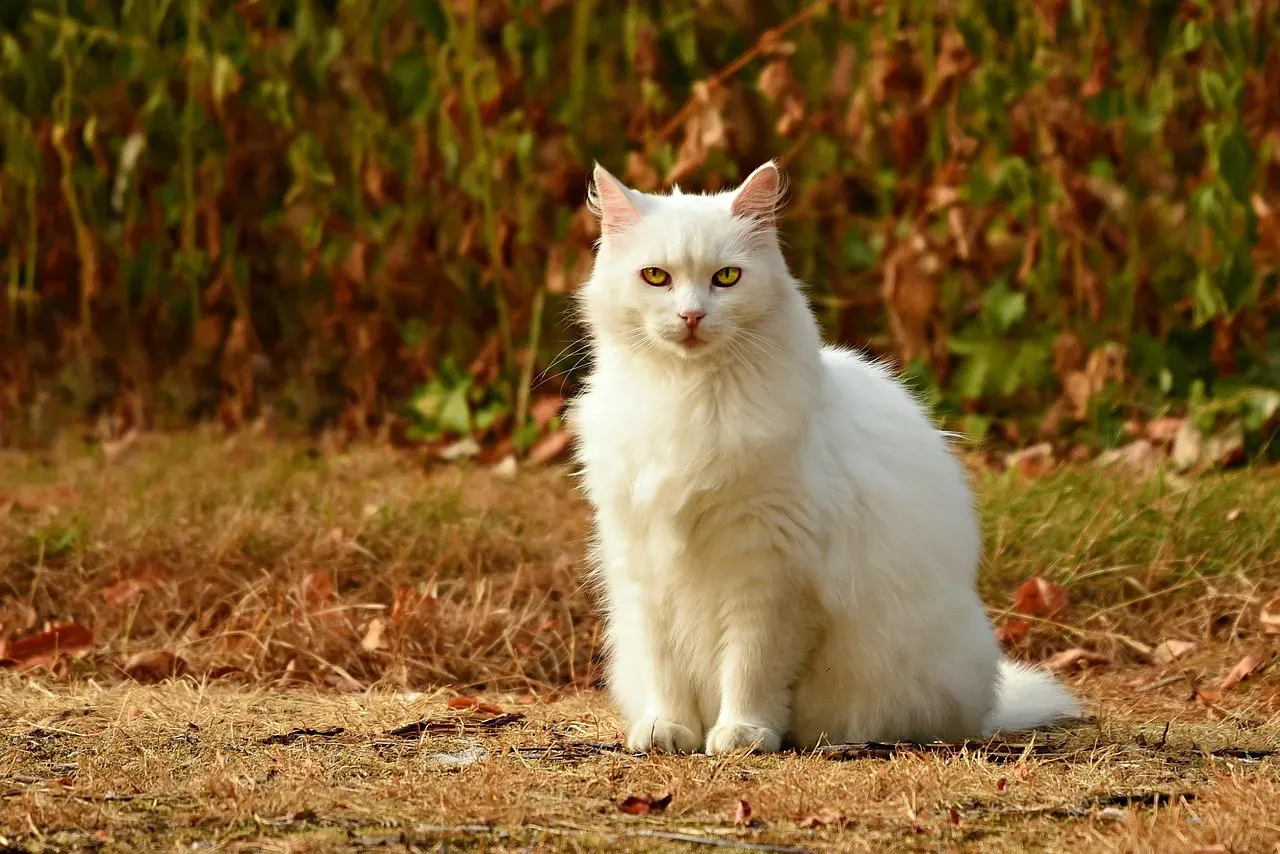
Understanding these behavioral differences between indoor and outdoor cats helps you make informed decisions about your cat’s lifestyle. Each environment shapes your cat’s personality, health, and daily experiences in profound ways. Whether you choose to keep your cat indoors, allow outdoor access, or find a middle ground with supervised adventures, the key is meeting your cat’s physical and mental needs.
Remember that with proper enrichment, indoor cats can live long, fulfilling lives without ever stepping outside. What matters most is creating an environment where your cat feels safe, stimulated, and loved. What approach do you take with your feline friend? Every cat is unique, and finding the right balance is part of the joy of cat ownership.