You’ve probably heard the saying that cats are aloof creatures who barely tolerate human presence. While that’s not entirely true, there’s something to be said about certain feline companions who value their personal space just as much as you value yours. If you’re someone with a packed schedule, frequent travels, or simply appreciate having a pet that doesn’t demand your attention every waking moment, you’re in the right place.
Let’s be real here. Not everyone has time to cater to a needy pet constantly seeking validation. Some of us need a companion who understands boundaries, appreciates a good nap, and won’t guilt-trip us for working late. The good news? There are cat breeds perfectly designed for this lifestyle. They’re affectionate when you’re around yet completely content entertaining themselves when you’re not. So let’s dive in and discover which feline friends might just be your perfect match.
Russian Blue: The Elegant Loner
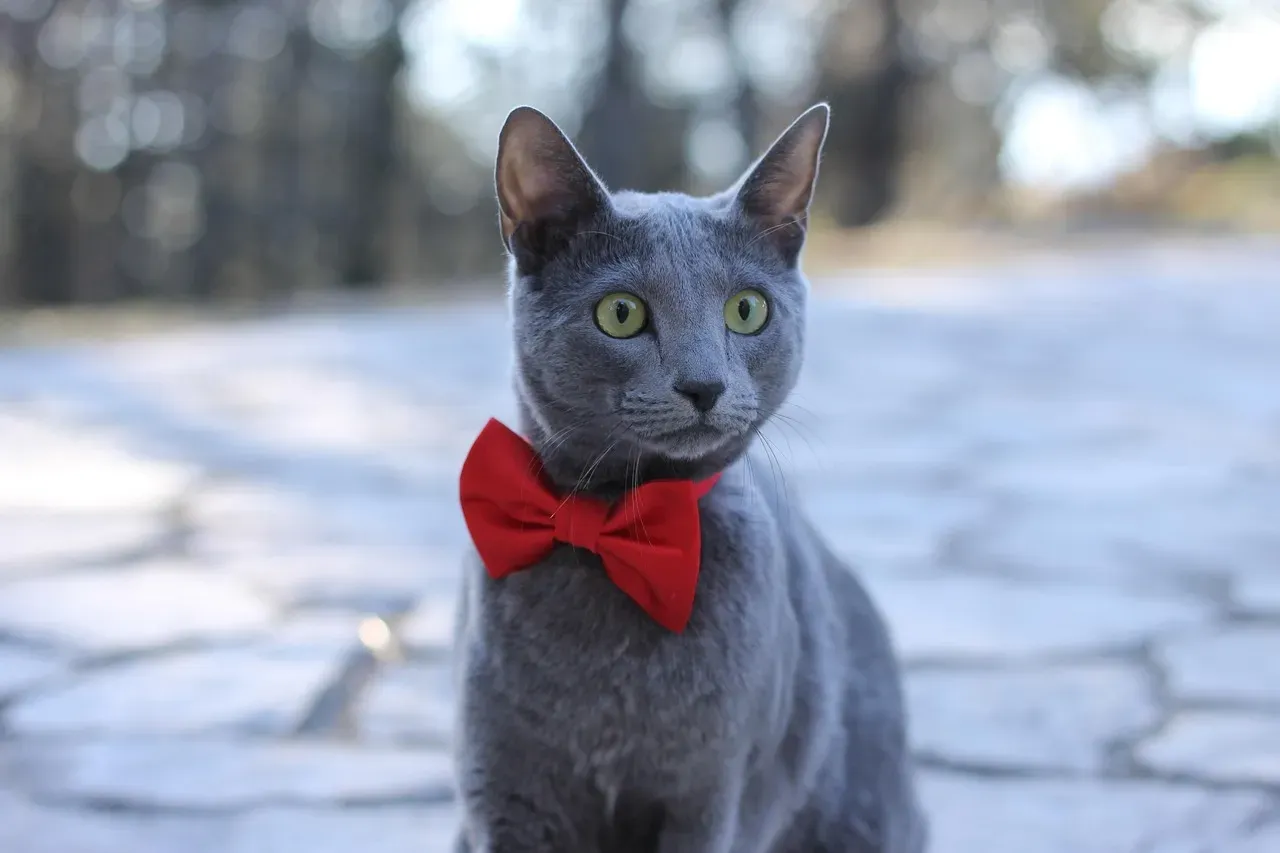
The Russian Blue is known for their shimmering blue coat and striking green eyes, and they are reserved, often shy around strangers, but loyal to their family. These stunning cats possess a level of sophistication that makes them seem almost regal in their demeanor. What makes them particularly appealing for independent owners is their ability to amuse themselves without making a fuss.
Like the British Shorthair, the Russian Blue is known for its easygoing temperament, and they’re not the type to follow you from room to room or to demand cuddle time when you’re doing dishes, content to amuse themselves most of the time and they don’t mind if your work schedule keeps you out of the house for much of the day. Their short coat requires minimal grooming, making them genuinely low-maintenance companions. Their independent nature means they’re happy spending time alone while you’re at work without being overly needy, and Russian Blues are highly intelligent and enjoy mental stimulation but don’t require constant attention. Honestly, if you want a cat that looks like it just walked off a fashion runway yet acts like it has its own life to live, this breed is worth considering.
British Shorthair: The Laid-Back Buddy
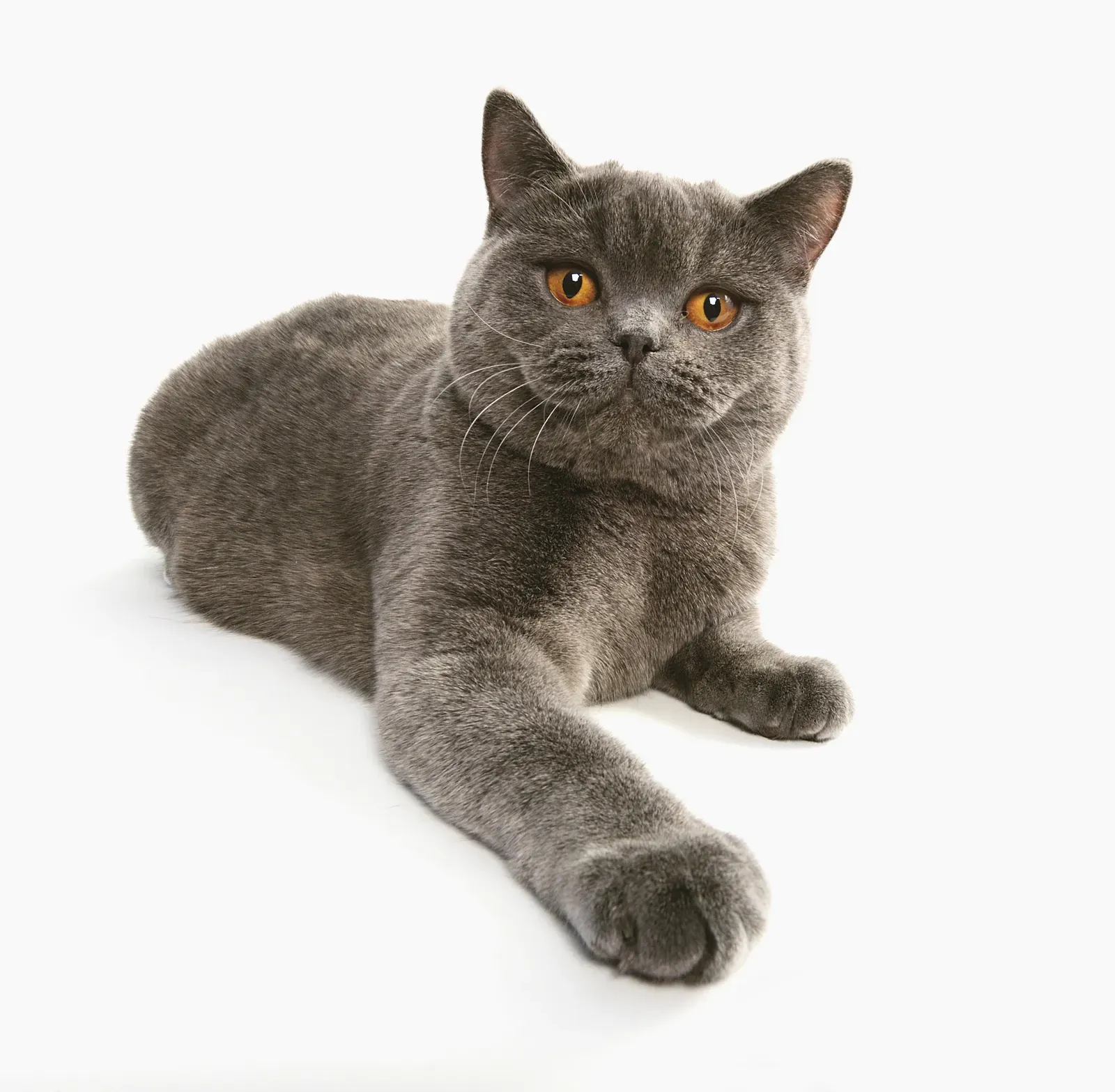
The British Shorthair is a rather mellow cat, happy to snooze the day away while you’re at work, and even when awake, they are content to hang out by themselves when alone, and will gladly warm your lap when you come home for the day, being affectionate but never demanding. These stocky, round-faced felines have mastered the art of being simultaneously loving and independent. Their plush coat comes in various colors, though the blue-gray variety is particularly popular.
The British Shorthair is one of the most popular low-maintenance cat breeds, known for their calm demeanor, these cats are gentle and easy to care for, and their short coat requires very little grooming – just the occasional brushing to keep them looking their best. What I find fascinating about this breed is how they seem to understand personal space instinctively. They don’t shed excessively, and their calm and easygoing nature means they’re happy to spend long periods on their own. They’re the type to quietly observe from their favorite perch, perfectly content until you’re ready for some quality cuddle time.
American Shorthair: The All-American Independent
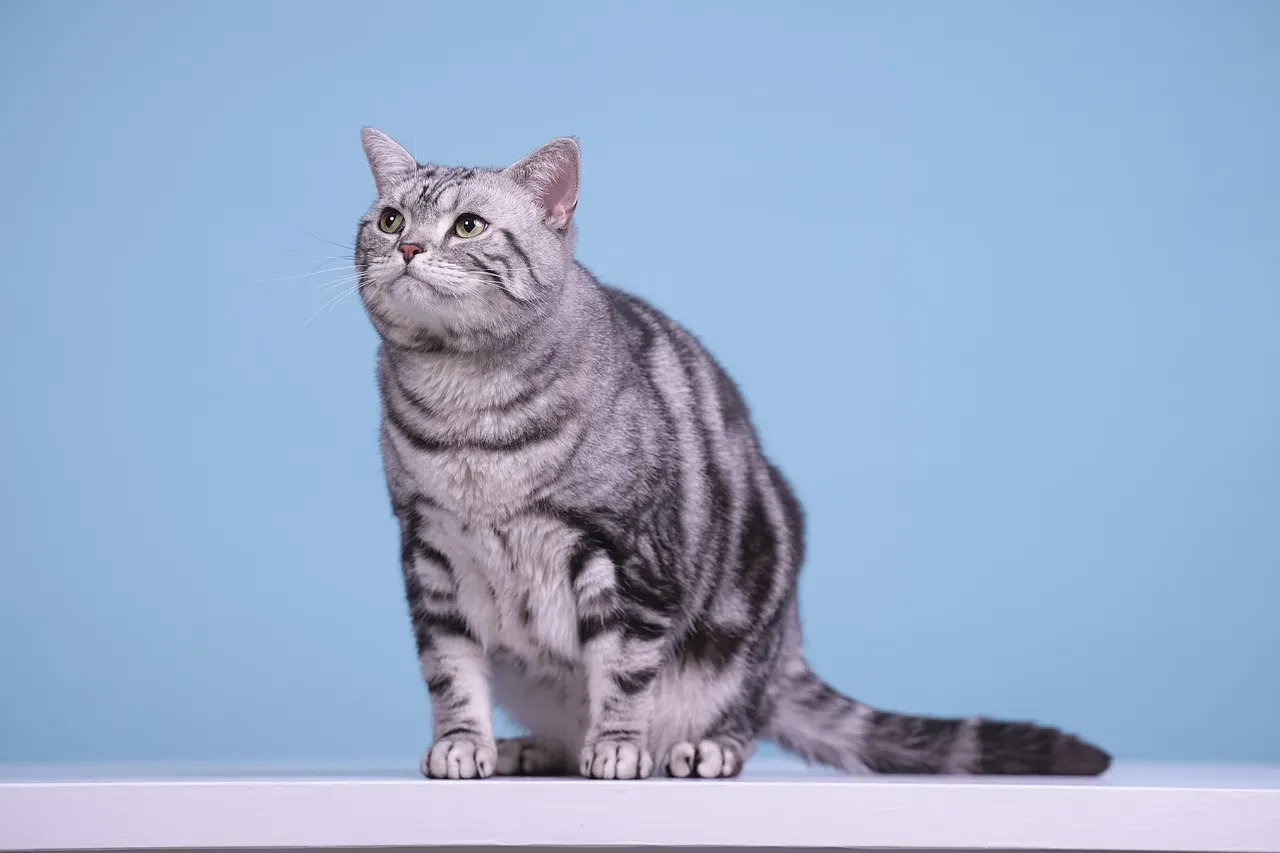
The American Shorthair is an adaptable breed that isn’t usually shaken by changes in routine. Originally bred for pest control, these cats developed a work ethic that translates into self-sufficiency today. This independent kitty will happily amuse themselves with their favorite toy or an outdoor adventure if they’re allowed to leave the house until you return, and they are easygoing and gentle, making them a great choice for new or experienced pet parents, and they get on famously with children, other felines, and cat-friendly dogs.
American Shorthairs are generally healthy cats with fewer genetic issues compared to some other breeds, and their lifespan is between 15 to 20 years, making them a long-term companion that doesn’t require much specialized care. Their stocky build and rounded face give them an endearing appearance, yet don’t let that fool you into thinking they’re clingy. These cats are affectionate but won’t be all over you constantly, and they’re content to sit by your side or play independently. They strike that perfect balance between companionship and independence that many busy pet owners dream about.
Scottish Fold: The Quirky Observer

The Scottish Fold is affectionate and friendly but not demanding of your attention, and these cats are quite laid-back and self-sufficient, equally happy to entertain themselves or play with their human family, being adaptable and moderately active as a balanced companion that will quietly offer love when you’re close by. Their distinctive folded ears give them an owl-like appearance that’s absolutely charming, making them instantly recognizable.
The Scottish Fold is a darling cat that requires very little maintenance, and it’s not a loud cat, not particularly attached to your hip when you are home, and it’s very happy to play and entertain itself. What’s particularly appealing is their quiet nature – they’re not the type to vocalize demands constantly. Scottish Folds may be known for their cute folded ears, but they are also surprisingly independent, and while they enjoy spending time with their owners, they don’t demand constant interaction. Their grooming needs are minimal with weekly brushing, making them genuinely hassle-free companions for people with limited time.
Maine Coon: The Gentle Giant
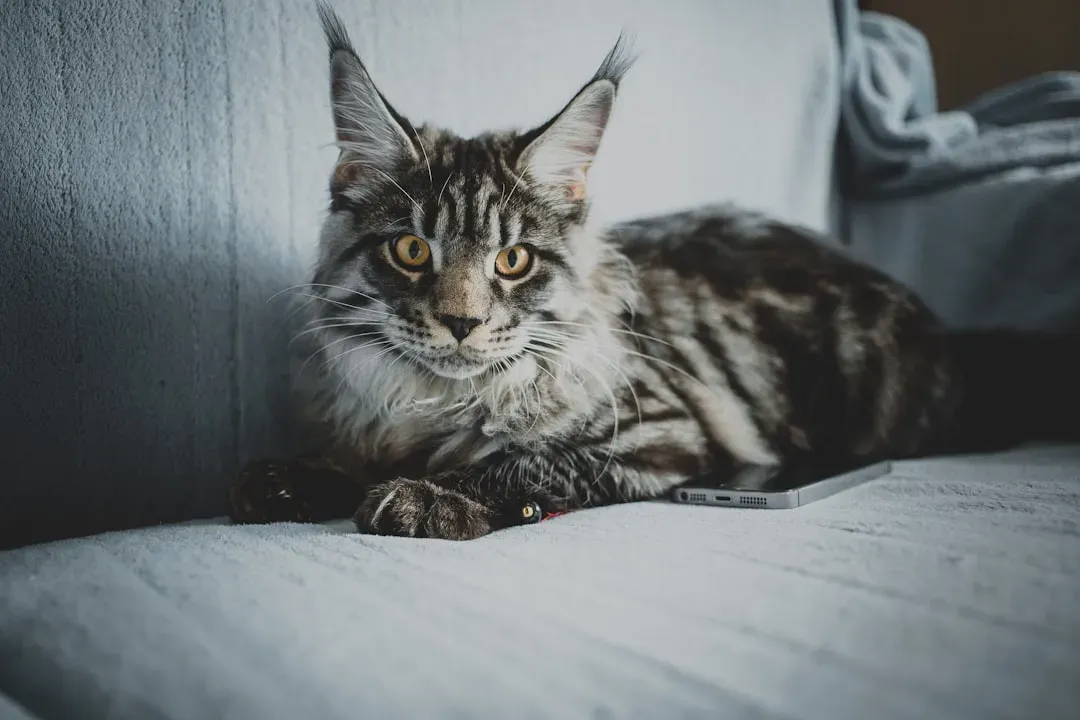
The Maine Coon is a favorite amongst families thanks to their patient and affectionate nature, great with children, they love to play and are very mellow, and while they have bursts of energy, they’re happy to spend a good chunk of their day snoozing and don’t require constant attention. These magnificent cats are among the largest domestic breeds, yet their size doesn’t translate to neediness. Their impressive appearance often surprises people who discover how self-sufficient they actually are.
This plus-sized cat breed does need regular grooming because of its long coat but does well with less attention than other kitties usually require, and this breed, likely one of the oldest cat breed native to America, is affectionate but still perfectly happy to lounge around at home alone without becoming depressed. While they prefer having their owners nearby, they’re independent enough to do their own thing if you’re at work or too busy to play. Their intelligence makes them fascinating companions – they’re trainable and responsive, yet they won’t shadow your every move demanding attention like some breeds might.
Norwegian Forest Cat: The Rugged Individualist
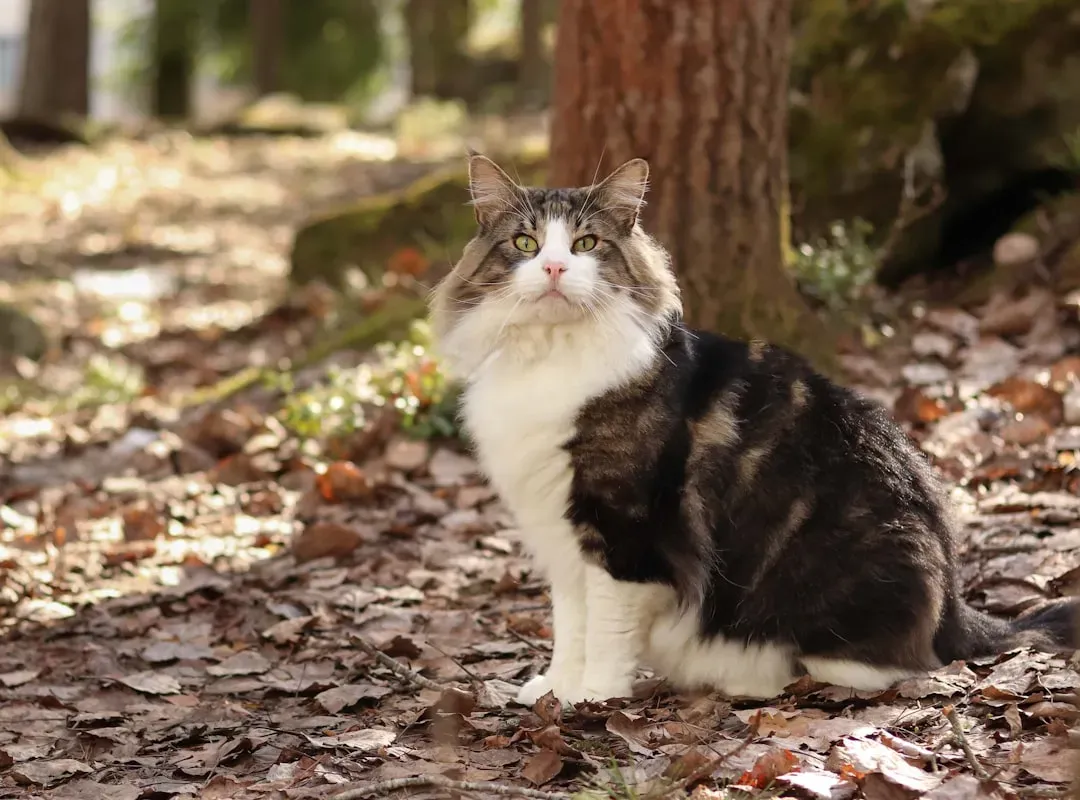
Norwegian Forest Cats are a striking breed with thick, dense fur that keeps them warm in even the coldest of climates, and they are mild-mannered and patient, gentle cats who enjoy being part of the family, and the Wegie as they’re affectionately known is sociable while still retaining a strong streak of independence. These semi-wild beauties hail from Scandinavia and retain that rugged, outdoorsy spirit. Their independent streak runs deep, rooted in centuries of surviving harsh Nordic winters.
This elegantly named breed is a large domestic cat with a hearty constitution that does just fine on its own, so long as they have access to food and water, and even trips away for the weekend aren’t going to bother this bold beauty, so just leave some fun and games out for them to keep them engaged in your absence. They’re intelligent and playful with great hunting skills, meaning they’ll entertain themselves with toys when you’re unavailable. Norwegian Forest Cats have an independent streak, but they also enjoy spending time in their owners’ laps when they are at home, making them a great balance of independence and affection, perfect for those who appreciate and nurture independence. The only real maintenance requirement is regular brushing due to their luxurious coat.
Persian: The Serene Aristocrat
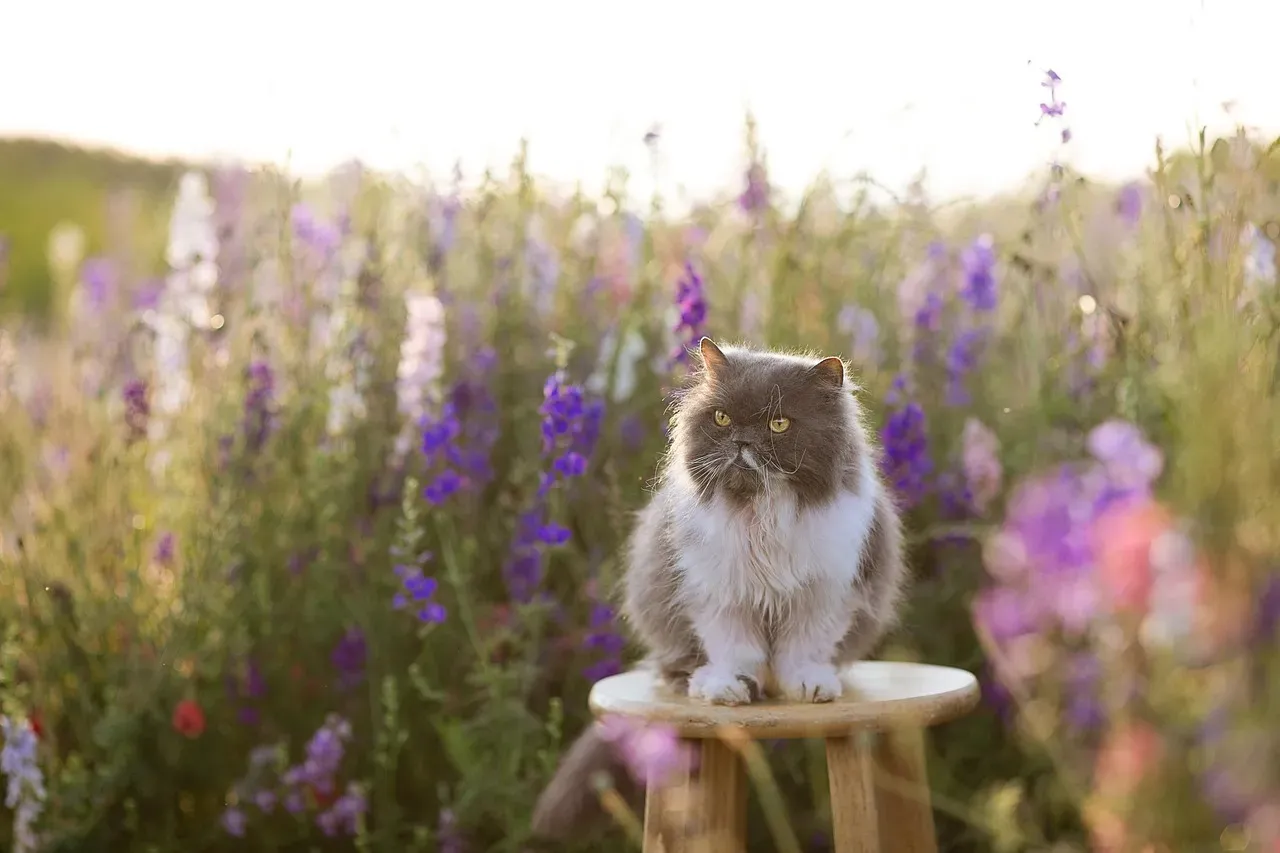
The Persian is an ancient and popular cat breed that copes more than adequately with little attention during the day, and although very affectionate with their owners, they tend to be slightly shy towards strangers and do well when left to their own devices. These glamorous cats with their flat faces and flowing coats might seem high-maintenance at first glance, and honestly, their grooming needs do require commitment. Yet their temperament is surprisingly independent.
Persian cats have a sweet, gentle nature and blend easily into most households as they become comfortable in their new home, and Persians will not demand your undivided attention but will relish in it when attention is given. While they prefer serene, secure environments, they can easily adapt to the most boisterous of households, and their quiet, melodious voices are pleasant and non-abrasive. They’re the type to find a comfortable spot and observe the world with regal composure, waiting patiently for you to finish your work before gracing you with their presence. Their grooming requirements aside, they’re emotionally low-maintenance companions who won’t guilt you for having a life.
Birman: The Quietly Confident Companion
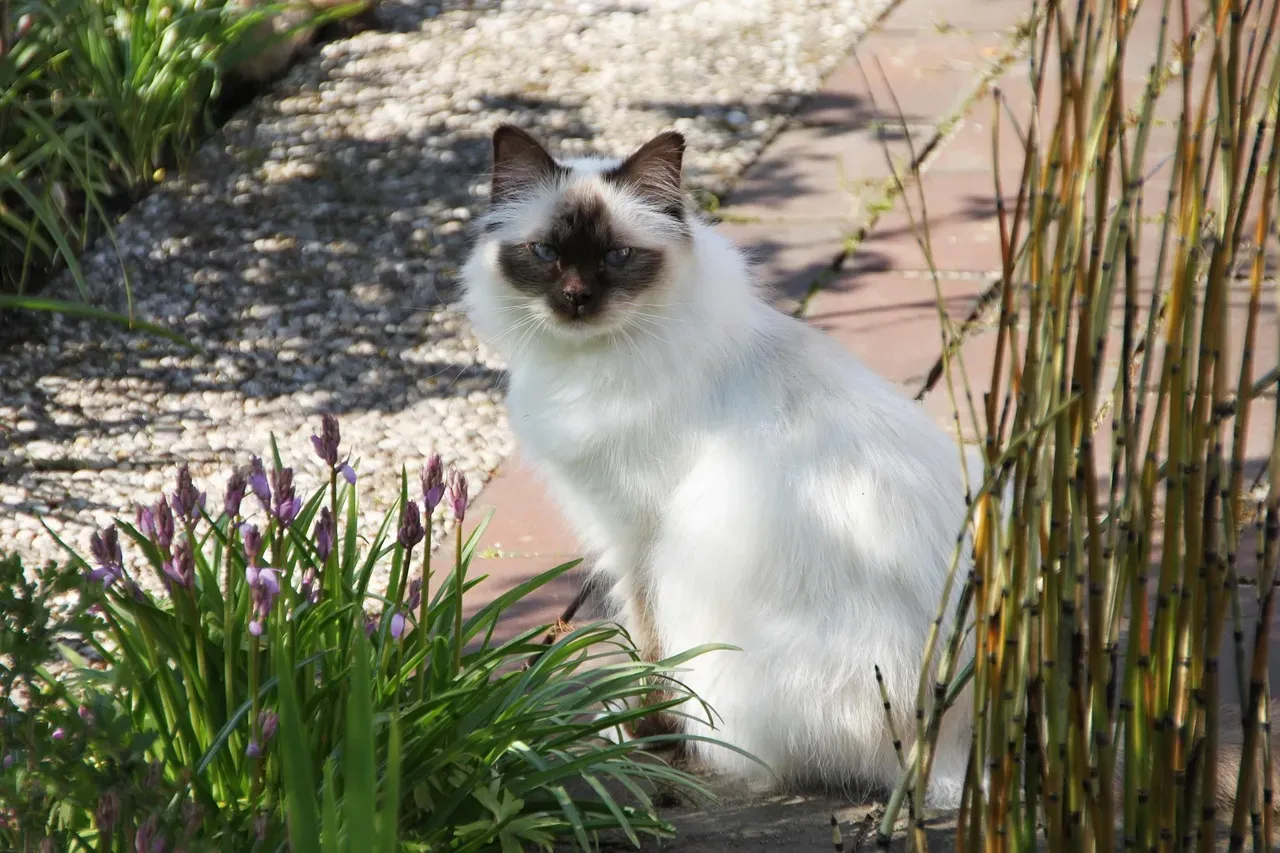
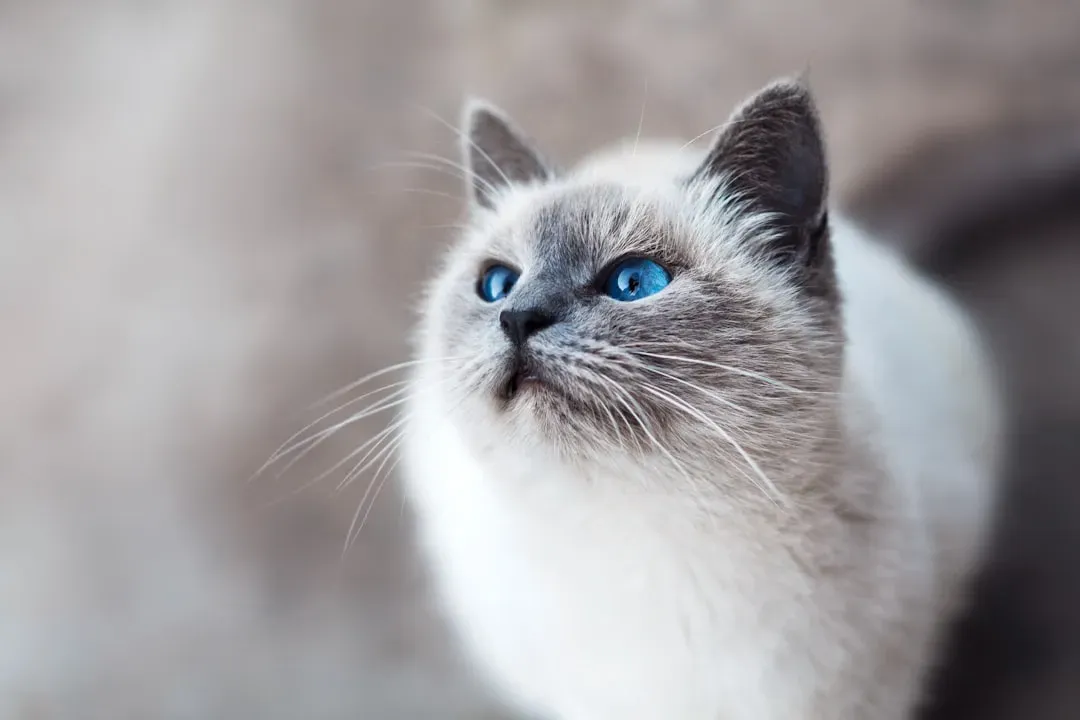
Birmans are a particularly sweet and quiet cat breed capable of getting along well with almost anyone, and these cats distinguished by the gloriously silky coat are independently-minded as well as being very low-maintenance. These beautiful cats possess striking blue eyes and distinctive white paws that make them look like they’re wearing little boots. What’s particularly endearing about Birmans is their balanced temperament – they’re social without being clingy.
The Birman breed is easy to handle and makes an ideal pet due to its quiet and gentle, yet social nature, and because of its exceptionally sweet nature, the Birman is easy to handle and makes an ideal pet, being sociable, gentle, quiet, loving, and companionable. They love being around people yet possess enough self-sufficiency to handle your absence gracefully. Their grooming needs are moderate – despite that silky coat, regular brushing keeps them looking magnificent. They love to be with people and are playful and desirous of attention, and they are social with both people and other animals. It’s hard to say for sure, but I think Birmans might just be the perfect middle ground for people who want affection without constant demands.
Conclusion
Choosing an independent cat breed doesn’t mean you’re getting a cold, distant pet. Rather, you’re welcoming a companion who respects your space while still offering genuine affection and companionship. Generally, independent cats are low-maintenance and won’t become anxious or destructive when left alone for longer periods of time, and their strong-willed nature makes them perfect companions for pet parents who value independence. These breeds prove that you can have the best of both worlds – a loving pet that fits seamlessly into your busy lifestyle without making you feel guilty about your commitments.
Remember though, even the most independent cats still need quality time, proper care, and environmental enrichment. They might not demand your attention every second, but they definitely deserve it when you’re available. What do you think about these self-sufficient felines? Have you experienced life with an independent cat breed? Share your thoughts in the comments below.