Think your feline friend is easy to care for because they seem so independent? You might be surprised to discover just how many things can go wrong. Even the most devoted cat lovers slip up more often than they realize, making daily choices that could harm their pets over time.
These missteps aren’t always obvious at first glance. Some seem perfectly harmless, while others have simply been passed down from one generation of cat owners to the next without question. The truth is, cats have specific needs that don’t always align with human intuition. Let’s explore the most common errors that could be affecting your cat’s health and happiness right now.
Skipping Regular Veterinary Checkups
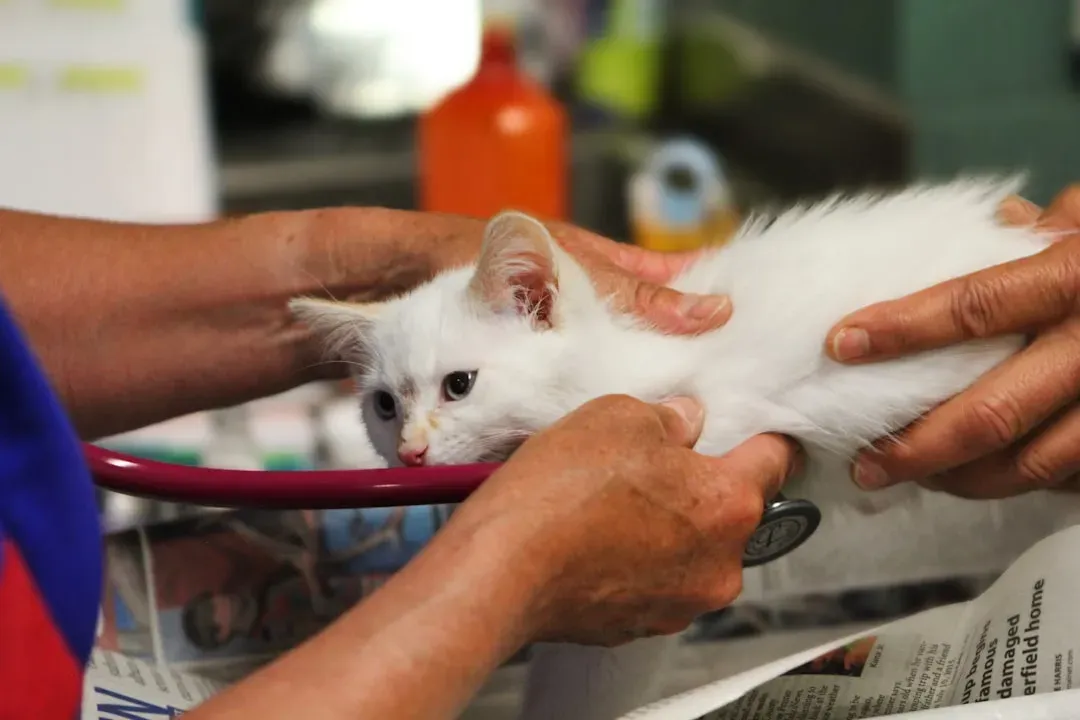
Cats are known for hiding signs of illness, and by the time symptoms are noticeable, the problem may be more severe. You might think your cat looks perfectly healthy lounging around the house, but that doesn’t mean everything’s fine internally. Here’s the thing: your feline companion evolved to mask weakness to avoid appearing vulnerable to predators.
Even healthy cats should be examined by a veterinarian at least once per year, and preferably twice a year. If your cat is older or dealing with a pre-existing condition, more frequent visits become essential. These regular checkups aren’t just formalities. They catch issues like kidney disease, diabetes, and dental problems before they spiral into something far more expensive and painful to treat.
Feeding Exclusively Dry Food
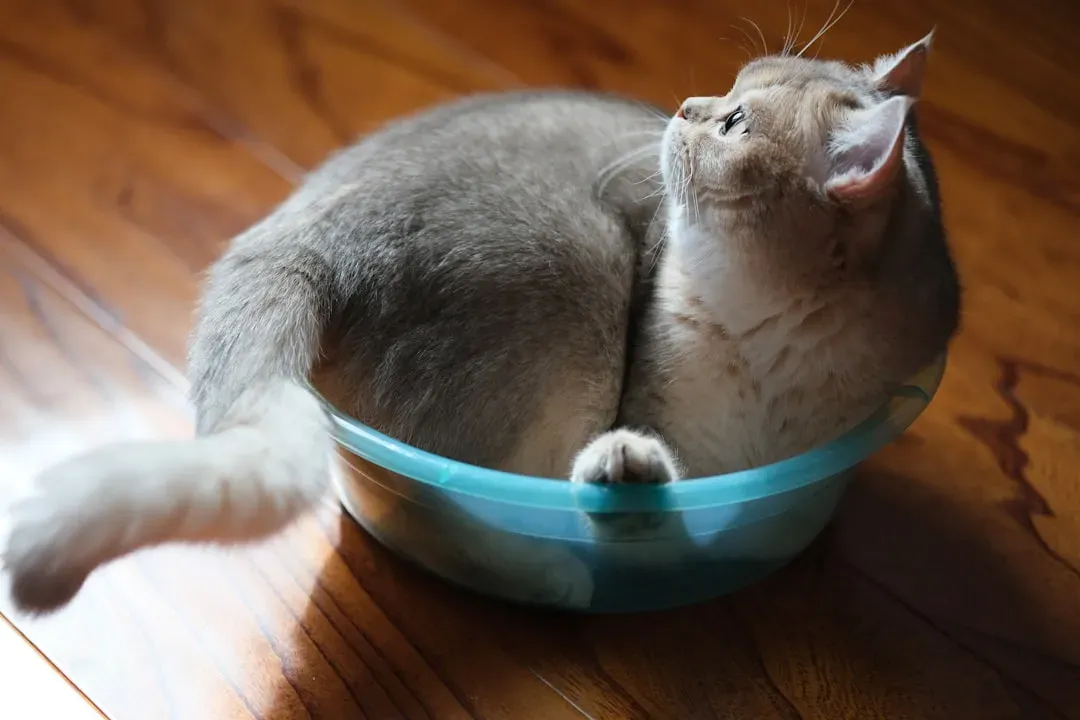
The biggest mistake people make is feeding cats dry food, says Lisa A. Pierson, DVM, a California veterinarian focused on feline medicine and nutrition. It sounds convenient, right? Just pour some kibble in a bowl and call it a day. The problem runs deeper than you might expect, though.
Although mice, a cat’s normal food, are about 70% water, and canned food about 78%, dry food is between 5%-10% water. Cats have a naturally low thirst drive because they evolved in desert environments. When you feed them only dry food, you’re essentially forcing a chronically dehydrated state that can lead to urinary tract issues and kidney disease down the line. Wet food helps keep their bladder and kidneys functioning properly by providing moisture with every meal.
Neglecting Dental Care
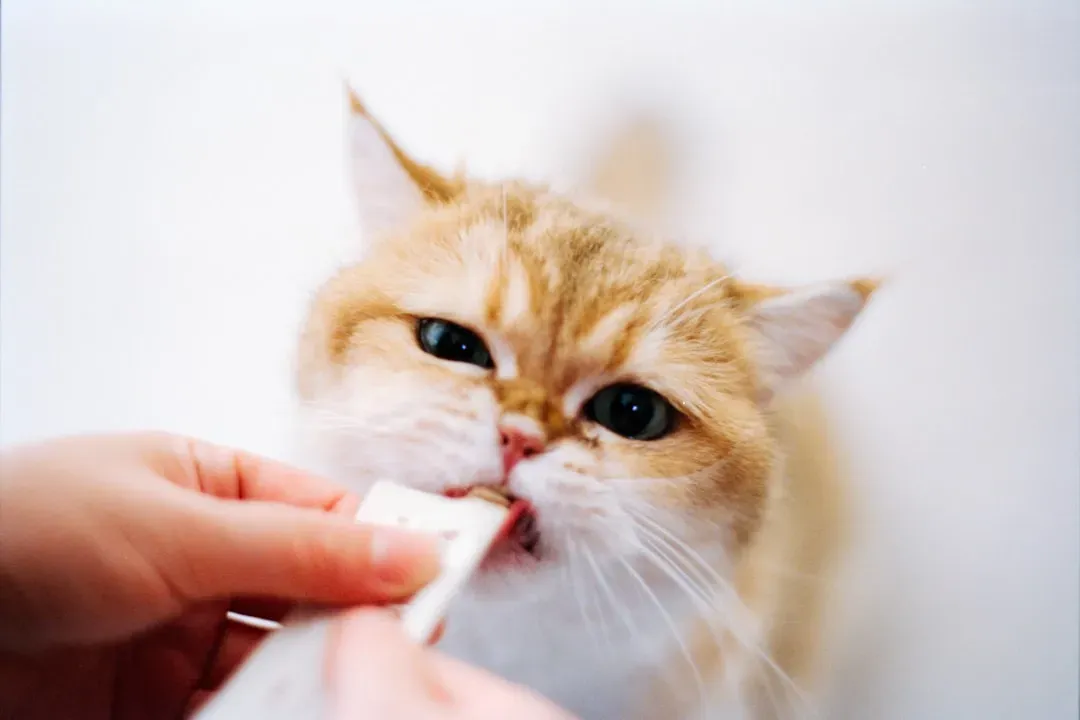
Most people brush their own teeth twice daily without thinking about it, yet somehow assume their cat’s teeth will take care of themselves. Without proper dental care, cats have an increased risk of gingivitis, a disease that causes inflammation and bleeding of the gums. Plaque also builds up on the teeth, which can lead to tooth decay and the need for surgical removal of the affected teeth.
Cats with dental disease are often in significant pain and will often refuse to eat or drink. Imagine living with a constant toothache and being unable to tell anyone. That’s what your cat experiences when dental issues go unchecked. Regular brushing with cat-specific toothpaste and annual dental exams can prevent this suffering entirely.
Not Providing Enough Litter Boxes

Provide as many boxes as there are cats in the house, plus one. This decreases competition and gives each cat a box of his or her own. You’d be amazed how often this simple rule gets ignored. People assume one box is enough, or maybe two if they have several cats.
Keep in mind that cats won’t use a messy, smelly litter box, so scoop solid wastes out of the box at least once a day. Think about it from your cat’s perspective: would you want to use a bathroom that hasn’t been cleaned in days? Cats are incredibly fastidious creatures. When their litter situation doesn’t meet their standards, they’ll find somewhere else to go, and that somewhere is usually your carpet or bed.
Overfeeding and Free Feeding
You love your cat, so naturally you want to keep their food bowl full at all times. Overfeeding or feeding too many treats can lead to obesity, which in turn causes joint stress, diabetes, and heart problems. The reality is that roughly half of all pet cats are overweight or obese, making this one of the most widespread problems in feline care today.
The most common mistake I see is cat owners feeding their cats too much food per day. Free feeding encourages constant grazing, which goes against how cats naturally eat. In the wild, they hunt and consume small meals throughout the day, not continuous snacking. Measured portions at scheduled times help maintain a healthy weight and give you better insight into their eating habits and overall health.
Ignoring Hydration Needs
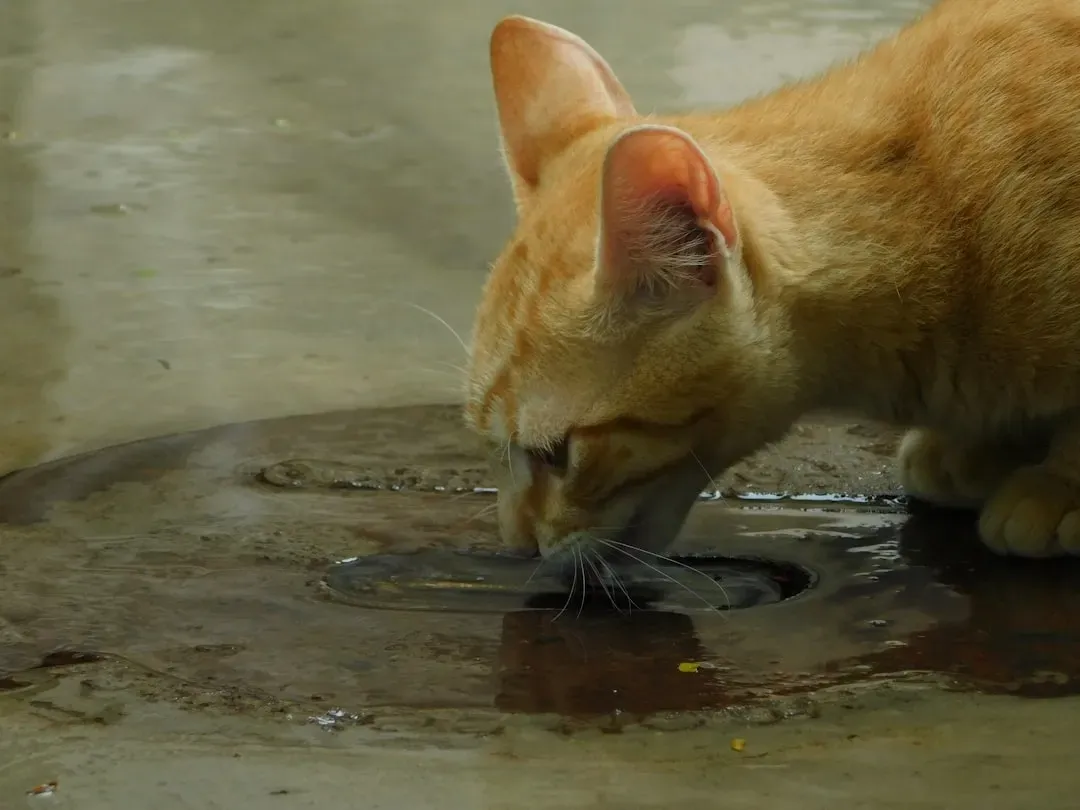
Water seems straightforward enough, yet many cat owners underestimate its importance. Cats’ sensitivity to thirst is blunted compared to a dog. They don’t voluntarily drink water like a dog would. And because cats naturally produce highly concentrated urine, we’re setting them up for urinary tract problems when their diet is low in liquids.
Simply placing one water bowl next to their food isn’t always enough. Cats often prefer multiple water sources spread throughout the house, and many are attracted to moving water. A water fountain can encourage drinking behavior significantly. Fresh, clean water should always be available, and you’ll want to wash and refill bowls daily to keep them appealing.
Changing Their Diet Too Quickly
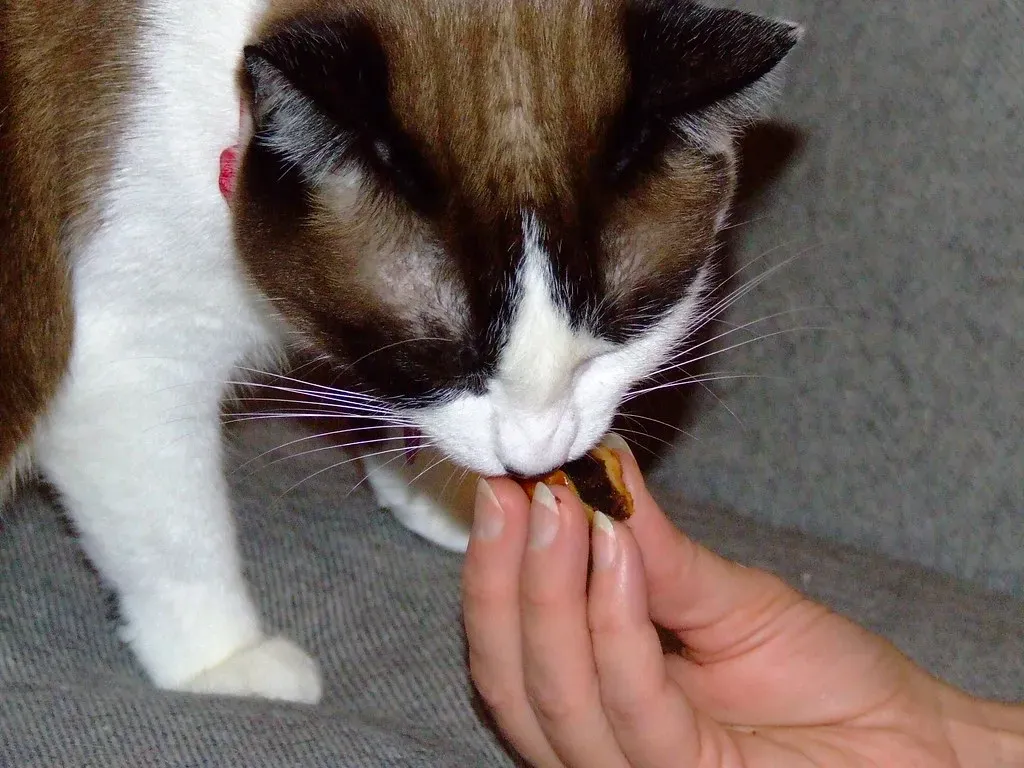
Often the culprit is a sudden change in their diet. It’s a common mistake because not all cat owners realize how sensitive cats’ stomachs are to new foods. You might decide to switch brands or try a different flavor, thinking variety is the spice of life. Your cat’s digestive system doesn’t see it that way.
If you want to change your cat’s food, do it gradually. Introduce a small amount of the new food each day and increase the amount slowly. You should aim to be on 100% new food after 7-10 days, assuming your cat isn’t showing any signs of tummy upset. This transition period gives their gut bacteria time to adjust. Rushing the process typically results in vomiting, diarrhea, and one very unhappy cat.
Forgetting About Parasite Prevention
While most cat owners are familiar with fleas, it’s crucial to remember that other pests like tapeworms, mites, hookworms, roundworms, ticks, and even heartworms can affect your cat. Heartworm treatment options are limited for cats and are not as treatable as they are for dogs. Some of these parasites can be transmitted to humans, making preventive care essential.
Indoor cats aren’t immune to these problems either. Fleas can hitch a ride on your clothing or sneak in through open doors. Parasite prevention is recommended for all cats – even indoor cats – to protect against fleas, ticks, and heartworm disease. Monthly preventatives are far easier and cheaper than treating an infestation or infection after the fact. Your veterinarian can recommend the best products based on your cat’s lifestyle and your geographic location.
Conclusion
Looking back at these eight common mistakes, you might recognize yourself in a few of them. That’s completely normal, honestly. Cat care involves more nuance than most people expect when they first bring a kitten home. The good news is that now you know what to watch for and how to make adjustments.
Your cat depends on you to advocate for their health and wellbeing. Small changes like scheduling that overdue vet appointment, adding wet food to their diet, or simply providing an extra litter box can make an enormous difference in their quality of life. Remember, prevention is always easier than treatment. Which of these mistakes will you address first for your feline friend?

Hi, I’m Andrew, and I come from India. Experienced content specialist with a passion for writing. My forte includes health and wellness, Travel, Animals, and Nature. A nature nomad, I am obsessed with mountains and love high-altitude trekking. I have been on several Himalayan treks in India including the Everest Base Camp in Nepal, a profound experience.