You’ve heard them all before. Indoor cats are lazy. They don’t need as much attention. They’re perfectly happy sleeping all day. These beliefs are so common that they’ve become part of the conventional wisdom about feline companions. Here’s the thing, though: science has been quietly dismantling these assumptions one by one, and what researchers have discovered might surprise you.
If you’re one of the millions of Americans who share their home with an indoor cat, you’ve probably wondered whether you’re doing everything right. Maybe your cat seems restless, or perhaps you’ve worried that keeping them inside means depriving them of something essential. Let’s dig into what the research actually tells us about indoor cats, because the truth is far more interesting than the myths.
Myth 1: Indoor Cats Don’t Need Regular Veterinary Care
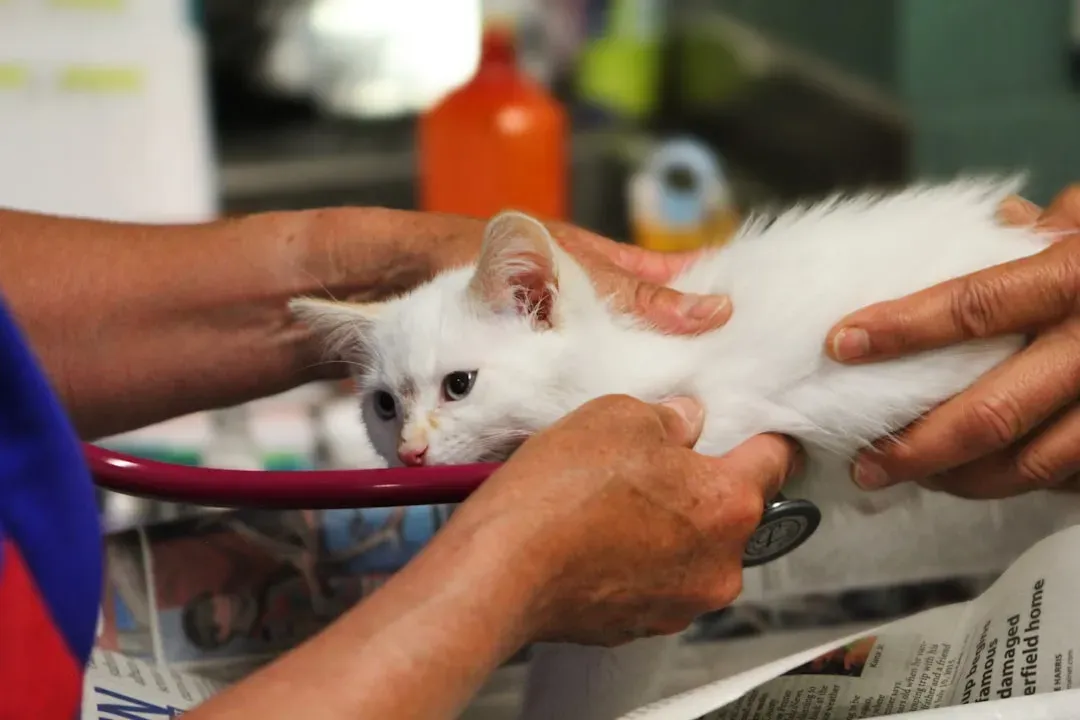
Some people believe indoor cats don’t need regular vet check-ups, but this simply isn’t true. Indoor cats face health risks just like outdoor cats, including dental issues, obesity, and kidney disease, with regular vet visits catching these problems early. Let’s be real, just because your cat isn’t exposed to traffic or predators doesn’t mean they’re immune to health problems.
Certain physical illnesses are actually more prevalent in indoor cats, though it’s possible that indoor cats may be more closely observed so behavior changes are more readily noticed. The takeaway here is simple. Your indoor cat needs those annual checkups just as much as any outdoor cat would. Skipping them because you think indoor living equals bulletproof health is a mistake that could cost your cat dearly.
Myth 2: Indoor Cats Are Naturally Lazy and Don’t Need Exercise
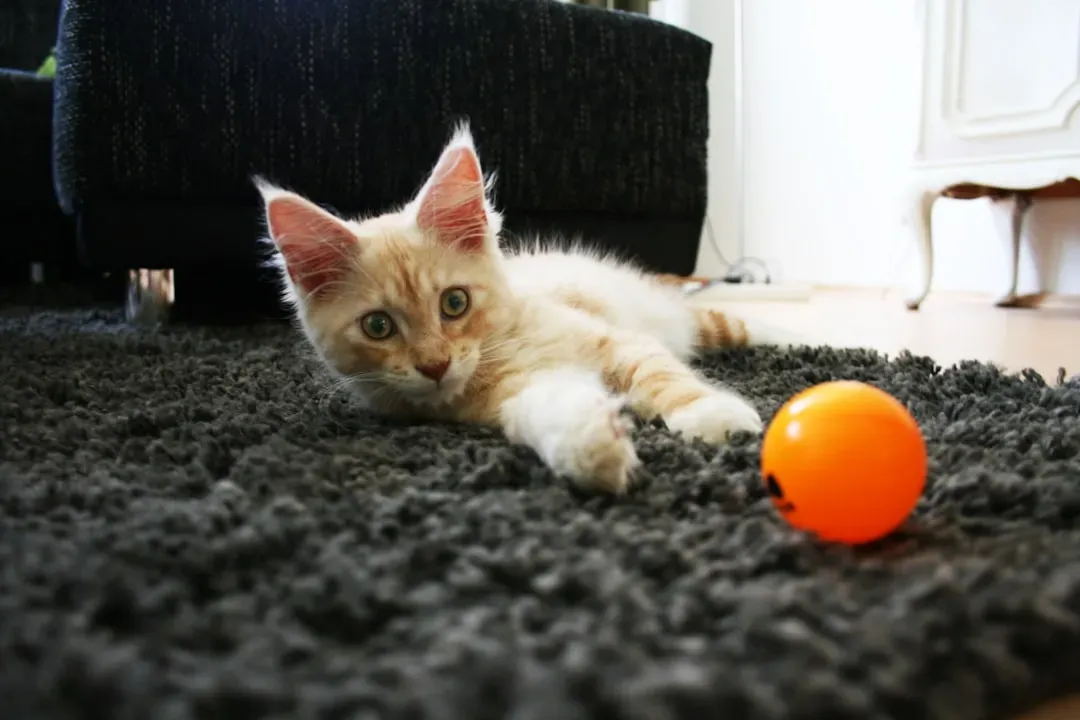
This one drives me crazy. Cats are naturally energetic, curious creatures, however when they spend their days indoors they can get a bit lazy. That laziness isn’t their natural state, it’s what happens when we fail to provide adequate stimulation. Think about it from their perspective: in the wild, cats might hunt and catch nearly a dozen small prey animals daily, burning serious calories in the process.
Indoor cats tend to be heavier than outdoor cats because they don’t get as much exercise, fresh air, and mental stimulation, with most healthy adult cats needing at least an hour of vigorous play each day. An hour might sound like a lot, but it can be broken into shorter sessions throughout the day. The stereotype of the perpetually napping cat isn’t biology, it’s boredom.
Myth 3: Indoor Cats Are Solitary Creatures Who Prefer to Be Alone

One of the most pervasive myths about cats is that they are solitary animals uninterested in social interactions, while cats are indeed more independent than dogs, research shows they are not the lone wolves many believe them to be. I honestly think this misconception has done more damage to cat welfare than almost any other myth. It gives people permission to ignore their cat’s social needs entirely.
Research published in 2019 shows cats develop attachments to their caregivers in much the same way dogs do, with cats with secure attachment to their human caregivers showing reduced stress while the caregiver was present. Your indoor cat isn’t just tolerating you, they actually form genuine emotional bonds. They might not show it the same way a dog does, but the attachment is real and scientifically measurable.
Myth 4: Keeping Cats Indoors Causes Behavioral Problems
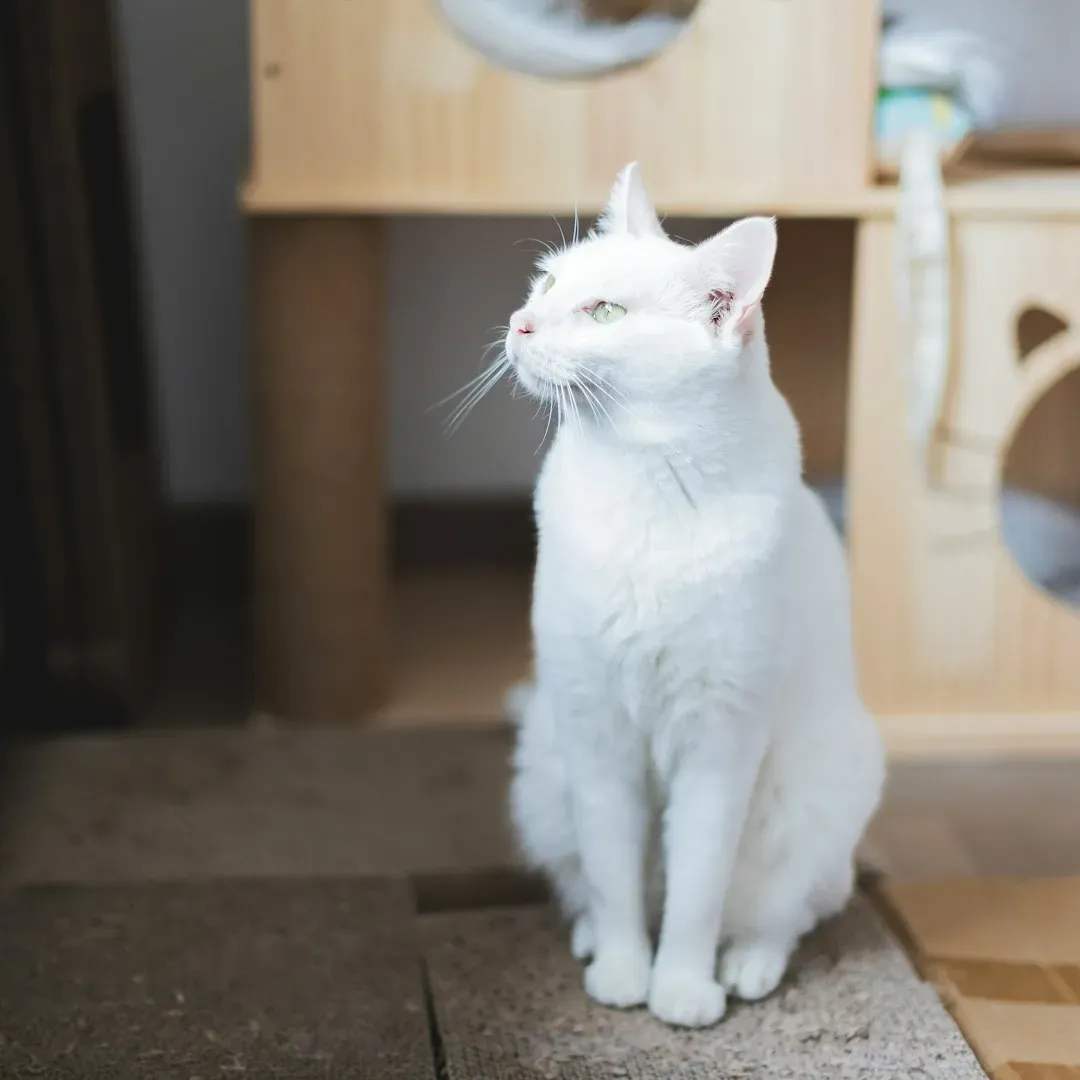
Indoor cat management is frequently associated with obesity and behavioral problems, with the most common being fights with other cats in multi-cat houses, separation anxiety, destructive behaviors like scratching furniture, and inappropriate elimination. Notice something important here? The problems aren’t caused by being indoors, they’re caused by an inadequate indoor environment.
There are five pillars that need to be considered to ensure indoor felines’ welfare: providing a safe place, multiple and separated key environmental resources, opportunity for play and predatory behavior, positive consistent human-cat social interactions, and an environment that respects the cat’s sense of smell. When these needs are met, behavioral problems drop dramatically. The indoor environment itself isn’t the villain, neglecting to enrich it is.
Myth 5: Indoor Cats Are Safer, So They Don’t Experience Stress
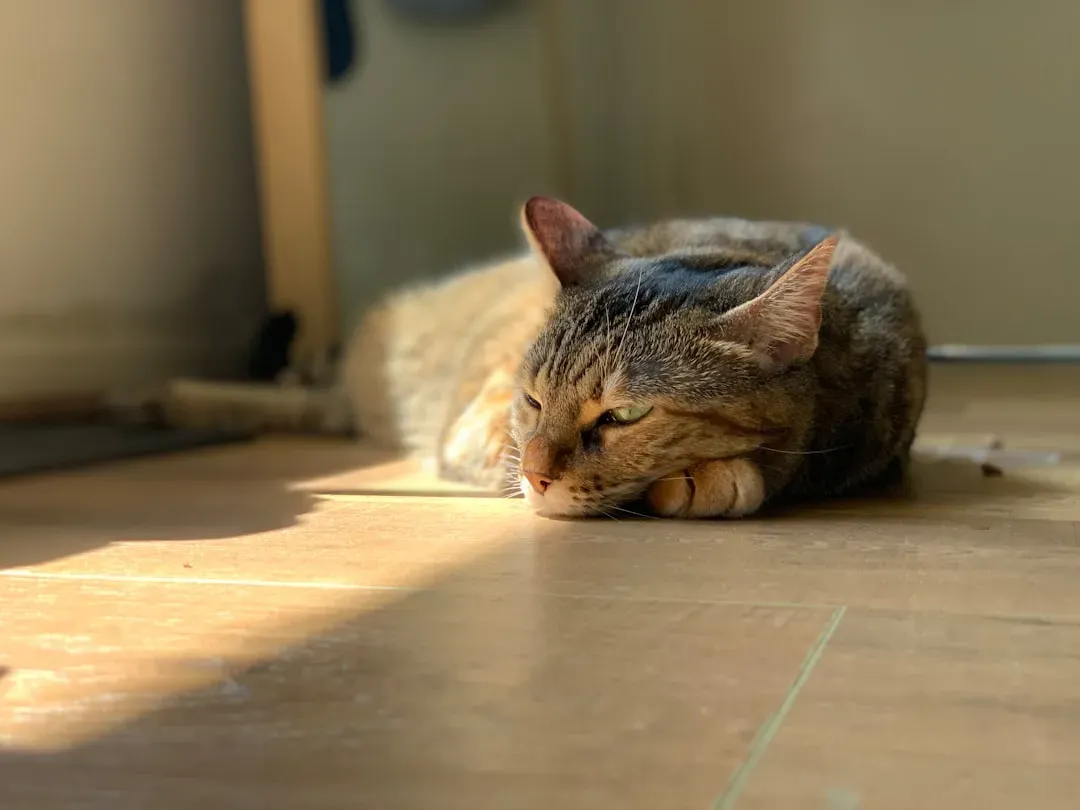
Safety and stress aren’t opposites, especially for cats. A cat’s level of comfort with its environment is intrinsically linked to its physical health, emotional wellbeing and behavior, with having a basic understanding of the cat’s species-specific environmental needs being essential for optimum wellbeing. Your cat might be safe from cars and coyotes, but that doesn’t mean they’re stress-free.
Several behavioral changes in cats such as elimination problems, aggressive behaviors or compulsive behaviors are related to stress, with the stress response depending not only on the environment in which the cat lives but also on the individual’s temperament. Indoor cats can experience significant stress from things we barely notice: loud noises, rearranged furniture, a new pet, or even just lack of vertical space to escape to. Protection from outdoor dangers doesn’t automatically equal peace of mind.
Myth 6: Indoor Cats Don’t Need Mental Stimulation or Enrichment
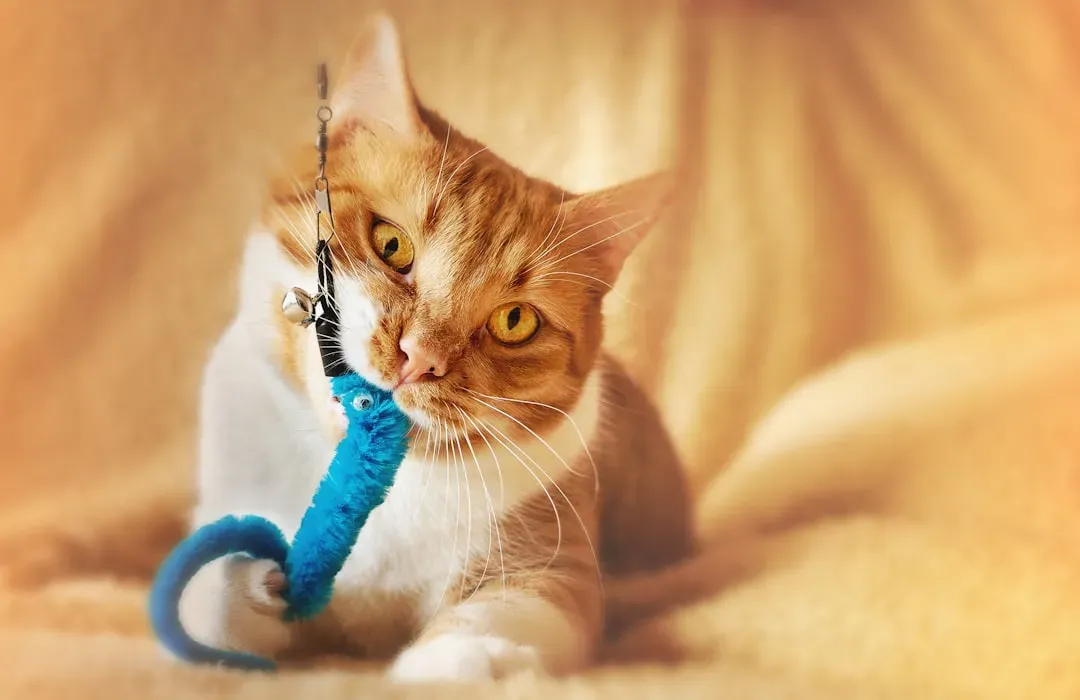
Cats are natural hunters and explorers, and without opportunities to practice these instincts, indoor cats may become stressed, overweight, or destructive, with scratching furniture, excessive meowing, and overgrooming being common signs of boredom. Honestly, if you’re not actively enriching your indoor cat’s environment, you’re watching them slowly go stir-crazy.
Cats maintain their natural behaviors such as scratching, chewing, and elimination while living indoors, and they may develop health and behavior problems when deprived of appropriate environmental outlets for these behaviors. The hunting instinct doesn’t just disappear because you fill a food bowl twice daily. Your cat needs puzzle feeders, interactive toys, and opportunities to “hunt” even if it’s just chasing a feather wand around your living room. Mental boredom is just as damaging as physical inactivity.
Myth 7: Indoor Cats Can’t Be Trained or Learn New Behaviors
It’s a common misconception that cats cannot be trained, but in reality they can, with training providing not only physical exercise but also mental stimulation. This myth probably persists because people try to train cats the same way they train dogs, then give up when it doesn’t work. Cats aren’t stubborn, they’re just differently motivated.
Science has shown that cats are indeed trainable, with positive reinforcement techniques such as treats and praise being effective in encouraging desired behaviors, and behavioral research demonstrating that cats can learn tricks, use litter boxes, and even walk on leashes when trained consistently and patiently. I’ve seen cats trained to navigate agility courses, come when called, and even use the toilet. The key is understanding what motivates your individual cat and being patient enough to work at their pace, not yours.
Myth 8: Indoor Living Means Cats Don’t Need Access to Outdoors at All
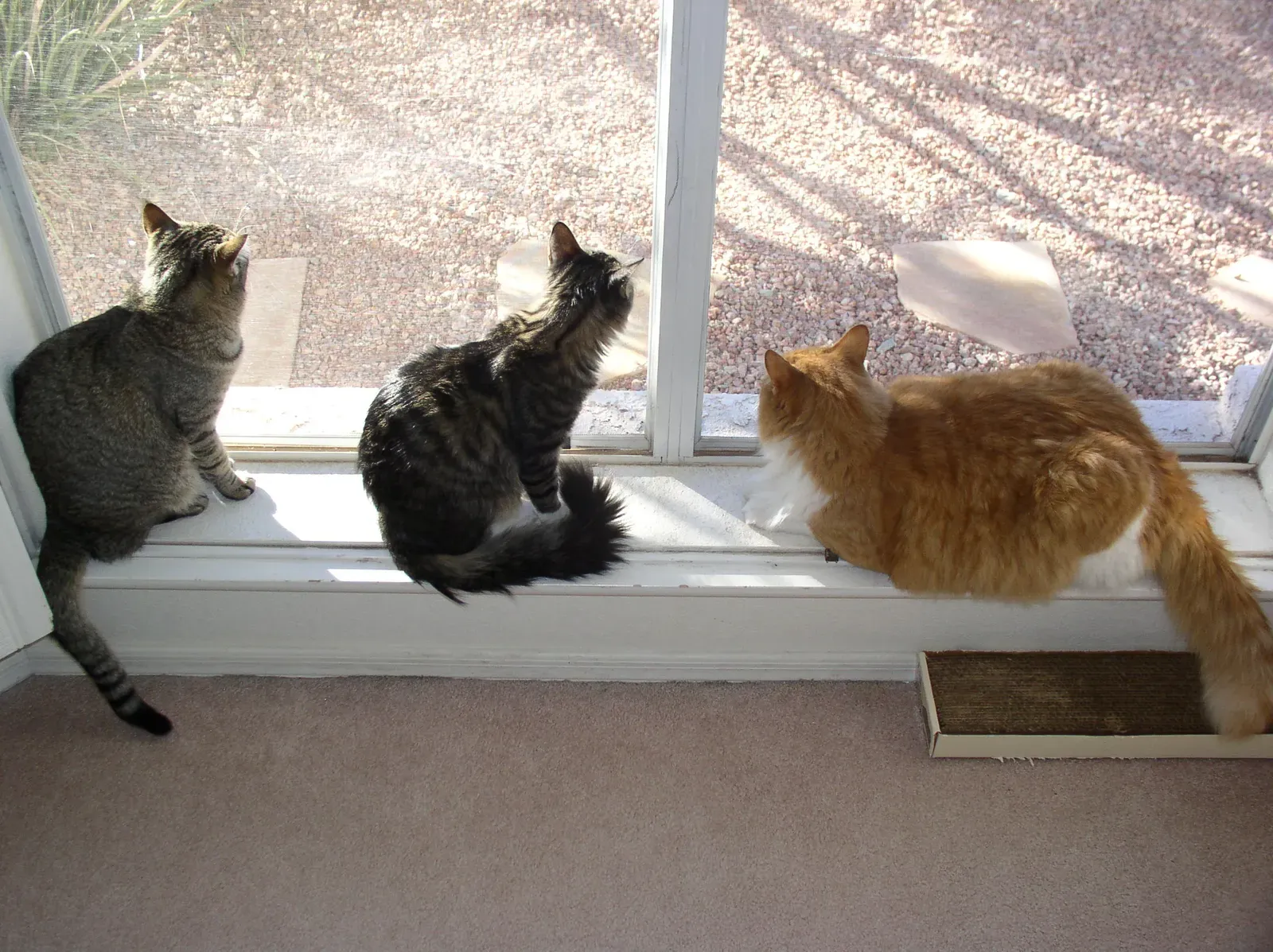
There are many reasons to keep a cat indoors, with one major benefit being safety from outdoor hazards, as free-roaming cats risk life-threatening encounters with vehicles and predators, and may be exposed to other cats putting them at risk of chronic infectious disease. That said, the science doesn’t support keeping cats completely isolated from any outdoor experience.
Building a cat enclosure that allows your indoor cat to experience the outdoors safely, whether a small window box or larger enclosed area, provides cats with fresh air, sunshine, and the opportunity to engage with nature while protecting them from potential hazards. Catios, leash training, and even just secure window perches where cats can watch birds and feel the breeze represent a middle ground. Complete indoor confinement without any sensory connection to the outside world isn’t what the research recommends. It’s about safe, controlled access that satisfies their curiosity without exposing them to danger.
Conclusion: What Indoor Cats Really Need
The science is clear on this. Indoor cats aren’t a separate species with different needs, they’re regular cats living in a controlled environment. What they require hasn’t changed: mental stimulation, physical exercise, social interaction, environmental enrichment, and yes, even some connection to the natural world outside your walls. The myths we’ve explored here all share a common thread, they underestimate what cats need and oversimplify what indoor living means.
Many cats living in private homes may be receiving only minimal environmental enrichment, with results suggesting the need for better education of cat owners about understanding normal cat behavior, enrichment needs particularly of indoor-only cats, and the risk of behavior problems when cats’ needs are not met.
Your indoor cat can absolutely thrive, living a long, healthy, fulfilling life without ever setting paw on grass. The catch is that you have to put in the work to make that happen. What did you learn that surprised you most? Leave a comment and let us know how you’re enriching your indoor cat’s life.