You spent good money on that plush, memory-foam, orthopedic cat bed. Maybe it even matches your living room décor. You set it up in the perfect corner, placed it proudly on the floor, and waited. Your cat walked over, sniffed it once, turned around, and climbed straight into the Amazon delivery box you hadn’t even recycled yet. Sound familiar? You’re not alone, and honestly, your cat isn’t being difficult. There’s genuine science, deep evolutionary history, and fascinating feline psychology behind this cardboard obsession.
The truth is, your cat’s love for a humble cardboard box isn’t quirky coincidence. It’s an incredibly deliberate, instinct-driven choice. So before you donate that expensive designer bed, let’s pull back the curtain on what’s actually going on inside your cat’s head. You might be surprised by what you find. Let’s dive in.
1. Your Cat’s Wild Ancestors Never Had Luxury Beds
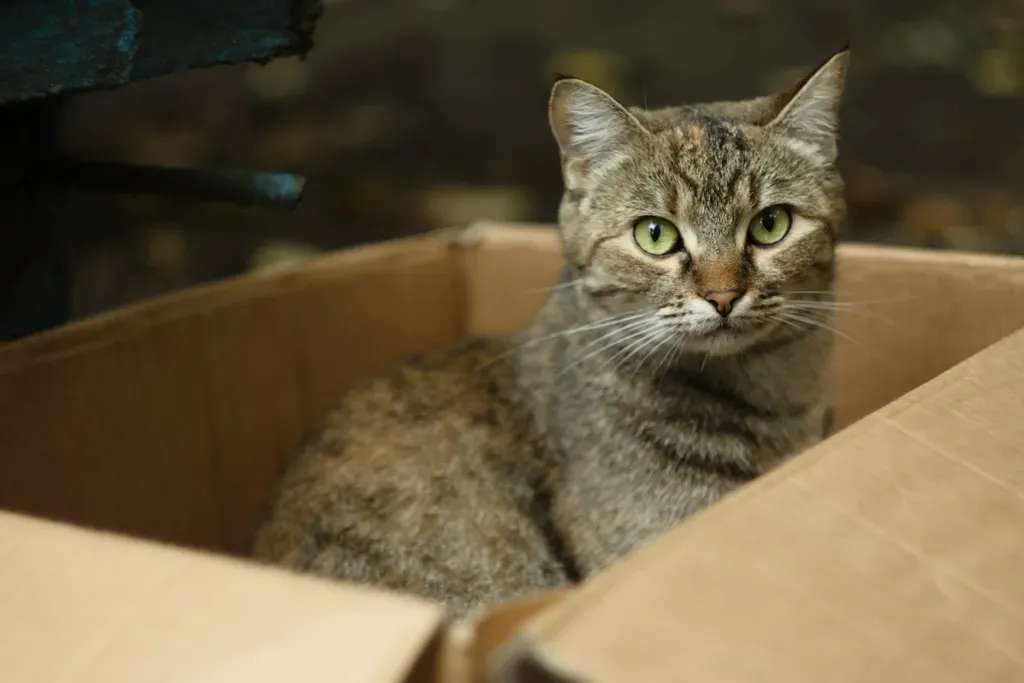
Let’s be real for a second. Your cat may lounge in a climate-controlled home, eat premium kibble, and demand belly rubs on command, but deep inside, it’s still a wild predator. Cats are creatures of habit and instinct, and their preference for enclosed spaces can be traced back to their wild ancestors who relied on hidden spots for security and rest. That open, cushioned bed you bought offers zero of that ancient security.
Cardboard boxes tap directly into cats’ primal instincts. Wild cats historically relied on small, hidden spaces like caves to evade predators and rest safely. Your domestic cat carries that same neurological wiring, no matter how pampered the lifestyle. So when your cat squeezes into that slightly-too-small box and looks absurdly content, it’s not being weird. It’s being ancient.
2. Boxes Make Your Cat Feel Completely Protected
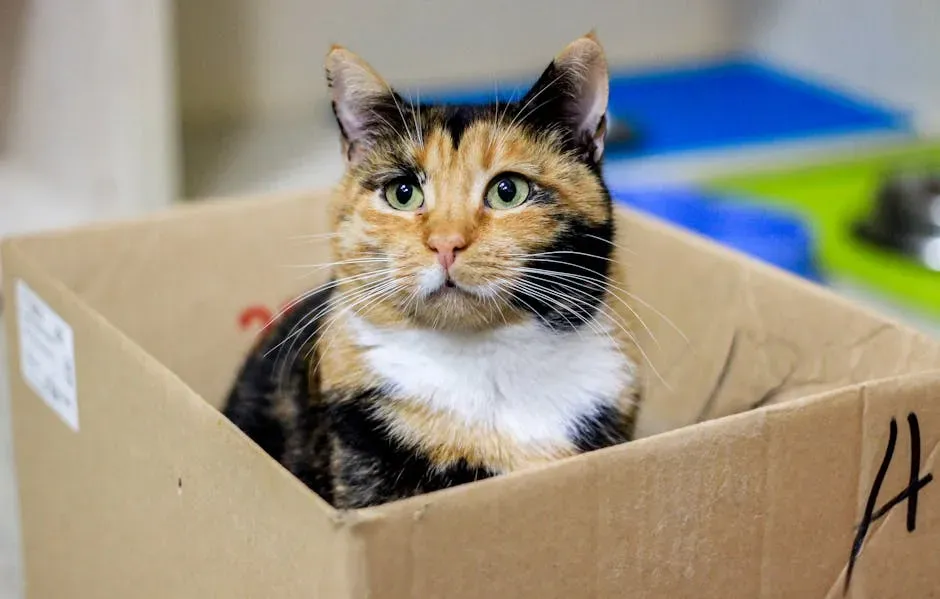
Think about what a cardboard box actually offers physically. Walls on all sides. One clear entry point. Nothing sneaking up from behind. When cats seek out boxes, they’re actually looking for confined enclosed spaces that offer protection from all angles. A cardboard box provides the ultimate safe space where your cat can observe the world without being seen. Your designer bed, no matter how soft, leaves your cat fully exposed.
Being in a box where cats rest their backs against the sides helps them feel safer because they can’t be ambushed from behind. This may explain why some cats appear content to curl up in boxes that seem uncomfortably small. Bracing themselves against something solid around them might increase feelings of safety. It’s the feline equivalent of sitting with your back to a wall in a restaurant. Pure, instinctive self-protection.
3. Science Confirms Boxes Dramatically Reduce Stress
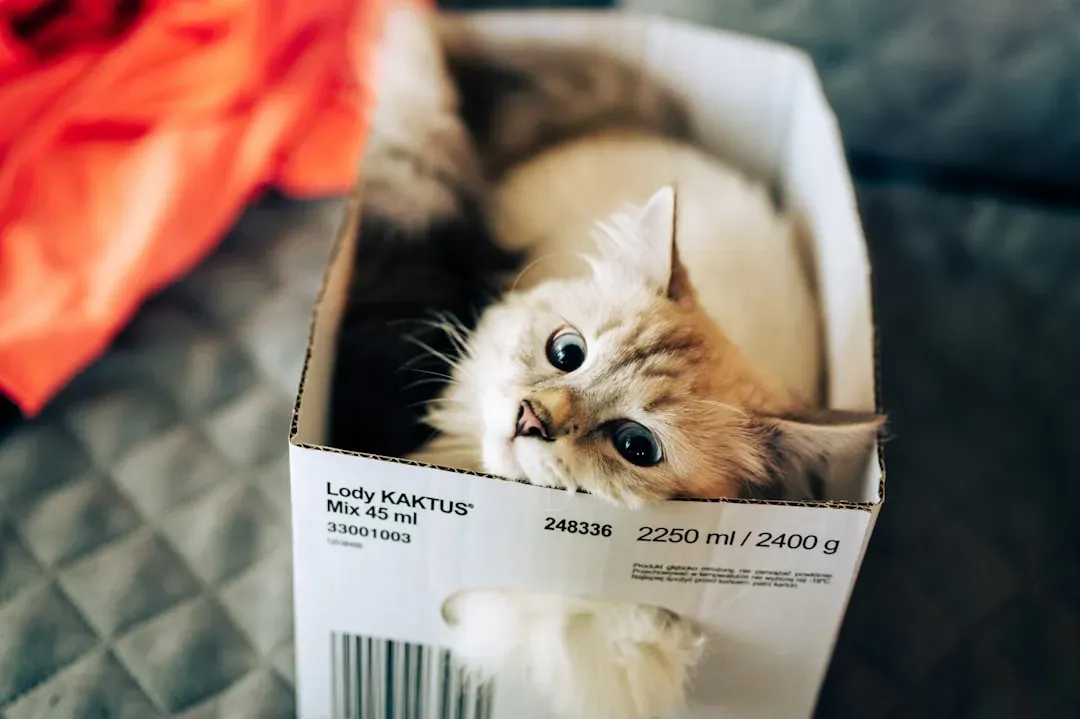
Here’s the thing most people don’t realize: boxes aren’t just comfortable to your cat, they’re genuinely therapeutic. Research from the University of Utrecht studied shelter cats and found something remarkable. Cats given boxes adapted to their new environment significantly faster than cats without boxes, and the boxed cats showed lower stress levels within just three days. That’s a stunning result from something you can pull out of your recycling bin for free.
When cats feel overwhelmed, their instinct is to hide rather than confront the problem. Cats lack sophisticated conflict resolution skills, so they prefer avoidance. Boxes offer instant stress relief. Your designer bed, sitting wide open in the middle of the room, asks your cat to be vulnerable. The cardboard box asks for nothing and offers everything. It’s honestly a humbling comparison.
4. Cardboard Is a Natural Temperature Regulator
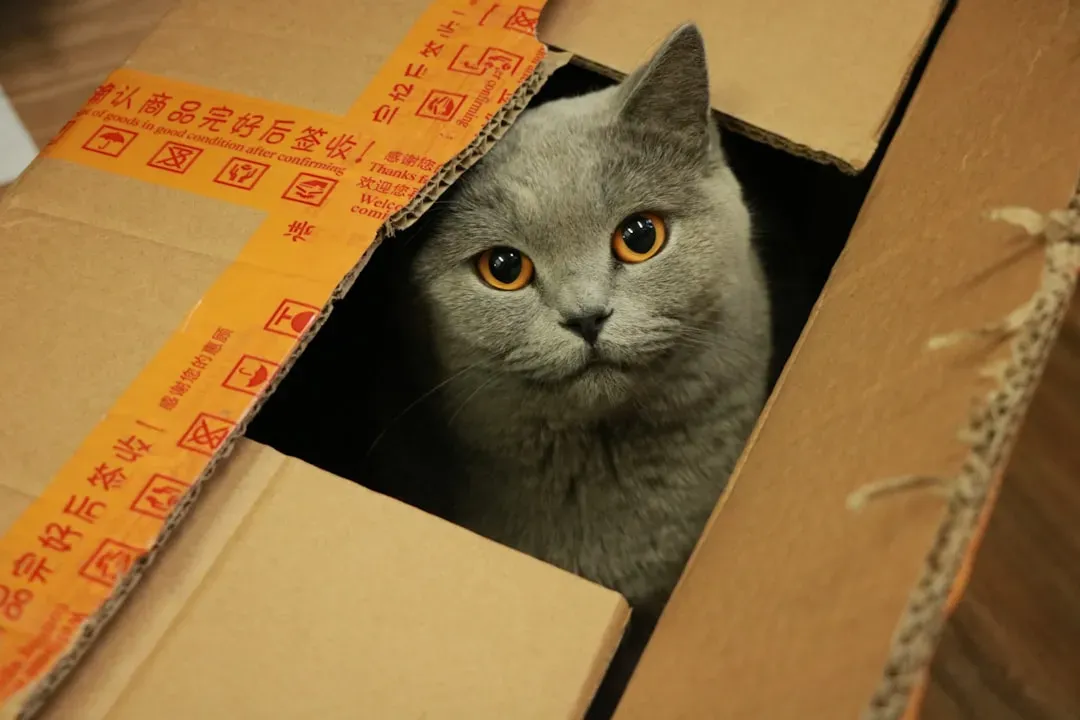
You might assume your cat loves that plush bed because it’s warm. Here’s a fact that genuinely surprised me: cats are most comfortable at temperatures between 86 and 97 degrees Fahrenheit, while most homes are kept at around 72 degrees. That’s a pretty big gap. Your expensive fabric bed doesn’t close that gap the way a cardboard box does.
This is where cardboard boxes become genius temperature regulators. The cardboard acts as an insulator, trapping your cat’s body heat inside. The small space forces your cat to curl into a ball, which further conserves warmth. This is particularly true for kittens and older cats who may struggle more with regulating their body temperature. A snug box acts like a perfectly heated nest, minimizing the need for them to expend energy just to stay warm. Nature’s radiator, built from recycled paper.
5. Boxes Are the Perfect Hunting Ground
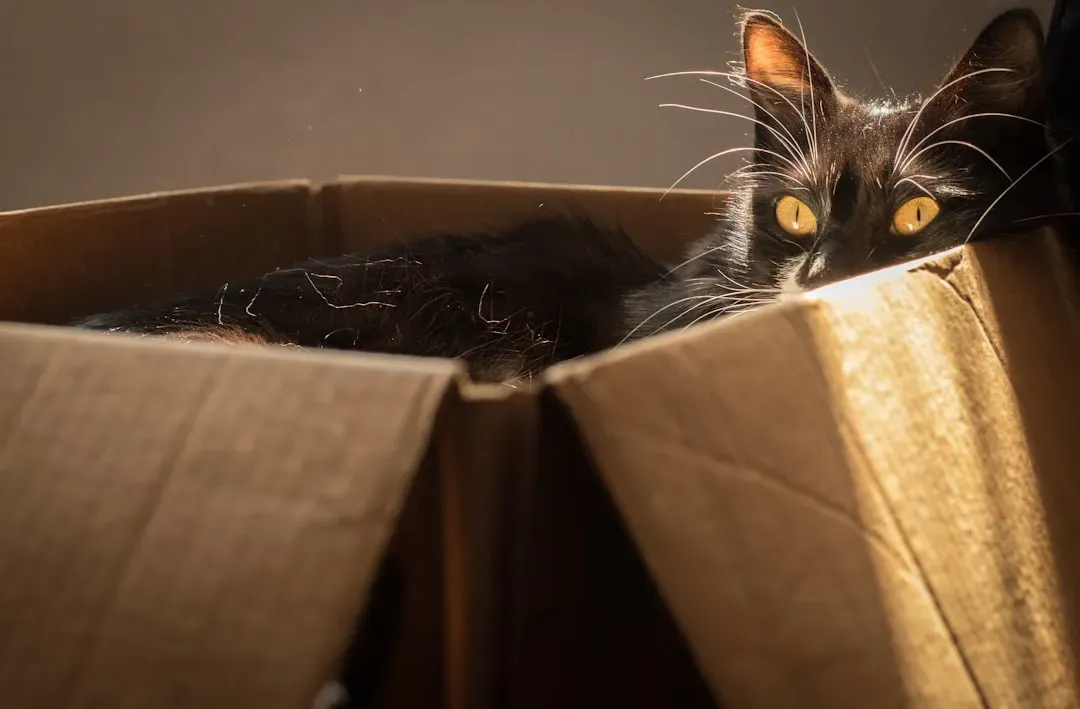
Your cat isn’t just sleeping in that box. It’s plotting. The main reason cats love boxes is because they’re confined, enclosed spaces. Cats are ambush predators, and finding confined places where they can hide, hunt prey, and feel safe and warm is an instinctive behavior. Snug cardboard boxes fit the bill perfectly. That designer bed sitting out in the open is basically useless for a creature whose entire hunting strategy depends on concealment.
A cardboard box recreates the hunting experience perfectly. Your cat can crouch inside, perfectly concealed, watching for “prey” to pass by. That prey might be a toy mouse, a laser pointer dot, or your unsuspecting feet. I know it sounds dramatic when it’s just a $12 Amazon box, but your cat is running a full predator simulation every single time it climbs inside. It’s not just cute. It’s genuinely mentally enriching.
6. Your Cat Uses the Box to Claim Territory
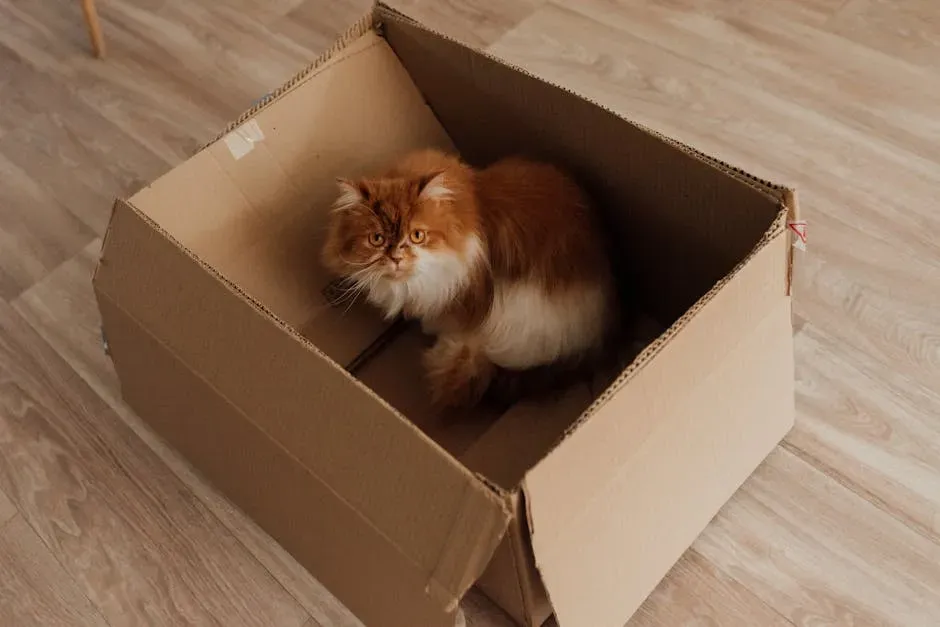
Here’s something most cat owners overlook entirely. Your cat doesn’t just sleep in that box. It owns it. One of the reasons cats may enjoy being in cardboard boxes is that it serves as an object for them to rub up against and mark their scent with their pheromones. Cats are territorial animals, and since most boxes are new arrivals in the house, cats see them as an opportunity to claim their own space. Rubbing their scent glands against the materials is a way to communicate ownership to other animals.
Another common occurrence is when a cat chews on the flaps or the sides of a box. It’s their way of scent-marking the box with their pheromones. A cat’s sense of smell is 14 times better than a human’s, and they actually like the smell of cardboard. Your designer bed, meanwhile, arrives smelling of synthetic fabrics, factory chemicals, and zero familiar scent. It’s a stranger in your cat’s kingdom. The cardboard box? That becomes your cat’s personal territory within minutes.
7. Designer Beds Fail Because They Leave Your Cat Exposed
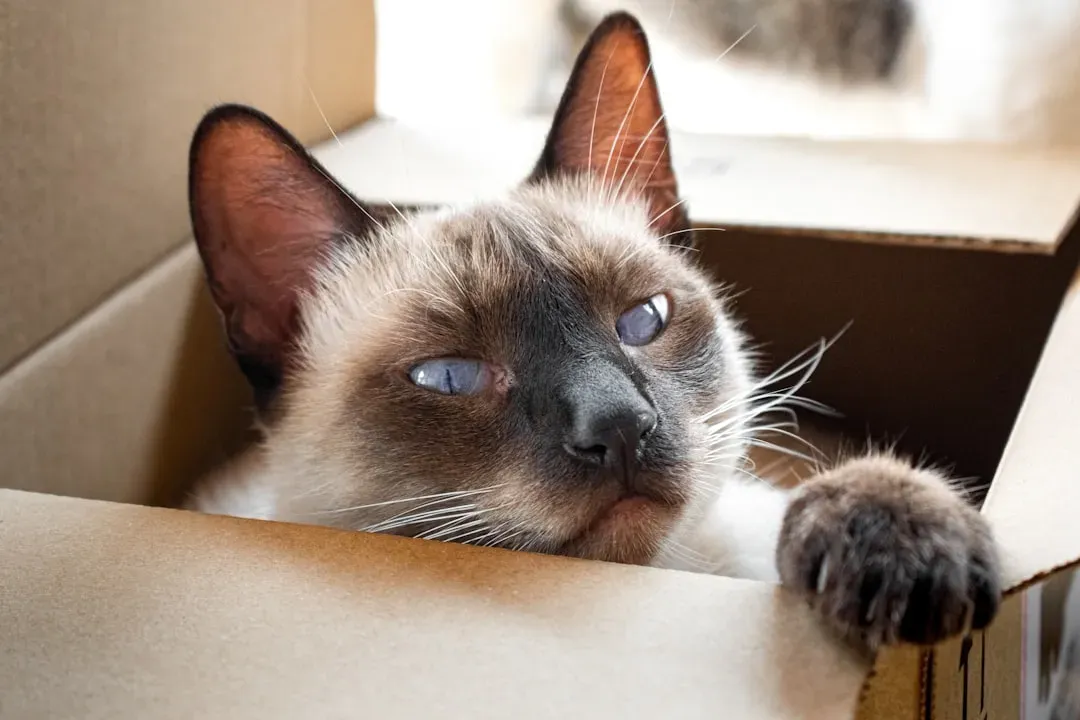
Let’s talk about why expensive cat beds consistently lose this battle. It’s not that your cat is ungrateful. It’s that most designer beds are designed for human aesthetics, not feline psychology. Pet beds, despite their softness and aesthetic appeal, might not provide the same benefits as boxes. Beds are often open with no sides, offering little protection or privacy. The materials may lack the insulation that cardboard provides and can even carry unfamiliar or artificial smells that cats dislike.
Despite their appeal to humans, many luxury cat beds miss the mark for several reasons. They often have open designs that leave cats feeling exposed, synthetic fabrics that can cause discomfort or carry artificial smells, and poor placement in noisy or high-traffic areas that feel unsafe. Honestly, it’s a design problem, not a cat problem. The cat is doing everything right. It’s choosing the better product. It’s just that the better product costs nothing.
8. Boxes Offer Endless Novelty and Play Stimulation
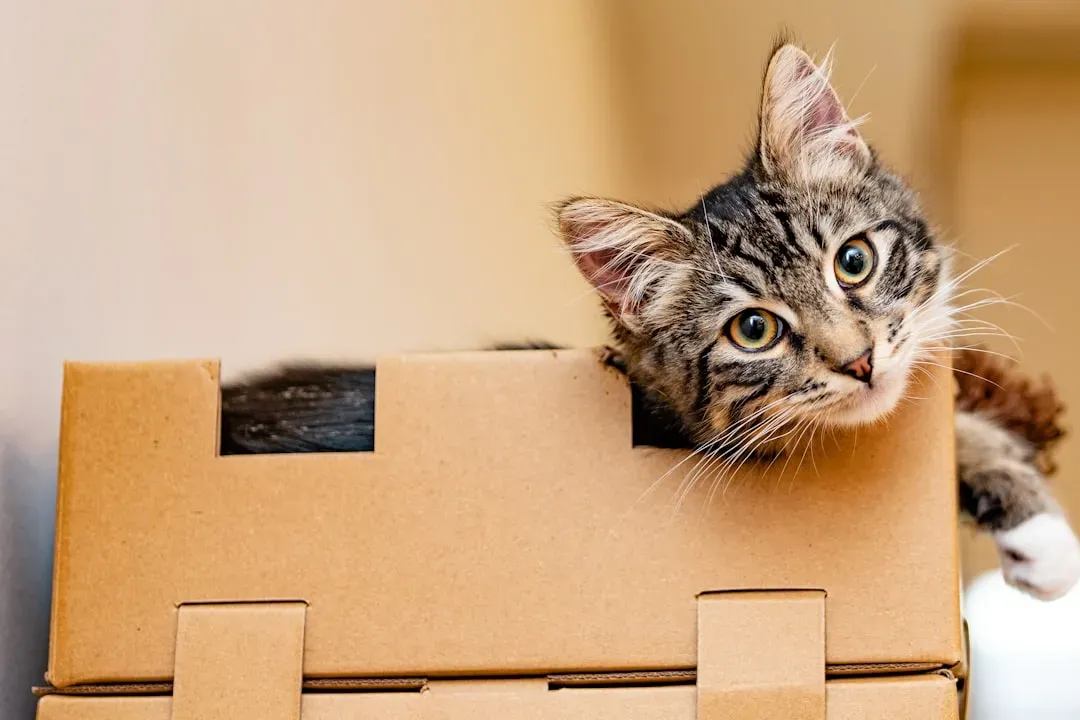
There’s one more powerful reason your cat will always race to a new box faster than it ever approached that designer bed. Cats may be drawn to cardboard boxes because of the novelty factor. Cardboard boxes may contain interesting smells or textures to rub up against, and cats are very sensitive to changes in their home. Many cats like to investigate anything different. Your cat’s designer bed stopped being novel approximately four minutes after you bought it.
Cats are naturally curious creatures, and boxes stimulate their desire to explore. Introducing new boxes into their environment can trigger their investigative instincts, encouraging them to sniff, paw, and climb inside to discover what the box contains. This exploration can keep them mentally engaged and satisfied. Cardboard is also the perfect texture for your cat to bite and scratch. Many owners find that cats love boxes purely to bite and chew, and soon shred them to bits. To your cat, a plain old box makes a really interesting and fun toy that can keep them entertained for days on end. No designer bed can compete with that level of multi-sensory stimulation.
Conclusion: Your Cat Isn’t Being Picky. It’s Being Perfect.
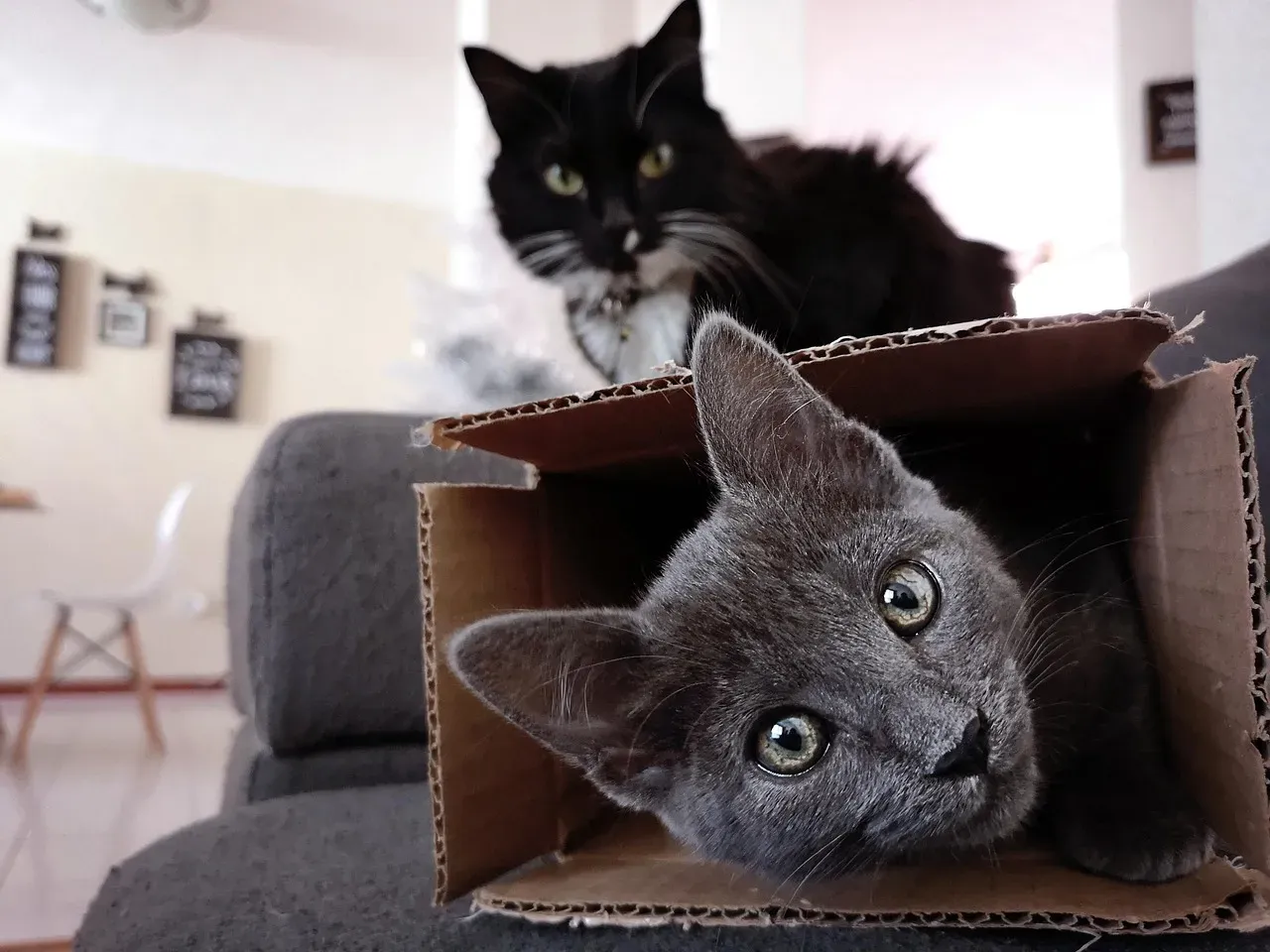
Once you understand what’s driving this cardboard obsession, the whole thing stops being funny and starts being impressive. Your cat is making an incredibly rational, instinct-informed decision every single time it chooses the box. It’s warmer, safer, more stimulating, mentally enriching, and perfectly sized for ambush hunting. The designer bed is beautiful. The cardboard box is functional. And your cat, quite wisely, values function above all else.
The good news is you don’t have to choose between your cat’s happiness and your living room décor. Leave a box open, place a cozy blanket in it along with a few of your cat’s favorite toys, and leave it on the floor for your cat to climb into whenever they want a safe place to retreat. Boxes aren’t just boxes to your cat. They’re fortresses, hunting grounds, temperature regulators, stress relievers, and entertainment centers all rolled into one recyclable package. So next time your cat ignores that premium bed in favor of a shipping box, just remember: it’s not a rejection. It’s evolution. What would you have guessed was really going on inside that little cardboard kingdom?