#1: They follow you from room to room
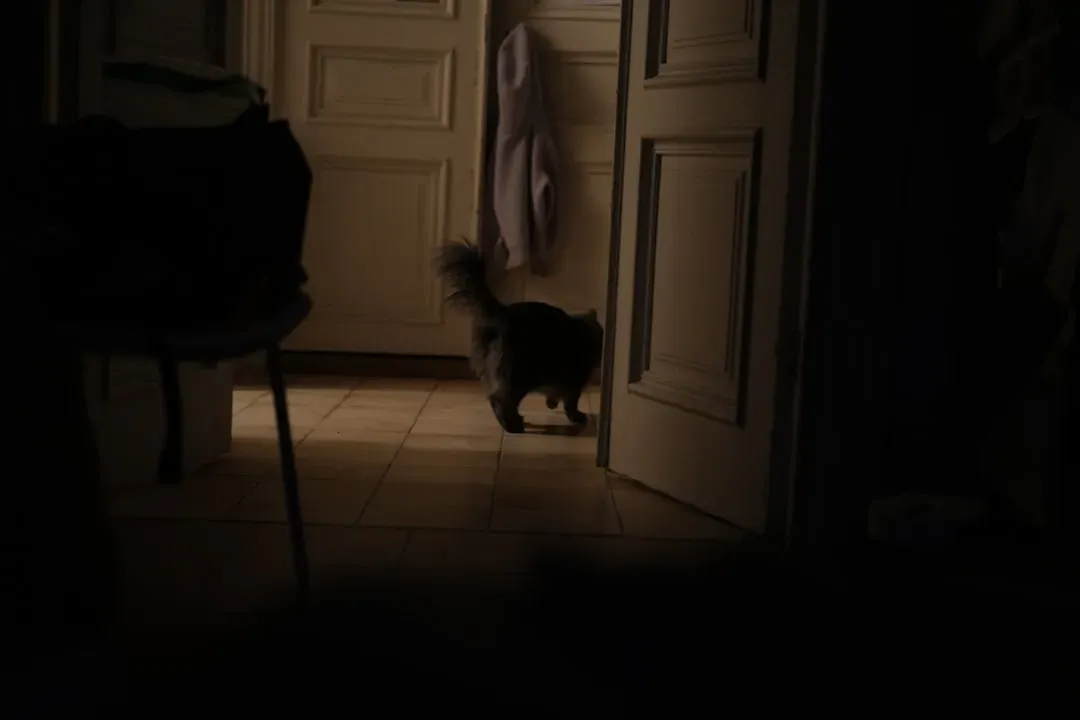
If your cat trails behind you like a small, furry shadow every time you get up to grab a snack or check the mail, that’s not random. Cats are territorial animals, and choosing to leave a comfortable spot just to be near a specific person takes effort. This kind of following behavior is often linked to a cat’s sense of security, they feel calmer when their chosen human is within sight.
Researchers who study feline attachment styles have found that cats display patterns similar to those seen in human infants and dogs, seeking proximity to a trusted figure. It’s not about needing something from you every time, sometimes it’s simply about being close. If your cat parks itself outside the bathroom door or waits at the top of the stairs, consider it a quiet vote of confidence in your company.
#2: They show you their belly
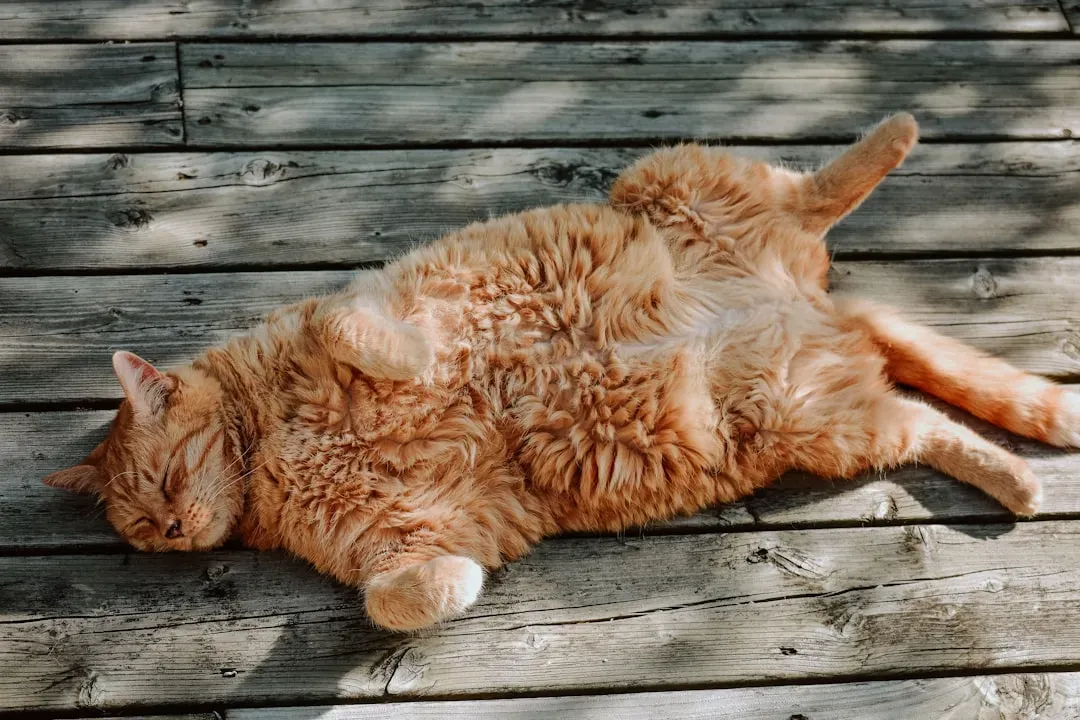
A cat exposing its belly is a big deal in feline body language. The stomach is the most vulnerable part of a cat’s body, and flashing it isn’t an invitation for a belly rub the way it might be with a dog. Instead, it’s a signal of trust, a cat is essentially saying it feels safe enough around you to drop its guard completely.
This doesn’t mean you should immediately reach for a scratch, many cats still react defensively if touched there, claws included. Think of the belly display as a compliment rather than an invitation. The behavior tends to show up during relaxed moments, like when your cat is stretched out on the bed or sprawled across your lap in a patch of sunlight.
#3: They bring you “gifts”
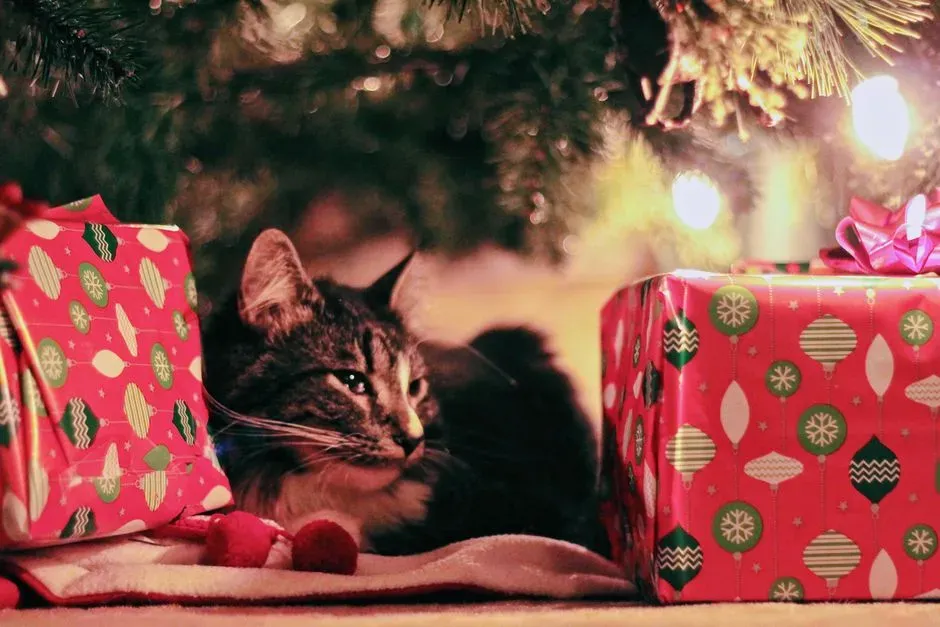
A dead bug, a random sock, or occasionally something far less pleasant left near your feet might seem like a strange way to express affection, but in cat logic, it makes sense. This behavior is thought to stem from instinctual hunting and provisioning habits, where mother cats bring prey back to teach or feed their kittens. When your cat does this for you, it may be treating you as part of its social group worth sharing resources with.
Not every cat is a hunter, especially indoor-only cats, so this particular sign shows up more in cats with access to the outdoors or those who enjoy toy mice and feather wands. Even toy deliveries carry the same underlying message. If your cat consistently drops offerings at your feet rather than anyone else’s in the house, it’s a sign you’ve been singled out as someone worth providing for.
#4: They knead you like a kitten
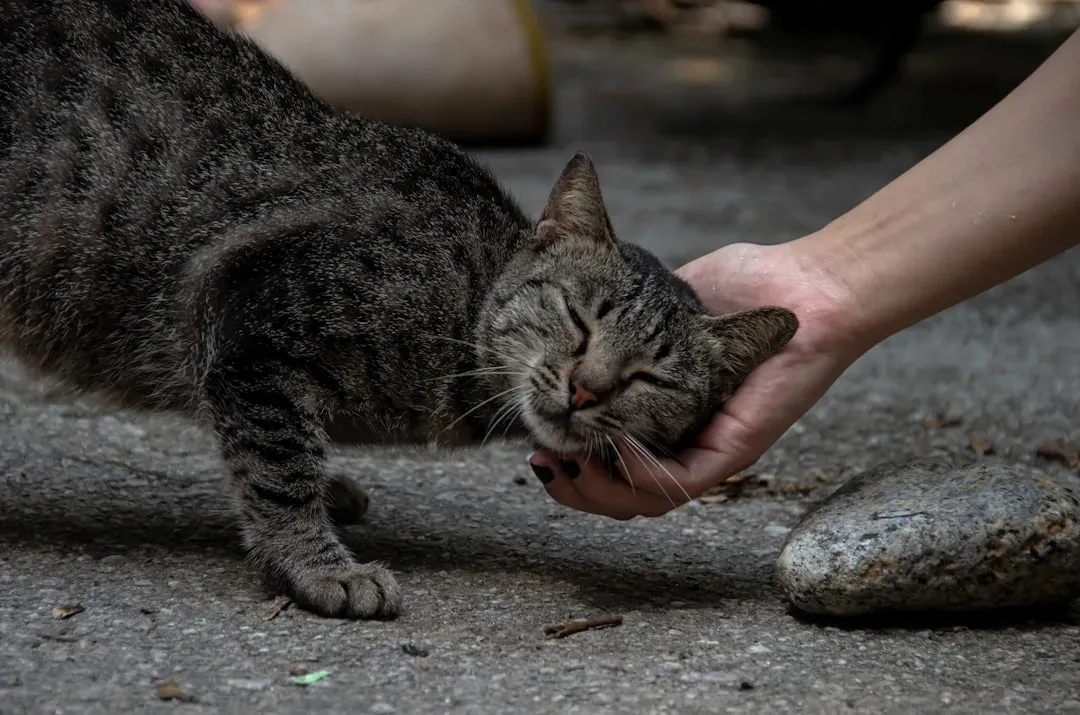
That rhythmic pushing motion with the front paws, often called making biscuits, is rooted in kittenhood. Nursing kittens knead their mother to stimulate milk flow, and some cats never fully drop the habit as adults. When a cat kneads a specific person, it’s often recreating that same sense of comfort and contentment from early life.
This behavior tends to be reserved for moments of deep relaxation, like right before settling in for a nap on your lap or chest. It’s frequently paired with purring, slow blinking, or a general softness in posture. Cats don’t knead just anyone, so if you’re on the receiving end regularly, it says something about the emotional safety you represent to them.
#5: They slow blink at you
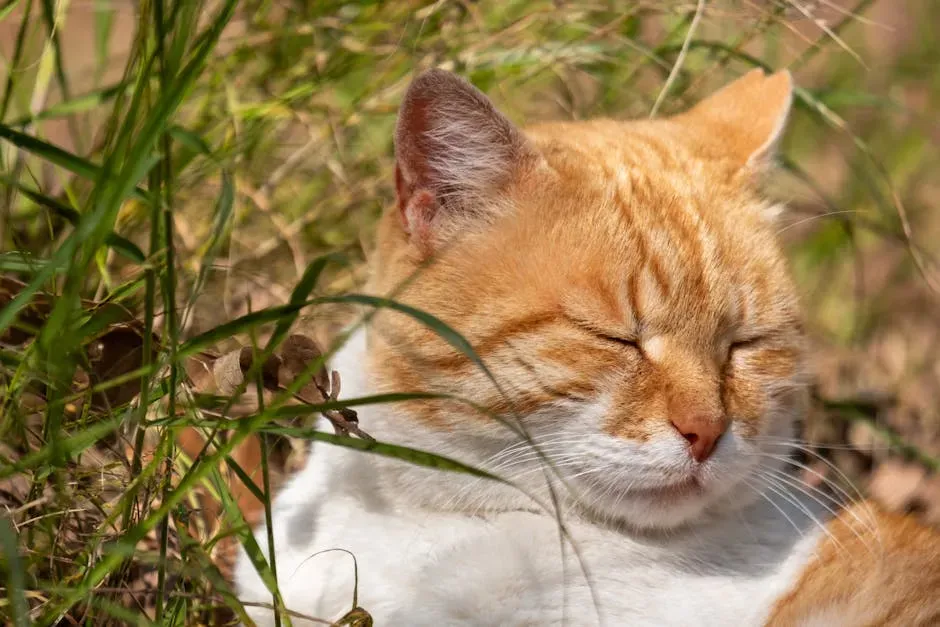
Slow blinking is often described as a cat’s version of a smile, and there’s actual research behind it. A study published in Scientific Reports found that cats slow blinked more frequently at their owners when the owners slow blinked first, and the behavior seemed to encourage the cats to approach afterward. It’s a subtle, low energy way cats communicate ease and positive feeling toward someone.
Unlike a stare, which cats often perceive as a threat, a slow blink signals the opposite intention. If you try it yourself, half close your eyes gently while looking at your cat, then look away, you might get one back. It’s a small interaction, but it’s one of the clearest, most replicable signs of trust between a cat and a chosen human.
#6: They sleep near or on you
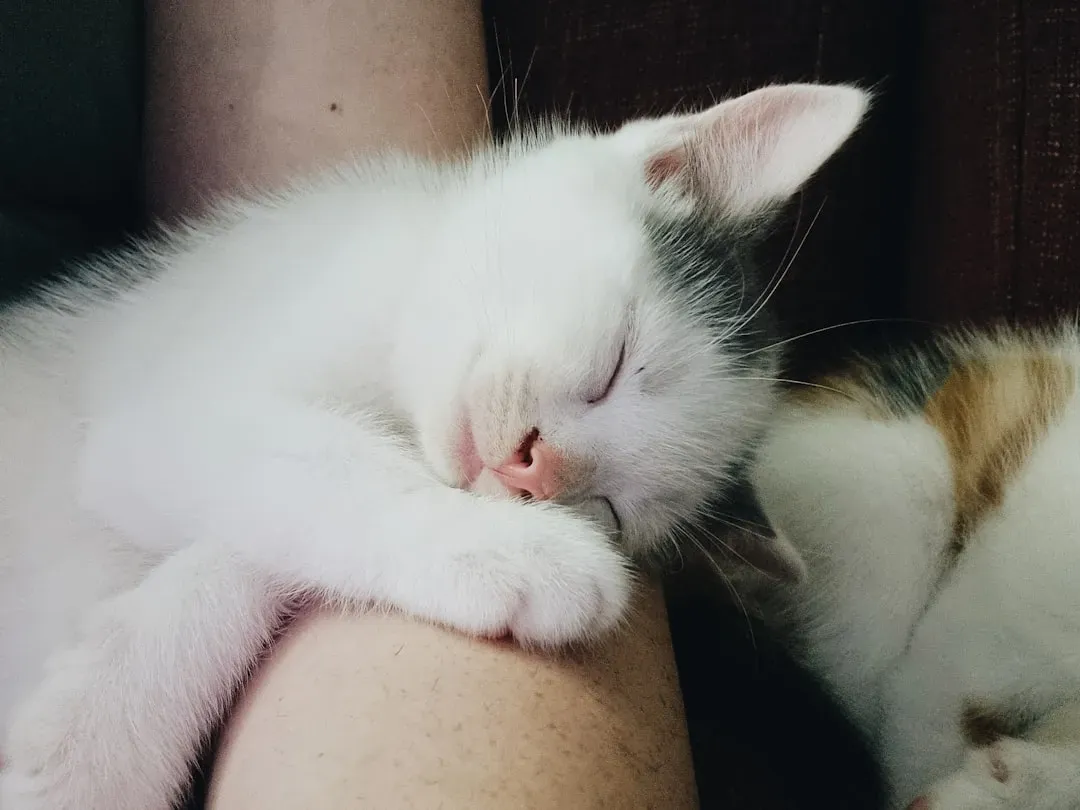
Sleep is when cats are at their most defenseless, so where they choose to nap says a lot. A cat curling up on your chest, tucked into the crook of your arm, or even just settling nearby on the bed is choosing vulnerability around you specifically. This isn’t a decision made lightly in the animal world, predators and prey alike are careful about where they let their guard down.
Body heat and comfort play a role too, cats gravitate toward warm, soft spots, and a person’s lap or shoulder often fits the bill. But warmth alone doesn’t explain why some cats have a favorite sleeping human in a multi-person household while ignoring perfectly cozy alternatives. When a cat picks you as its regular sleeping spot, it’s combining physical comfort with an emotional sense of safety.
#7: They “talk” to you more than others
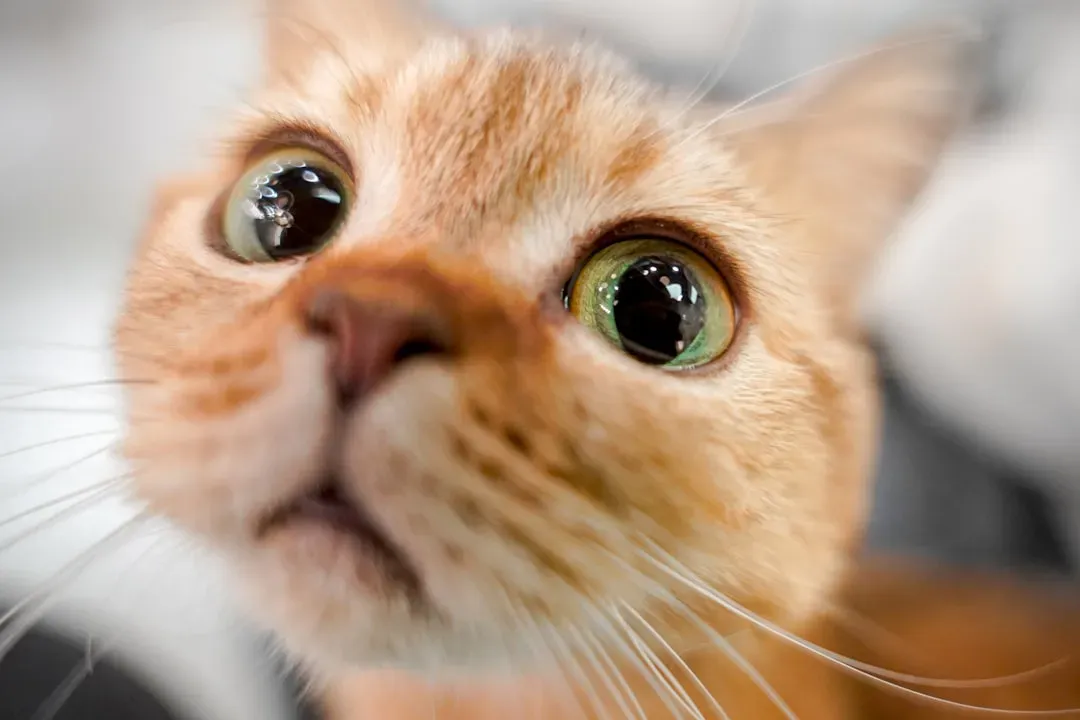
Some cats develop what almost feels like a personal vocabulary reserved for one person. Chirps, trills, meows of varying pitch and length, cats are surprisingly vocal when they want to be, and research suggests domestic cats have adapted their vocalizations specifically to communicate with humans. Wild and feral cats rarely meow at each other the way house cats meow at their people.
If your cat greets you with a distinct chirrup when you walk in but stays quiet around houseguests, that’s a pattern worth noticing. Cats often develop these vocal habits gradually, refining sounds that get a response from their favorite person over time. It’s essentially a private conversation your cat has built just for you, one meow at a time.
#8: They seek you out during stress or illness
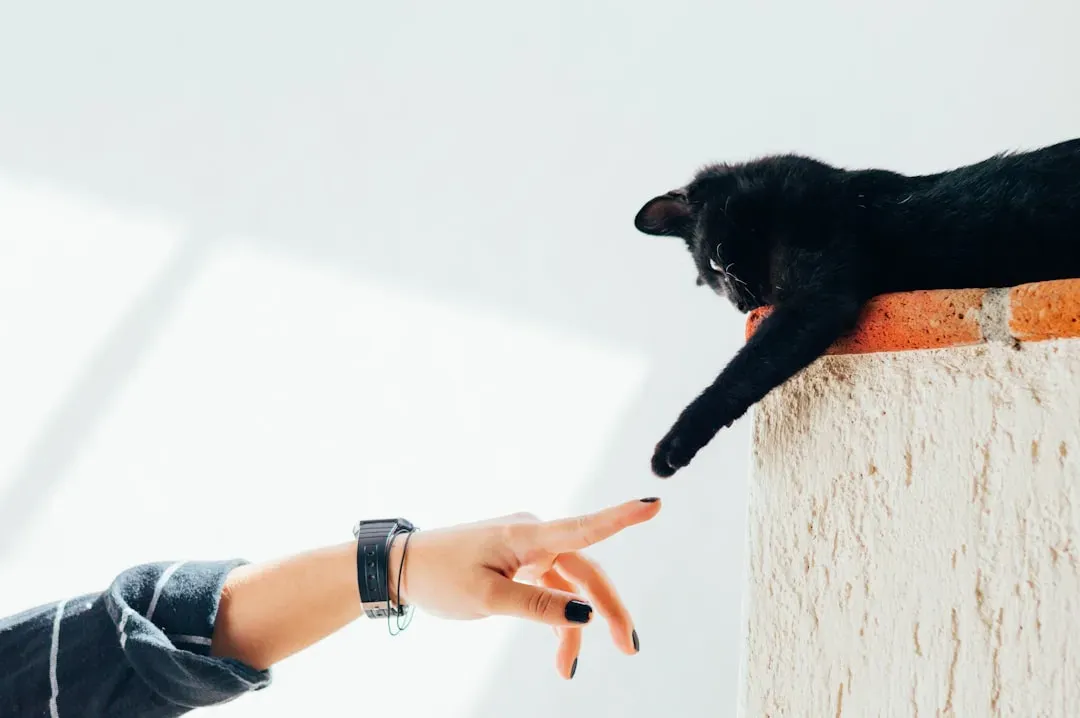
When something’s off, a loud noise, a new visitor, a trip to the vet, cats tend to gravitate toward whoever makes them feel most secure. This kind of stress seeking behavior is one of the more telling signs of a strong bond, since it shows the cat views that person as a source of comfort rather than just routine care. It’s similar to how a nervous dog might lean against its owner, just quieter and more subtle in typical cat fashion.
The same pattern often shows up when a cat isn’t feeling well. Sick or anxious cats may hide from the household in general but still make an exception for their favorite person, seeking out their lap or the room they’re in. If your cat breaks its usual hiding routine specifically to be near you when it’s struggling, that’s about as clear a sign of trust as cats tend to give.
The Bottom Line
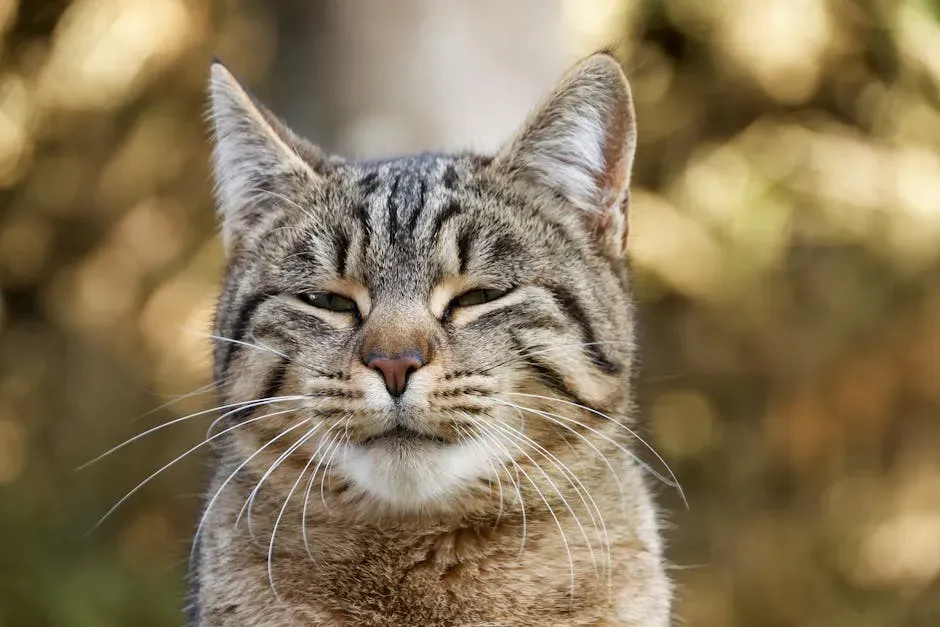
Cats don’t hand out affection carelessly, and that’s exactly what makes their trust feel earned rather than automatic. Every slow blink, belly flash, or oddly timed nap on your keyboard is a small piece of evidence that you’ve made the cut in a world where most humans don’t. Dogs wear their hearts on their sleeves, cats hide theirs in body language you actually have to learn to read.That’s arguably what makes cat affection more interesting, not less. It’s not performative, it’s not for show, and it’s rarely about food once the bond is established. If you’re finding yourself nodding along to several of these signs, you’re not imagining the connection. Your cat picked you, deliberately and quietly, and in feline terms, that’s about as loud a declaration as it gets.
Kristina is a young writer from India. An arts graduate and an avid content creator, Kristina is passionate about animals and wildlife. She enjoys exploring topics related to pet care, animal behavior, conservation, and nature, combining thorough research with engaging storytelling.