#1 Purring always means a happy cat
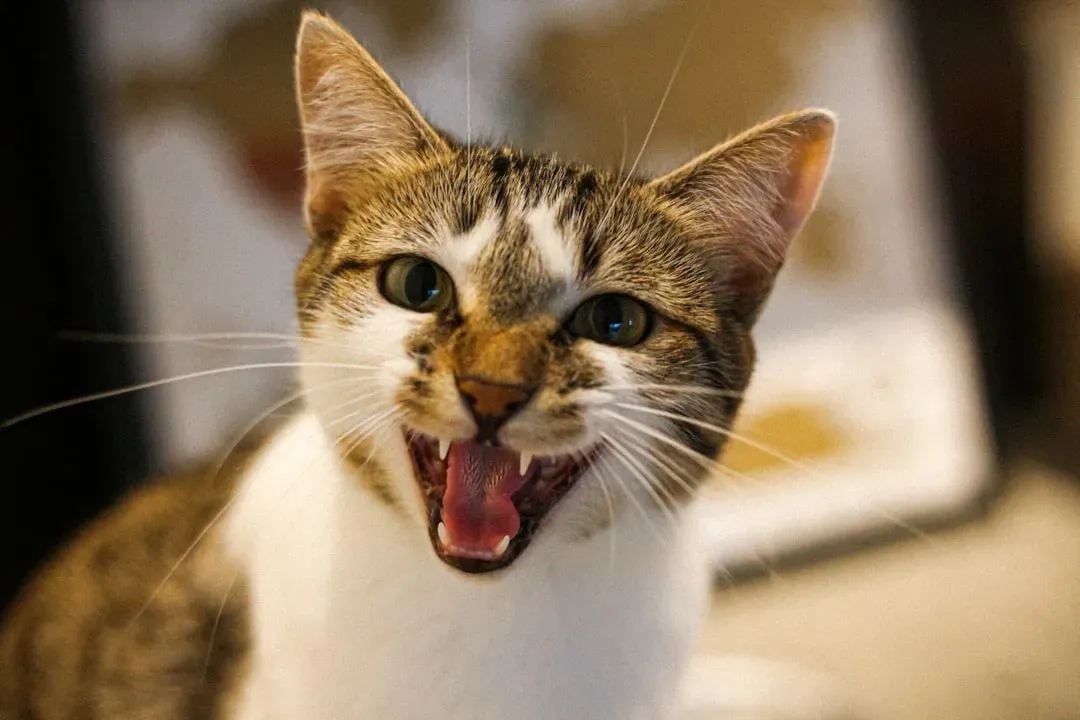
Purring gets treated like a universal signal of contentment, and often it is. A cat curled up on your lap, eyes half closed, rumbling away is genuinely relaxed. But purring is also a self-soothing mechanism, and cats will do it when they’re injured, frightened, giving birth, or even in the final stages of illness.
Researchers have theorized that the frequency of a cat’s purr, often in a range that overlaps with sound therapies used for bone and tissue healing, may serve a physiological calming function beyond simple emotion. That means a purring cat at the vet’s office isn’t necessarily saying “this is nice.” It might be coping with stress the only way it knows how. Paying attention to body language alongside the purr, like ear position and muscle tension, gives a much more accurate read.
#2 A belly-up cat wants a belly rub
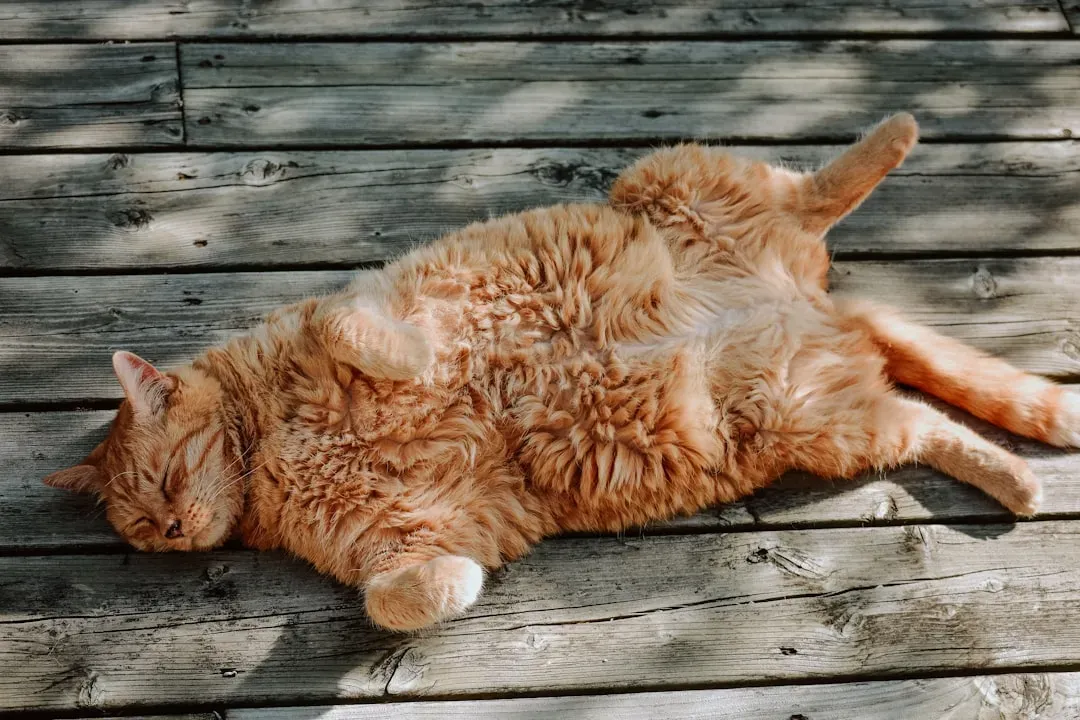
Few things trigger a hand reach faster than a cat rolling onto its back, and few things end in a swipe of claws more reliably. The rollover is often mistaken for an open invitation, but it’s usually closer to a vulnerability display. Exposing the belly, cats’ most physically sensitive and least defended area, is a sign of trust and relaxation.
It is not, however, a request for touch. In the wild, that same area protects vital organs, so the instinct to guard it hasn’t fully disappeared just because the cat is on a couch instead of a savanna. Many cats will grab at a hand that goes for the belly, not out of aggression, but reflexive self-protection. It’s less a rejection and more a boundary, one that’s easy to respect once you know it’s there.
#3 Tail swishing means the cat is playful or excited
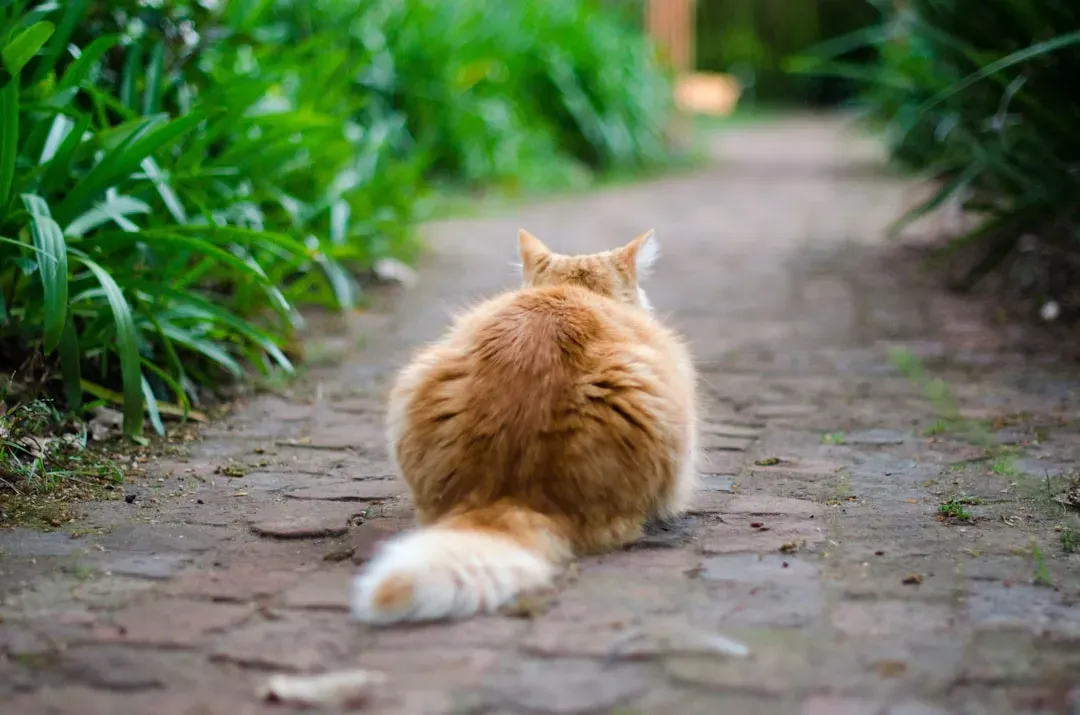
A twitching, swishing tail looks energetic, so it’s easy to assume the cat is gearing up for play. Sometimes that’s true, especially with small flicks at the very tip while stalking a toy. A slow, wide, dramatic swish across the floor, though, usually means something closer to irritation or overstimulation.
This is one of the more common misreads that leads to bites during petting sessions. A cat being stroked might start with a relaxed tail, then begin thumping it against the couch as annoyance builds. Owners often keep petting right through that warning sign because the behavior “looks” playful. Watching the whole tail, not just the motion, and pairing it with ear position tends to reveal the real mood underneath.
#4 Kneading is just a kitten habit that never went away
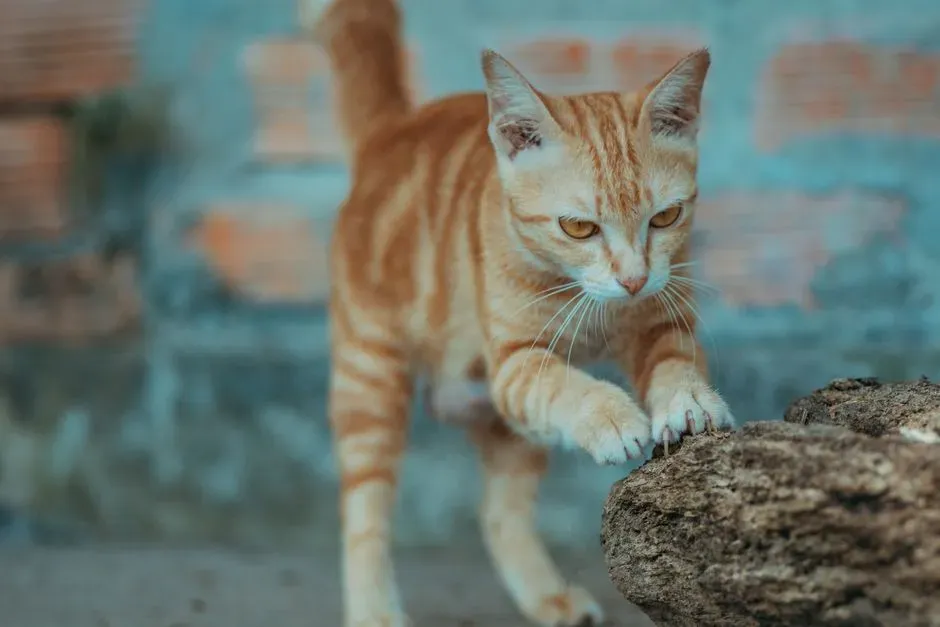
Almost every cat owner has felt those rhythmic little paw presses on a blanket or lap, and the standard explanation is that it’s leftover behavior from nursing kittens massaging their mother for milk flow. That part is true, but it’s not the whole story. Adult cats keep kneading well past the point where it serves any nutritional function, which suggests it carries emotional weight too.
Kneading is closely tied to comfort and scent marking. Cats have scent glands in their paw pads, so kneading a blanket, a pillow, or a person is partly a way of claiming that surface as familiar territory. It tends to show up most during moments of deep relaxation, which is why it’s often paired with purring, half-closed eyes, and settling in for a nap. It’s less a baby habit and more a small ritual of feeling safe.
#5 Slow blinking is just a sleepy cat
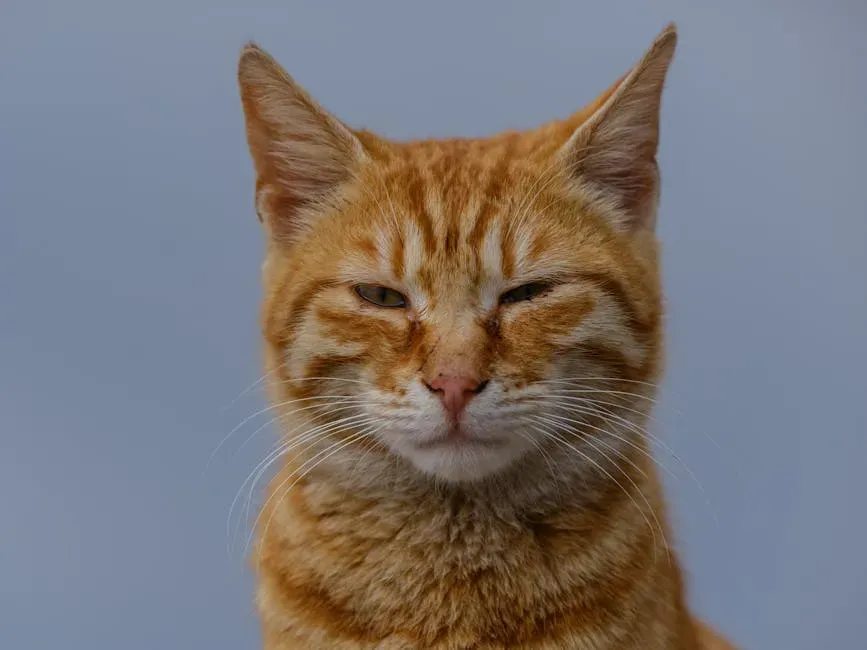
A cat looking at you with slow, deliberate blinks might seem like it’s simply drowsy or bored. In reality, this is one of the more well-documented positive signals in feline communication. Slow blinking functions similarly to a smile, and research on cat-human interaction has found that cats respond warmly when people slow-blink back at them.
The gesture works because closing the eyes briefly around another creature is, in animal terms, a small act of vulnerability. A cat that repeatedly does this at a person is essentially signaling comfort and lowered guard. Returning a slow blink, rather than staring directly, is one of the simplest ways to build a bit of trust with a cautious or unfamiliar cat. It costs nothing and often gets a visible response.
#6 Knocking things off tables is spite or attention-seeking
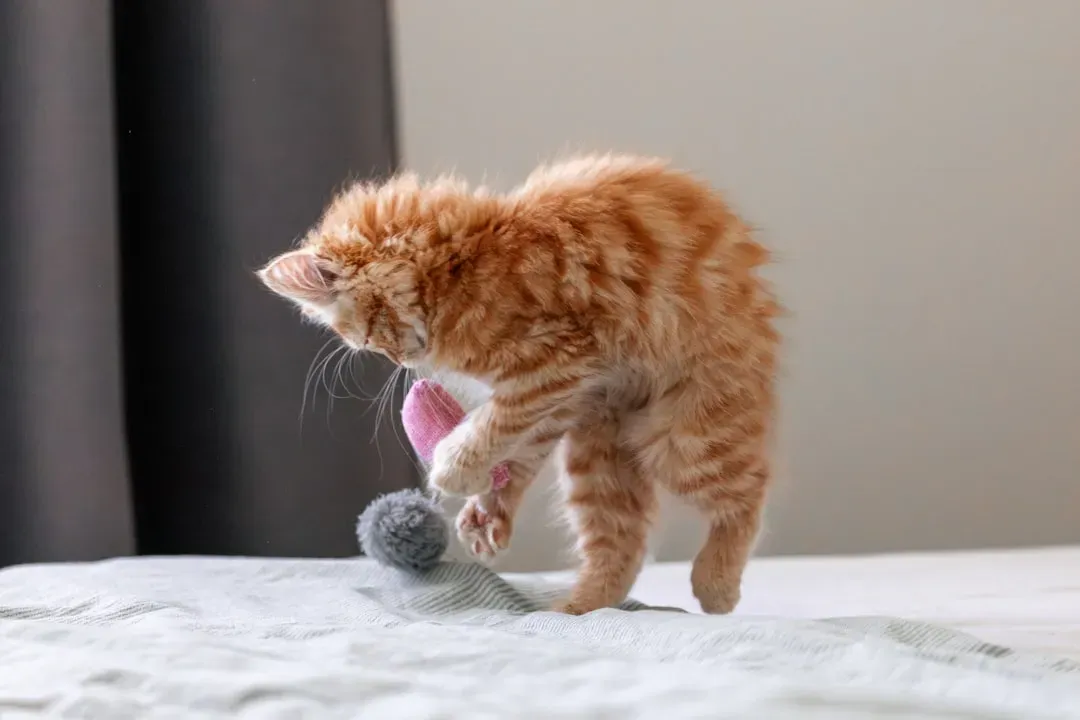
Few cat behaviors get more anthropomorphized than the deliberate-looking swipe of a pen or glass off a counter. It’s easy to narrate this as revenge for being left alone, or a bid for attention, especially when it happens right after being ignored. The timing is coincidental more often than not.
Batting objects off edges taps into genuine predatory instinct. Cats test objects with their paws to judge whether something is prey, whether it might move, and how it reacts to contact, a behavior rooted in hunting practice rather than emotional manipulation. Height also plays a role, since elevated perches and the objects on them naturally draw a cat’s attention as part of normal environmental exploration. It looks personal. It rarely is.
#7 Hissing is aggressive behavior
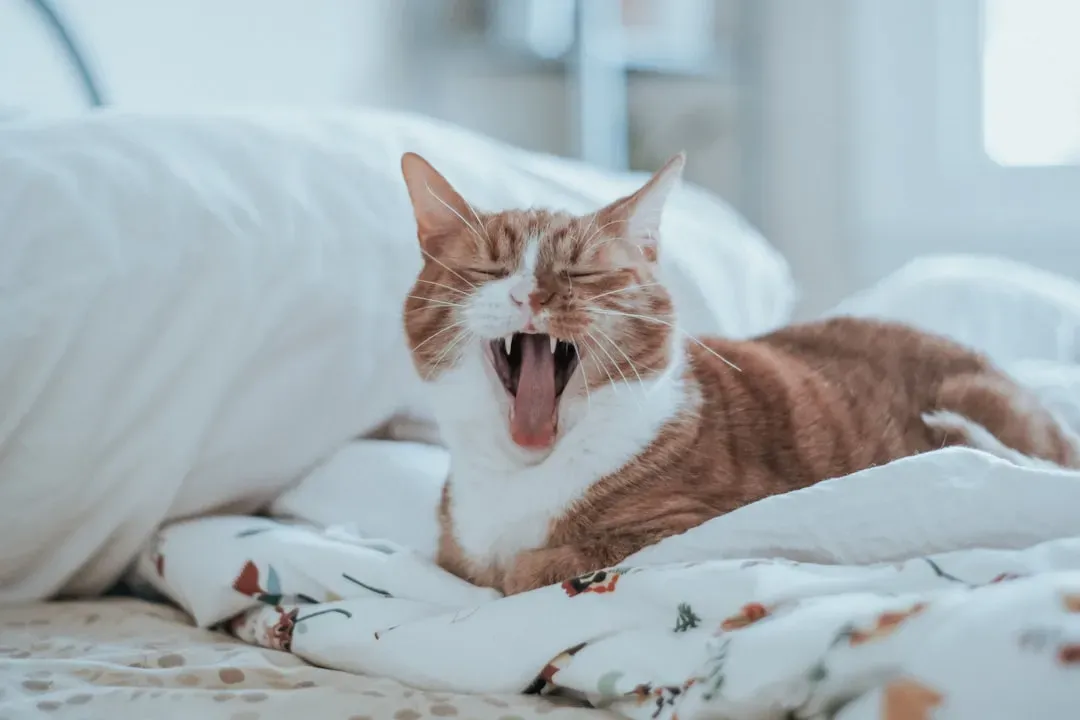
A hiss sounds like a warning shot, so it gets read as aggression almost automatically. Functionally, though, hissing is a defensive response rooted in fear, not an offensive one. A hissing cat is telling you or another animal to back off because it feels threatened or cornered, not necessarily because it intends to attack.
This distinction matters for how people respond. Punishing or confronting a hissing cat tends to escalate fear rather than resolve it, since the behavior is a symptom of stress rather than the root problem. Giving the cat space, removing whatever triggered the reaction, and letting it decompress on its own terms usually works far better than any correction. A hiss is a request for distance, not a declaration of war.
#8 Bringing home dead prey is a gift
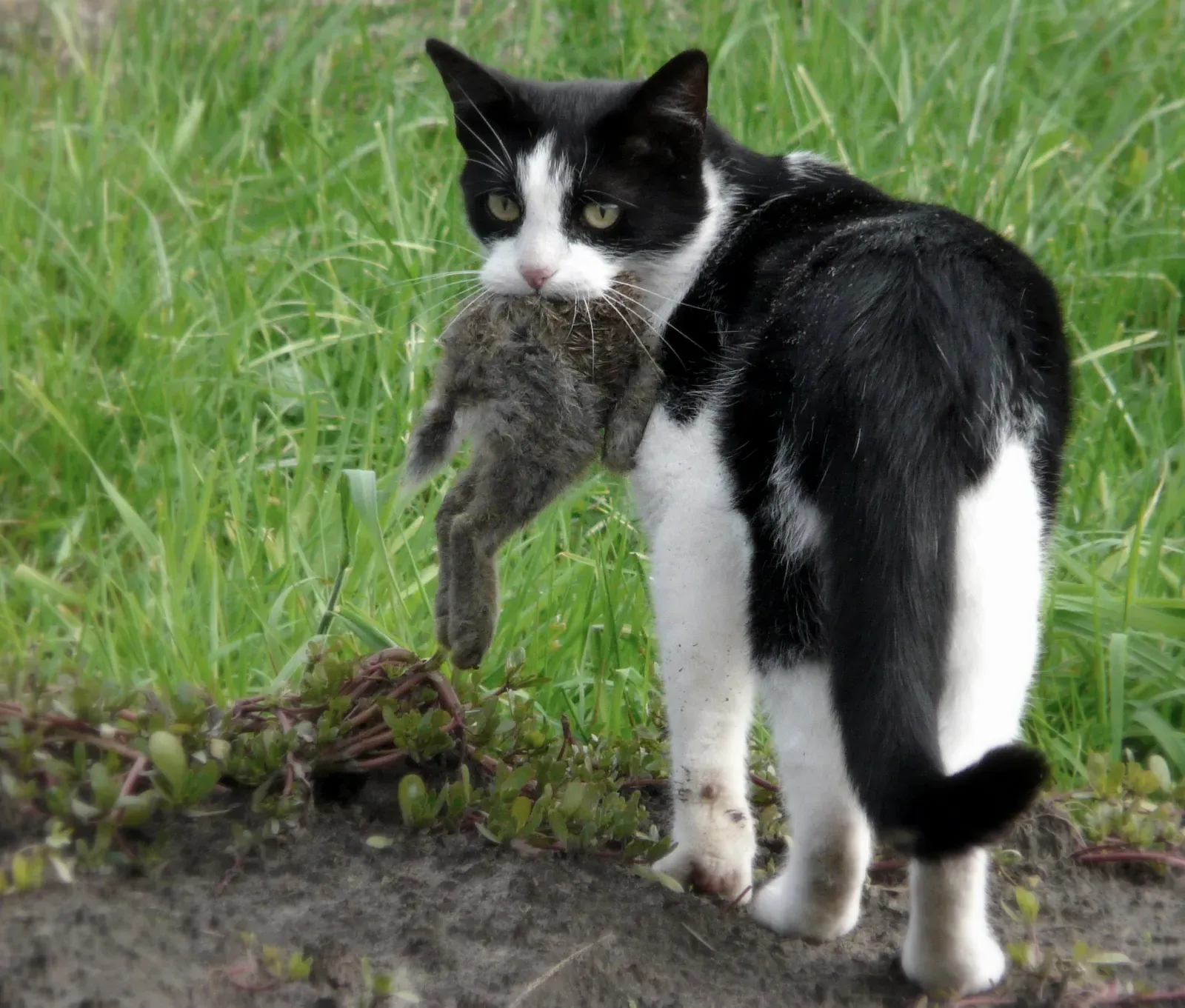
Cat owners have told this story for generations. The cat proudly delivers a dead mouse or bird to the doorstep, and it gets interpreted as a heartfelt present, a thank-you for food and shelter. It’s a charming idea, but the behavior likely has more practical roots than sentiment.
Several explanations exist among behaviorists, including the idea that mother cats bring prey home to teach kittens to hunt, and that domestic cats extend this instinct to their human households, treating people as under-skilled hunting companions in need of a lesson. Others point to it simply being an extension of natural caching and sharing behavior seen in wild feline relatives. Whatever the exact motivation, it’s rooted in instinct rather than affection in the way humans usually mean the word. That doesn’t make it less endearing, just less literal.
#9 Avoiding the litter box is spite or stubbornness
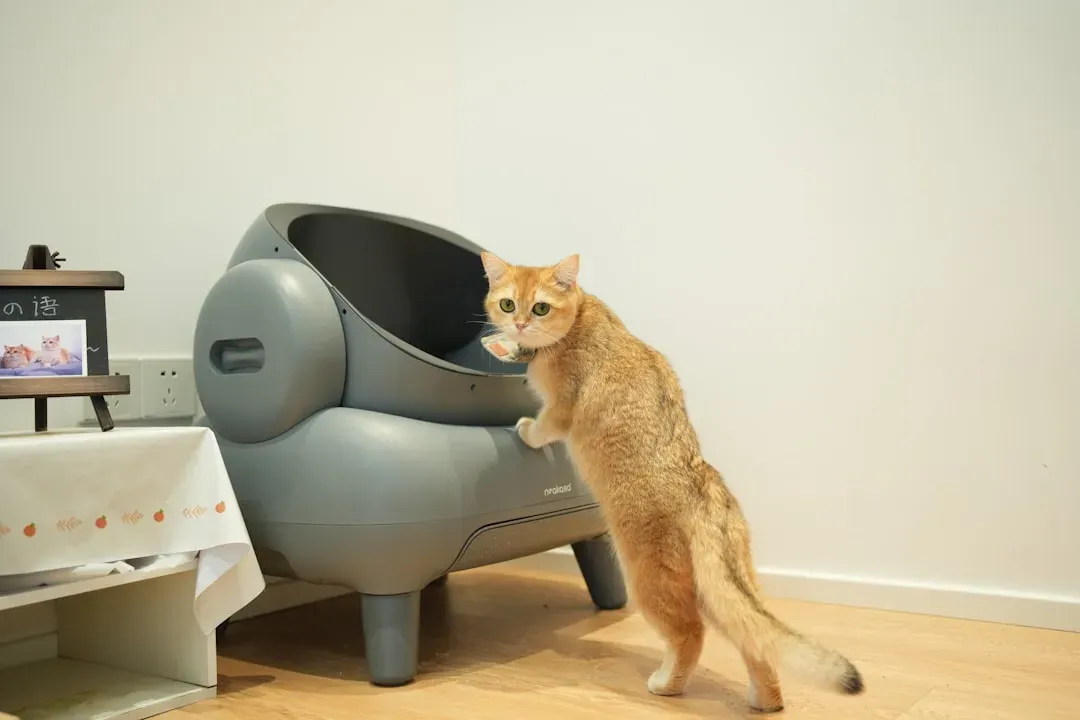
When a cat suddenly starts urinating outside the litter box, it’s tempting to read it as payback for a missed feeding, a new pet in the house, or general crankiness. Cats get blamed for being petty far more than the evidence supports. In reality, litter box avoidance is one of the most reliable early signs of an underlying medical or environmental issue.
Urinary tract infections, bladder stones, arthritis that makes climbing into a box painful, and even stress from changes in the household are far more common explanations than spite. Veterinarians consistently point to sudden litter box changes as a reason to schedule a checkup rather than assume bad behavior. Cats are also sensitive to litter type, box cleanliness, and location, so a behavioral fix sometimes solves what looks like a medical mystery. Either way, patience and investigation serve the situation better than frustration.
Final thoughts
Kristina is a young writer from India. An arts graduate and an avid content creator, Kristina is passionate about animals and wildlife. She enjoys exploring topics related to pet care, animal behavior, conservation, and nature, combining thorough research with engaging storytelling.