You’ve spent hours debating paint swatches and fabric samples. You’ve dragged yourself through furniture stores, wrestled with flat-pack assembly instructions, and finally landed on a sofa you’re genuinely proud of. Then your cat strolls over, sniffs it once, and walks away with complete indifference.
Sound familiar? Cats have a remarkably sophisticated relationship with the furniture in your home, one that goes far deeper than whether or not they’ll shred it. From texture to height to scent, your cat is running a constant, quiet audit of every piece you own. Here’s what they’re actually evaluating.
The Fabric on Your Sofa Is Either Irresistible or Invisible to Them
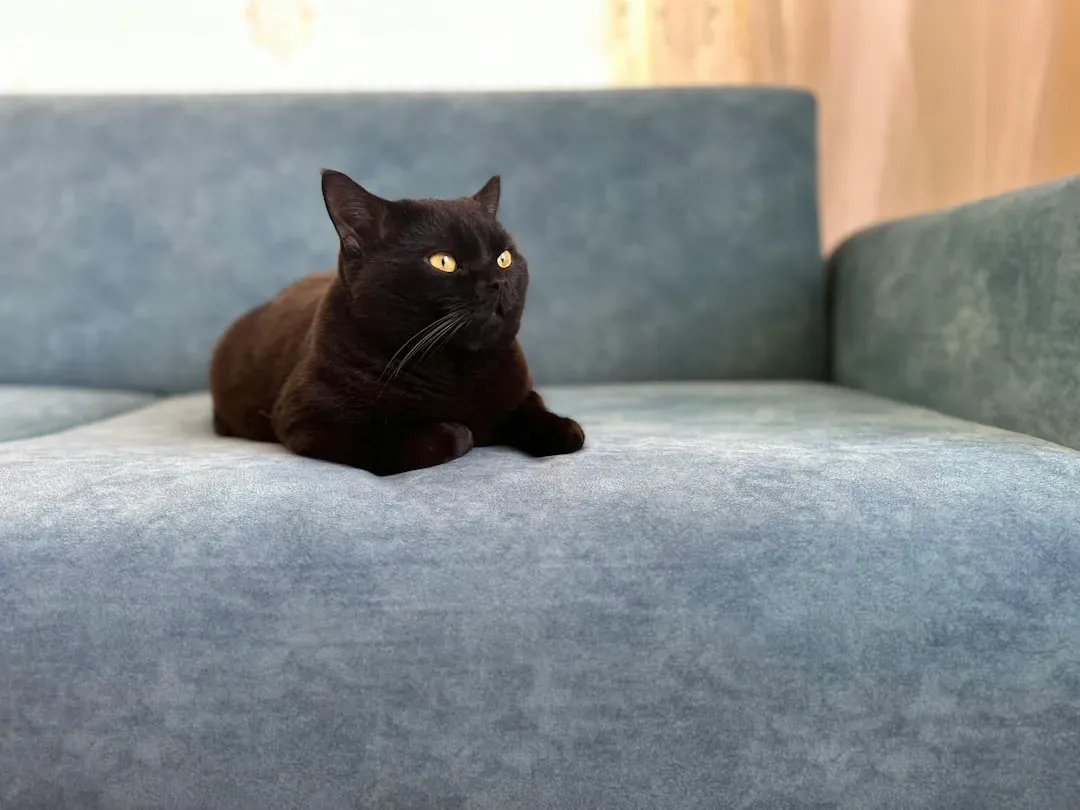
Cats have sensitive nerve endings in their paws that respond to different textures, giving them feelings of comfort and security. From soft wool to scratchy upholstery, every cat has its own preferences when it comes to fabrics. This means your sofa choice is essentially a personality test your cat is scoring without telling you.
Fabrics like chenille and tweed are among the worst offenders for cat owners. Their “nubby” texture is made of thousands of tiny loops that catch claws instantly, and your cat can ruin them in days. Meanwhile, microfiber fabrics are often considered the best option when you own cats. The very soft, sleek texture is the opposite of what cats like to scratch, and many cats may never go after a microfiber couch.
Loose Weaves Are Basically an Invitation to Scratch
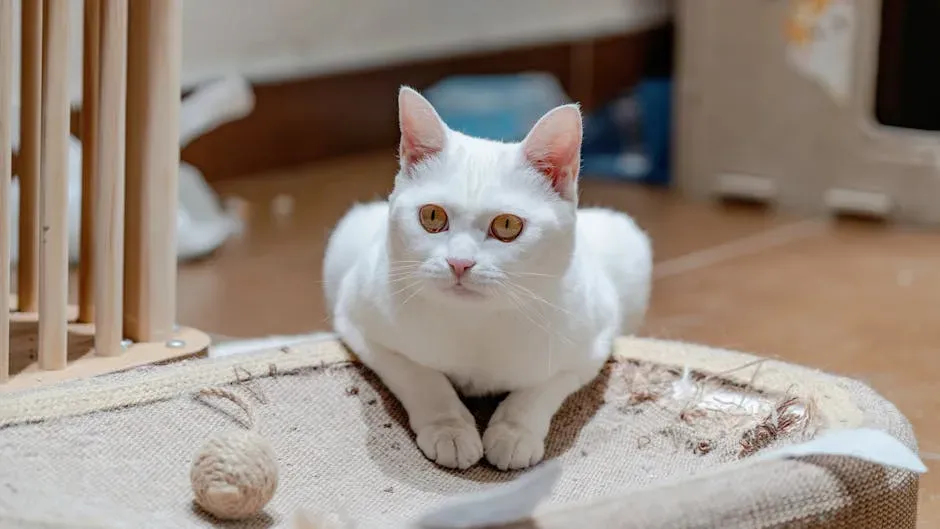
Design experts advise cat parents to stick with fabrics that are “tightly woven” and to avoid “loose-weave or looped upholstery,” because your cat will see those little loops or nubby threads and think “cat toy.” This is a good rule of thumb for fabrics on armchairs, dining chair pads, and floor coverings too.
Nubby, textured surfaces that feel interesting to grab, or anything with “give” where the fabric moves enough to feel like something worth pulling on, are magnets for your cat’s attention. Once a cat figures out a material feels good to scratch, that’s pretty much it. You can think of it as your cat reviewing your upholstery choices with very specific claws-on criteria.
Your Furniture’s Height Tells Your Cat Whether You Understand Them
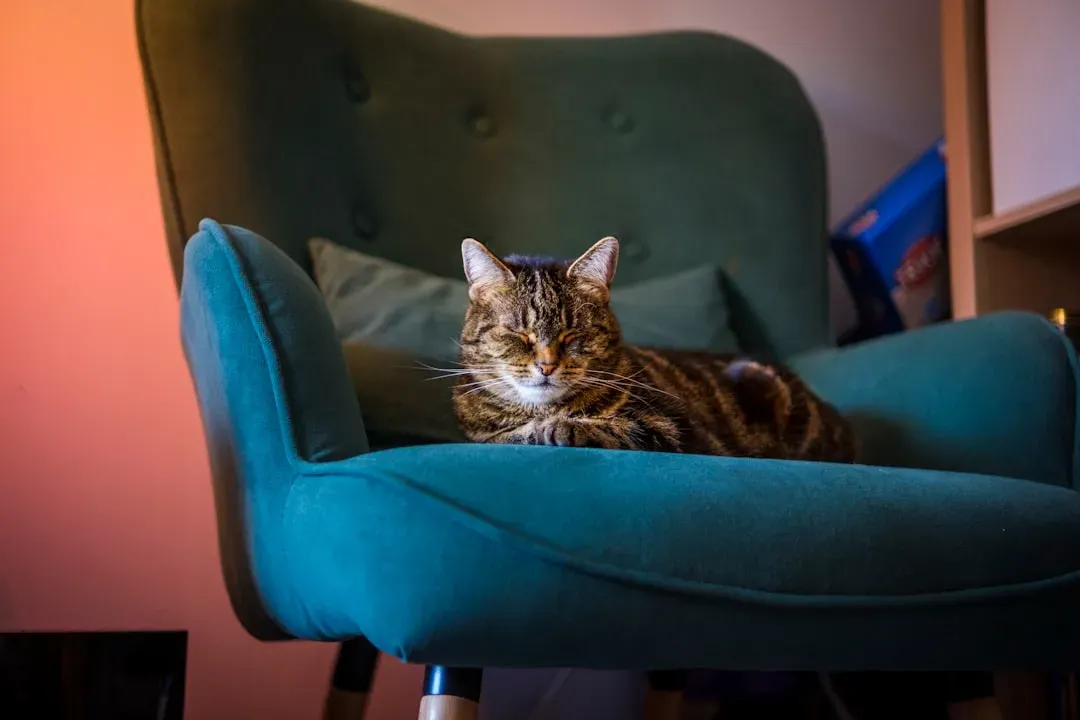
Cats’ attraction to high places stems directly from their wild ancestors. In nature, elevated positions provided crucial advantages for both hunting and survival, allowing wild cats to spot potential prey while staying safely out of reach from larger predators. Modern house cats retain these ancient instincts, even though they no longer need to hunt for survival.
Floor beds serve a purpose, but they don’t replace elevation. A soft bed on the floor provides comfort, but it doesn’t offer the vantage point cats instinctively seek. Elevation consistently wins over softness. So if your stylish, low-profile furniture offers your cat zero perching options, your cat has noticed. They’ve filed a complaint. You just can’t read it.
Stability Is a Non-Negotiable Quality Standard
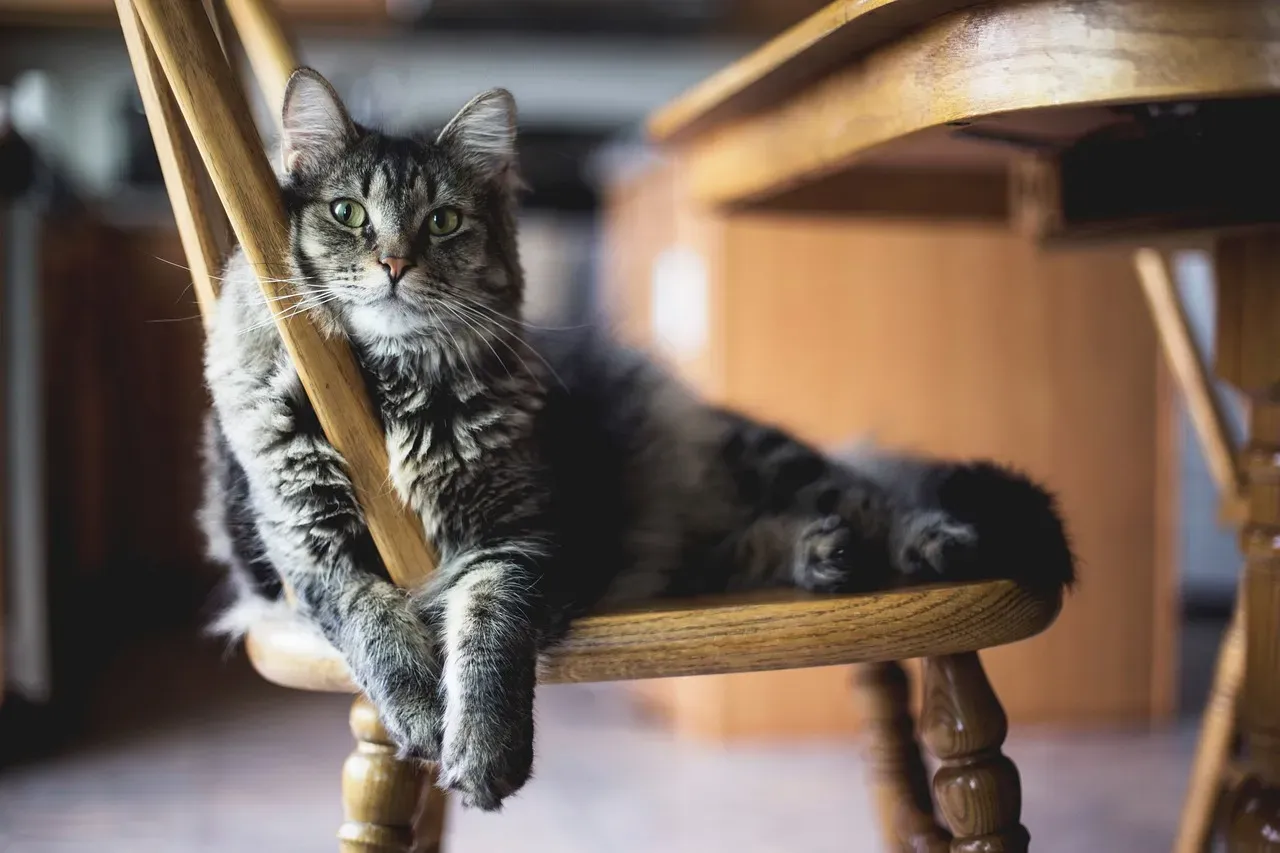
Cats often prefer surfaces that give predictable footing. Overly insulating dense synthetic fluff can trap heat and feel too warm or clammy compared with a firmer fabric, and deep pile or loose fibers move under paws, making the surface feel unstable. Wobbly furniture is the kind of thing your cat won’t tolerate twice.
Stability is crucial, as sturdy furniture ensures your cat feels secure during use. Cats assess height through controlled exploration, and if your cat freezes mid-climb, the perch likely lacks visual escape routes or feels unstable. From your cat’s perspective, a tippy bookshelf or an unsteady cat tower is a full rejection of your interior design judgment.
Your Wooden Furniture Legs Look Like Miniature Trees
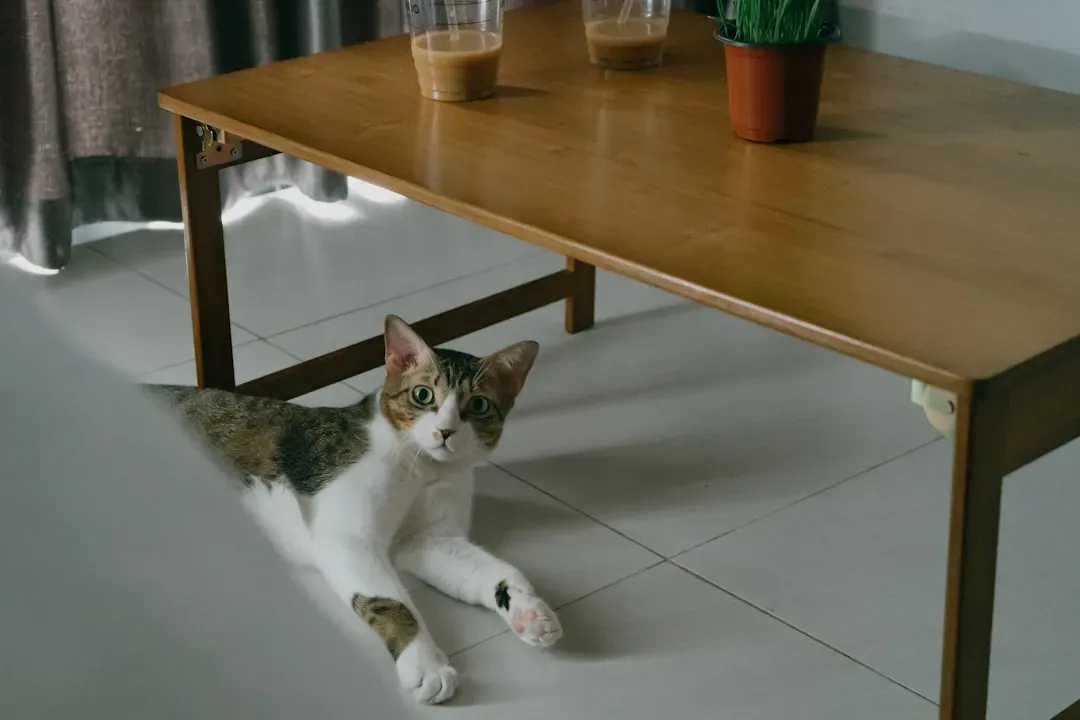
If you’re looking for non-fabric furniture such as a dining table and chairs or a coffee table, consider investing in synthetic pieces or treated wood with smooth surfaces that your cat can’t dig their nails into. Some cats view wooden furniture legs as tiny trees, perfect for claw-trimming. It’s not destructive behavior in their mind. It’s entirely logical.
Scratching is largely a marking behavior that deposits scent from special glands on the cat’s paws into their territory and removes the translucent covering, or sheath, from the claws. The scratch marks and claw sheaths left behind may also be displays of confidence. That antique dining table leg you love? Your cat sees prime real estate.
Your Cat Is Quietly Scent-Mapping Every Surface You Own
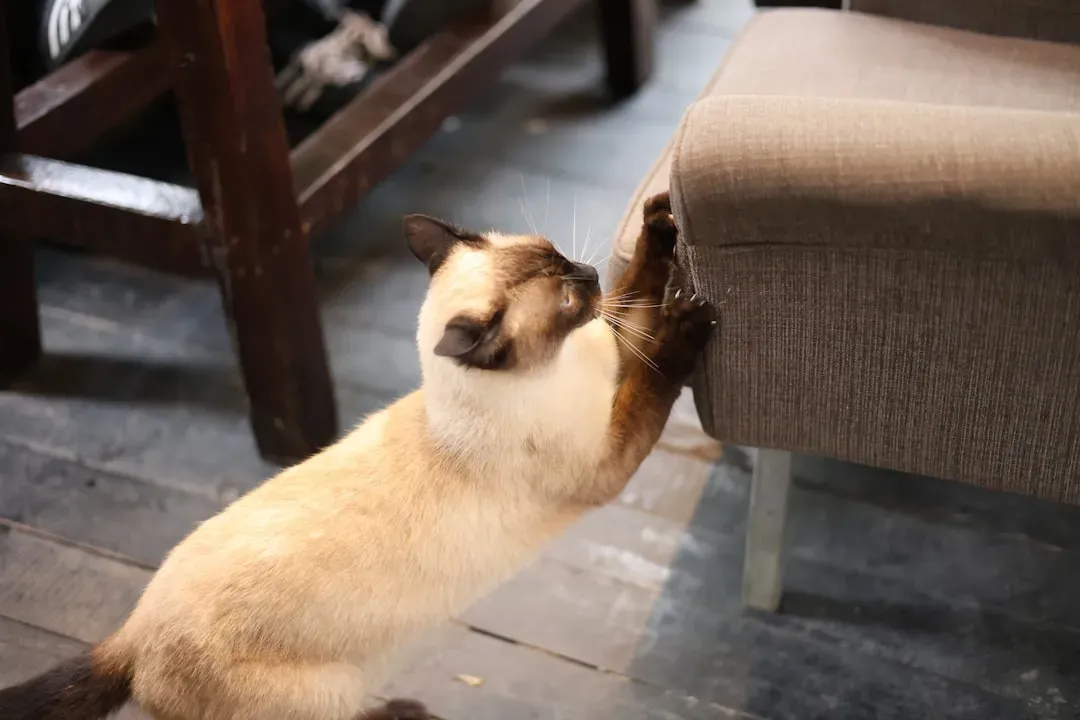
Cats possess scent glands between their paw pads. When they scratch surfaces like furniture or trees, they leave behind both visual scratches and chemical signals. The scents left behind create a map of ownership and familiarity that other cats can detect. When your cat rubs against your new armchair the moment you bring it home, they’re not being affectionate with the furniture. They’re tagging it.
New furniture disrupts scent maps and safe pathways, and cats aren’t rejecting you; they’re protecting their sense of control. Cats will rub against things when happy, but also if they’re feeling a little unsure of their environment. You’ll see them displaying this rubbing behavior in their core living area. It’s a way for them to feel relaxed and content. Freshly cleaned, strongly scented furniture, from their viewpoint, is furniture that needs to be fixed.
The Couch Arm Position Reveals Whether You’re a Thoughtful Host
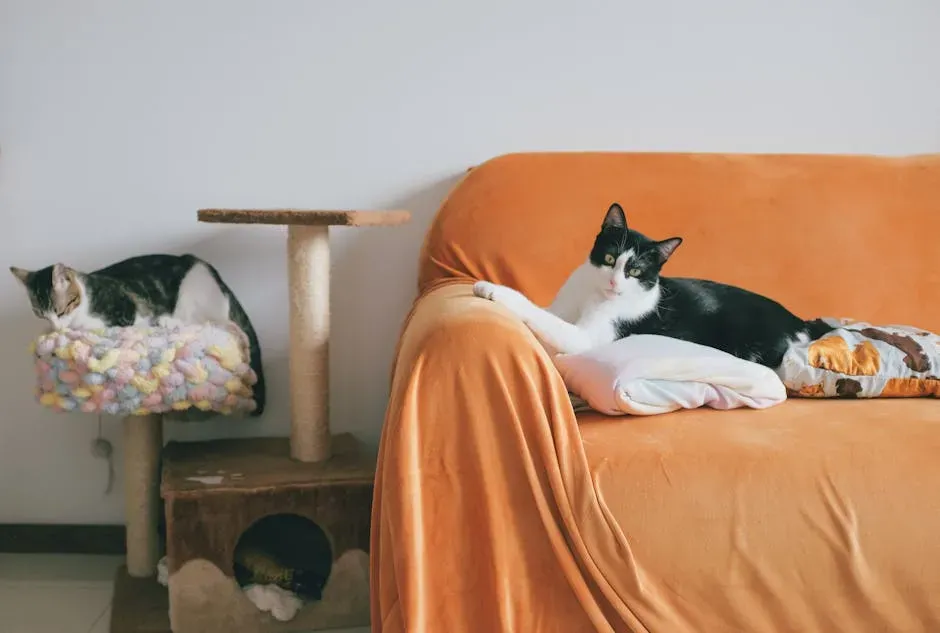
In the wild, territorial scratching behavior most often manifests as scratching at upright tree trunks. This way, the visual cue of the torn bark is at eye level, and the chemical cue from the pheromone from the scent glands is at nose level for other cats. In house cats, this preference for vertical surfaces means that the arms of couches and the legs of unvarnished wooden furniture may be common targets for territorial scratching.
The thing that is so appealing about furniture and rugs for scratching is that they are soft, plush, and sturdy. Often they are large, so your cat can stretch out while having a scratch, and they are heavy, so they stay in place no matter how hard your cat tugs. Your sofa arm, in other words, ticks nearly every box. It’s not personal. It’s architectural.
Scratching Your Furniture May Actually Be a Sign of Emotional Closeness
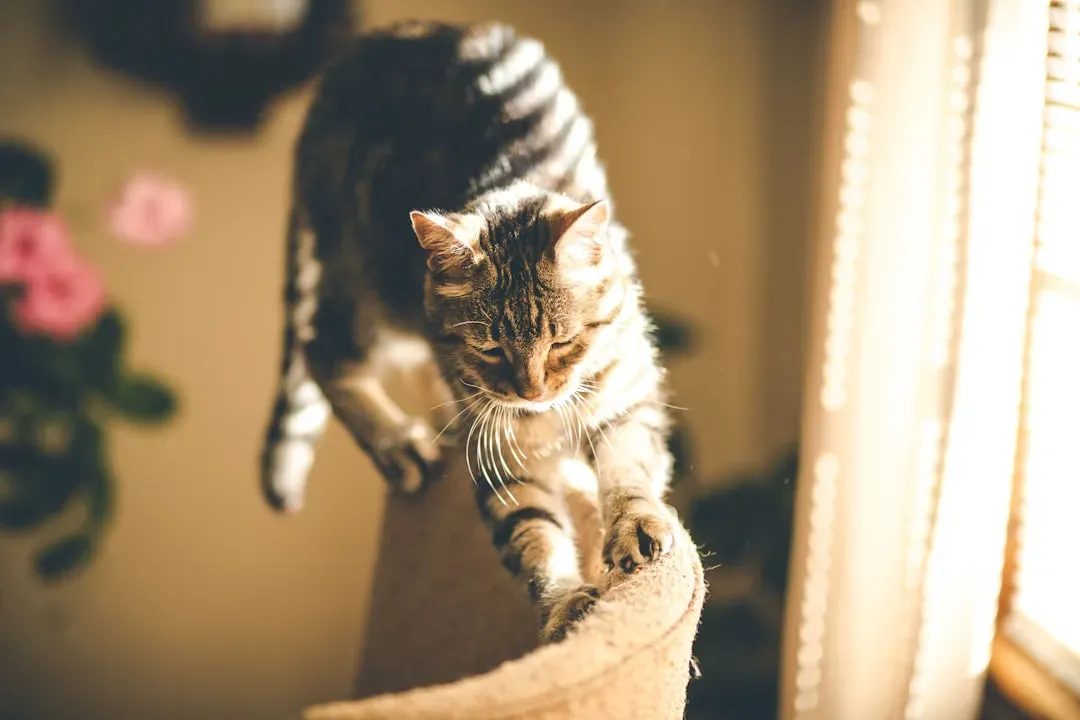
As it turns out, the common destructive behavior of furniture scratching could actually be a sign of a strong emotional bond between a human and their cat, according to research published in the Journal of Veterinary Behavior. That’s genuinely counterintuitive, and worth sitting with for a moment.
Surprisingly, owners of cats that do not scratch the furniture had a lower level of emotional closeness compared to those reporting this inappropriate behavior. In other words, pet owners whose cats scratched their furniture had a higher degree of emotional attachment to their pets compared to felines who didn’t exhibit this destructive behavior. Your cat’s claw marks on your linen sofa may, in the strangest way, be a compliment.
Conclusion: Your Cat Has Opinions, and They’re Based in Biology
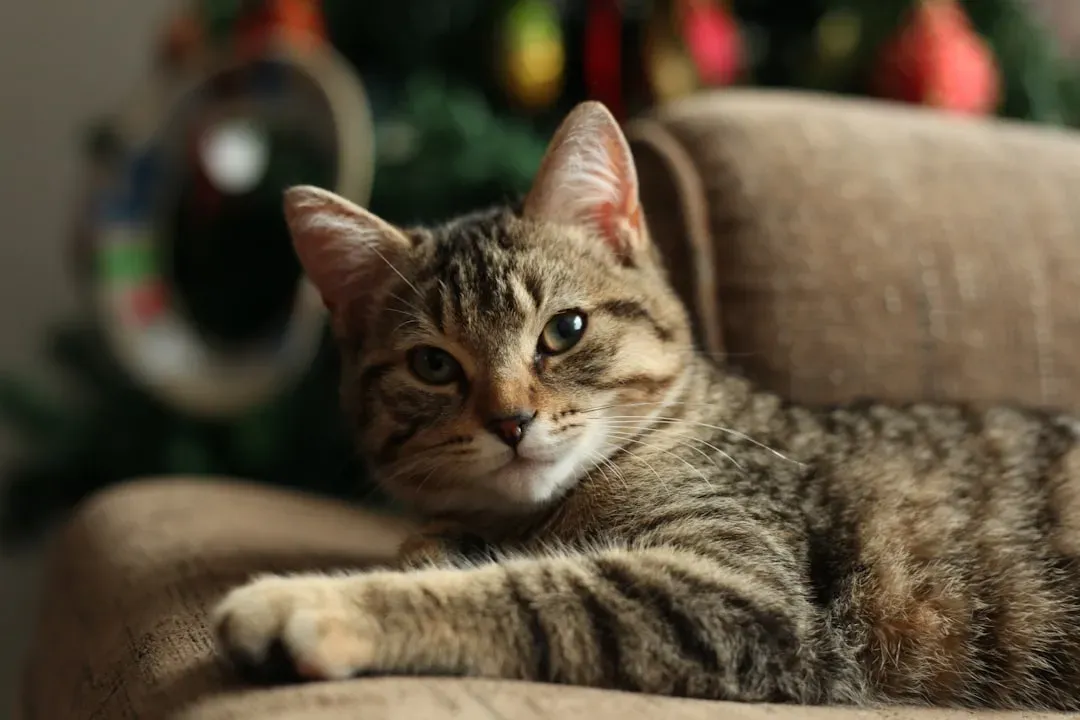
There’s something quietly humbling about realizing your cat has been evaluating your furniture choices all along, using criteria shaped by thousands of years of feline evolution. Texture, stability, height, scent, and surface material all factor into a judgment your cat delivers without a word.
The good news is that once you understand what your cat is actually responding to, you can make smarter choices: tighter weaves, sturdier pieces, elevated perches near windows, and scratching posts positioned where your cat already wants to scratch. Choosing the right sofa comes down to knowing how your cat behaves and how each fabric reacts over time. Some materials hold up better, some clean easier, and some make daily life feel a little less chaotic. Once you understand what makes a couch more or less appealing to a cat, it gets easier to pick something that actually lasts.
Your cat isn’t judging your taste maliciously. They’re just running a very old program in a very modern living room. The trick is learning to read the review before your furniture pays the price for a failing grade.
Kristina is a young writer from India. An arts graduate and an avid content creator, Kristina is passionate about animals and wildlife. She enjoys exploring topics related to pet care, animal behavior, conservation, and nature, combining thorough research with engaging storytelling.