8 Things Cats Do When They Hear a Sound You Cannot Detect
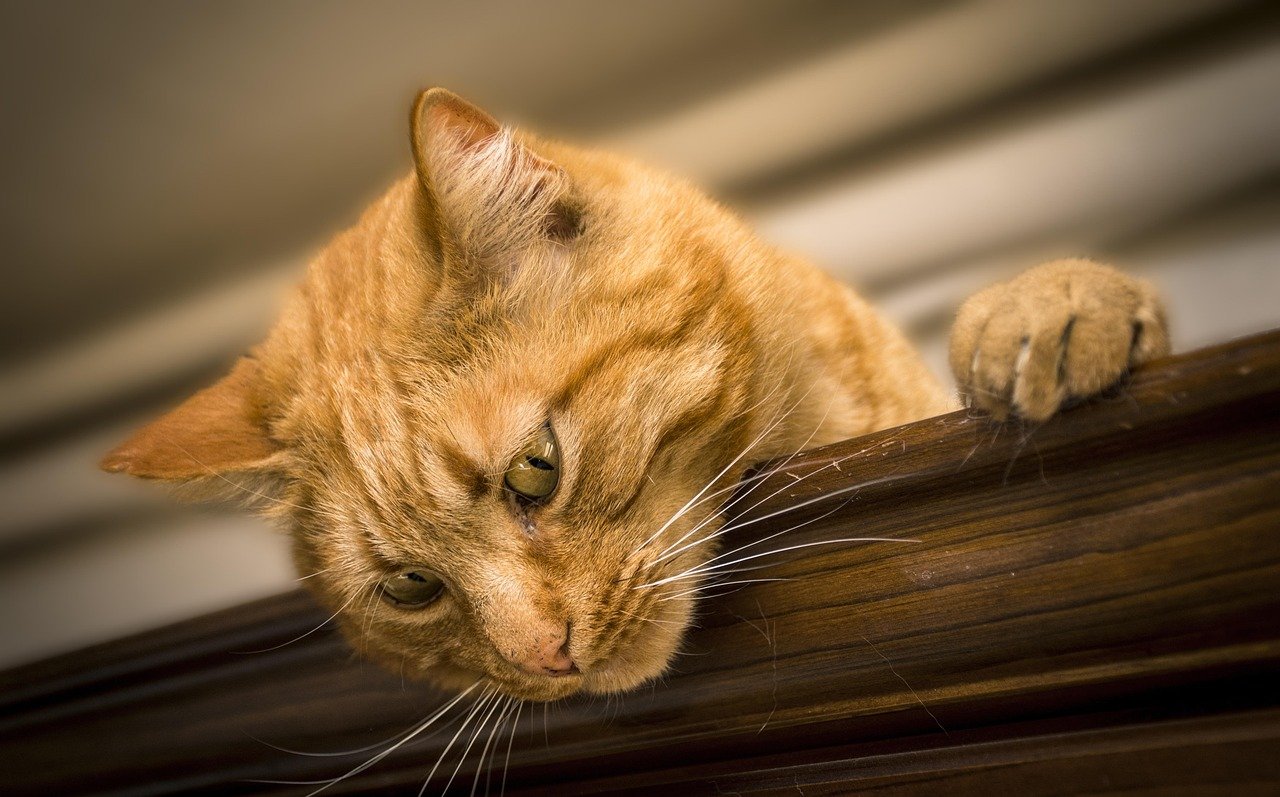
You know that moment when your cat suddenly freezes, stares into the middle of nowhere, and your whole body goes cold because you cannot hear or see anything at all? You are not crazy, and your home probably is not haunted. Your cat is just picking up sounds that fall completely outside your hearing range, and reacting to them in ways that can look mysterious, hilarious, or downright creepy.
Once you start paying attention, you realize these tiny reactions are like subtitles for a silent movie you cannot hear. Your cat is constantly reading the invisible soundtrack of your home: buzzing electronics, distant footsteps, a mouse rustling behind a wall, a bird shifting on a windowsill. When you learn what their body language means, you stop feeling spooked and start feeling impressed.
Your Cat’s Ears Snap Into “Satellite Dish” Mode
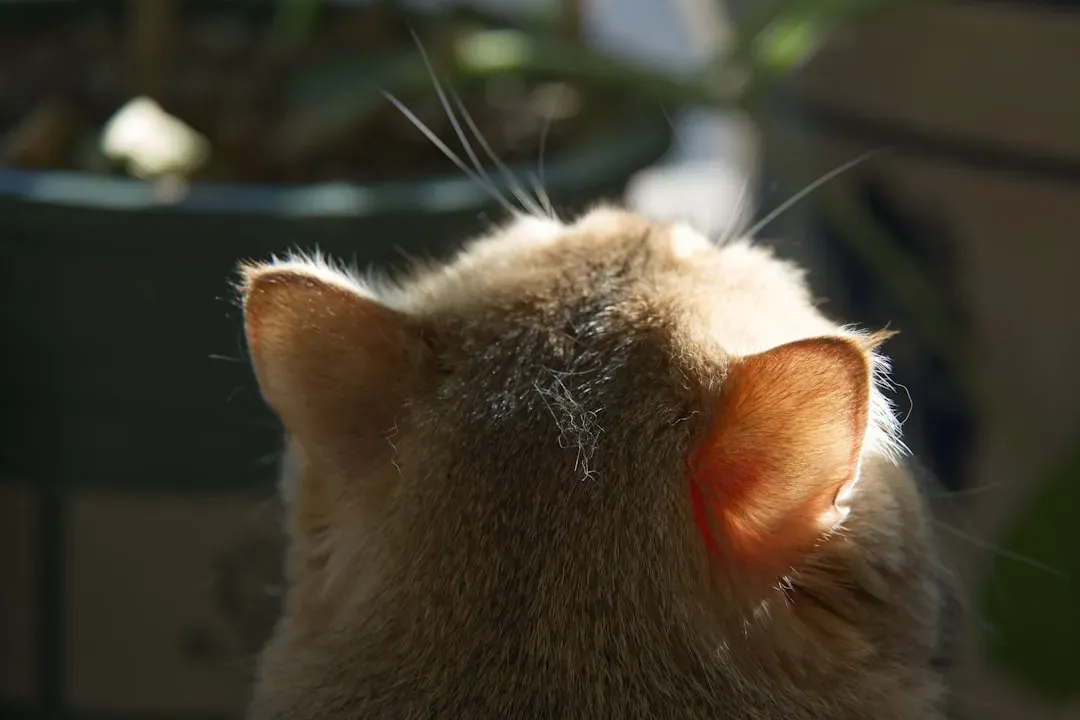
The first giveaway is usually the ears. When your cat hears something you cannot, their ears will swivel like tiny satellite dishes, locking onto the source of the sound. You might see one ear tilt forward and the other twist backward, as if they are listening to two different channels at the same time.
You do not hear anything, but your cat’s hearing range goes far above what you can detect, especially with high-pitched sounds. That means they might be tuning into the faint squeak of a tiny insect, the buzz of hidden wiring, or the ultrasonic part of an appliance’s hum. When those ears snap around sharply and then hold still, you can assume a sound is happening somewhere, even if your world still feels completely silent.
The Sudden Freeze: Full-Body Stillness

Sometimes your cat goes from relaxed to statue in half a second. One moment they are grooming or dozing, and the next their whole body goes stiff, eyes wide, whiskers slightly forward. This freeze is not random; it is your cat shifting into full sensory focus because something just pinged their radar.
This kind of stillness is a hunting and survival behavior. By going quiet and motionless, your cat reduces background noise from their own movement and breathing, so they can better pick apart the sound they just heard. You may think nothing is happening, but from your cat’s perspective, they are sorting through an audio puzzle you literally cannot hear.
The Hyper-Focused Stare at “Nothing”
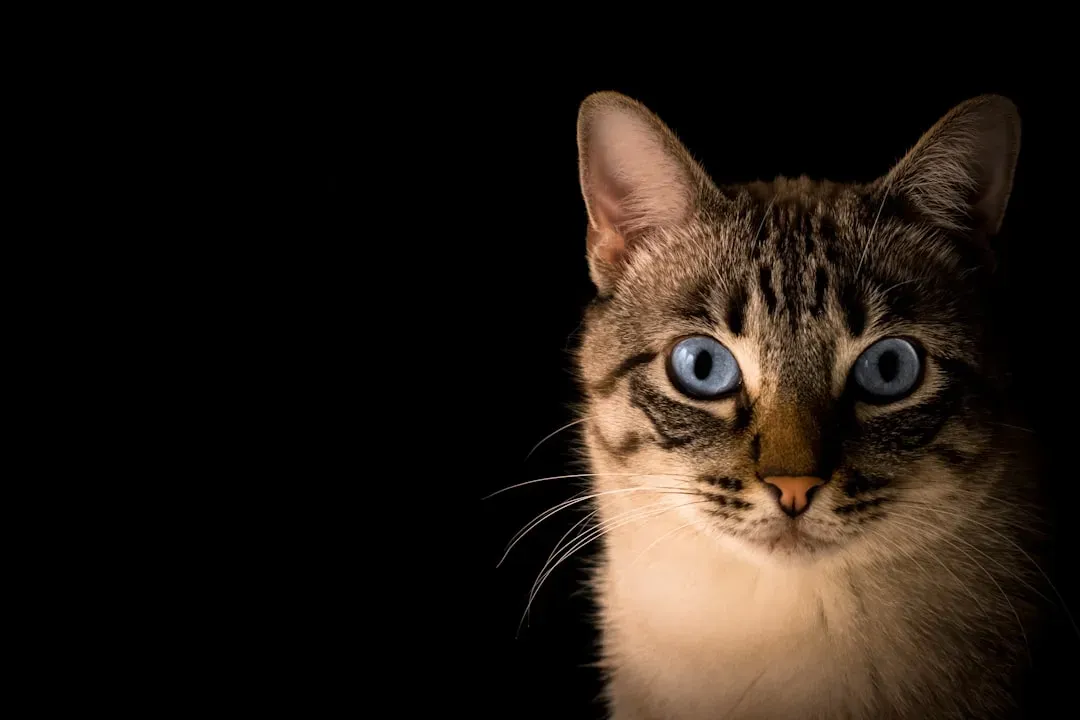
You have probably seen your cat stare at a blank wall or an empty corner like it is broadcasting the most gripping show of the year. It is unnerving because you cannot see or hear anything unusual. For your cat, though, that spot may be exactly where a faint sound is coming from: pipes, wires, floorboards, or a small animal you have no idea is there.
Instead of glancing around like you might do, your cat often commits to a deep, uninterrupted stare. They are mentally mapping distance and direction, waiting to hear the sound again to confirm what it is. You are left wondering if there is a ghost; meanwhile your cat is basically running a quiet little detective investigation on a frequency you will never pick up.
The Slow, Silent Stalk Across the Room
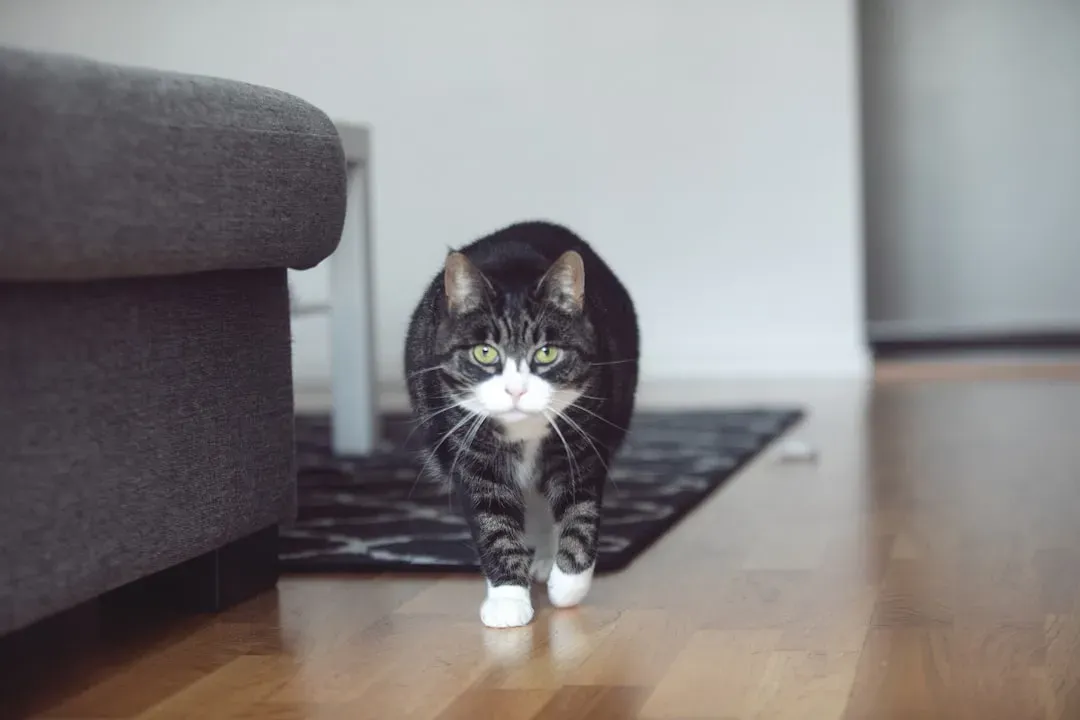
Sometimes, after that intense stare, your cat slips into stealth mode. They lower their body slightly, move with exaggerated care, and place each paw down like they are walking on glass. You might not hear anything, but they clearly do, and they are now tracking the sound like they would track prey.
This happens a lot with tiny, high-pitched noises: a bug’s wings against a lampshade, a mouse in the baseboards, or even subtle clicks inside an appliance. To you, the room is quiet; to your cat, it is alive with faint signals that say “something small and possibly catchable is over there.” If you follow them with your eyes, you are basically watching your cat’s hearing draw a line on the floor.
The Twitchy Tail That Gives Away Their Mood

Your cat’s tail is like a mood thermometer for how they feel about the sound they just picked up. A slow, concentrated swish with the tip flicking usually means intense focus and curiosity. Your cat is interested and alert, but not necessarily worried.
On the other hand, if the tail puffs up or lashes more sharply, your cat may be picking up something that feels threatening or confusing. Maybe it is a low vibration from heavy machinery far away, or a sharp electronic beep you cannot hear but they can feel and sense. When you see that tail change suddenly while the room feels silent, you are getting a glimpse of how much more they are experiencing than you are.
The “Phantom” Pounce or Bat at Empty Air
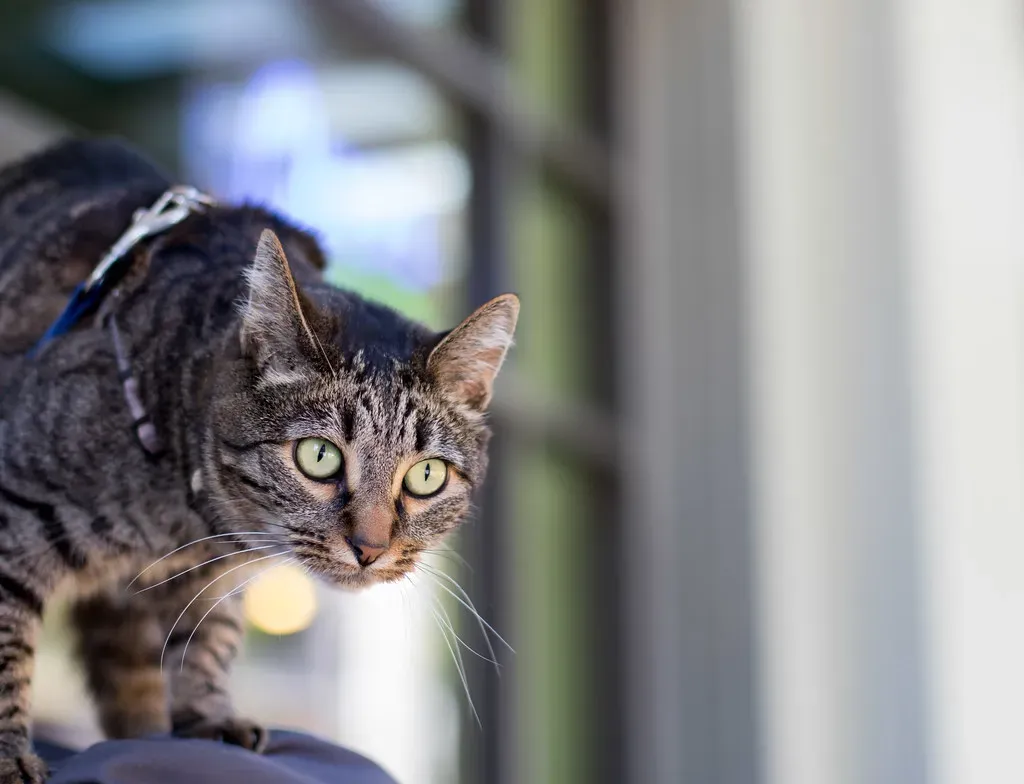
Have you ever watched your cat suddenly leap up, swipe at thin air, then land looking very pleased with themselves? It looks ridiculous from your point of view, but chances are they were reacting to a tiny flying insect, a dust mote drifting in a sound current, or a brief high-pitched noise from something small and mechanical.
Cats are wired to react to fast changes in sound, especially ones that resemble the movement of prey. When a noise you cannot hear starts and stops quickly, your cat may translate that into a visible action: a jump, a bat of the paw, or a quick dash across the room. To you it is a “zoomies moment”; to your cat it was a perfectly logical reaction to an invisible trigger.
The Head Tilt and “Listening Face”

That adorable head tilt your cat does is not just for your entertainment. When you see their head angle to one side, ears pricked, eyes narrowed slightly, they are trying to pinpoint the exact location and character of a sound. You might hear nothing at all, but they are busy running an internal analysis.
Cats can detect tiny differences in when a sound reaches each ear, which helps them figure out the source even when it is extremely faint or high-pitched. The tilt changes the way the sound hits their ears and even their whisker pads. When you catch that look, imagine your cat is basically running a little built‑in radar system while you are still asking yourself if the house just creaked.
The Nervous Check-In With You

Not every mysterious sound leads to hunting mode; some push your cat into a quick “safety check.” You might notice them hear something you do not, then glance at you suddenly, eyes wide, body tense, before looking back toward the source. It can feel like they are asking you a question without words.
In that moment, your cat may be trying to gauge whether the sound is dangerous. You are part of their social world, and your reaction matters. If you stay relaxed and keep doing what you were doing, many cats will release some tension and go back to normal. But if the sound continues or gets stronger, they might escalate to hiding, watching from a distance, or pacing restlessly, all triggered by something completely inaudible to you.
The Stealthy Retreat to a “Safe Zone”

Sometimes the sound they hear is simply too strange, too intense, or too persistent, even if you still cannot detect it. In those cases, your cat may quietly leave the room, slip under a bed, or tuck themselves into a favorite high perch. It can look random, especially if they were calm seconds ago, but often it is an invisible noise that pushed them into self-protection mode.
Cats are masters of choosing safety over confrontation when something feels off. If there is a repeating whine from an appliance, a distant storm rumble, or a low vibration you only feel as “odd energy,” your cat might register it as an ongoing threat. When you see them vanish for no obvious reason, you are often watching their advanced hearing tell them, “Time to relocate until this weird sound goes away.”
Conclusion: Learning to Trust What Your Cat Hears
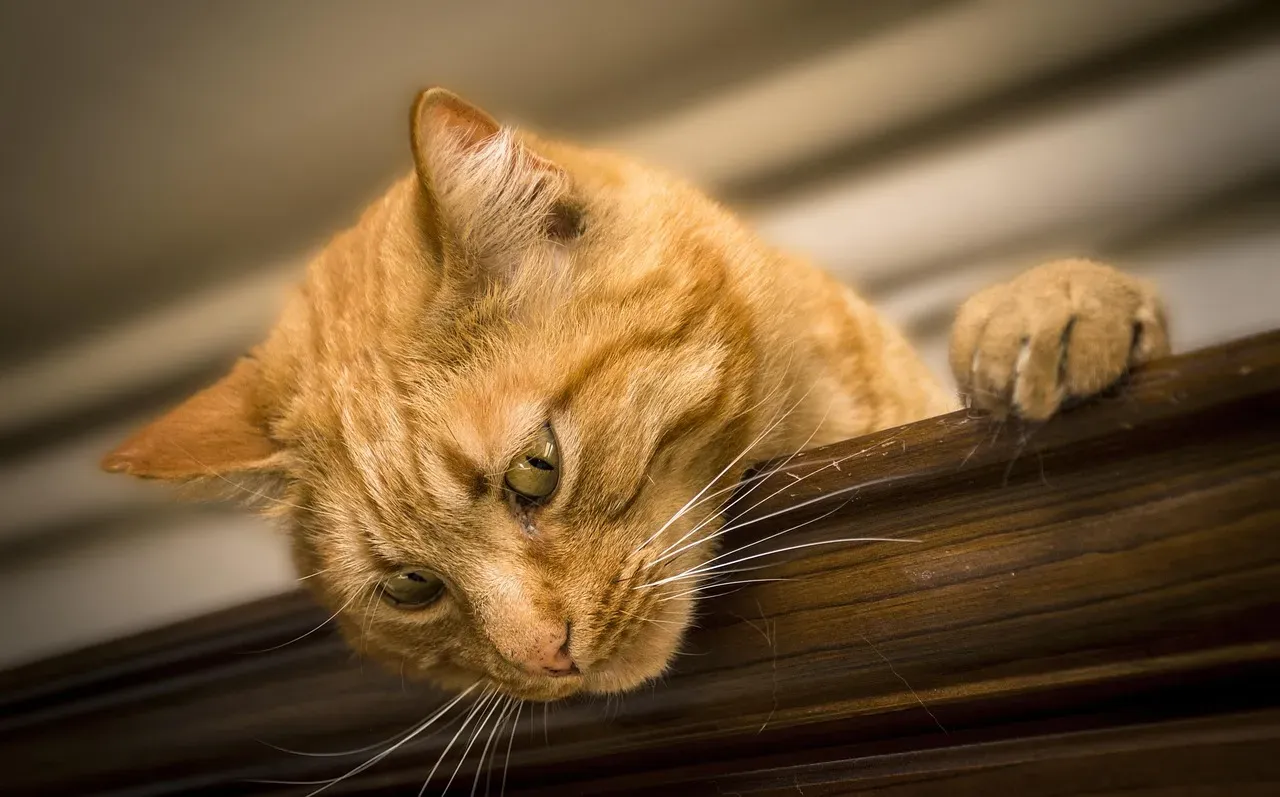
When you put all these behaviors together, you start to see your cat as less of a weirdo and more of a highly tuned sensor living in your home. Those ear swivels, sudden freezes, wall stares, and stealthy retreats are not random quirks; they are your cat’s way of navigating a soundscape that simply does not exist for you. Once you recognize the patterns, it feels less like they are reacting to “nothing” and more like they are quietly keeping track of everything.
Next time your cat locks onto a corner, tilts their head, or leaves the room in a hurry, you do not have to panic, but it is worth respecting that something is going on in a frequency you cannot reach. You might even find yourself using your cat as an early warning system for pests, dodgy electronics, or incoming storms. Does it change how you see those eerie little moments when your cat seems to hear a world you will never fully share?