Your cat might be silently suffering through your daily routines. Let’s be real here, you probably think you’re giving your feline friend the best life possible. You might be surprised, though, to learn that some of your well-meaning habits could be seriously stressing out your beloved companion. Cats are masters at hiding their discomfort, so the signs aren’t always obvious until the damage is done.
Think about it this way. Your cat doesn’t have the luxury of telling you what’s wrong in words. Instead, they communicate through behaviors that we often misinterpret or ignore completely. So let’s dive into the everyday actions that might be making your cat miserable, and more importantly, what you can do to fix them right now.
Blasting Loud Noises Throughout Your Home
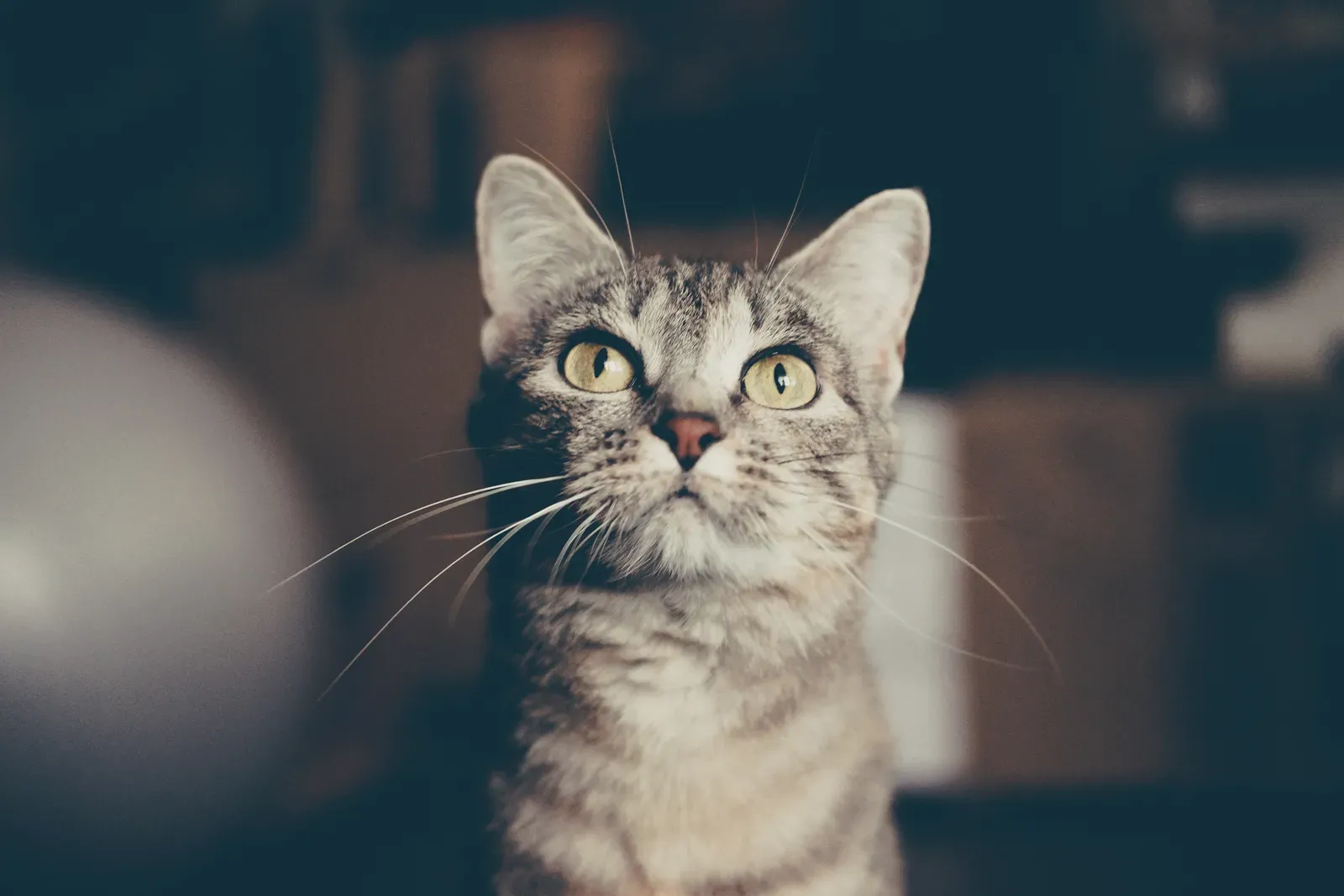
Cats have much better hearing than humans, which means sudden or sustained loud noises can startle or grate on your cat’s nerves. Things such as vacuum cleaners and other household appliances, loud music, loud TV, people shouting, and construction noises can add stress. The thing is, what seems like a normal volume to you can feel overwhelming to your cat’s sensitive ears.
When a cat hears a loud noise it activates the part of their brain that governs the fight, flight, or freeze response, which can result in increased aggression towards people or other pets, skittish behavior, loss of appetite, over-grooming, or litterbox problems. Maybe you’ve noticed your cat disappearing whenever you turn on the vacuum or start your weekend karaoke session. That’s not a coincidence. Ensure there are quiet places in your home where cats can retreat when things get too noisy.
Forcing Physical Affection When They’re Not Interested
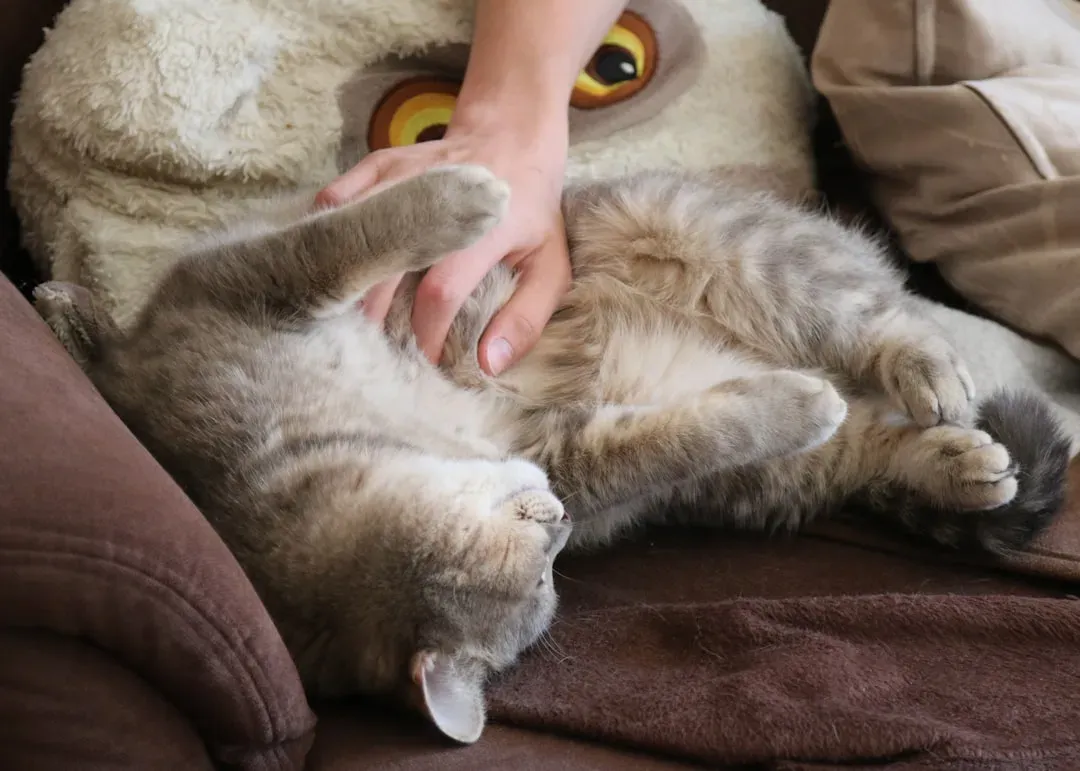
Here’s the thing about cats that confuses a lot of people. Cats hate forced interaction. Many owners approach their cats and immediately begin petting or handling them without waiting for signs that the cat is receptive to contact. You might desperately want to cuddle your furry friend, yet they’re showing every sign that they’d rather be left alone.
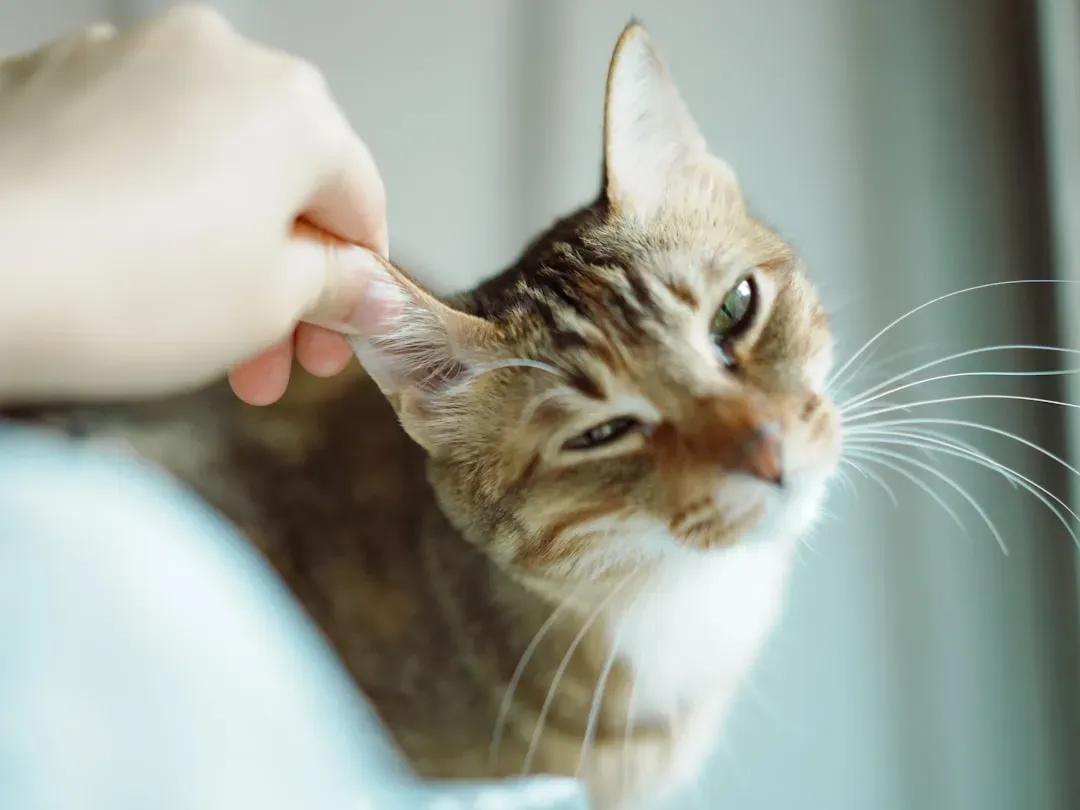
Many owners, including those who consider themselves cat experts, consistently pet cats in areas that most felines find uncomfortable or unpleasant, frequently stroking cats on their legs, belly, paws, and tail tip – areas that many cats prefer to keep off-limits to human touch. Being stroked or picked up when it’s not wanted or enjoyed is stressful for cats. The better approach is simple. Let your cat come to you when they’re ready for attention, and stick to the areas they actually enjoy like behind the ears or under the chin.
Using Punishment to Correct Bad Behavior
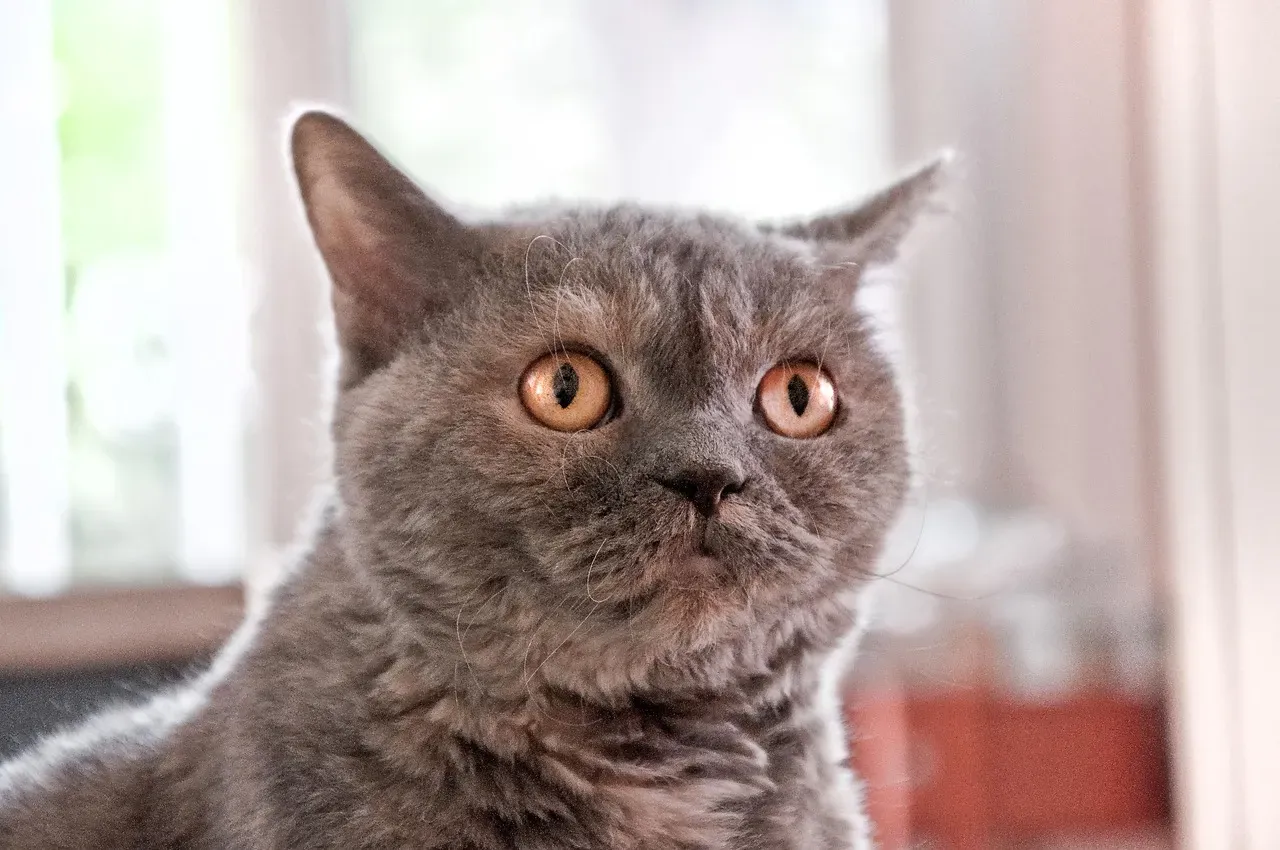
Negative reinforcement in the form of physical discipline doesn’t communicate to cats, and swatting your cat for unwanted behaviors is a sure way to break their trust and damage your relationship with them. Honestly, it’s hard to say for sure, but punishment probably doesn’t teach your cat anything except to fear you. Punishment doesn’t teach cats the correct behavior, but rather, just teaches them to be anxious, defensive, or frightened.
Squirting a cat with water because the cat is doing something you dislike only serves to make the cat wary of you, and does not really stop the behavior. I think the key here is understanding that cats aren’t being spiteful when they misbehave. Behaviors, even the ones you don’t like, serve a purpose for cats and unwanted behaviors aren’t displayed out of spite or to deliberately misbehave. Reward the good stuff with treats and praise instead of focusing on punishment.
Neglecting Their Litter Box Cleanliness
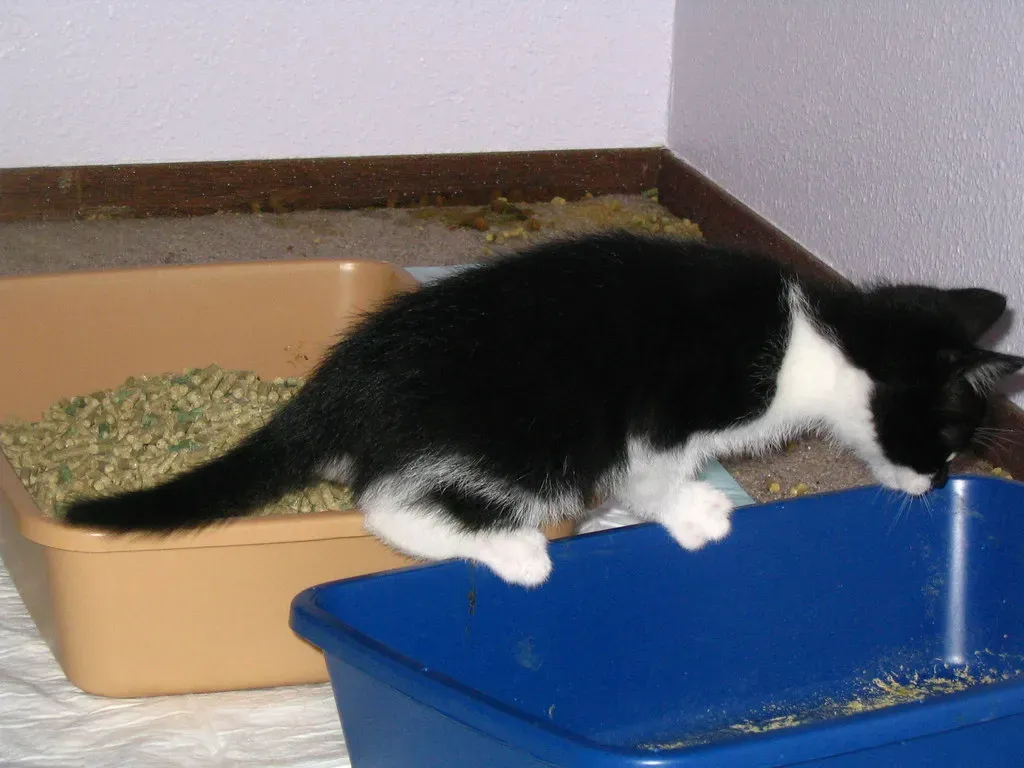
Cats prefer the litter box to be clean every time they use it, which means cleaning after every use or at least a couple of times per day. Dirty or crowded litterboxes can lead to stress in cats, which can manifest as inappropriate elimination, urinating and defecating outside the litterbox. This is probably one of the most common complaints I hear from cat owners, yet it’s completely preventable.
The truth is, your cat sees a dirty litter box the same way you’d see a filthy public restroom. They just won’t use it if they can help it. Don’t use scented litter or deodorizers, as these can be offputting or too strong for your cat’s keen sense of smell. An unclean litter box can make your cat reluctant to use the bathroom and they might hold it in, which can lead to serious health problems, or they may choose to go outside the tray.
Making Sudden Changes to Their Environment
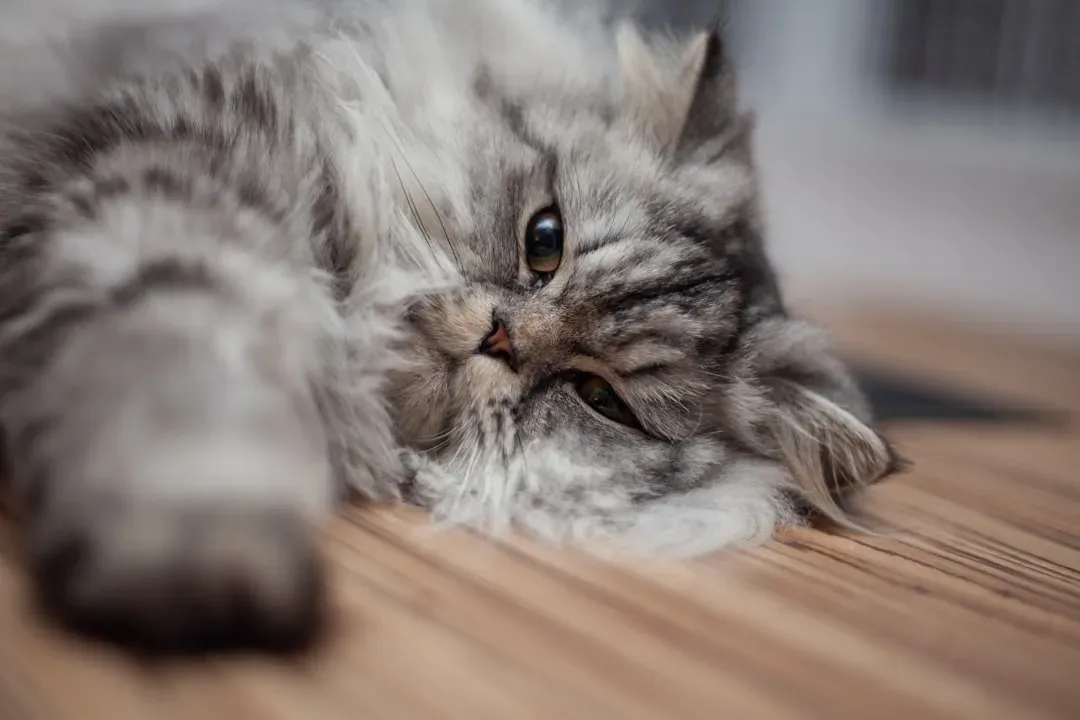
Cats are definitely creatures of habit, and sudden changes in their environment or everyday life can be distressing. This ranges from the introduction of a new pet, moving to a new home, change in food or litter brand, or rearranging furniture. Even moving your cat’s favorite blanket or rearranging your living room can throw them completely off balance.
Cats like routine, they like the same food, the same treats, the same people and pets in their environment, and some cats can become very stressed when you have visitors in your home, during renovation, when you change their food, litter types, box locations. The solution here isn’t to never make changes. It’s to introduce them gradually and give your cat time to adjust at their own pace. Both changes in the husbandry routine and inconsistency in the owners’ reaction to the cat behaviour may cause chronic stress.
Overwhelming Them With Strong Scents
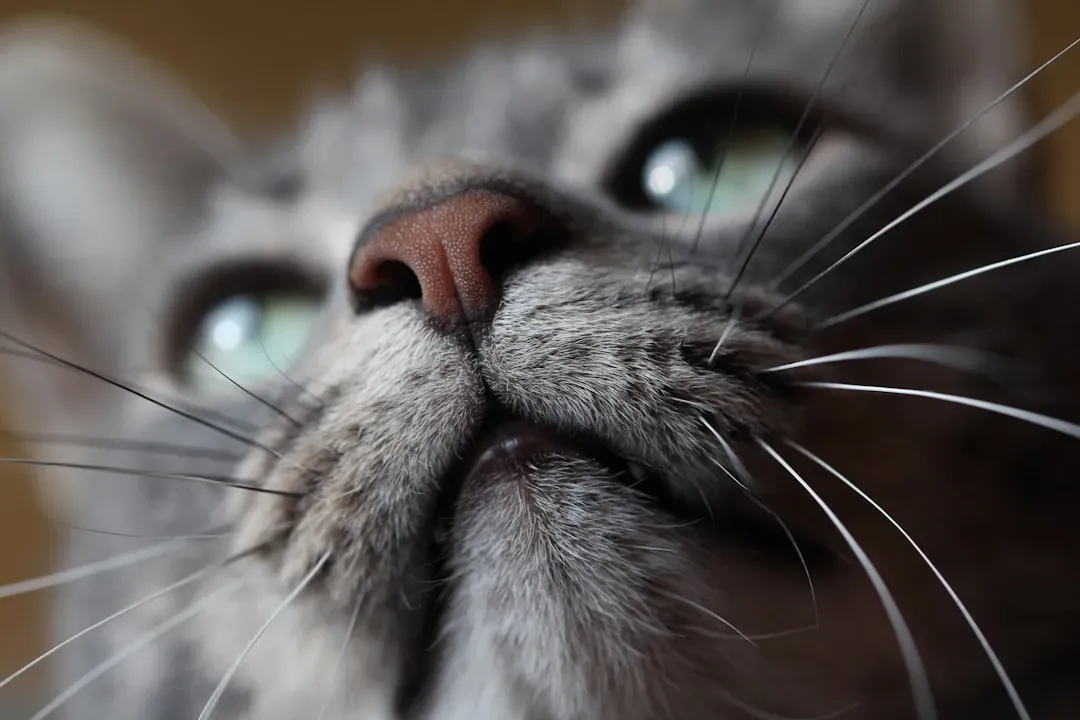
Cats have excellent noses, and things with a strong odor, such as perfume or deodorizers, may be off-putting, and cats may avoid locations with these scents. Your favorite perfume or that citrus air freshener you just bought might be driving your cat away from you. The citrus smell is really irritating to cats.
Cats have an incredible sense of smell which is much more powerful than ours, and significant changes to the smell of their home can be a real concern to cats, even though it may not be obvious to us. I know it sounds crazy, but your cat might actually be avoiding certain rooms in your house simply because of how they smell. Instead of masking odors with artificial fragrances, focus on keeping things naturally clean and fresh.
Ignoring Their Body Language and Communication Signals
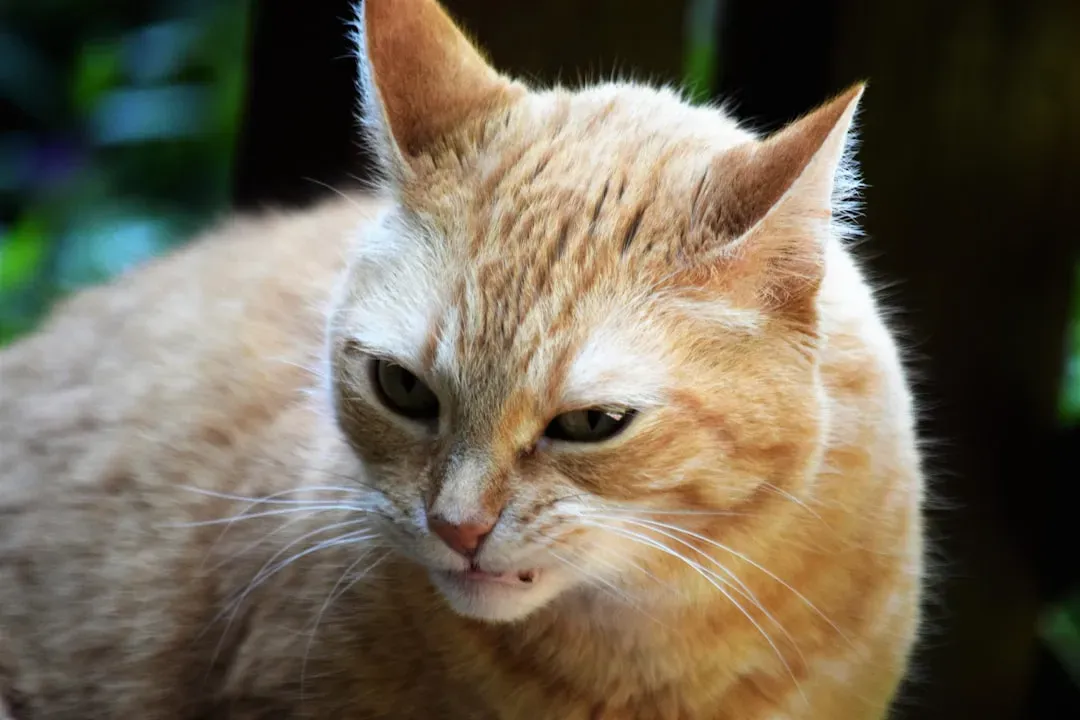
Cats are masters at communication, and they speak volumes through body language, yet ignoring visual signals indicating whether interaction is wanted or not, can lead to stress, reluctance to be near you in the future, or even aggression. Most people just don’t know how to read what their cat is telling them. A twitching tail, flattened ears, or dilated pupils aren’t just random movements.
The problem is that cats are subtle creatures. Felines are subtle animals and it can be tricky to tell if you’ve got a stressed cat in your home, their behaviour might change slightly, or they might begin to do things that you perceive as ‘being naughty’, and the domestic cat can be great at hiding signs of stress or signs that they’re in pain. Learning to recognize when your cat is uncomfortable, anxious, or overstimulated can prevent behavioral problems before they start. Pay attention to those subtle cues and respect what your cat is trying to tell you.
Disrupting Their Sleep and Safe Spaces
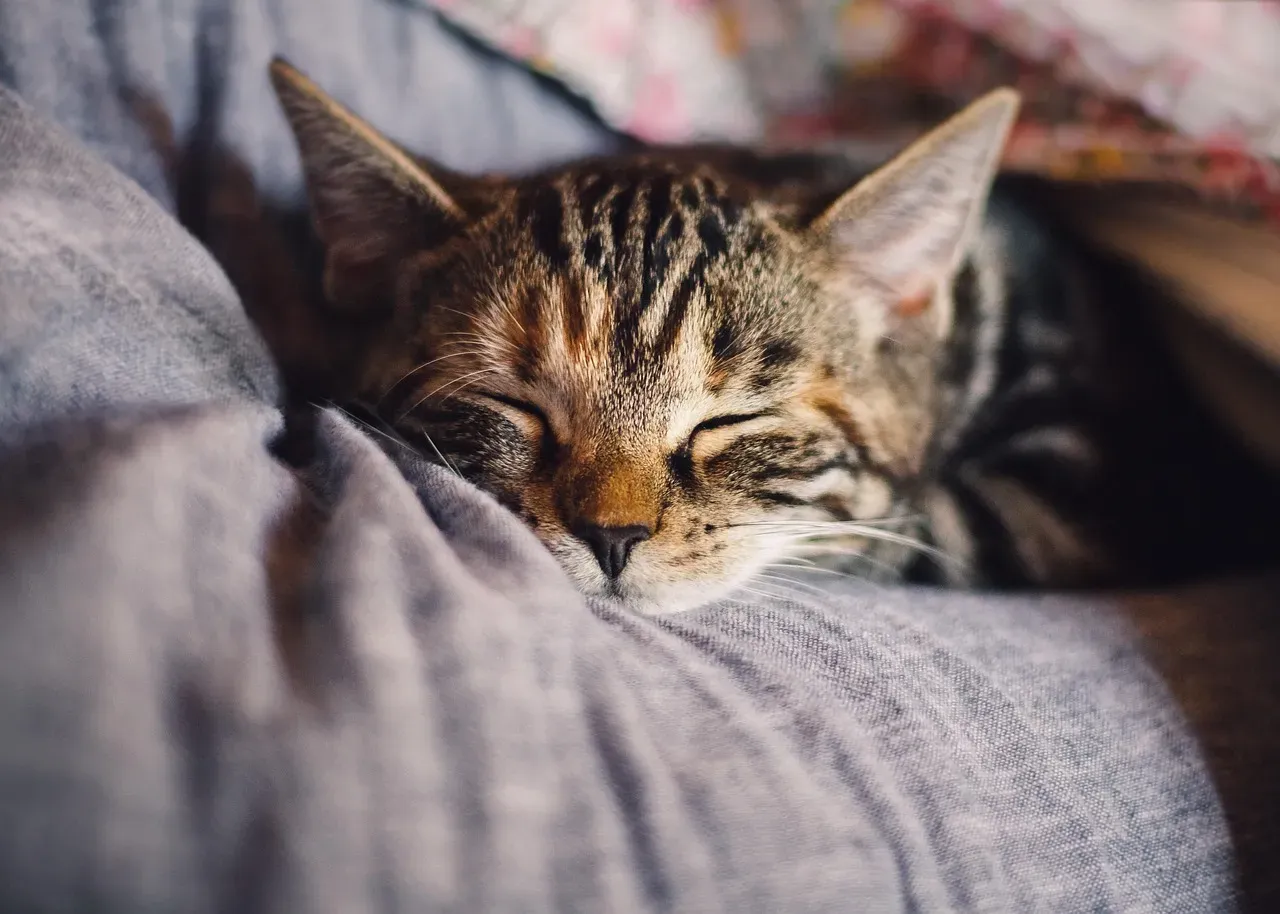
While most cats will happily cohabitate with their humans, they need their own space to retreat to throughout the day. Cats rely on stable sleeping spots to feel secure and restore immune function, and waking a resting cat, moving its bed, or blocking favorite perches raises irritability and disrupts their behavior. Your cat isn’t being antisocial when they hide under the bed or perch on top of the wardrobe.
If you see your cat napping in their space, observe and appreciate them from a distance – they’ll come to you when they’re ready. Children especially need to understand this boundary. Many cats will enjoy the company of younger members of the household, but some very young children can be overly enthusiastic when it comes to stroking cats and this persistent attention can become very stressful. Create multiple quiet retreats throughout your home where your cat can escape and feel completely safe.
Conclusion
Understanding what your cat truly needs isn’t always intuitive, especially when their communication style is so different from our own. The behaviors we’ve covered here represent some of the most common yet overlooked sources of feline stress. Making these adjustments won’t just prevent behavioral problems. They’ll strengthen the bond between you and your cat in ways you might not expect.
Here’s what it really comes down to. Respecting your cat’s boundaries, maintaining consistency in their environment, and learning to read their subtle signals can transform your relationship completely. These aren’t difficult changes to make, yet the impact on your cat’s wellbeing and happiness can be enormous. What do you think about these common mistakes? Have you noticed any of these patterns in your own daily routine with your cat?