Cats have a long reputation for being mysterious, self-sufficient creatures who operate on their own terms. Unlike dogs, they don’t rush to the door or make a dramatic fuss every time you walk in. Their affection runs quieter, more deliberate, and in many ways, far more meaningful because of it.
Anyone who lives with a cat knows that when a feline decides you’re family, they show it in some of the most loving and heartwarming ways. While they may not wag their tails or shower you with kisses like dogs do, their affection for their human family runs deep, expressed through intentional behaviors that are easy to spot once you know what to look for. The key is learning to read their language on their terms.
They Give You the Slow Blink Treatment
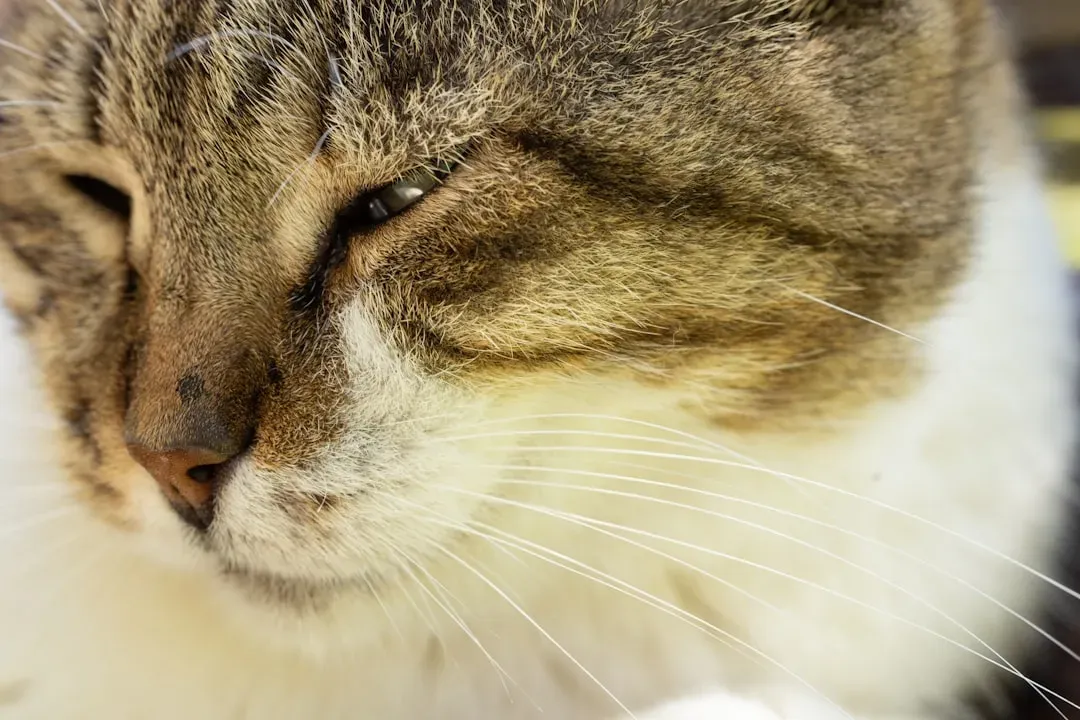
A slow blink, often with both eyes, is a sure sign of trust and affection. This non-verbal cue is how cats talk with their eyes and can be likened to a “kitty kiss,” one that you can even reciprocate by blinking slowly back at your feline friend to strengthen the bond you share.
In the wild, closing one’s eyes can make an animal vulnerable to predators, so a slow blink signals that your cat feels genuinely secure and at ease in your presence. Think about what it takes for a small predator-prey hybrid like a cat to willingly lower its guard. Cats will often make eye contact with lowered eyelids and deliver steady, slow blinks, which is considered the feline version of a kiss.
They Headbutt and Nuzzle You on Purpose
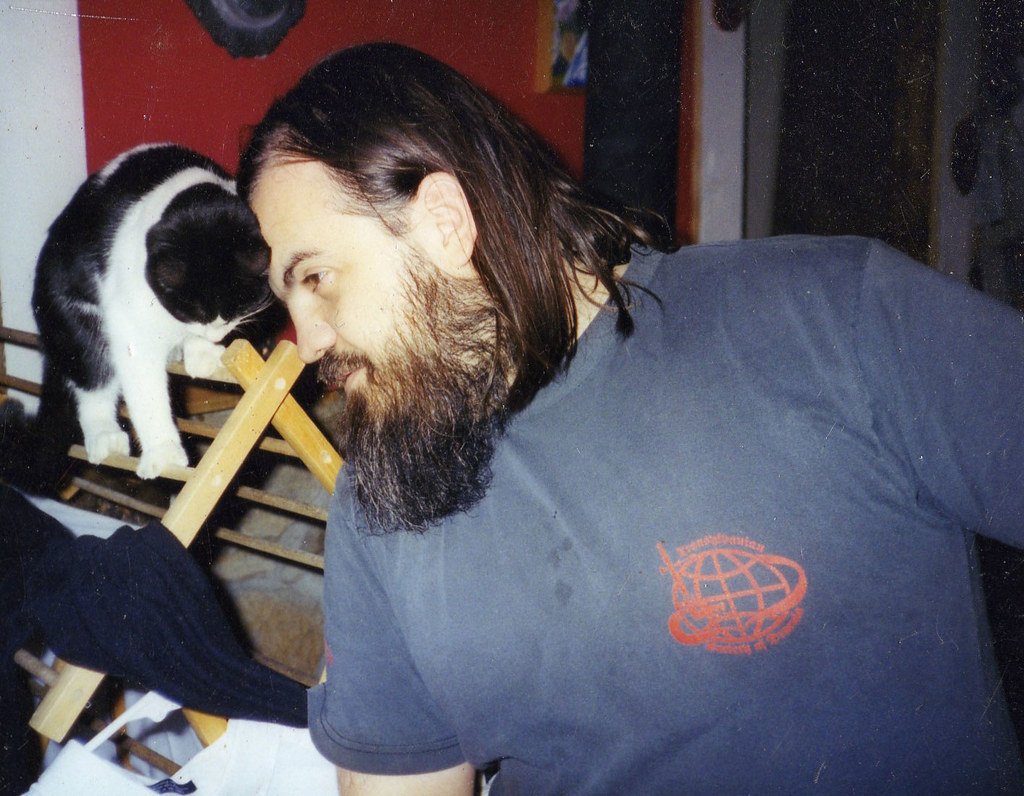
Even if it lasts for only a split second, head bunting, or a slight forehead-to-chin nuzzle from your kitty, means your cat trusts you and enjoys your company. It’s one of those gestures that looks casual but carries real weight in the world of feline communication.
When your cat rubs its head or face on you, they’re not just trying to reach a tricky spot. They’re displaying a powerful trust behavior, creating a “colony” scent with people and animals they feel safe with, signaling you’re part of their inner circle. Some cats also headbutt to feel secure or to seek affection and attention from their favorite humans.
They Knead You Like You’re the Safest Place on Earth
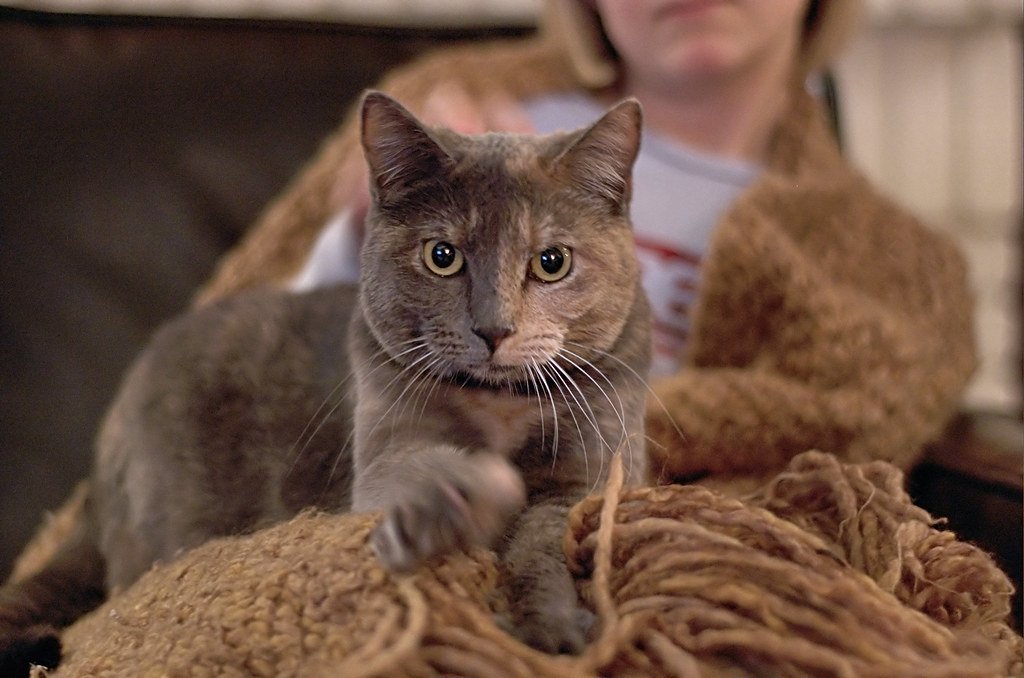
Kneading, often called “making biscuits,” happens when a cat rhythmically flexes and relaxes their front paws against a soft surface or even their owner. This adorable behavior is more than just cute. It’s a sign your cat feels safe and bonded with you, rooted in a behavior cats learn as kittens to stimulate milk flow from their mothers.
Kneading is believed to bring comfort by releasing endorphins to reduce stress and promote relaxation. Relaxed cats that knead are showing contentment, and they’ll often do it when you gently pet or stroke them. So when your cat climbs onto your lap and starts “making biscuits,” take it as one of the highest compliments in the feline playbook.
They Groom You Like One of Their Own
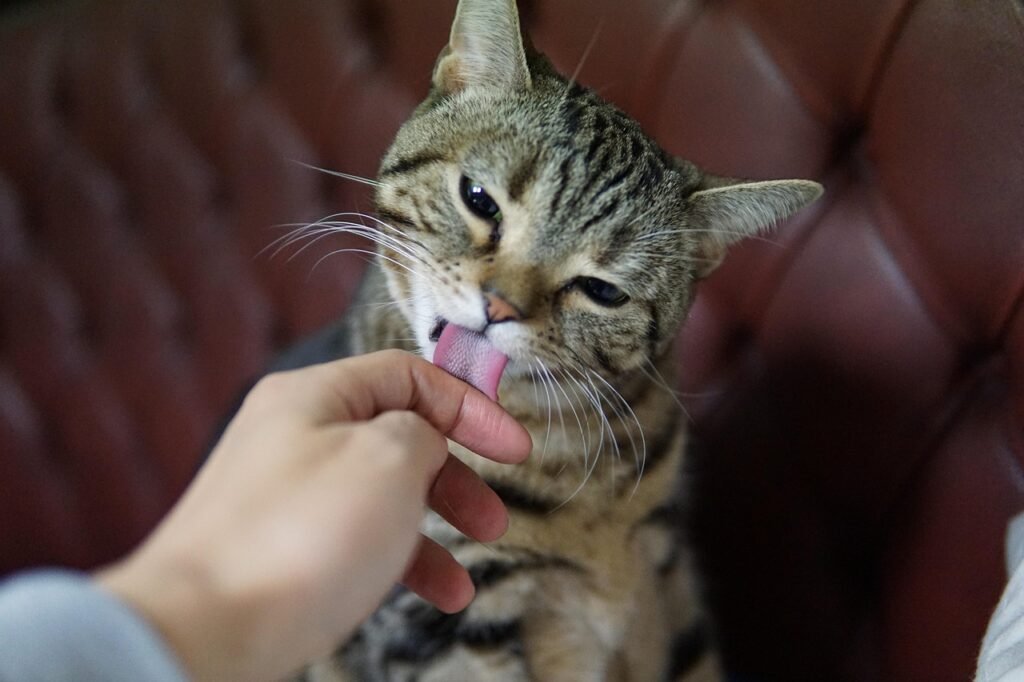
Cats groom each other as a bonding ritual, so when they lick your hair, hands, or face, it means your cat considers you part of their tribe. It’s their way of showing attachment to their owner. This is not an accidental or random behavior. It’s deeply social and intentional.
When your cat licks your hair or skin, they’re extending their social behaviors toward humans they’re bonded to, treating you as family and caring for you the way a mother cat grooms her kittens or the way kittens groom their mother back. It’s worth noting that a cat would never groom another cat they didn’t see as “family,” and would be unlikely to groom a strange human. That rough little tongue is actually a badge of belonging.
They Sleep on or Near You
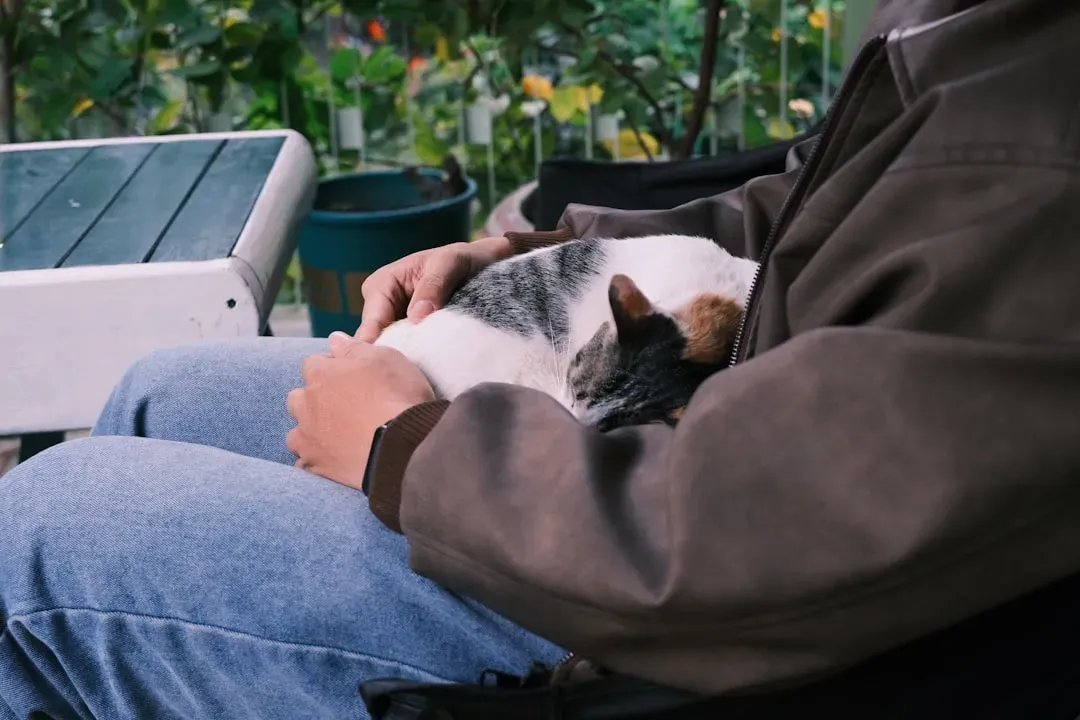
A cat sleeping on or beside you isn’t simply a sweet moment, but a strong sign of trust and comfort that indicates the cat feels safe enough to rest soundly in close proximity to you. Animals are most vulnerable when they sleep, so choosing to nap on your lap, chest, or beside you is a powerful sign of deep attachment.
Bedtime is a vulnerable time for cats, and choosing to sleep near their owner is a clear sign of how strong the bond is. Choosing to sleep on or near you is a strong indicator of trust and safety. The ultimate compliment is when they want to sleep on you, because being close to you when they are at their most vulnerable is a definite sign that you have earned your cat’s trust.
They Follow You from Room to Room
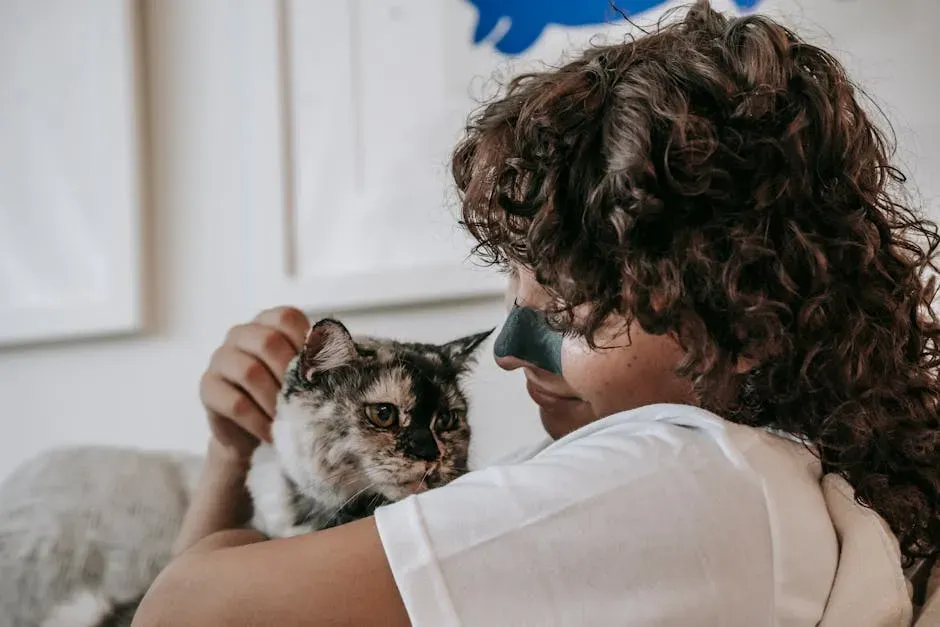
Cats often follow those they love and trust around the home. It’s similar to the greeting at your front door, where they follow behind you and keep you in sight at all times, sometimes weaving around your legs as they do. It can feel like having a silent, four-legged shadow, and that’s exactly what it is.
If your cat trails you from room to room, it’s a clear sign of attachment and curiosity about your daily activities. It also means your cat enjoys your company and loves being near you. A cat that shadows you through the house isn’t being needy, but actually showing social attachment. The distinction matters. There’s a difference between wanting something from you and simply wanting to be near you.
They Bring You Gifts
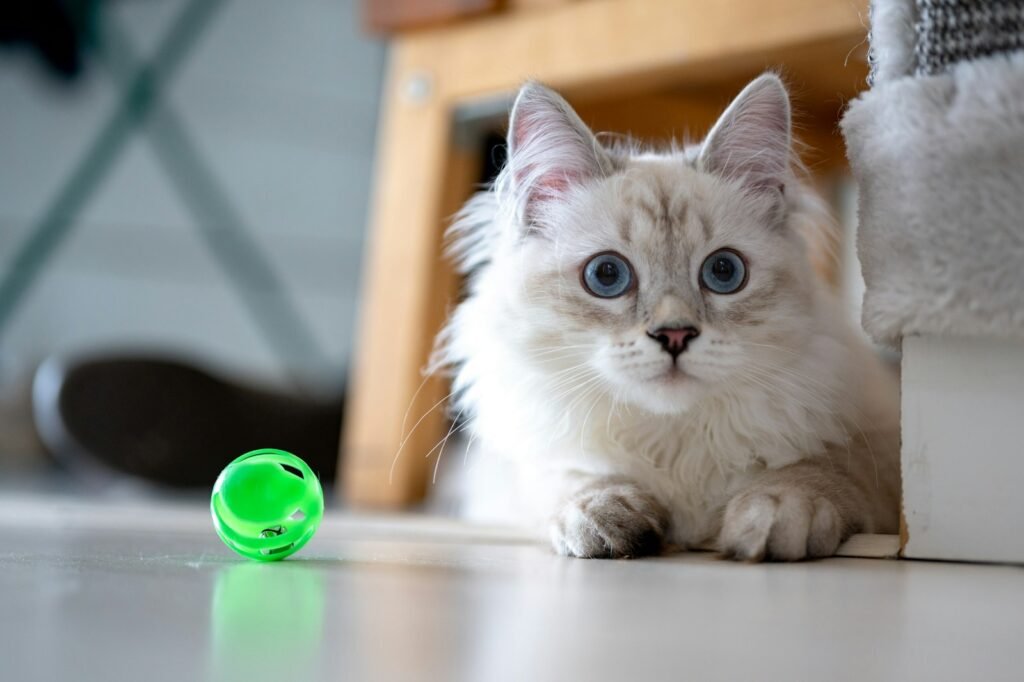
While it might be unpleasant to find a dead mouse or bird at your doorstep, this behavior is actually a sign of love and trust from your cat. In the wild, cats bring prey to their families, and by bringing you gifts, your cat is sharing its “hunt” with you, showing that they consider you part of their family.
Whether it’s a favorite toy left carefully outside your bedroom door or a real-life “catch of the day,” your kitty is proudly sharing their hunting success with you. Cat behavior experts say this is a classic sign your cat has bonded with you. Mother cats bring prey to their kittens to teach them to hunt, and your cat bringing you gifts may reflect this same caregiving instinct. Unpleasant as the delivery might be, the intention is unmistakably tender.
They Greet You When You Come Home
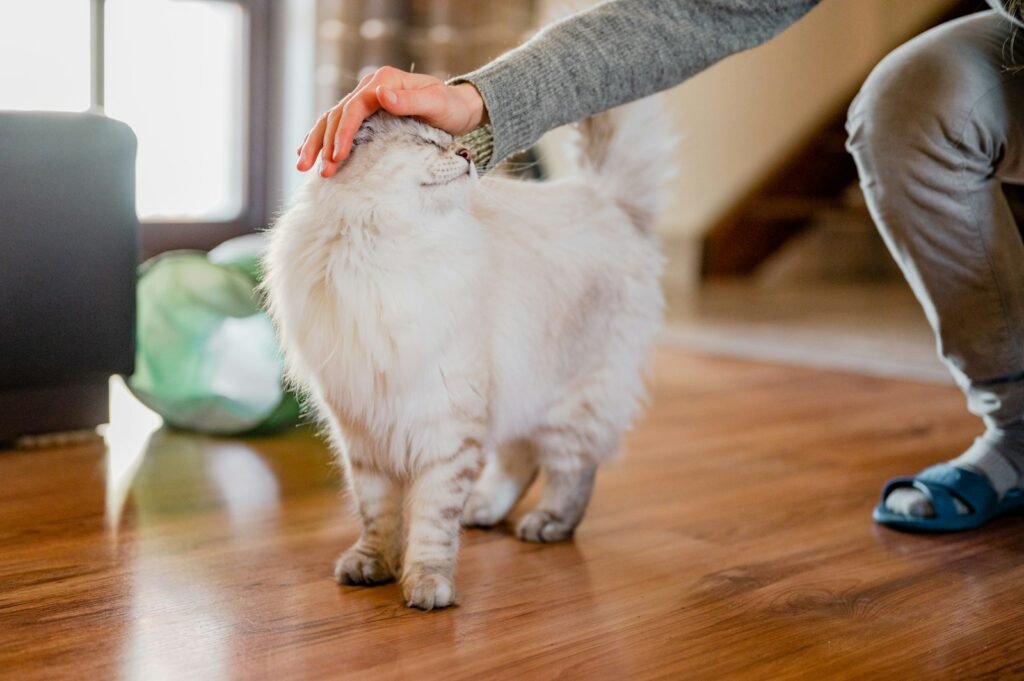
Your cat greeting you at the door is their way of showing you that they missed you. This is often followed by walking in between your legs and curling their tail around your legs, sometimes accompanied by meowing and “rattle-tail” behavior where your cat will shake their tail quickly. This is your cat’s way of welcoming you home.
Research has shown that a significant majority of cats studied exhibited signs of secure attachment to their owners, meaning they felt more comfortable in a new scenario due to the presence of a parental figure. In these cases, the cats greeted their owners when they returned before going back to what they were doing. A tall, upright tail is a sign of contentment and friendliness, and if it is quivering at you, that’s even better. That small, tail-up welcome at the front door? It’s the cat equivalent of a warm hug.
Conclusion
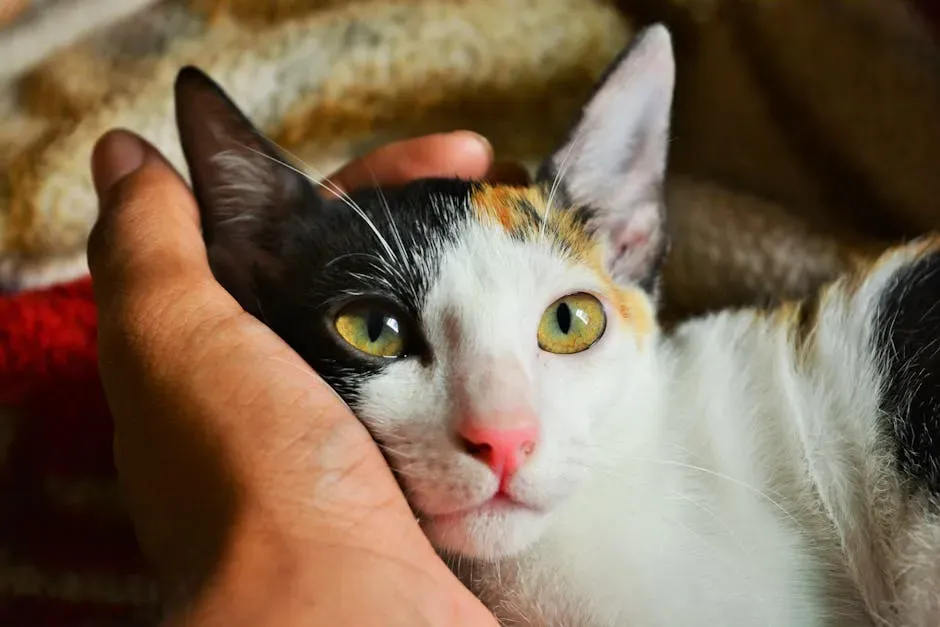
Cats don’t love loudly, and that’s actually part of what makes their affection so honest. There’s no performance in a slow blink, no obligation in a kneading paw, no routine in a gift left on the doorstep. Research has demonstrated that cats form genuine attachment bonds with people, similar to how human infants bond with their parents, and they’re capable of deep, meaningful attachments to their human caregivers.
Bonding is essential for a cat’s emotional and physical well-being, reducing stress and promoting a sense of security. Cats that form strong bonds with their owners are less likely to exhibit stress-related behaviors like aggression or hiding. In other words, recognizing and nurturing these small moments benefits you both.
When your cat chooses your lap over every empty chair in the room, or blinks at you slowly from across the kitchen, they’re not being incidentally sweet. They’re telling you something deliberate: you are their person, their safe place, their family. You just have to know how to listen.
Kristina is a young writer from India. An arts graduate and an avid content creator, Kristina is passionate about animals and wildlife. She enjoys exploring topics related to pet care, animal behavior, conservation, and nature, combining thorough research with engaging storytelling.