Have you ever watched your cat’s tail and wondered what on earth they’re thinking? Your feline companion has been sending you messages all along, using that furry appendage like a semaphore flag at sea. Cats are fascinating communicators, though they rarely use words to express themselves. Instead, they rely on an intricate body language system where their tail plays a starring role.
Think about it. Your cat can’t exactly sit you down and explain they’re annoyed or thrilled to see you. That sleek, flexible tail becomes their voice in so many situations. Whether it’s pointing straight up like an exclamation mark or thrashing against the floor, each movement carries meaning. Let’s dive into the secret language your cat has been speaking this whole time.
The Confident Vertical Salute
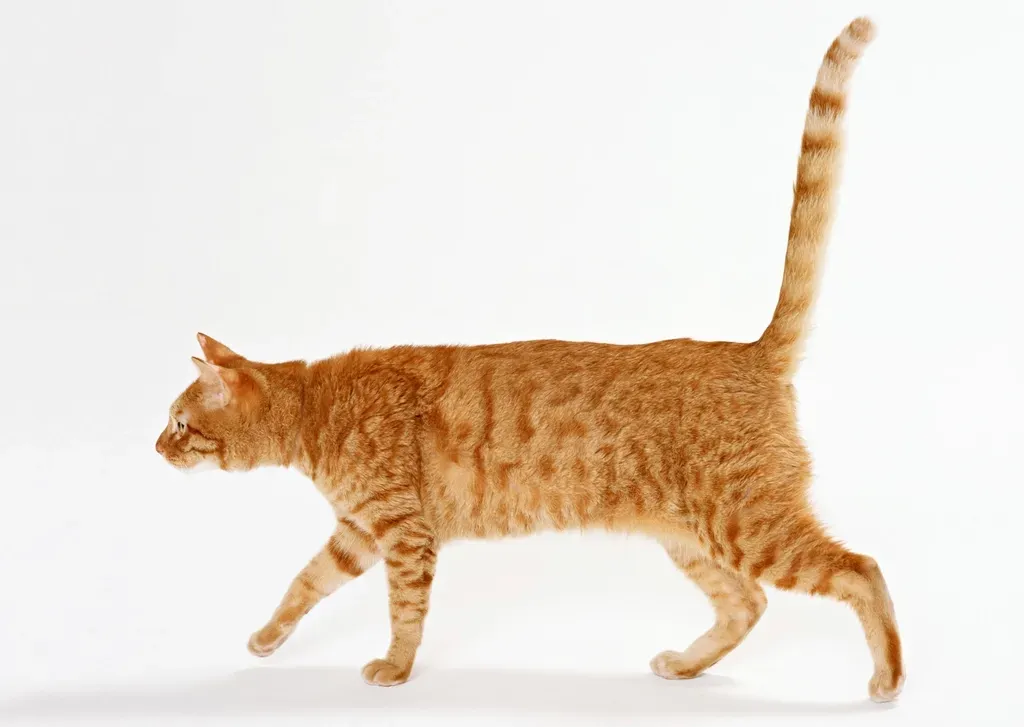
When your cat holds their tail high in the air as they move about, they’re expressing confidence, contentment, and a willingness to be friendly. This is honestly one of the best signals you can receive from your feline friend. It’s like they’re waving a flag that says everything is right in their world.
This tail position indicates a friendly greeting between cats and is actually how kittens greet their mothers. If your cat approaches you with that vertical tail, consider it a compliment. They feel safe around you and are inviting interaction. When you see this, it’s a perfect time for playtime, offering a treat, or reaching out for some affection.
The Question Mark Curve
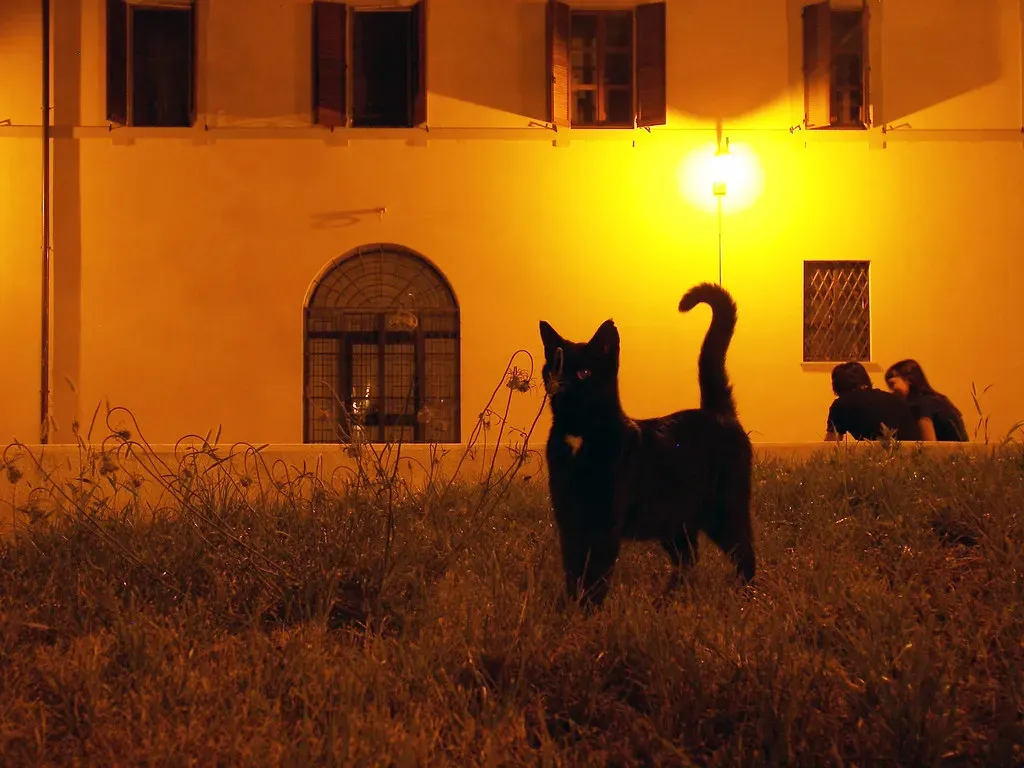
Sometimes your cat’s tail stands upright but curls at the end, looking like a question mark, which indicates your cat is happy and approaching amicably. This adorable position is basically your cat’s way of saying hello with a smile. I think it’s one of the most endearing signals cats give.
If the end of your cat’s tail has that question mark shape, your pet is happy to see you. It may also mean they are curious or playful, and they’re likely to respond positively if you interact with them during this period. This is your green light for engagement.
The Gentle Sway of Contentment
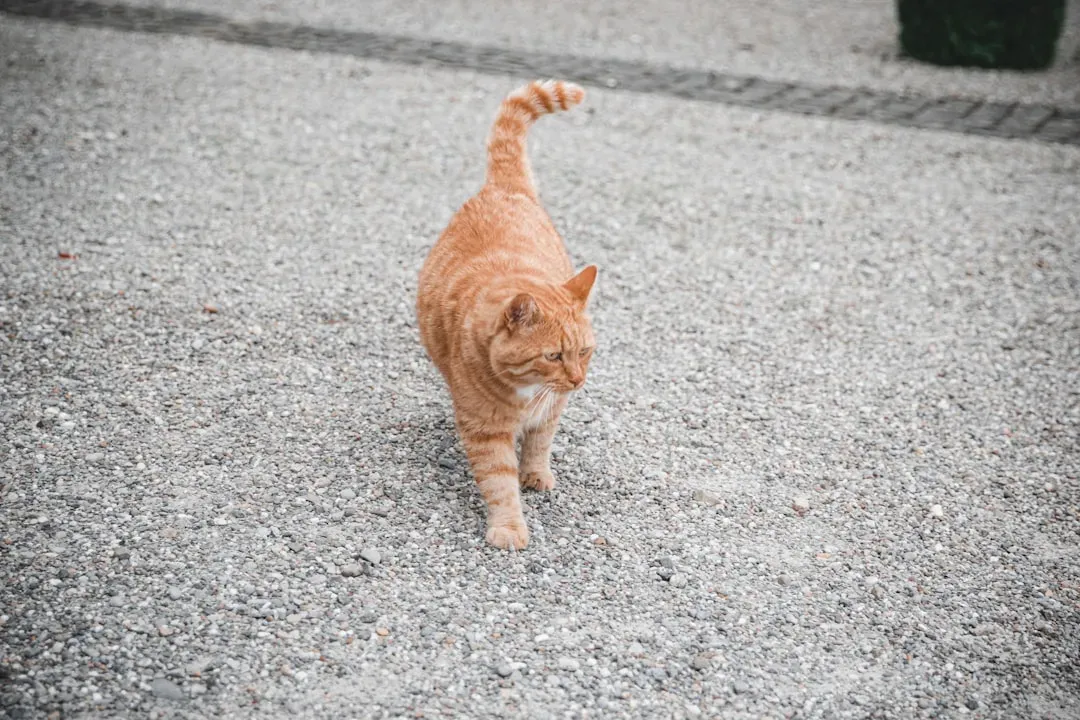
A tail that sways slowly from side to side usually means your cat is focused on an object, and you might see this right before your cat pounces on a toy. However, there’s a softer version of this movement that signals something entirely different. When a cat’s tail is in motion and looks fluid and soft, this indicates a cat who’s relaxed or calmly interested in what’s happening.
A gentle swaying motion suggests your cat is relaxed and content, enjoying your company or basking in the comfort of their surroundings. It’s different from aggressive thrashing. The key is observing the speed and intensity of the movement. Slow and fluid equals happy cat.
The Rapid Thrash of Irritation
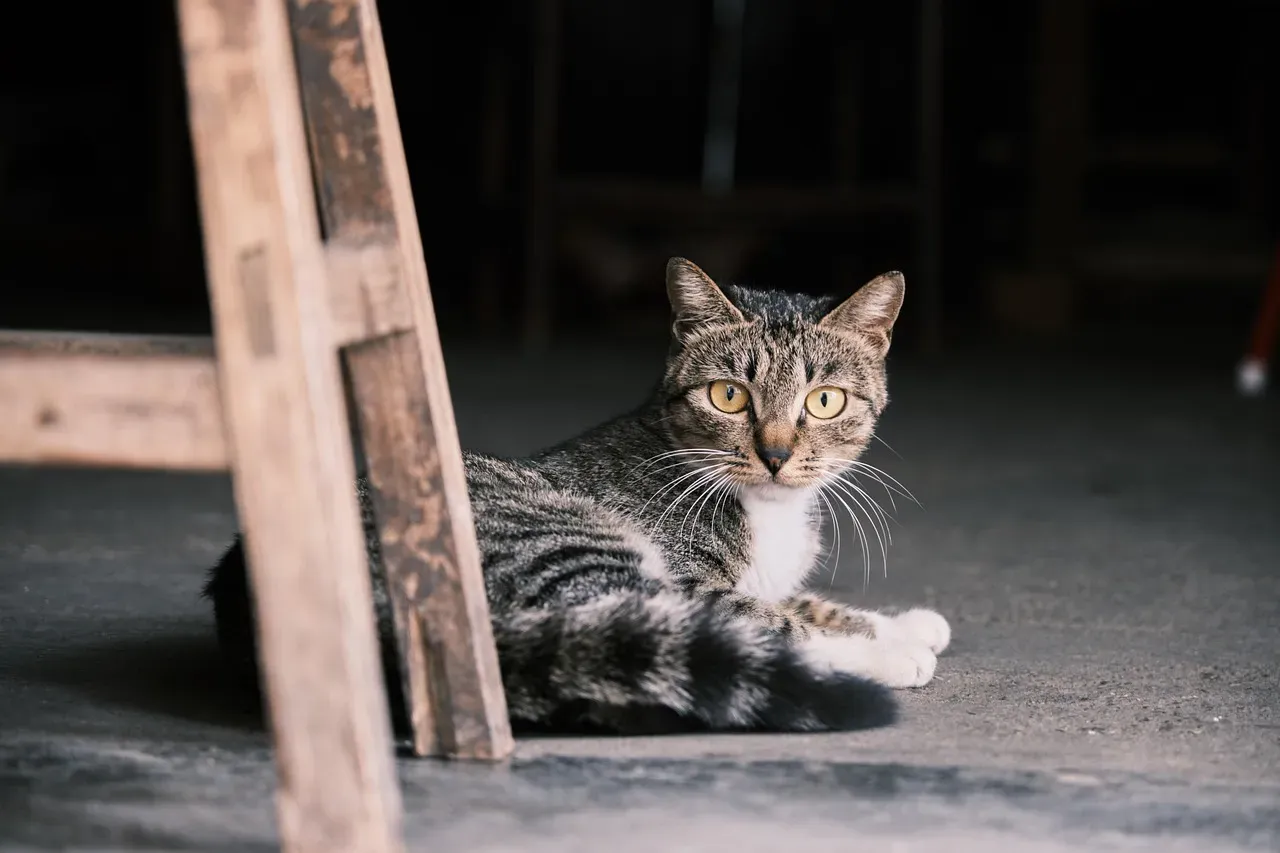
When your cat thrashes their tail or is thumping it on the ground, they are irritated, annoyed, or angry. This is a clear warning sign you shouldn’t ignore. When a cat thumps their tail on the ground, it means they are very irritated and may become aggressive if provoked, so it’s best to leave your cat to cool off.
Unlike a slowly swaying tail, when your cat thrashes their tail back and forth, you’ve got an annoyed or angry cat on your hands, and it may be about to become aggressive. Here’s the thing, many people misread this signal and continue whatever they’re doing. If tail thrashing starts while you’re petting your cat, it’s time to stop unless you want hissing or swatting.
The Tip Twitch Alert
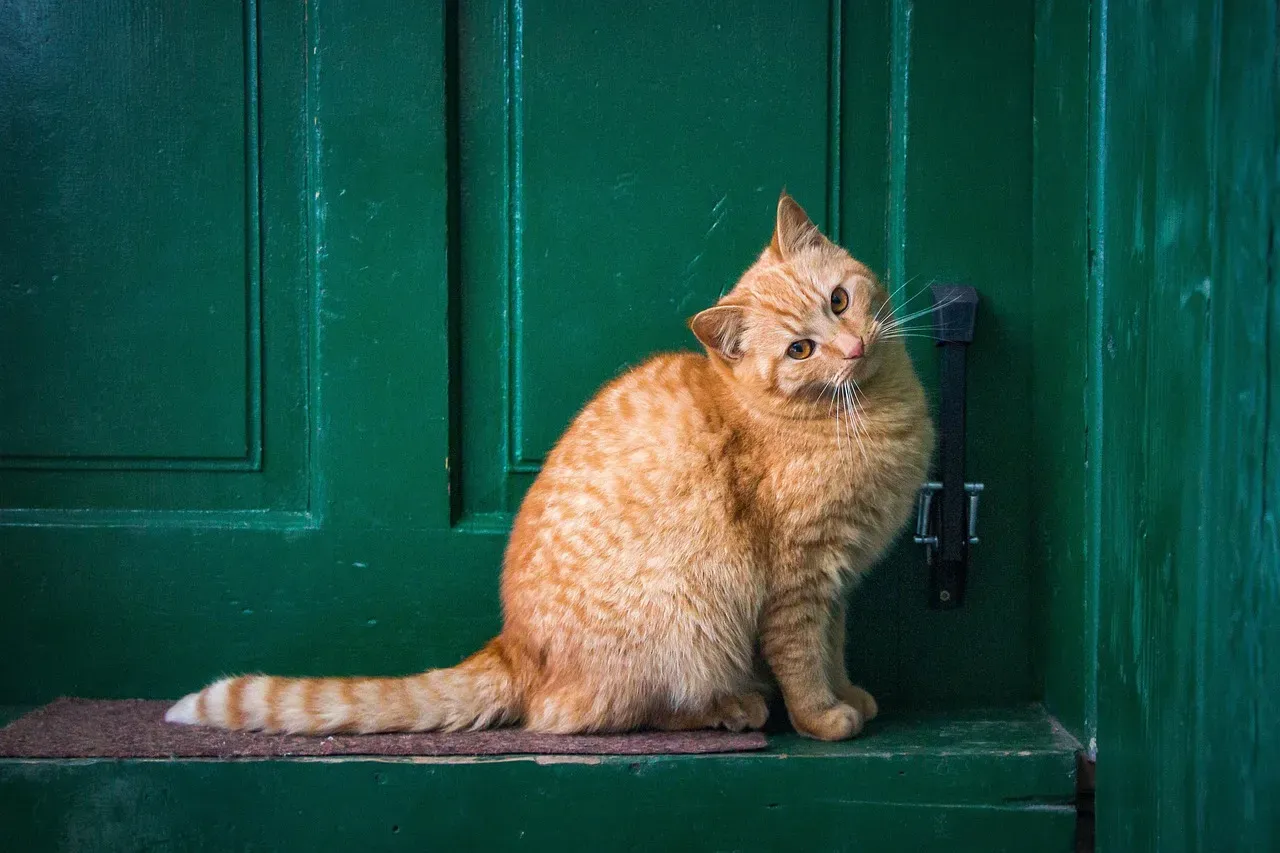
When your cat’s tail starts lightly twitching at the end, it usually means they’re getting a little irritated, and this is often the first sign they’re becoming overstimulated from petting. Think of it as your cat’s early warning system before things escalate. Pay attention to this subtle cue.
It’s advised to give your cat a break instead of continuing, which will often lead to a bite or scratch. When the end of your cat’s tail is twitching, they may be hunting, playing, or feeling irritated, and if they’re looking at you while doing this, it may be time to engage with a toy. Context matters enormously here.
The Puffed Up Halloween Cat
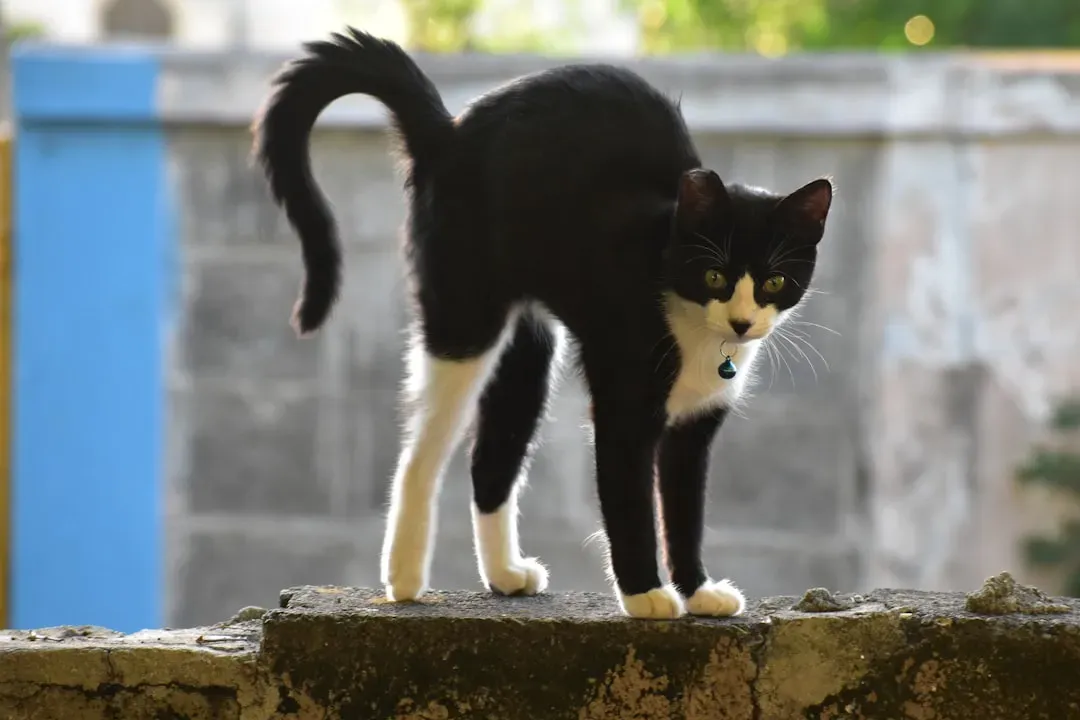
If your cat assumes the classic Halloween posture with a puffed tail and arched back, they are startled or frightened by a sudden threat, with their hair standing on end so they can appear larger in a defensive reaction. This is pure survival instinct kicking in.
A puffed-up tail typically signals feelings of fear or aggression, as your cat feels threatened or startled and is attempting to appear larger to ward off perceived danger. This behavior almost always stems from a fearful reaction, so remove the threatening thing if you can, but don’t try to move your cat who’s in panic mode. Honestly, this is not the time for cuddles.
The Tucked Tail of Fear
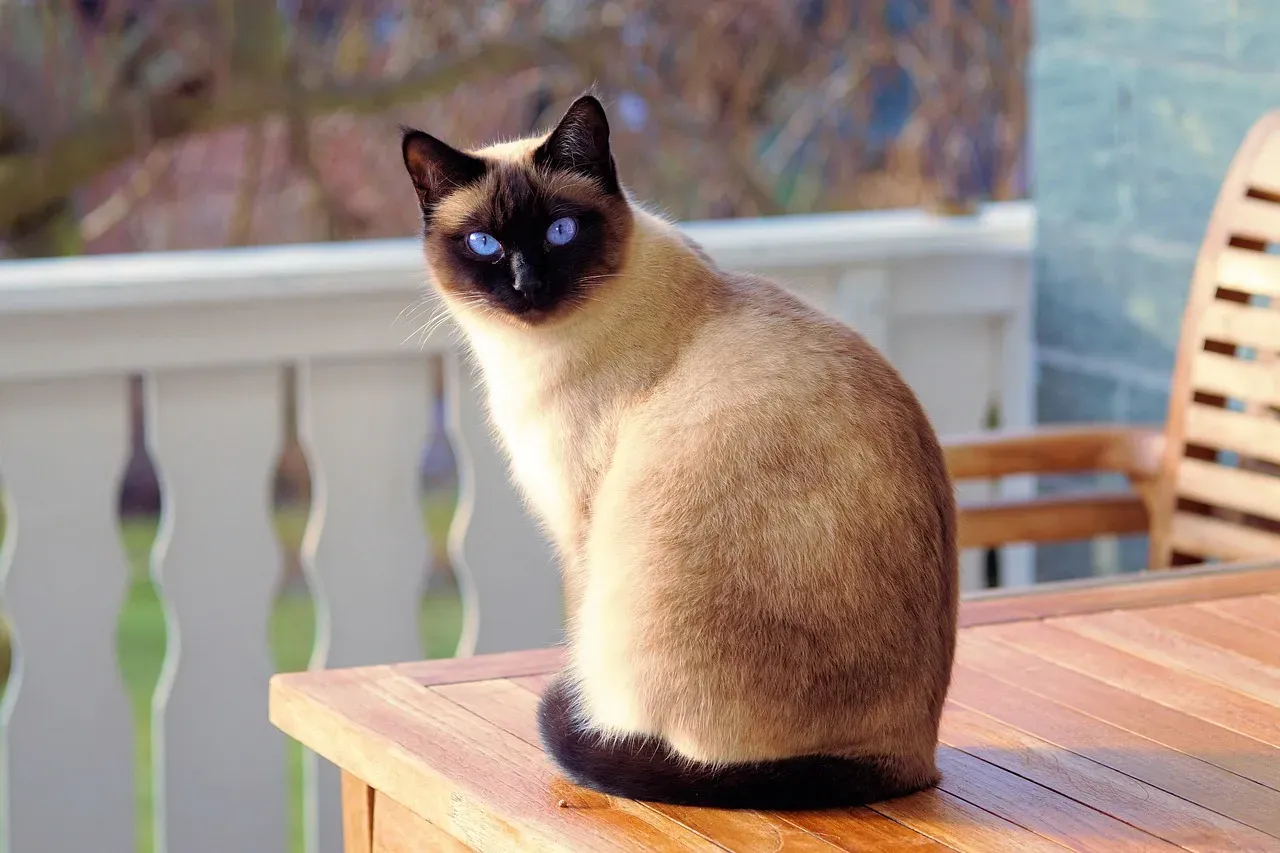
A cat may lower their tail below the level of their back if they are frightened or anxious, and if your cat’s tail is tucked between their legs, then they are really scared or may be experiencing pain. This position makes cats look smaller, which is the opposite of the puffed-up defensive stance.
When the cat tucks its tail underneath the body or to the side, it means fear or submission, and can also mean the cat is experiencing some form of pain or illness. If you notice this frequently, something’s wrong. If your cat frequently crouches with their tail curled tightly around their body for more than a few days, an evaluation by your veterinarian is warranted to rule out pain or illness.
The Wrapped Tail Embrace
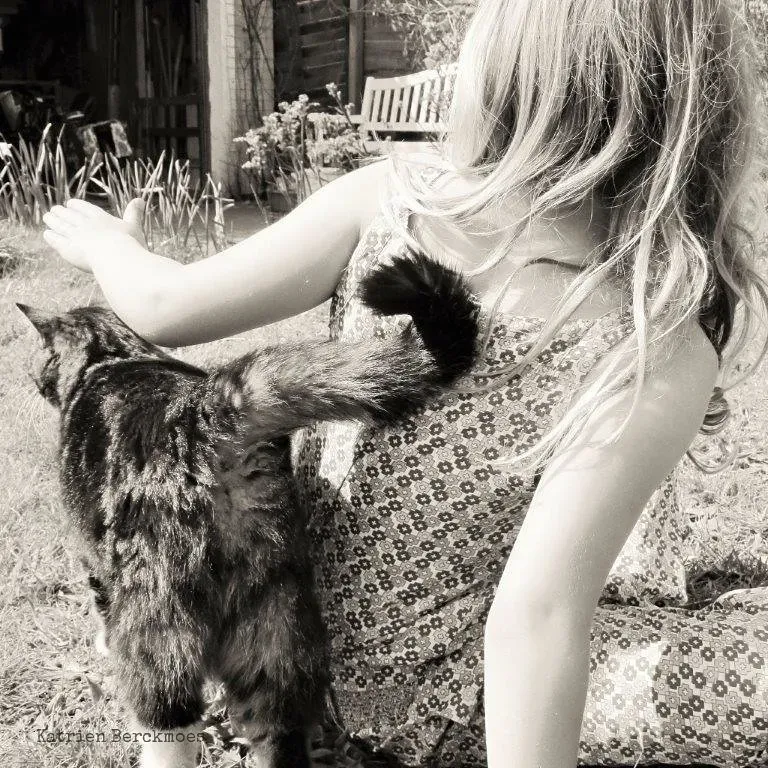
If your cat wraps their tail around you, they are probably showing trust and security. This is a very pro-social tail behavior and one of the ways cats bond and socialize with each other, marking each other with their scent and signaling who their friends are. Let’s be real, this is high praise from a cat.
A tail wrapped around you or another cat is like a hug from your cat, and they only wrap their tails around people and other cats they like as a friendly greeting. However, context matters. Cats sometimes wrap their tails around their own body when they are mildly uncomfortable or in pain, so if you often notice your cat in this defensive position, it’s a good idea to schedule a veterinary check-up.
Understanding the Full Picture
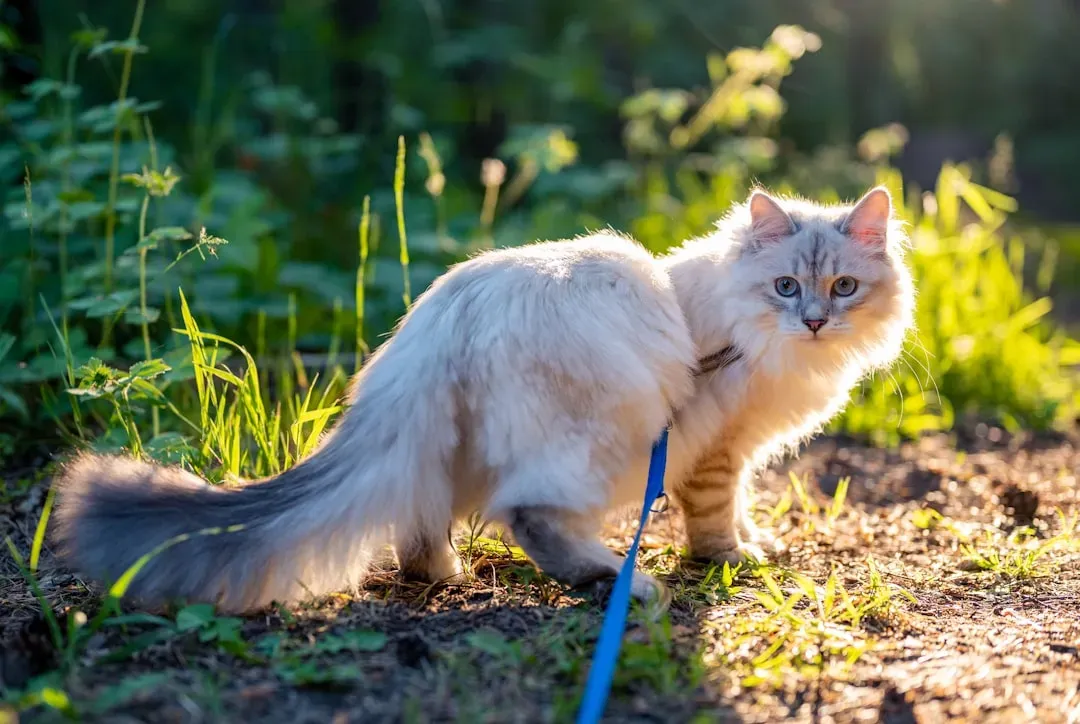
Learning to read your cat’s tail language takes practice, patience, and attention to detail. Cats use their tail movements along with their eyes, ears, and body postures to communicate. The tail alone doesn’t tell the whole story. You need to look at the entire package.
When it comes to reading feline body language, don’t just look at the tail position but pay attention to things like ear position, back, and full body posture to get a better idea of your cat’s current behavior and mood. These tips for understanding cat tail language will empower you to build a more loving, trusting, and fulfilling relationship with your cat. Once you master this silent language, you’ll find yourself having much better conversations with your feline companion. What surprising tail signal has your cat shown you lately?