Cats have been living alongside humans for thousands of years, yet they remain, in some ways, one of the most misunderstood companion animals on the planet. They’re not aloof by nature. They’re selective, perceptive, and deeply aware of how you treat them every single day.
While it may sometimes seem like your cat couldn’t care less about you, they actually form bonds with us and become genuinely attached. These bonds are mutually beneficial too, with cat ownership linked to lower stress levels, a decreased risk of allergies in children, and an improved overall quality of life. Building a stronger connection with your cat isn’t about grand gestures. It’s about consistency, patience, and learning to speak a language that’s entirely their own.
1. Learn to Read Your Cat’s Body Language

One of the most overlooked ways to strengthen your relationship is simply to understand what your cat is actually telling you. Communication is an important part of the feline-human relationship. You and your cat don’t speak the same language, but that doesn’t mean you can’t learn to interpret important messages. You can do this by taking a few key lessons in feline body language, and once you’re fluent in it, you can interpret a quick tail-flick or ear twitch to understand what your cat is thinking.
Look for signs of comfort like slow blinking, kneading, purring, or choosing to sit near you. On the other hand, tail swishing, pinned ears, or a tense body signal discomfort and a need for space. Responding appropriately shows your cat that you’re a safe presence, one they can trust. The more fluently you read these signals, the more you’ll notice your cat gradually opening up to you.
2. Master the Art of the Slow Blink

To perform the slow blink, simply look at your cat and slowly close your eyes, then reopen them in a relaxed, deliberate manner. You can repeat this a few times to signal that you mean no harm. Cats often respond by reciprocating the gesture, which can strengthen your bond and foster a sense of calm. This subtle form of communication builds mutual understanding and lets your cat know you’re not a threat, creating a more positive, trusting relationship over time.
The key to bonding with a cat is understanding how they communicate. Unlike dogs, cats don’t rely on prolonged eye contact to bond. Instead, they use more understated signals, the most well known being the slow blink. It’s essentially a feline smile, signaling safety and trust. Think of it as a quiet greeting that requires no words, just intention and calm eye contact.
3. Engage in Daily Interactive Play

Play is one of the most effective ways to bond with your cat. It channels natural hunting instincts, provides beneficial mental stimulation, and helps release excess energy that can build up indoors. Aim for a few short play sessions each day, choosing toys that mimic the hunting experience, like cat teasers and wand toys. Rotate the toys frequently so your cat doesn’t become bored.
Setting aside ten minutes at least twice a day to focus on playing and interacting with your cat will strengthen your bond. Playtime not only strengthens your bond but also keeps your cat physically and mentally healthy, reducing stress and boredom. It’s worth experimenting with different toy styles to discover which ones your cat responds to with the most energy and enthusiasm.
4. Let Your Cat Lead the Way With Physical Affection
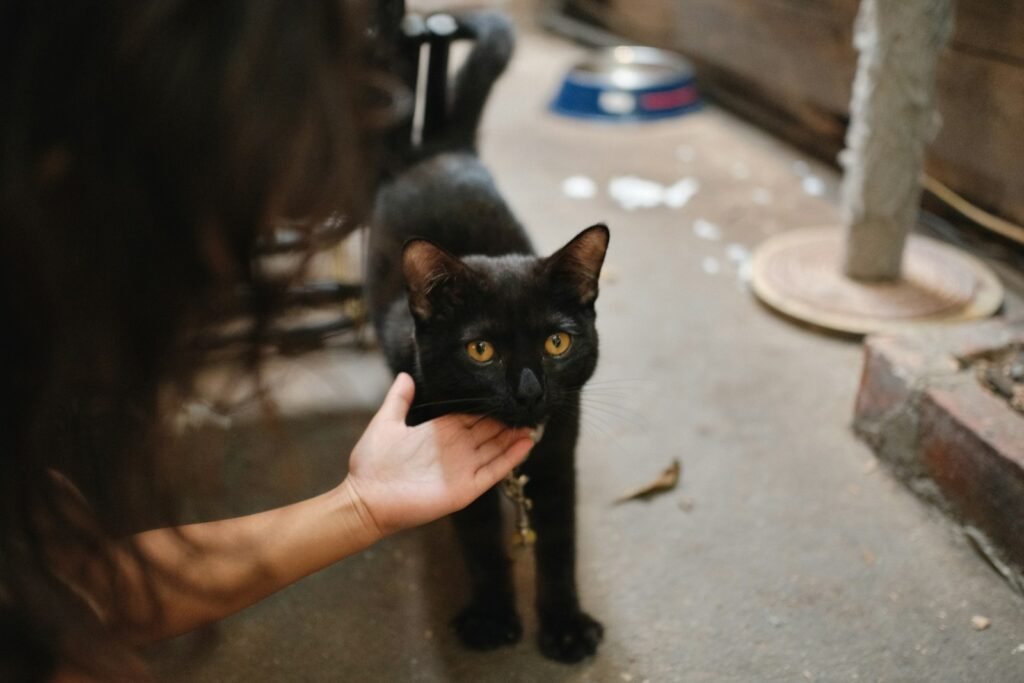
A 2025 study found that when owners engaged in relaxed petting, cuddling, or cradling of their cats, both the owners’ and the cats’ oxytocin tended to rise, but only if the interaction was not forced on the animal. Securely attached cats who initiated contact, such as lap-sitting or nudging, showed an oxytocin surge, and the more time they spent close to their humans, the greater the boost.
Many cats love physical affection, but the key is letting them initiate contact. Cats are sensitive about where they’re touched. While their favorite petting spots can vary from cat to cat, for the most part, you’ll find that cats like to be petted in the same spots every time. Between the ears is an excellent spot to pet, whereas around the tail is an area that’s best left alone. If you only pet your cat in places that they appreciate, they’ll be more likely to want to spend more time with you.
5. Build a Consistent Daily Routine

Predictable feeding times, play sessions, and calm evening routines help your cat feel grounded and secure. Even small daily patterns, like greeting them in the morning or giving them a quiet place to relax at the end of the day, can strengthen your bond over time. Cats are creatures of habit, and when they know what to expect from you, they relax more deeply in your presence.
For shy cats, you can help your bond by being a steady and reliable part of their life. It helps your cat if you come and go at generally the same times and give them attention on a predictable basis. The more they know when to expect what, the more confident and relaxed they’ll feel at home, which provides more incentive for them to seek closeness with their human family members.
6. Try Training With Positive Reinforcement

Clicker training uses a small clicker device to associate sound with a desired behavior, followed by a reward, usually a treat. The practice creates a form of associative language between cat and owner, giving you a way to communicate commands while rewarding good or brave behaviors. The intensive one-on-one time spent through this form of training can help strengthen the bond between cat and owner.
Regular training sessions using positive reinforcement are a great way to strengthen your bond with your cat. Not only will you spend one-on-one time together, but you also help your cat associate you with treats and praise. By rewarding your cat on a regular basis, you show them you are a positive and trustworthy part of their life, and the mental stimulation will also keep your cat happy and more willing to offer companionship.
7. Create a Safe and Enriching Environment
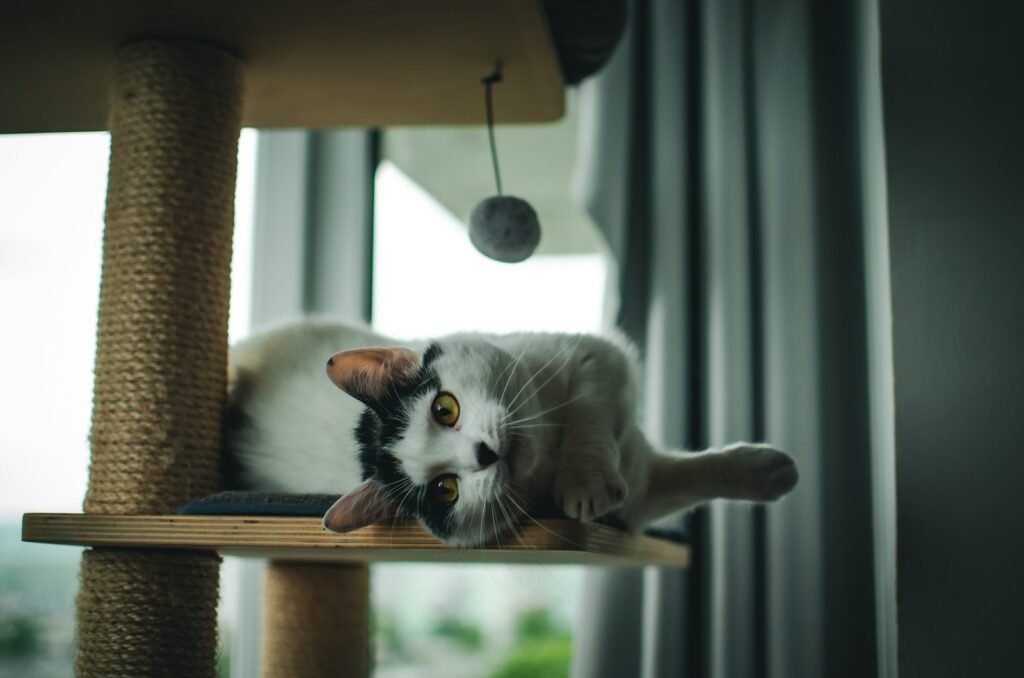
Your cat’s surroundings play a major role in how comfortable and bonded they feel. Providing a variety of safe spaces gives them confidence and encourages them to stay close to you without feeling pressured. A secure environment builds trust and gives your cat the freedom to express themselves in positive, healthy ways.
Introducing new textures, hiding treats for them to “hunt,” or using puzzle feeders are all great options for cats. Enrichment not only entertains your cat but also reinforces your role as their provider and playmate. You can transform your home into a feline paradise by providing vertical spaces like cat trees or shelves for climbing, setting up cozy hiding spots like cardboard boxes or tunnels, and ensuring litter boxes are clean and placed in quiet areas. Cats feel secure in environments that cater to their instincts.
8. Respect Their Boundaries and Accept Their Unique Personality

Every cat has their own distinct personality, and no two cats, even of the same breed, will be exactly alike. Some cats are outgoing and playful, while others are more reserved and independent. Rather than trying to change your cat’s personality, accept them for who they are and learn to celebrate the unique cat you have.
Cats are independent creatures who value their autonomy. Forcing affection can push them away. If your cat walks away during cuddle time, don’t chase them. They’ll come back when they’re ready, and respecting their boundaries actually strengthens trust. By consistently showing patience, offering reassurance, and providing engaging activities like play or gentle interactions, you can foster a deeper sense of security. Ultimately, the more time and effort you invest in building trust, the more your cat will feel at ease in their home, leading to a healthier, happier relationship.
Conclusion

The bond you share with your cat is genuinely unlike any other. It’s built quietly, through small daily moments rather than dramatic declarations. A slow blink here, a shared routine there, a play session at the right time of day. These are the things that matter most to a cat.
What makes feline companionship so special is precisely that it has to be earned. Cats don’t give their trust freely or immediately, which makes it all the more meaningful when they do. Every purr, every gentle head-butt, and every time your cat chooses to curl up near you is a small but genuine sign that the relationship is working.
The most important thing to remember is that strengthening this bond doesn’t require perfection. It requires presence, patience, and a willingness to meet your cat on their own terms. Do that consistently, and the relationship will deepen in ways that quietly enrich both of your lives.
Kristina is a young writer from India. An arts graduate and an avid content creator, Kristina is passionate about animals and wildlife. She enjoys exploring topics related to pet care, animal behavior, conservation, and nature, combining thorough research with engaging storytelling.