#1 Bengal
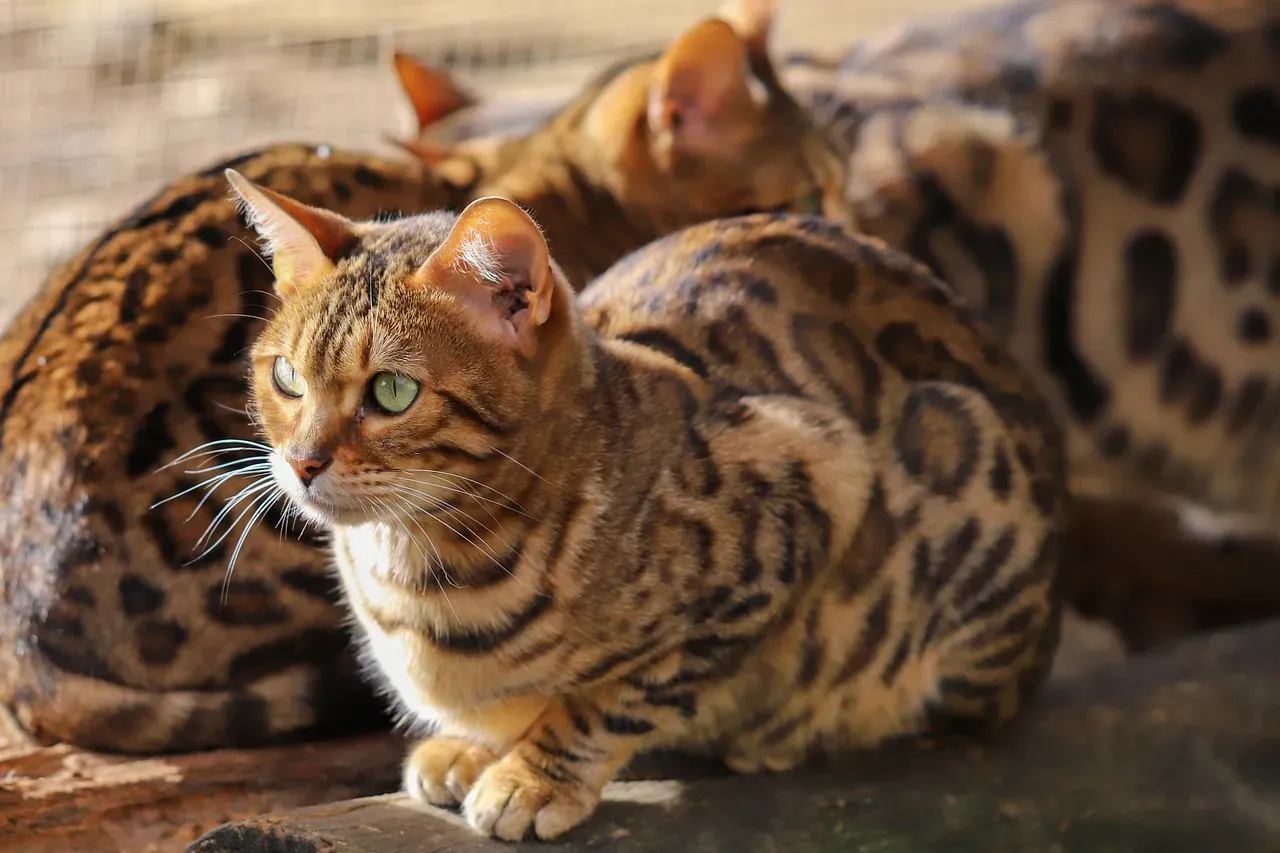
Bengals look like they wandered out of a jungle documentary, and honestly, their energy matches the image. These cats were bred from wild Asian leopard cats, and that heritage shows up in constant motion, a need to climb everything in sight, and a habit of getting into mischief when bored. For someone who wants a calmer household, a Bengal’s relentless curiosity can feel more like managing a toddler than owning a pet.
They also tend to be vocal and demanding when they want attention, which isn’t always convenient for someone hoping for quiet evenings. Bengals often need puzzle feeders, tall cat trees, and daily interactive play just to stay content. Without that outlet, they can become destructive, and that’s a lot of upkeep for anyone looking to slow things down.
#2 Abyssinian
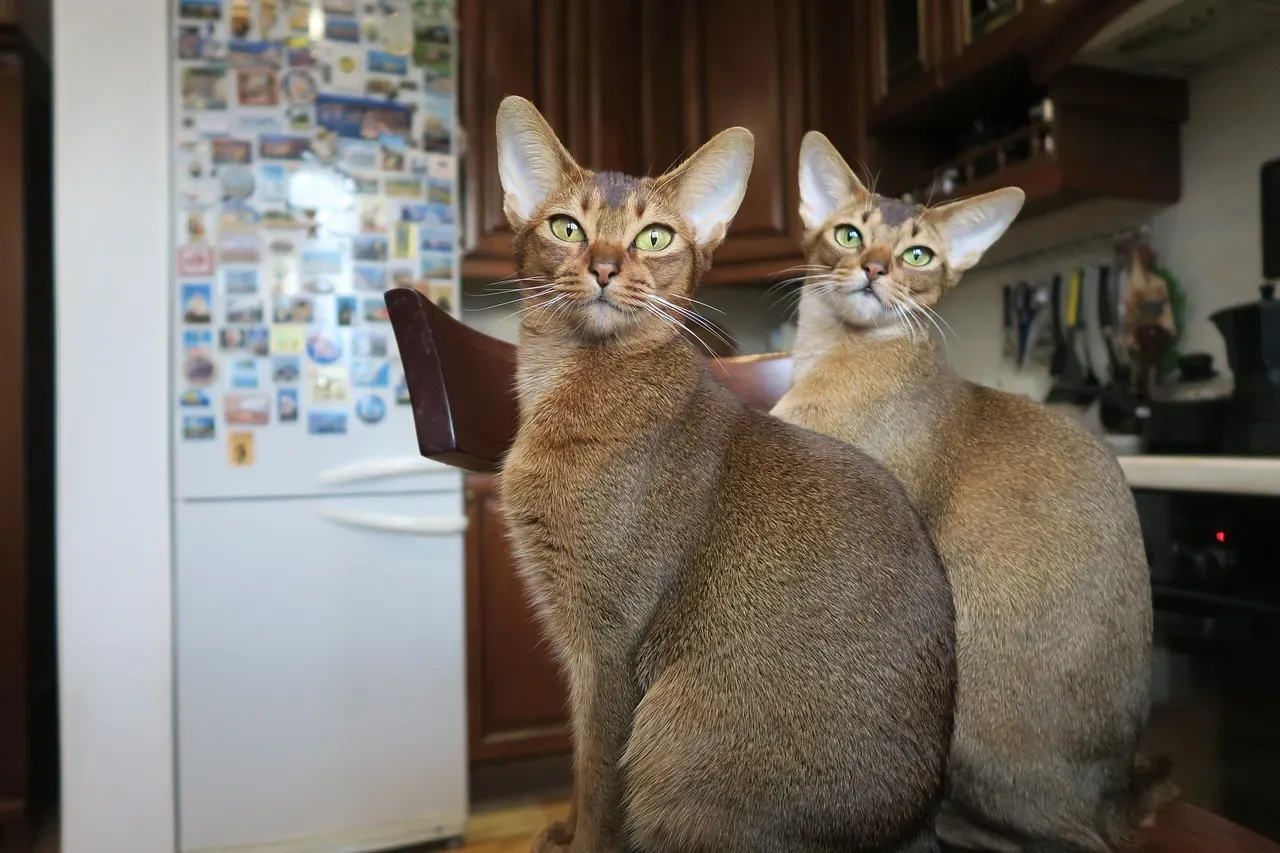
Abyssinians are sometimes called the “Aby-grabbin’-y” cats by breeders, a nod to their habit of investigating literally everything within reach. They’re intelligent, athletic, and always on the move, jumping onto counters, opening cabinets, and following their owners from room to room. That level of engagement is lovely for an active household but can be exhausting for someone who values stillness.
This breed also craves companionship and doesn’t do well being left alone for long stretches. If mobility or energy is more limited, keeping pace with an Abyssinian’s need for play and exploration can become physically taxing. They’re wonderful cats, just not typically the low-key laptop companions many older adults are hoping for.
#3 Savannah
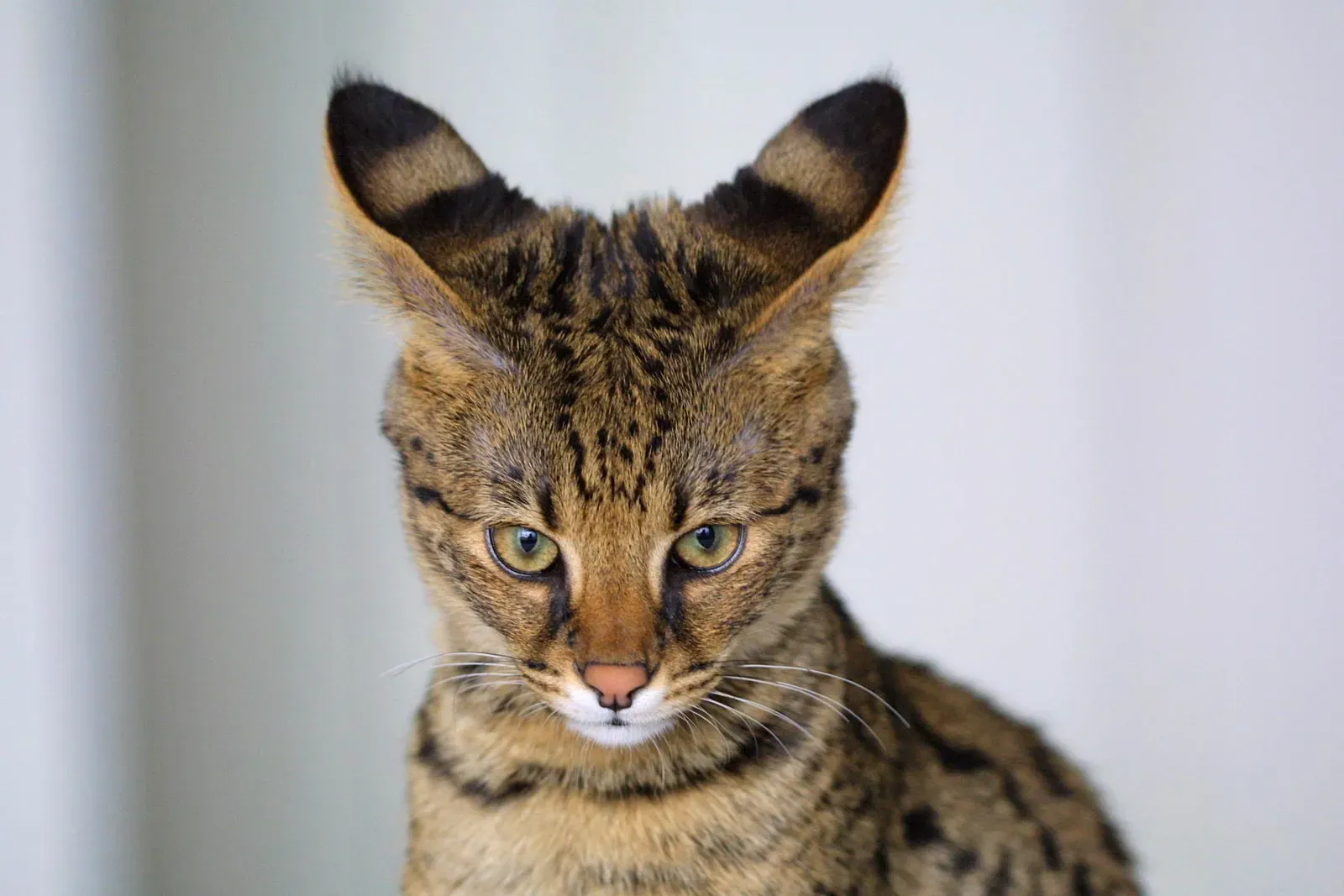
Savannahs carry part wild serval in their lineage, and it shows in their size, athleticism, and sheer determination to explore vertical space. Some Savannahs can leap remarkably high and treat bookshelves and refrigerators as personal lookout posts. That kind of physicality requires supervision and space that not every home, especially a smaller retirement apartment, can easily provide.
Beyond the acrobatics, Savannahs are known for strong personalities and a tendency to bond intensely with one person while being wary of others. They need consistent structure and mental stimulation, and without it, boredom can turn into problem behavior. For someone seeking a gentle, easygoing companion, a Savannah’s intensity may be more than they bargained for.
#4 Siamese
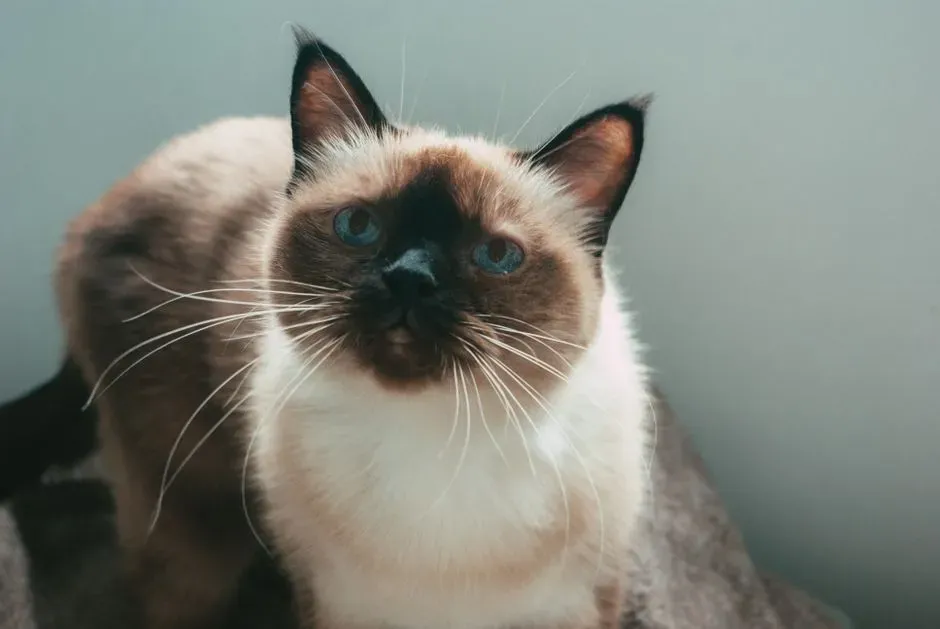
Siamese cats are famous for their striking looks and equally famous for their voices. They communicate constantly, and not with soft little chirps, but with loud, insistent meows that some owners find endearing and others find genuinely disruptive. For someone who values a quiet home, living with a cat that vocalizes its every opinion can wear thin fast.
They’re also deeply social and don’t tolerate being ignored. Siamese cats often follow their owners around demanding interaction, and prolonged solitude can lead to anxiety or destructive habits. This breed does best with an owner who has the time and energy to engage regularly, which isn’t always realistic for someone managing a quieter, more independent routine.
#5 Devon Rex
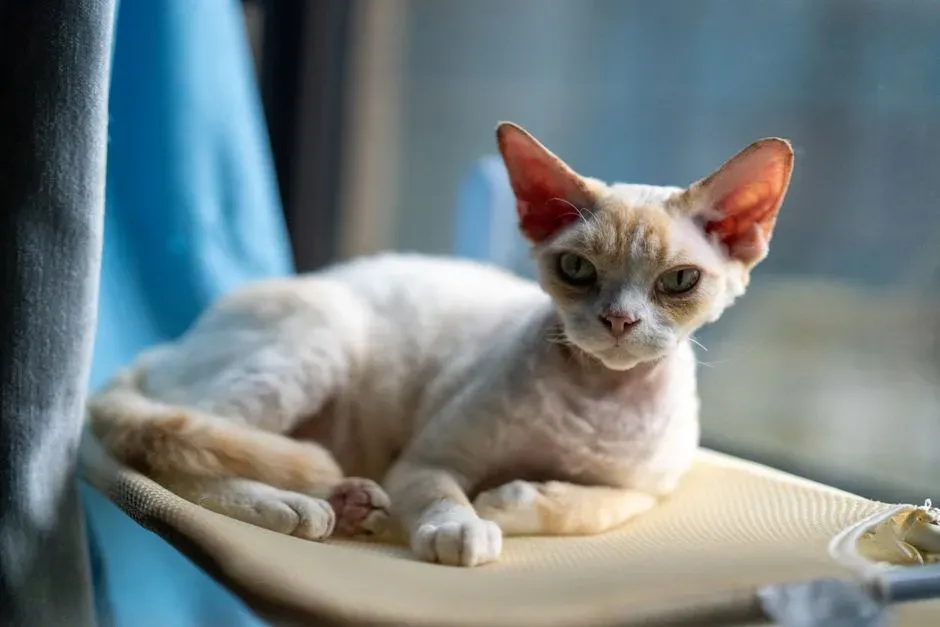
Devon Rex cats are playful, mischievous, and often described as dog-like in how closely they shadow their owners. Their curly coat is unusual and low-shedding, which sounds convenient, but it comes with a catch. Their skin produces more oil than typical cat breeds, meaning regular bathing is often necessary to prevent buildup, something not every owner anticipates.
They’re also prone to being cold, often needing warmer environments or extra blankets, and they’re highly food-motivated, sometimes to the point of getting into cabinets or countertops looking for a snack. Their high activity level and constant need for interaction make them delightful for an engaged household but potentially overwhelming for someone hoping for a more relaxed pace.
#6 Turkish Van
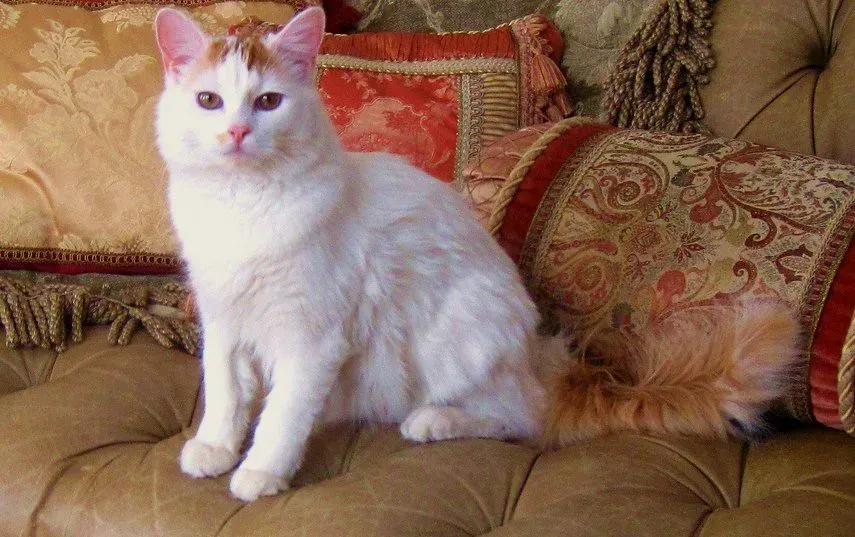
Turkish Vans are sometimes nicknamed the “swimming cat” because of their unusual love of water, and that alone can create unexpected messes around the house. They’re athletic, strong-willed, and known for their high energy well into adulthood, often continuing to leap and climb long after other breeds have settled into a calmer middle age. That sustained activity level can be a lot to keep up with over the years.
This breed also tends to bond strongly with one or two people and can be standoffish with strangers, which may complicate life if family or caregivers visit frequently. Turkish Vans need consistent mental stimulation, and without it, they can become restless or vocal about their dissatisfaction. It’s a striking, intelligent breed, but not necessarily a restful one.
#7 Oriental Shorthair
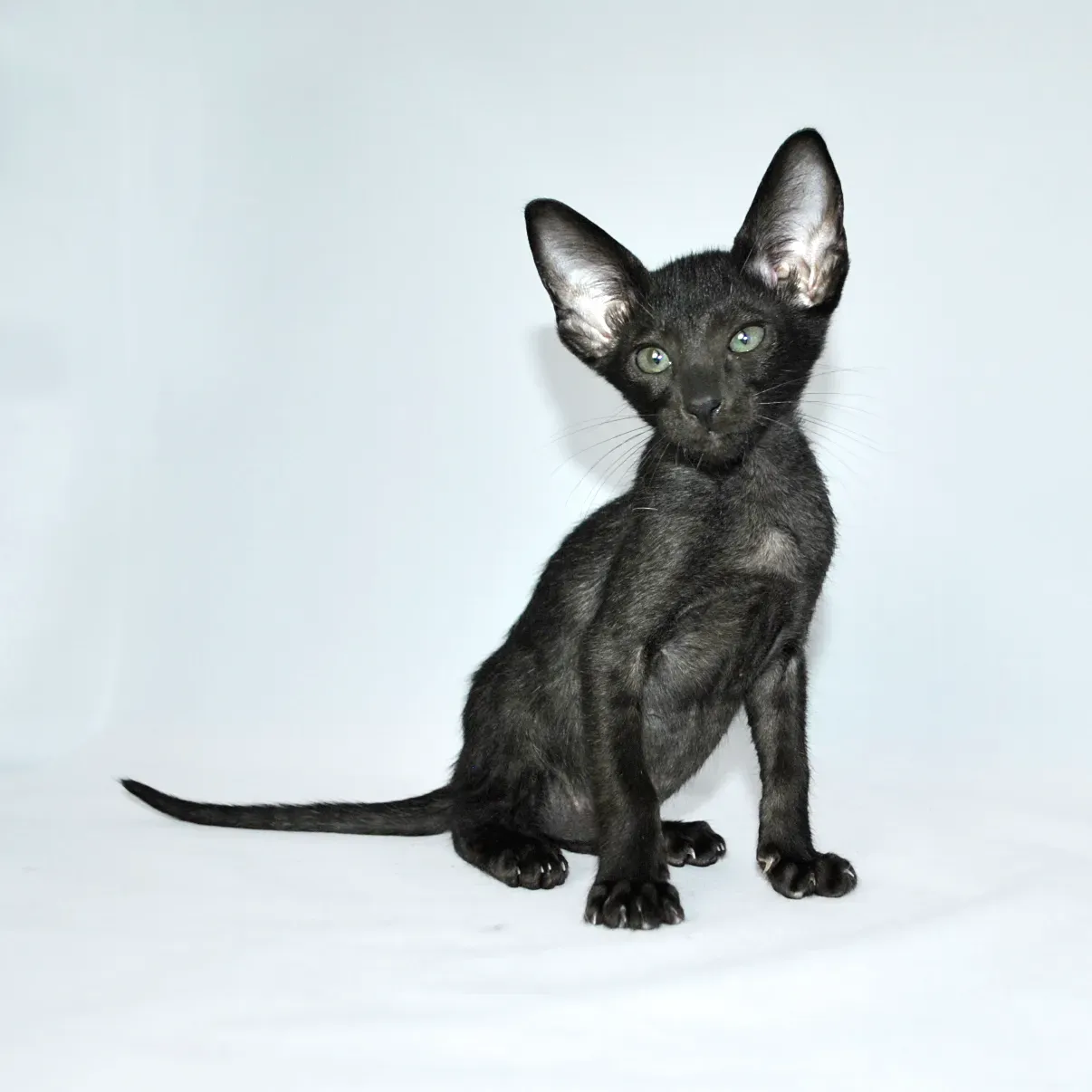
Oriental Shorthairs share much of the Siamese temperament, including the loud voice and constant need for attention, but with even more physical energy packed into a lean frame. They’re known for being extremely people-oriented, often following owners from room to room and expecting to be part of every activity. That kind of dependency can feel flattering at first but taxing over time.
They don’t do well left alone for extended periods and can develop anxiety-related behaviors if under-stimulated. Given their intelligence, they also need regular mental engagement through toys or training, or they’ll find their own entertainment, which isn’t always something owners appreciate. For someone wanting a self-sufficient, quieter cat, the Oriental Shorthair’s neediness can be a poor match.
#8 Sphynx
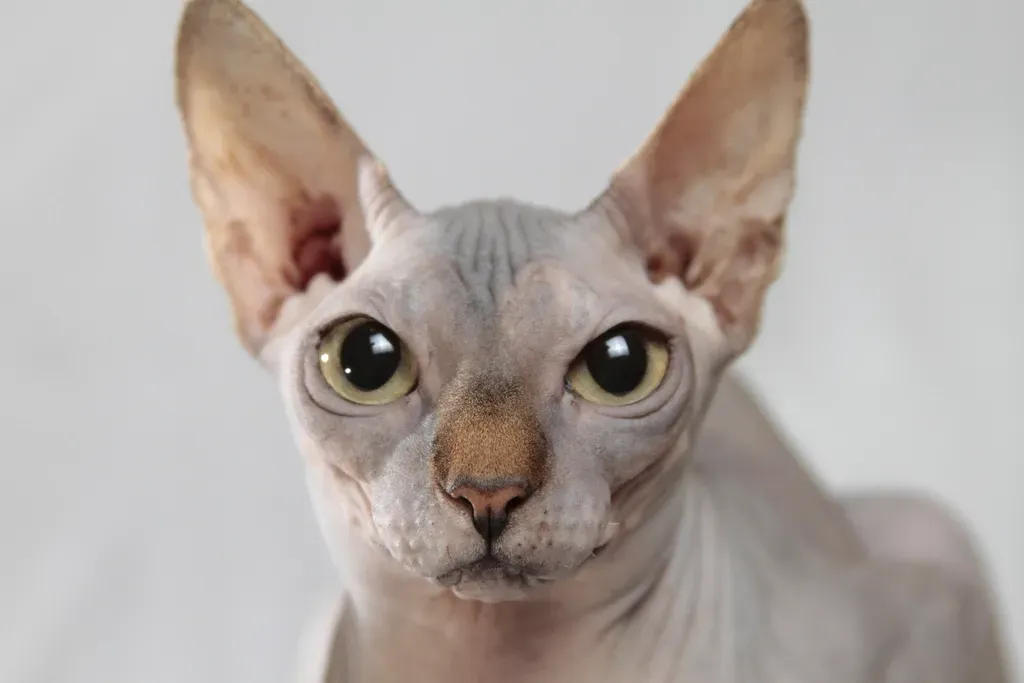
Sphynx cats might be the most misunderstood breed on this list. Their lack of fur doesn’t mean lack of maintenance, in fact, it’s the opposite. Without hair to absorb body oils, Sphynx cats need regular bathing, and their skin is sensitive to temperature and sun exposure, meaning owners often need to manage indoor climate carefully year-round.
They’re also incredibly social and craving of physical closeness, often seeking body heat by climbing under blankets or right up against their owner. While that closeness sounds sweet, it comes with a level of ongoing care, from skin folds needing regular cleaning to ear wax buildup, that requires more hands-on attention than many people expect. For someone with limited mobility or patience for grooming routines, a Sphynx can become more labor-intensive than anticipated.
Final Thoughts
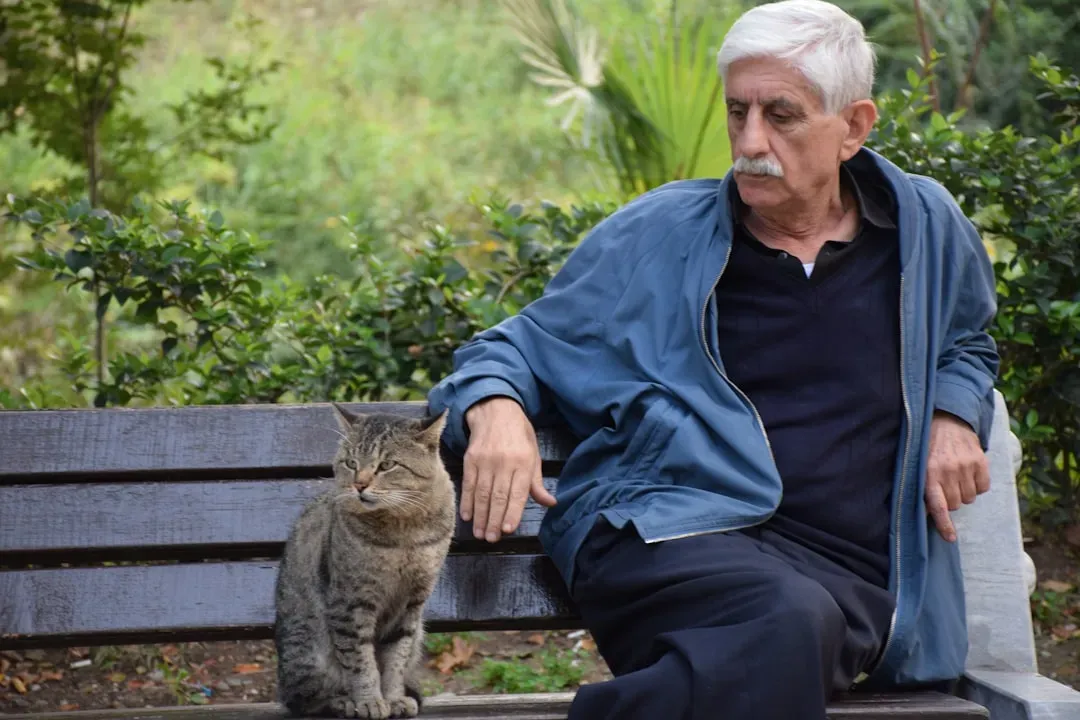
None of these breeds are bad cats. They’re simply built for owners who have the time, energy, and physical stamina to match their personalities, and that’s worth being honest about. A high-energy, vocal, or grooming-intensive cat can turn a peaceful home into a demanding routine, and that’s not what most are looking for when they welcome a new companion.
If a calm lap, minimal grooming, and quiet companionship are the goal, it’s worth looking toward mellower, more low-maintenance breeds instead. A cat should ease your days, not add another item to your to-do list. Choosing wisely from the start makes for a far more enjoyable relationship down the road.
Kristina is a young writer from India. An arts graduate and an avid content creator, Kristina is passionate about animals and wildlife. She enjoys exploring topics related to pet care, animal behavior, conservation, and nature, combining thorough research with engaging storytelling.