#1 The Classic Case of Zoomies
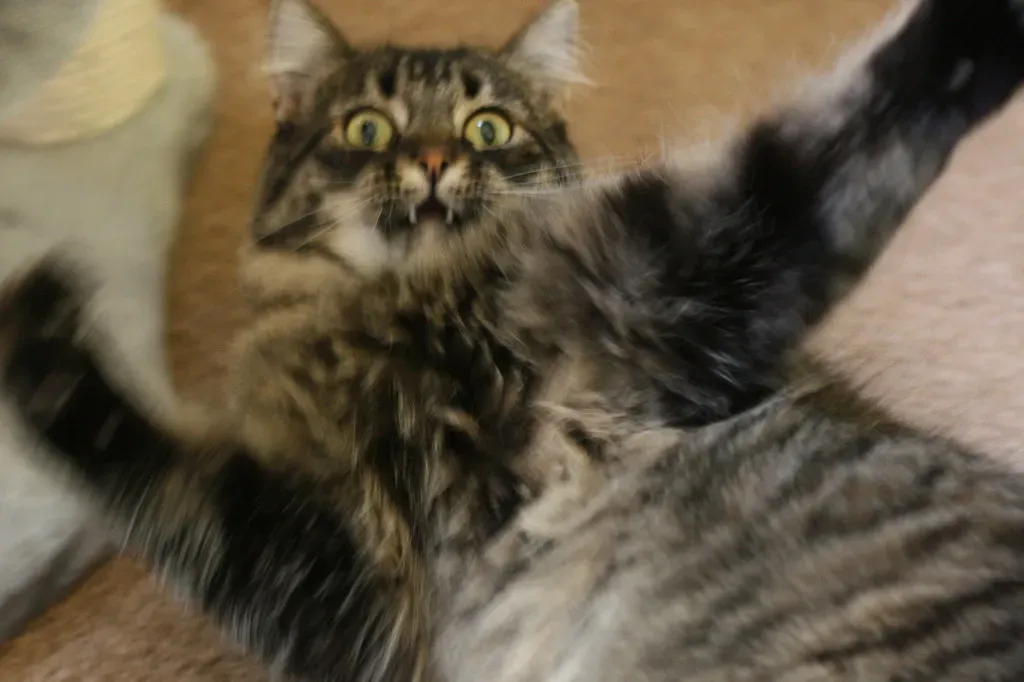
Most cat owners have heard the term “zoomies,” and it’s the most straightforward explanation for a sudden dash across the room. Veterinarians often refer to these episodes as Frenetic Random Activity Periods, or FRAPs, a scientific way of describing what looks like a cat suddenly deciding the living room is a racetrack. These bursts tend to happen in short, intense spurts, often lasting less than a minute before the cat flops down as if nothing happened.
Zoomies are generally considered normal, especially in younger cats and kittens who have excess energy and limited outlets to burn it off. Indoor cats in particular don’t get the natural opportunities to run, chase, or climb that outdoor cats do, so that stored energy has to go somewhere. A sudden sprint is often just a release valve, not a sign that anything is wrong.
#2 Nighttime Energy Surges
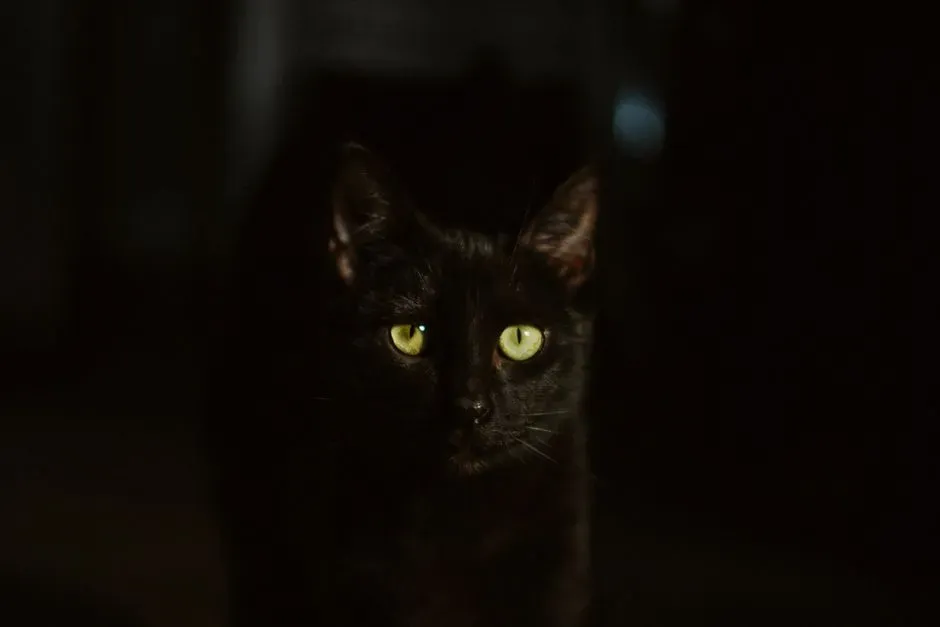
Cats are crepuscular by nature, meaning they’re biologically wired to be most active during dawn and dusk rather than the middle of the day or night. This is a holdover from their wild ancestors, who hunted during these low-light hours when prey activity was highest. That instinct doesn’t disappear just because your cat now lives on a couch instead of in the wild.
This explains why so many cat owners report their pets sprinting through the house at odd hours, sometimes waking everyone up in the process. The energy has been building throughout the day, and dusk or dawn simply triggers the internal switch that says it’s time to move. If your cat seems to have a predictable “crazy hour,” this circadian rhythm is likely the reason.
#3 Post Bathroom Excitement
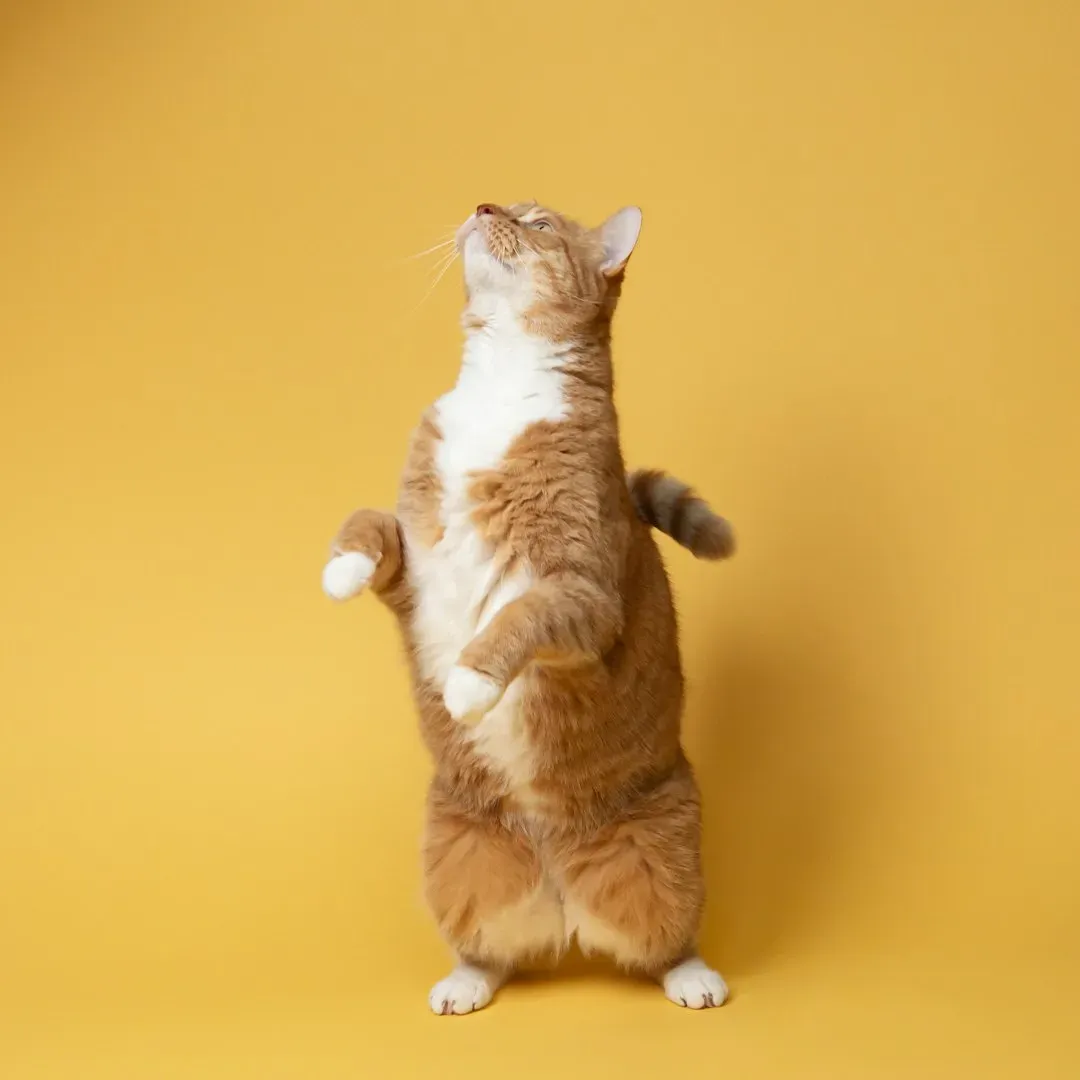
Many cats sprint immediately after using the litter box, a behavior sometimes called “poop zoomies” in more casual conversation. There isn’t a single confirmed scientific explanation, but a few theories are widely accepted among veterinarians and behaviorists. One suggests that the act of eliminating triggers a rush of relief or even a mild endorphin release, similar to what some other animals experience.
Another theory ties back to vulnerability. In the wild, cats are exposed and defenseless while eliminating, so a fast getaway afterward may be an instinctive way to escape potential predators. Whatever the exact cause, this particular sprint pattern is common enough that it’s rarely a cause for concern unless it’s paired with other symptoms like straining or discomfort.
#4 Built Up Predatory Instincts
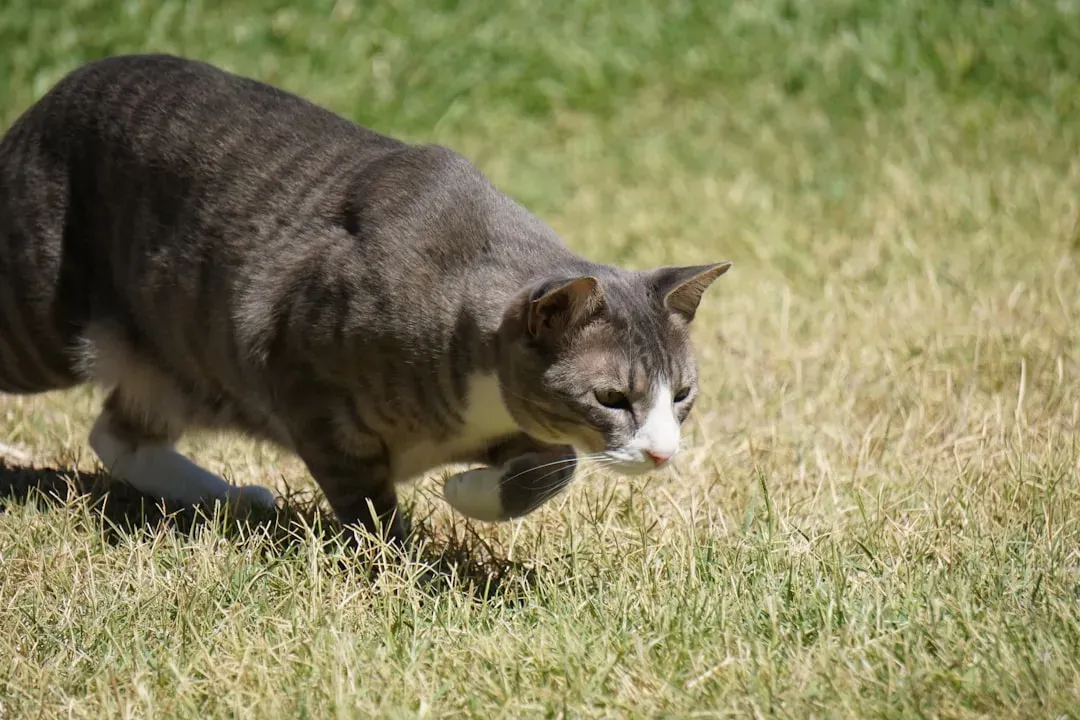
Domestic cats retain nearly all the hunting instincts of their wild relatives, even after generations of living indoors. Chasing, pouncing, and sprinting are core parts of a hunting sequence that many house cats simply never get to complete because there’s no actual prey involved. Without a mouse or bird to chase, that instinct can build up and eventually release itself in a sudden burst of running.
This is sometimes described as displaced predatory behavior, where the cat essentially hunts an imaginary target. You might notice your cat’s eyes dilate, ears perk forward, or body crouch low right before one of these sprints begins. Giving cats regular interactive play sessions with wand toys or laser pointers can help satisfy this drive before it builds into an unpredictable indoor chase.
#5 Sudden Startle Reactions
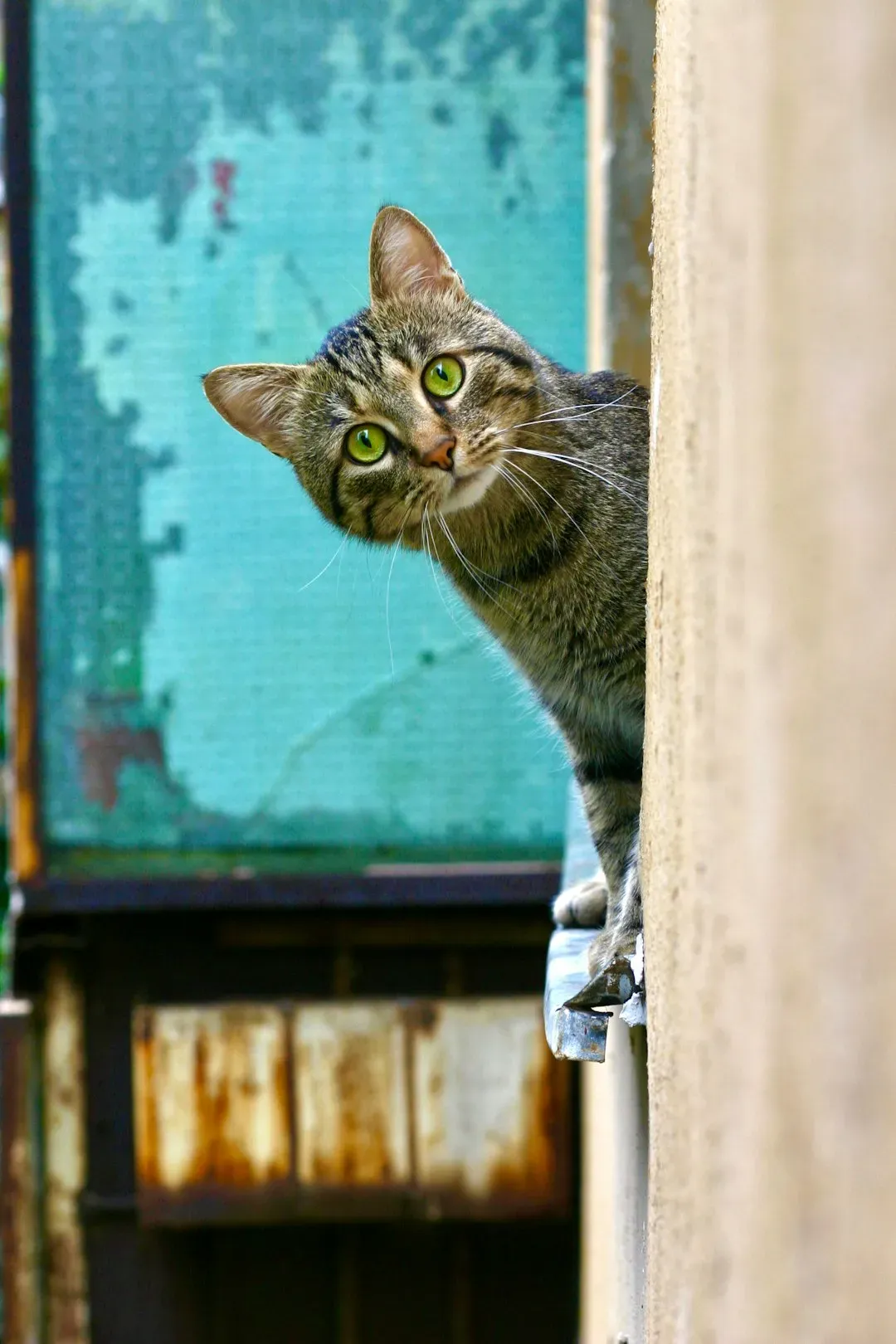
Cats have incredibly sensitive senses, and a sudden noise, movement, or unfamiliar smell can trigger an instant flight response. Unlike zoomies, which often come from boredom or built up energy, a startle-based sprint usually looks more panicked and less playful. The cat’s body language tends to be lower, tenser, and more defensive rather than loose and bouncy.
This kind of reaction is rooted in survival instinct rather than mischief. A dropped object, an unfamiliar visitor, or even a plastic bag rustling can be enough to send a cat sprinting for cover. If this happens frequently, it may be worth looking at whether something in the home environment is consistently startling your cat.
#6 Stress or Anxiety Triggers
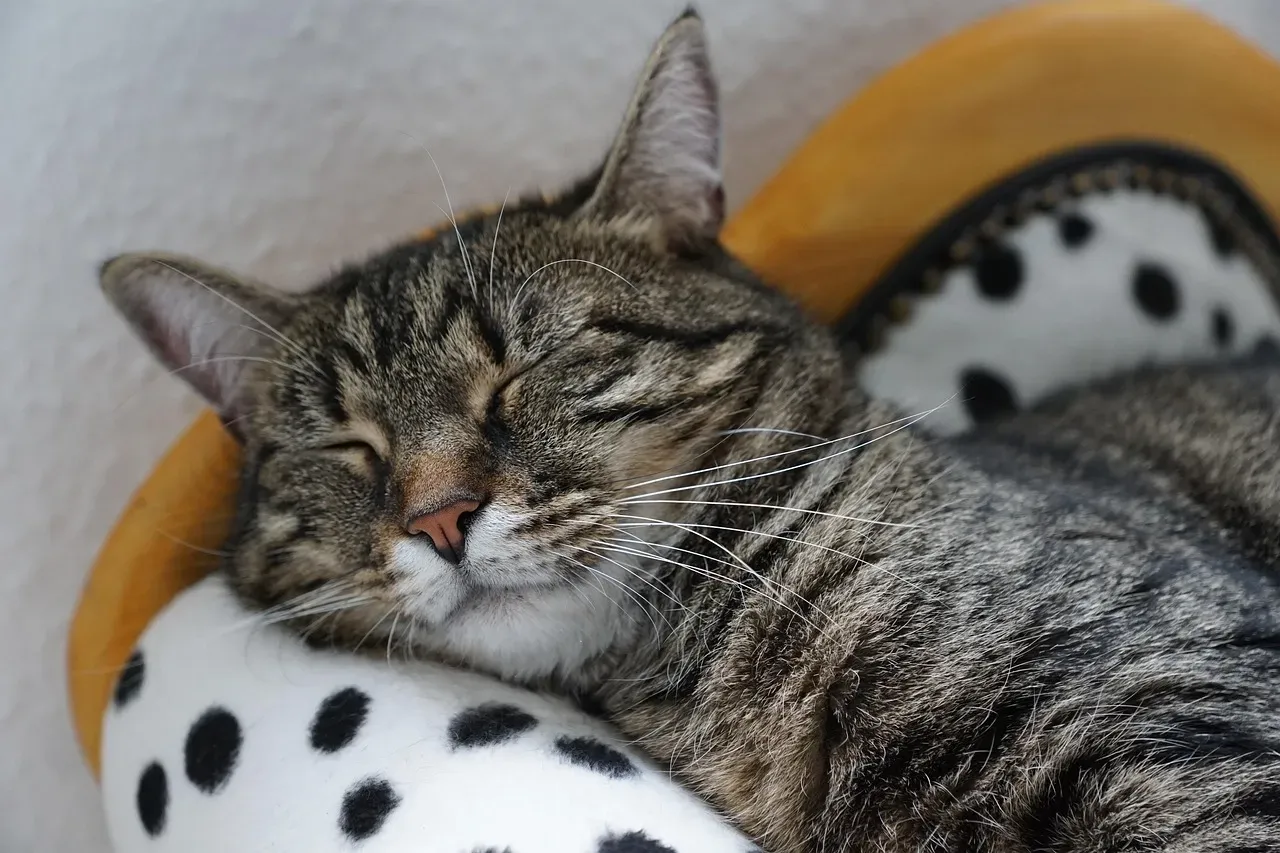
Not all sudden sprints are lighthearted. In some cases, they can be tied to underlying stress, especially in multi-pet households or homes that have recently changed in some way, like new furniture, a move, or an unfamiliar visitor. Cats are creatures of routine, and disruptions to their environment can manifest physically through restless, erratic movement.
Behaviorists often recommend watching for patterns rather than isolated incidents. If sprinting is paired with hiding, excessive grooming, appetite changes, or increased vocalization, stress is a more likely explanation than simple excess energy. Creating predictable routines and safe hiding spots can go a long way toward reducing this type of behavior.
#7 Medical and Neurological Factors
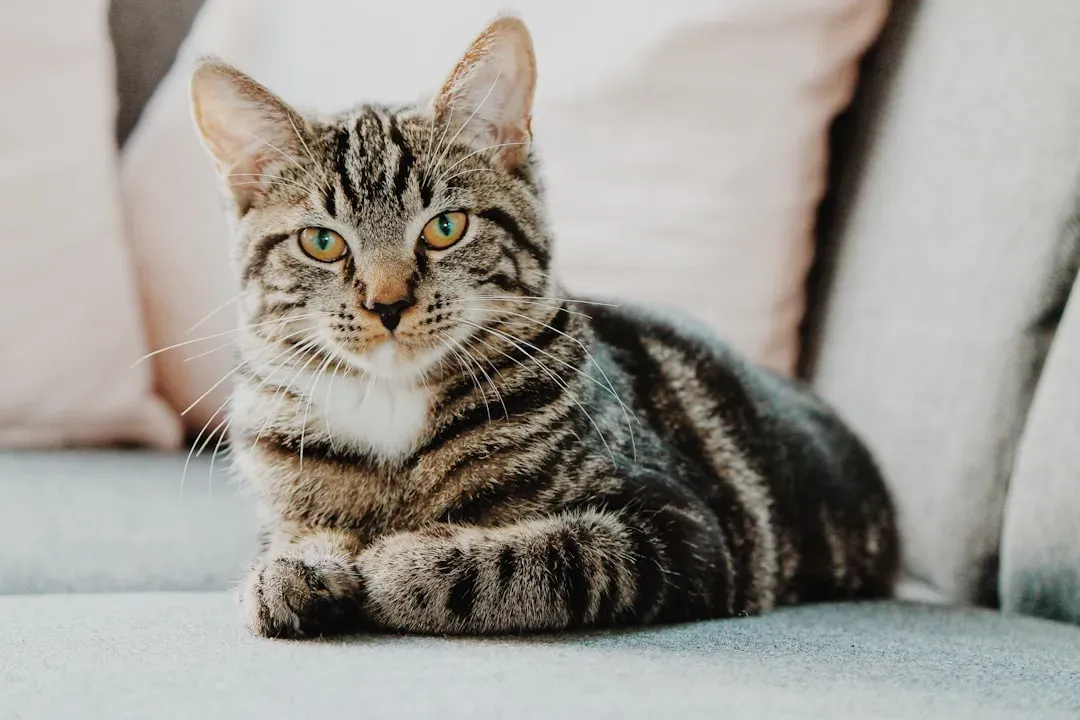
While most sudden sprints are harmless, veterinarians do note that certain medical conditions can cause similar behavior. Hyperthyroidism, for example, is known to increase energy levels and restlessness in cats, particularly in older cats where the condition is more common. Neurological issues, though far less common, can also occasionally present as sudden bursts of movement.
The key difference is frequency and context. A healthy cat’s zoomies are occasional and situational, while a medical issue tends to produce more consistent, unexplained restlessness over time. Any noticeable change in behavior, especially in senior cats, is worth mentioning to a veterinarian rather than dismissing as just another zoomie.
#8 Environmental Boredom
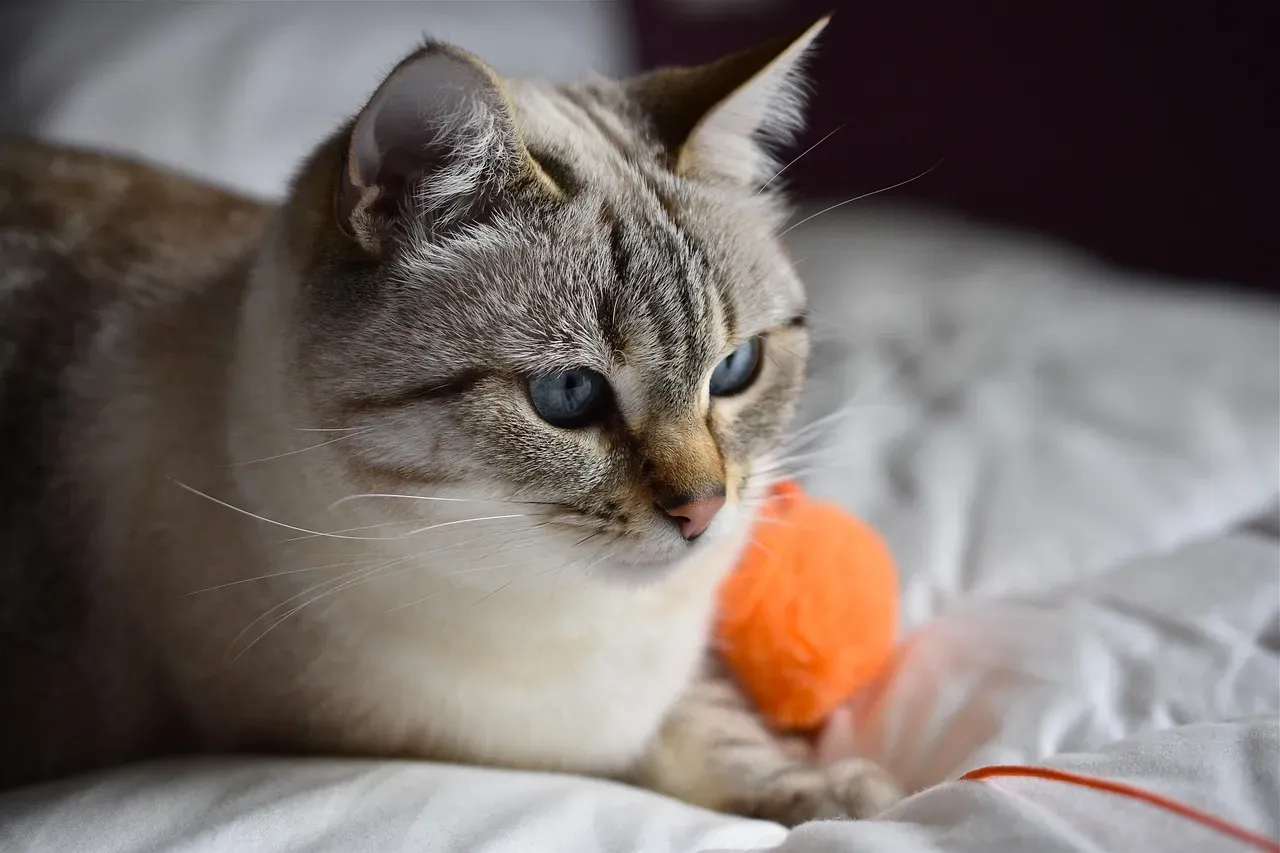
Indoor cats face a unique challenge that their outdoor counterparts don’t: a limited, often unchanging environment. Without regular mental and physical stimulation, boredom can accumulate and eventually express itself through sudden, almost explosive activity. This is especially common in single-cat households where there isn’t another animal to interact with throughout the day.
Environmental enrichment, things like cat trees, window perches, puzzle feeders, and rotating toys, can significantly reduce this kind of pent up energy. Cats that have more opportunities to climb, scratch, and explore during the day tend to show fewer dramatic energy bursts at inconvenient hours. It’s a reminder that a cat’s environment plays a much bigger role in behavior than many owners initially assume.
#9 Simple Social Interaction and Playfulness
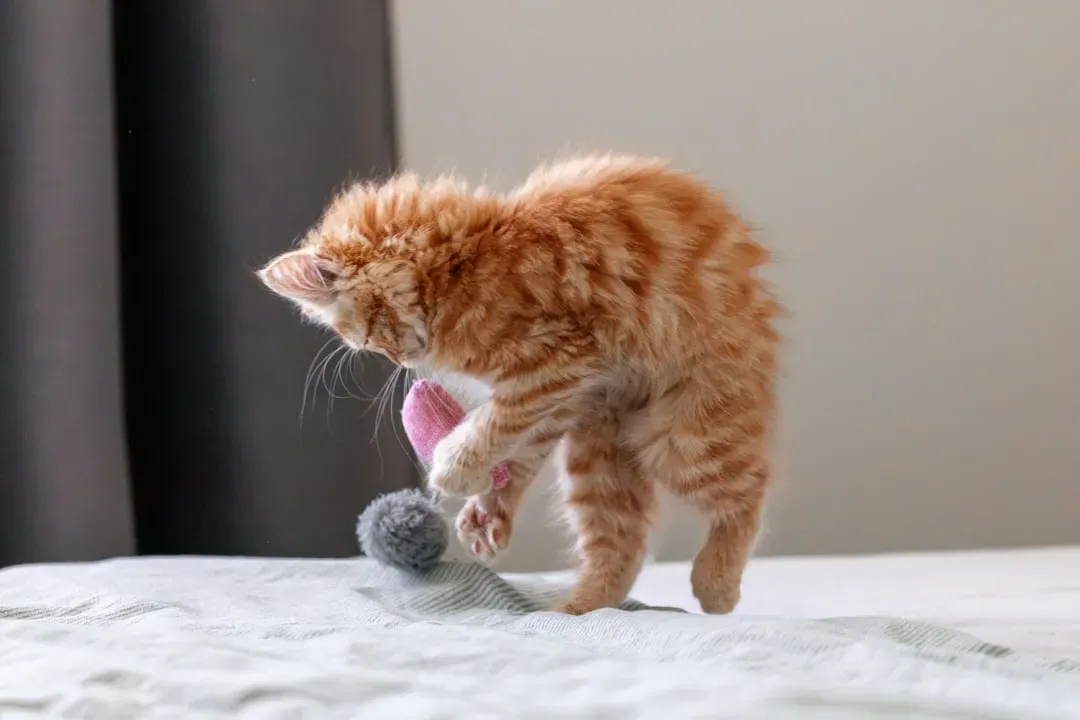
Sometimes the explanation is refreshingly simple: your cat wants to play, and sprinting is part of the invitation. Cats often initiate play with humans or other pets through quick, exaggerated movements, almost like a challenge to join in. This is particularly common in younger cats or kittens who are still developing their social and play behaviors.
These sprints tend to be accompanied by playful body language, like a puffed tail, sideways hopping, or pausing to look back at you mid-run. Rather than a sign of distress or excess energy needing release, this version is closer to an actual game. Responding with a toy or gentle chase can turn a random sprint into genuine bonding time.
Final Thoughts
Kristina is a young writer from India. An arts graduate and an avid content creator, Kristina is passionate about animals and wildlife. She enjoys exploring topics related to pet care, animal behavior, conservation, and nature, combining thorough research with engaging storytelling.